


End
14.99 €
In stock
End
14.99 €
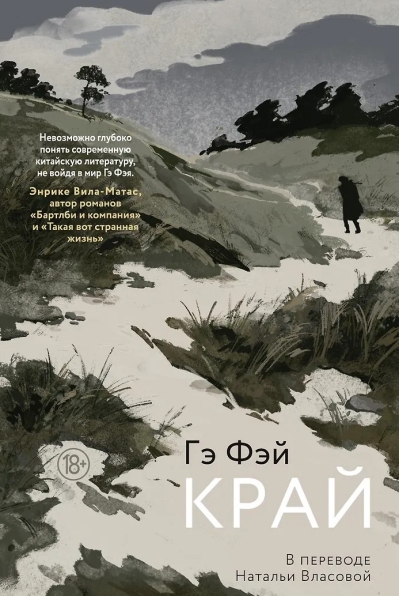
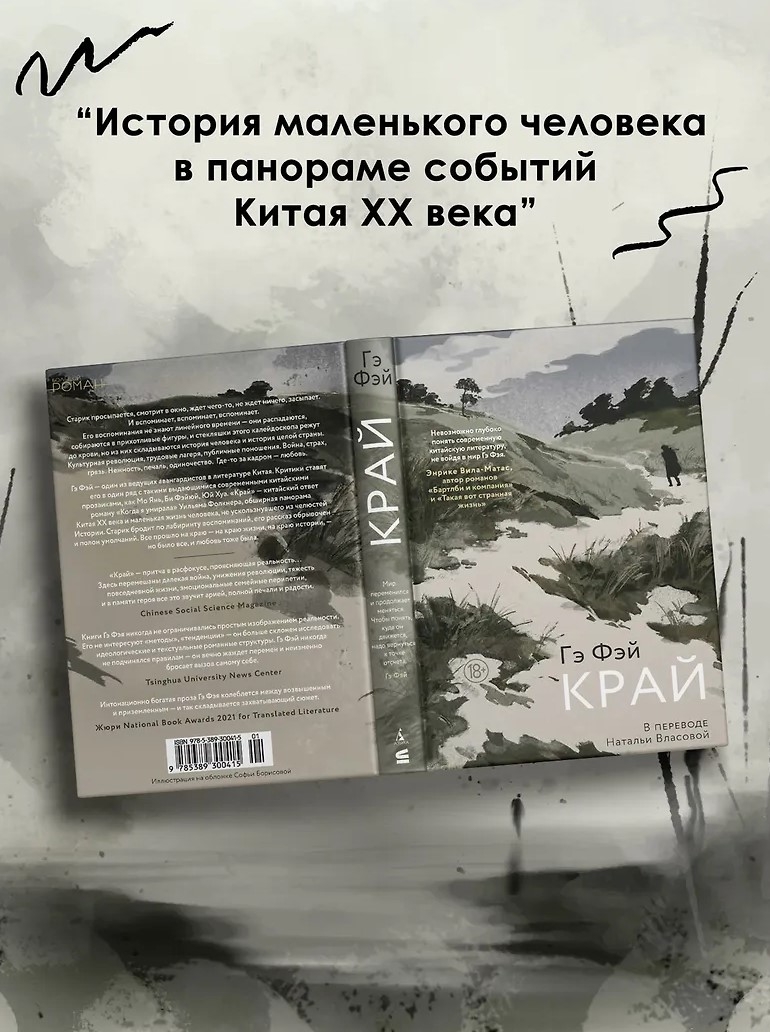
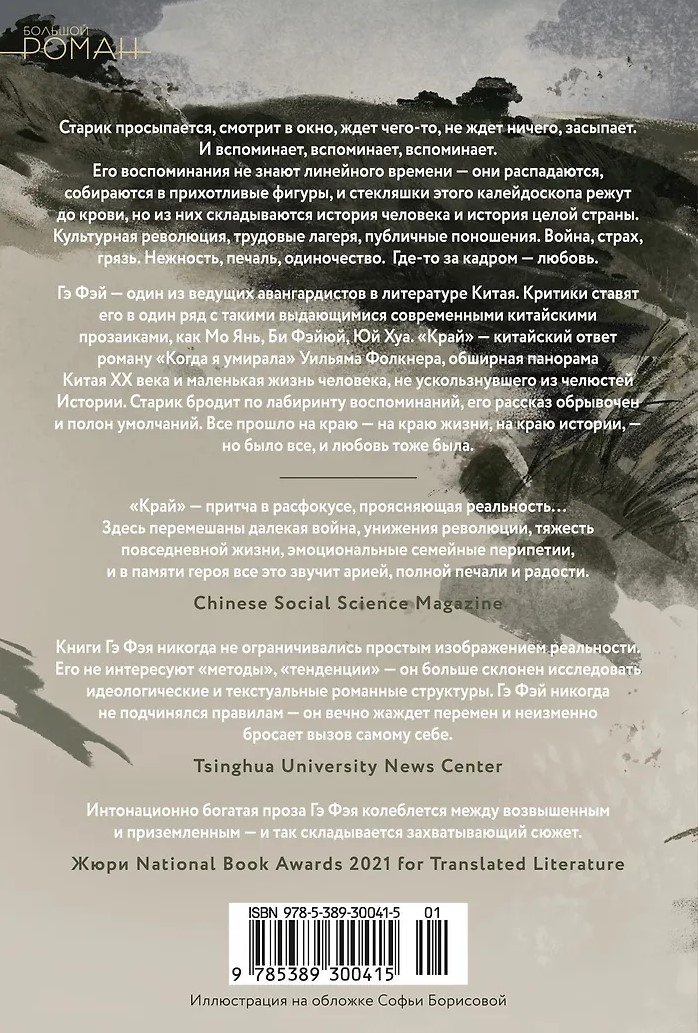
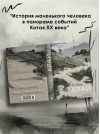
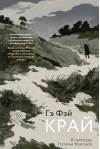
An old man wakes up, looks out the window, waits for something, waits for nothing, and falls asleep. And he remembers, remembers, remembers.
His memories know no linear time—they disintegrate, reassemble into whimsical shapes, sometimes poetic, often terrifying. The glass beads of this kaleidoscope cut to the point of blood, but they form the story of a man in whose life everything was too small, everything was too vast, and everything has passed, and the history of an entire country that has endured several great upheavals and crippled more than one generation. The Cultural Revolution, labor camps, public vilification. War, fear, filth. Tenderness, sadness, loneliness. Somewhere off-screen is love, but the old man speaks of war, fear, loneliness, and betrayal, and only love does he not speak of.
Ge Fei is one of the leading avant-garde artists in Chinese literature. Critics rank him alongside such outstanding contemporary Chinese writers as Mo Yan, Bi Feiyu, and Yu Hua, and compare his style to Kafka, Borges, and Marquez. "The Edge" is a Chinese response to William Faulkner's "As I Lay Dying," a vast panorama of 20th-century China and the brief life of a man who did not escape the jaws of history. An old man wanders through the labyrinth of his memories, talking and talking, his narrative fragmentary and full of omissions. Everything happened on the edge—on the edge of life, on the edge of history—but everything happened, and love, too, happened.
His memories know no linear time—they disintegrate, reassemble into whimsical shapes, sometimes poetic, often terrifying. The glass beads of this kaleidoscope cut to the point of blood, but they form the story of a man in whose life everything was too small, everything was too vast, and everything has passed, and the history of an entire country that has endured several great upheavals and crippled more than one generation. The Cultural Revolution, labor camps, public vilification. War, fear, filth. Tenderness, sadness, loneliness. Somewhere off-screen is love, but the old man speaks of war, fear, loneliness, and betrayal, and only love does he not speak of.
Ge Fei is one of the leading avant-garde artists in Chinese literature. Critics rank him alongside such outstanding contemporary Chinese writers as Mo Yan, Bi Feiyu, and Yu Hua, and compare his style to Kafka, Borges, and Marquez. "The Edge" is a Chinese response to William Faulkner's "As I Lay Dying," a vast panorama of 20th-century China and the brief life of a man who did not escape the jaws of history. An old man wanders through the labyrinth of his memories, talking and talking, his narrative fragmentary and full of omissions. Everything happened on the edge—on the edge of life, on the edge of history—but everything happened, and love, too, happened.
See also:
- All books by the publisher
- All books by the author
- All books in the series A Great Romance