


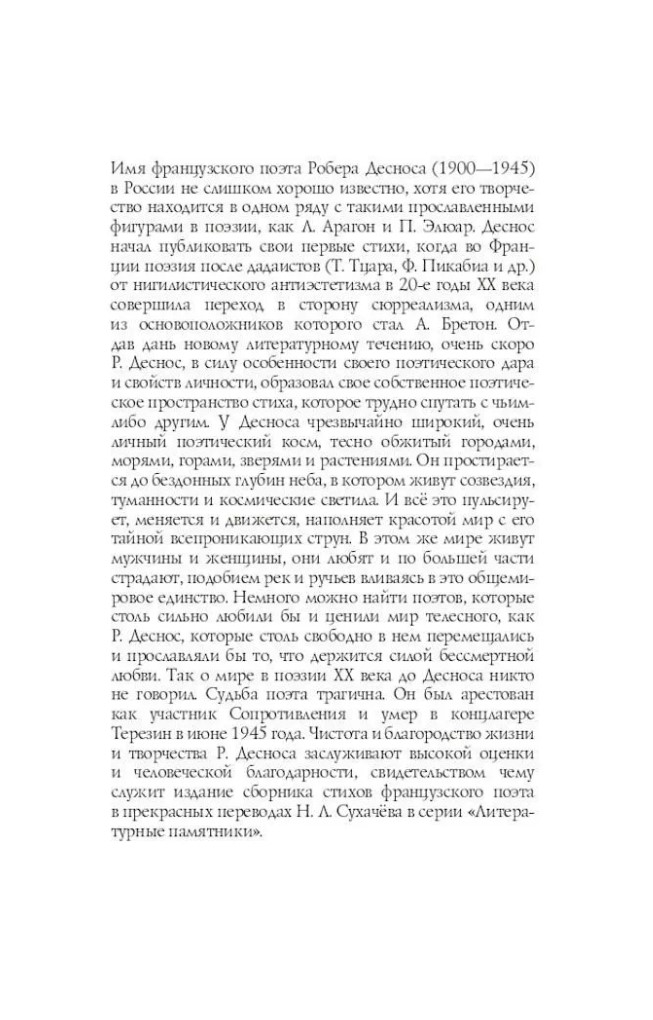
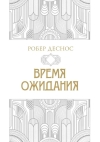
Waiting time
39.99 €
In stock
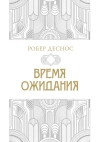
Waiting time
39.99 €
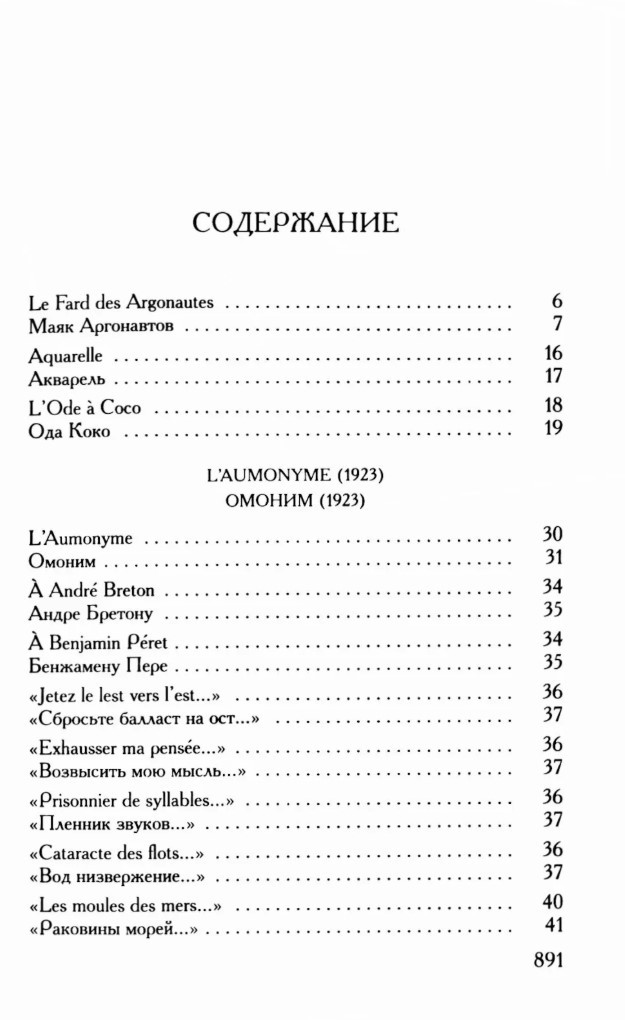
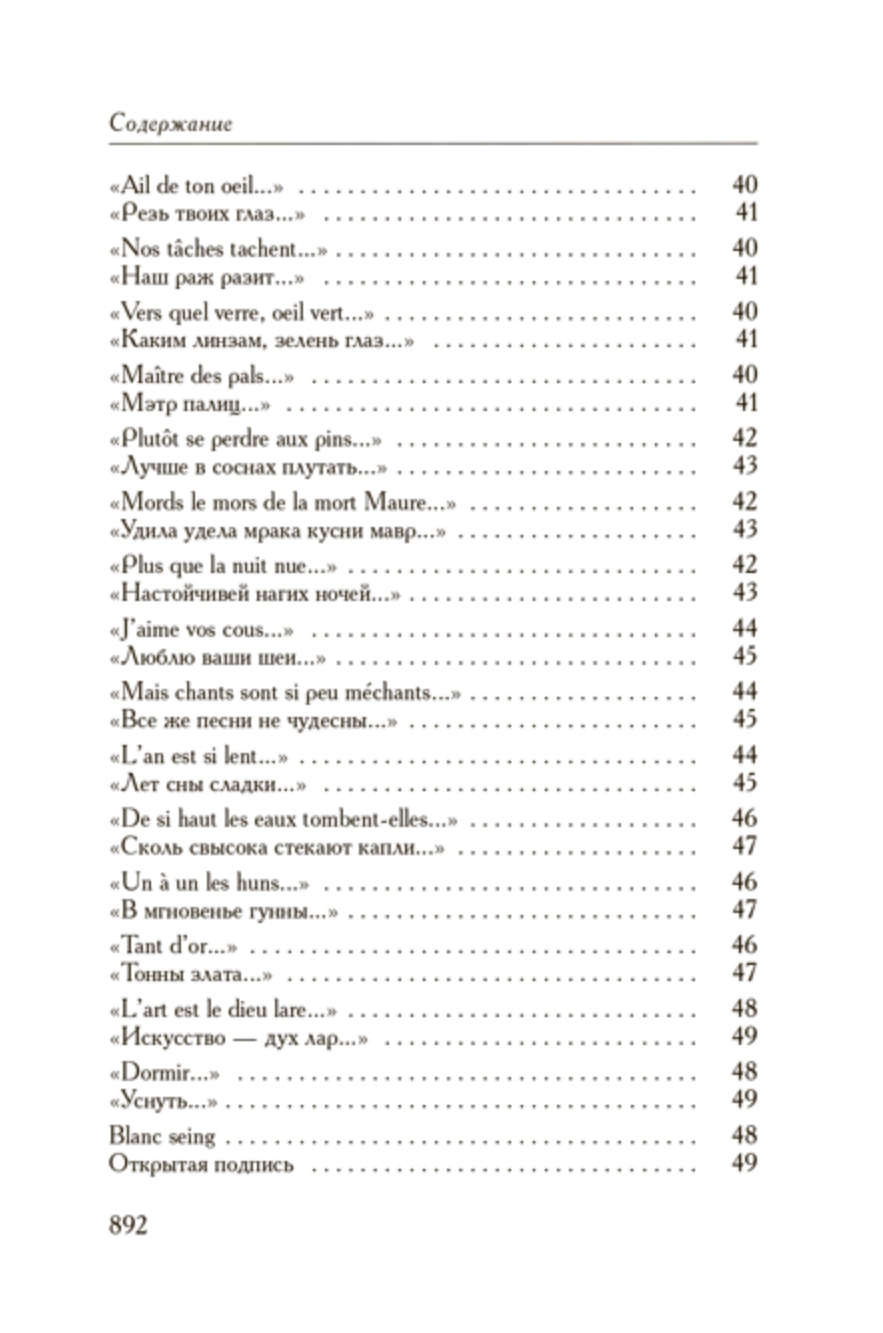
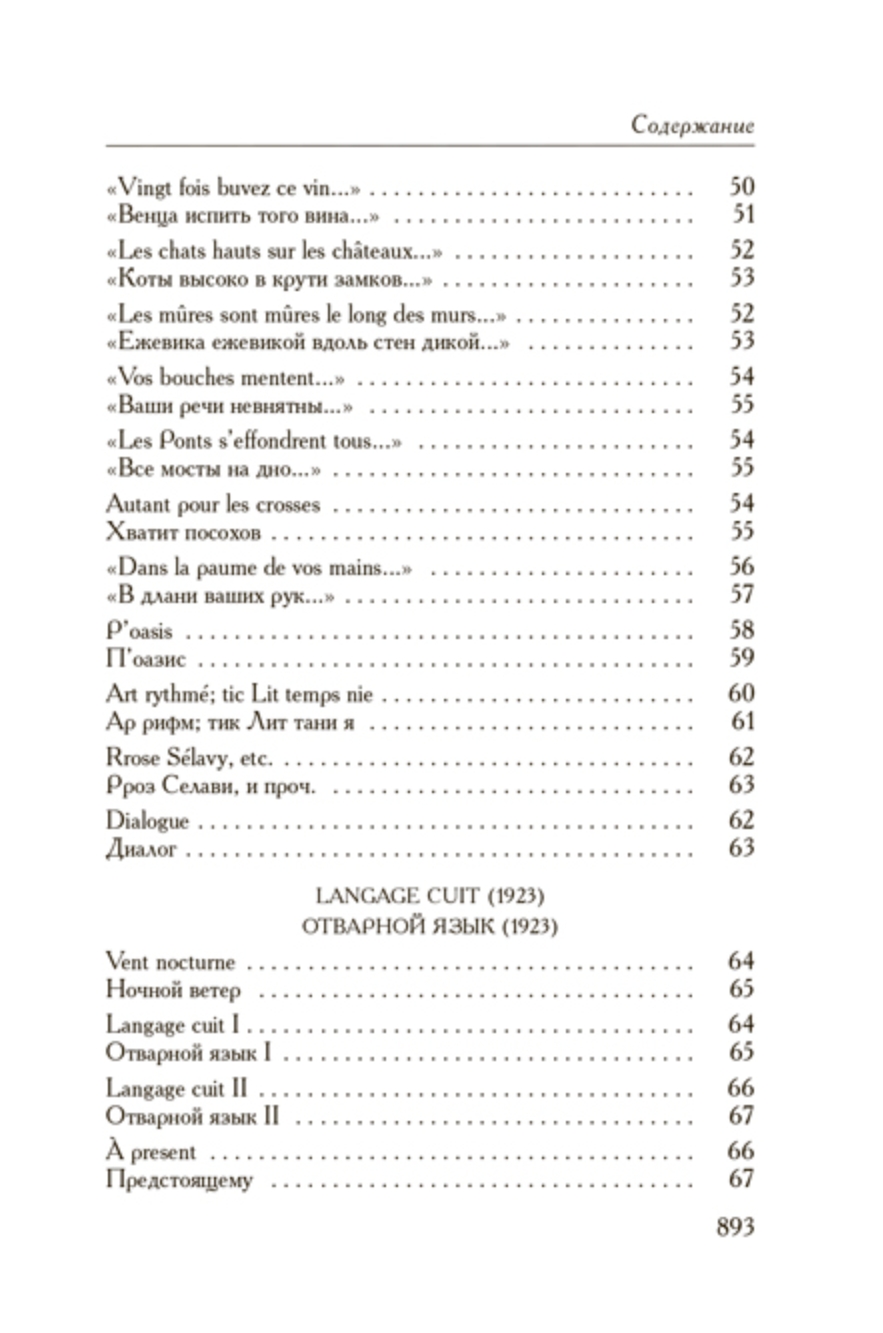
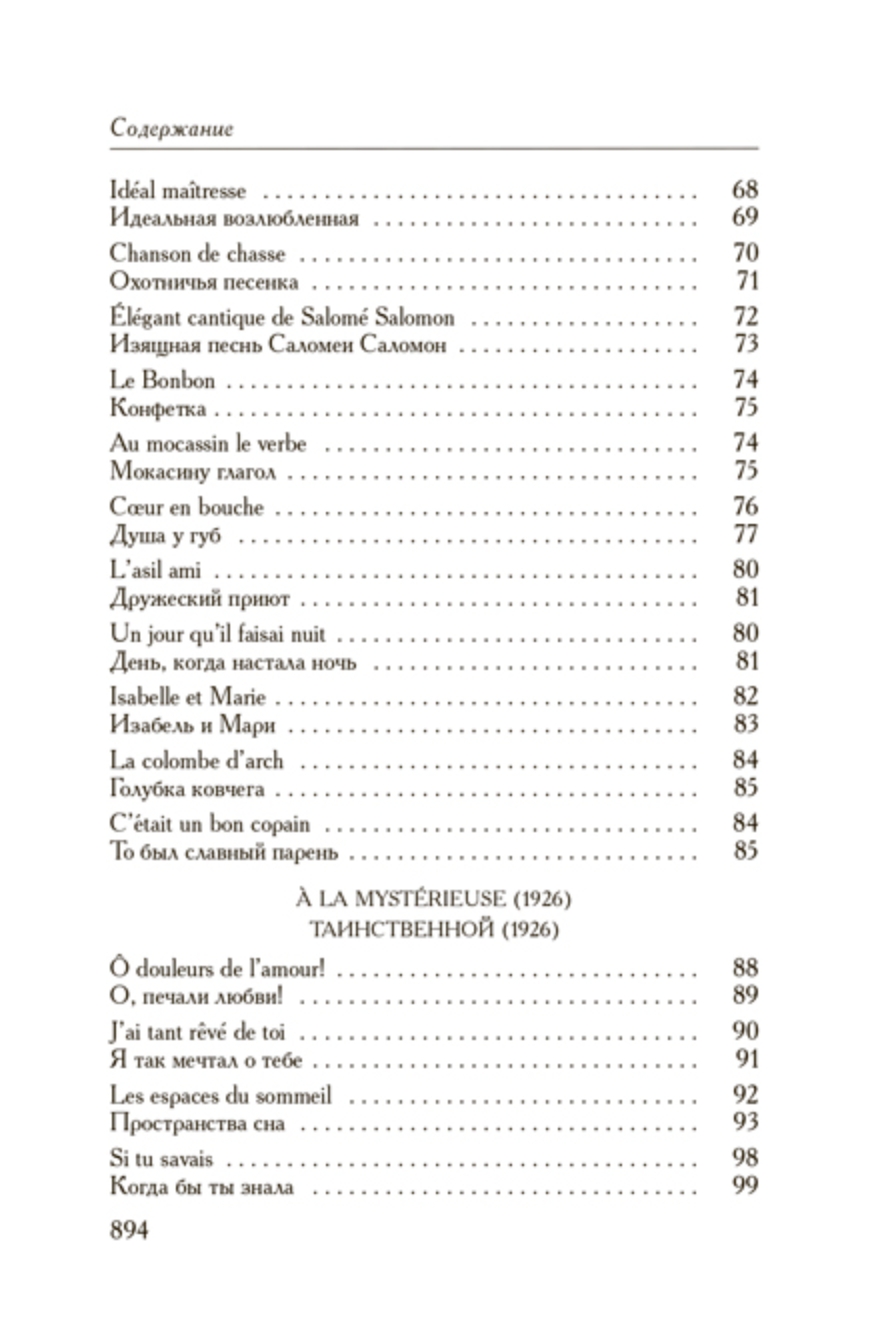
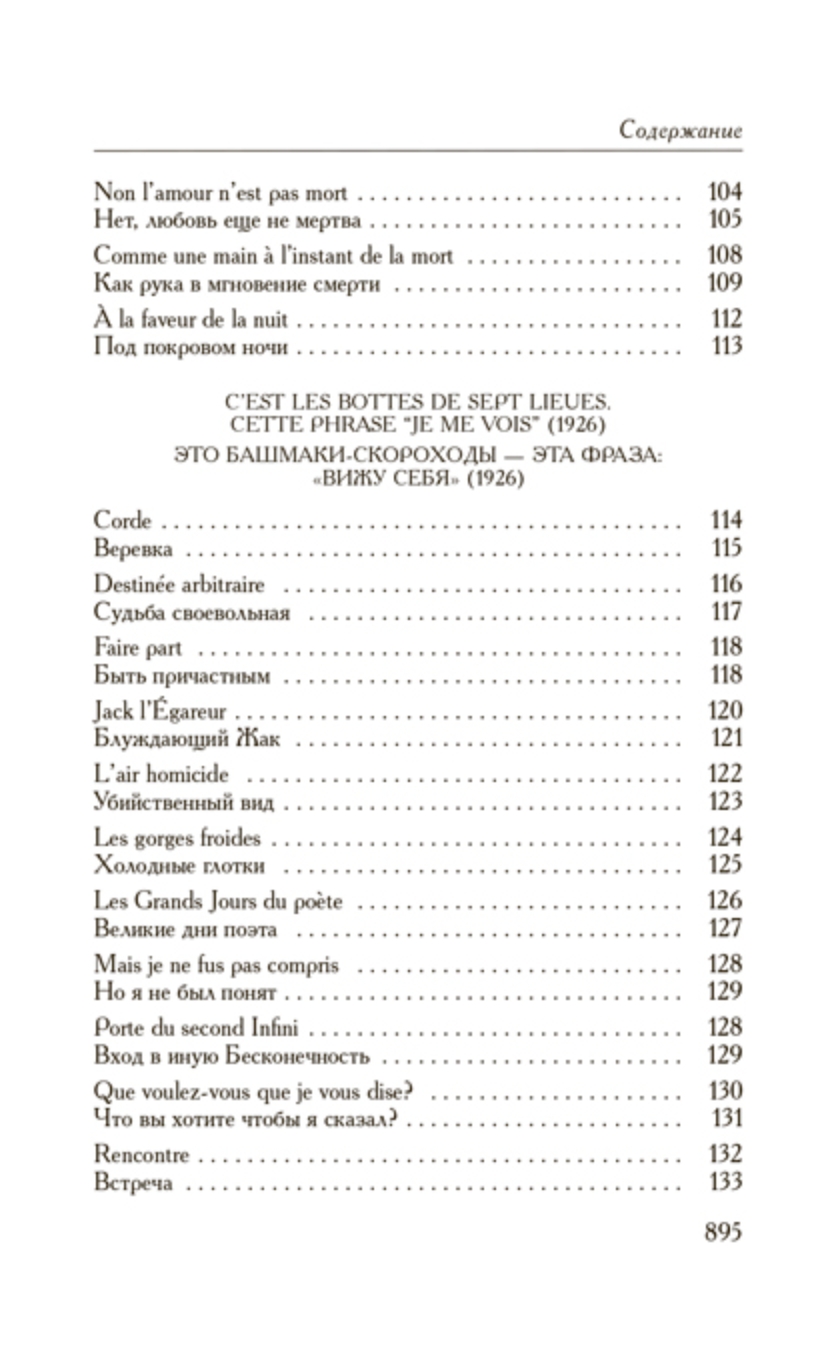
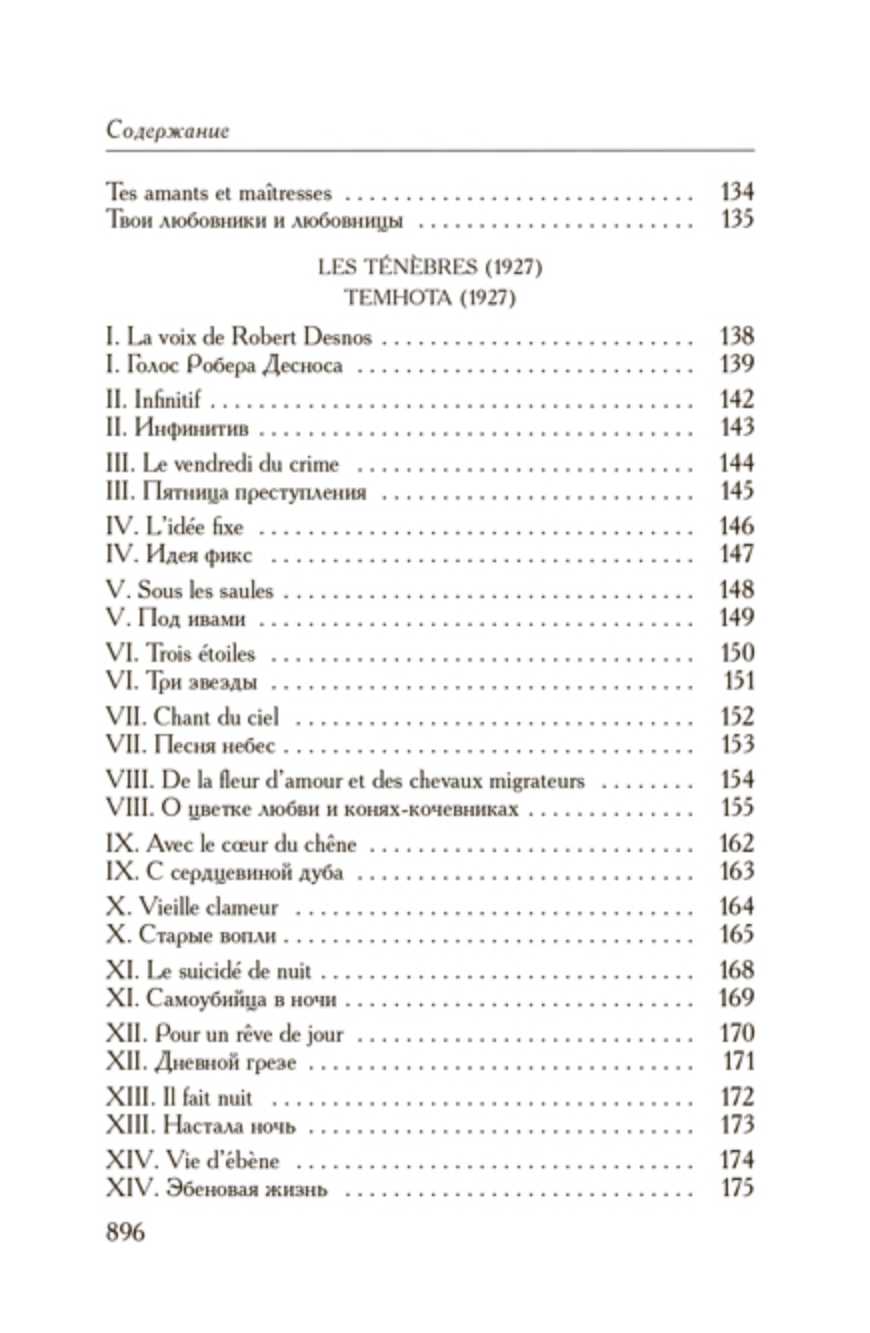
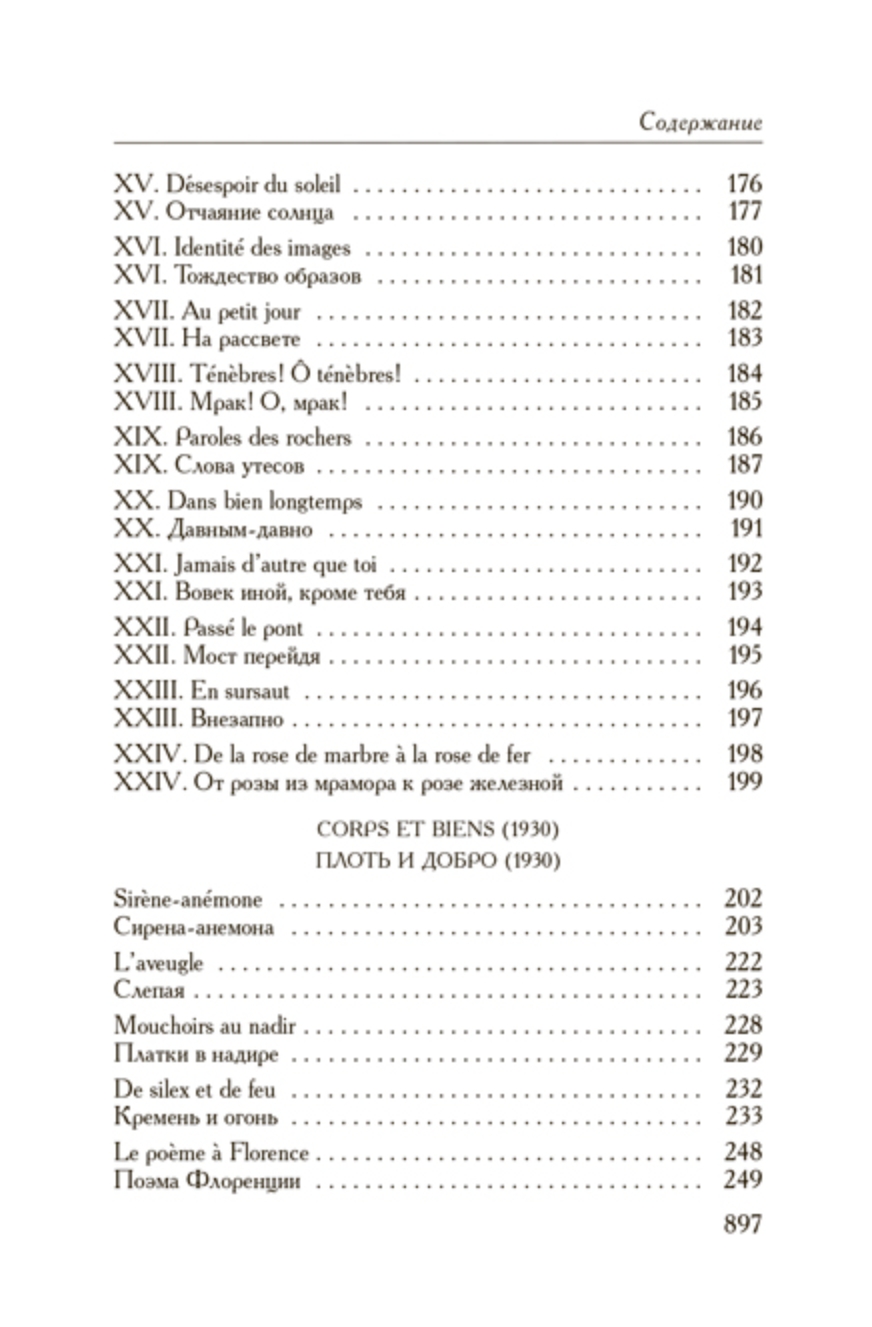
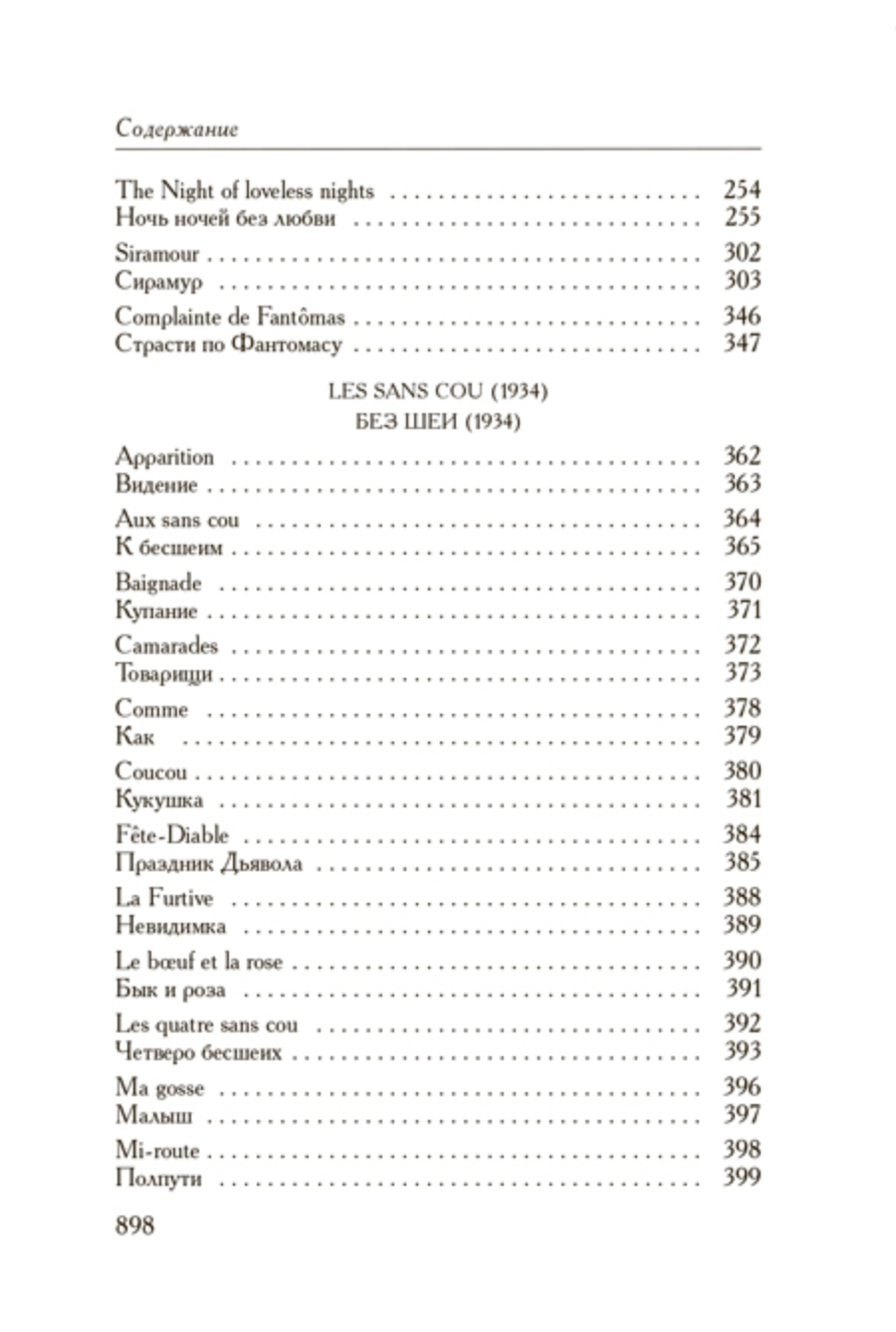
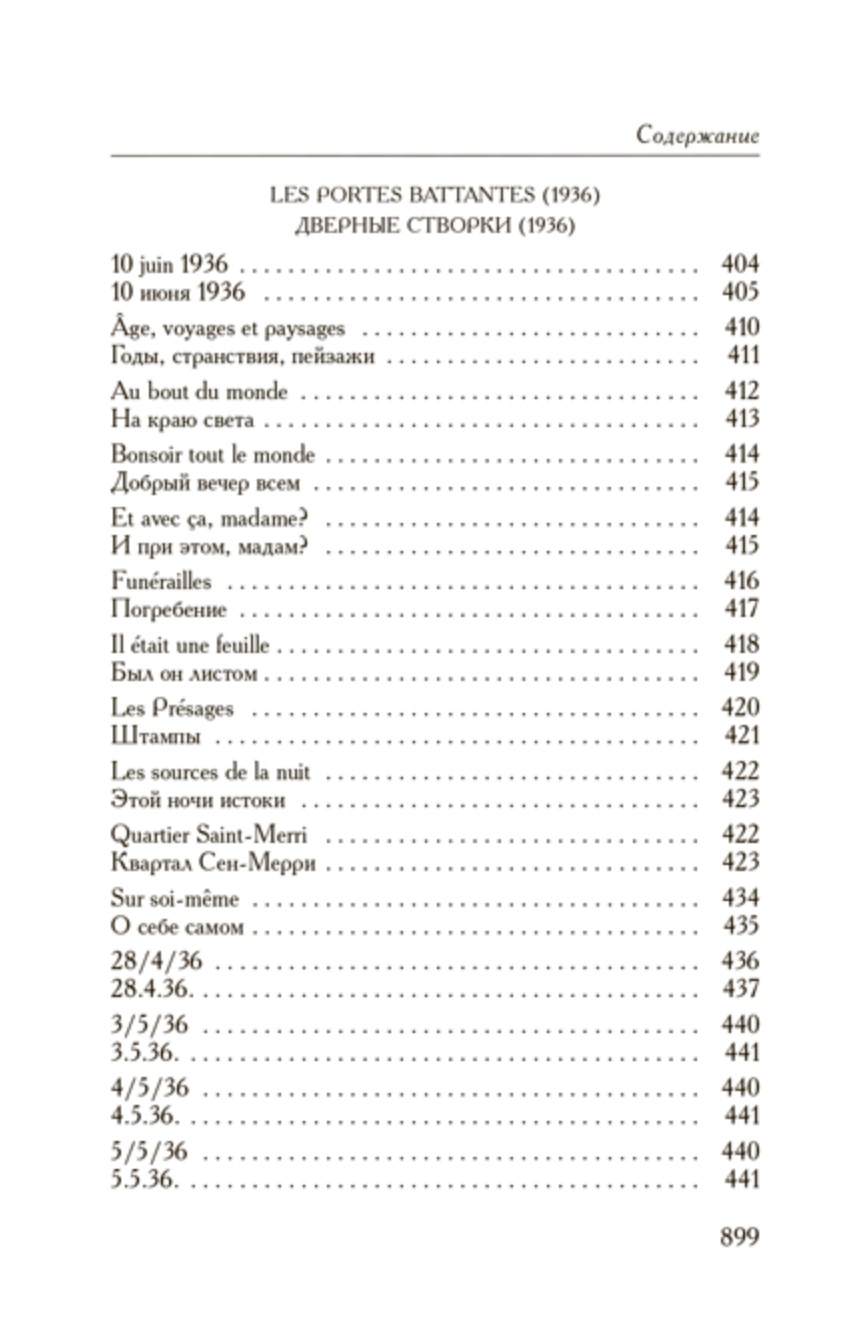
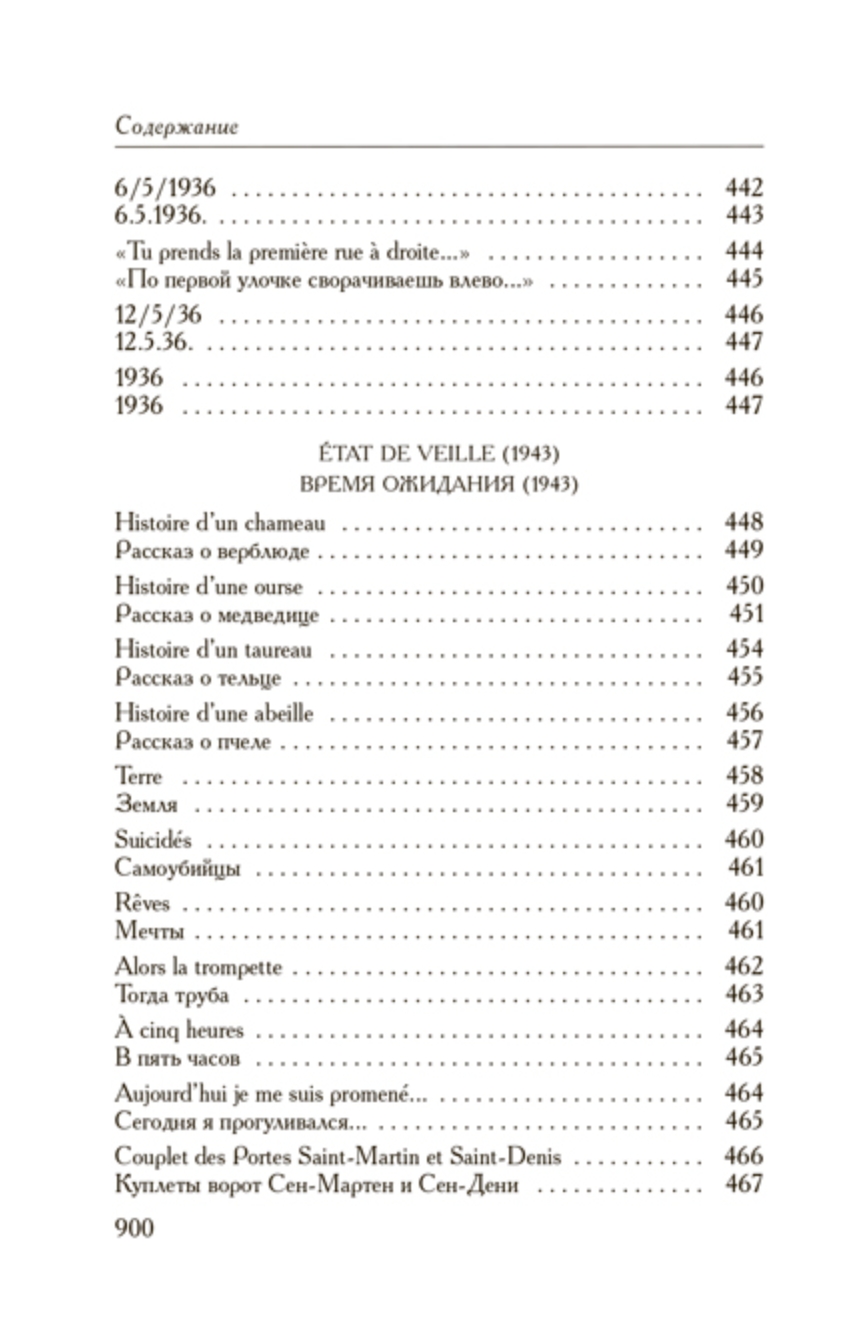
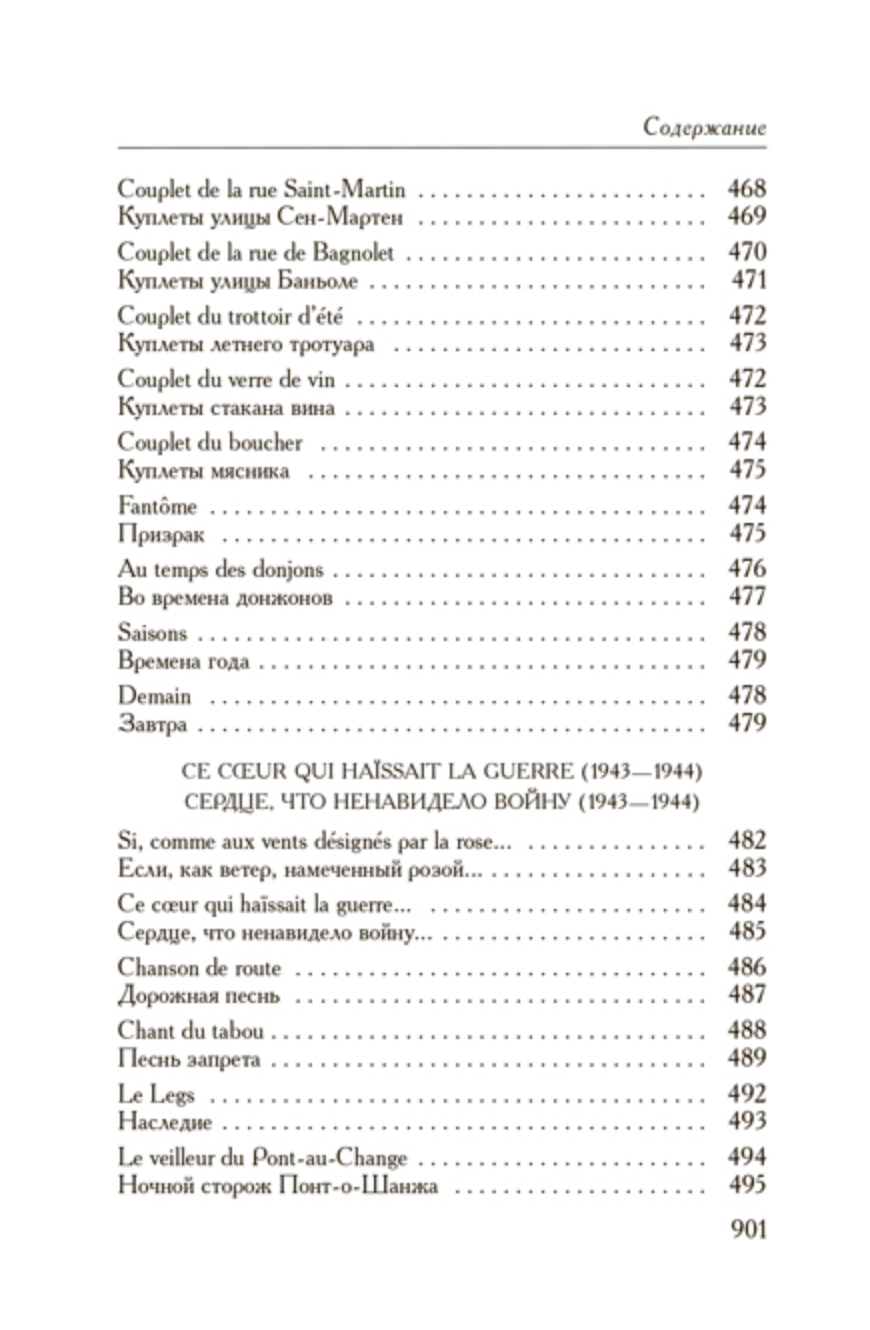
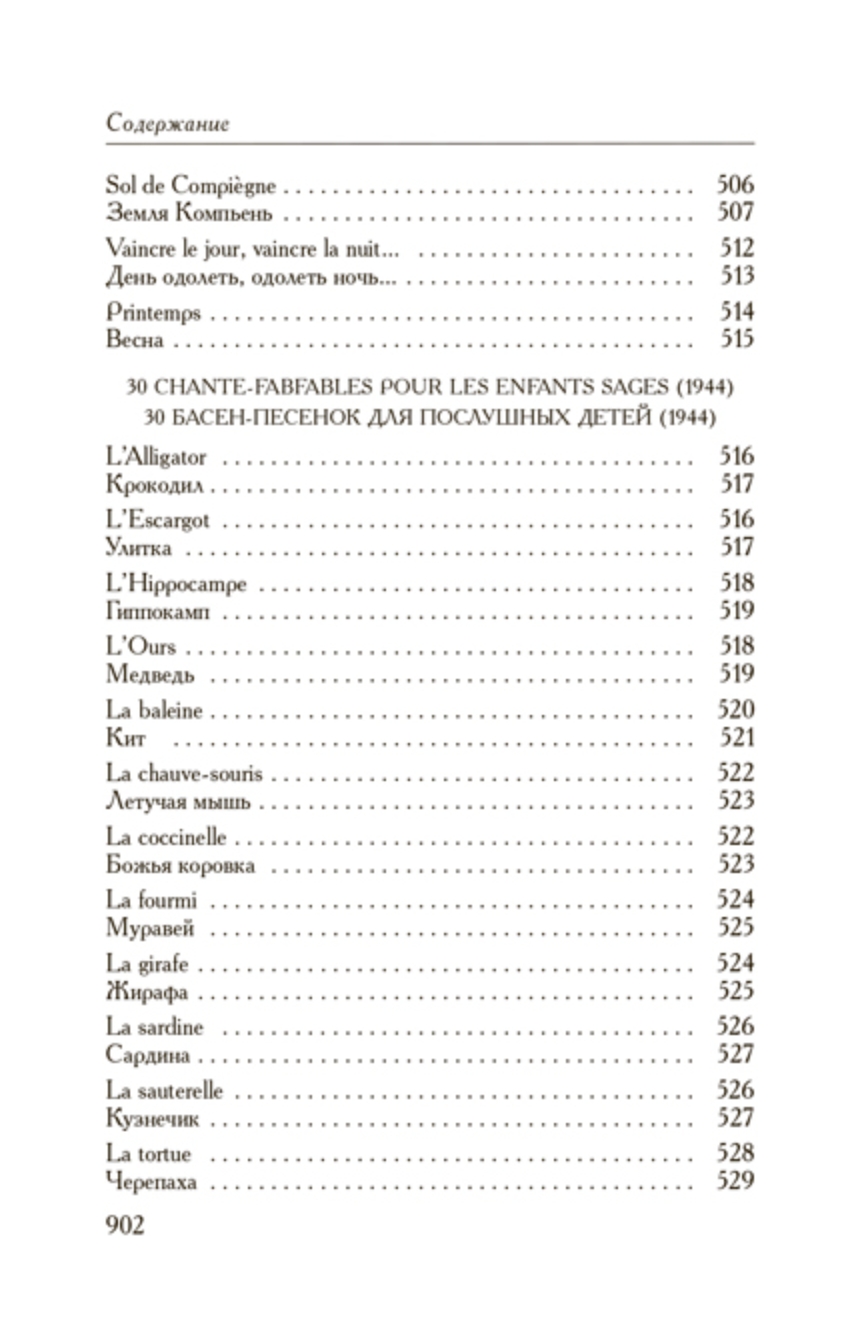
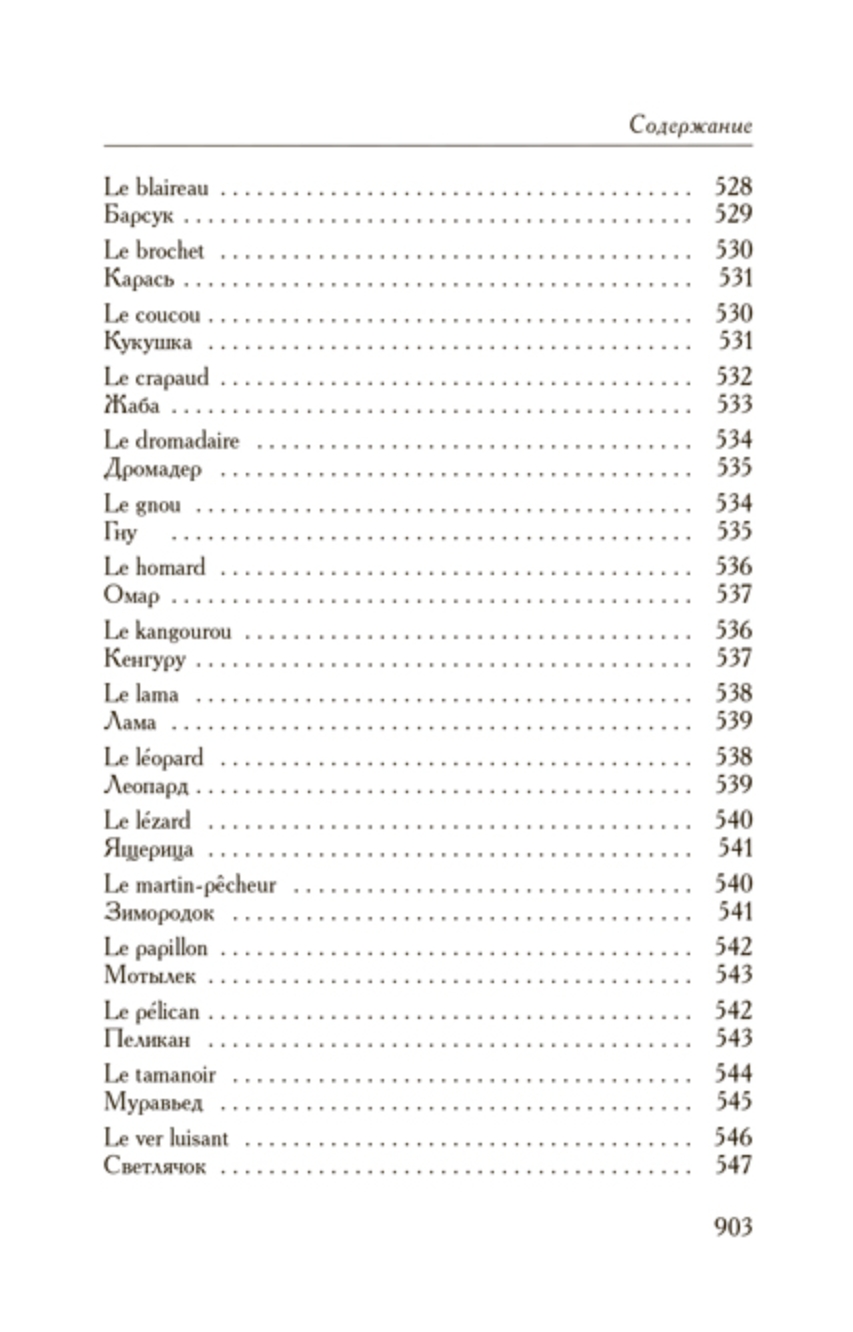
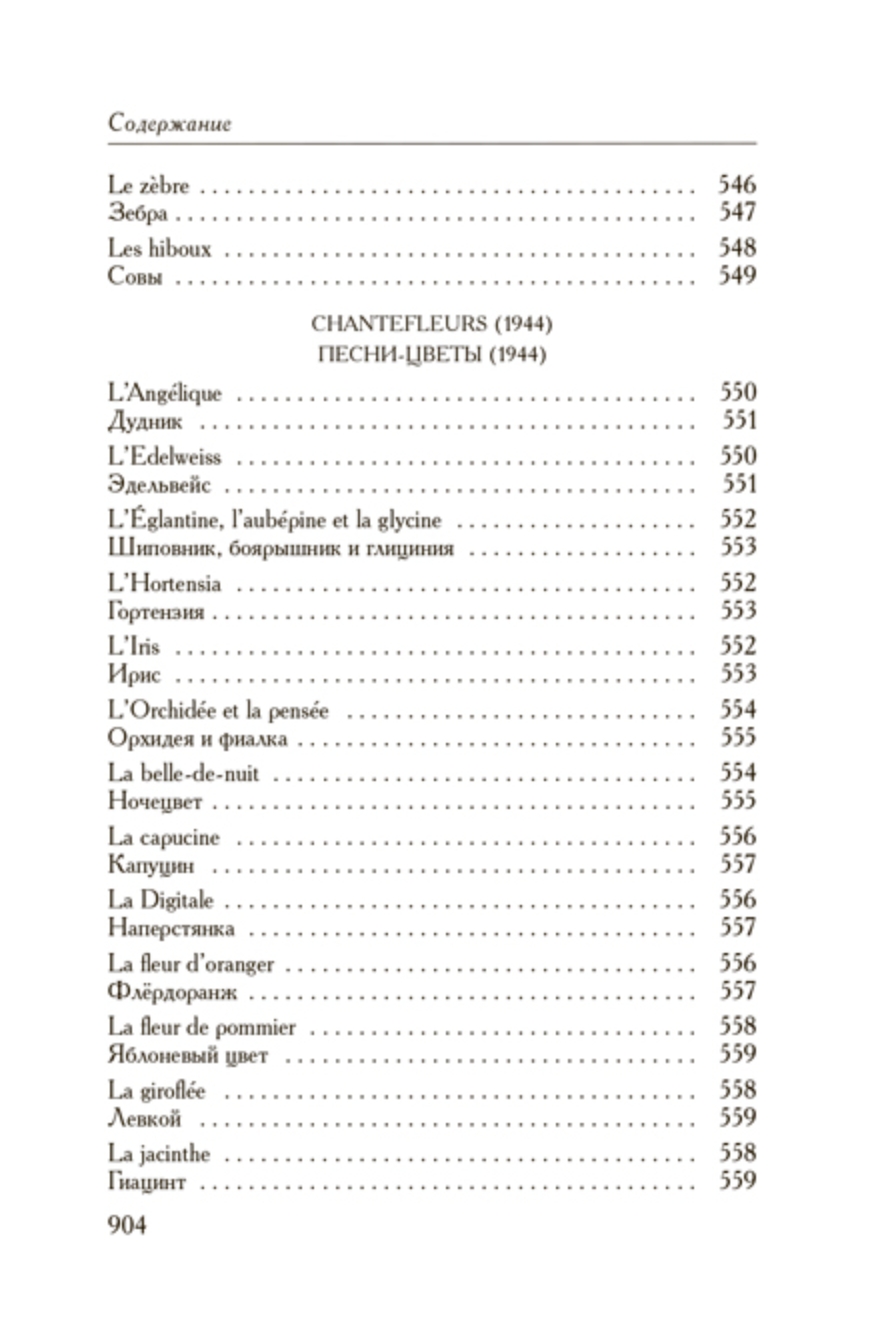
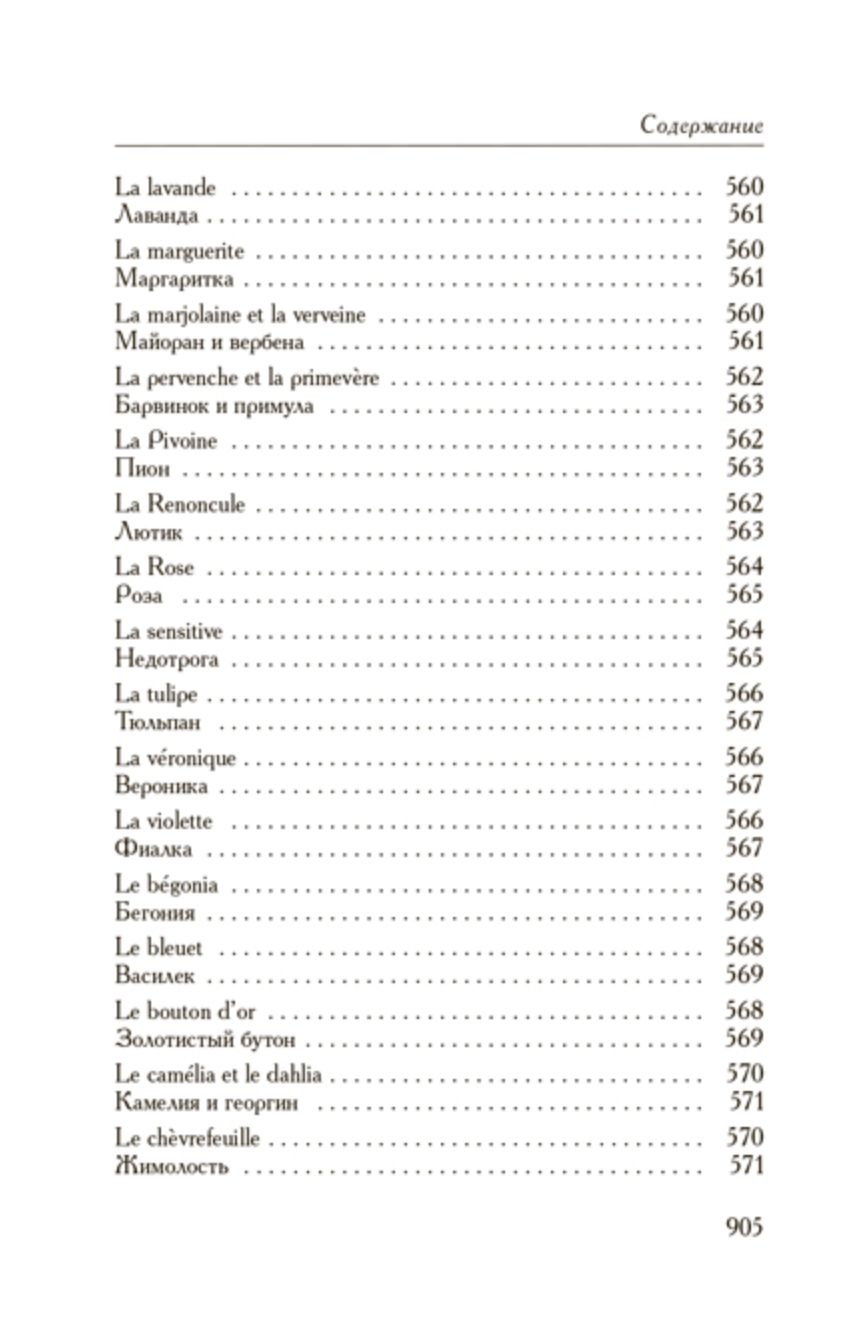
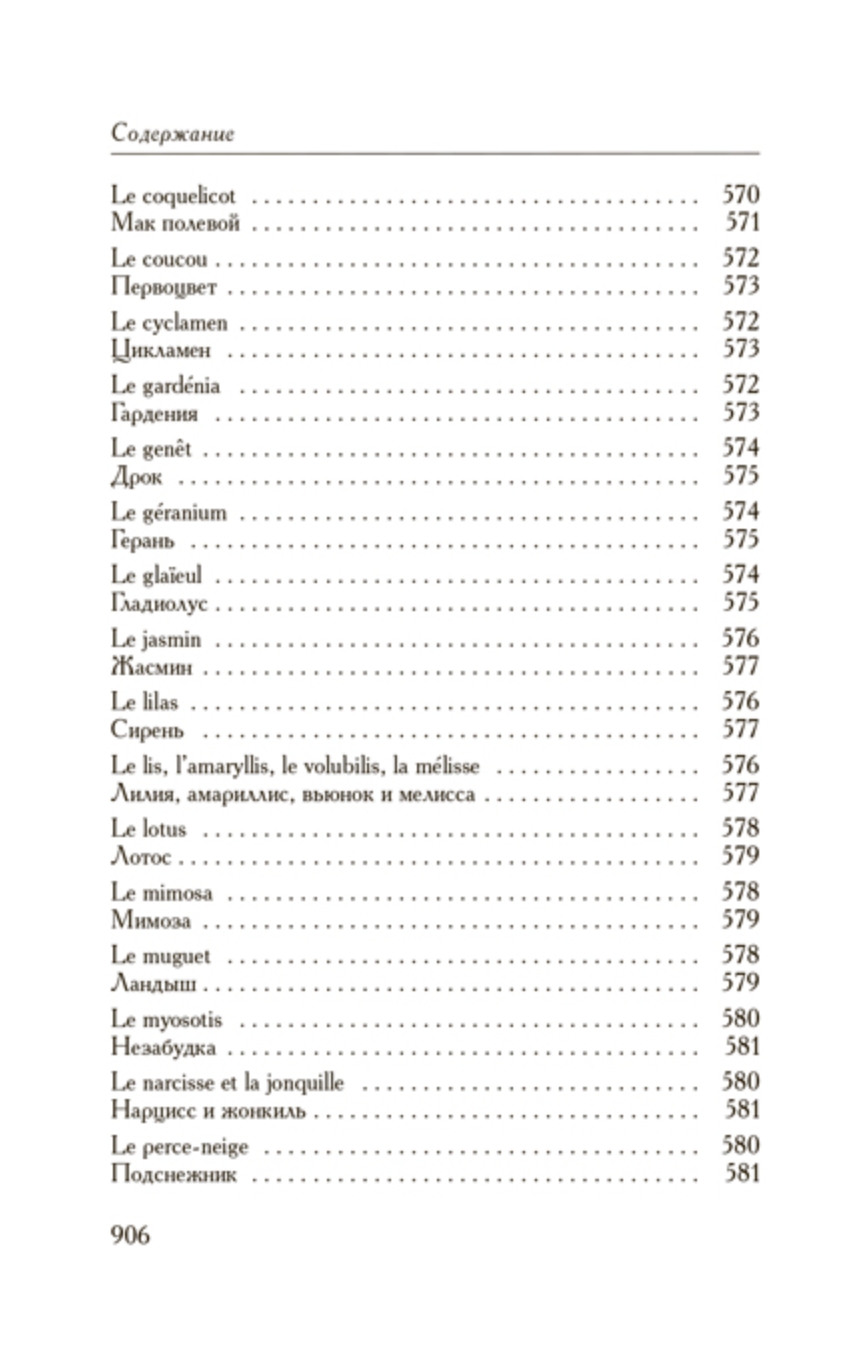
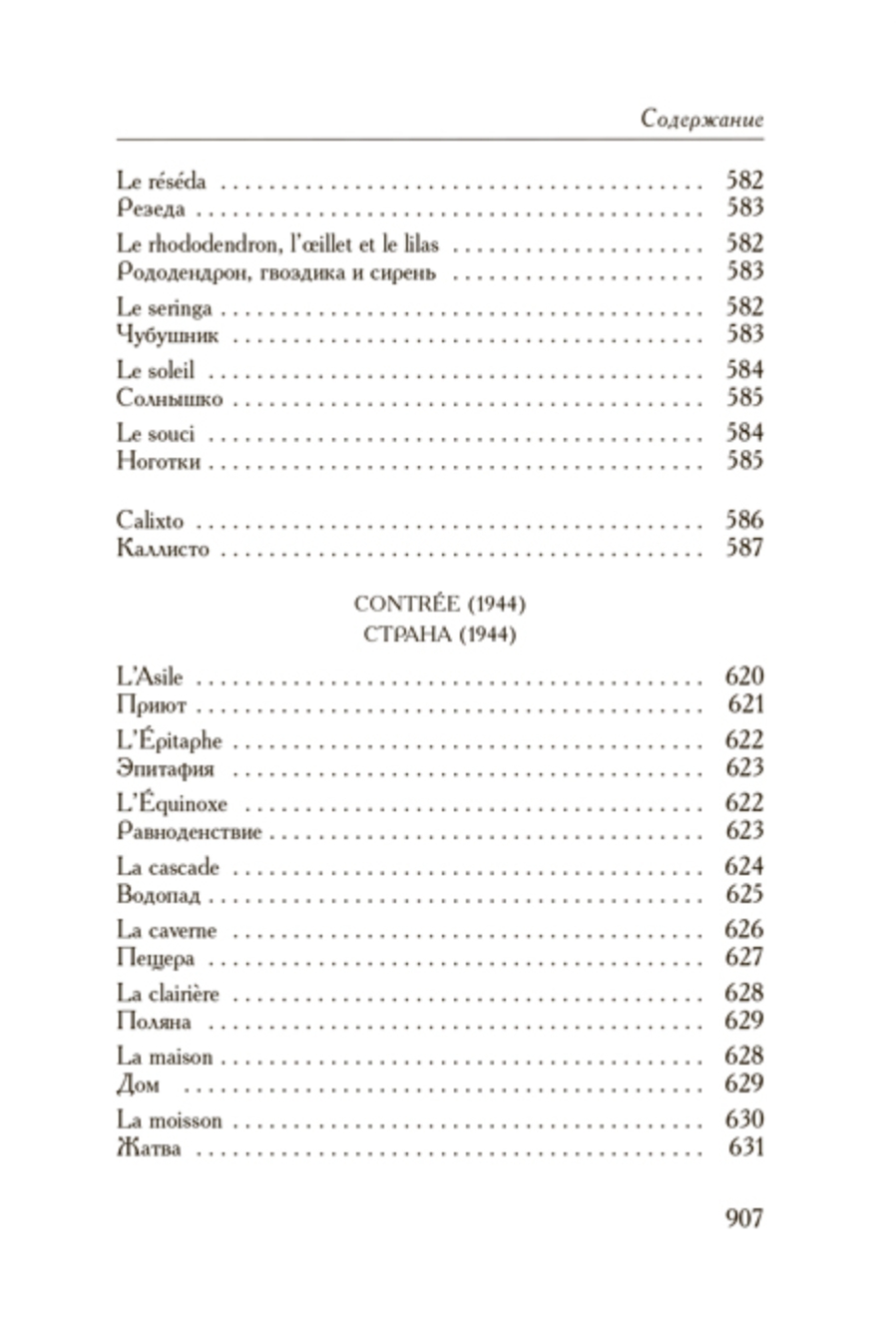
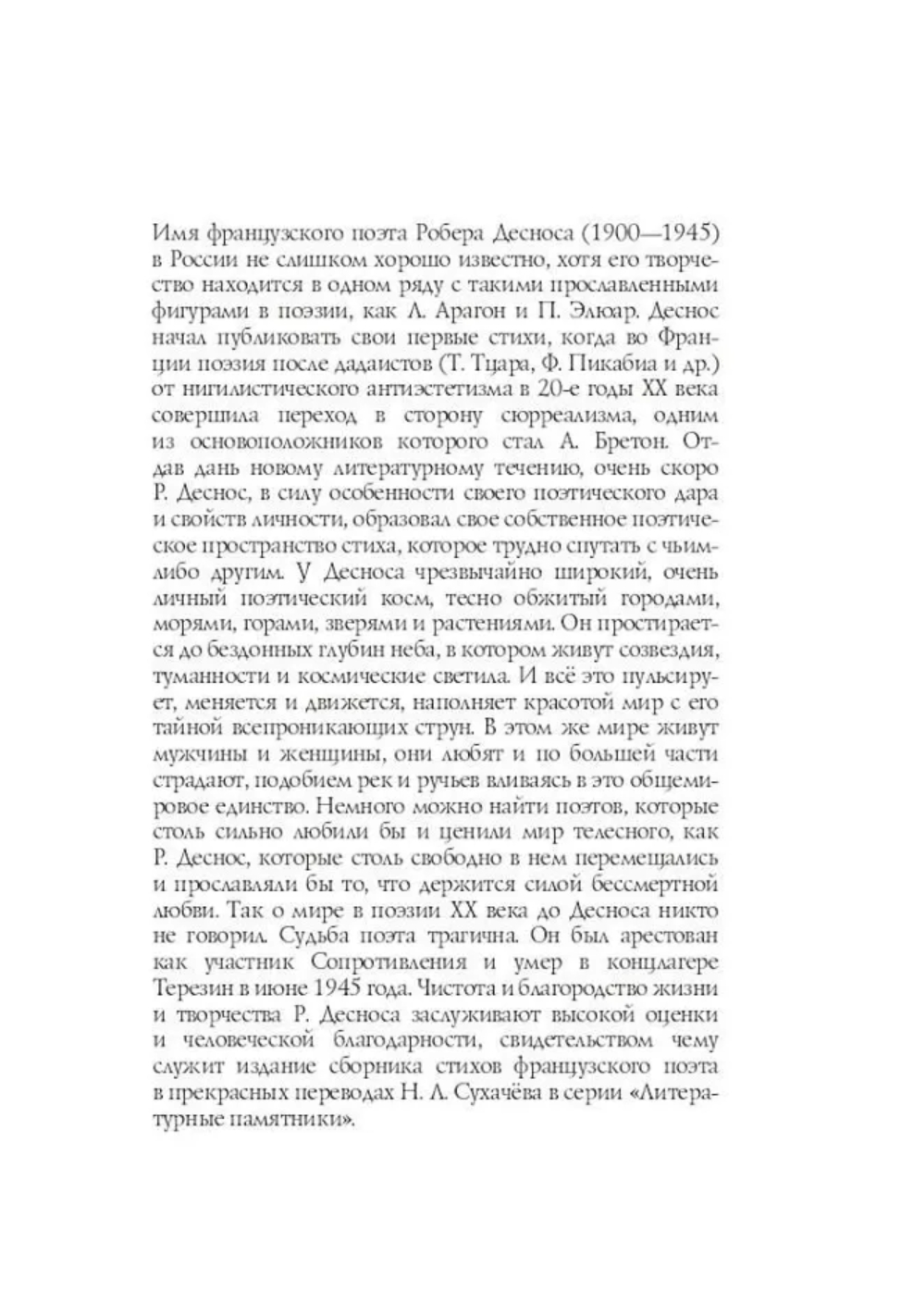
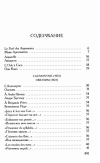
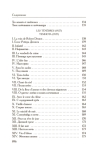
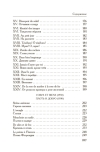
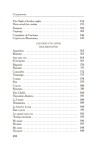
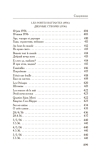
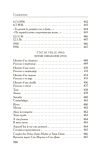
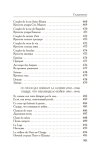
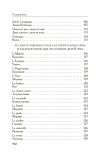
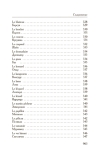
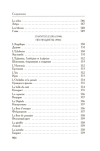
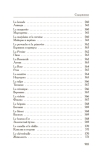
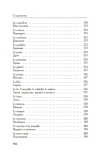
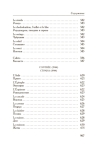
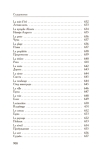
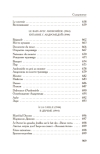
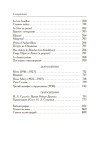
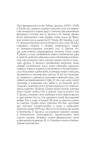
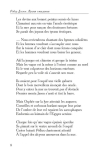
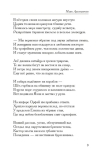
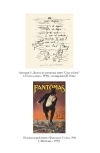
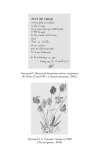
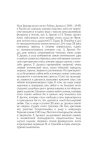
The name of the French poet Robert Desnos (1900–1945) is not well known in Russia, although his work ranks alongside such celebrated poetic figures as Louis Aragon and Pierre Éluard. Desnos began publishing his first poems when, following the Dadaists (T. Tzara, F. Picabia, and others), French poetry in the 1920s transitioned from the nihilistic anti-aestheticism of the Dadaists to Surrealism, one of whose founders was A. Breton. Having paid tribute to the new literary movement, Desnos, by virtue of his poetic gift and personality, soon created his own unique poetic space, which is difficult to confuse with anyone else's. Desnos has an extremely broad, deeply personal poetic cosmos, closely interwoven with cities, seas, mountains, animals, and plants. It extends to the bottomless depths of the sky, home to constellations, nebulae, and cosmic bodies. And all of this pulsates, changes, and moves, filling the world with beauty, with its mystery of all-pervading strings. Men and women also live in this world, loving and, for the most part, suffering, like rivers and streams, flowing into this universal unity. Few poets have loved and cherished the physical world as much as R. Desnos, who moved within it so freely and celebrated that which is sustained by the power of immortal love. No one before Desnos had spoken of the world in 20th-century poetry in this way. The poet's fate is tragic. He was arrested as a member of the Resistance and died in the Terezin concentration camp in June 1945. The purity and nobility of R. Desnos's life and work deserve high praise and gratitude, as evidenced by the publication of a collection of the French poet's poems, beautifully translated by N. L. Sukhachev, in the "Literary Monuments" series.
For all those interested in poetry and the work of the surrealists.
For all those interested in poetry and the work of the surrealists.
See also:
- All books by the publisher
- All books by the author
- All books in the series Literary monuments