


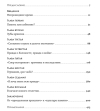
Brutal Memory: How Germany Overcomes Its Nazi Past
9.99 €
Out of stock
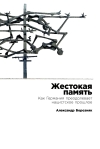
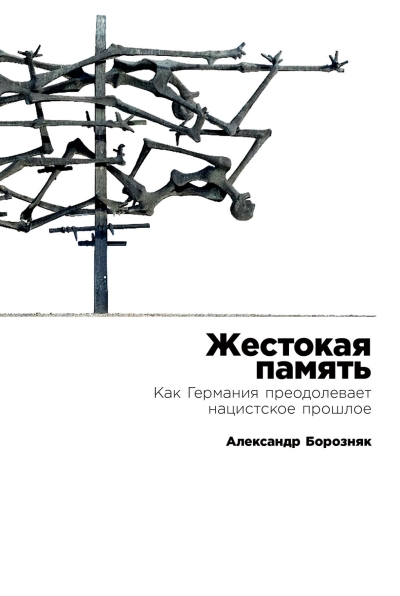
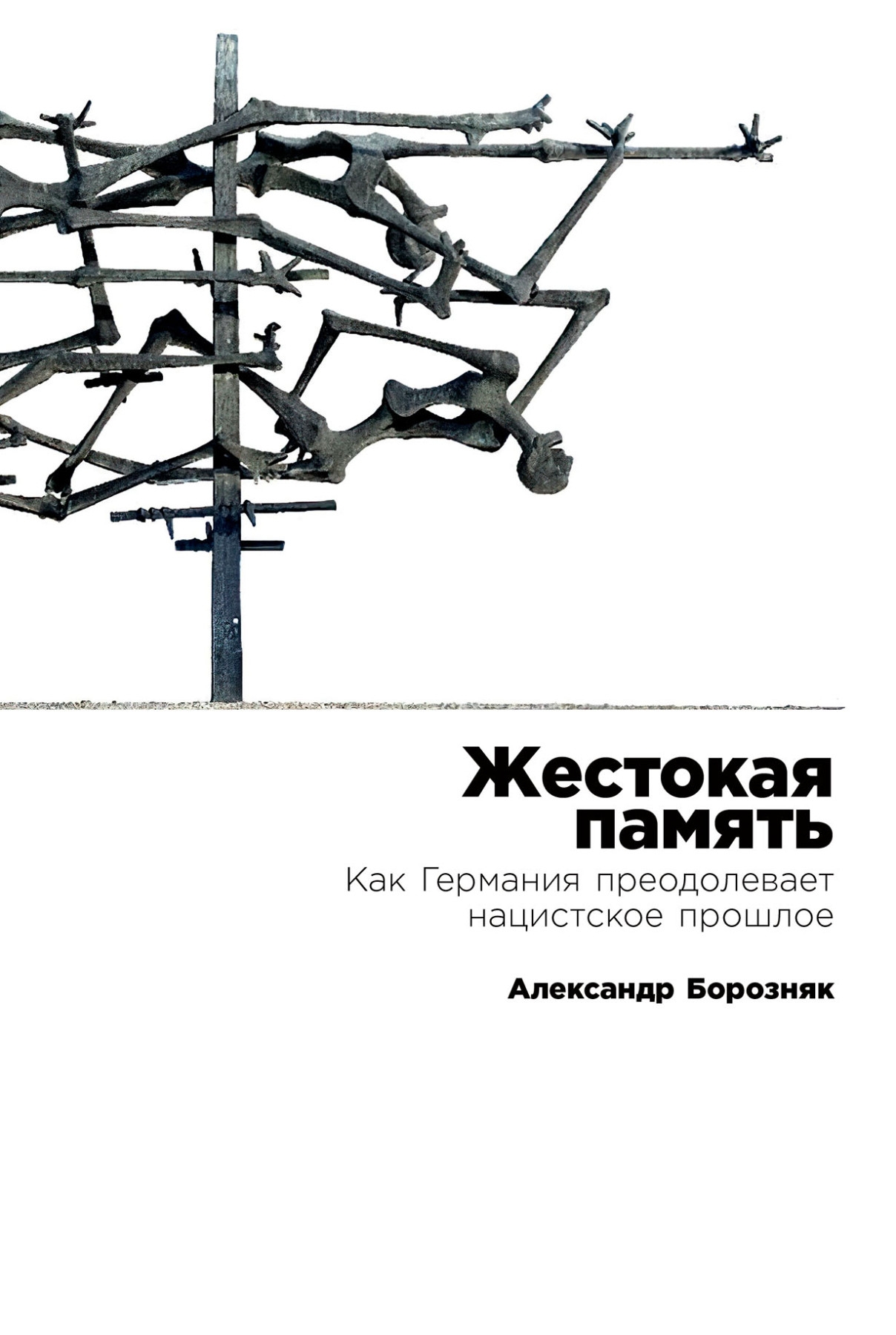
Brutal Memory: How Germany Overcomes Its Nazi Past
9.99 €
After its defeat in World War II, Germany was faced with the need to overcome the legacy of the totalitarian dictatorship of the Third Reich. In order to exist as a democratic state, the country had to rethink aspects of its history, to understand how the Nazi crimes became possible and how to prevent the tragedy from repeating itself.
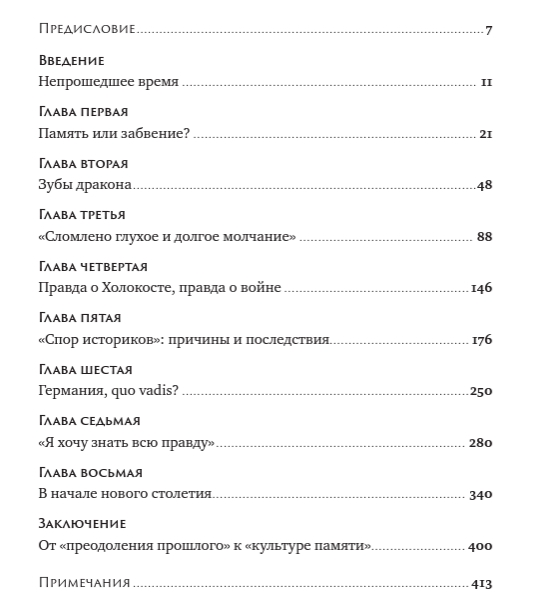
The basis of modern cultural memory is not the events of the past, but the memory of them, the images that were imprinted in the minds of contemporaries and transmitted to posterity. From the Nuremberg trials and postwar attempts to determine the causes of the "German catastrophe" to the formation of a memorial culture, from the "phase of silence" to the "phase of an active culture of memory", including museums, memorials and school textbooks - Russian scholar Alexander Borozniak tells us about the difficult path of overcoming the past, which has been traveled by four generations of Germans. The author finds answers to difficult, but still relevant questions: why was mass support for a criminal state possible? What does May 8 mean for German citizens? What lessons have millions of German families learned from the recent past?
The basis of modern cultural memory is not the events of the past, but the memory of them, the images that were imprinted in the minds of contemporaries and transmitted to posterity. From the Nuremberg trials and postwar attempts to determine the causes of the "German catastrophe" to the formation of a memorial culture, from the "phase of silence" to the "phase of an active culture of memory", including museums, memorials and school textbooks - Russian scholar Alexander Borozniak tells us about the difficult path of overcoming the past, which has been traveled by four generations of Germans. The author finds answers to difficult, but still relevant questions: why was mass support for a criminal state possible? What does May 8 mean for German citizens? What lessons have millions of German families learned from the recent past?
See also:
- All books by the publisher
- All books by the author