


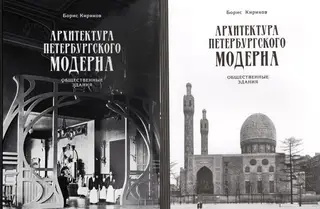
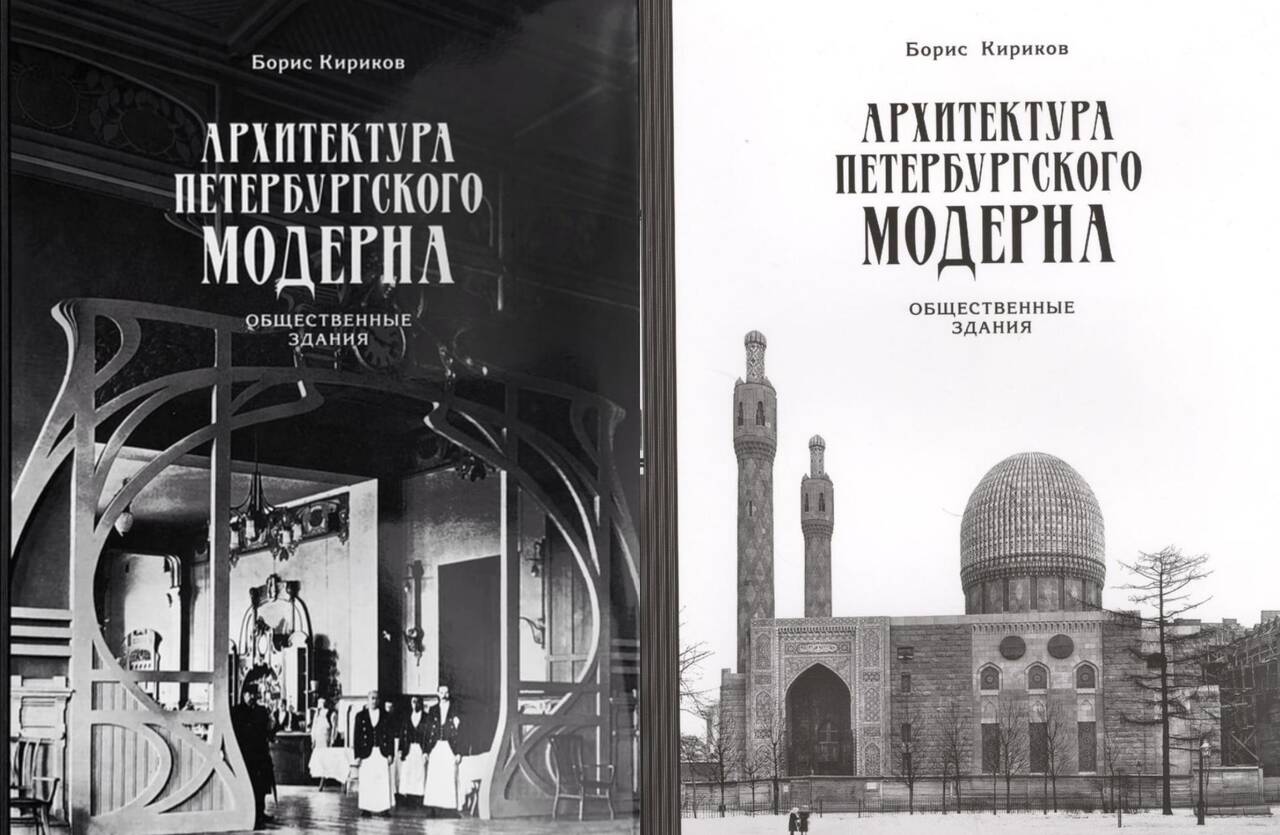
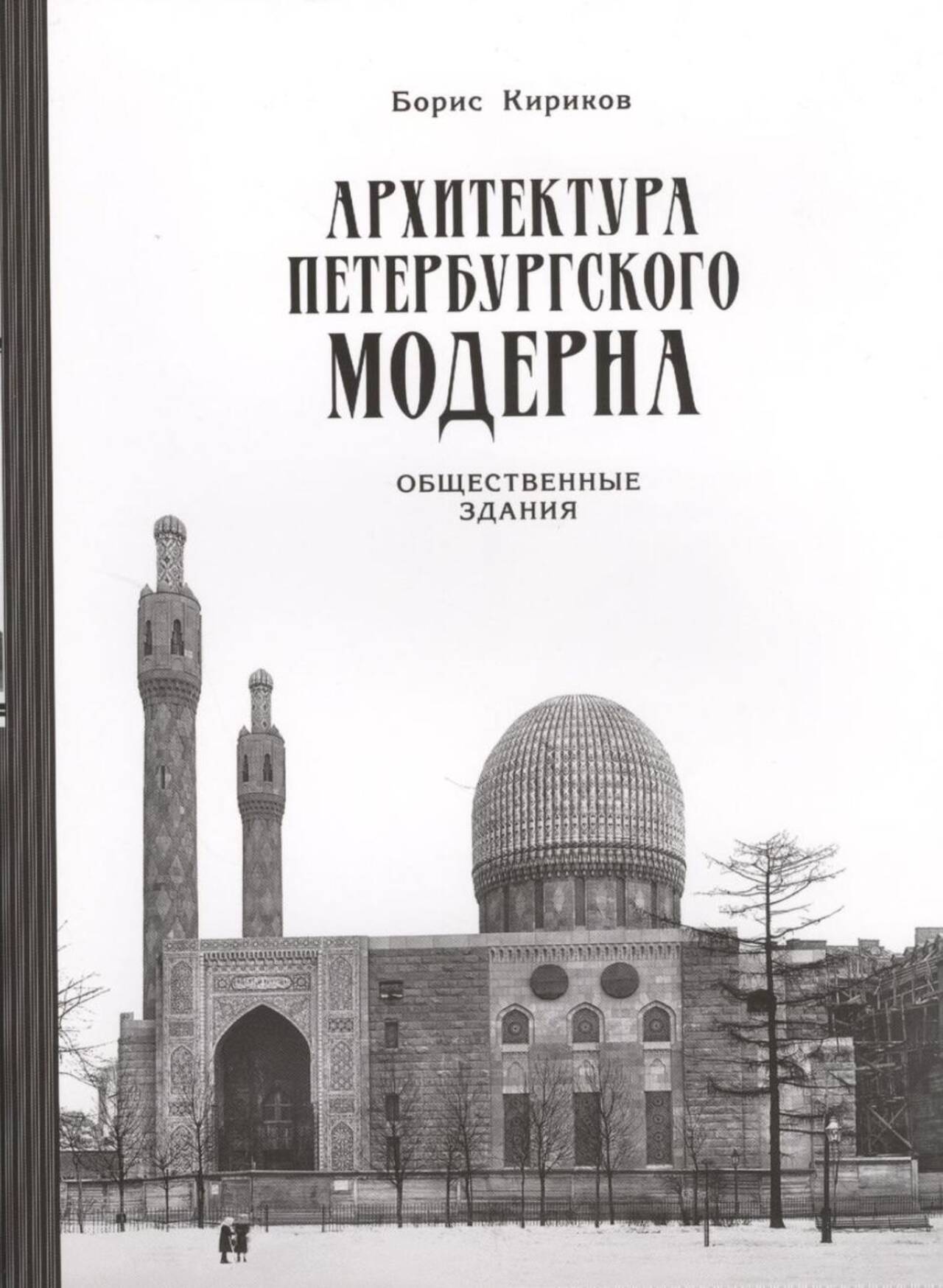
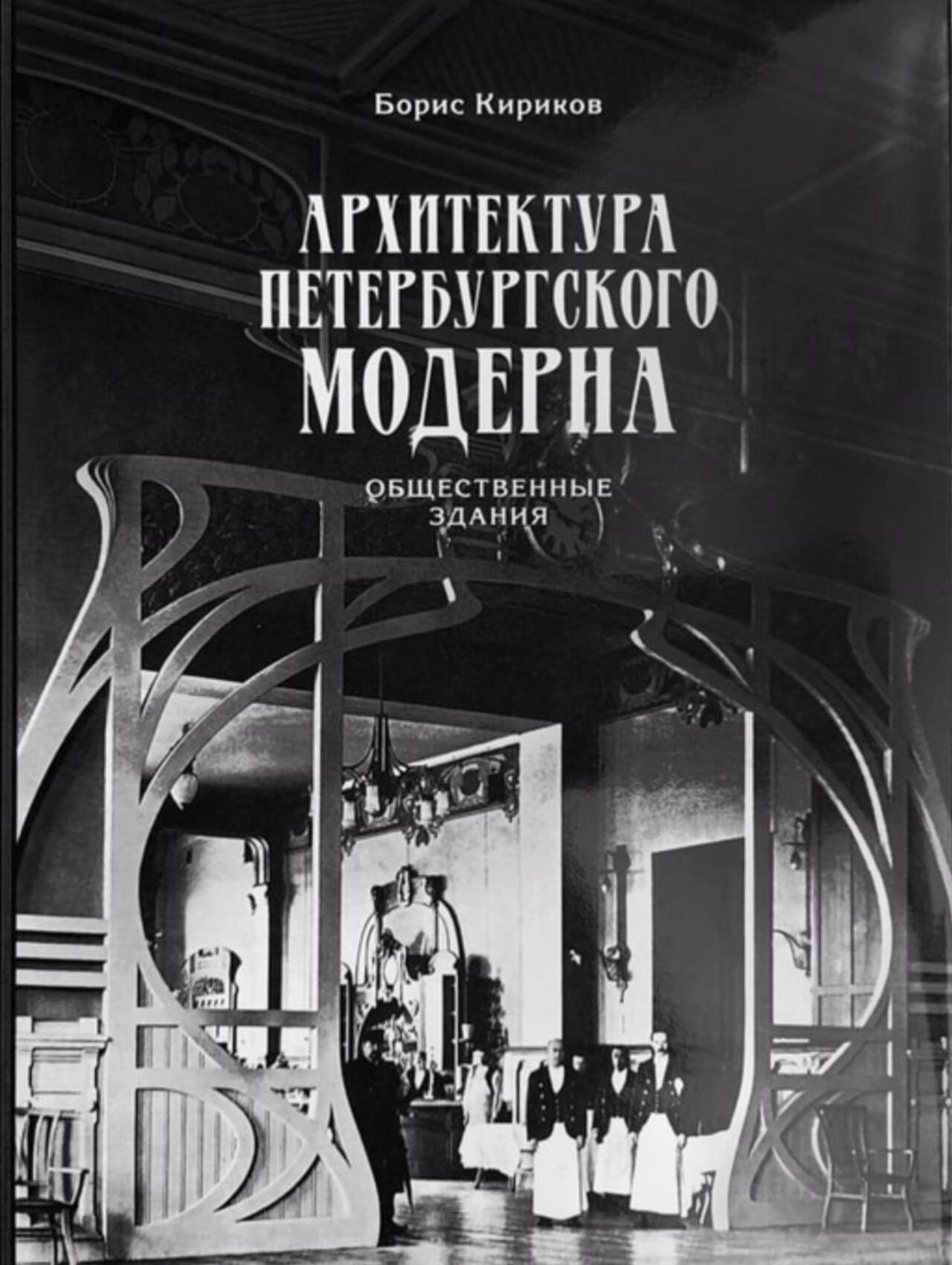
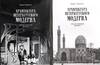
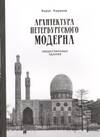
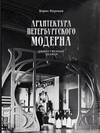
The Architecture of St. Petersburg Art Nouveau. Public Buildings. In 2 Volumes – Kirikov Boris – Publishing house "Kolo" – 2023 – ISBN 978-5-4462-0173-0
The Architecture of St. Petersburg Art Nouveau. Public Buildings. In 2 Volumes
99.99 €
The only thing available 3

The Architecture of St. Petersburg Art Nouveau. Public Buildings. In 2 Volumes
99.99 €
Volume 1
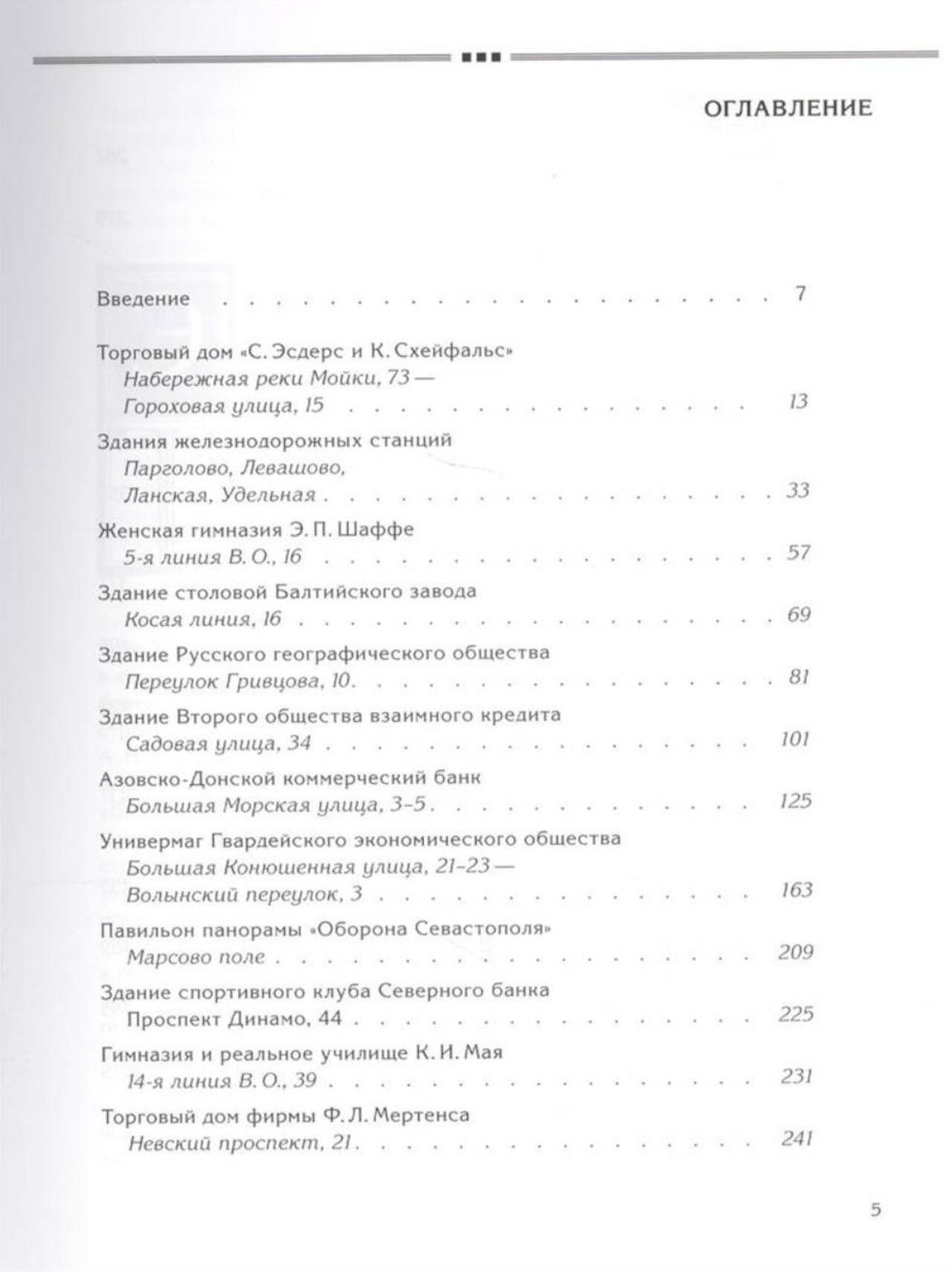
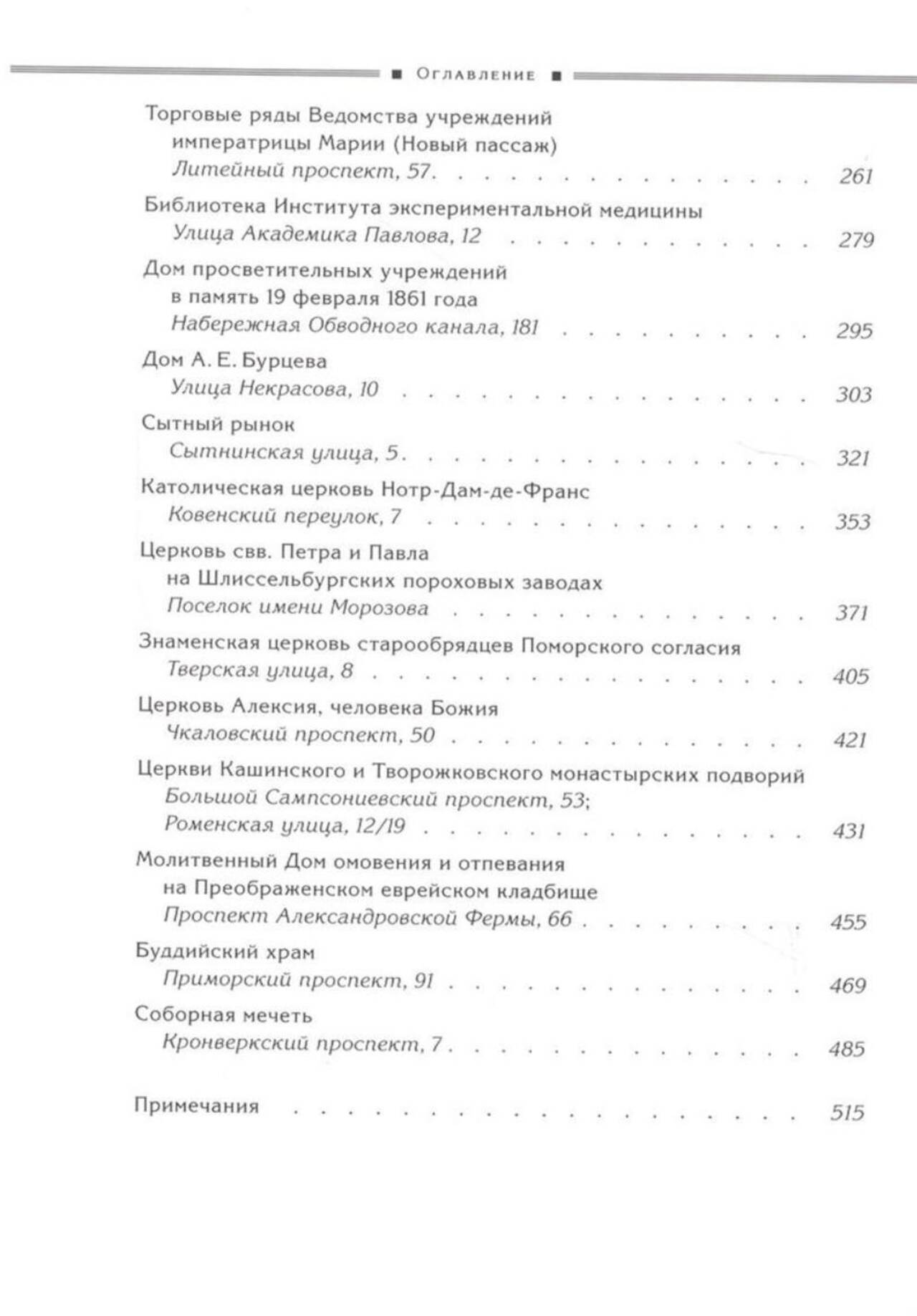
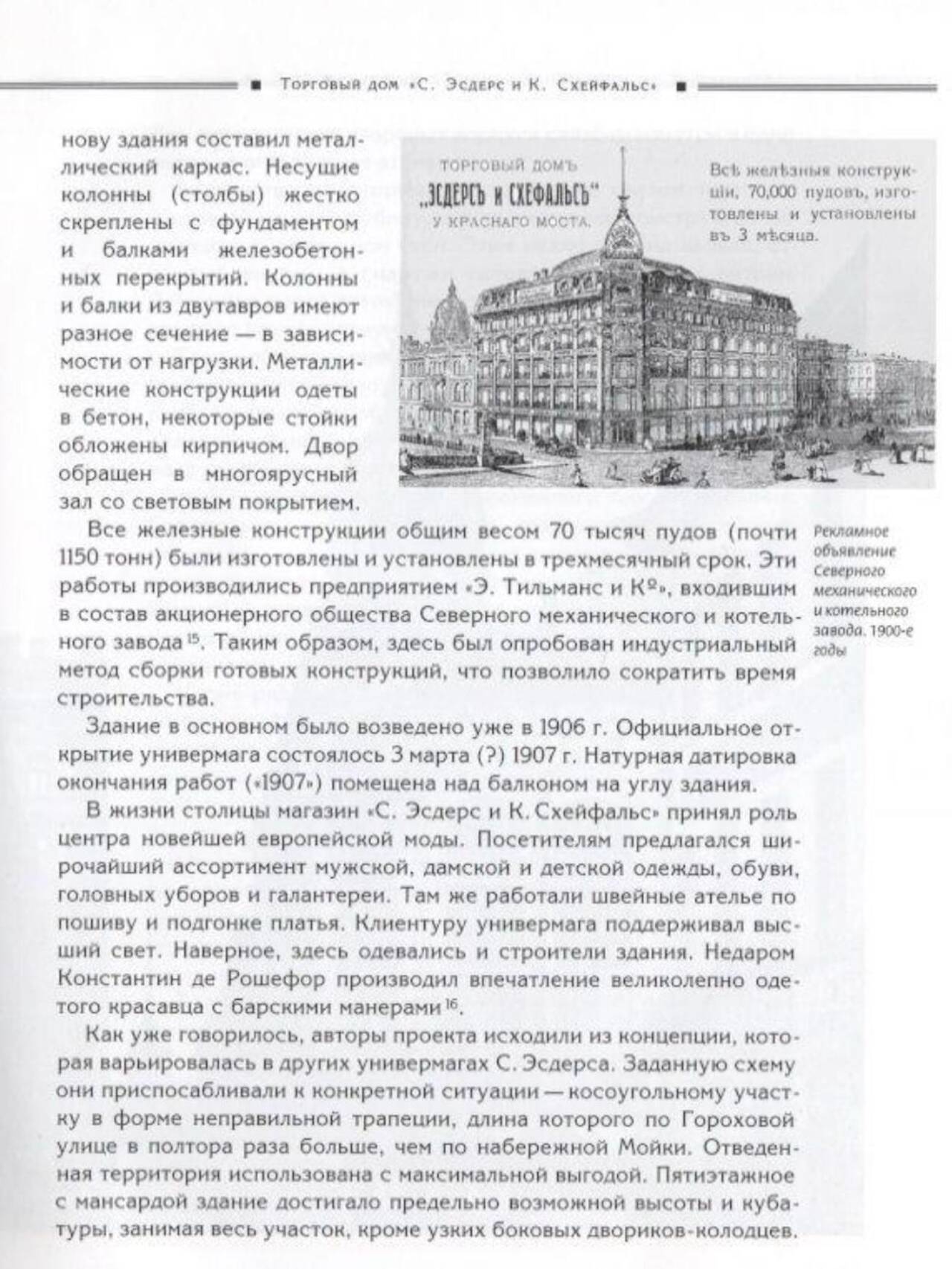
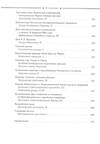
This book by B. M. Kirikov, one of the leading architectural historians, is dedicated to the public buildings of St. Petersburg Art Nouveau. It provides a detailed account of the creation of such significant landmarks as the Vitebsk Railway Station, the Singer Building, and the Eliseev Brothers building. Lesser-known structures from the turn of the 19th and 20th centuries are presented in close-up for the first time. The author meticulously traces the development of Art Nouveau in St. Petersburg, revealing its sources and characteristic features. These new materials serve as a significant complement to the creative portraits of G. V. Baranovsky, P. Yu. Suzor, R. F. Meltzer, G. I. Lyutsedarsky, A. L. Lishnevsky, and other prominent architects.
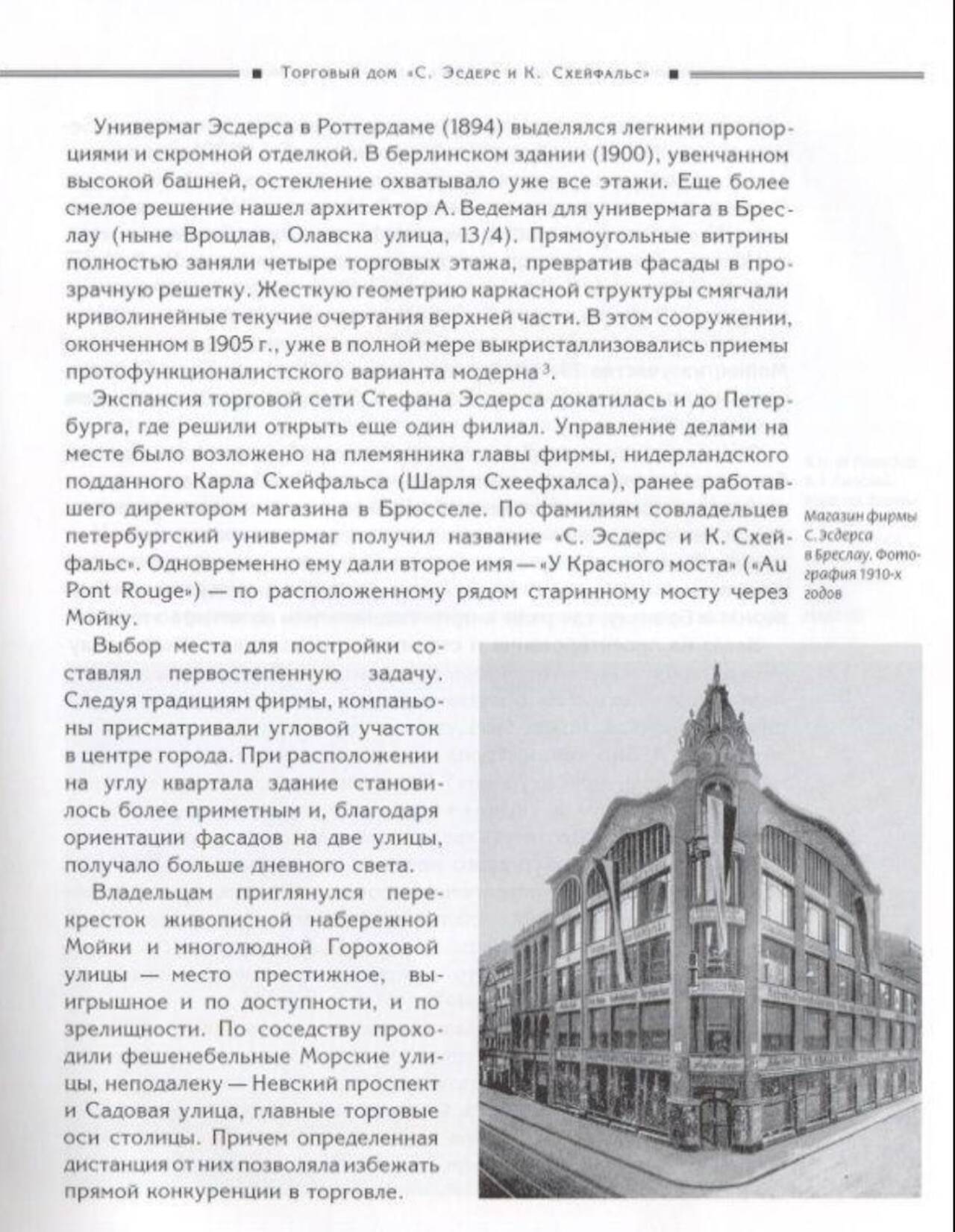
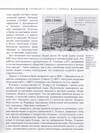
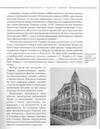
The book is thoroughly illustrated with modern and old photographs, design drawings, and sketches. The historical iconography conveys the spirit of the Art Nouveau era and the distinctive character of the urban environment of the early 20th century. This publication is a sequel to B. M. Kirikov's well-known book, "Architecture of St. Petersburg Art Nouveau: Mansions and Apartment Buildings," published in 2003. The author plans to write new books on Art Nouveau monuments not included in the published editions.
Volume 2
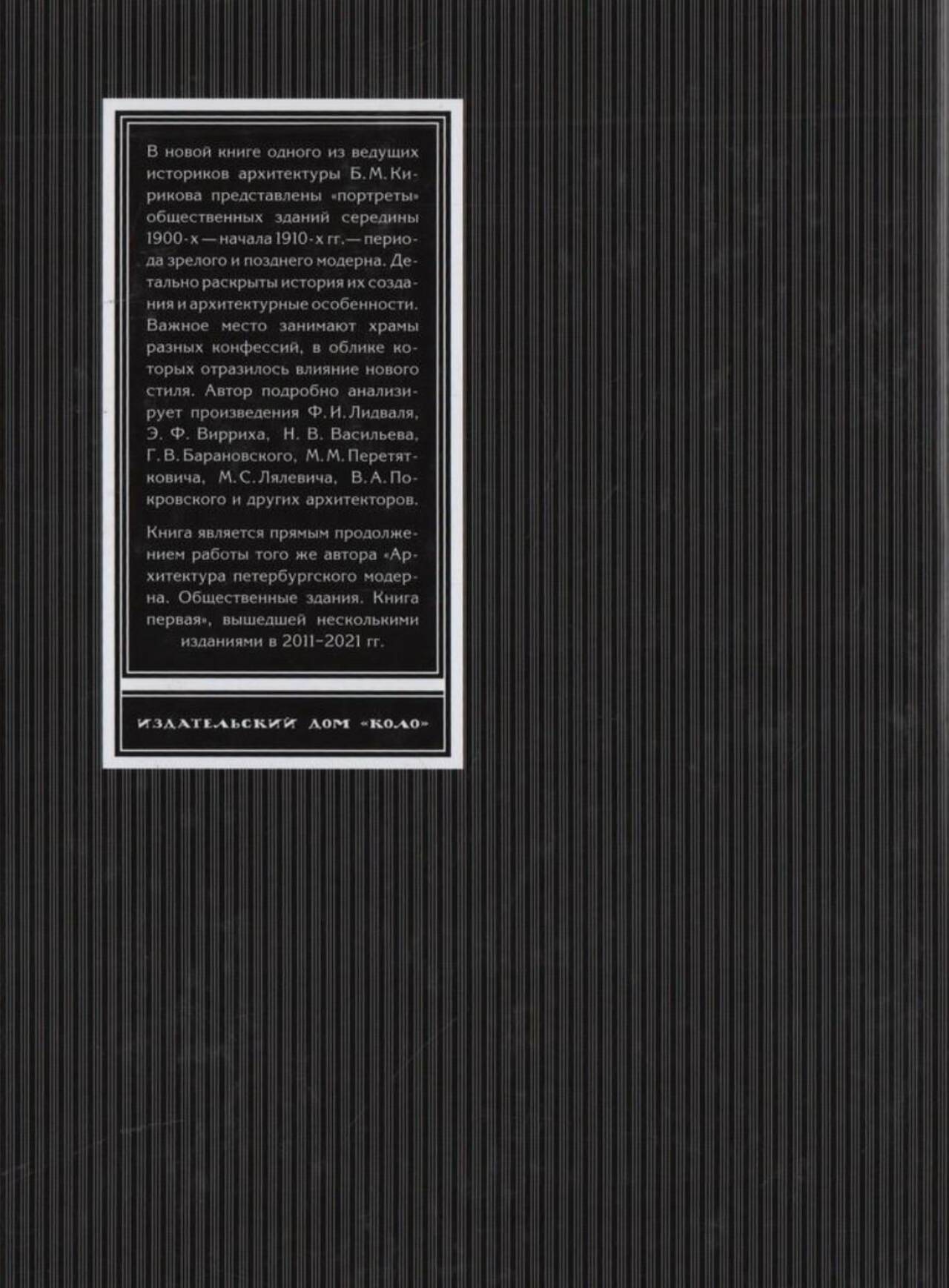
This book by the prominent architectural historian B. M. Kirikov presents "portraits" of public buildings from the mid-1900s to the early 1910s—the period of mature and late Art Nouveau. The history of their creation and architectural features are explored in detail. Churches of various denominations, whose appearance reflects the influence of the new style, occupy a prominent place. The author thoroughly analyzes the works of F. I. Lidval, E. F. Virrikh, N. V. Vasiliev, G. V. Baranovsky, M. M. Peretyatkovich, M. S. Lyalevich, V. A. Pokrovsky, and other architects. The development of the innovative line of Art Nouveau is traced alongside the revival of historical traditions that interacted with the new style.
The book is a direct continuation of the same author's work, "Architecture of St. Petersburg Art Nouveau. Public Buildings. Book One," which was published in several editions between 2011 and 2016.
This book by B. M. Kirikov, one of the leading architectural historians, is dedicated to the public buildings of St. Petersburg Art Nouveau. It provides a detailed account of the creation of such significant landmarks as the Vitebsk Railway Station, the Singer Building, and the Eliseev Brothers building. Lesser-known structures from the turn of the 19th and 20th centuries are presented in close-up for the first time. The author meticulously traces the development of Art Nouveau in St. Petersburg, revealing its sources and characteristic features. These new materials serve as a significant complement to the creative portraits of G. V. Baranovsky, P. Yu. Suzor, R. F. Meltzer, G. I. Lyutsedarsky, A. L. Lishnevsky, and other prominent architects.
The book is thoroughly illustrated with modern and old photographs, design drawings, and sketches. The historical iconography conveys the spirit of the Art Nouveau era and the distinctive character of the urban environment of the early 20th century. This publication is a sequel to B. M. Kirikov's well-known book, "Architecture of St. Petersburg Art Nouveau: Mansions and Apartment Buildings," published in 2003. The author plans to write new books on Art Nouveau monuments not included in the published editions.
Volume 2
This book by the prominent architectural historian B. M. Kirikov presents "portraits" of public buildings from the mid-1900s to the early 1910s—the period of mature and late Art Nouveau. The history of their creation and architectural features are explored in detail. Churches of various denominations, whose appearance reflects the influence of the new style, occupy a prominent place. The author thoroughly analyzes the works of F. I. Lidval, E. F. Virrikh, N. V. Vasiliev, G. V. Baranovsky, M. M. Peretyatkovich, M. S. Lyalevich, V. A. Pokrovsky, and other architects. The development of the innovative line of Art Nouveau is traced alongside the revival of historical traditions that interacted with the new style.
The book is a direct continuation of the same author's work, "Architecture of St. Petersburg Art Nouveau. Public Buildings. Book One," which was published in several editions between 2011 and 2016.
See also:
- All books by the publisher
- All books by the author