
Urfin Jus and his wooden soldiers – Volkov Alexander – NWCEO – 2026 – ISBN 978-5-9603-1393-3
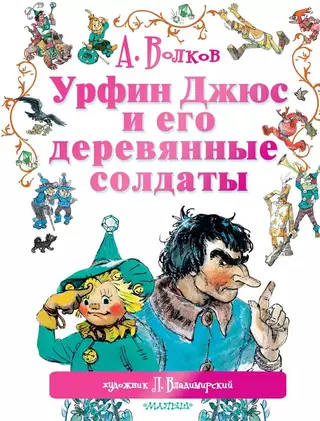
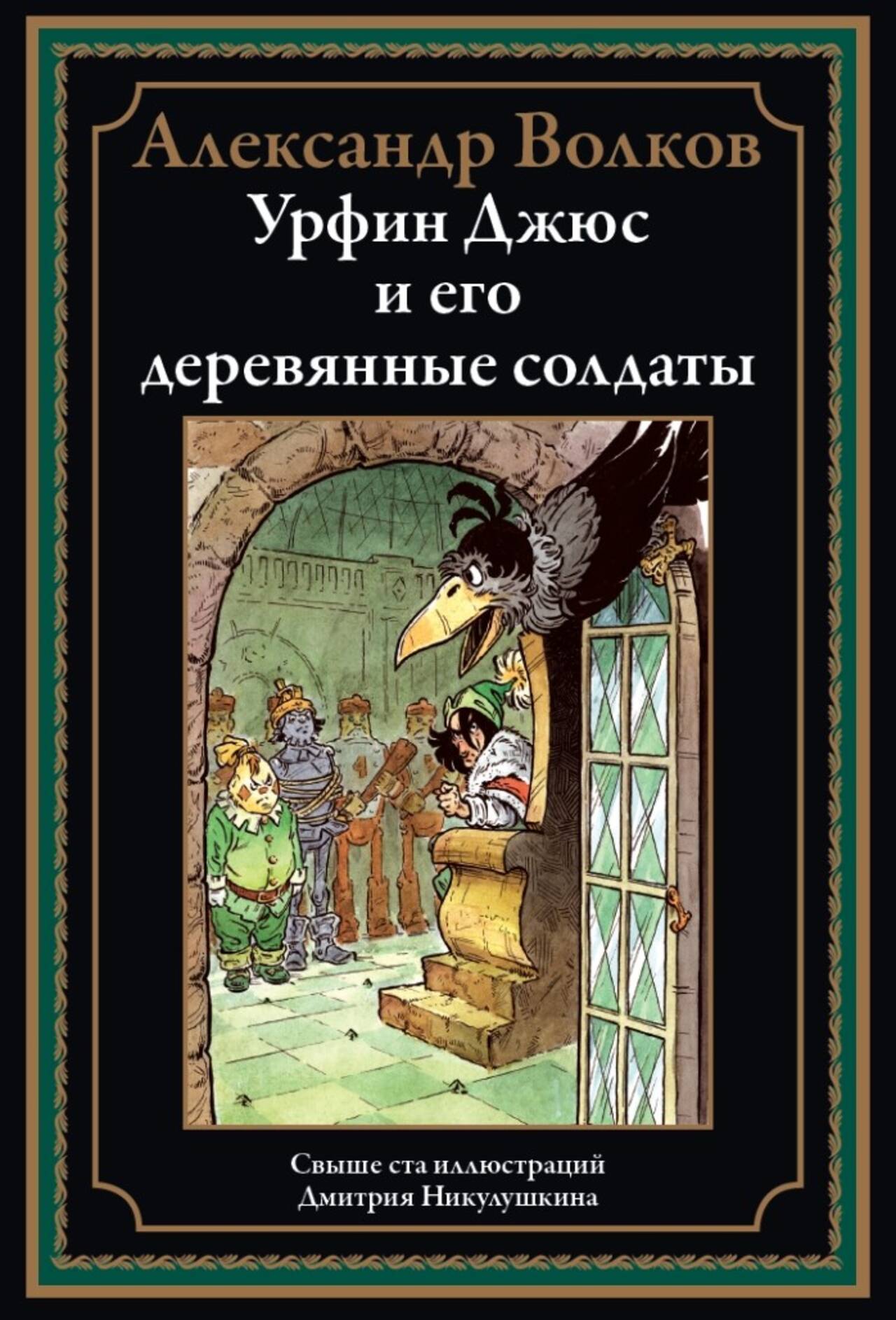
Urfin Jus and his wooden soldiers
19.99 €
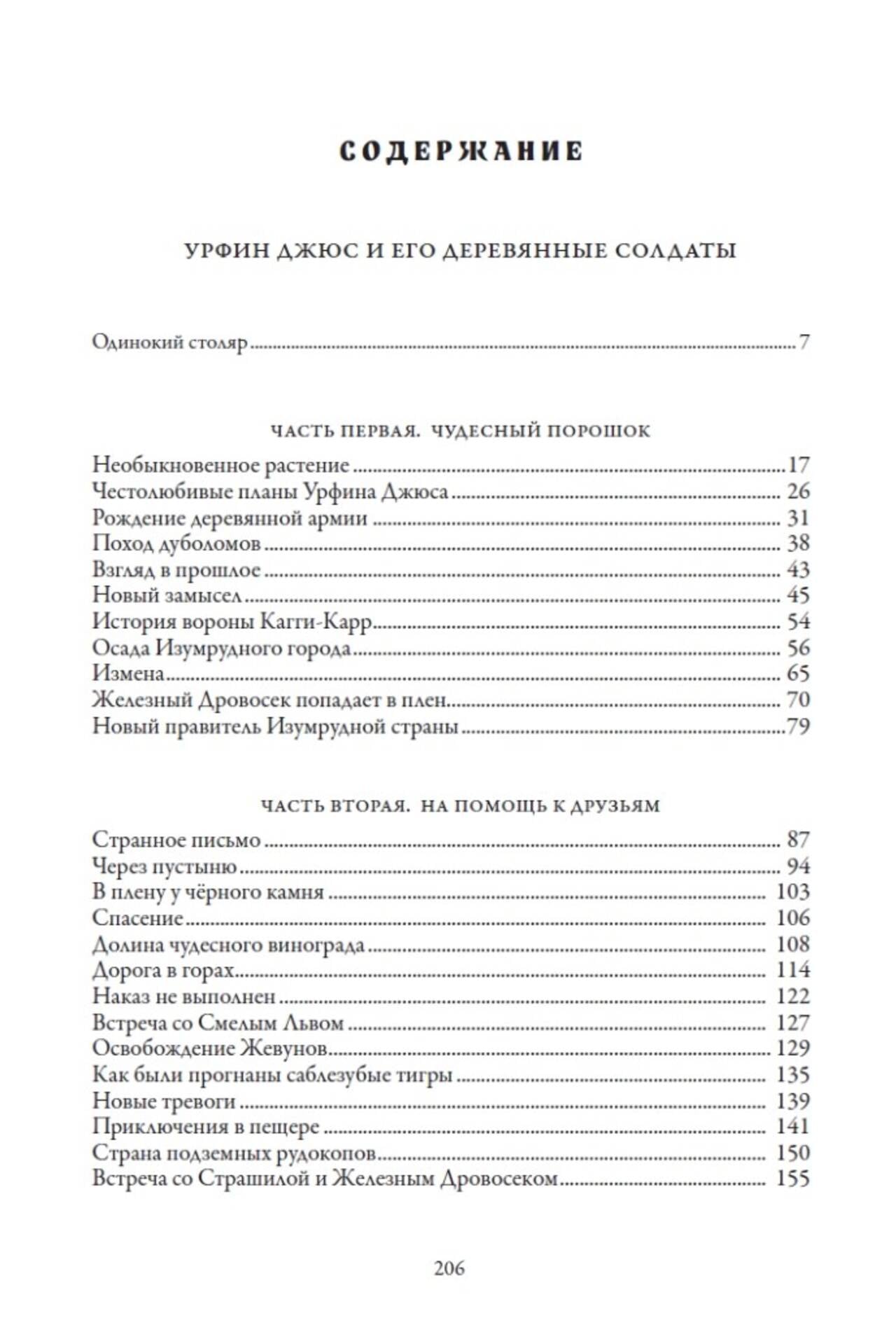
The only thing available 3

Urfin Jus and his wooden soldiers
19.99 €
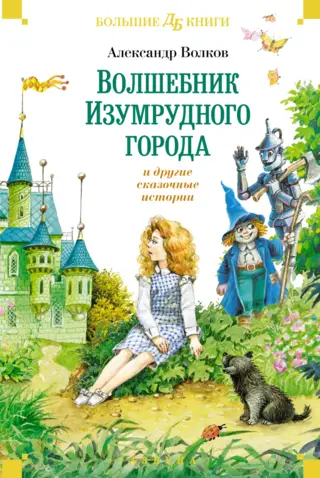
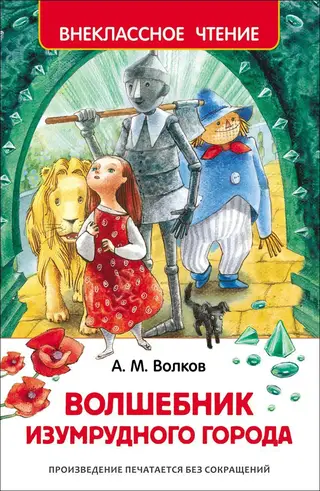
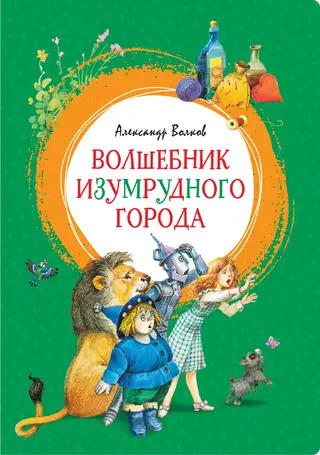
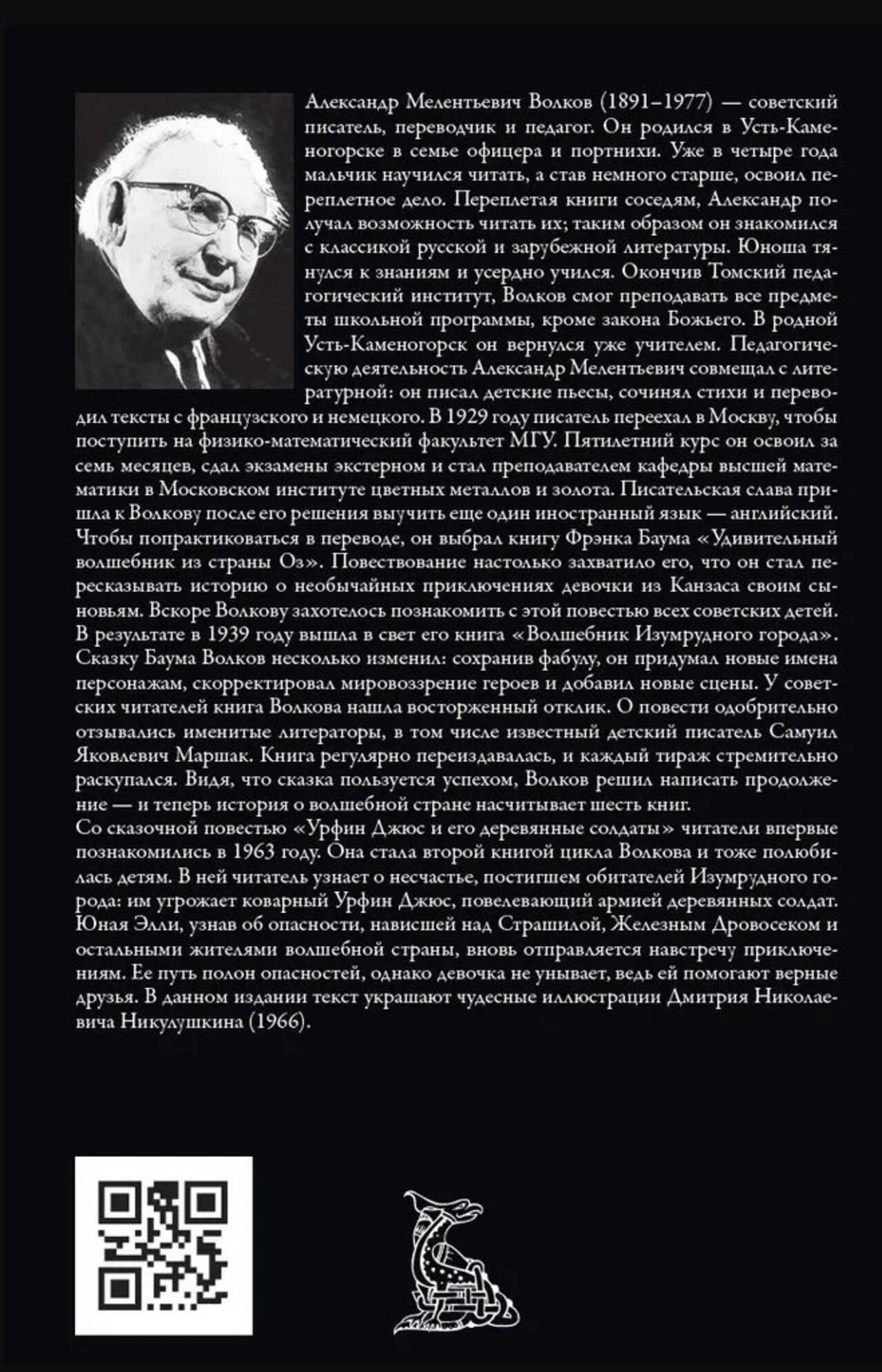
Alexander Melentievich Volkov (1891–1977) was a Soviet writer, translator, and teacher. He was born in Ust-Kamenogorsk to an officer and a seamstress. He learned to read at the age of four, and when he was a little older, he mastered bookbinding. By binding books for his neighbors, Alexander had the opportunity to read them; thus, he became acquainted with the classics of Russian and foreign literature. The young man was eager for knowledge and studied diligently. After graduating from the Tomsk Pedagogical Institute, Volkov was able to teach all subjects in the school curriculum except for theology. He returned to his native Ust-Kamenogorsk as a teacher. He combined his teaching with literary work: he wrote children's plays, composed poetry, and translated texts from French and German. In 1929, the writer moved to Moscow to enroll in the Physics and Mathematics Department of Moscow State University. He completed the five-year course in seven months, passed the exams as an external student, and became a lecturer in the Higher Mathematics Department at the Moscow Institute of Non-Ferrous Metals and Gold. Volkov's literary fame came after his decision to learn another foreign language—English. To practice his translation skills, he chose Frank Baum's "The Wonderful Wizard of Oz." The story captivated him so much that he began retelling the tale of the Kansas girl's extraordinary adventures to his sons. Soon, Volkov wanted to introduce this story to all Soviet children. As a result, his book "The Wizard of the Emerald City" was published in 1939. Volkov slightly altered Baum's tale: while retaining the plot, he invented new names for the characters, adjusted their worldviews, and added new scenes. Volkov's book was enthusiastically received by Soviet readers. The story received favorable reviews from renowned writers, including the renowned children's author Samuil Yakovlevich Marshak. The book was regularly reprinted, and each edition quickly sold out. Seeing the success of the tale, Volkov decided to write a sequel—and now the story of the magical land spans six books.
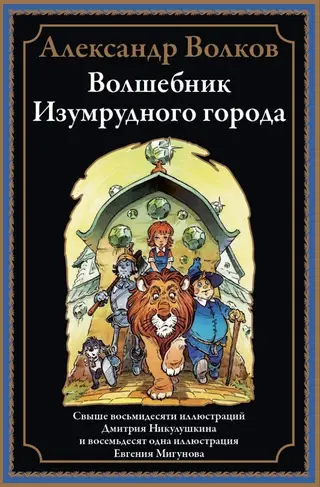
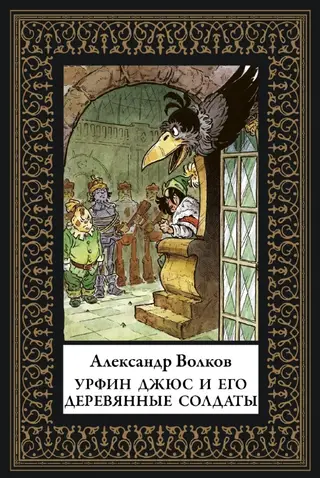
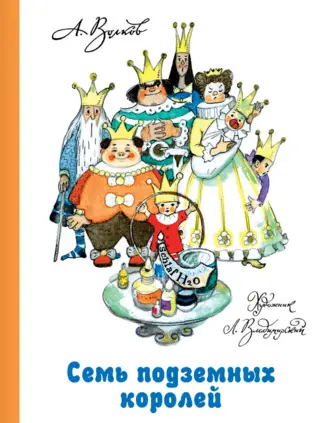
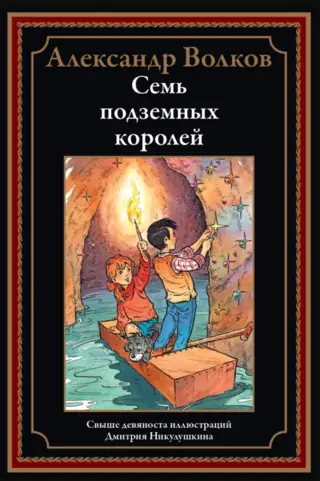
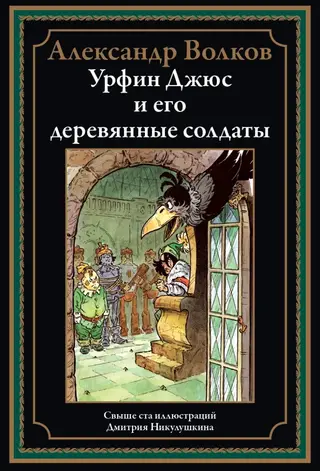
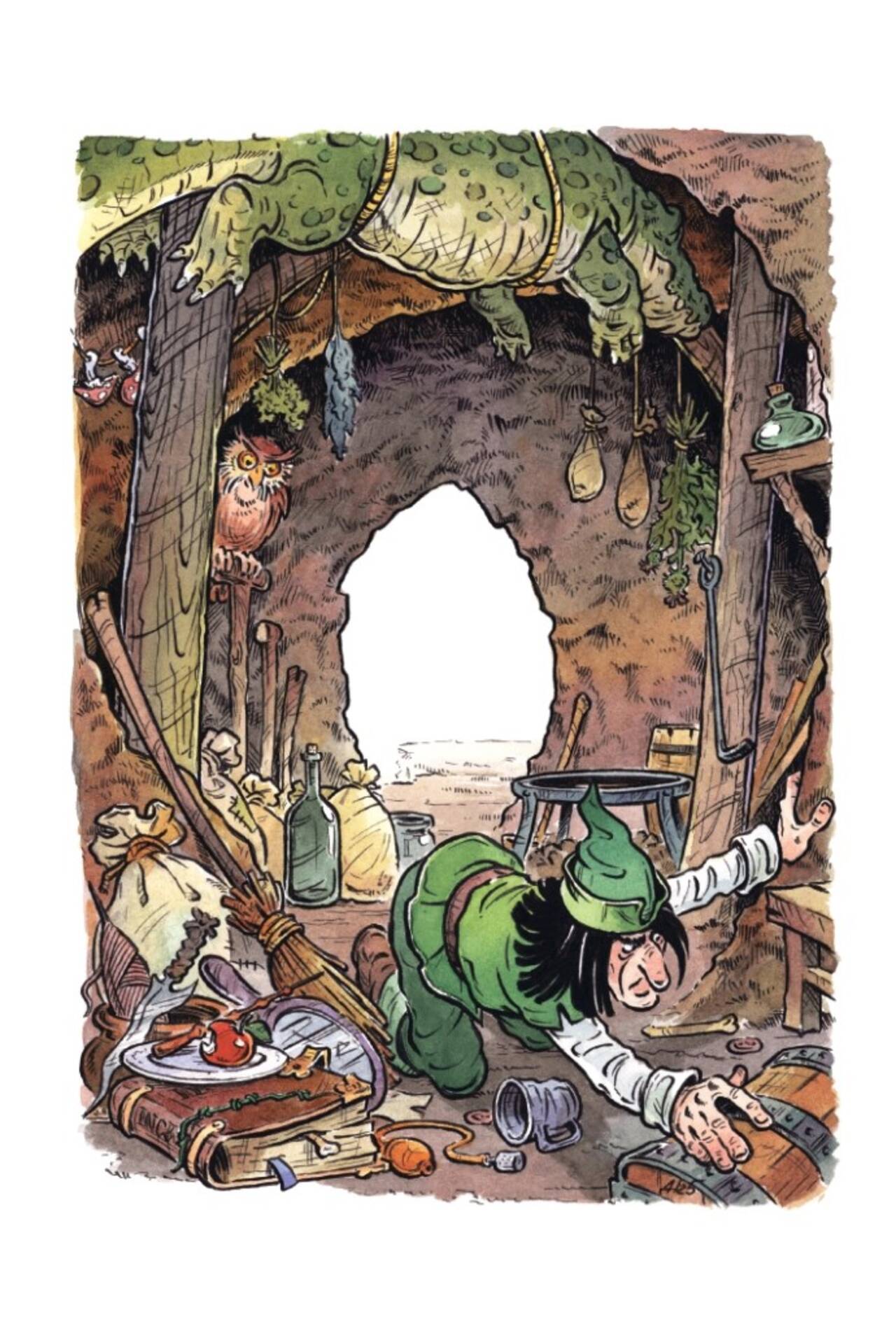
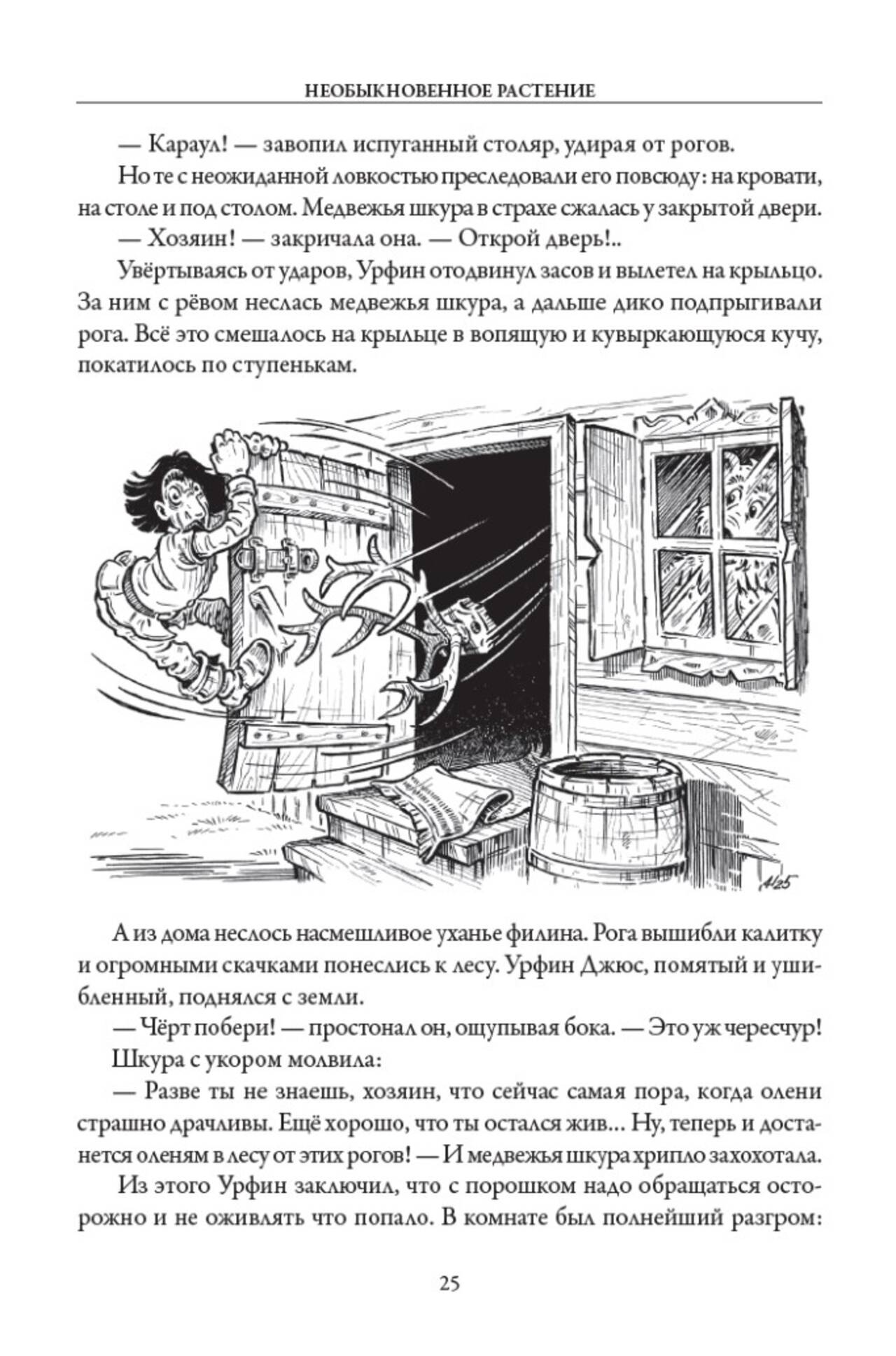
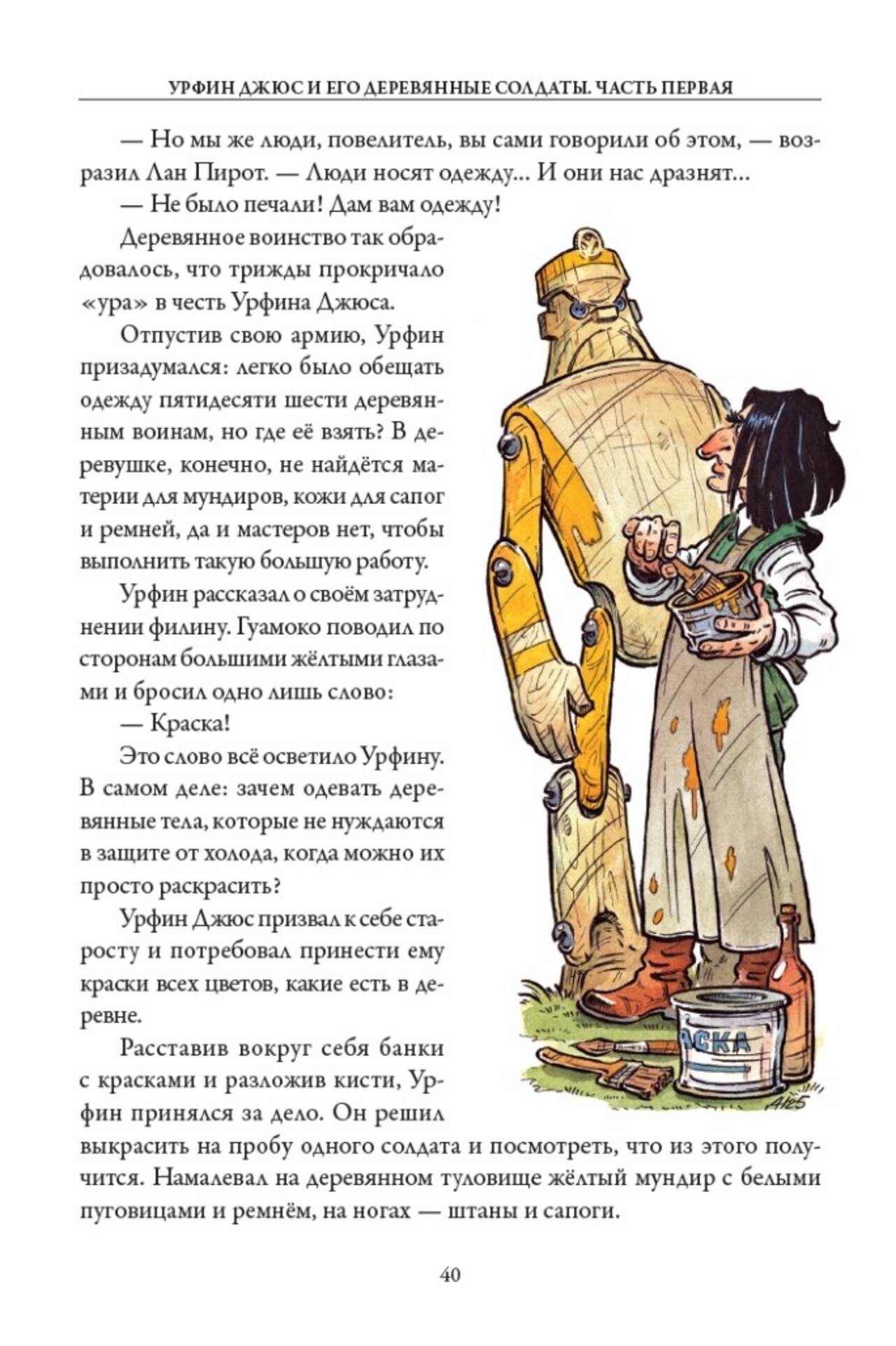
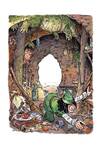
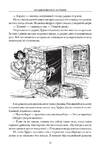
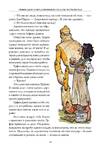
Readers first encountered the fairy tale "Urfin Jus and His Wooden Soldiers" in 1963. It became the second book in Volkov's series and was also a favorite among children. In it, readers learn of a misfortune that has befallen the inhabitants of the Emerald City: they are threatened by the treacherous Urfin Jus, who commands an army of wooden soldiers. Young Ellie, learning of the danger looming over the Scarecrow, the Tin Woodman, and the rest of the inhabitants of the magical land, sets out on another adventure. Her journey is fraught with peril, but the girl remains undaunted, aided by her faithful friends. In this edition, the text is decorated with wonderful illustrations by Dmitry Nikolaevich Nikulushkin (1966).
Readers first encountered the fairy tale "Urfin Jus and His Wooden Soldiers" in 1963. It became the second book in Volkov's series and was also a favorite among children. In it, readers learn of a misfortune that has befallen the inhabitants of the Emerald City: they are threatened by the treacherous Urfin Jus, who commands an army of wooden soldiers. Young Ellie, learning of the danger looming over the Scarecrow, the Tin Woodman, and the rest of the inhabitants of the magical land, sets out on another adventure. Her journey is fraught with peril, but the girl remains undaunted, aided by her faithful friends. In this edition, the text is decorated with wonderful illustrations by Dmitry Nikolaevich Nikulushkin (1966).
See also:
- All books by the publisher
- All books by the author
- All books in the series Library of World Literature
- All books in the cycle Stories about the Land of Oz