


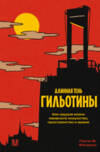
The Guillotine's Long Shadow: How the Execution Instrument Changed Art, Space, and Time – Feldeni Laszlo F. – IS – 2026 – ISBN 978-5-17-176282-7
The Guillotine's Long Shadow: How the Execution Instrument Changed Art, Space, and Time
19.99 €
In stock

The Guillotine's Long Shadow: How the Execution Instrument Changed Art, Space, and Time
19.99 €
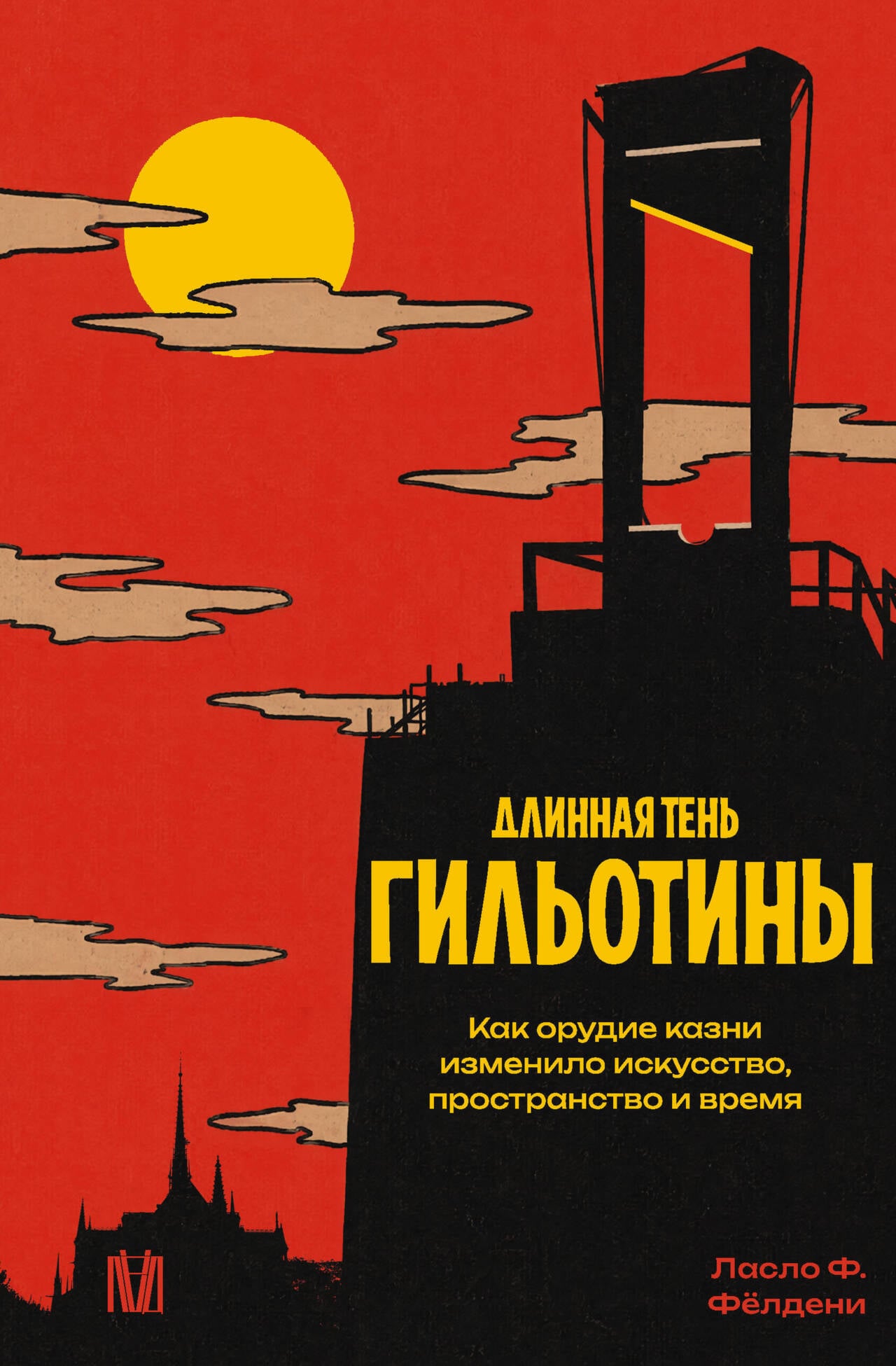
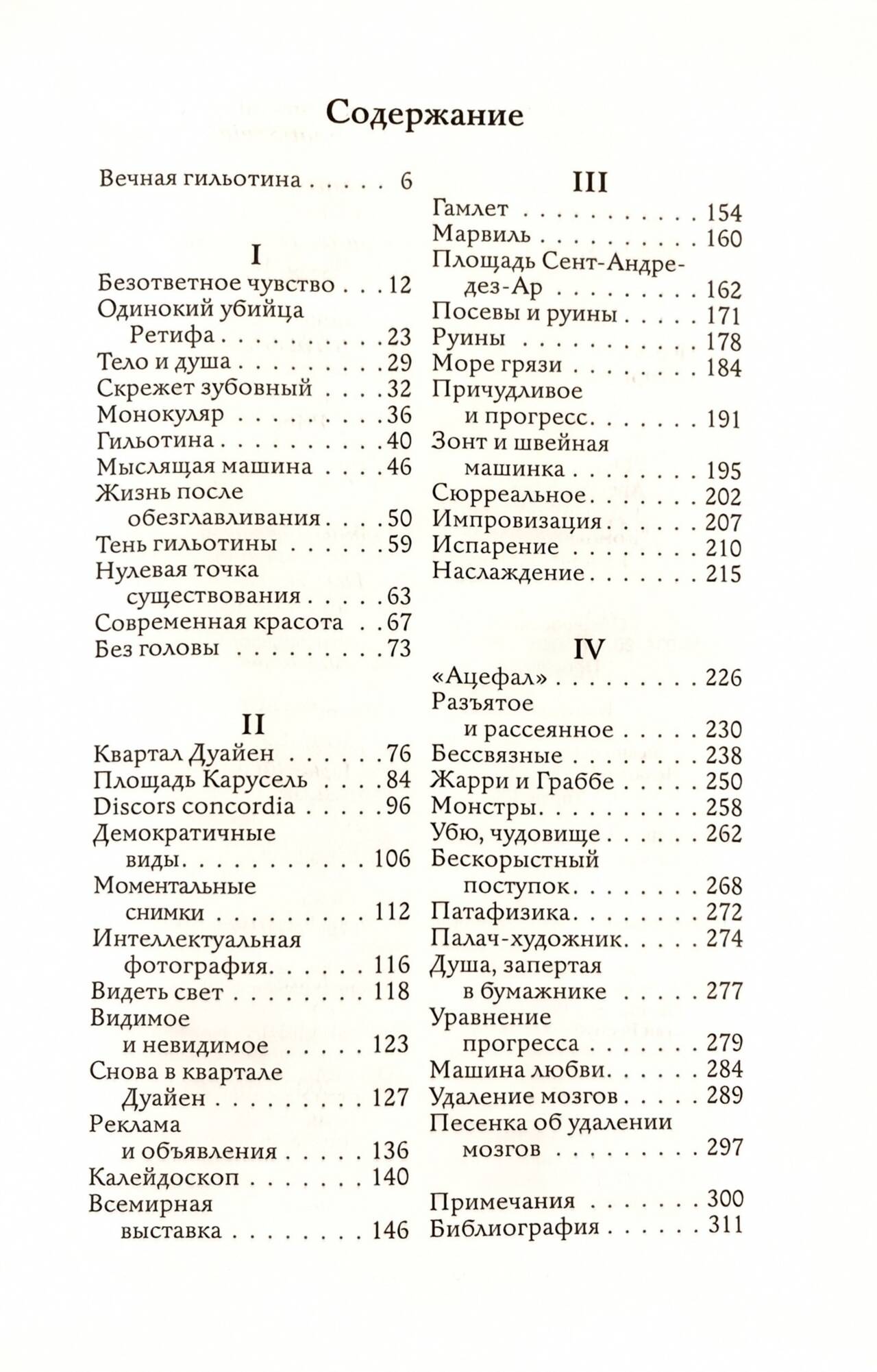
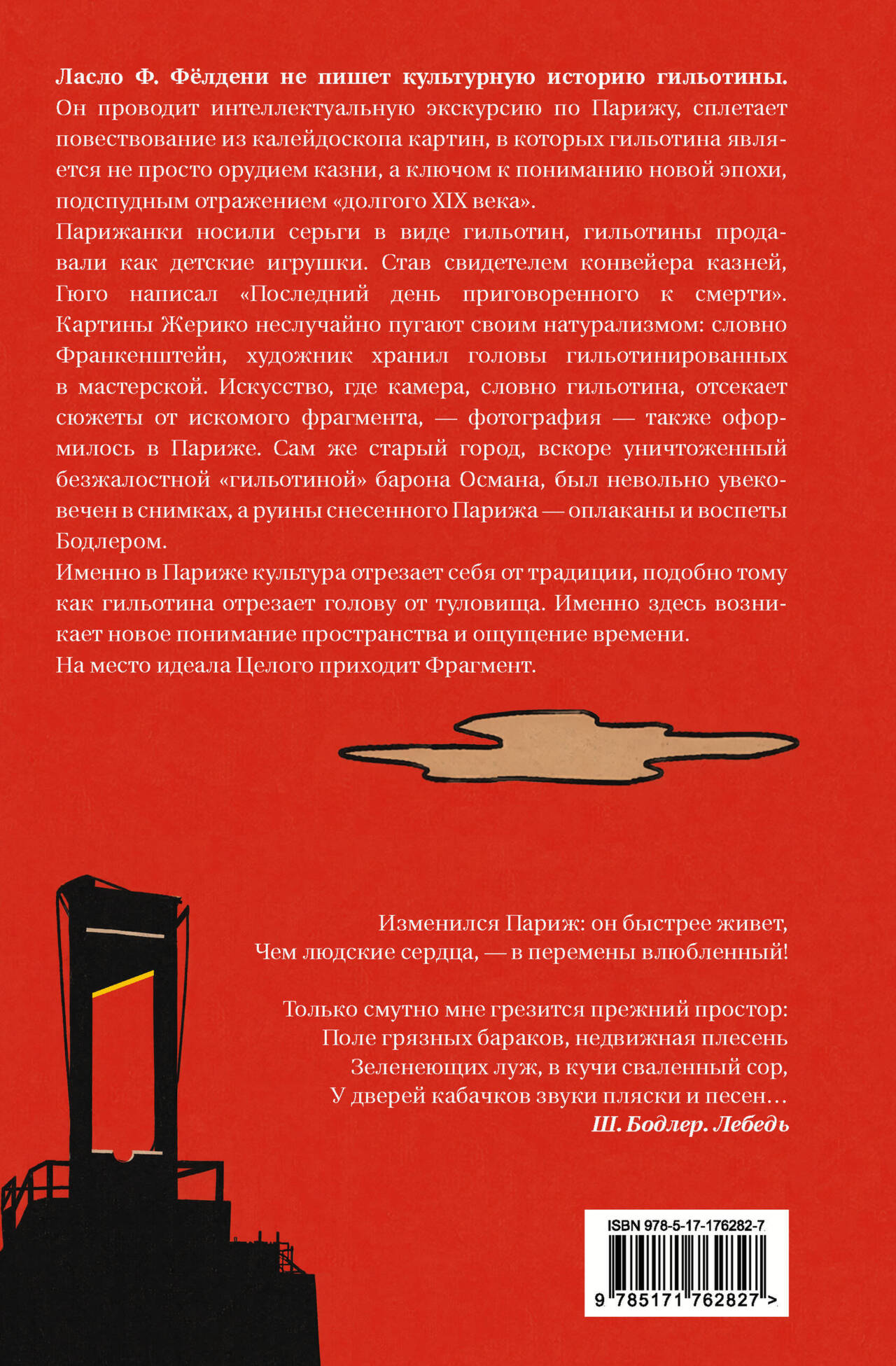
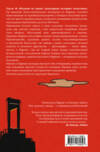
László F. Földényi doesn't write a cultural history of the guillotine. He provides an intellectual tour of Paris, weaving a narrative from a kaleidoscope of paintings in which the guillotine is not simply an instrument of execution, but a key to understanding a new era, a hidden reflection of the "long 19th century."
Parisian women wore earrings shaped like guillotines, and guillotines were sold as children's toys. Witnessing the execution conveyor belt, Hugo wrote "The Last Day of a Condemned Man." It's no coincidence that Géricault's paintings are terrifying in their naturalism: like Frankenstein, the artist kept the heads of the guillotined in his studio. Photography, an art form in which the camera, like a guillotine, slices subjects from the desired fragment, also took shape in Paris. The old city itself, soon destroyed by Baron Haussmann's merciless "guillotine," was involuntarily immortalized in photographs, and the ruins of demolished Paris were mourned and celebrated by Baudelaire.
It is in Paris that culture severs itself from tradition, just as the guillotine severs the head from the body. It is here that a new understanding of space and a sense of time emerge.
The ideal of the Whole is replaced by the Fragment.
László F. Földényi (born 1952) is a Hungarian writer, essayist, literary critic, and cultural theorist. His interests include the history of ideas and the interrelationships between literature, art, and philosophy.
See also:
- All books by the publisher
- All books by the author