


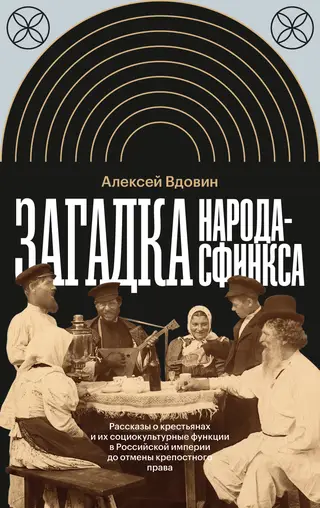
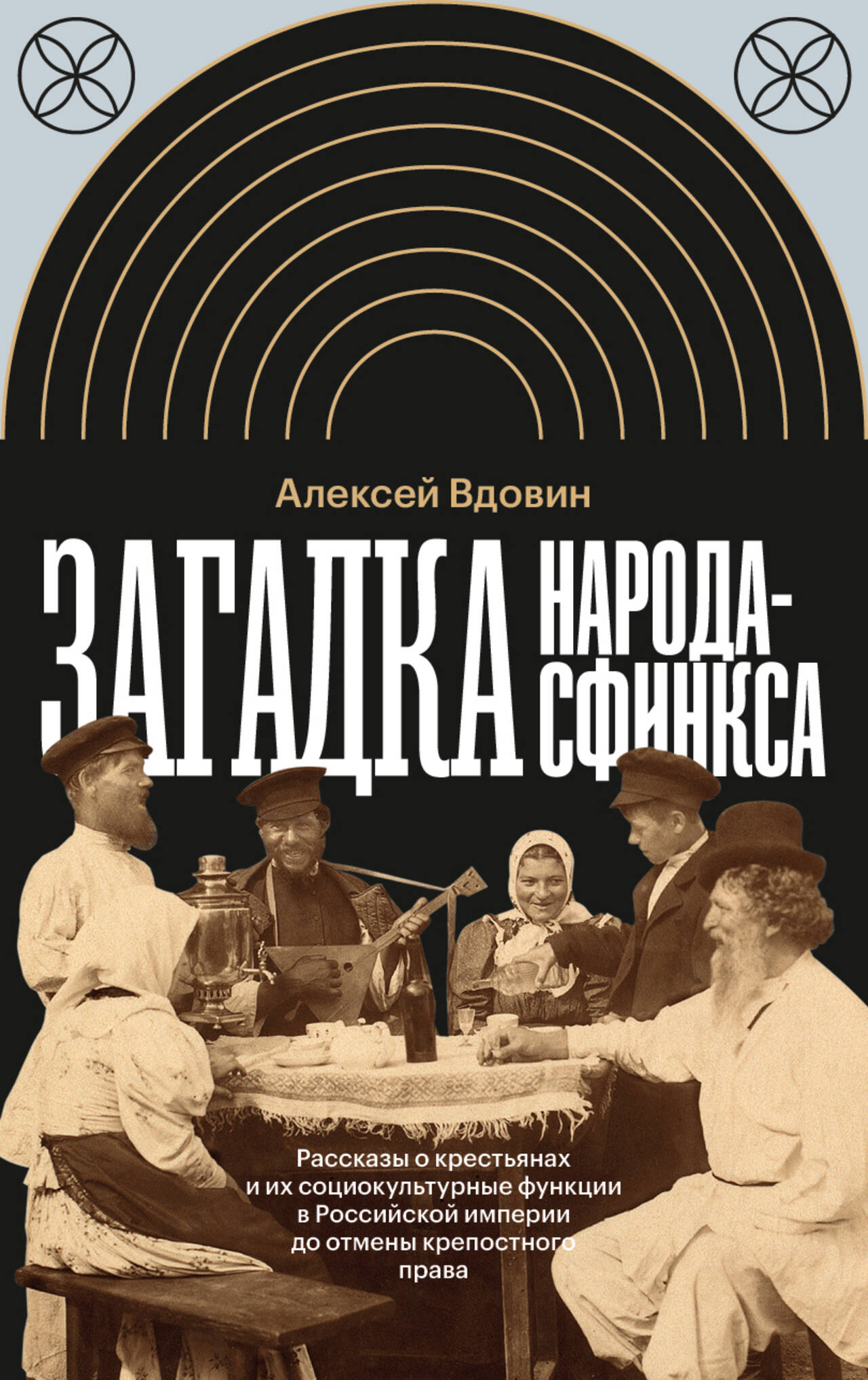
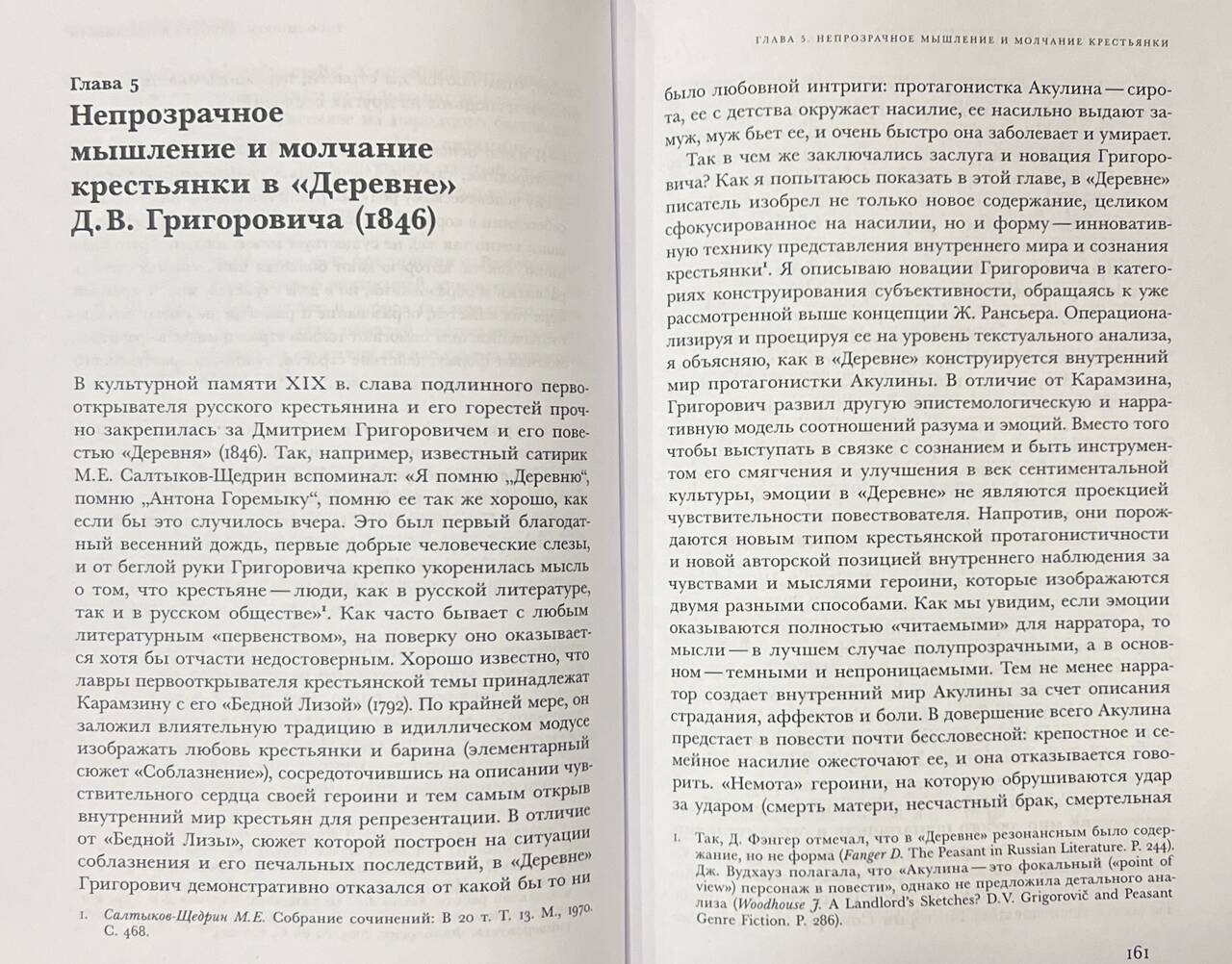
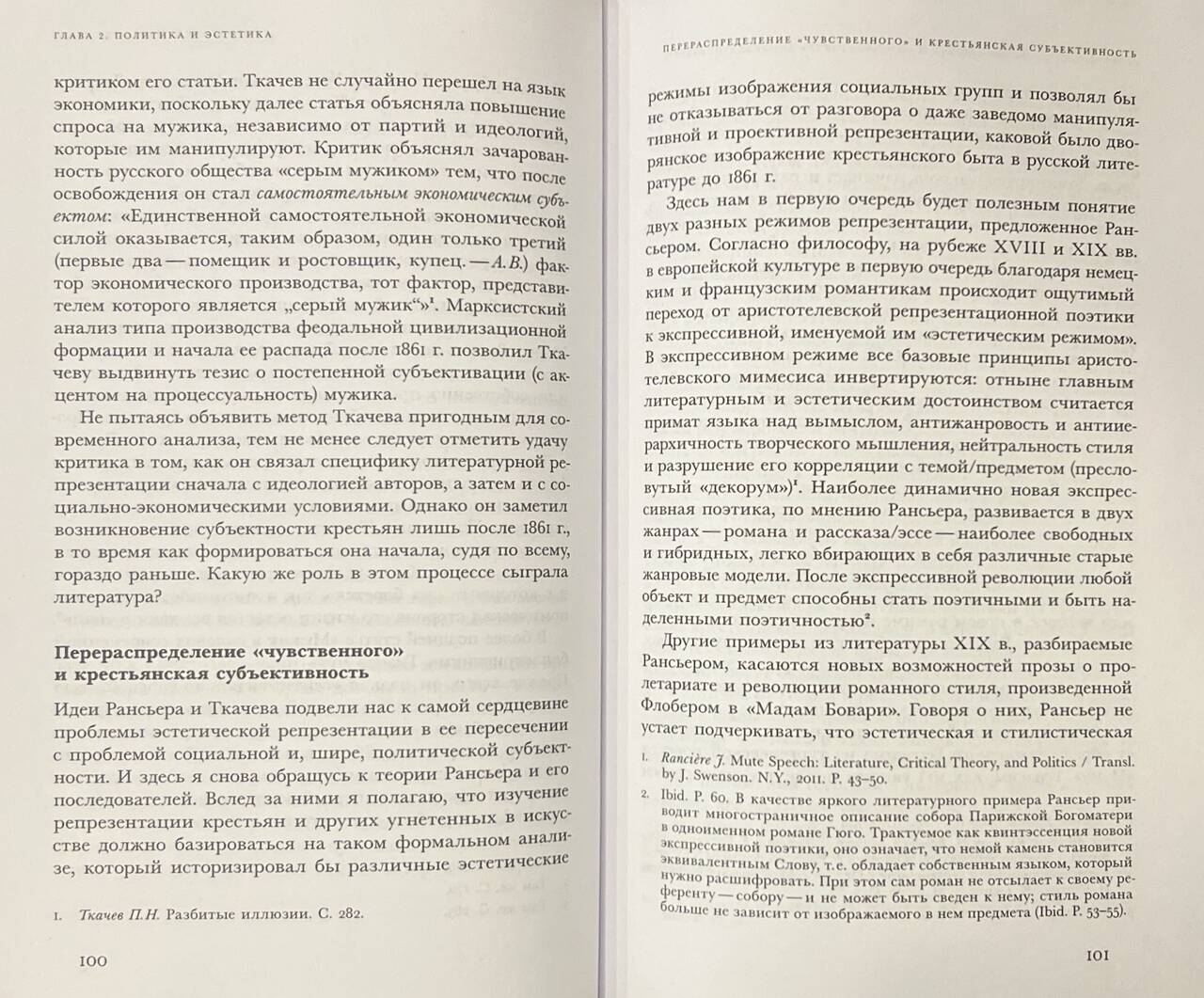
The Riddle of the Sphinx-People: Stories about Peasants and Their Sociocultural Functions in the Russian Empire Before the Abolition of Serfdom – Alexey Vdovin – New Literary Review – 2024 – ISBN 978-5-4448-2215-9
The Riddle of the Sphinx-People: Stories about Peasants and Their Sociocultural Functions in the Russian Empire Before the Abolition of Serfdom
19.99 €
Out of stock

The Riddle of the Sphinx-People: Stories about Peasants and Their Sociocultural Functions in the Russian Empire Before the Abolition of Serfdom
19.99 €
To add a product to the waitlist, please sign in:
Log in
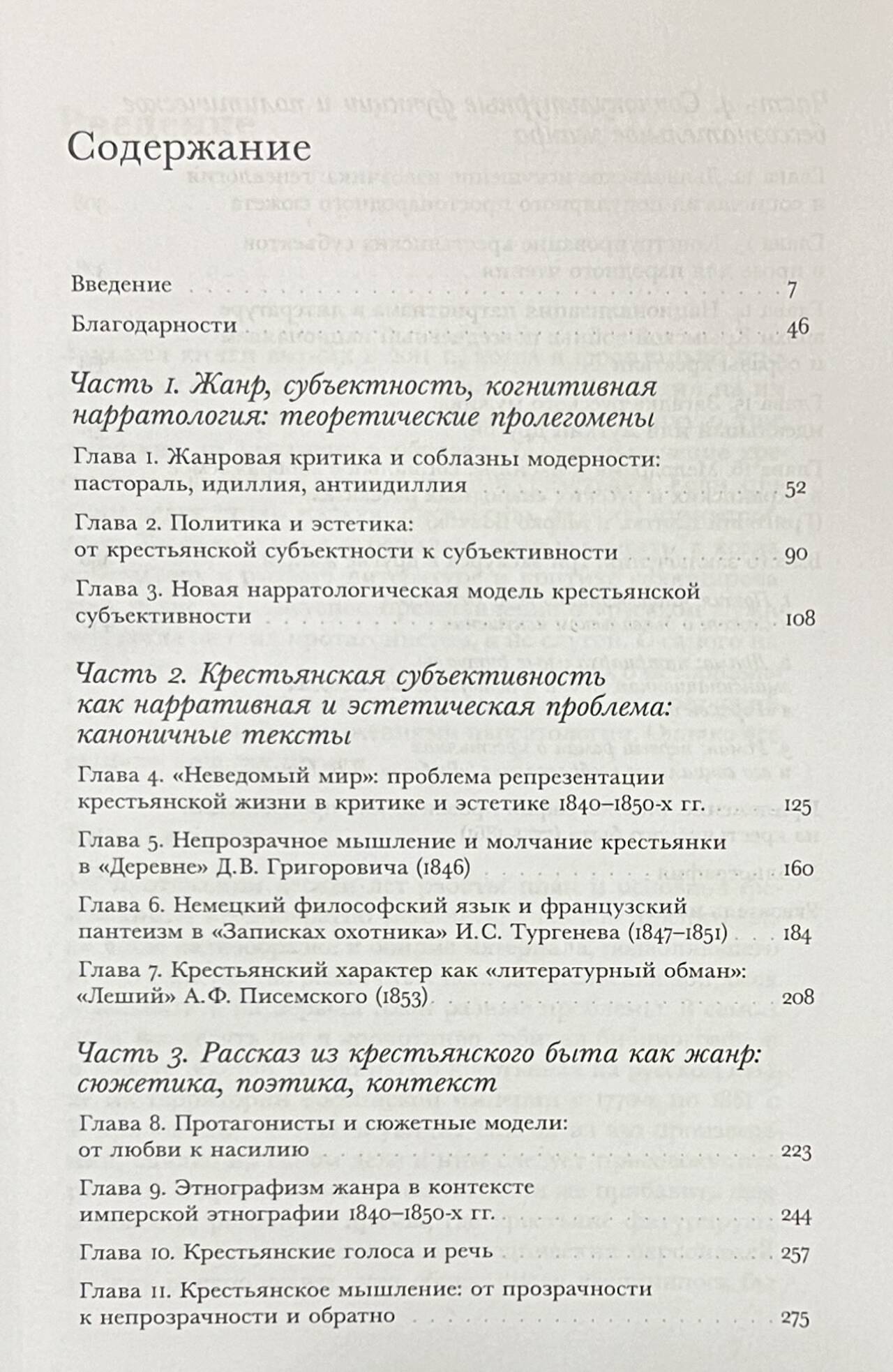
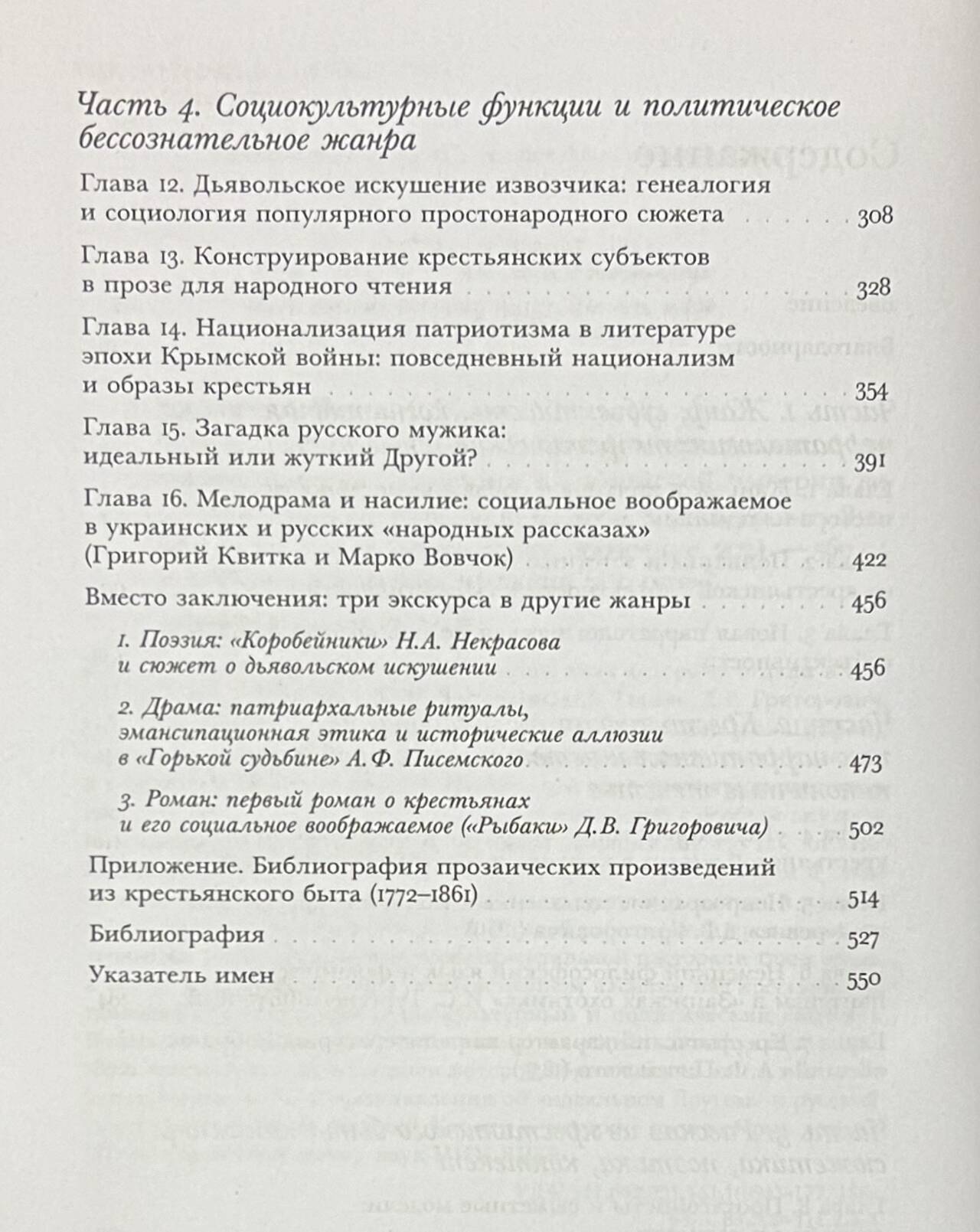
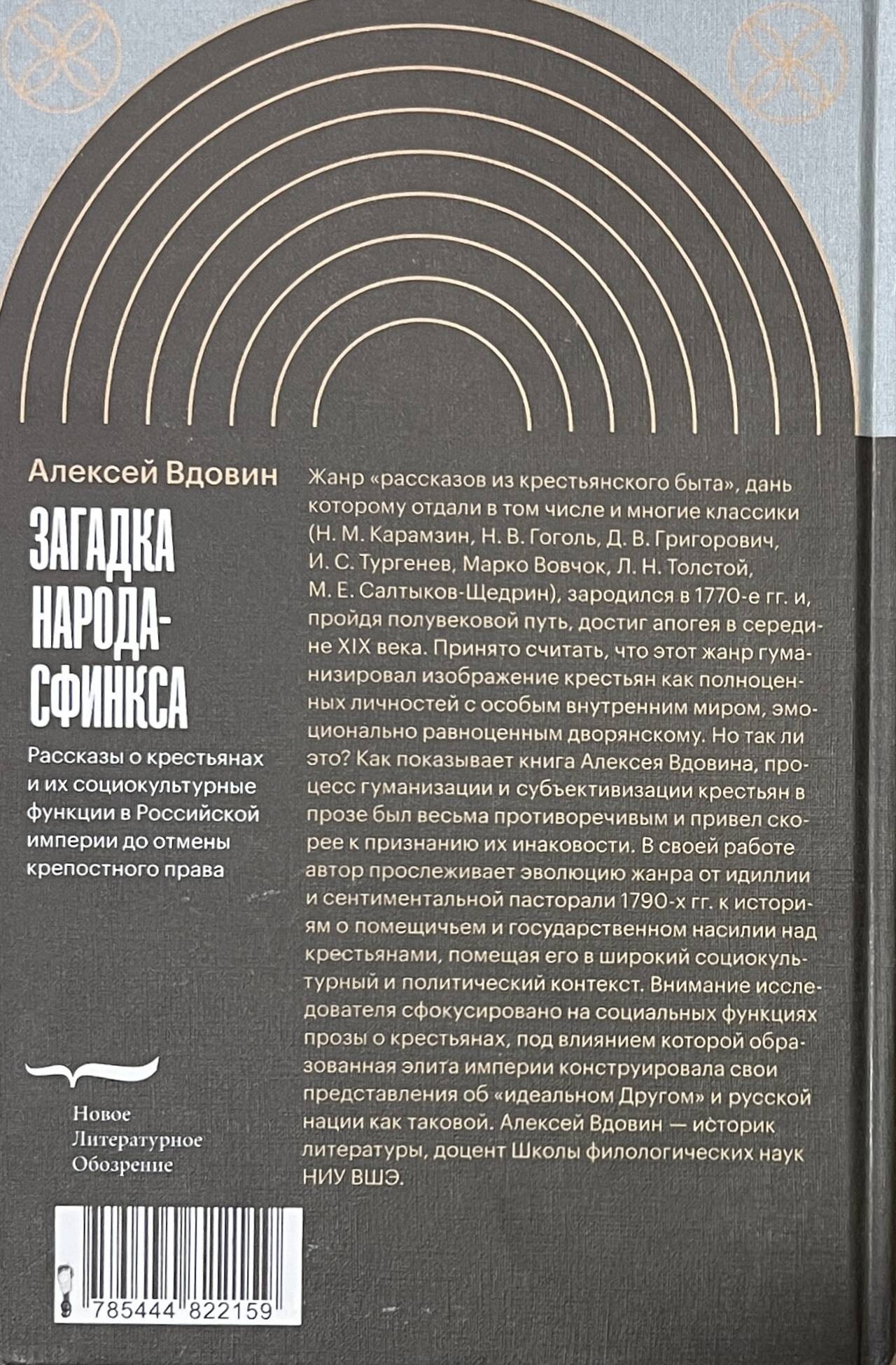
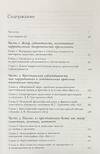
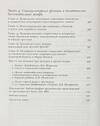
The genre of "stories from peasant life", to which many classics (N. M. Karamzin, N. V. Gogol, D. V. Grigorovich, I. S. Turgenev, Marko Vovchok, L. N. Tolstoy, M. E. Karamzin, N. V. Gogol, D. V. Grigorovich, I. S. Turgenev, Marko Vovchok, L. N. Tolstoy, M. E. Saltykov-Shchedrin), originated in the 1770s. Saltykov-Shchedrin), originated in the 1770s and, having passed half a century, reached its peak in the middle of the XIX century. It is generally believed that this genre humanized the portrayal of peasants as full-fledged individuals with a special inner world, emotionally equivalent to the nobility. But is it so? As Alexei Vdovin's book shows, the process of humanization and subjectivization of peasants in prose was quite contradictory and led rather to the recognition of their otherness. In his work, the author traces the evolution of the genre from idylls and sentimental pastorals of the 1790s to stories of landlord and state violence against peasants, placing it in a broad socio-cultural and political context. The researcher's attention is focused on the social functions of prose about peasants, under the influence of which the empire's educated elite constructed their ideas about the "ideal Other" and the Russian nation as such. Alexei Vdovin is a historian of literature and associate professor at the School of Philological Sciences of the National Research University Higher School of Economics.
See also:
- All books by the publisher
- All books by the author
- All books in the series Intellectual history