


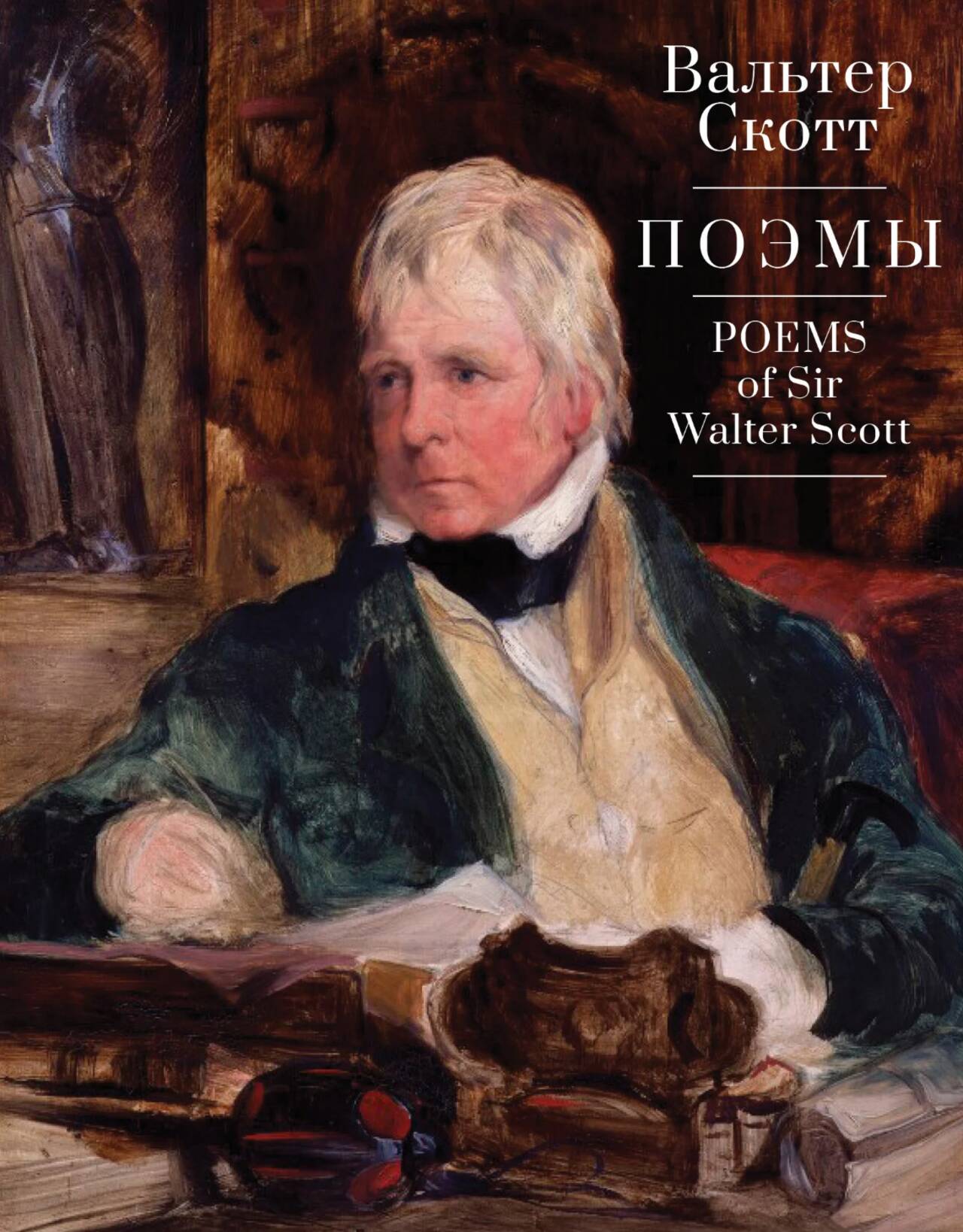
Poems – Scott Walter – Aleteia – 2026 – ISBN 978-5-00267-155-7
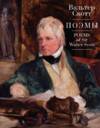
Poems
99.99 €
In stock

Poems
99.99 €
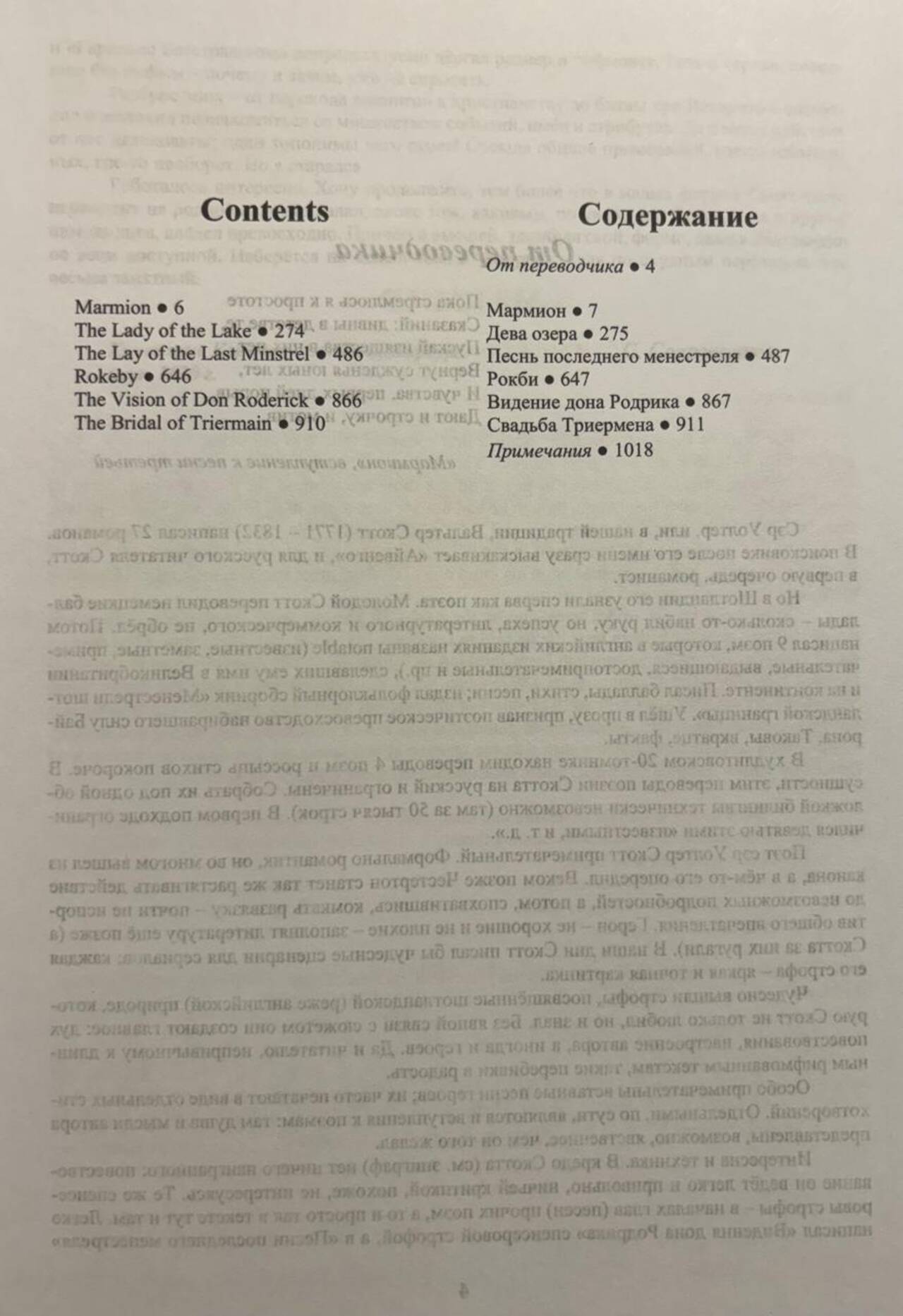
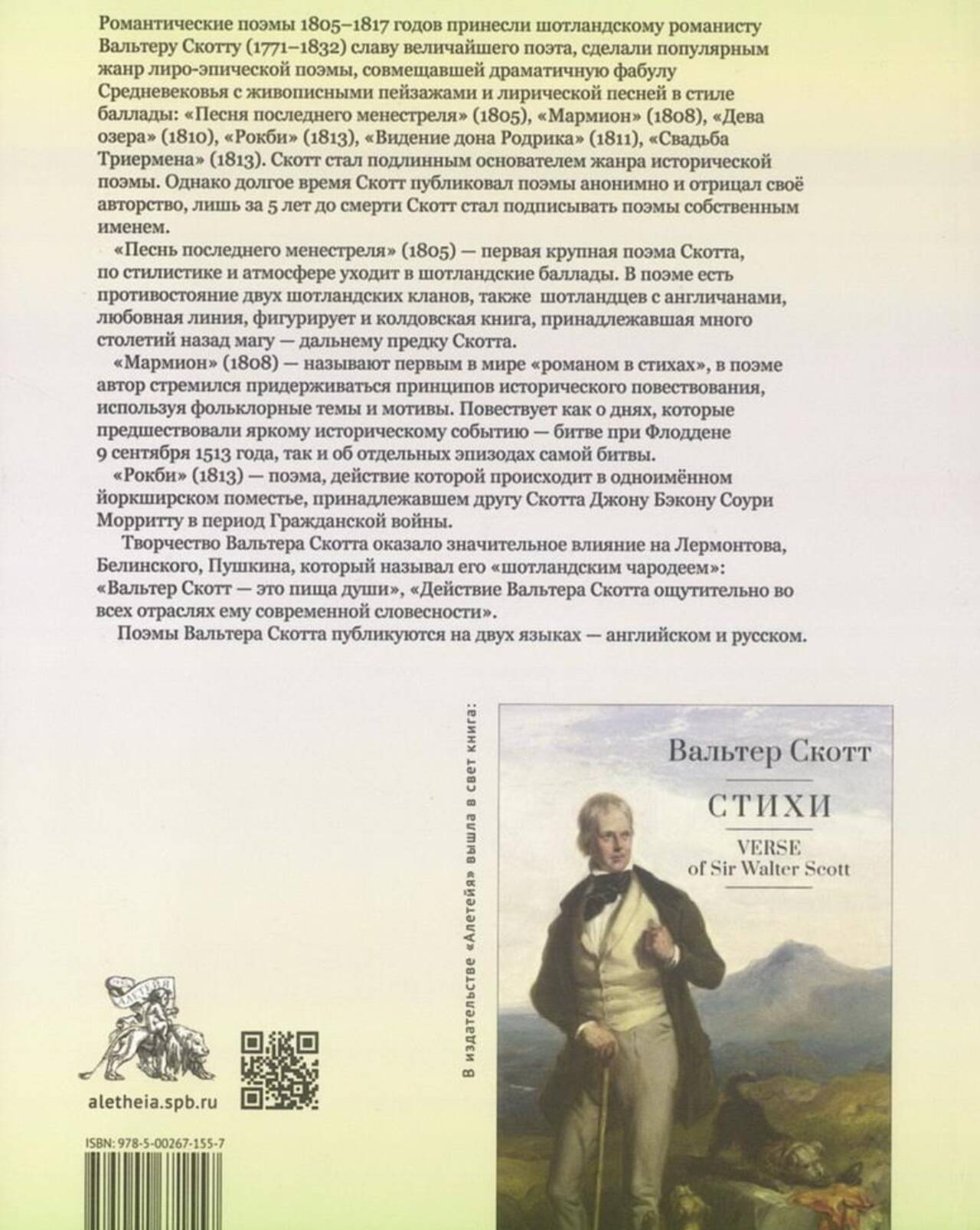
The Romantic poems of 1805–1817 brought fame to Scottish novelist Walter Scott (1771–1832) as a great poet. They popularized the genre of the lyric-epic poem, which combined dramatic medieval plots with picturesque landscapes and lyrical ballad-style song: "The Lay of the Last Minstrel" (1805), "Marmion" (1808), "The Lady of the Lake" (1810), "Rokeby" (1813), "The Vision of Don Roderick" (1811), and "The Marriage of Triermain" (1813). Scott became the true founder of the historical poem genre. However, for a long time, Scott published his poems anonymously and denied his authorship; only five years before his death did he begin signing his poems with his own name.
"The Lay of the Last Minstrel" (1805), Scott's first major poem, evokes the style and atmosphere of Scottish ballads. The poem features a confrontation between two Scottish clans, as well as between Scots and Englishmen, a love story, and even a book of magic that belonged many centuries ago to a magician—Scott's distant ancestor.
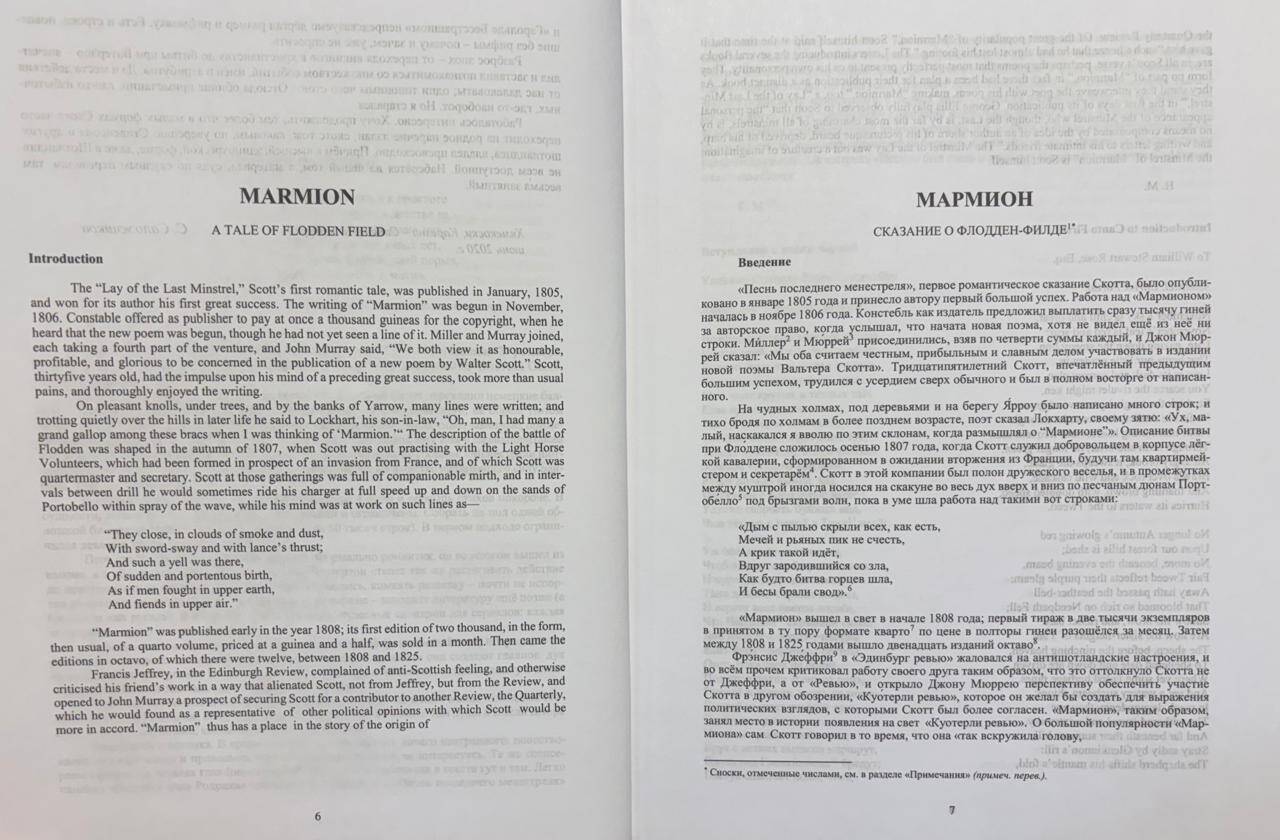
"Marmion" (1808) is called the world's first "novel in verse." In this poem, the author strove to adhere to the principles of historical narrative, using folkloric themes and motifs. It recounts both the days leading up to the momentous historical event—the Battle of Flodden on September 9, 1513—and individual episodes of the battle itself.
"Rokeby" (1813) is a poem set on the Yorkshire estate of the same name, which belonged to Scott's friend John Bacon Sowrey Morritt during the Civil War.
Scott's work had a significant influence on Lermontov, Belinsky, and Pushkin, who called him a "Scottish sorcerer": "Walter Scott is food for the soul," "Walter Scott's influence is felt in all branches of contemporary literature."
Scott's poems are published in two languages – English and Russian.
"The Lay of the Last Minstrel" (1805), Scott's first major poem, evokes the style and atmosphere of Scottish ballads. The poem features a confrontation between two Scottish clans, as well as between Scots and Englishmen, a love story, and even a book of magic that belonged many centuries ago to a magician—Scott's distant ancestor.
"Marmion" (1808) is called the world's first "novel in verse." In this poem, the author strove to adhere to the principles of historical narrative, using folkloric themes and motifs. It recounts both the days leading up to the momentous historical event—the Battle of Flodden on September 9, 1513—and individual episodes of the battle itself.
"Rokeby" (1813) is a poem set on the Yorkshire estate of the same name, which belonged to Scott's friend John Bacon Sowrey Morritt during the Civil War.
Scott's work had a significant influence on Lermontov, Belinsky, and Pushkin, who called him a "Scottish sorcerer": "Walter Scott is food for the soul," "Walter Scott's influence is felt in all branches of contemporary literature."
Scott's poems are published in two languages – English and Russian.
See also:
- All books by the publisher
- All books by the author