


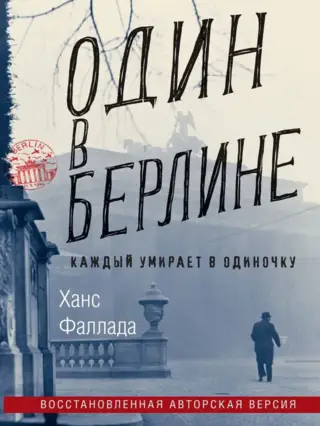
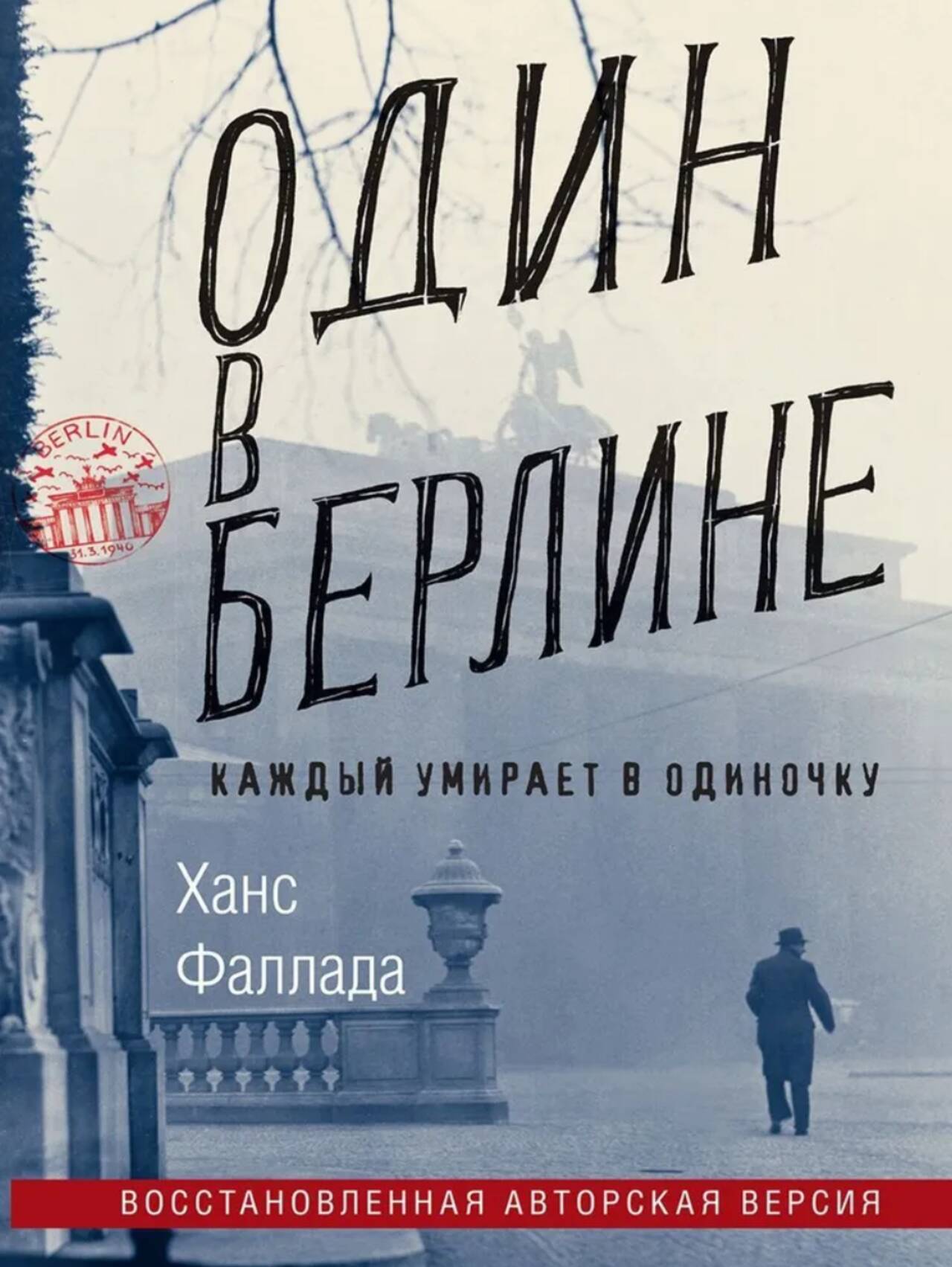
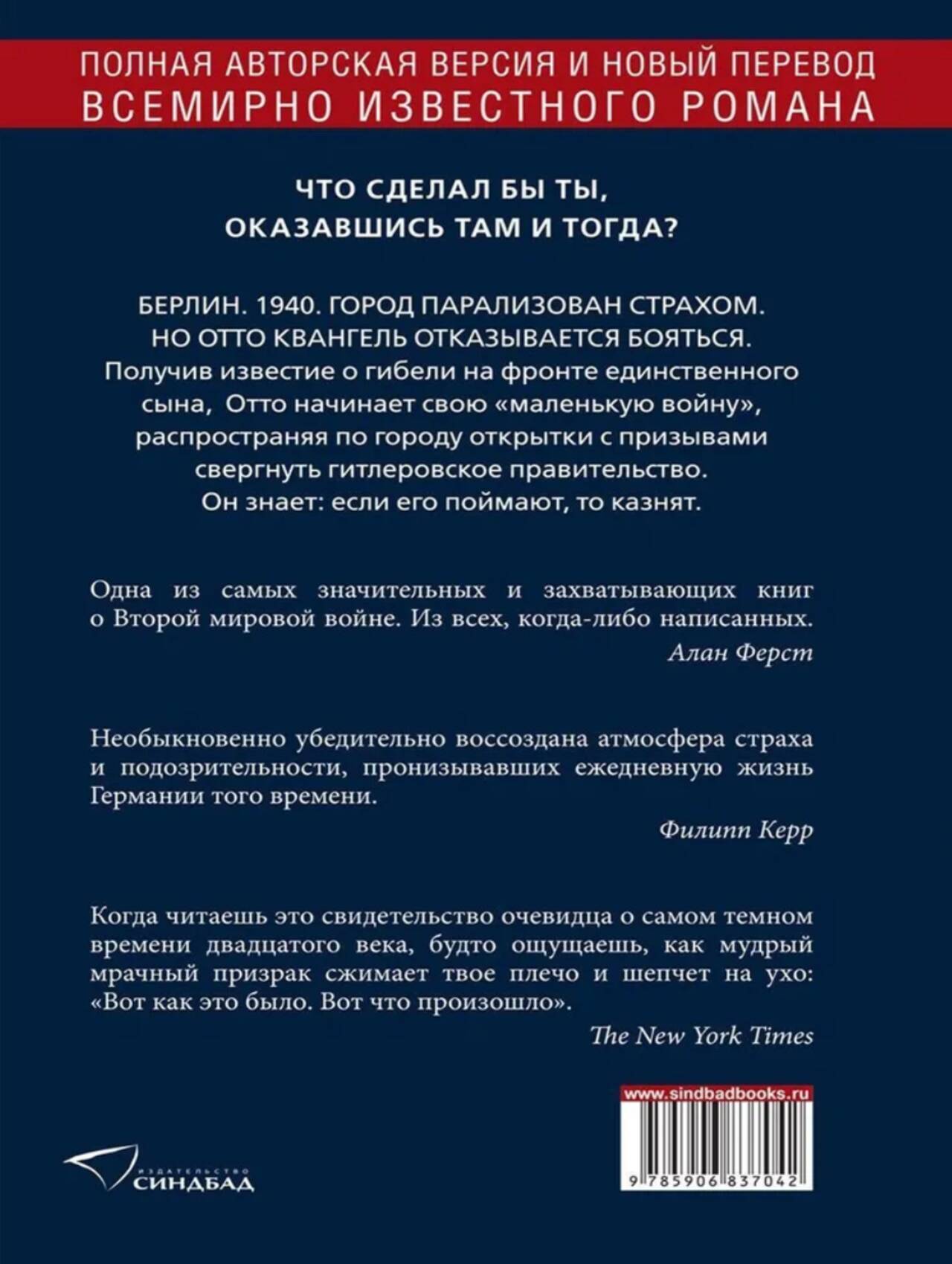
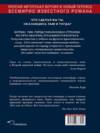
Alone in Berlin. Everyone dies alone. – Fallada Hans – Sinbad – 2022 – ISBN 978-5-906837-04-2
Alone in Berlin. Everyone dies alone.
14.99 €
In stock

Alone in Berlin. Everyone dies alone.
14.99 €
Hans Fallada (pseudonym of Rudolf Dietzen, 1893-1947) is one of the classic European writers of the 20th century. His novels provide a precise diagnosis of the state of German society at various historical junctures.
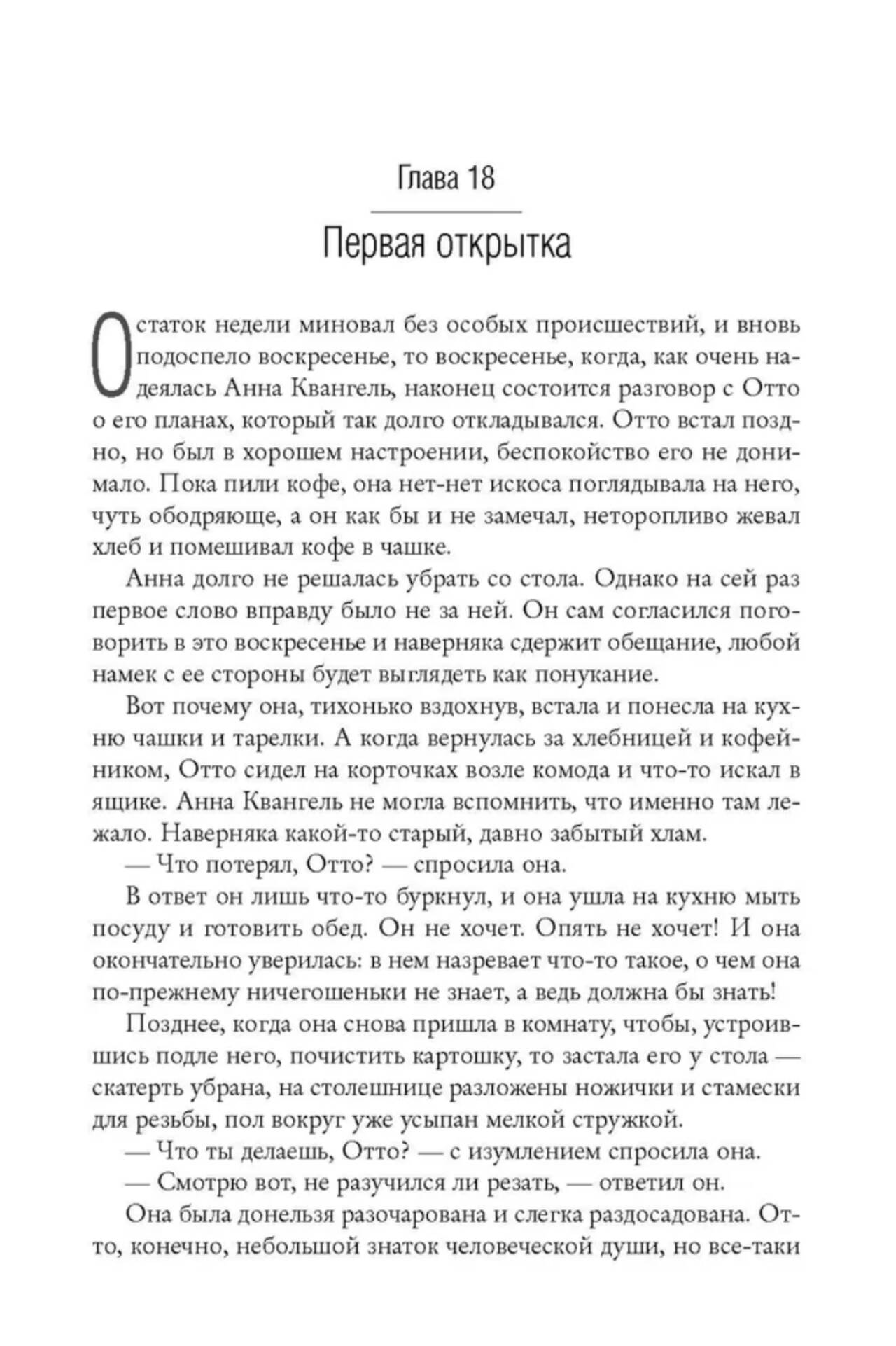
1940. German troops triumphantly enter Paris. Ordinary Germans rejoice in unison with the Reich's leadership, anticipating the imminent defeat of England and the establishment of German world domination. In such an atmosphere, only a hero or a madman—or someone with nothing to lose—can challenge the regime. After receiving a death notice for his only son, carpenter Otto Quangel declares war on Nazism. He and his wife, Anna, write and distribute postcards calling for resistance. But his compatriots refuse to heed the voice of truth—a clinging fear paralyzes their will and corrupts their souls.
Fallada didn't invent the story of the Quangels: the postcards were preserved in the Gestapo archives. The book was written immediately after the events, in 1947, and was published after the author's death. Despite the text being subjected to significant censorship edits, the novel was a resounding success: it was translated into numerous languages, inspired four film adaptations, and numerous stage productions in various countries. More than half a century later, a second edition of the novel was published, free of any opportunistic edits.
1940. German troops triumphantly enter Paris. Ordinary Germans rejoice in unison with the Reich's leadership, anticipating the imminent defeat of England and the establishment of German world domination. In such an atmosphere, only a hero or a madman—or someone with nothing to lose—can challenge the regime. After receiving a death notice for his only son, carpenter Otto Quangel declares war on Nazism. He and his wife, Anna, write and distribute postcards calling for resistance. But his compatriots refuse to heed the voice of truth—a clinging fear paralyzes their will and corrupts their souls.
Fallada didn't invent the story of the Quangels: the postcards were preserved in the Gestapo archives. The book was written immediately after the events, in 1947, and was published after the author's death. Despite the text being subjected to significant censorship edits, the novel was a resounding success: it was translated into numerous languages, inspired four film adaptations, and numerous stage productions in various countries. More than half a century later, a second edition of the novel was published, free of any opportunistic edits.
See also:
- All books by the publisher
- All books by the author