


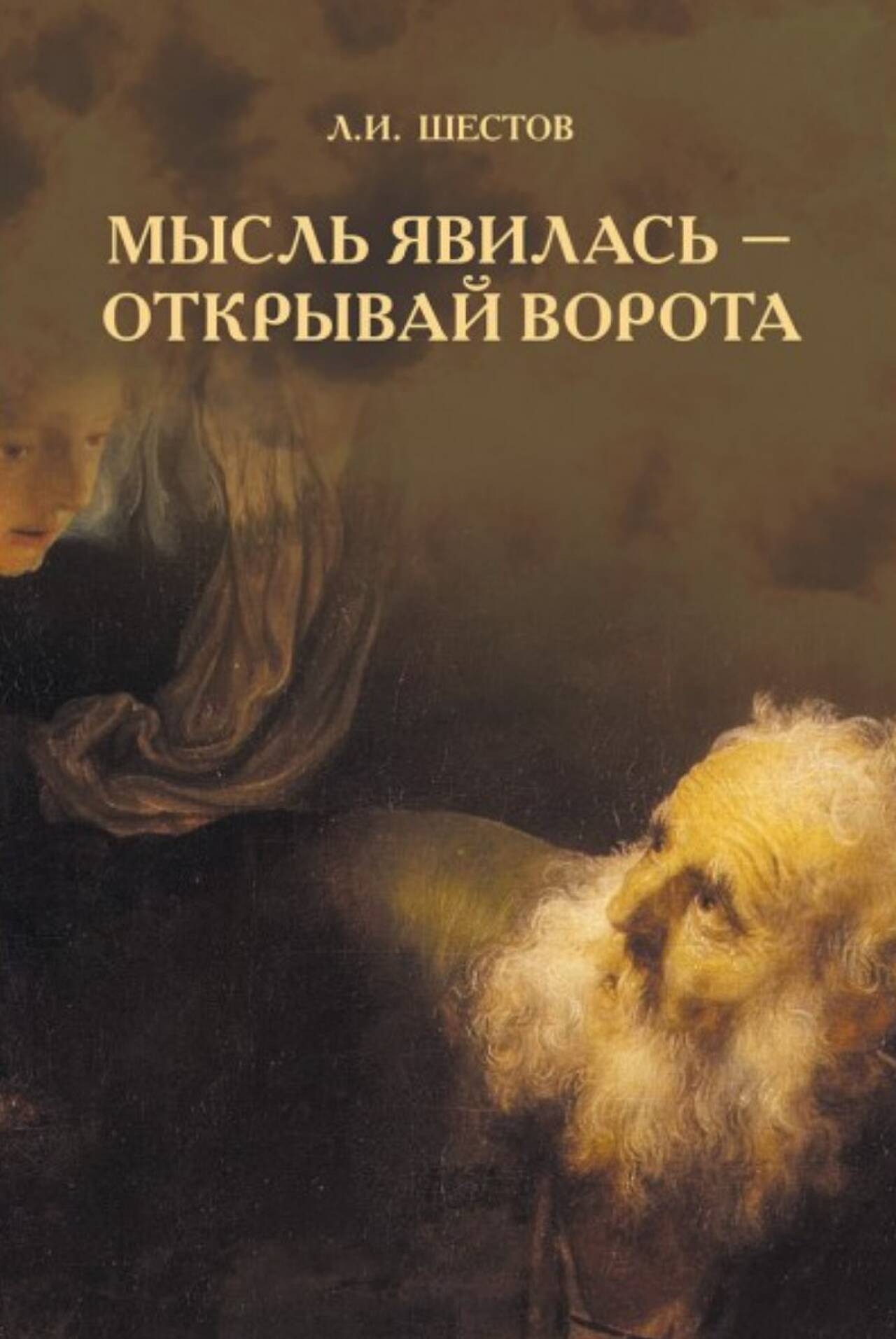
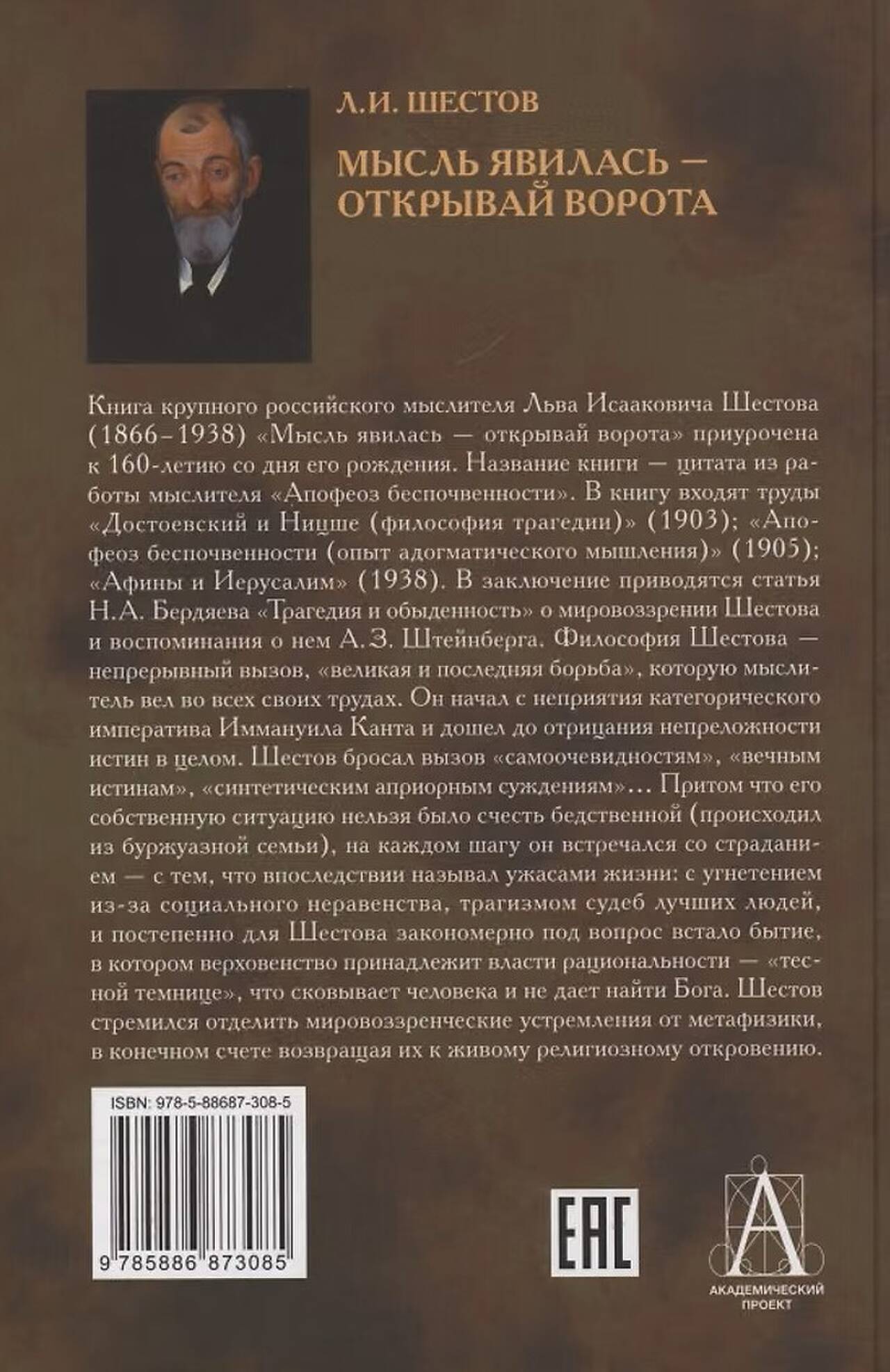
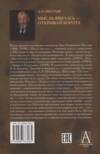
The thought came - open the gates – Lev Shestov – Academic project – 2026 – ISBN 978-5-88687-308-5
The thought came - open the gates
39.99 €
The only thing available 3

The thought came - open the gates
39.99 €
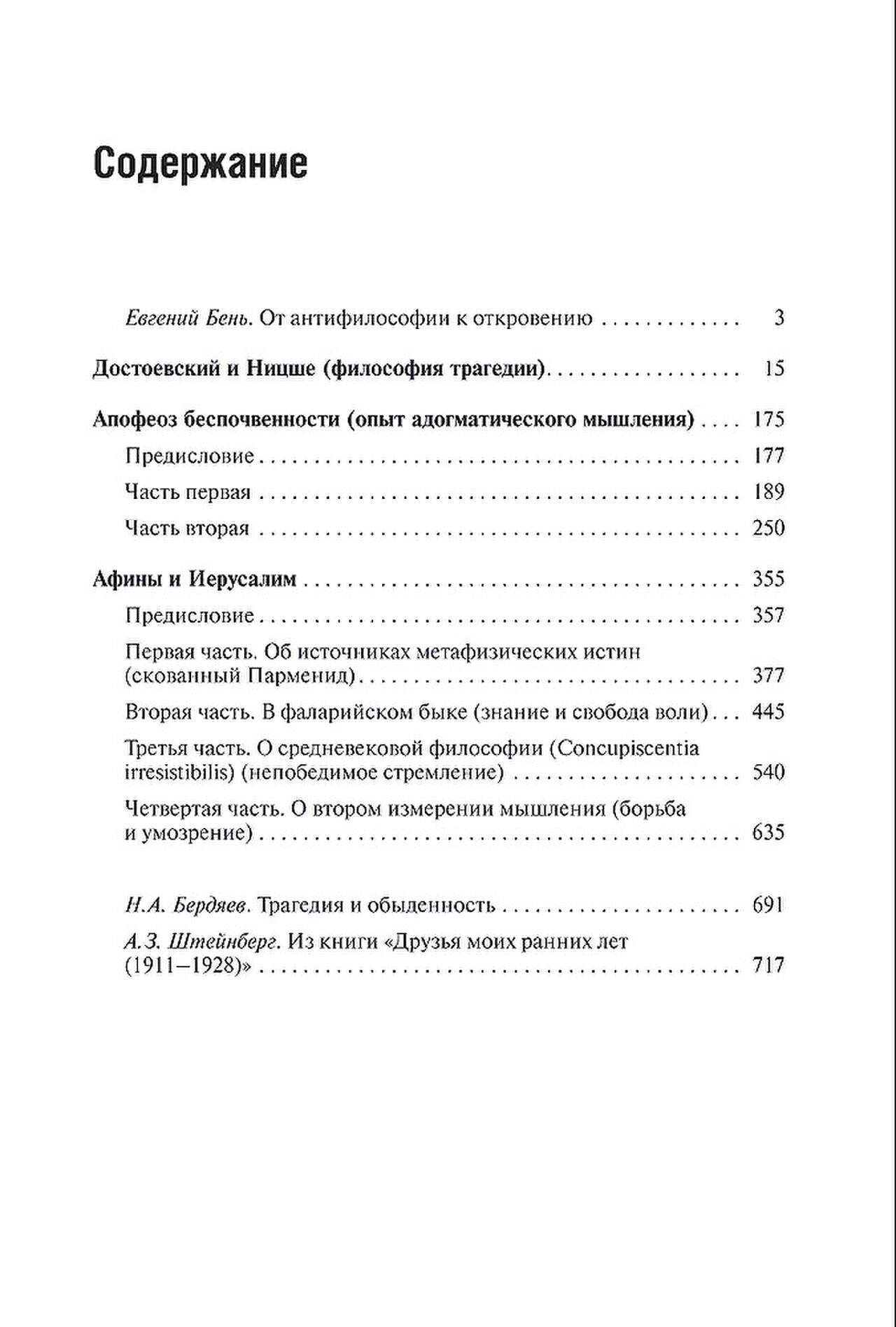
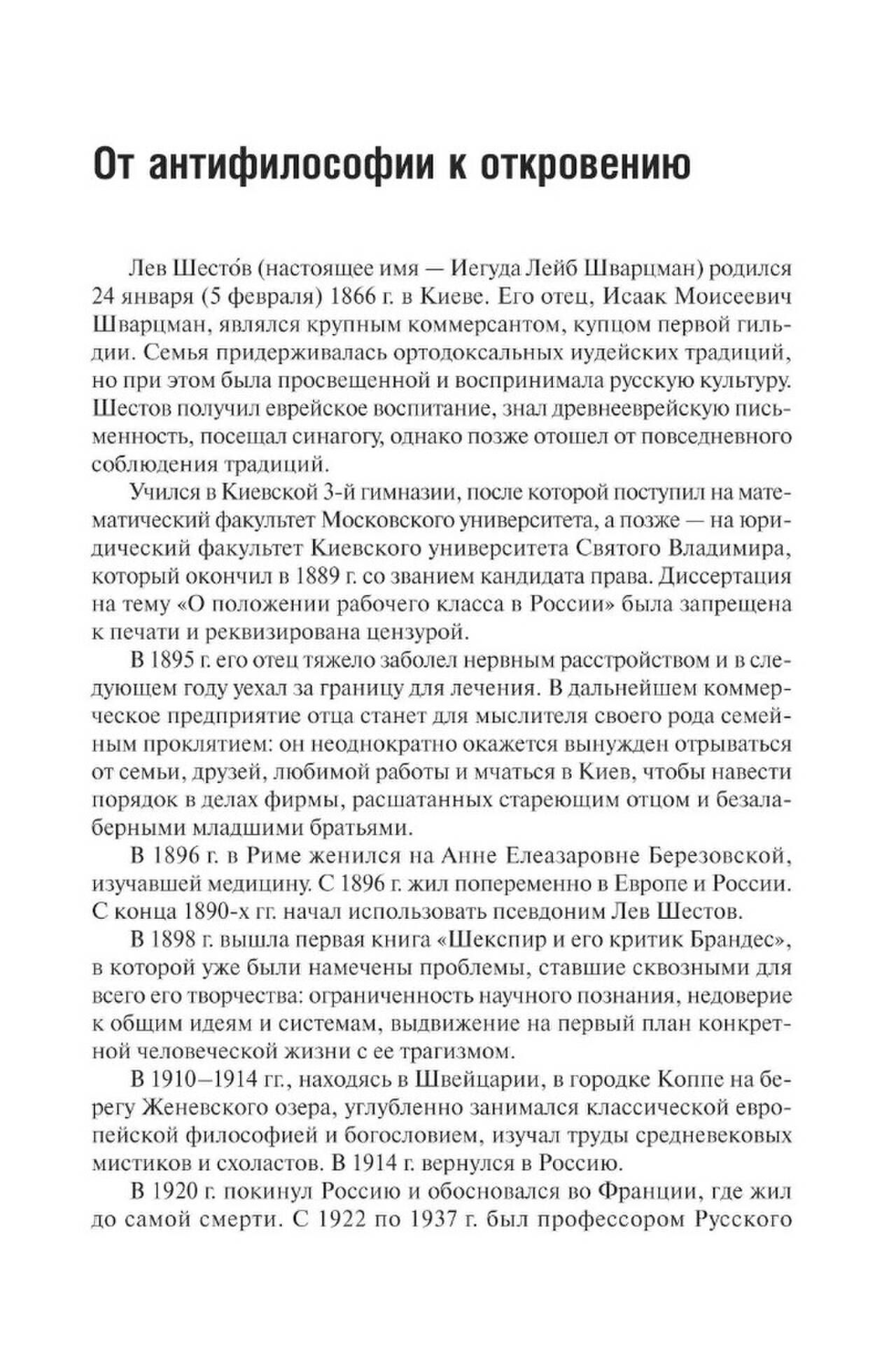
A book by the major Russian thinker Lev Isaakovich Shestov (1866-1938).
Shestov's philosophy is a continuous challenge, a "great and final struggle" waged in all his works. He began with a rejection of Immanuel Kant's categorical imperative and went on to deny the immutability of truths in general. Shestov challenged "self-evidentities," "eternal truths," "synthetic a priori judgments"... Although his own situation could not be considered disastrous (he came from a bourgeois family), he encountered suffering at every step—what he later called the horrors of life: oppression due to social inequality, the tragic fates of the best people. Gradually, Shestov naturally began to question an existence in which the power of rationality reigns supreme—the "narrow prison" that fetters man and prevents him from finding God. Shestov sought to separate ideological aspirations from metaphysics, ultimately returning them to living religious revelation.
The book is addressed to historians of philosophy, literary scholars, and specialists in the humanities, but also provides an informative read for interested readers.
See also:
- All books by the publisher
- All books by the author
- All books in the series Philosophical technologies