


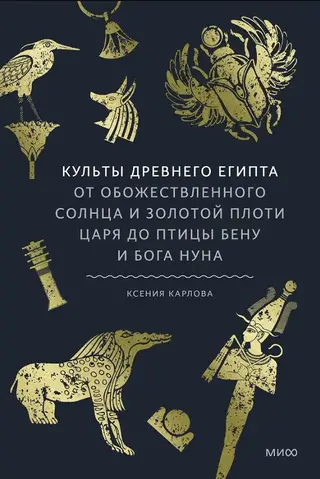
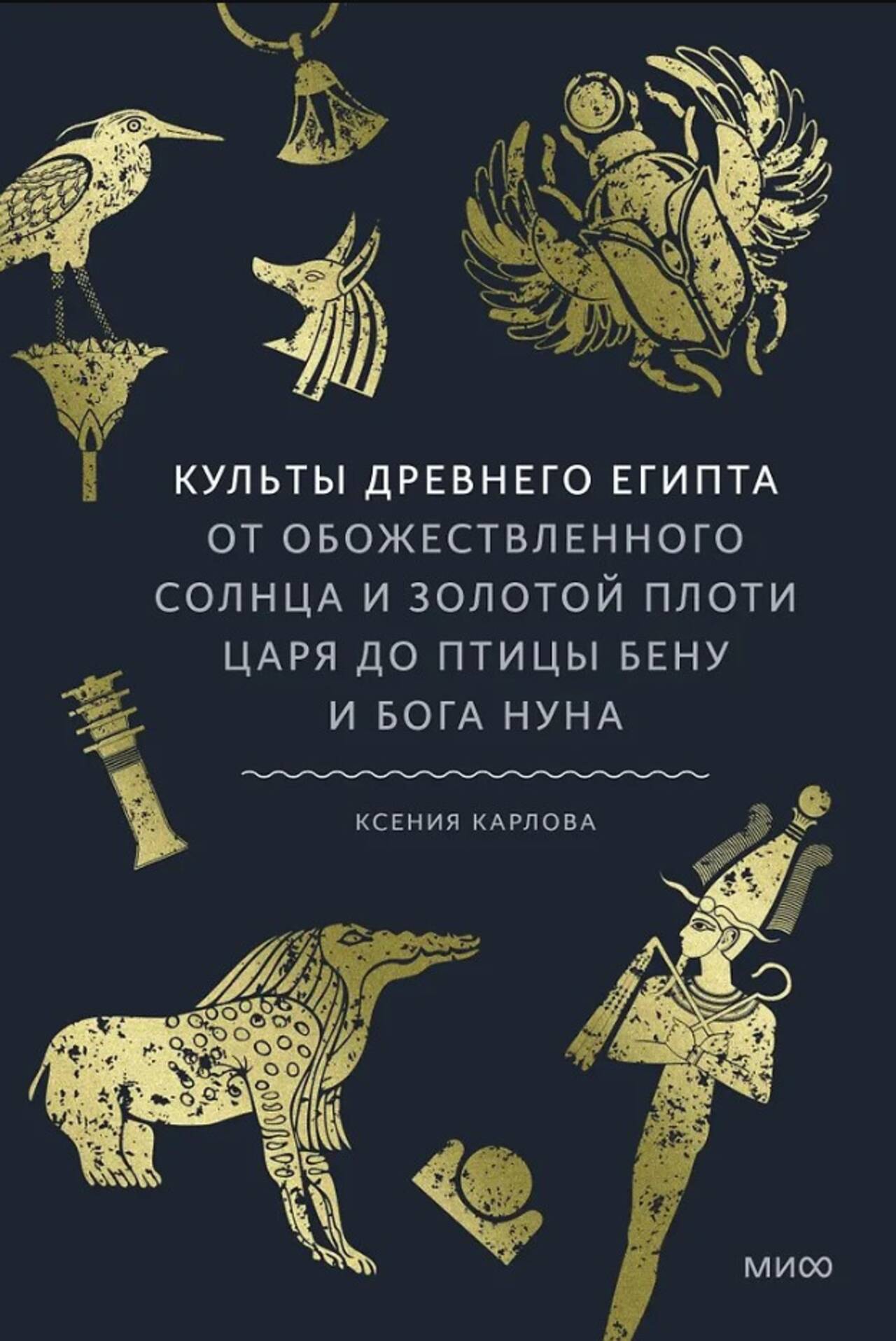
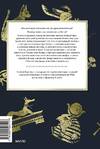
Cults of Ancient Egypt. From the deified sun and the golden flesh of the king to the Benu bird and the god Nun – Karlova Ksenia – Mann, Ivanov, and Ferber – 2025 – ISBN 978-5-00250-621-7
Cults of Ancient Egypt. From the deified sun and the golden flesh of the king to the Benu bird and the god Nun
14.99 €
Out of stock

Cults of Ancient Egypt. From the deified sun and the golden flesh of the king to the Benu bird and the god Nun
14.99 €
To add a product to the waitlist, please sign in:
Log in
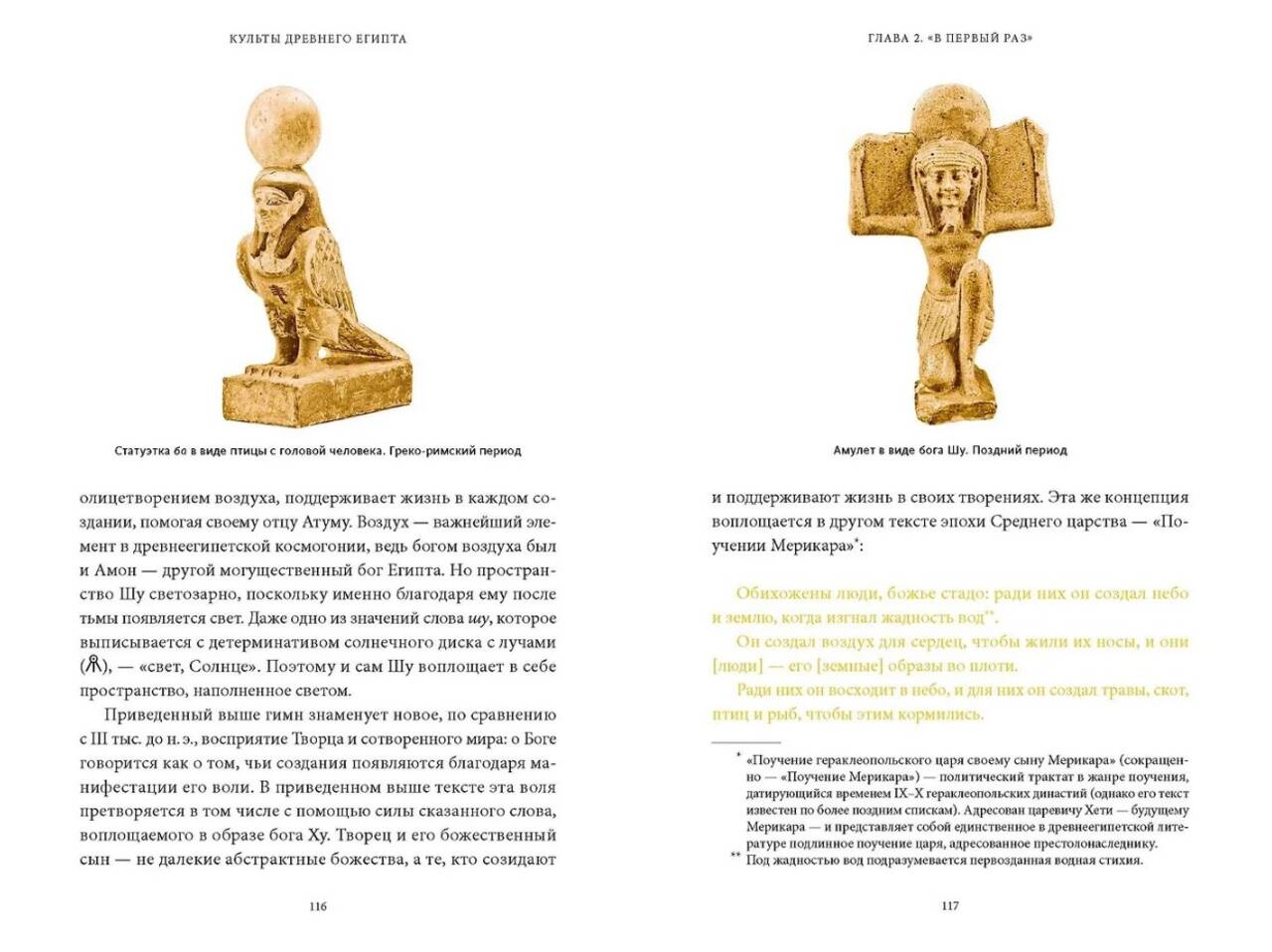
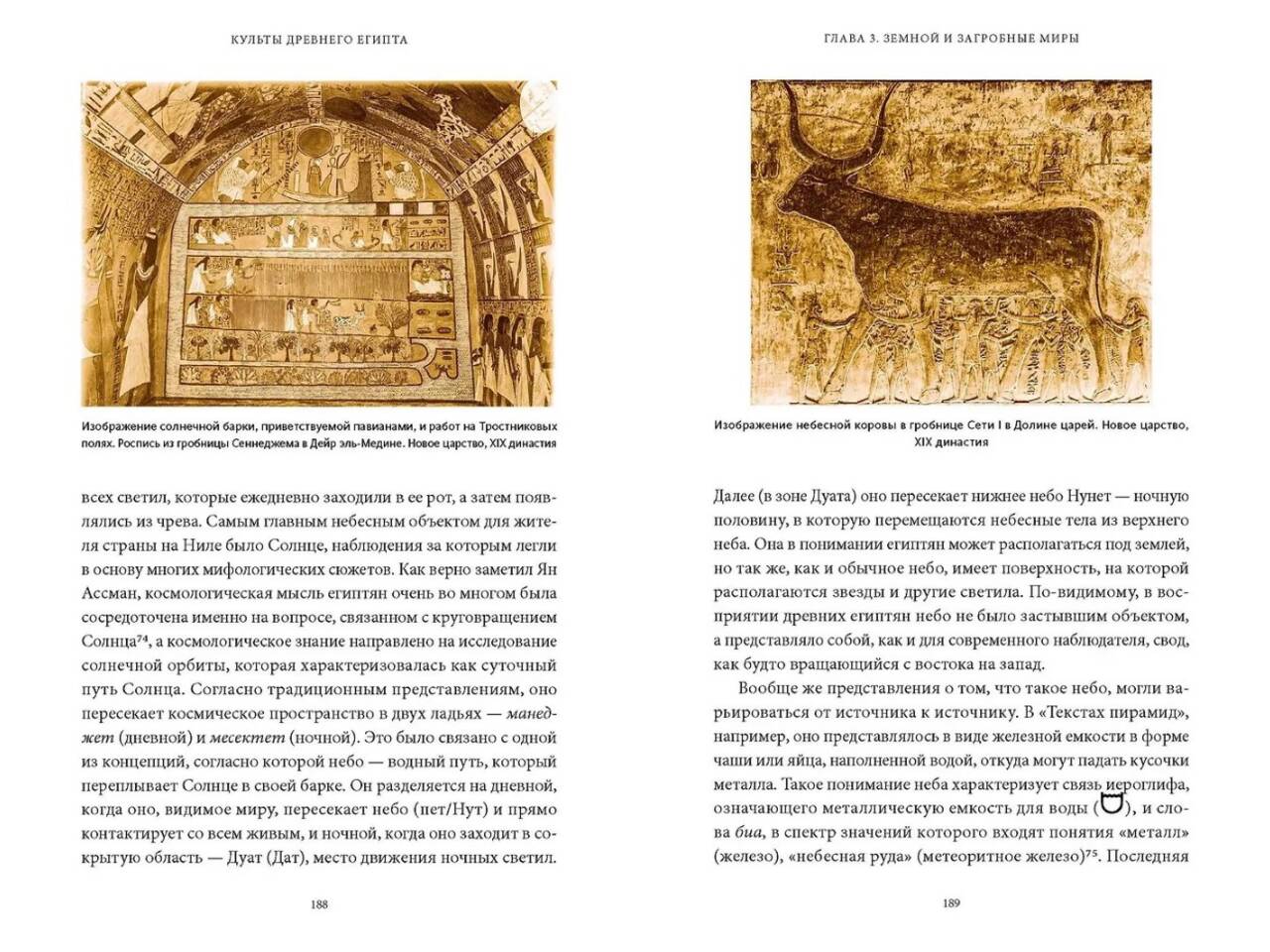
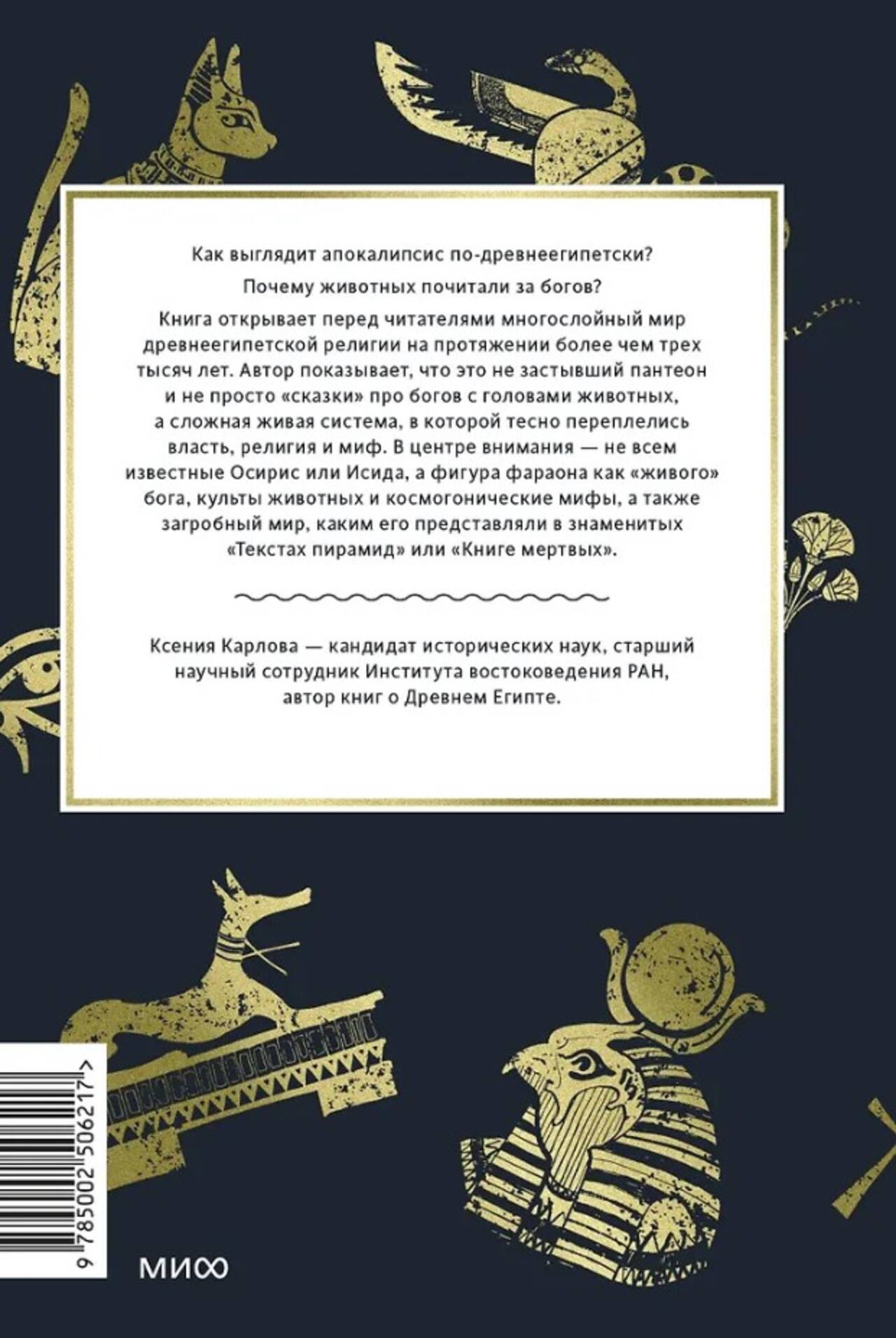
This book reveals the multilayered world of ancient Egyptian religion. Unlike popular retellings of myths, religious narratives are examined not in isolation, but as a reflection of Egypt's political, cultural, and philosophical transformations over more than three thousand years.
The author demonstrates that Egyptian mythology is not a static pantheon or "fairy tales" about animal-headed gods, but a living system evolving alongside society, power, and the cosmos. The focus is not only on key figures like Osiris, Isis, Horus, and Ra, but also on the very nature of the divine in Egyptian culture, and even the language through which the Egyptians described the sacred.
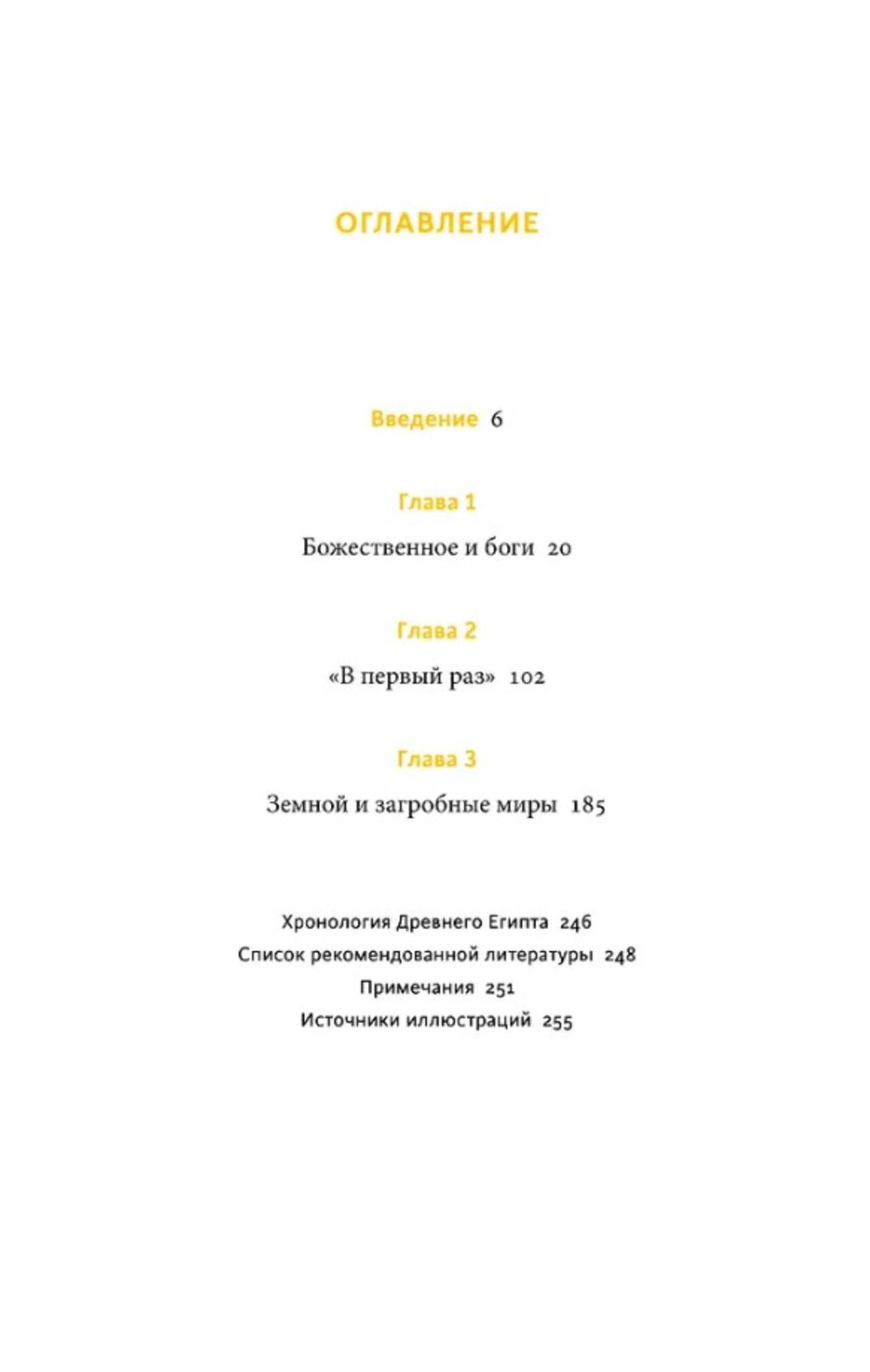
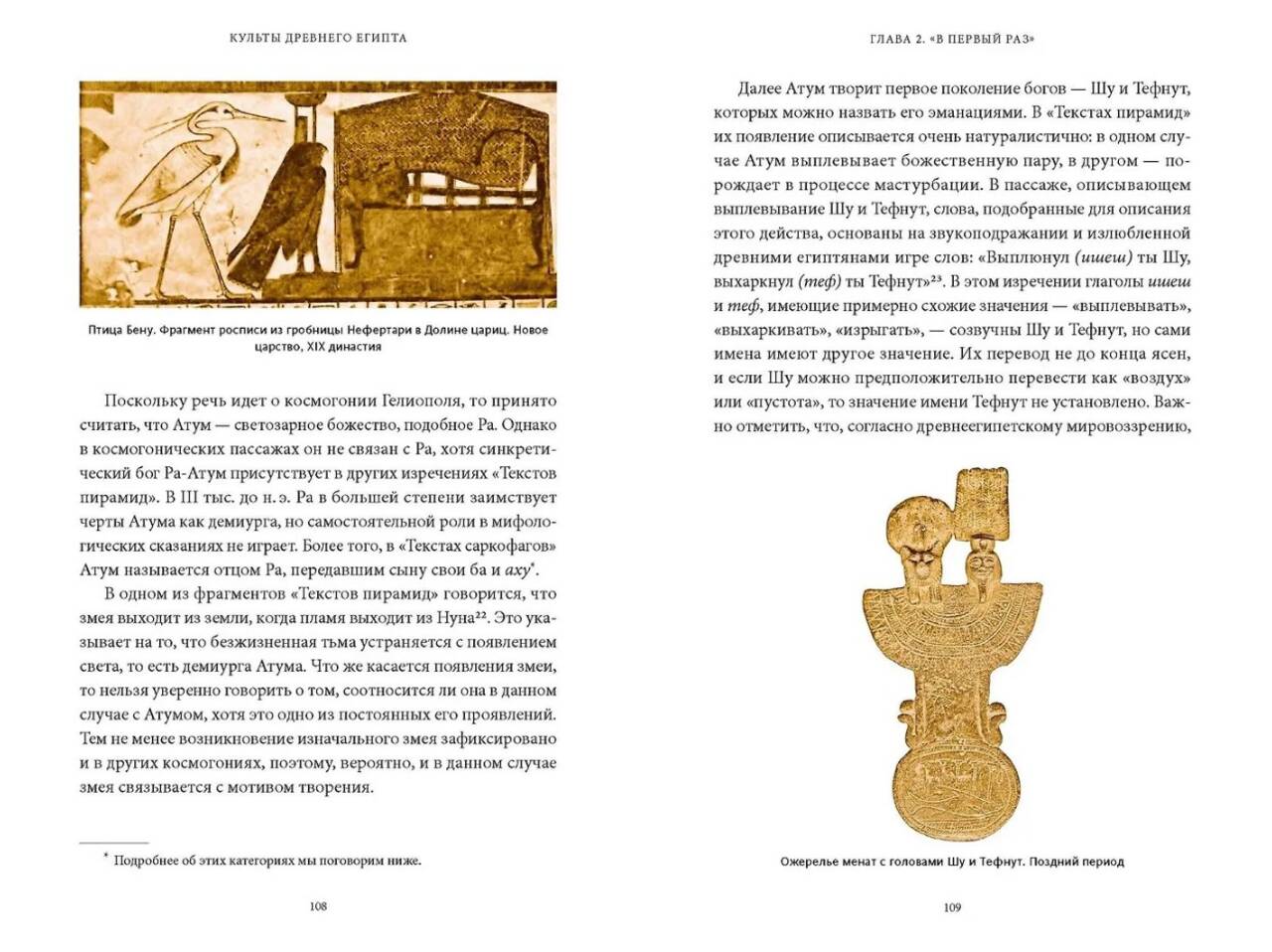
The author consistently analyzes the most important theological centers of Egypt—Heliopolis, Memphis, Thebes, and Hermopolis—demonstrating how each shaped its own version of the creation of the world. Particular attention is given to the evolution of religious literature—from the Pyramid Texts and the Coffin Texts to the Book of the Dead and the Book of Amduat—and to the exploration of their role not simply as "descriptions of the afterlife," but as active instruments of interaction with another world, part of a living theology.
A significant place is given to the analysis of the figure of the pharaoh as a living god, his titles, his mortuary cult, and his connection to solar myths. Such examples reveal how closely power, religion, and myth were intertwined in Egypt, and how statehood itself was based on the sacred.
The author demonstrates that Egyptian mythology is not a static pantheon or "fairy tales" about animal-headed gods, but a living system evolving alongside society, power, and the cosmos. The focus is not only on key figures like Osiris, Isis, Horus, and Ra, but also on the very nature of the divine in Egyptian culture, and even the language through which the Egyptians described the sacred.
The author consistently analyzes the most important theological centers of Egypt—Heliopolis, Memphis, Thebes, and Hermopolis—demonstrating how each shaped its own version of the creation of the world. Particular attention is given to the evolution of religious literature—from the Pyramid Texts and the Coffin Texts to the Book of the Dead and the Book of Amduat—and to the exploration of their role not simply as "descriptions of the afterlife," but as active instruments of interaction with another world, part of a living theology.
A significant place is given to the analysis of the figure of the pharaoh as a living god, his titles, his mortuary cult, and his connection to solar myths. Such examples reveal how closely power, religion, and myth were intertwined in Egypt, and how statehood itself was based on the sacred.
See also:
- All books by the publisher
- All books by the author
- All books in the series Myths from start to finish