


The Crimean War in the perception, imagination and historical memory of the British – Alentyeva Tatyana – Aleteia – 2026 – ISBN 978-5-00267-144-1
The Crimean War in the perception, imagination and historical memory of the British
39.99 €
The only thing available 3

The Crimean War in the perception, imagination and historical memory of the British
39.99 €
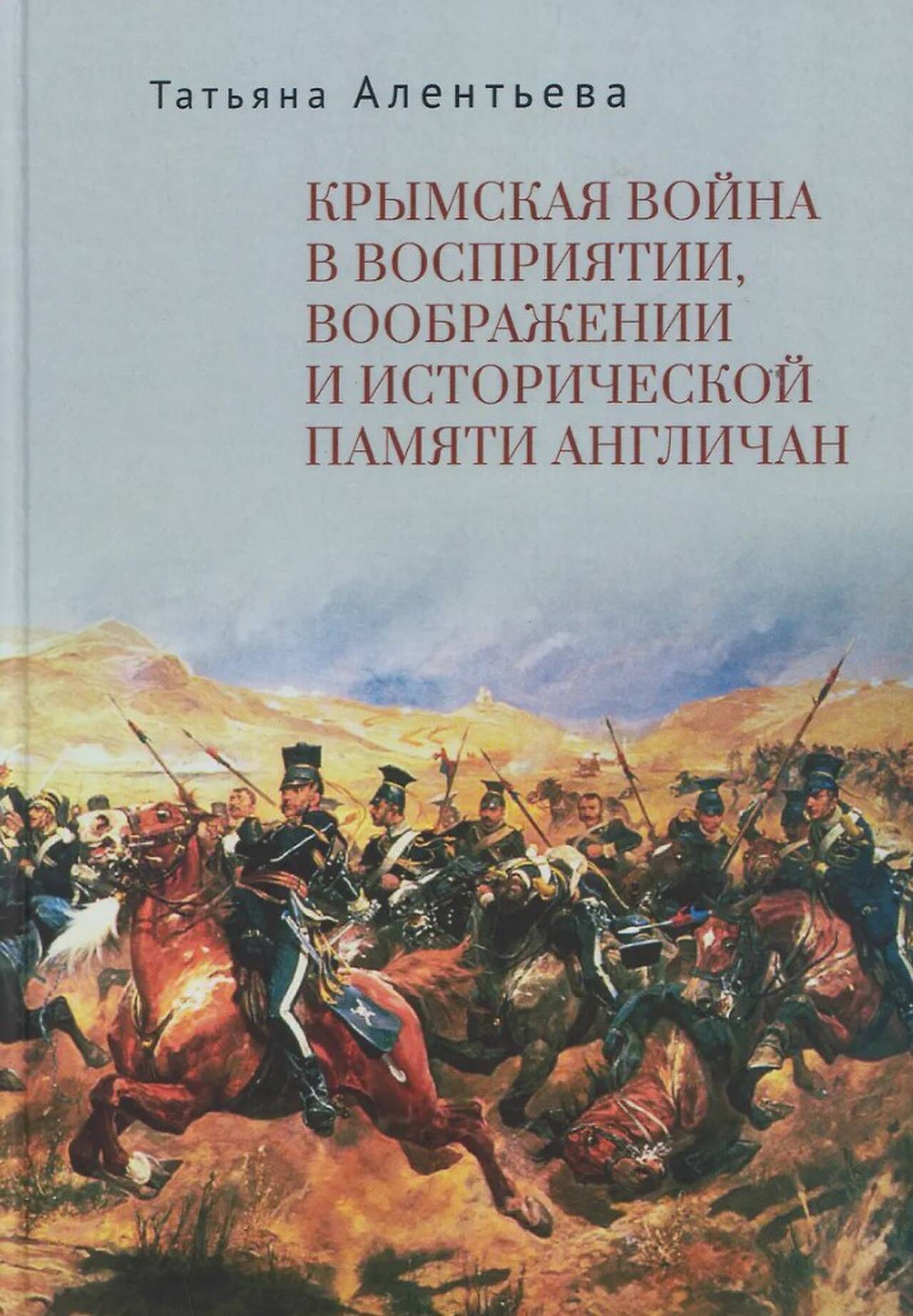
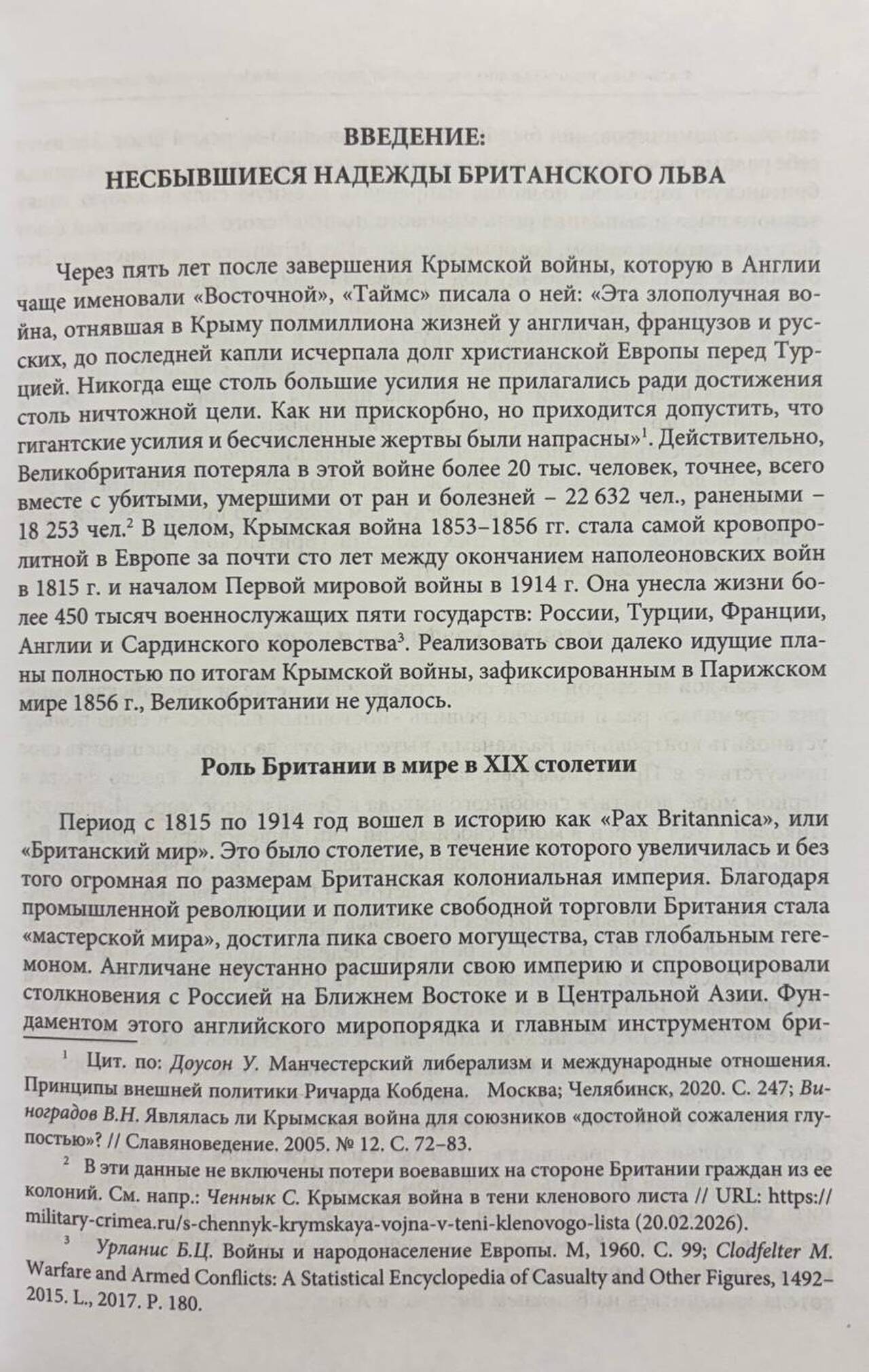
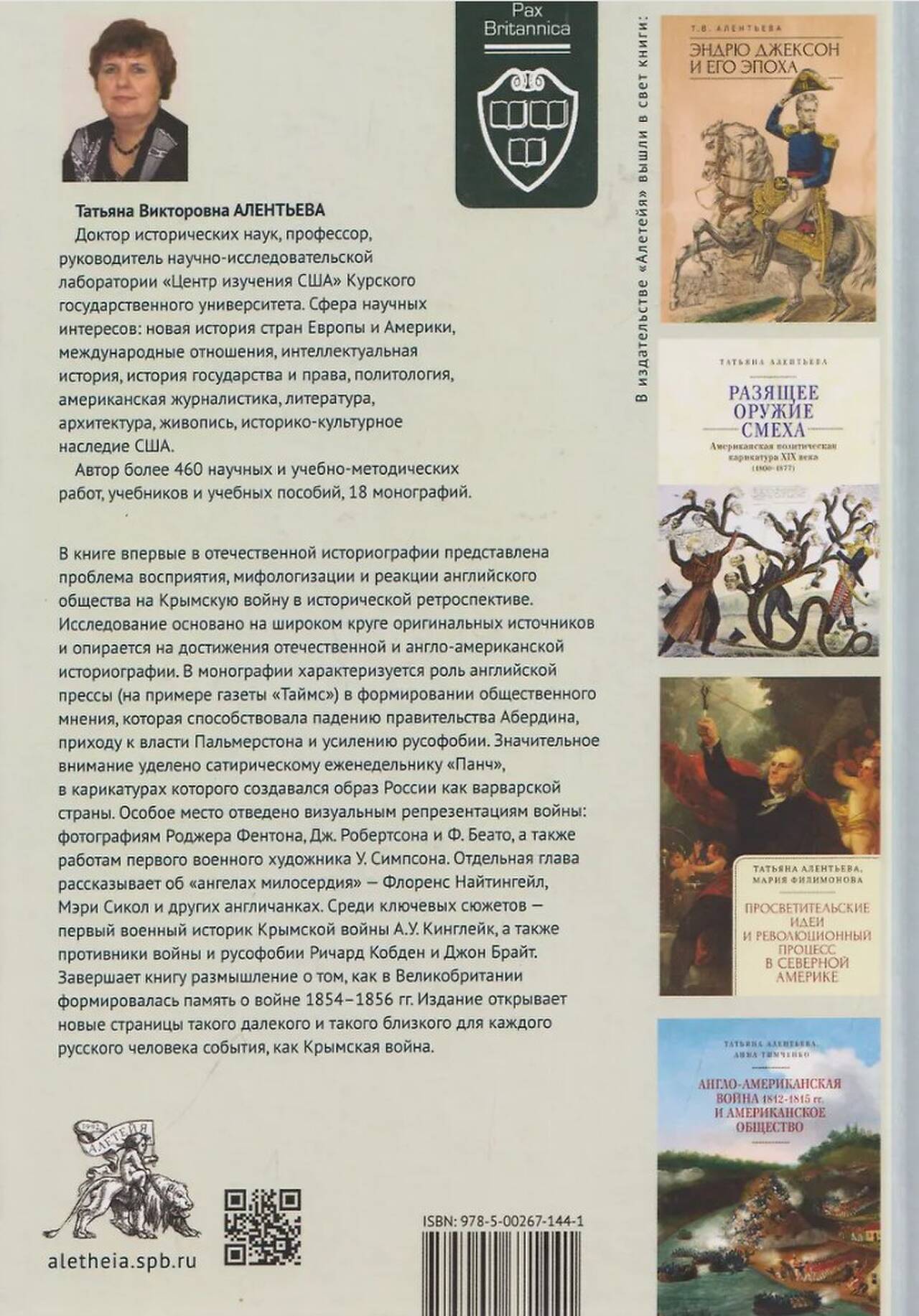
This book, for the first time in Russian historiography, examines the perception and mythologization of the events of the Crimean War, as well as English society's reaction to them from a historical perspective. The study draws on a wide range of original sources and draws on the achievements of Russian and Anglo-American historiography.
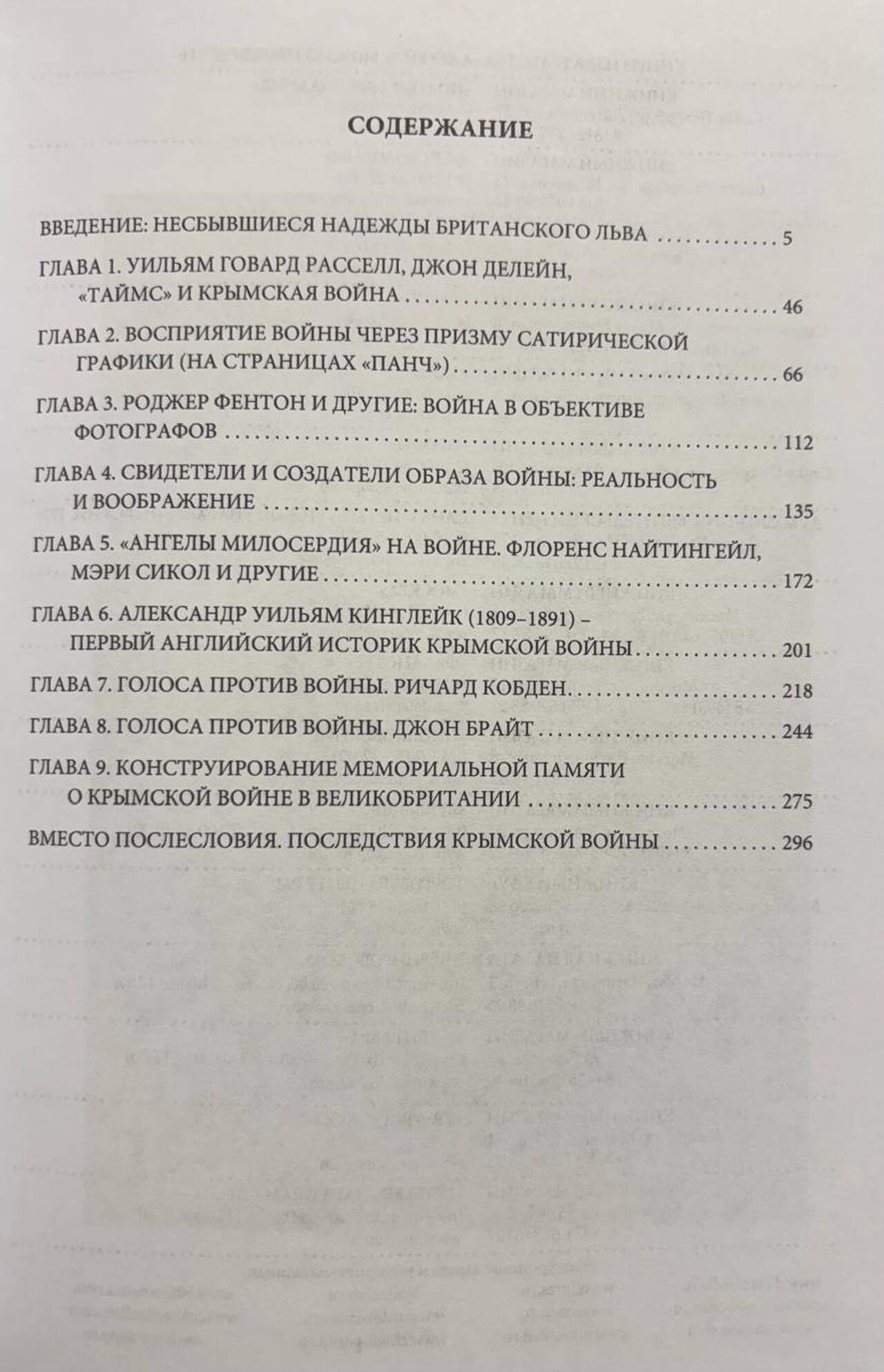
The monograph provides a detailed analysis of the influence of the English press on public opinion. Particular attention is paid to The Times newspaper, which played a crucial role in conveying to readers the harsh truth about the state of the British army in the fall and winter of 1854. Living up to its nickname "The Thunderer," the newspaper contributed to the fall of the Aberdeen government and its replacement by the more energetic Palmerston government.
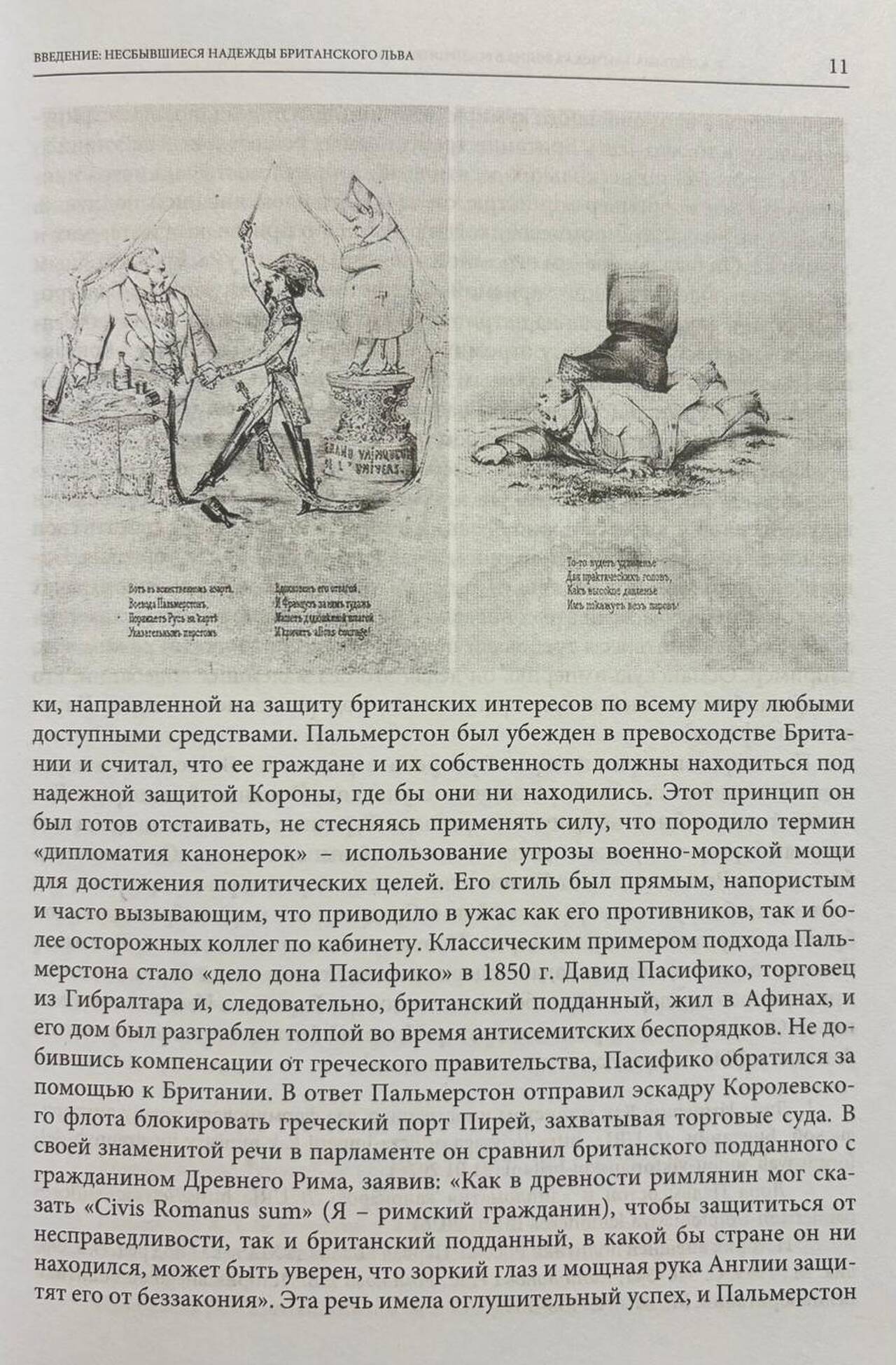
The Times contributed significantly to the strengthening of Russophobic sentiments in English society. However, the satirical weekly Punch played an even greater role. His caricatures depicted Russia as a barbaric and despotic country, and Emperor Nicholas I was portrayed in an extremely negative and unworthy light.
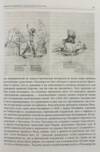
Special attention is given to the visual perception of the Crimean War. Roger Fenton sought to create the image of the "last gentleman's war" in his photographs. Meanwhile, other photographers—J. Robertson and F. Beato—showed the destructive and devastating nature of military operations.
The British Army was depicted by the first war artist, W. Simpson. His works, like those of other artists, glorify the participation of British soldiers in the Crimean War.
A separate chapter is dedicated to the "angels of mercy"—Florence Nightingale, Mary Seacole, and other Englishwomen who went to war to save the lives of wounded and sick soldiers.
A special section is devoted to the first military historian of the Crimean War, A.W. Kinglake. Considerable attention is also given to opponents of the war and Russophobia—Richard Cobden and John Bright.
The book concludes with a reflection on how historical memory of the 1854–1856 war was formed and constructed in Britain.
The monograph provides a detailed analysis of the influence of the English press on public opinion. Particular attention is paid to The Times newspaper, which played a crucial role in conveying to readers the harsh truth about the state of the British army in the fall and winter of 1854. Living up to its nickname "The Thunderer," the newspaper contributed to the fall of the Aberdeen government and its replacement by the more energetic Palmerston government.
The Times contributed significantly to the strengthening of Russophobic sentiments in English society. However, the satirical weekly Punch played an even greater role. His caricatures depicted Russia as a barbaric and despotic country, and Emperor Nicholas I was portrayed in an extremely negative and unworthy light.
Special attention is given to the visual perception of the Crimean War. Roger Fenton sought to create the image of the "last gentleman's war" in his photographs. Meanwhile, other photographers—J. Robertson and F. Beato—showed the destructive and devastating nature of military operations.
The British Army was depicted by the first war artist, W. Simpson. His works, like those of other artists, glorify the participation of British soldiers in the Crimean War.
A separate chapter is dedicated to the "angels of mercy"—Florence Nightingale, Mary Seacole, and other Englishwomen who went to war to save the lives of wounded and sick soldiers.
A special section is devoted to the first military historian of the Crimean War, A.W. Kinglake. Considerable attention is also given to opponents of the war and Russophobia—Richard Cobden and John Bright.
The book concludes with a reflection on how historical memory of the 1854–1856 war was formed and constructed in Britain.
See also:
- All books by the publisher
- All books by the author
- All books in the series Pax Britannica