







History of the Byzantine Empire. In 3 volumes – Uspensky Fyodor – Academic project – 2026 – ISBN 978-5-8291-4312-1
History of the Byzantine Empire. In 3 volumes
99.99 €
The only thing available 2

History of the Byzantine Empire. In 3 volumes
99.99 €
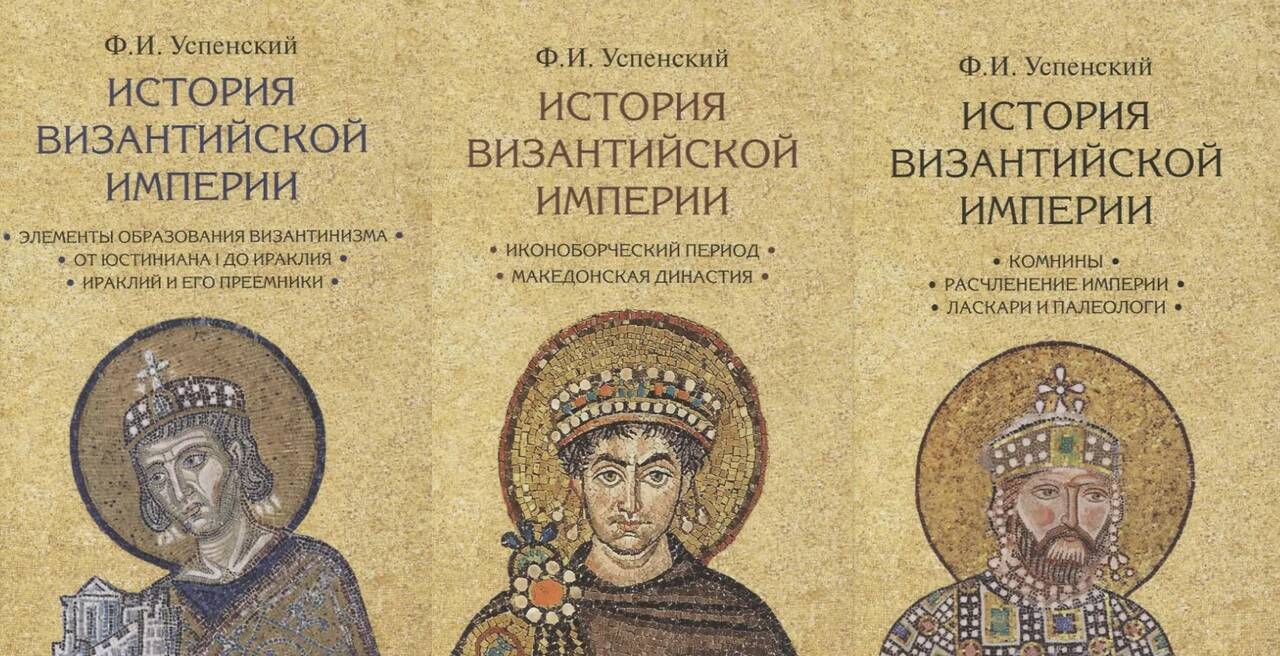
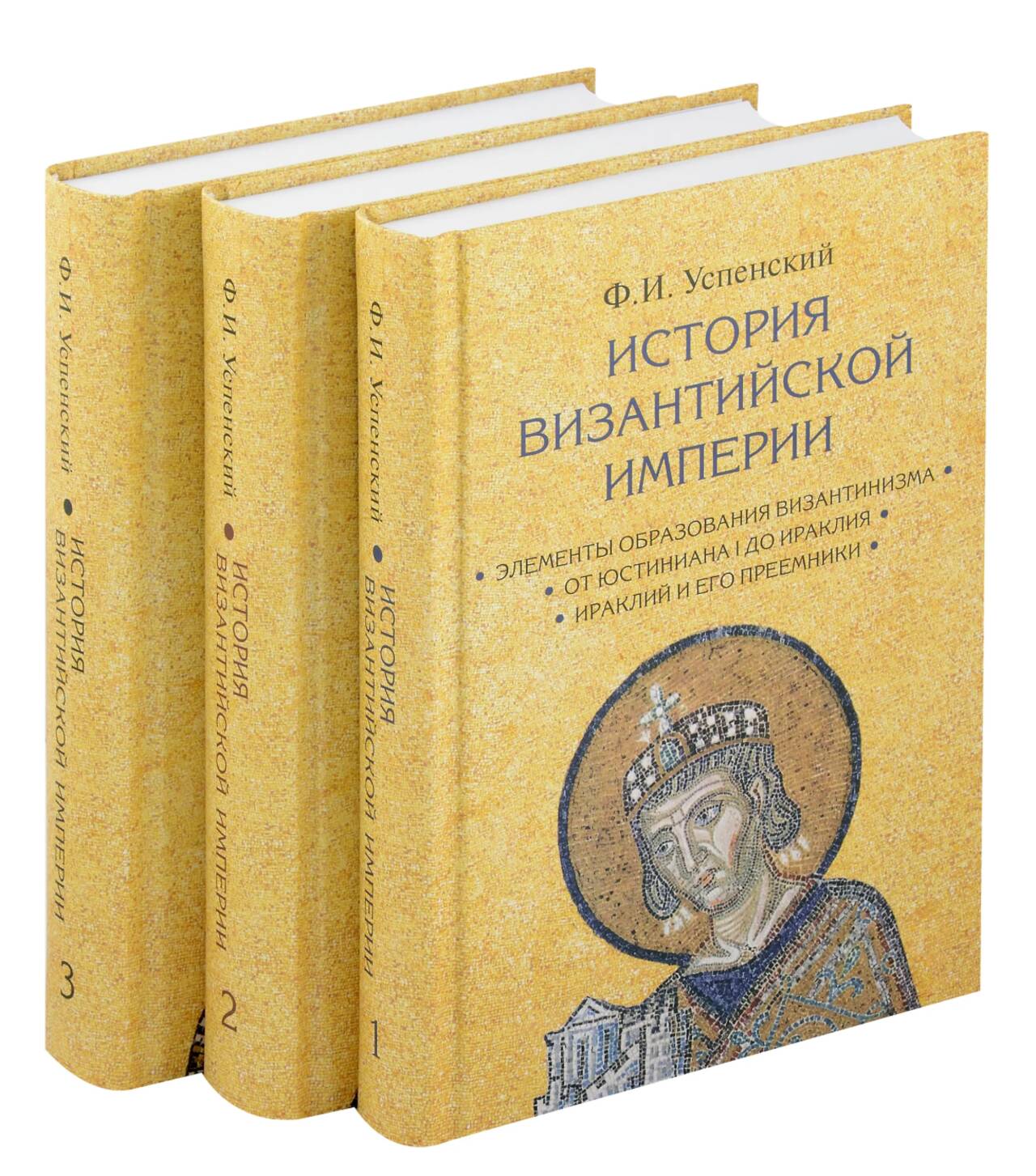
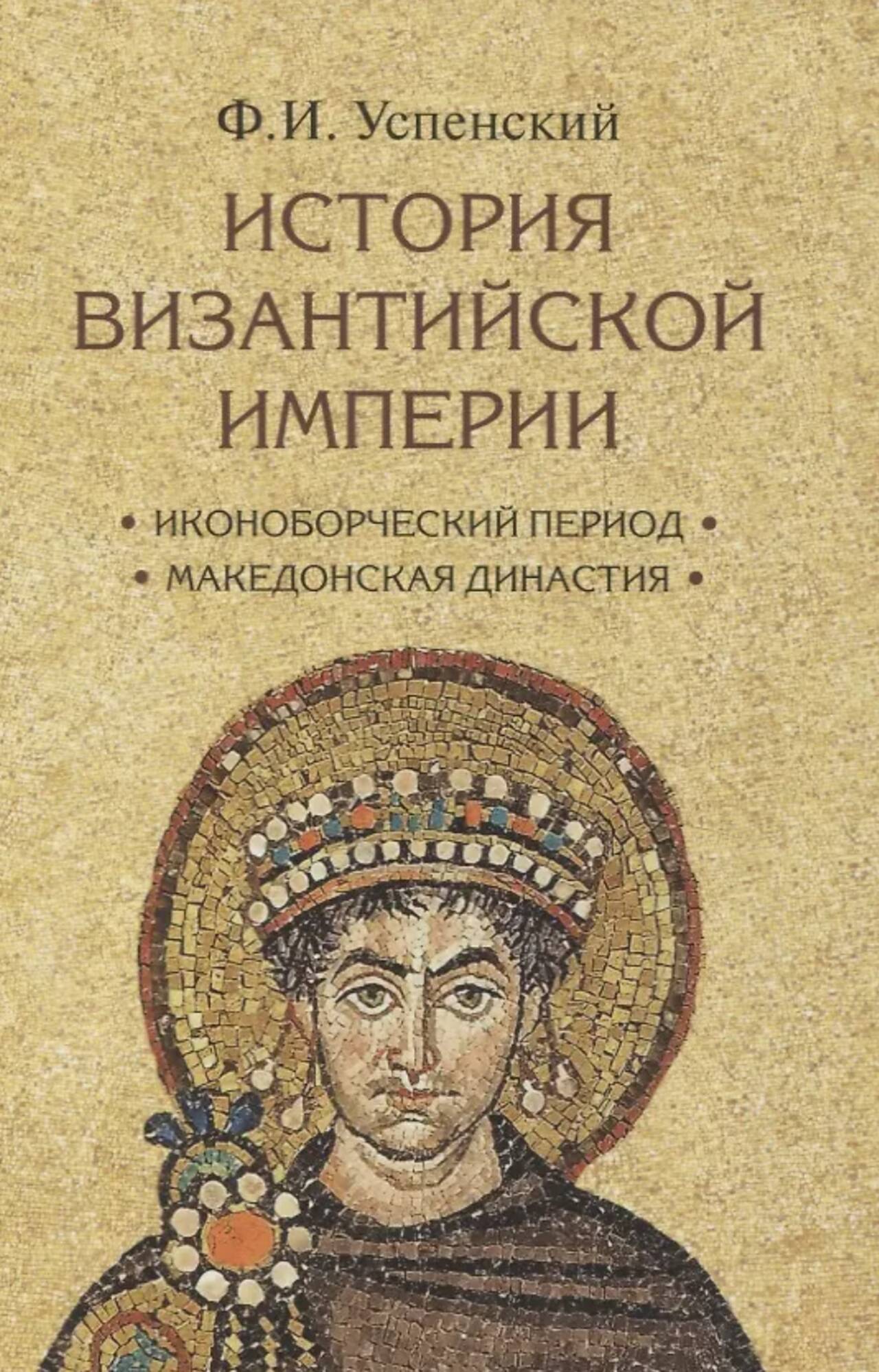
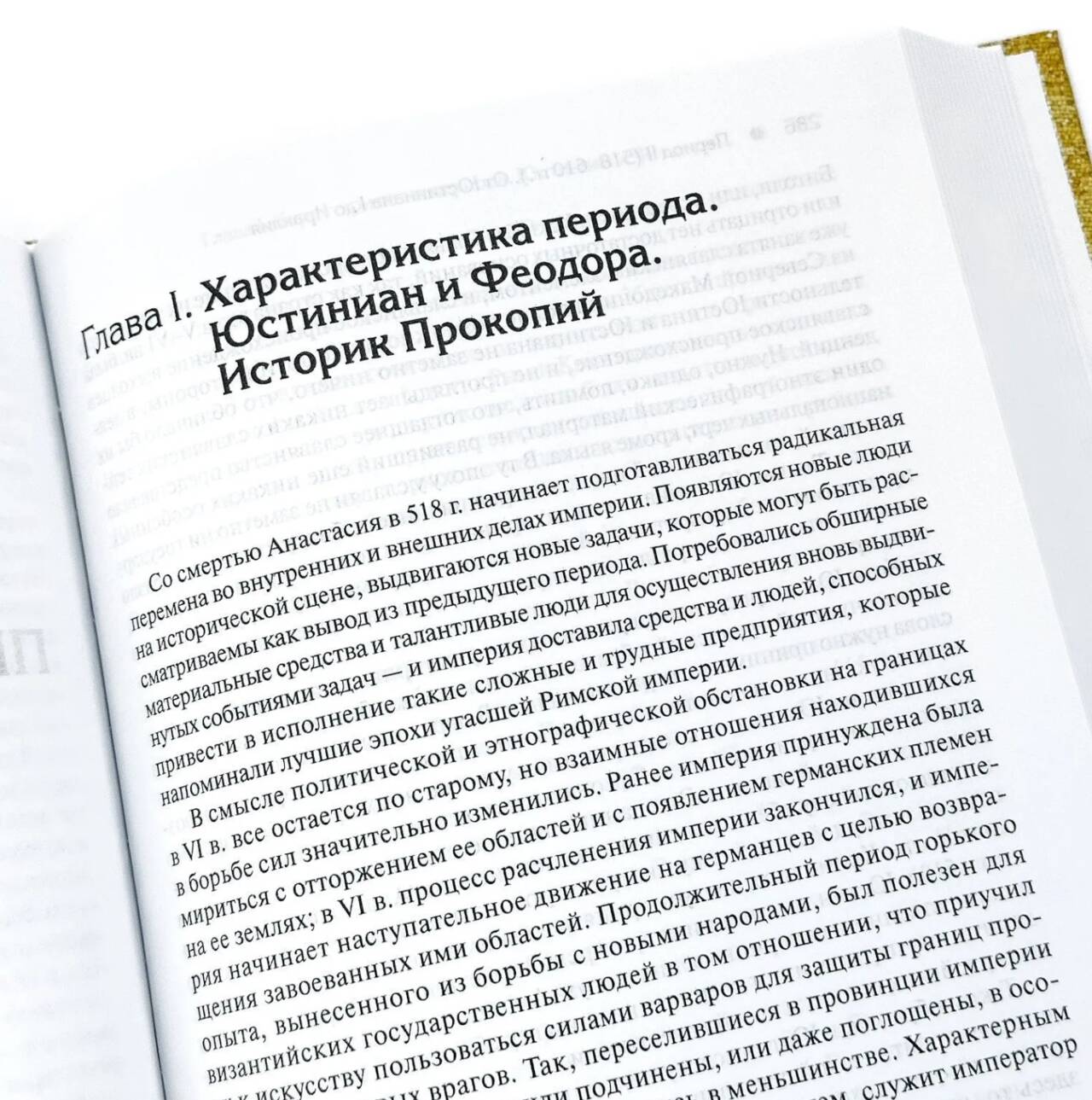
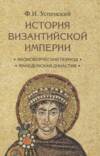
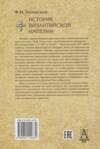
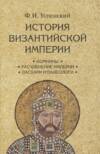
The Academic Project publishing house has released a new edition of the classic work by the Russian Byzantinist historian and archaeologist, Academician F. I. Uspensky (1845–1928), "History of the Byzantine Empire," which has informed generations of Byzantinist scholars. This fundamental and comprehensive study remains relevant for a wide range of fields in the humanities today. The books are distinguished not only by the author's brilliant mastery of primary sources, which he frequently cites to ensure the reader's understanding of the complex developments of the historical events described, but also by their vivid and accessible language, devoid of the usual pedantry and dryness of scholarly historical treatises.
Book 1. History of the Byzantine Empire. Periods I–III
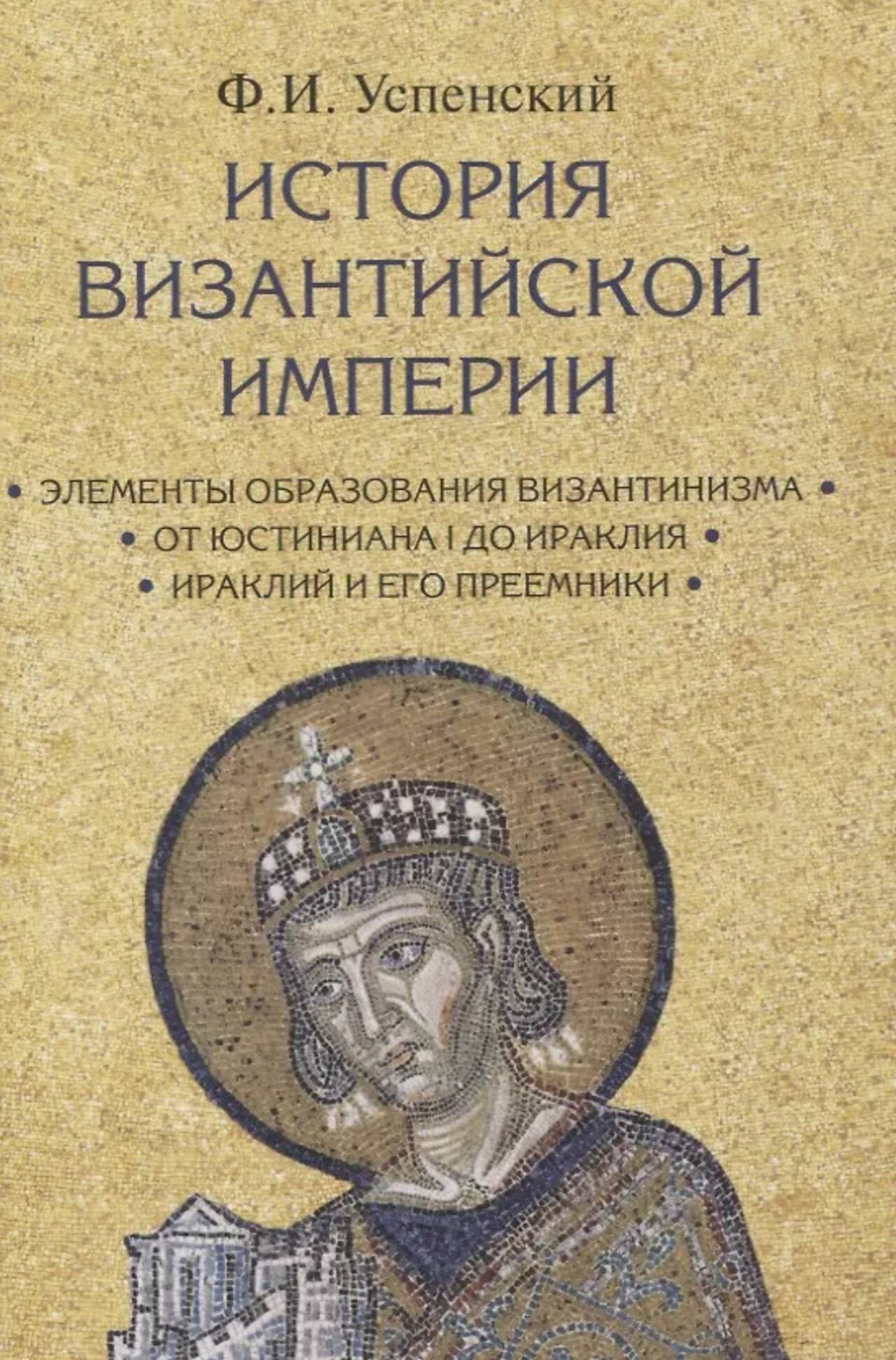
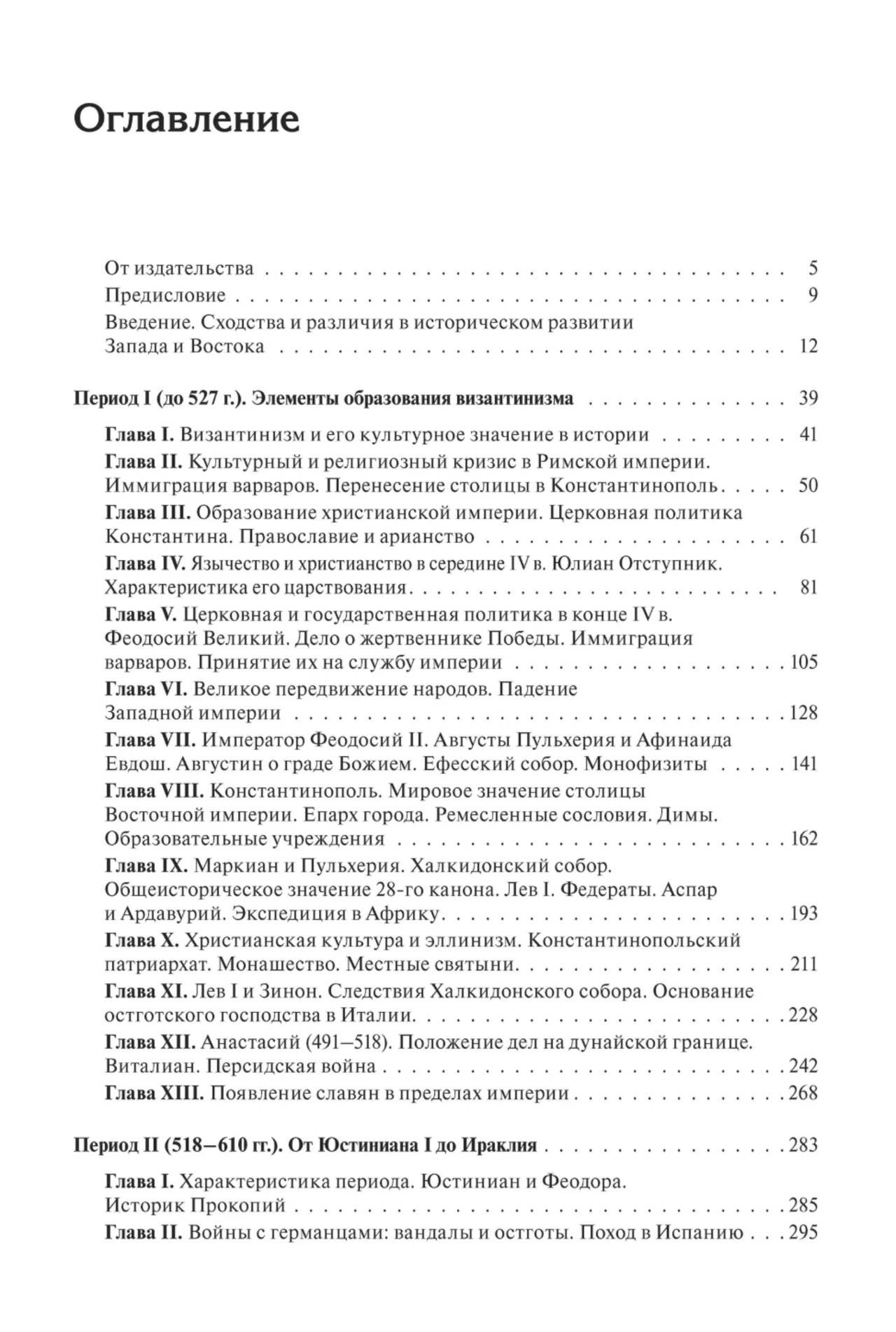
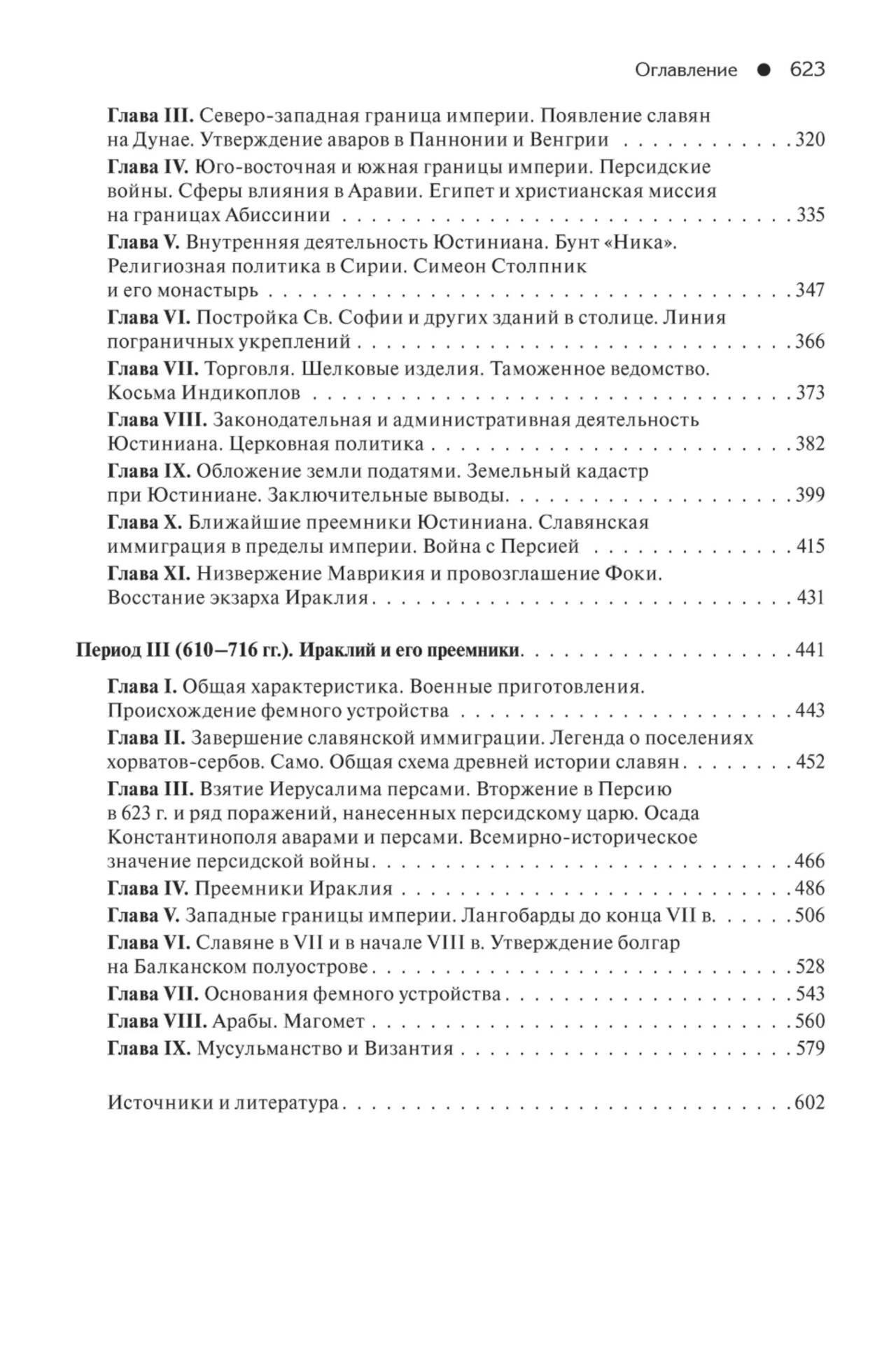
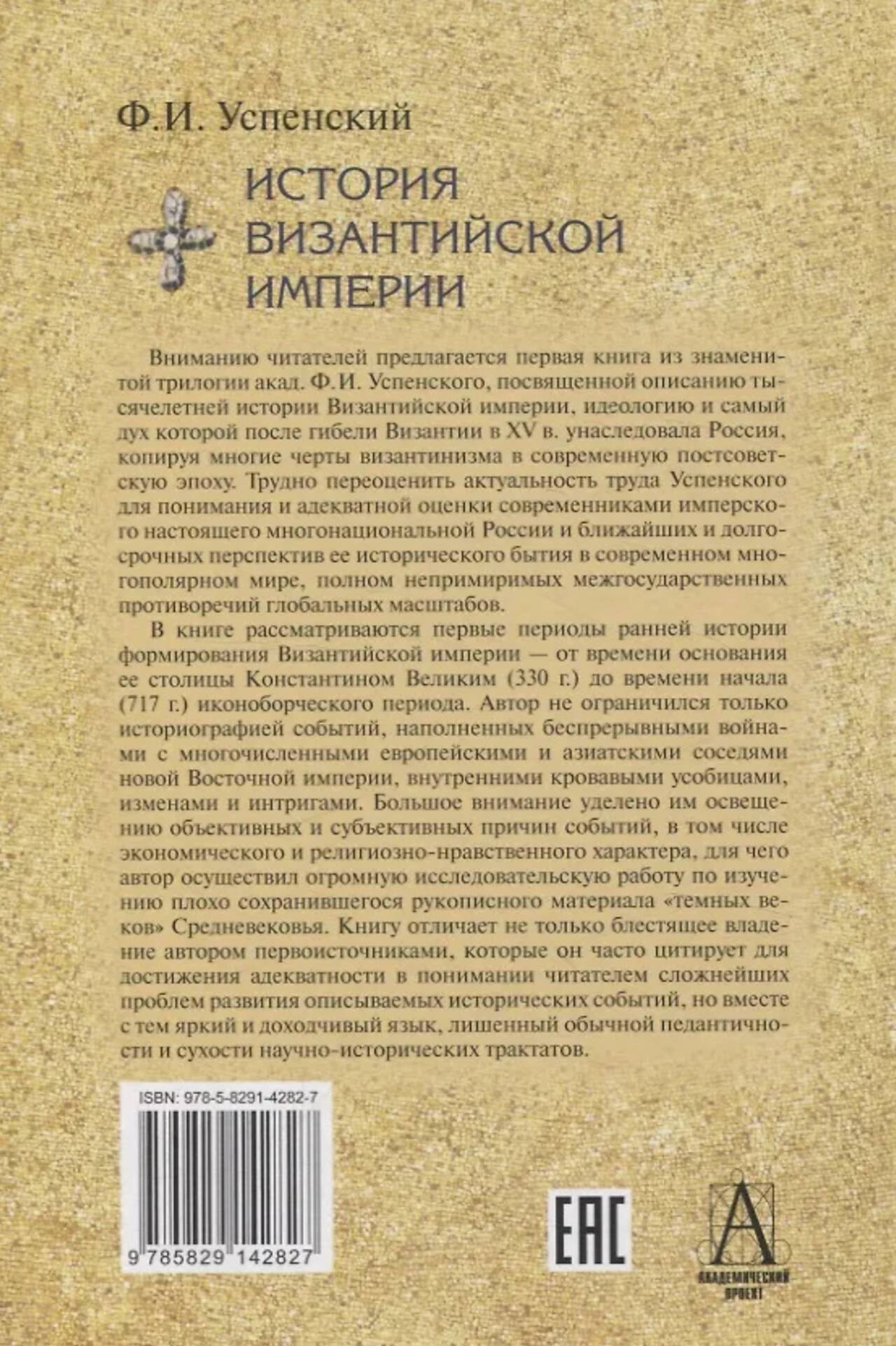
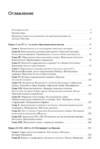
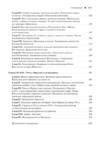
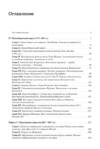
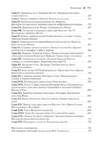
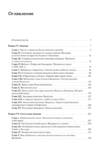
The first book in Academician Uspensky's renowned trilogy. F. I. Uspensky's book, dedicated to describing the millennia-long history of the Byzantine Empire, whose ideology and very spirit were inherited by Russia after its collapse in the 15th century, emulating many features of Byzantinism in the modern post-Soviet era. The book examines the early periods of the Byzantine Empire's formation – from the founding of its capital by Constantine the Great (330) to the beginning (717) of the iconoclastic period. The author does not limit himself to the historiography of events fraught with incessant wars with numerous European and Asian neighbors of the new Eastern Empire, bloody internal strife, betrayals, and intrigues. He devotes considerable attention to elucidating the objective and subjective causes of these events, including economic, religious, and moral ones. To this end, the author undertook a vast research project examining poorly preserved manuscripts from the "Dark Ages" of the Middle Ages.
Book 2. History of the Byzantine Empire Periods IV–V
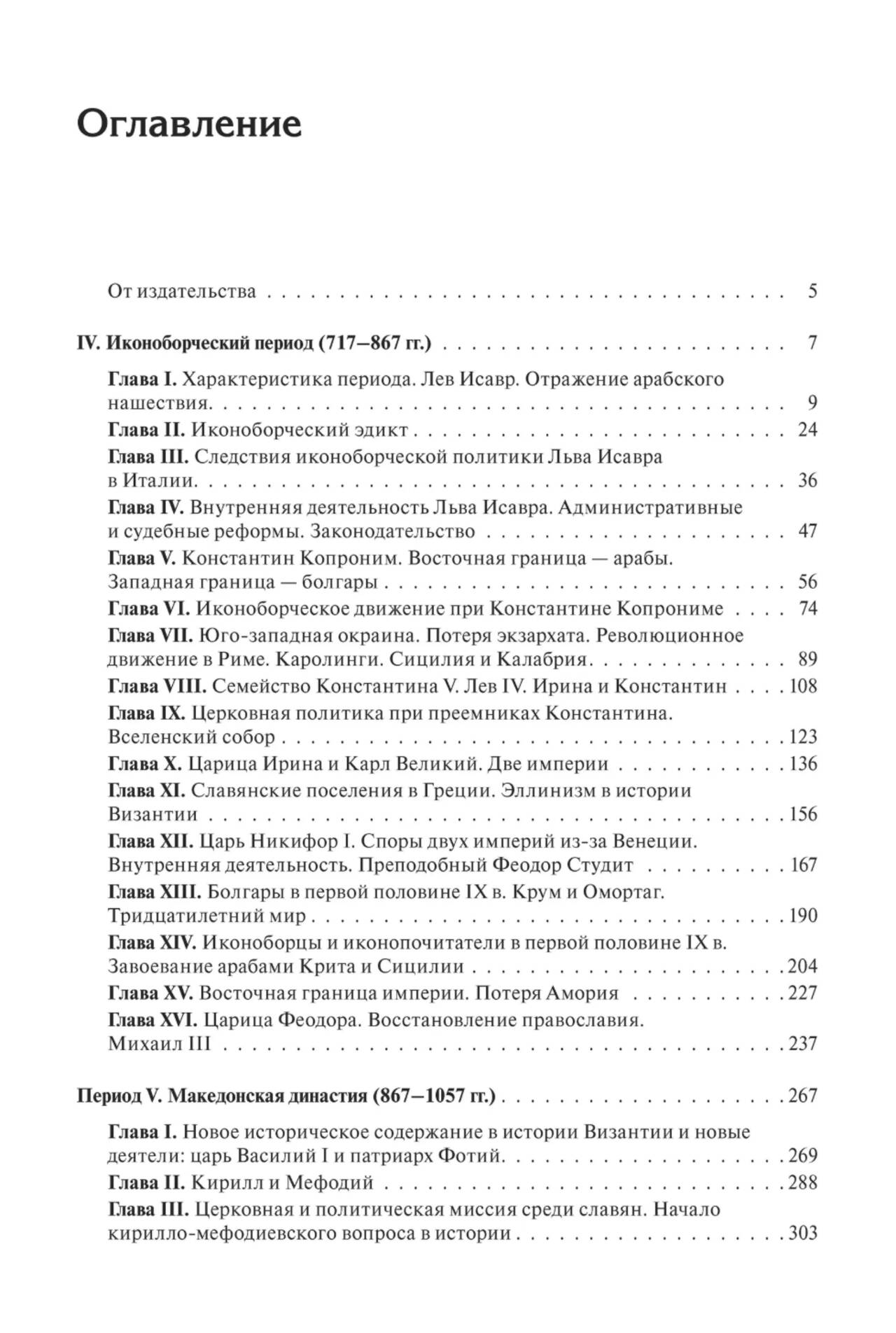
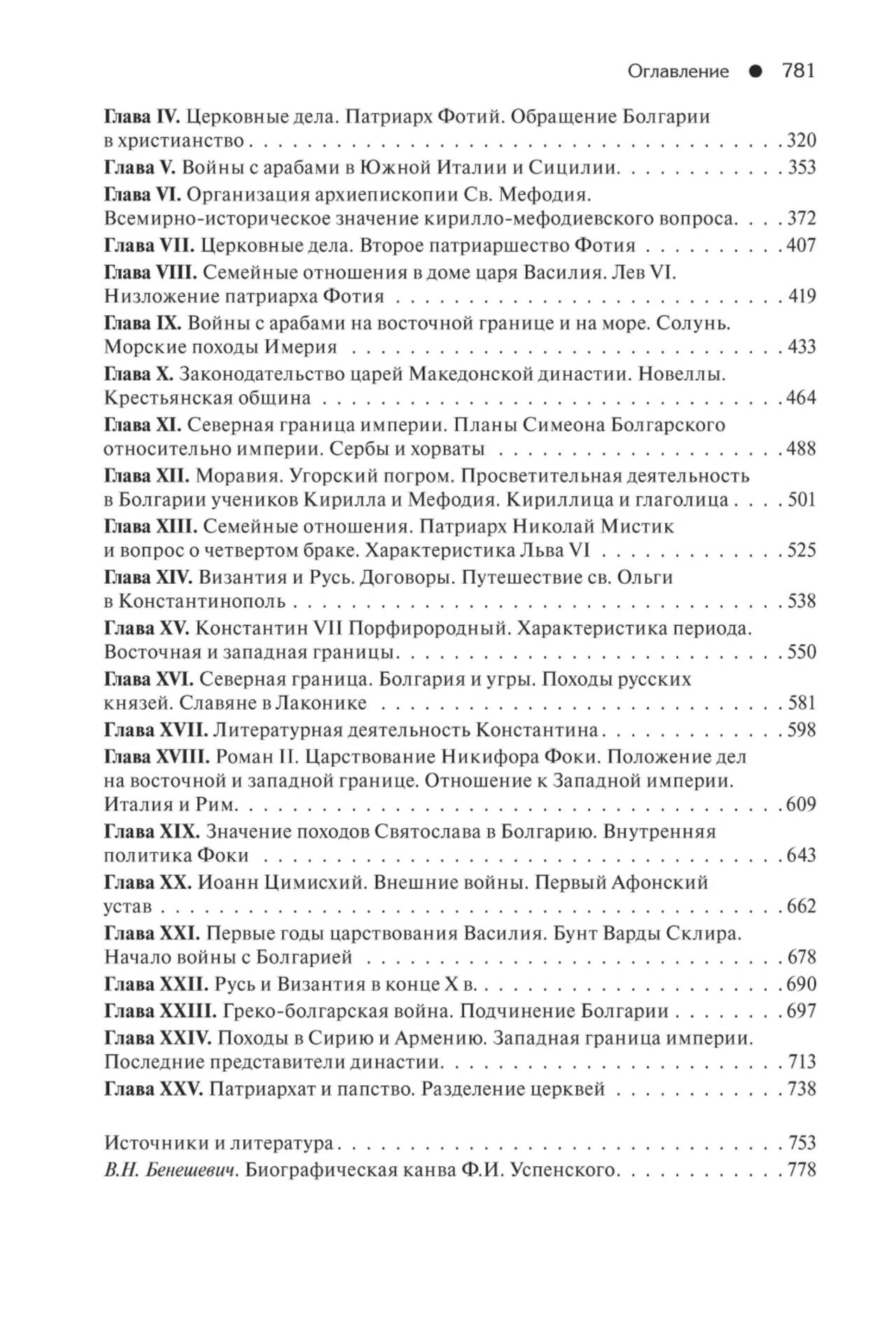
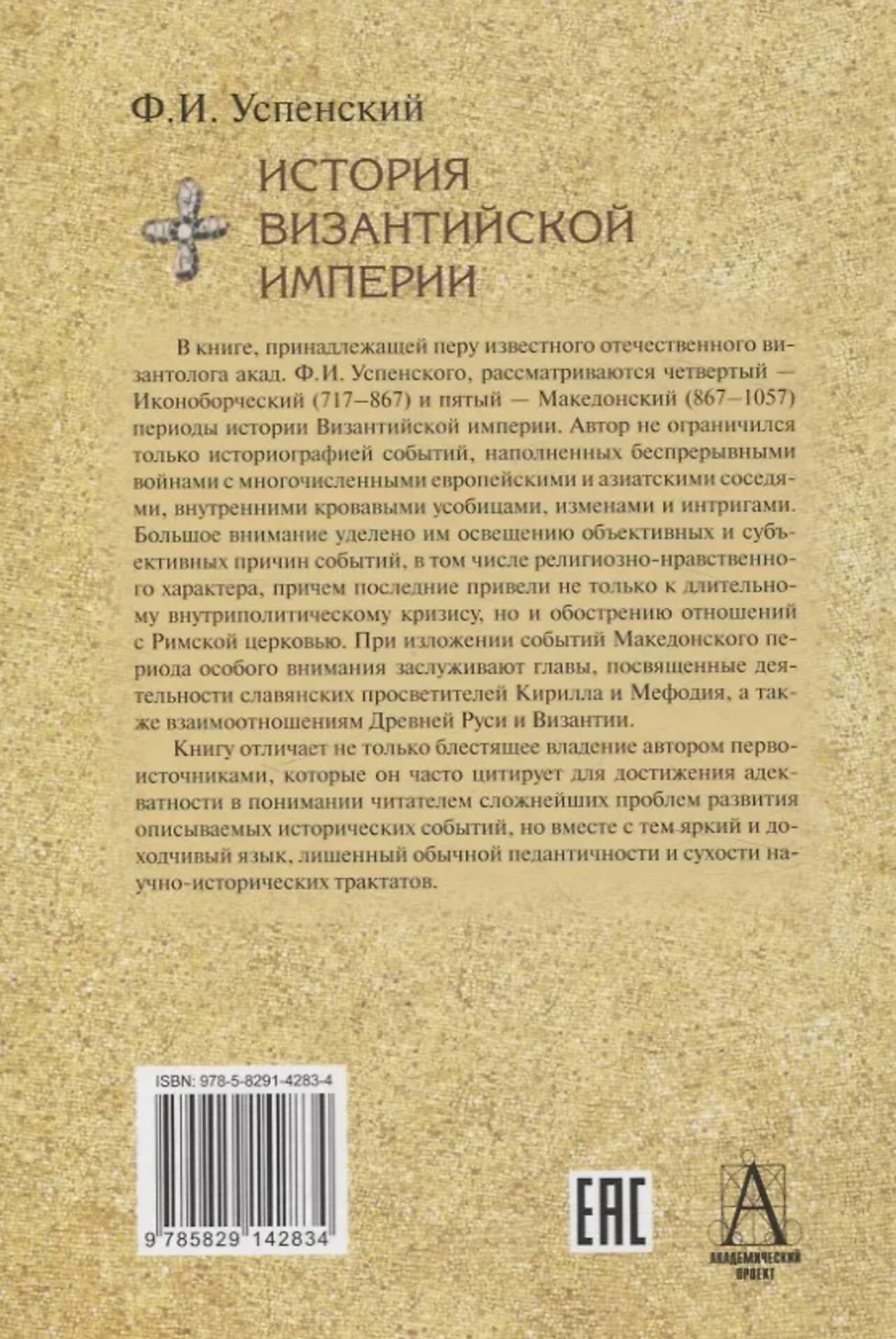
This book examines the fourth, Iconoclastic (717–867), and fifth, Macedonian (867–1057), periods of the Byzantine Empire's history. The author does not limit himself to a historiography of events marked by incessant wars with numerous European and Asian neighbors, bloody internal strife, betrayals, and intrigues. Much attention is devoted to elucidating the objective and subjective causes of these events, including religious and moral ones. The latter led not only to a prolonged domestic political crisis but also to a worsening of relations with the Roman Church. In describing the events of the Macedonian period, the chapters devoted to the activities of the Slavic educators Cyril and Methodius, as well as the relations between Ancient Rus' and Byzantium, deserve special attention.
Book 3. History of the Byzantine Empire. Periods VI–VIII
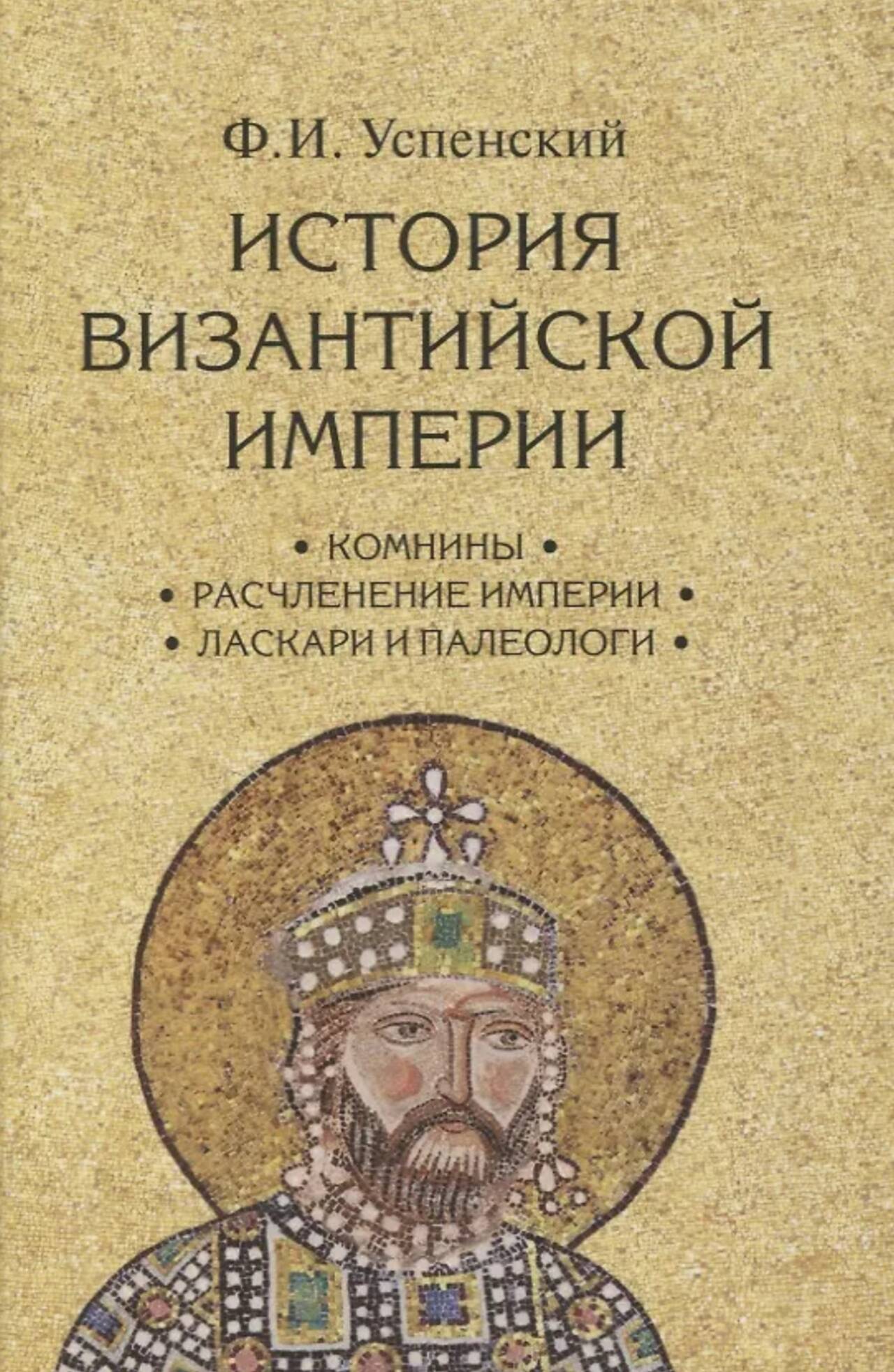
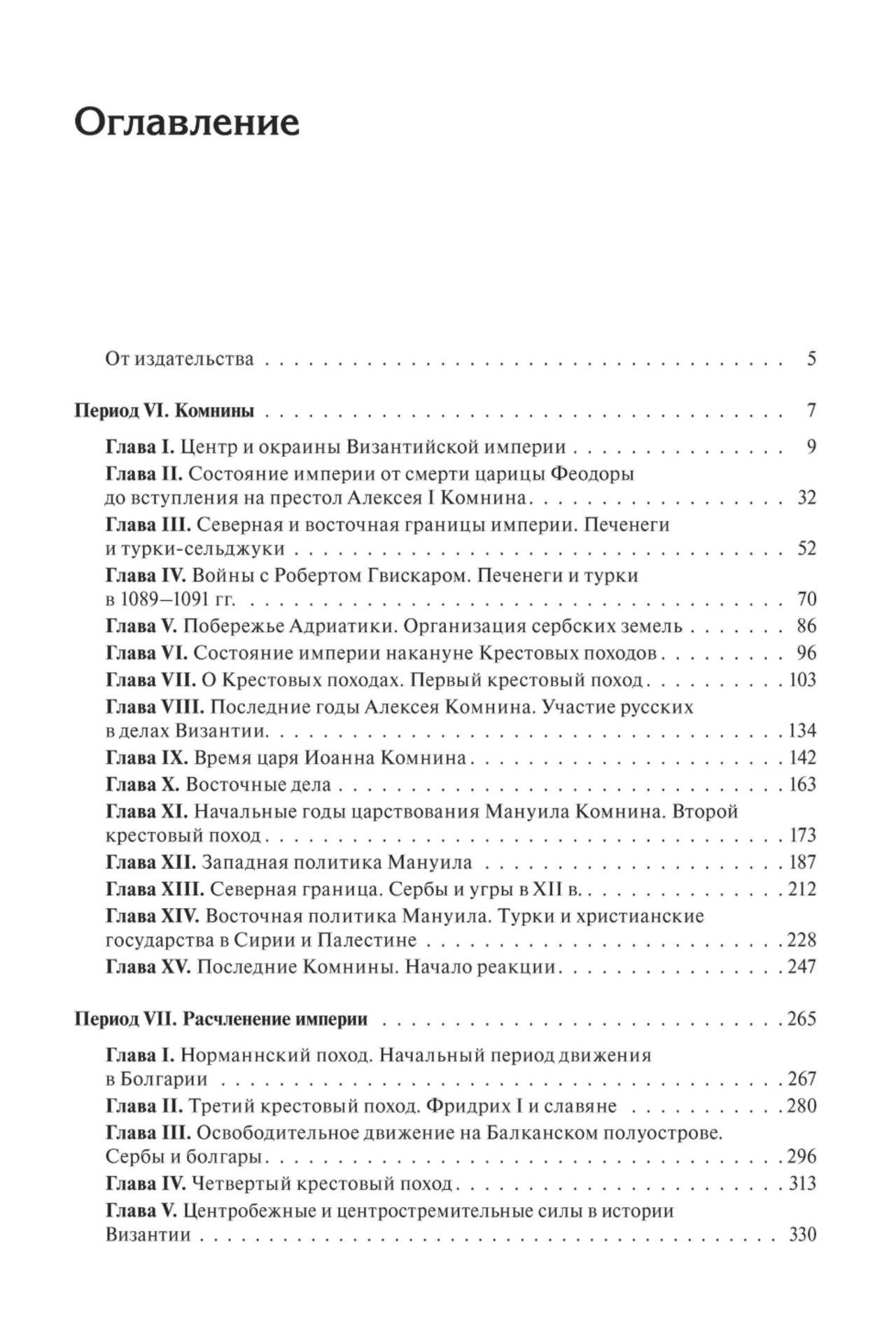
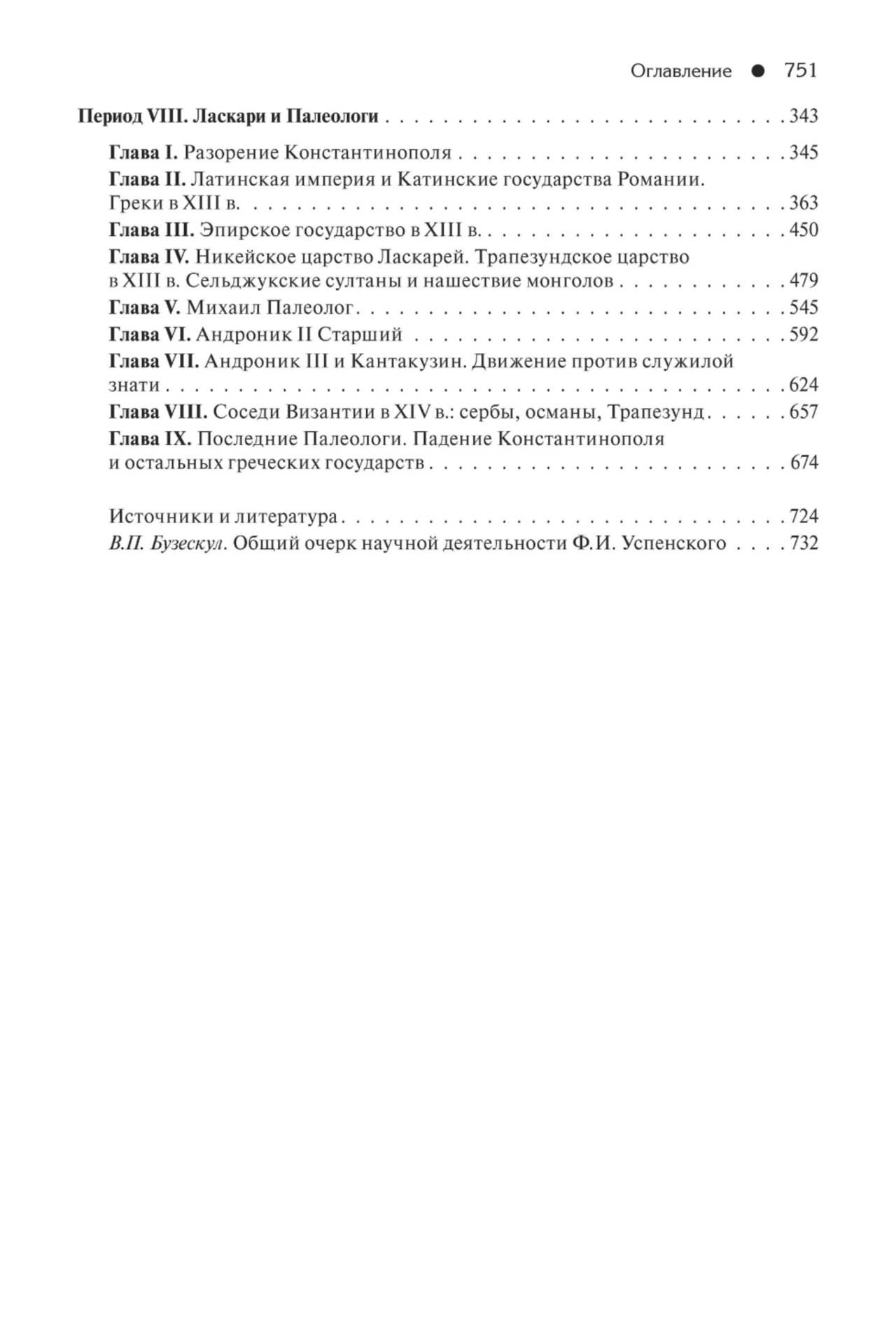
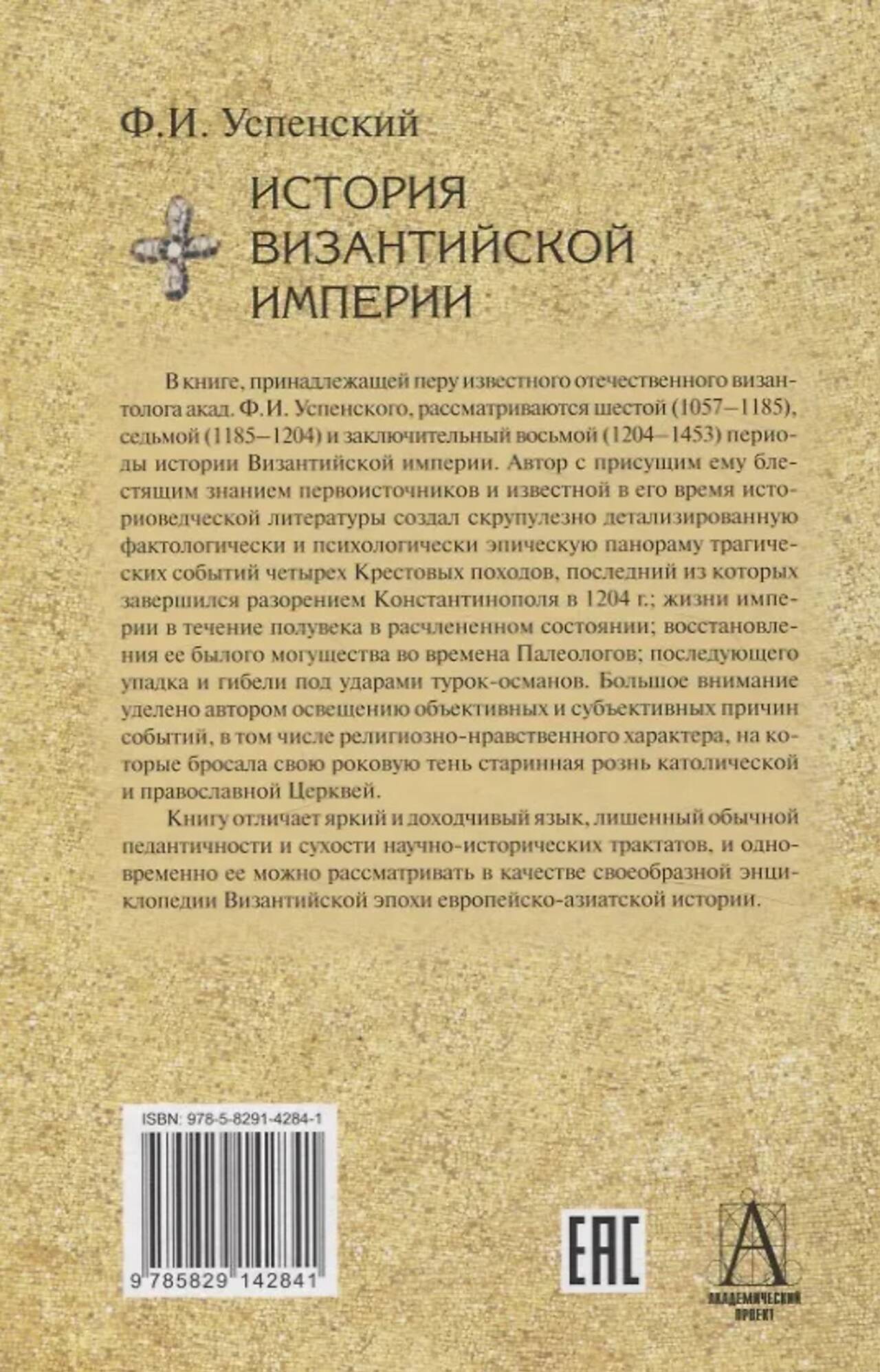
This book, written by the renowned Russian Byzantine scholar, Academician F. I. Uspensky examines the sixth (1057–1185), seventh (1185–1204), and final eighth (1204–1453) periods of the Byzantine Empire. With his characteristically brilliant knowledge of primary sources and the historical literature of his time, the author has created a meticulously detailed, factually and psychologically epic panorama of the tragic events of the four Crusades, the last of which ended with the sacking of Constantinople in 1204; the empire's life during its dismemberment for half a century; its restoration to its former power during the time of the Palaeologus; and its subsequent decline and collapse under the attacks of the Ottoman Turks. The author devotes considerable attention to elucidating the objective and subjective causes of these events, including those of a religious and moral nature, which were cast in the fateful shadow of the ancient discord between the Catholic and Orthodox Churches.
This book is addressed to young researchers and students of humanities universities, as well as to all readers interested in the history of the states and peoples of the Orthodox world.
Book 1. History of the Byzantine Empire. Periods I–III
The first book in Academician Uspensky's renowned trilogy. F. I. Uspensky's book, dedicated to describing the millennia-long history of the Byzantine Empire, whose ideology and very spirit were inherited by Russia after its collapse in the 15th century, emulating many features of Byzantinism in the modern post-Soviet era. The book examines the early periods of the Byzantine Empire's formation – from the founding of its capital by Constantine the Great (330) to the beginning (717) of the iconoclastic period. The author does not limit himself to the historiography of events fraught with incessant wars with numerous European and Asian neighbors of the new Eastern Empire, bloody internal strife, betrayals, and intrigues. He devotes considerable attention to elucidating the objective and subjective causes of these events, including economic, religious, and moral ones. To this end, the author undertook a vast research project examining poorly preserved manuscripts from the "Dark Ages" of the Middle Ages.
Book 2. History of the Byzantine Empire Periods IV–V
This book examines the fourth, Iconoclastic (717–867), and fifth, Macedonian (867–1057), periods of the Byzantine Empire's history. The author does not limit himself to a historiography of events marked by incessant wars with numerous European and Asian neighbors, bloody internal strife, betrayals, and intrigues. Much attention is devoted to elucidating the objective and subjective causes of these events, including religious and moral ones. The latter led not only to a prolonged domestic political crisis but also to a worsening of relations with the Roman Church. In describing the events of the Macedonian period, the chapters devoted to the activities of the Slavic educators Cyril and Methodius, as well as the relations between Ancient Rus' and Byzantium, deserve special attention.
Book 3. History of the Byzantine Empire. Periods VI–VIII
This book, written by the renowned Russian Byzantine scholar, Academician F. I. Uspensky examines the sixth (1057–1185), seventh (1185–1204), and final eighth (1204–1453) periods of the Byzantine Empire. With his characteristically brilliant knowledge of primary sources and the historical literature of his time, the author has created a meticulously detailed, factually and psychologically epic panorama of the tragic events of the four Crusades, the last of which ended with the sacking of Constantinople in 1204; the empire's life during its dismemberment for half a century; its restoration to its former power during the time of the Palaeologus; and its subsequent decline and collapse under the attacks of the Ottoman Turks. The author devotes considerable attention to elucidating the objective and subjective causes of these events, including those of a religious and moral nature, which were cast in the fateful shadow of the ancient discord between the Catholic and Orthodox Churches.
This book is addressed to young researchers and students of humanities universities, as well as to all readers interested in the history of the states and peoples of the Orthodox world.
See also:
- All books by the publisher
- All books by the author
- All books in the series Technologies of History