



Signs, symbols and allegories in art – Kortunova Natalia – IS – 2025 – ISBN 978-5-17-176627-6
Signs, symbols and allegories in art
14.99 €
In stock

Signs, symbols and allegories in art
14.99 €
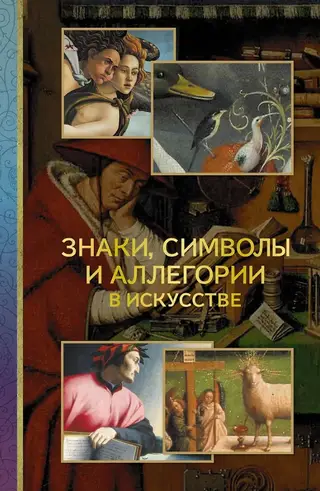
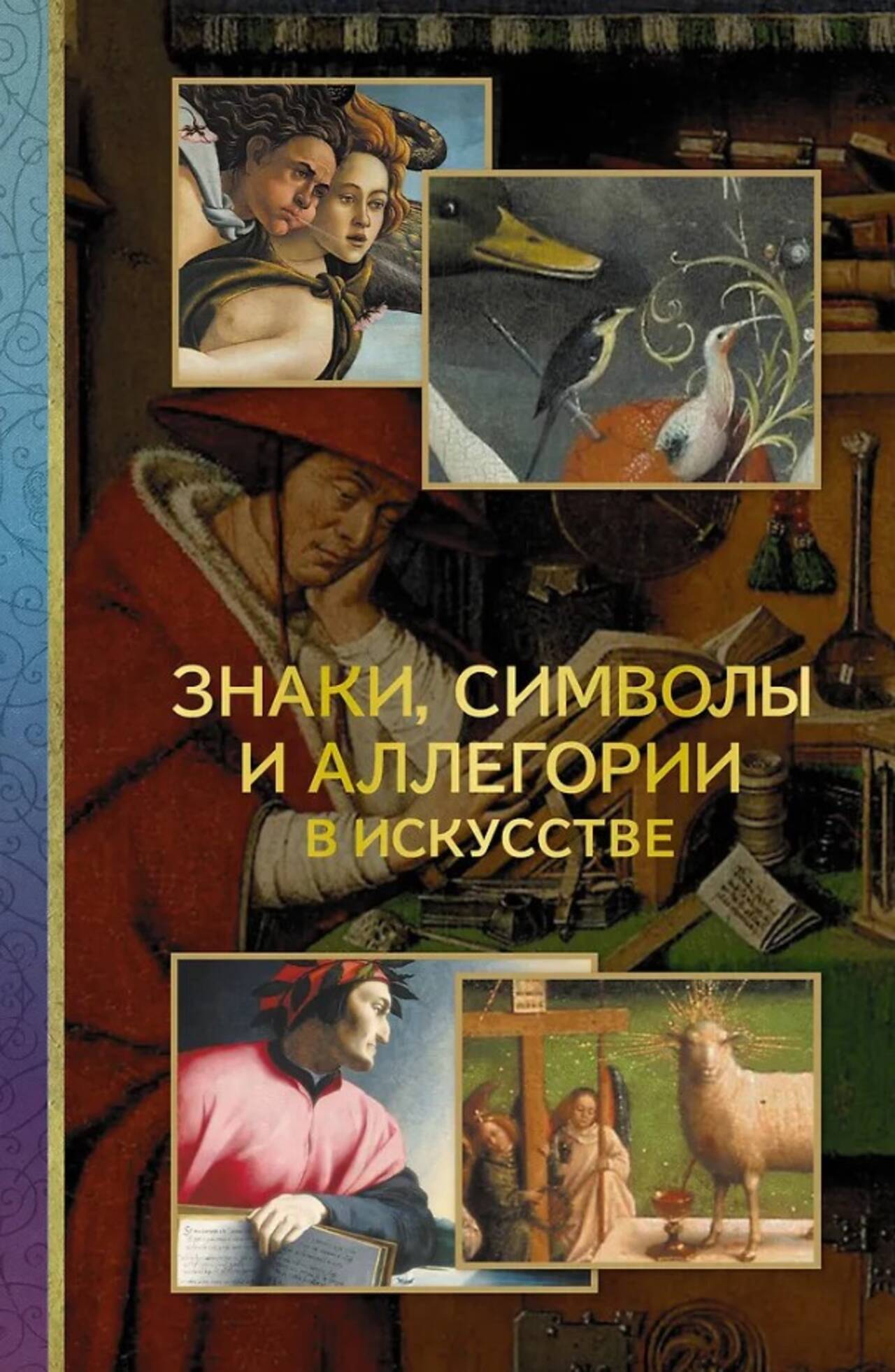
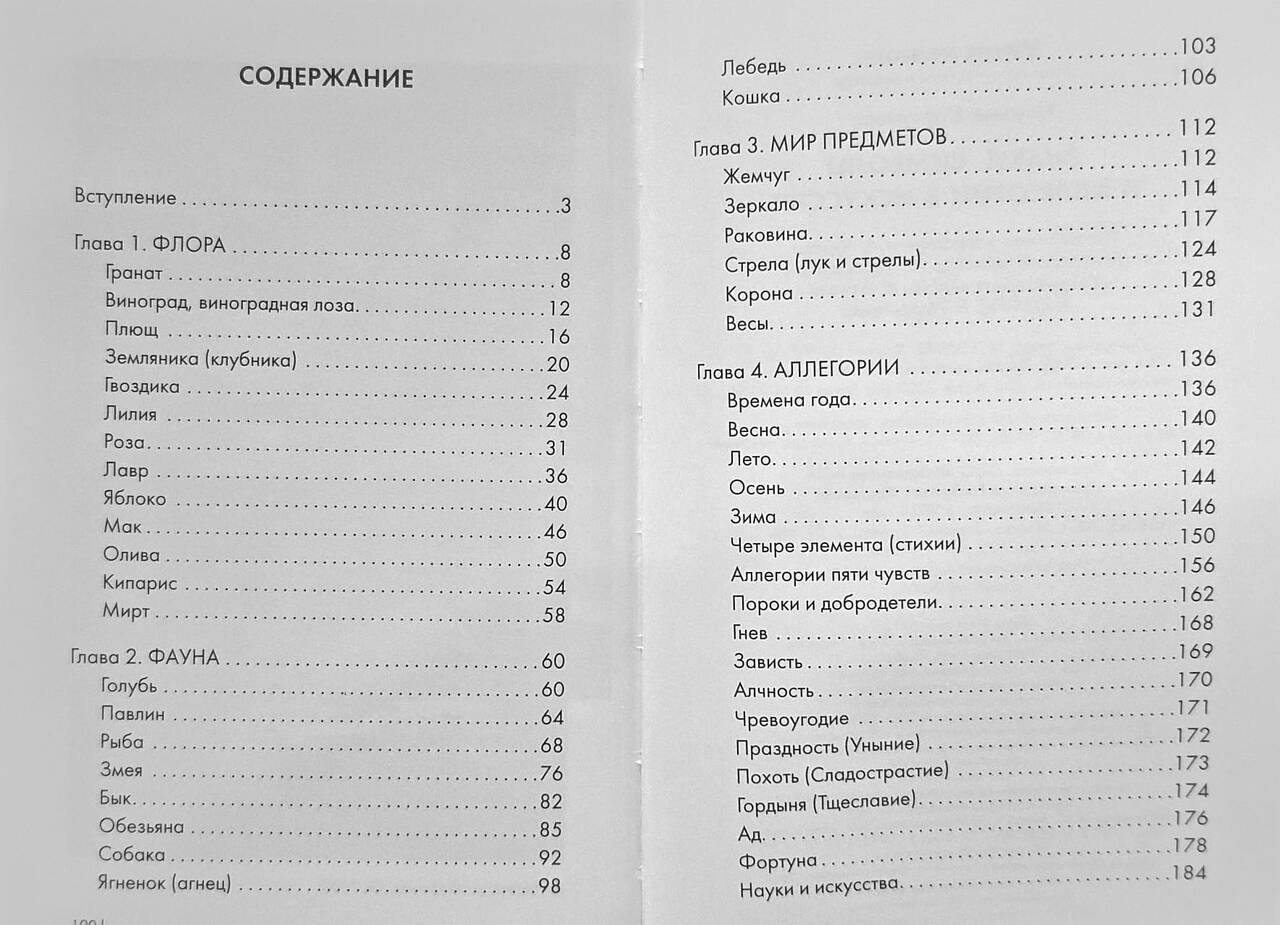
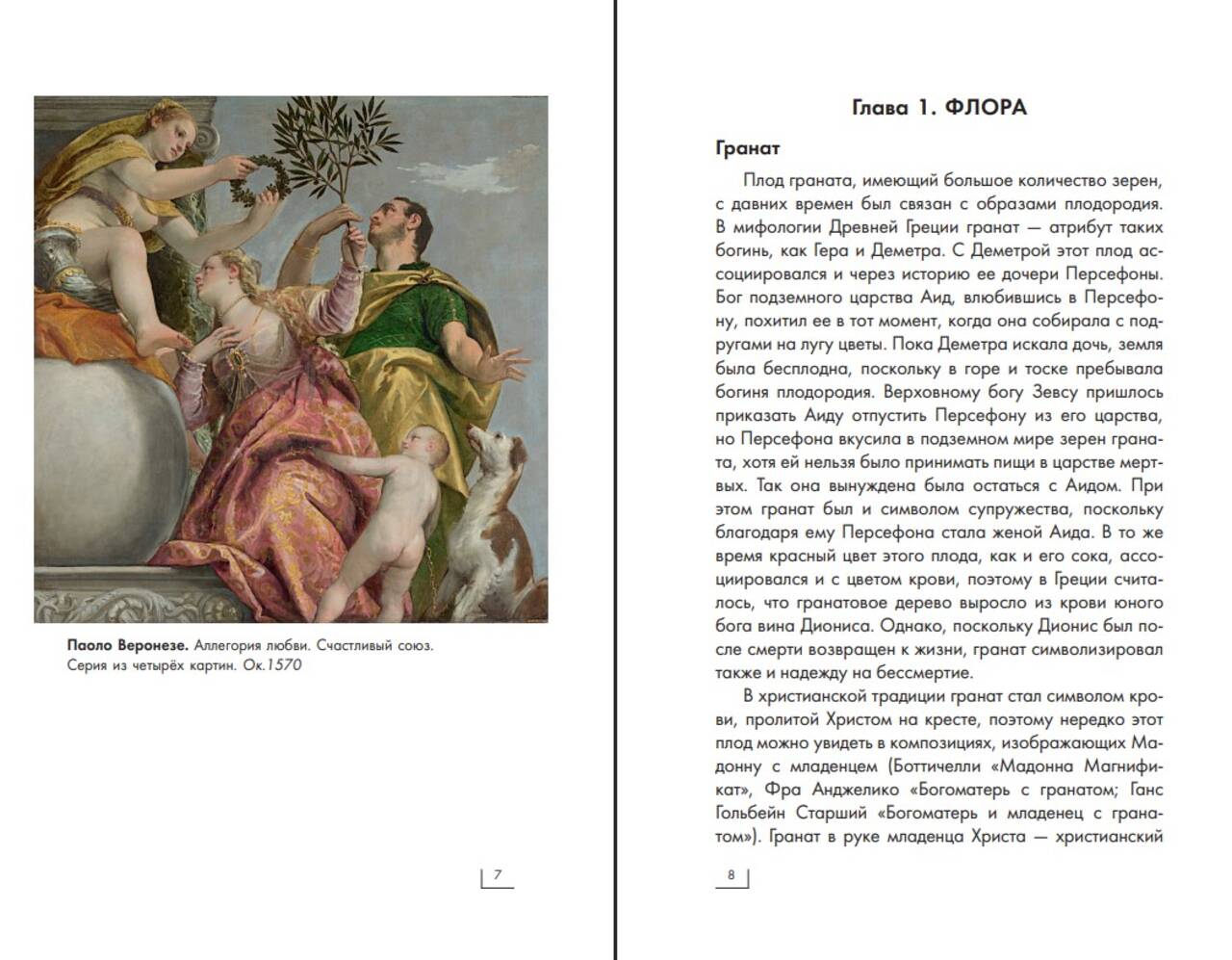
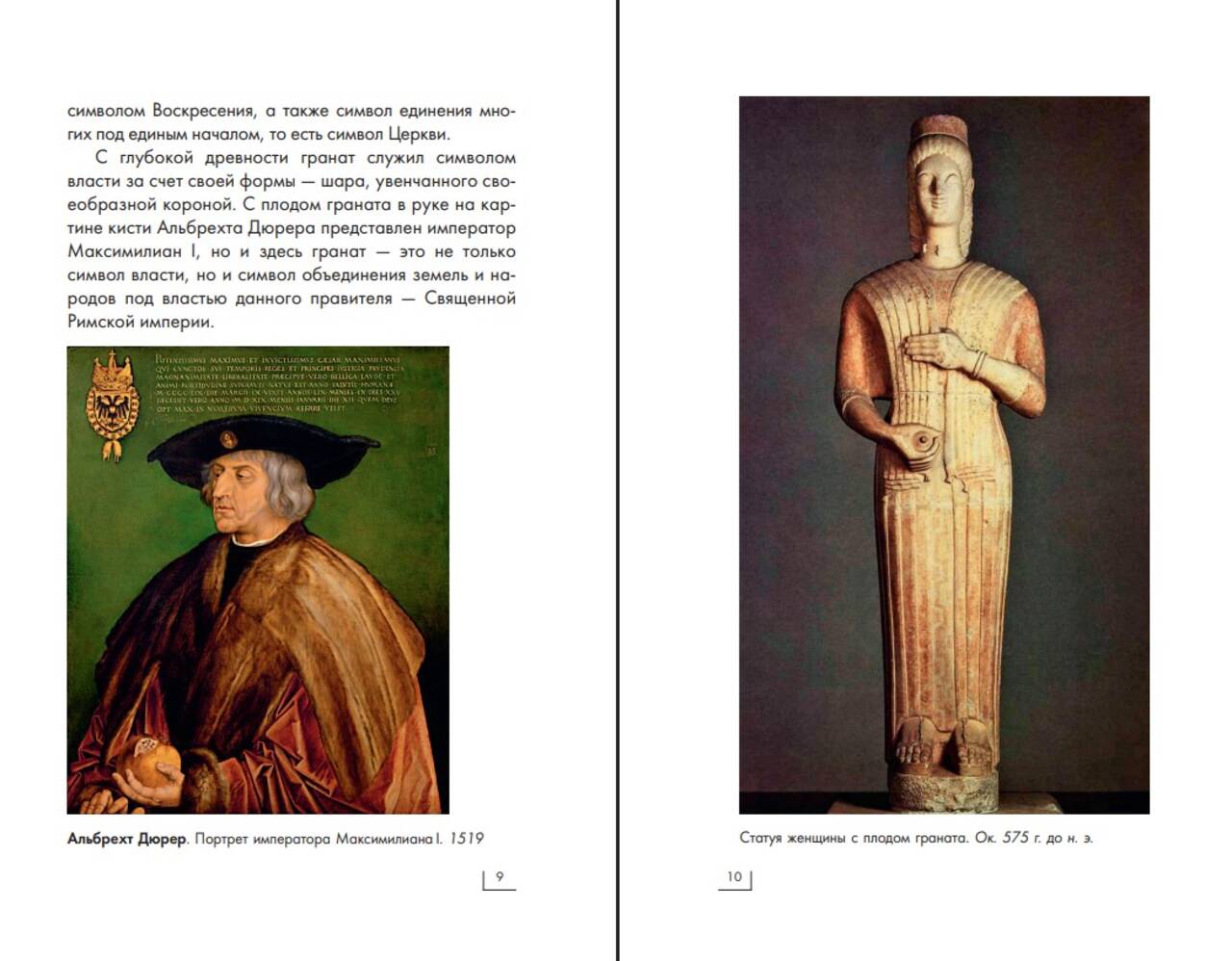
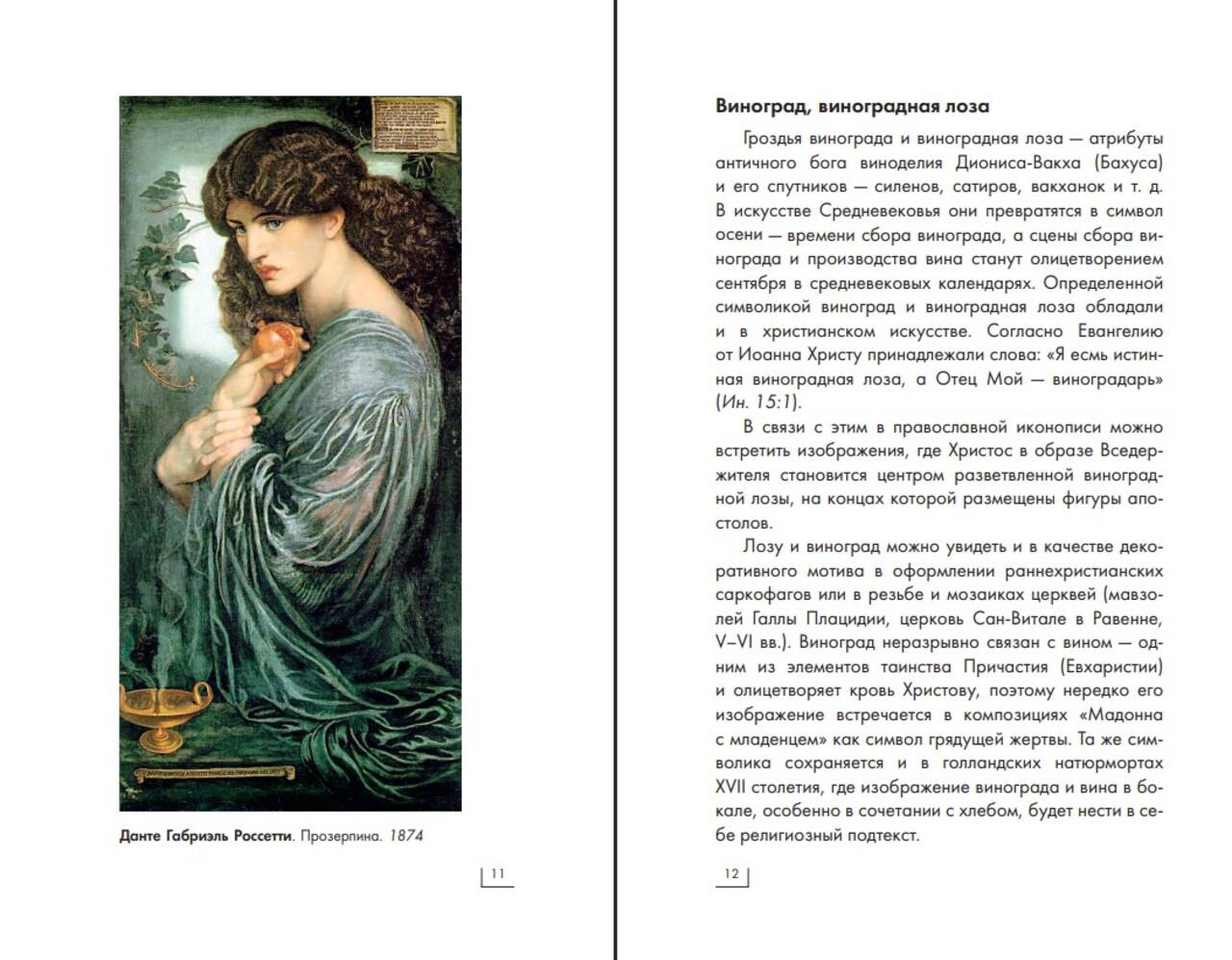
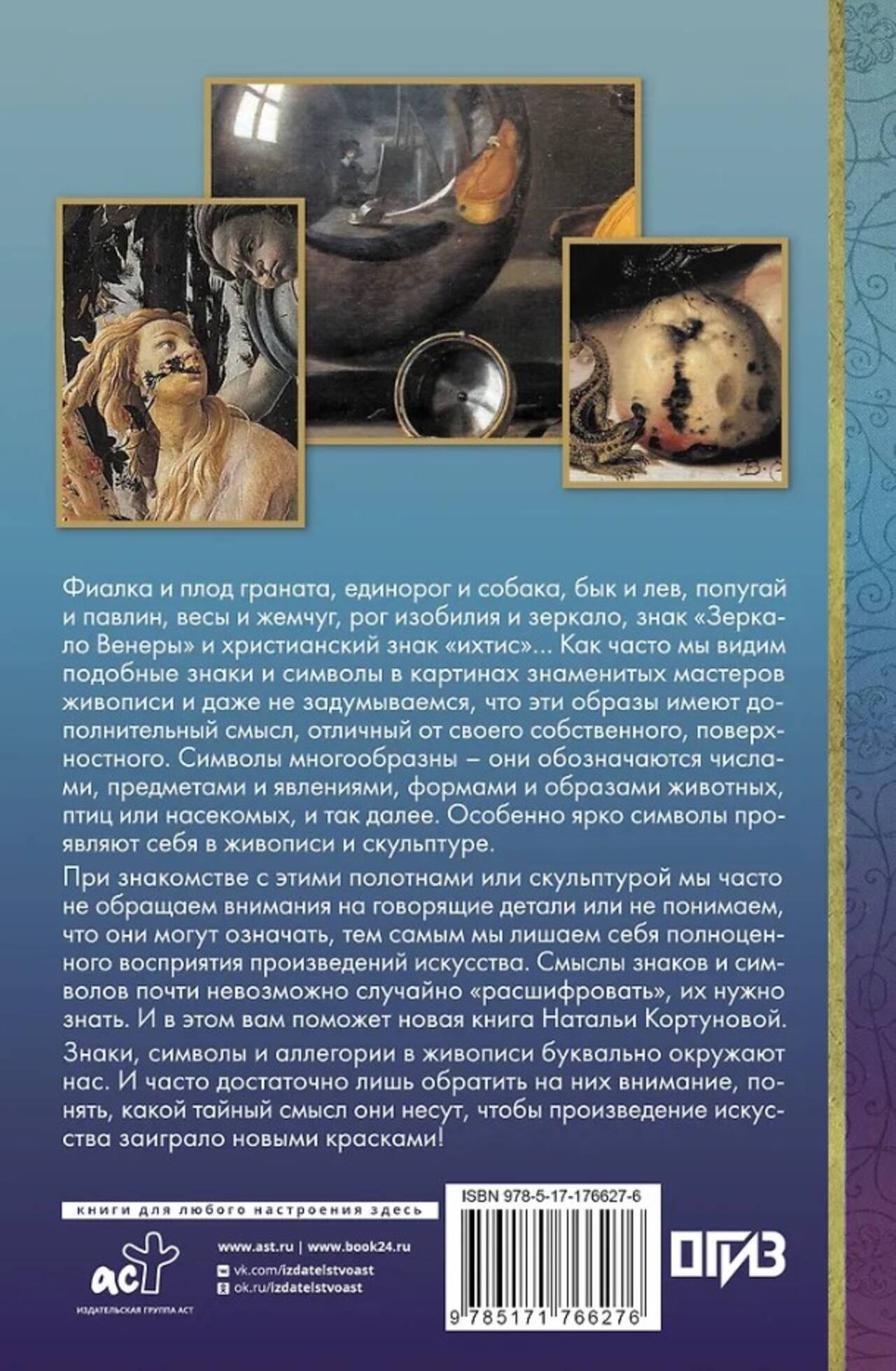
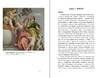
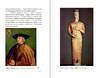
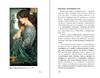
Violet and pomegranate, lion and dog, monkey and cat, parrot and peacock, scales and pearls, cornucopia and mirror, the "Mirror of Venus" sign and the Christian "ichthys" symbol... How often do we see these and other signs and symbols in the paintings of famous masters without even considering that these images have an additional meaning, distinct from their own superficial one. These signs, which lend depth, mystery, and multi-layeredness to works, exist not only in the realm of the mind but also in the realm of the senses. Symbols are diverse—they are denoted by numbers, objects and phenomena, the forms and images of animals, birds, or insects, and so on. Symbols are especially vivid in painting and sculpture.
Hundreds of years, sometimes even millennia, separate us from the creators of these now-famous works of art. These people existed in a different worldview and believed in different gods. The monuments that have survived from those ancient times were intended not only to please the eye and amaze with their subtlety of execution, but also often conveyed a specific idea that contemporaries could easily grasp. While we experience these monuments purely for aesthetic pleasure, we often overlook their semantic meaning, failing to notice telling details or failing to understand their implications, thereby depriving ourselves of a full appreciation of works of art. The meanings of signs and symbols are almost impossible to "decipher" by accident; they must be understood. This is where a new book by Natalia Kortunova, a renowned art historian, senior researcher at the Pushkin State Museum of Fine Arts, and curator of several exhibitions at the Pushkin State Museum of Fine Arts, will help you.
Signs, symbols, and allegories in painting literally surround us. And often, simply paying attention to them and understanding their hidden meaning is enough for a work of art to sparkle with new colors!
Hundreds of years, sometimes even millennia, separate us from the creators of these now-famous works of art. These people existed in a different worldview and believed in different gods. The monuments that have survived from those ancient times were intended not only to please the eye and amaze with their subtlety of execution, but also often conveyed a specific idea that contemporaries could easily grasp. While we experience these monuments purely for aesthetic pleasure, we often overlook their semantic meaning, failing to notice telling details or failing to understand their implications, thereby depriving ourselves of a full appreciation of works of art. The meanings of signs and symbols are almost impossible to "decipher" by accident; they must be understood. This is where a new book by Natalia Kortunova, a renowned art historian, senior researcher at the Pushkin State Museum of Fine Arts, and curator of several exhibitions at the Pushkin State Museum of Fine Arts, will help you.
Signs, symbols, and allegories in painting literally surround us. And often, simply paying attention to them and understanding their hidden meaning is enough for a work of art to sparkle with new colors!
See also:
- All books by the publisher
- All books by the author
- All books in the series MiniArt. Masters and Masterpieces