


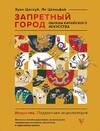
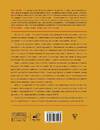
The Forbidden City: Images of Chinese Art – Huang Qingsui, Li Jianfei – IS – 2026 – ISBN 978-5-17-171923-4
The Forbidden City: Images of Chinese Art
39.99 €
The only thing available 1

The Forbidden City: Images of Chinese Art
39.99 €
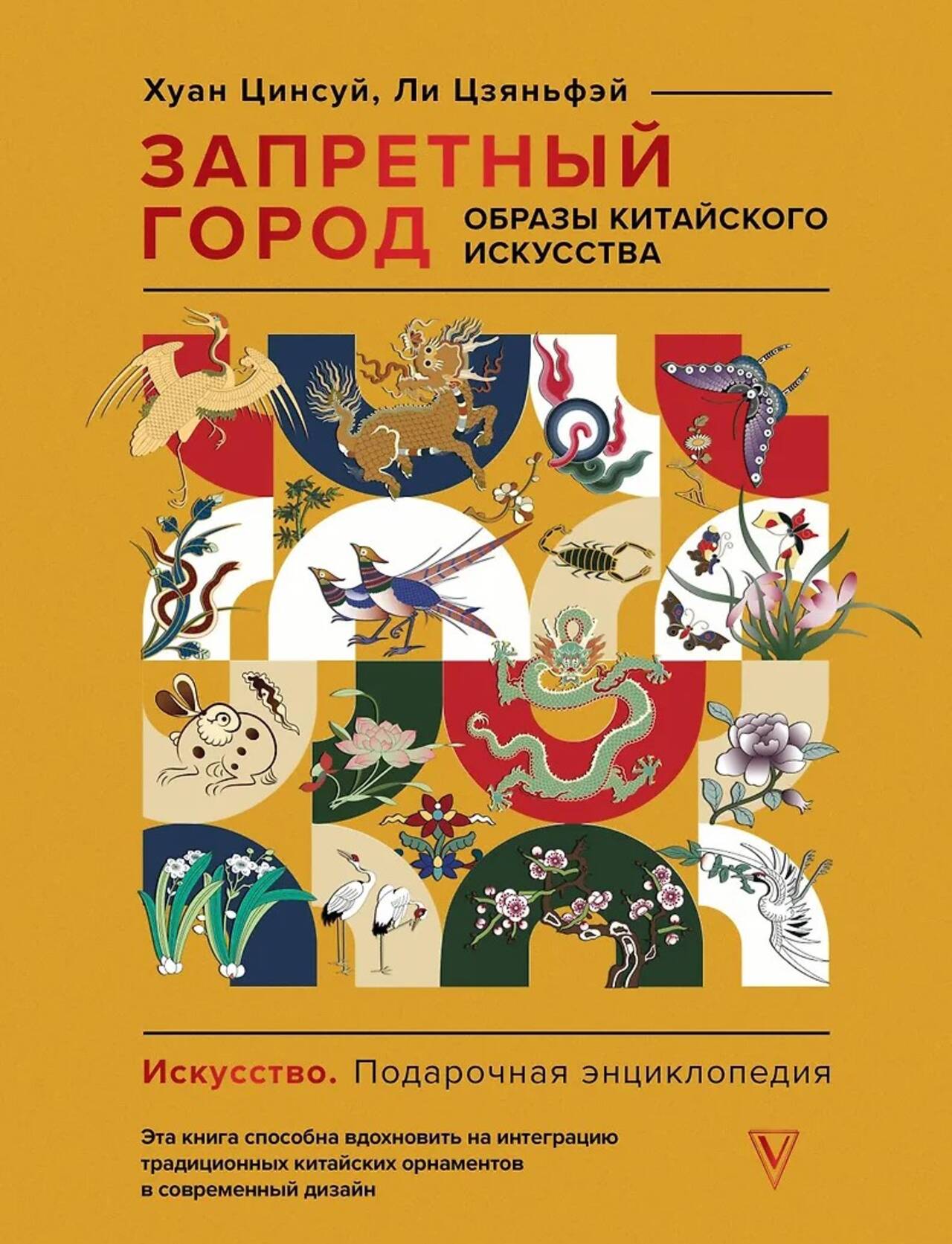
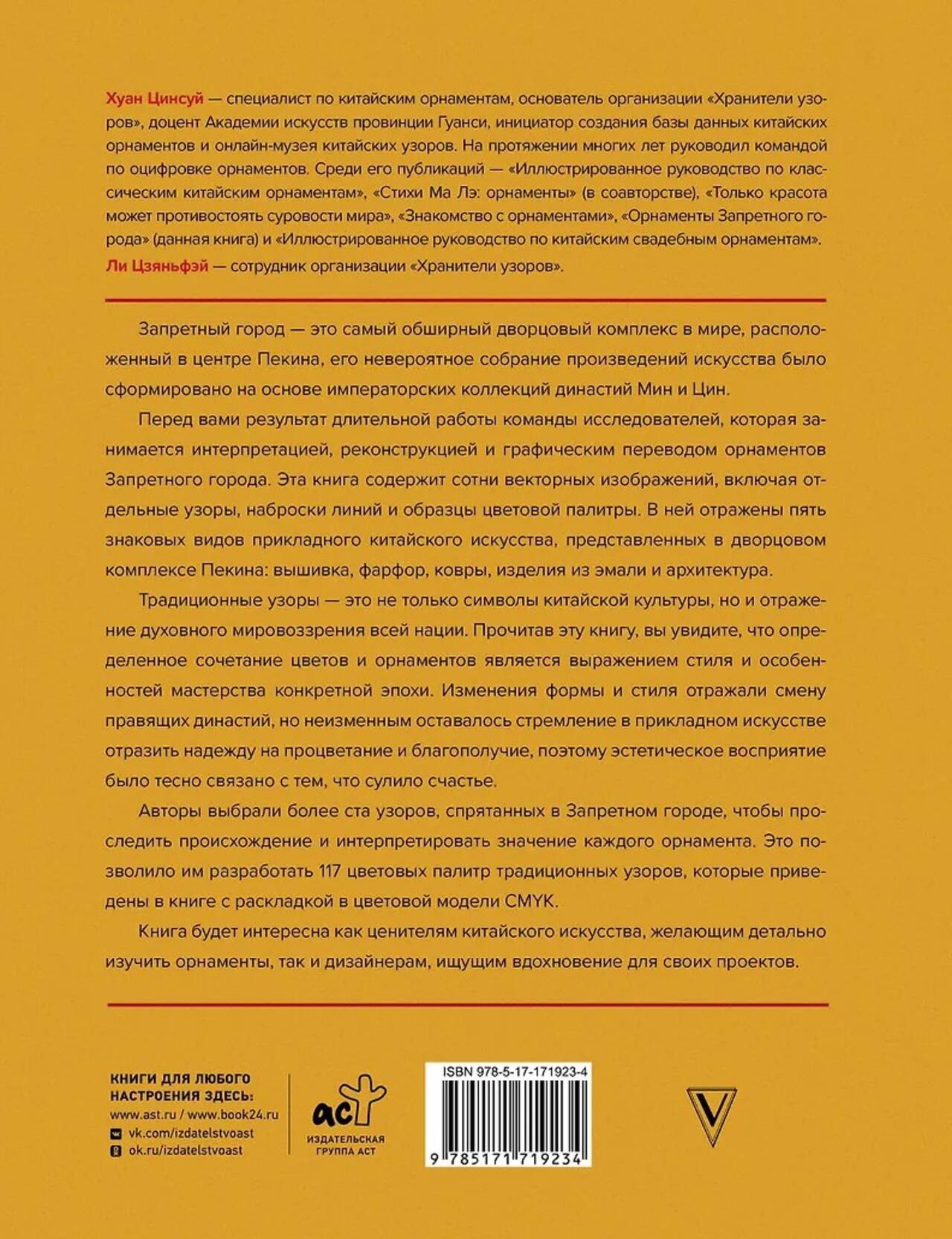
The Forbidden City is the world's largest palace complex, located in the center of Beijing; its incredible art collection was formed from the imperial collections of the Ming and Qing dynasties.
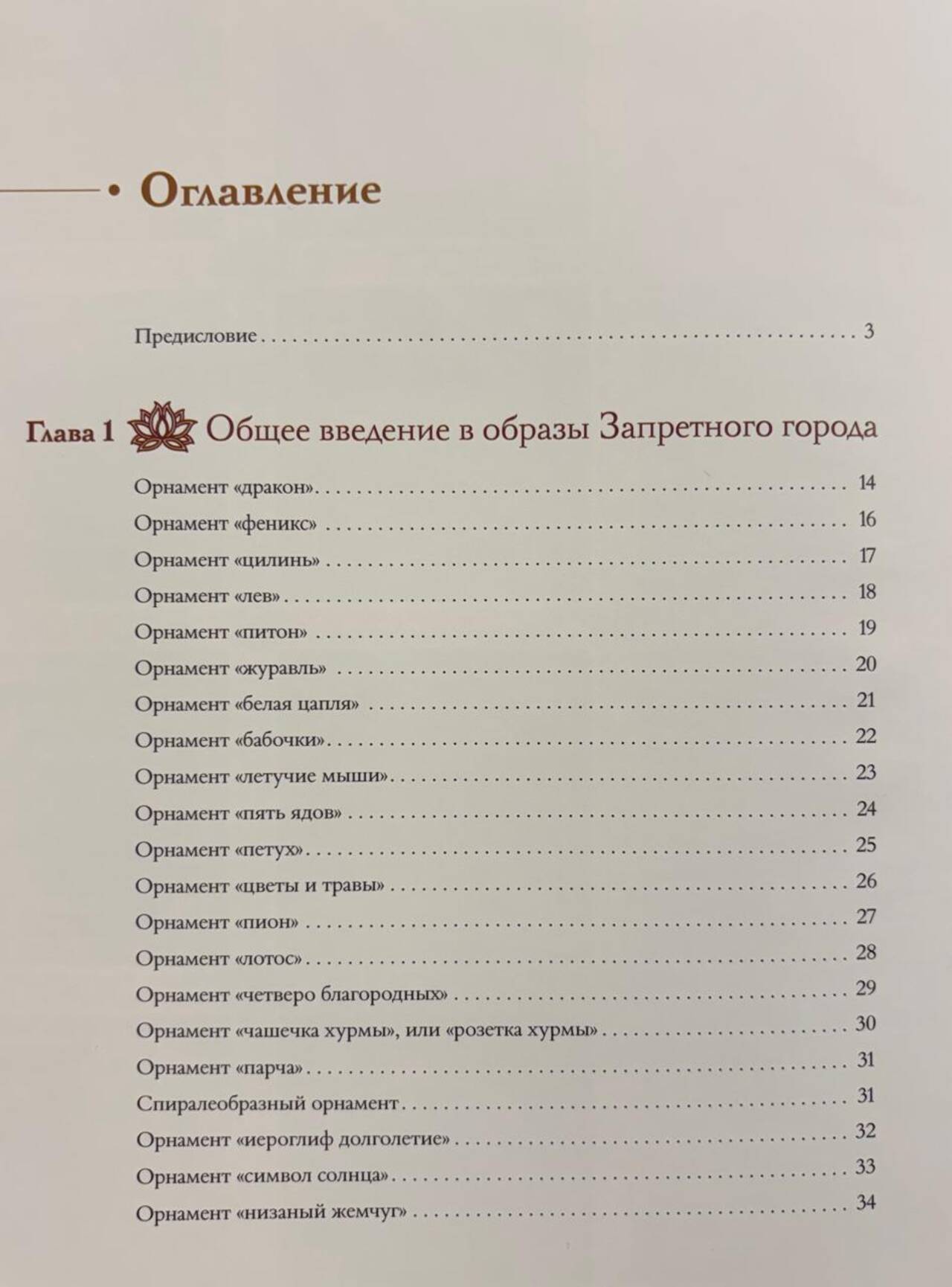
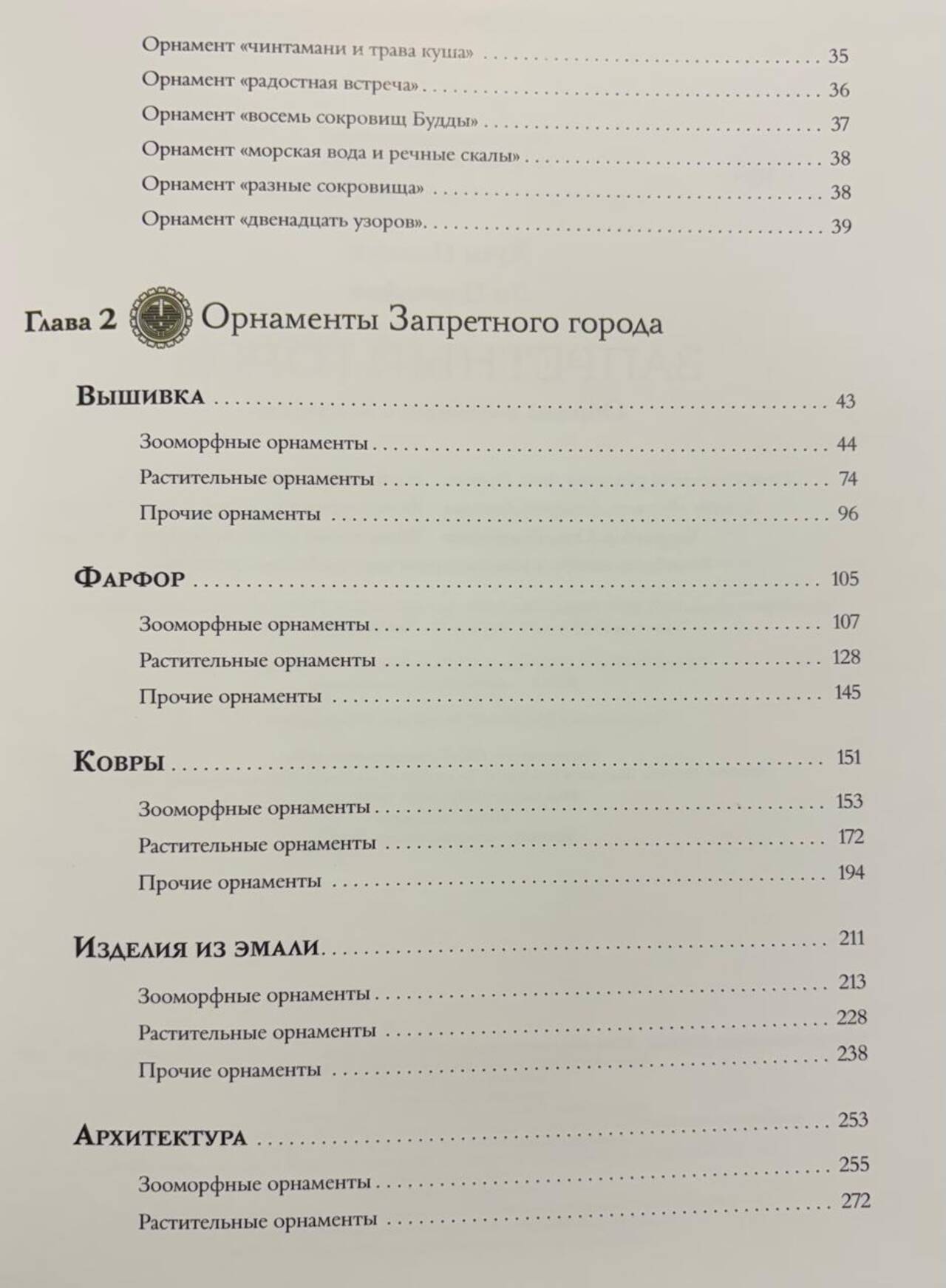
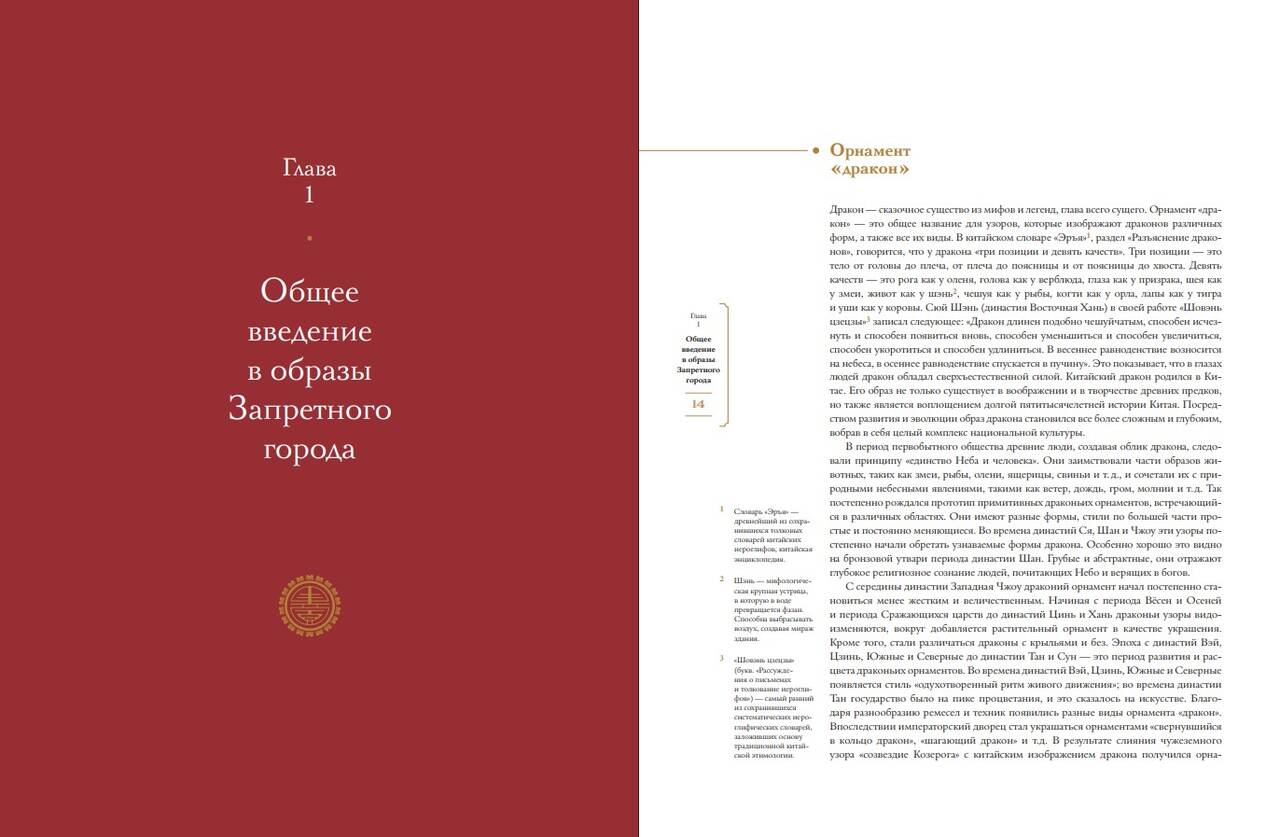
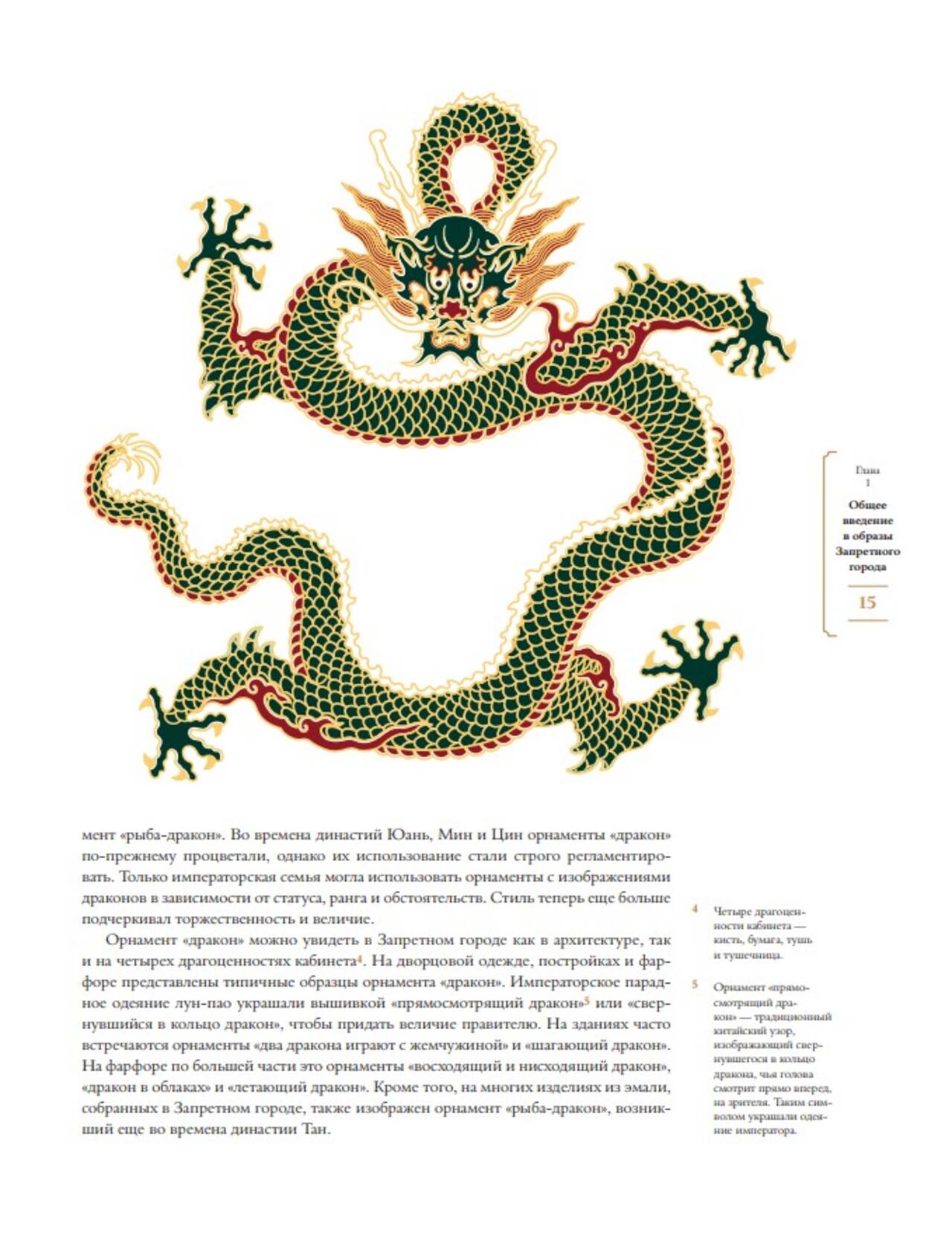
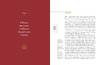
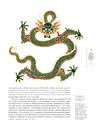
This book is the result of extensive research by a team of researchers who have been interpreting, reconstructing, and graphically translating the Forbidden City's ornamental patterns. This book contains hundreds of vector images, including individual patterns, line sketches, and color palette samples. It reflects five iconic forms of Chinese applied art represented in the Beijing palace complex: embroidery, porcelain, carpets, enamel, and architecture.
Traditional patterns are not only symbols of Chinese culture but also a reflection of the spiritual worldview of the entire nation. After reading this book, you will see that a particular combination of colors and patterns expresses the style and craftsmanship of a particular era. Changes in form and style reflected the change of ruling dynasties, but the desire in applied art to express hope for prosperity and well-being remained constant, so aesthetic perception was closely linked to what promised happiness.
This book is the result of extensive research by a team of researchers who have been interpreting, reconstructing, and graphically translating the Forbidden City's ornamental patterns. This book contains hundreds of vector images, including individual patterns, line sketches, and color palette samples. It reflects five iconic forms of Chinese applied art represented in the Beijing palace complex: embroidery, porcelain, carpets, enamel, and architecture.
Traditional patterns are not only symbols of Chinese culture but also a reflection of the spiritual worldview of the entire nation. After reading this book, you will see that a particular combination of colors and patterns expresses the style and craftsmanship of a particular era. Changes in form and style reflected the change of ruling dynasties, but the desire in applied art to express hope for prosperity and well-being remained constant, so aesthetic perception was closely linked to what promised happiness.
See also:
- All books by the publisher
- All books by the author
- All books in the series Art: A Gift Encyclopedia