


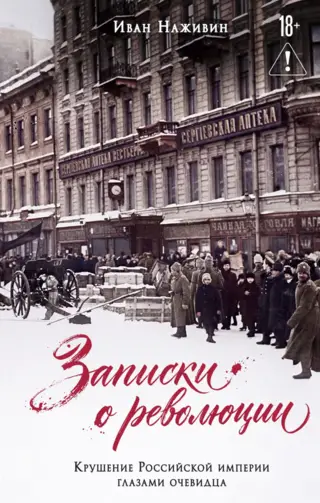
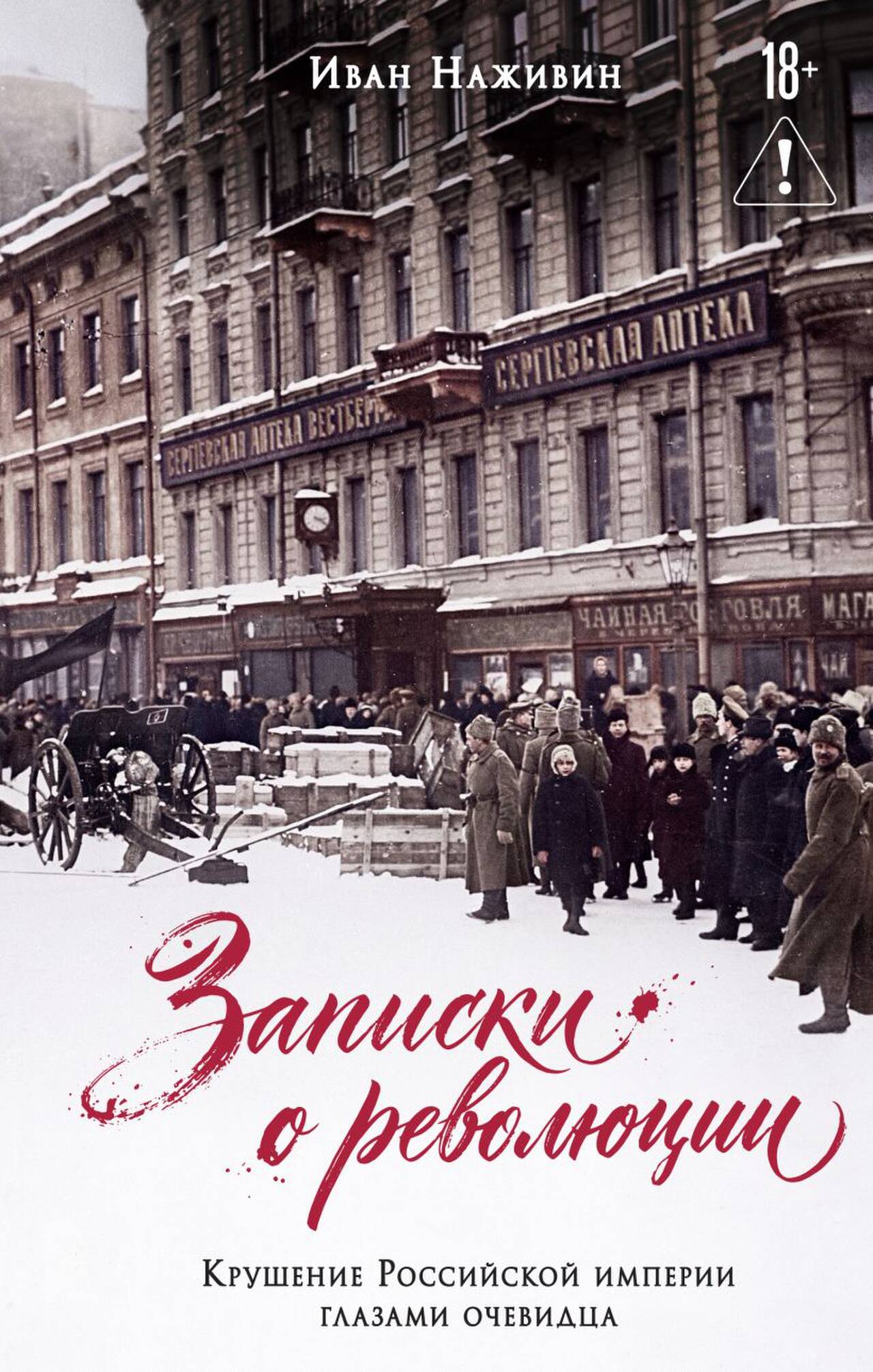

Notes on the Revolution: The Collapse of the Russian Empire through the Eyes of an Eyewitness – Ivan Nazhivin – Eksmo – 2026 – ISBN 978-5-04-244600-9
Notes on the Revolution: The Collapse of the Russian Empire through the Eyes of an Eyewitness
14.99 €
In stock

Notes on the Revolution: The Collapse of the Russian Empire through the Eyes of an Eyewitness
14.99 €
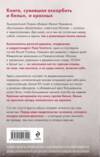
A chronicle of the revolution and civil war, recorded in the immediate aftermath by a companion of Leo Tolstoy.
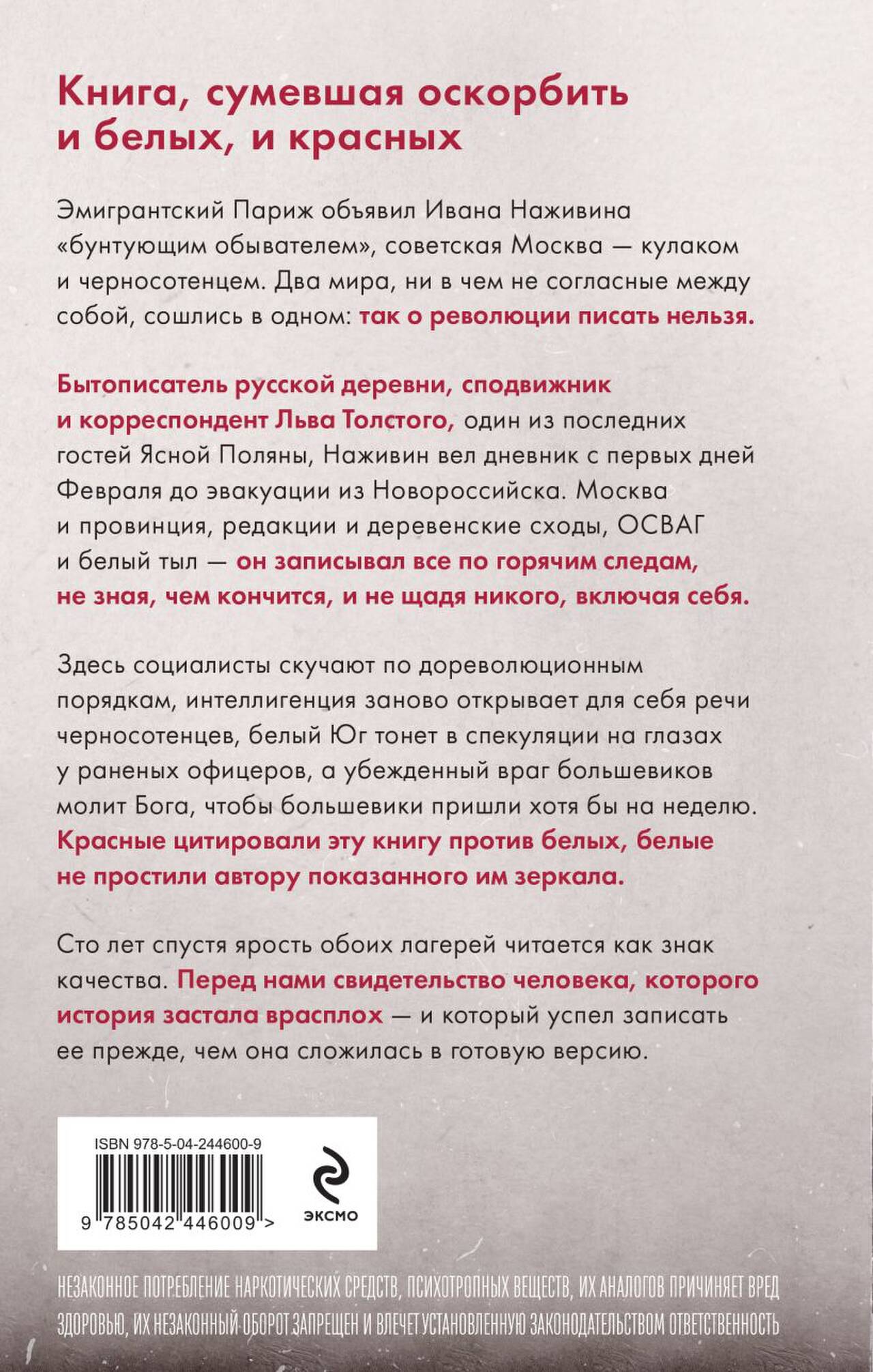
Ivan Nazhivin was a chronicler of the Russian village, a companion and correspondent of Leo Tolstoy, and one of the last guests of Yasnaya Polyana. From the first days of the February Revolution until the evacuation from Novorossiysk, he kept a diary, recording events in the immediate aftermath, before events had time to become history and living people had become the heroes and villains of a ready-made political myth.
Moscow and the provinces, editorial offices and village gatherings, the first elections and rumors of the Bolsheviks, Osvag and the White Home Front—Nazhivin watches his familiar world crumble, and he himself changes with it. He votes at random, argues, makes mistakes, flees to the white South, and there despairs over those he considered his own.
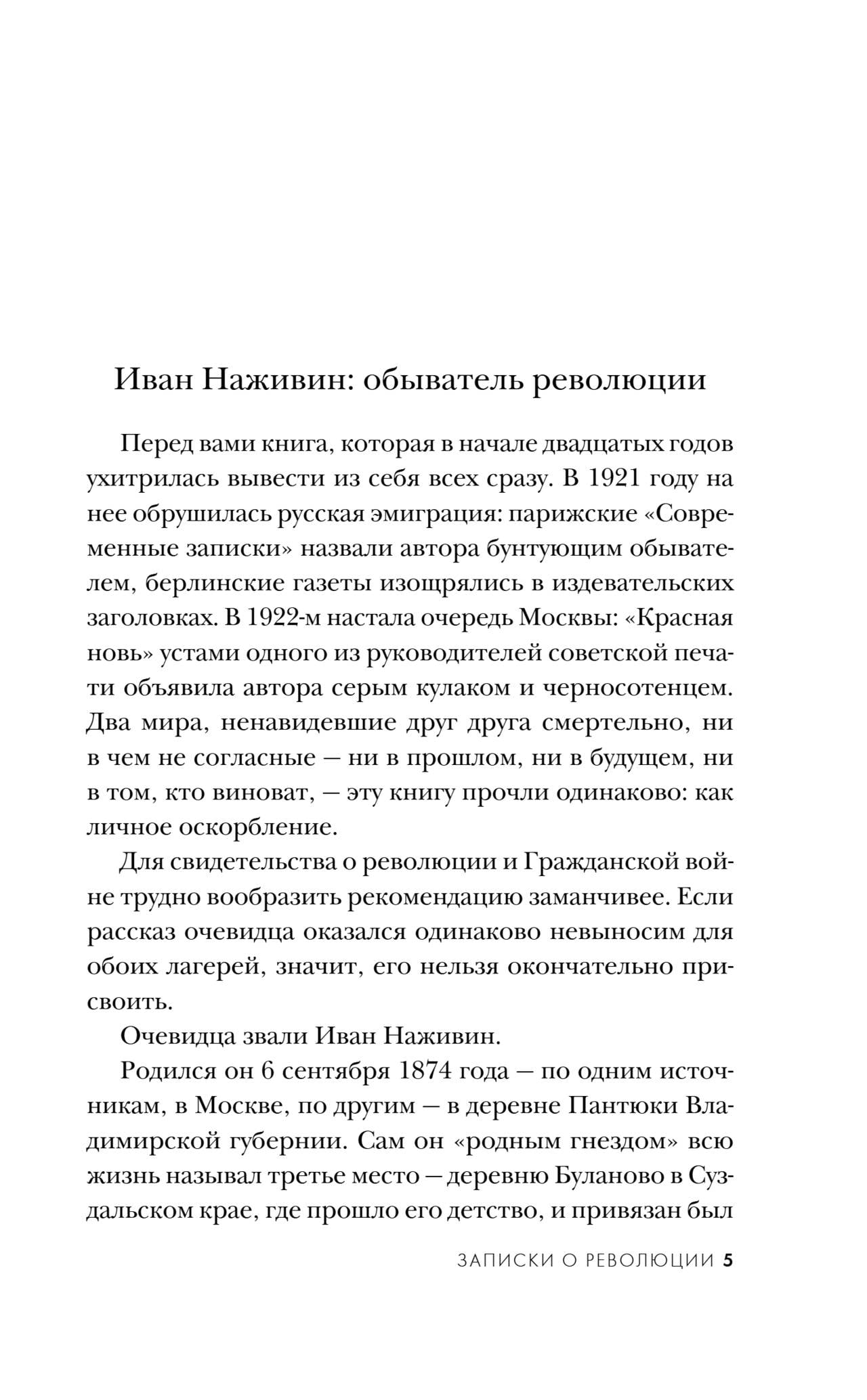
After the book's publication in 1921, the émigré community denounced the author as a "rebellious philistine," while Soviet critics branded him a kulak and a Black Hundred member. The Reds cited him against the Whites, and the Whites never forgave him for his merciless view of their own camp. Today, this book is valuable precisely for its uncomfortable honesty: what we have here is not a later interpretation of the revolution, but the testimony of a man caught off guard by history and who managed to record the confusion, fear, and rage of his contemporaries before the past had cohered into a coherent narrative.
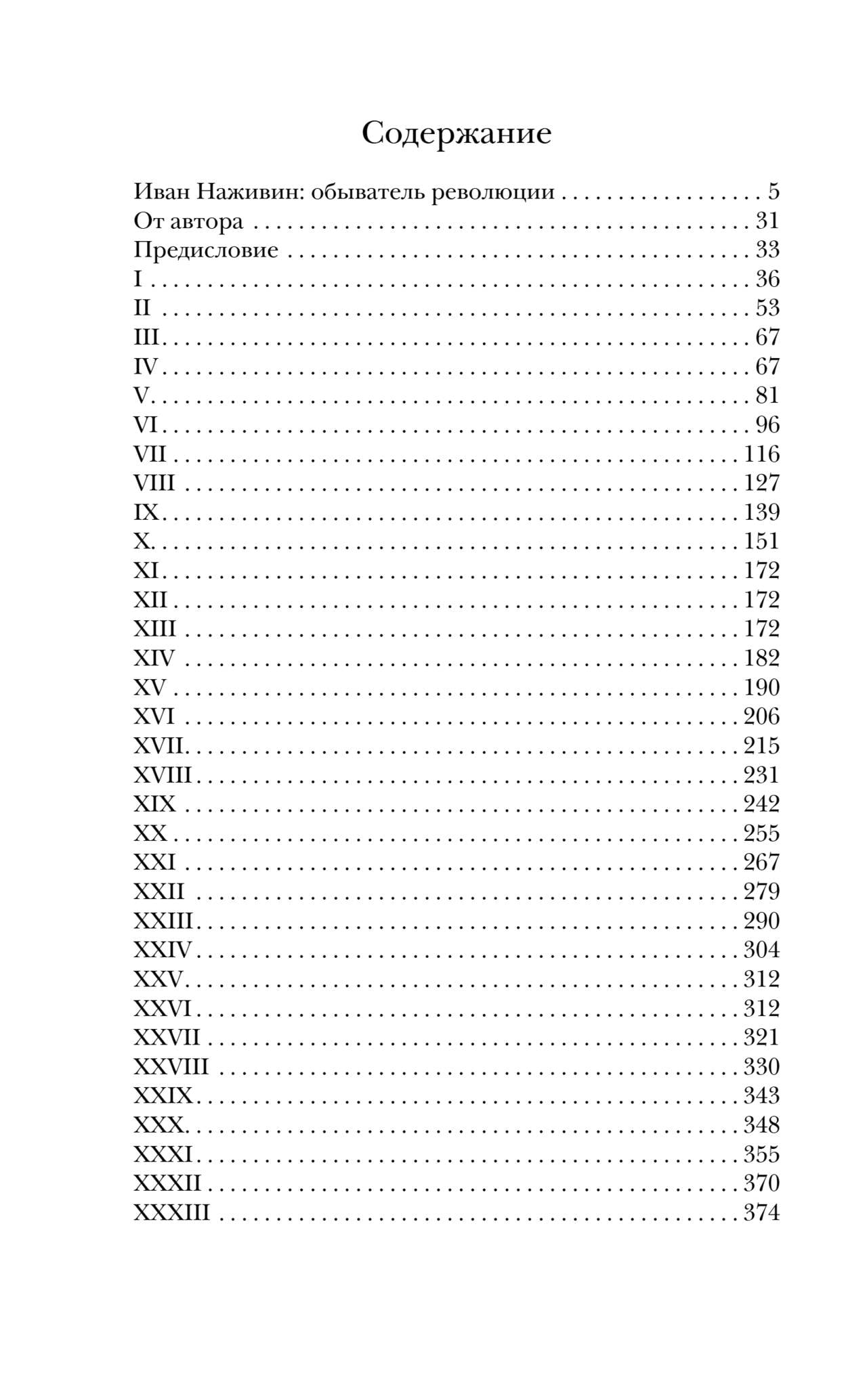
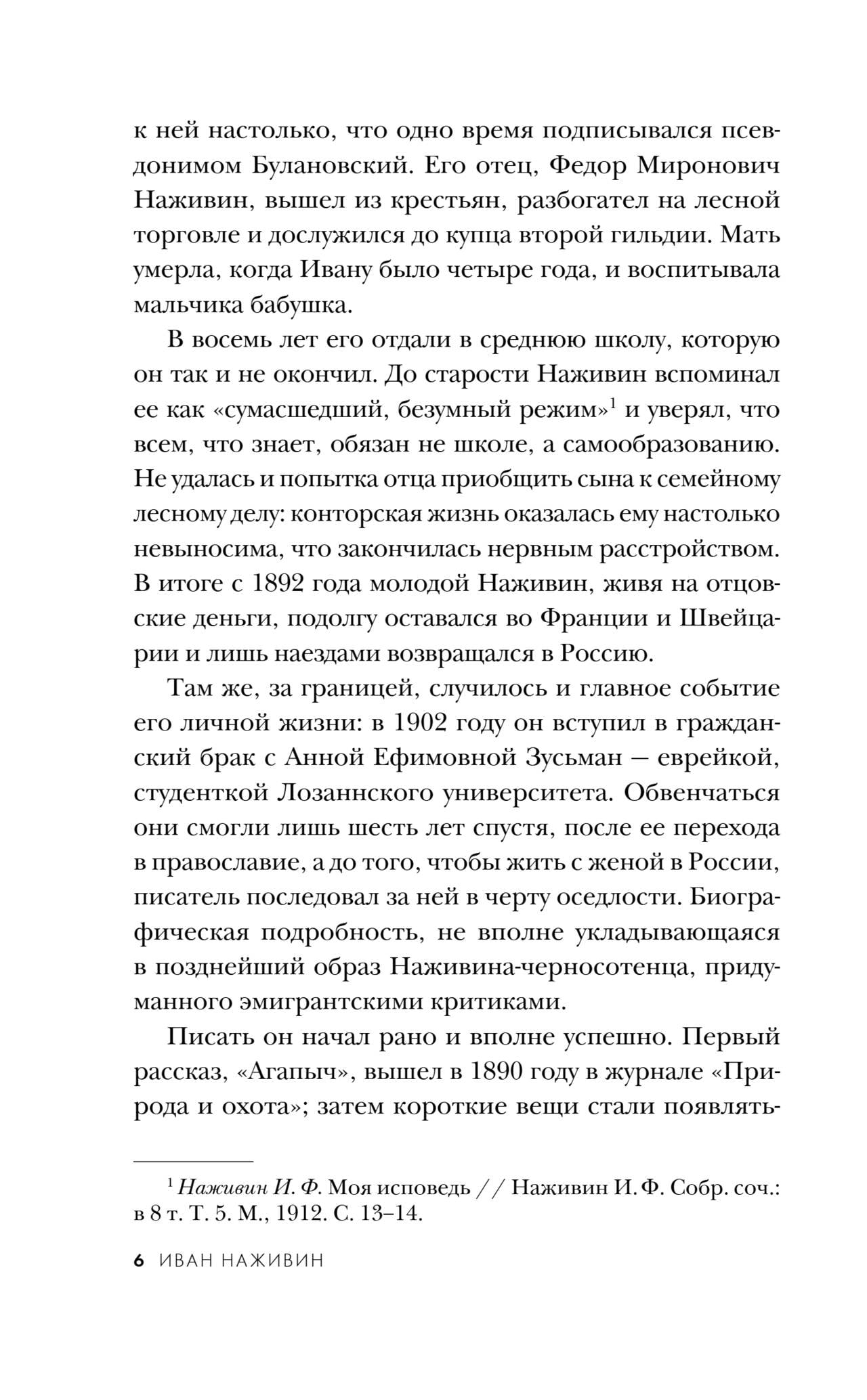
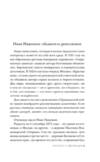
The publication is accompanied by a detailed introduction about the life and career of Ivan Nazhivin, his relationship with Leo Tolstoy, the historical context of the diary, and the reasons why the book proved inconvenient for both the Reds and the Whites.
See also:
- All books by the publisher
- All books by the author
- All books in the series Russia at a Turning Point: Books on Turning Points in History