


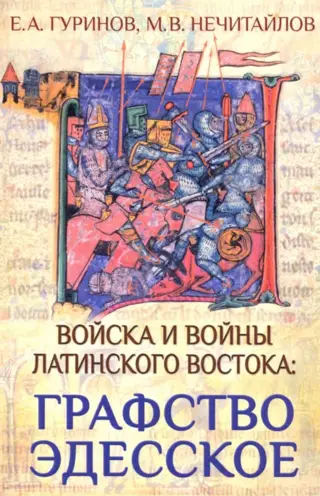
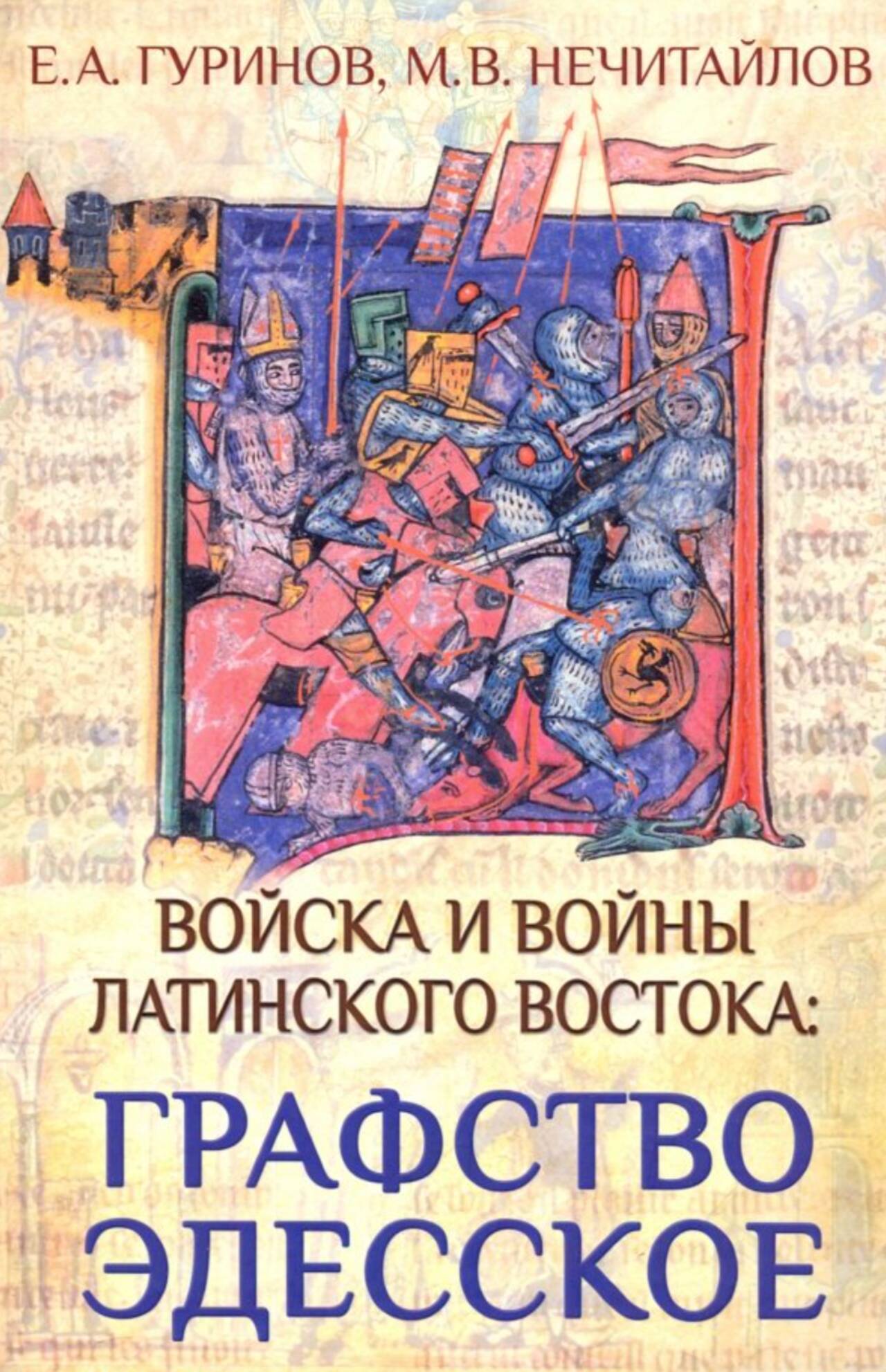

Troops and wars of the Latin East: County of Edessa – Nechitailov Maxim, Gurinov Evgeny – Clio – 2017 – ISBN 978-5-906518-16-3
Troops and wars of the Latin East: County of Edessa
29.99 €
Out of stock

Troops and wars of the Latin East: County of Edessa
29.99 €
To add a product to the waitlist, please sign in:
Log in
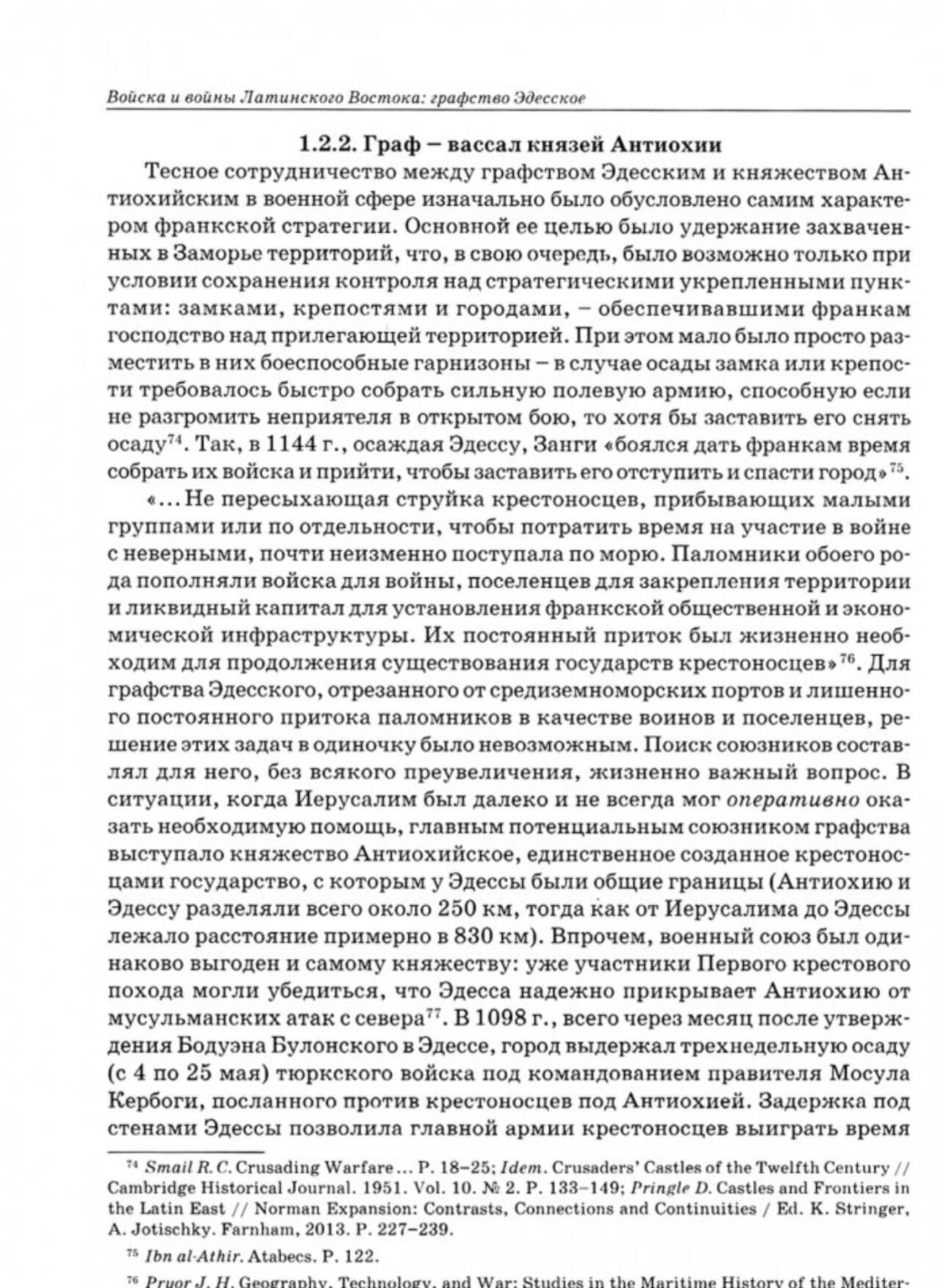
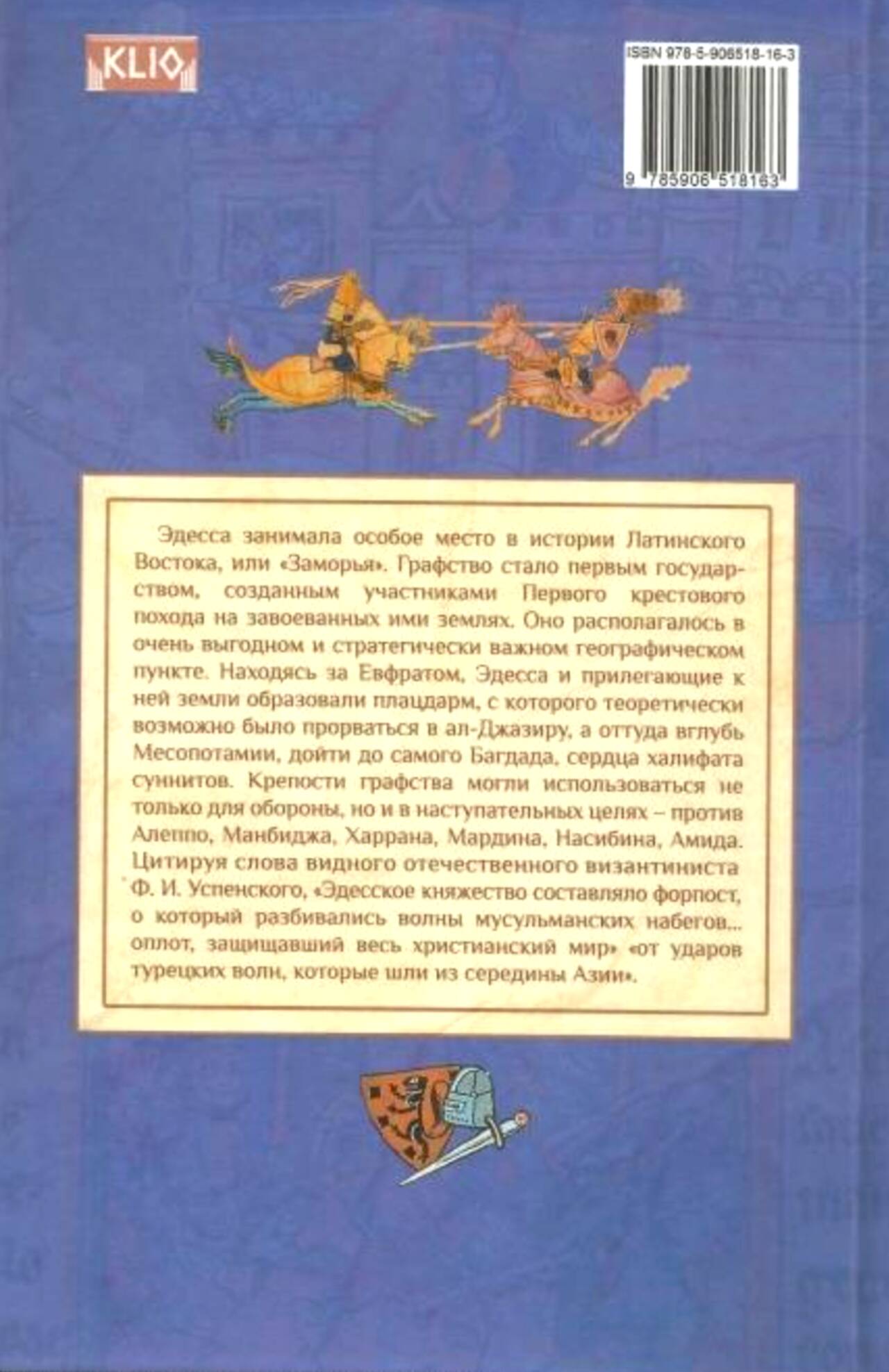
At the end of the 11th century, participants in the First Crusade (1096–1099) founded the County of Edessa, the first Latin state in the East. The history of Frankish Edessa offers a remarkable example of the successful synthesis of Western and Eastern institutions, and the long period during which the county managed to withstand constant Muslim attacks until the mid-12th century only demonstrates the resilience of the "Edesan model" of feudalism.
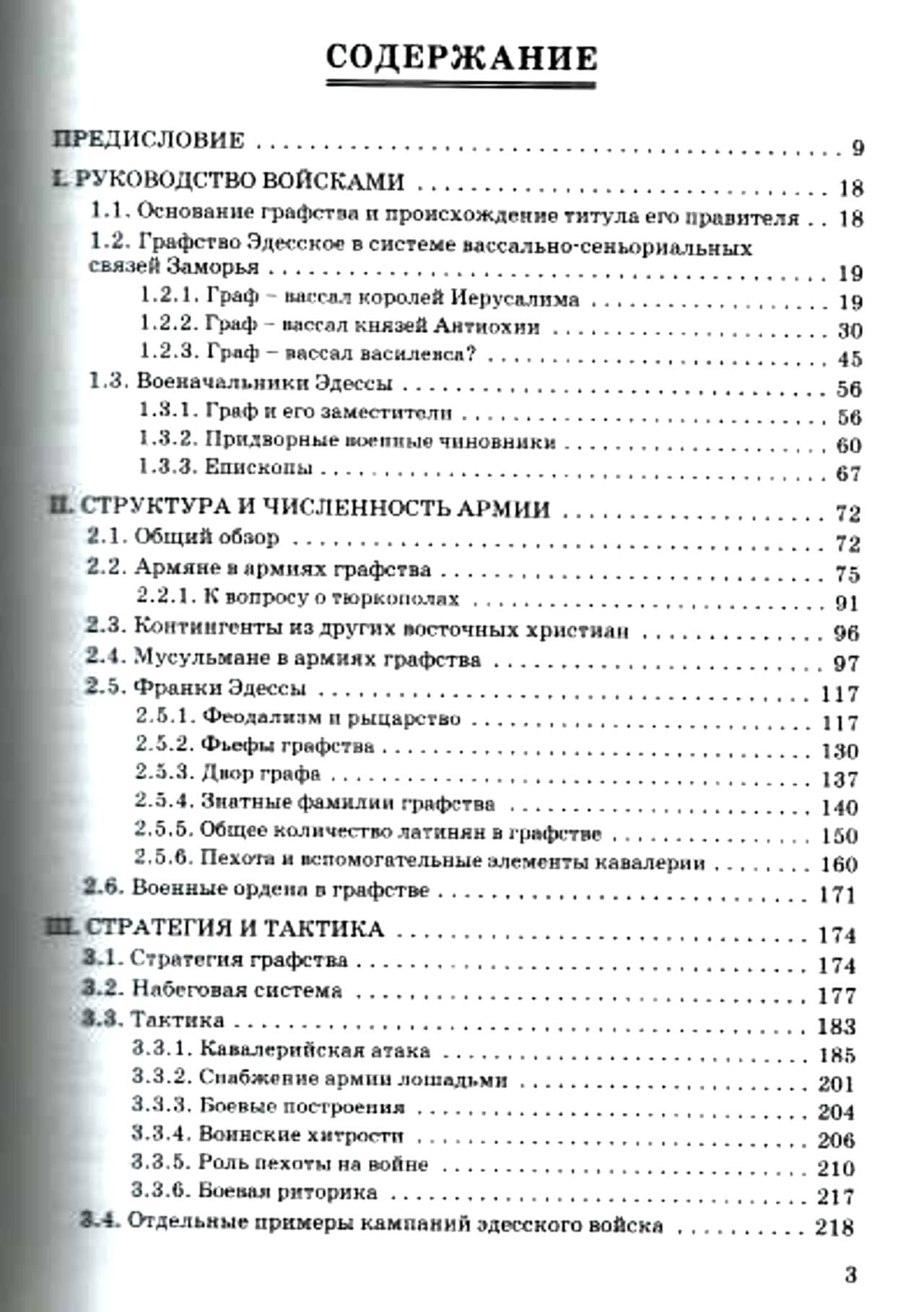
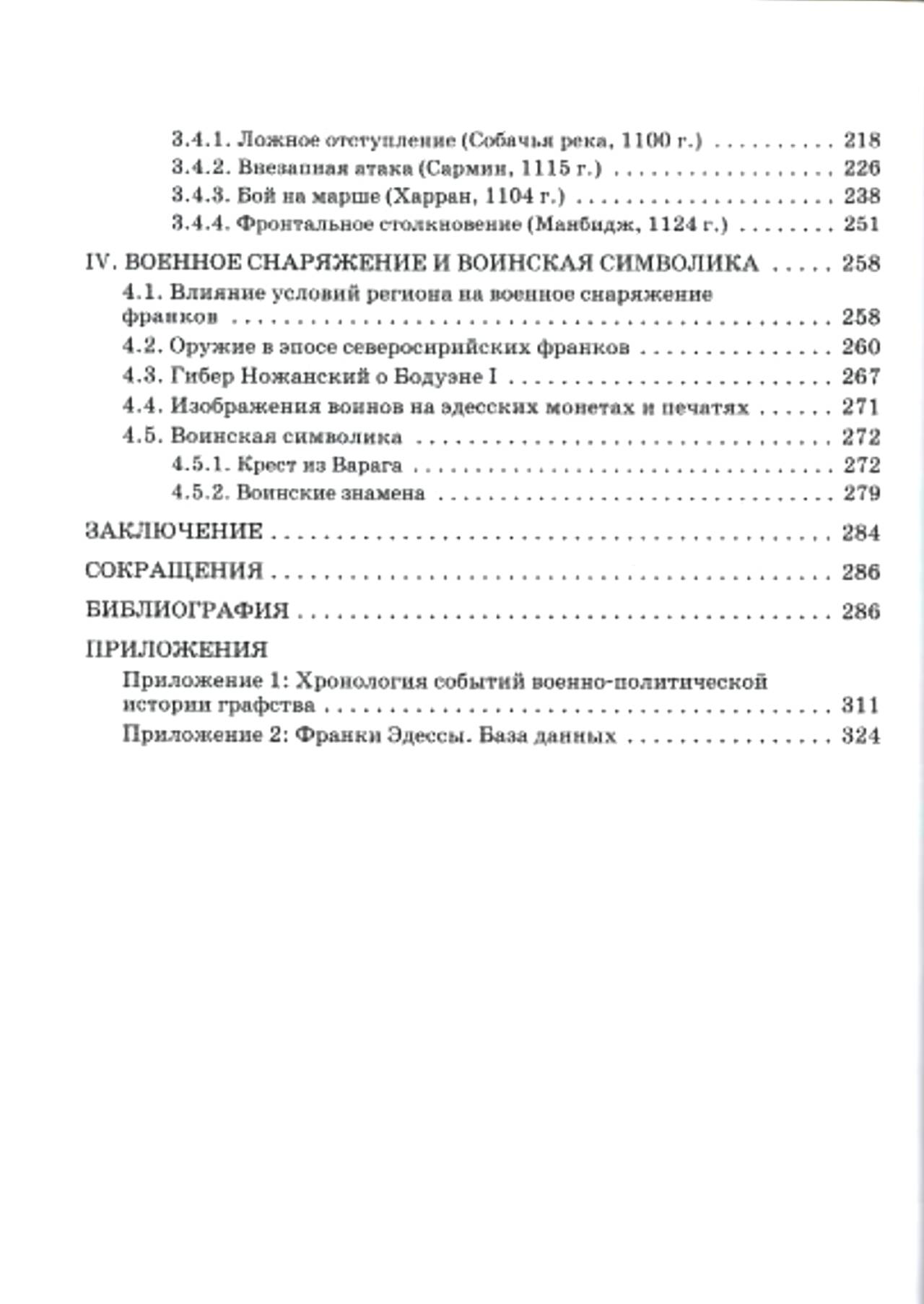
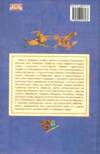
However, despite the uniqueness of the County of Edessa, until recently it has received relatively little attention in the historiography of the Crusades. This study attempts to at least partially fill this gap. Using the County of Edessa as an example, it examines the military affairs of the states founded by the crusaders. The goal of the study is to reconstruct the military organization of the County of Edessa in the late 11th and first half of the 12th centuries. The study examines such key aspects as the structure and size of the Edesan army; the use of allies and auxiliary troops from the local population; Army command, strategy, and tactics; general features and characteristics of "Edesan feudalism"; weapons, equipment, and military symbols of the Edesan army.
The book will be of interest to both professional historians and a general readership interested in the history of the Crusades and the Latin overseas region.
However, despite the uniqueness of the County of Edessa, until recently it has received relatively little attention in the historiography of the Crusades. This study attempts to at least partially fill this gap. Using the County of Edessa as an example, it examines the military affairs of the states founded by the crusaders. The goal of the study is to reconstruct the military organization of the County of Edessa in the late 11th and first half of the 12th centuries. The study examines such key aspects as the structure and size of the Edesan army; the use of allies and auxiliary troops from the local population; Army command, strategy, and tactics; general features and characteristics of "Edesan feudalism"; weapons, equipment, and military symbols of the Edesan army.
The book will be of interest to both professional historians and a general readership interested in the history of the Crusades and the Latin overseas region.
See also:
- All books by the publisher
- All books by the author