


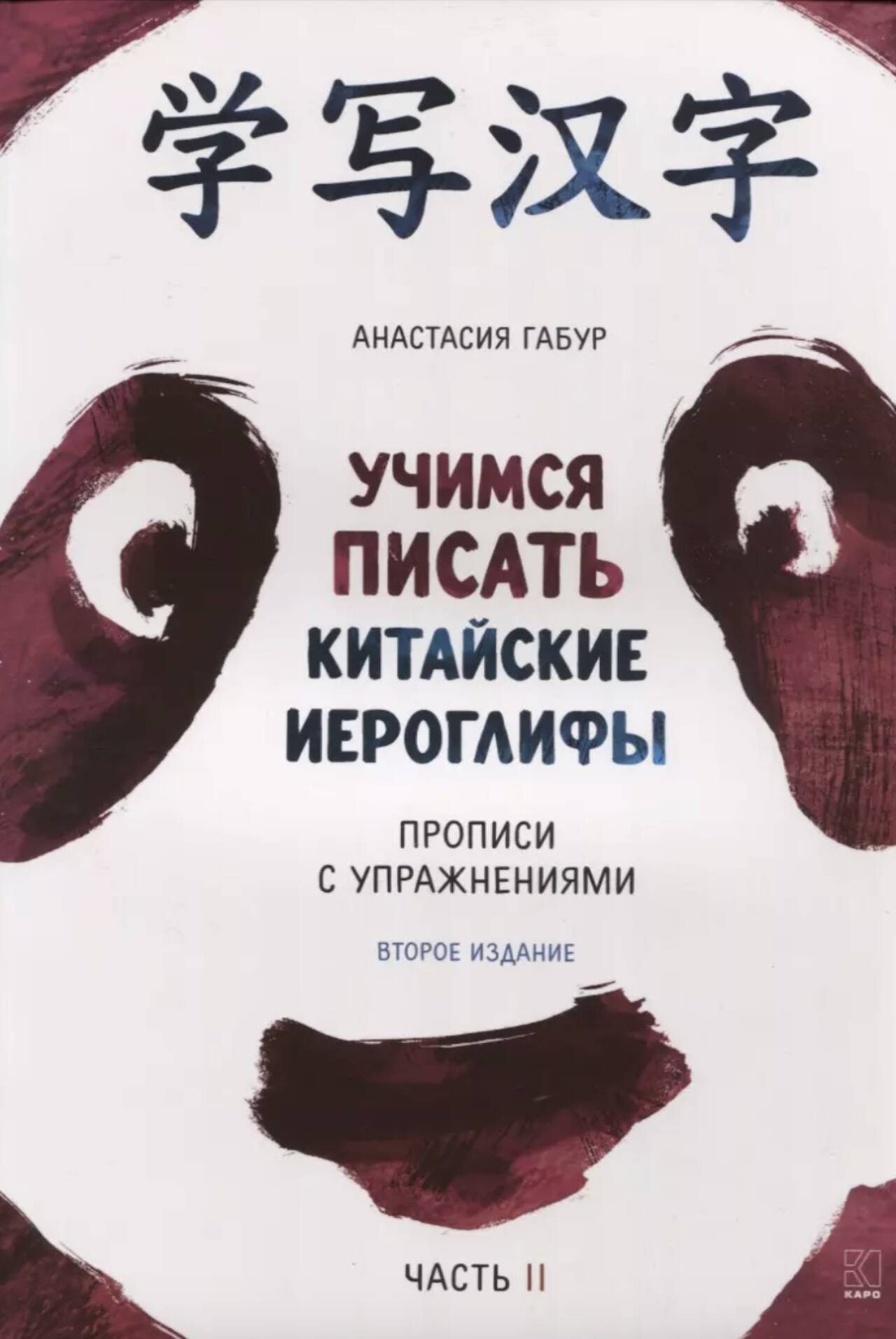
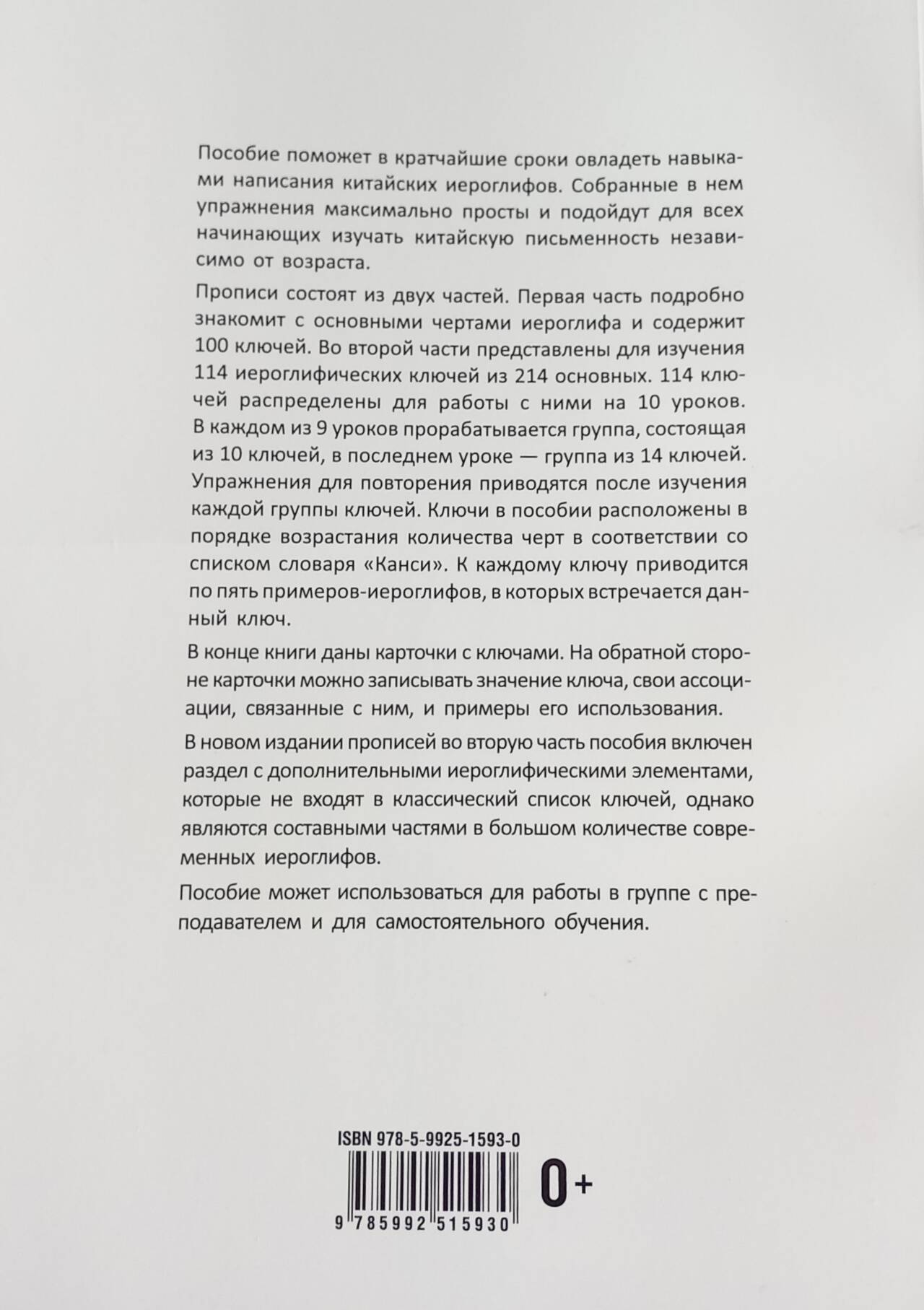
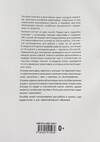
Learning to write Chinese characters. Workbooks with exercises. In two parts. Part II – Gabur Anastasia – Caro – 2023 – ISBN 978-5-9925-1593-0
Learning to write Chinese characters. Workbooks with exercises. In two parts. Part II
19.99 €
Out of stock

Learning to write Chinese characters. Workbooks with exercises. In two parts. Part II
19.99 €
To add a product to the waitlist, please sign in:
Log in
This manual will help you learn to write Chinese characters in the shortest possible time. The exercises are as simple as possible and are suitable for all beginners, regardless of age.
The first part of the copybook introduces in detail the basic features of a character and contains 100 keys.
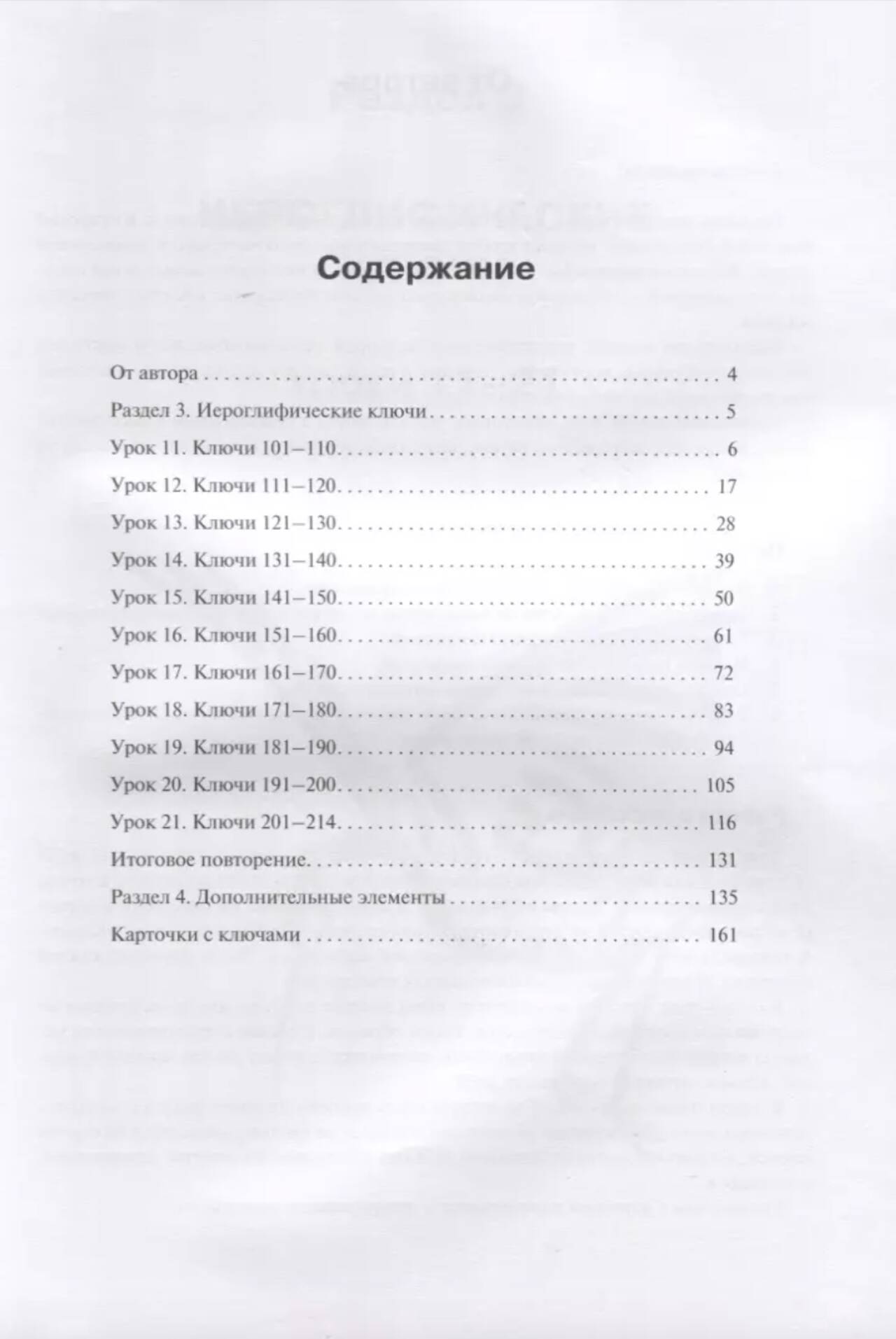
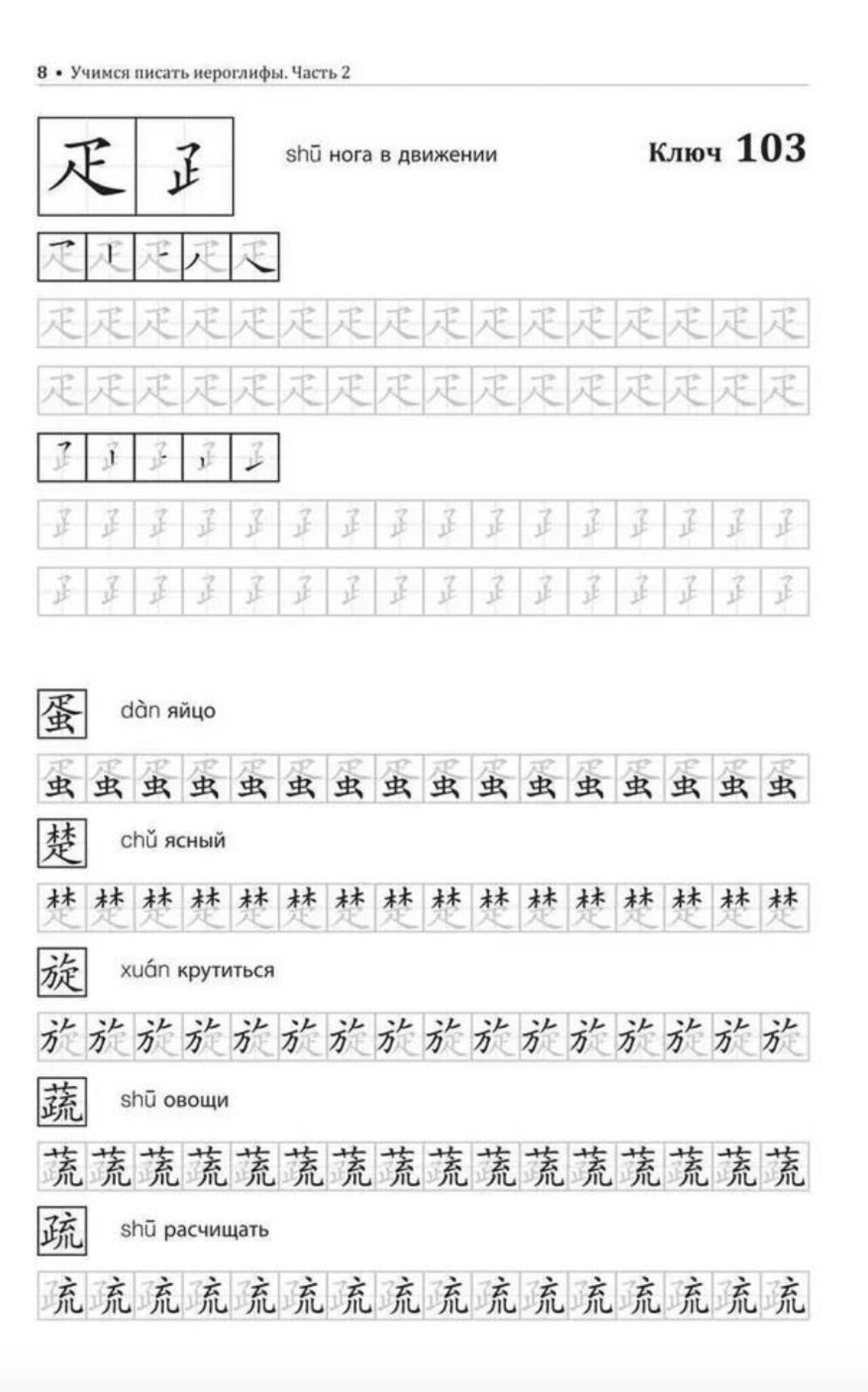
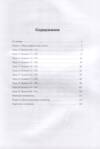
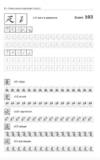
In the second part of the manual, 114 character keys out of 214 basic keys are presented for mastering. In each of the 9 lessons of the manual a group of 10 keys is studied, in the last lesson a group of 14 keys is studied. The keys in the manual are arranged in ascending order of the number of features according to the list of the Kangxi dictionary. Each key is accompanied by five examples of hieroglyphs in which the key appears. Repetition exercises are given after studying a group of 10 keys.
In the new edition of the copybooks, the second part of the manual includes a section with additional hieroglyphic elements that are not included in the classical list of keys, but are parts of a large number of modern hieroglyphs.
At the end of the book are cards with numbered keys. On the back of the card it is useful to write down the meaning of the key and examples of its use, as well as the associations associated with the key. The cards help you memorize the keys and are easy to use in any situation.
The manual can be used both for group work with a teacher and for independent study.
The first part of the copybook introduces in detail the basic features of a character and contains 100 keys.
In the second part of the manual, 114 character keys out of 214 basic keys are presented for mastering. In each of the 9 lessons of the manual a group of 10 keys is studied, in the last lesson a group of 14 keys is studied. The keys in the manual are arranged in ascending order of the number of features according to the list of the Kangxi dictionary. Each key is accompanied by five examples of hieroglyphs in which the key appears. Repetition exercises are given after studying a group of 10 keys.
In the new edition of the copybooks, the second part of the manual includes a section with additional hieroglyphic elements that are not included in the classical list of keys, but are parts of a large number of modern hieroglyphs.
At the end of the book are cards with numbered keys. On the back of the card it is useful to write down the meaning of the key and examples of its use, as well as the associations associated with the key. The cards help you memorize the keys and are easy to use in any situation.
The manual can be used both for group work with a teacher and for independent study.
See also:
- All books by the publisher
- All books by the author