


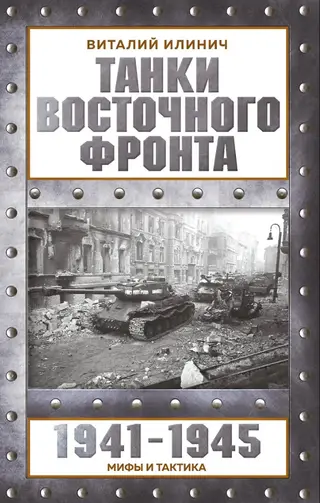
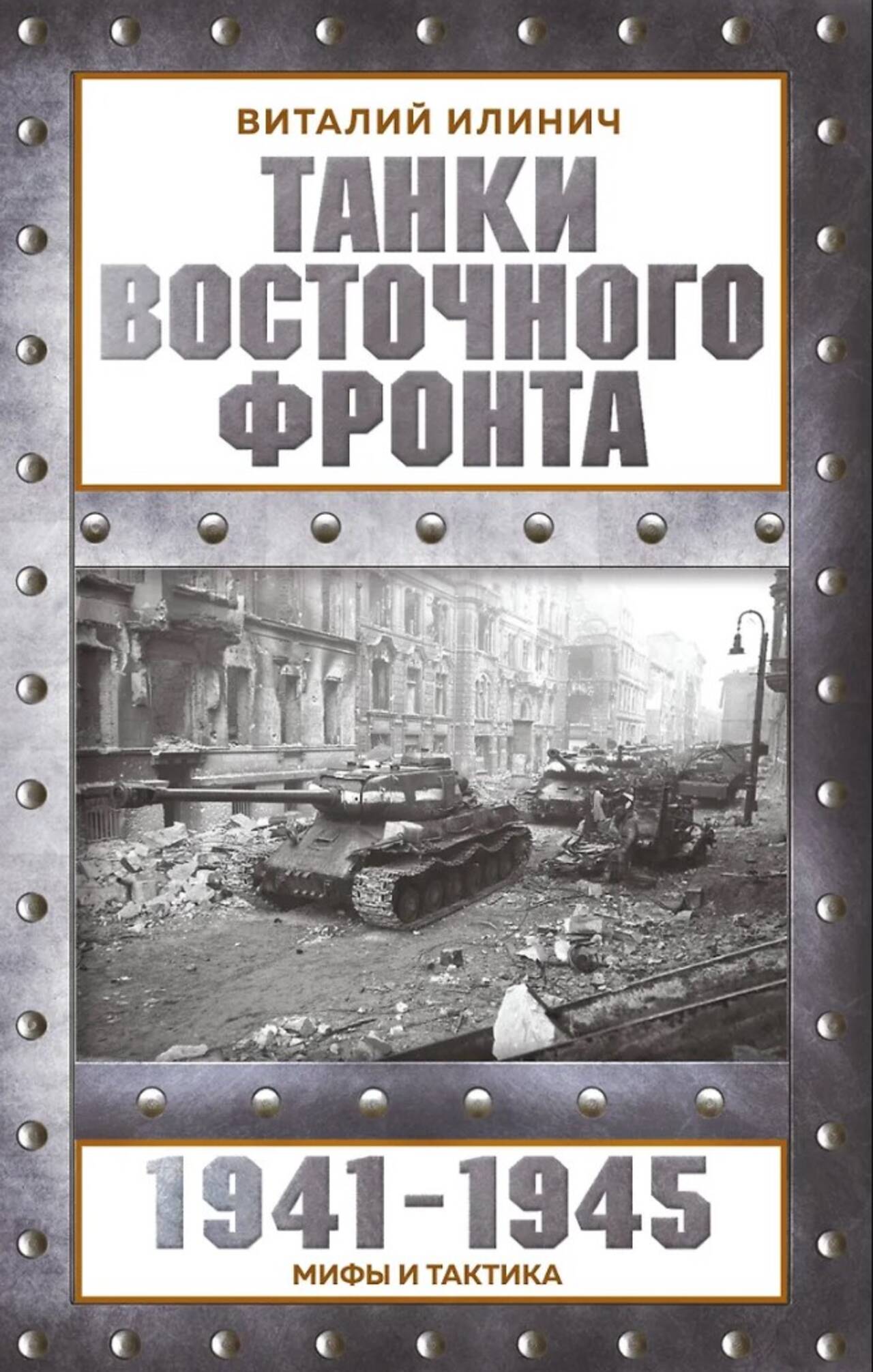
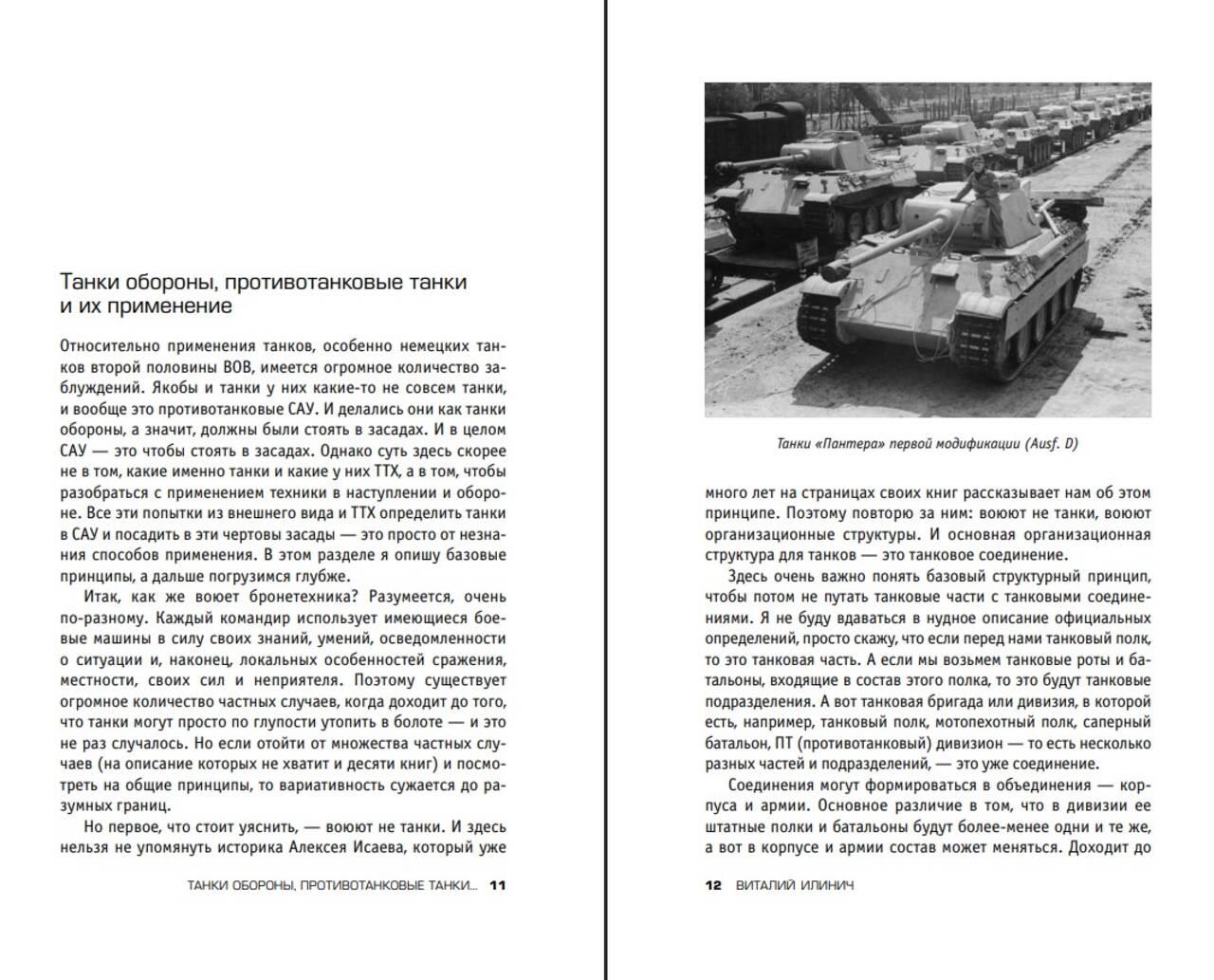
Tanks of the Eastern Front 1941-1945: Myths and Tactics – Ilinich Vitaly – Eksmo – 2026 – ISBN 978-5-04-243989-6
Tanks of the Eastern Front 1941-1945: Myths and Tactics
9.99 €
Out of stock

Tanks of the Eastern Front 1941-1945: Myths and Tactics
9.99 €
To add a product to the waitlist, please sign in:
Log in
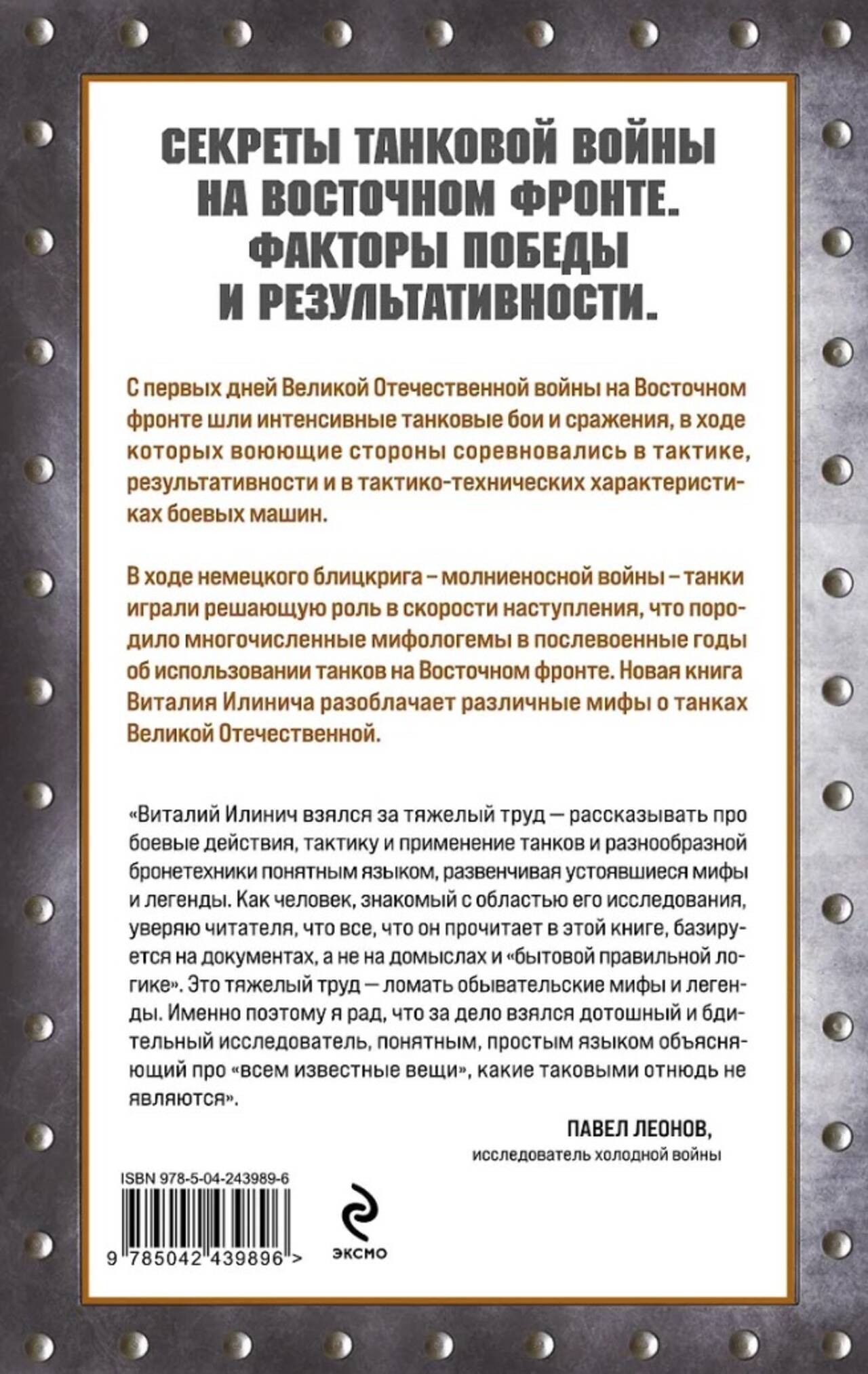
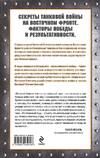
From the first days of the Great Patriotic War, intense tank battles and engagements raged on the Eastern Front, with the warring sides competing in tactics, effectiveness, and the performance characteristics of their combat vehicles.
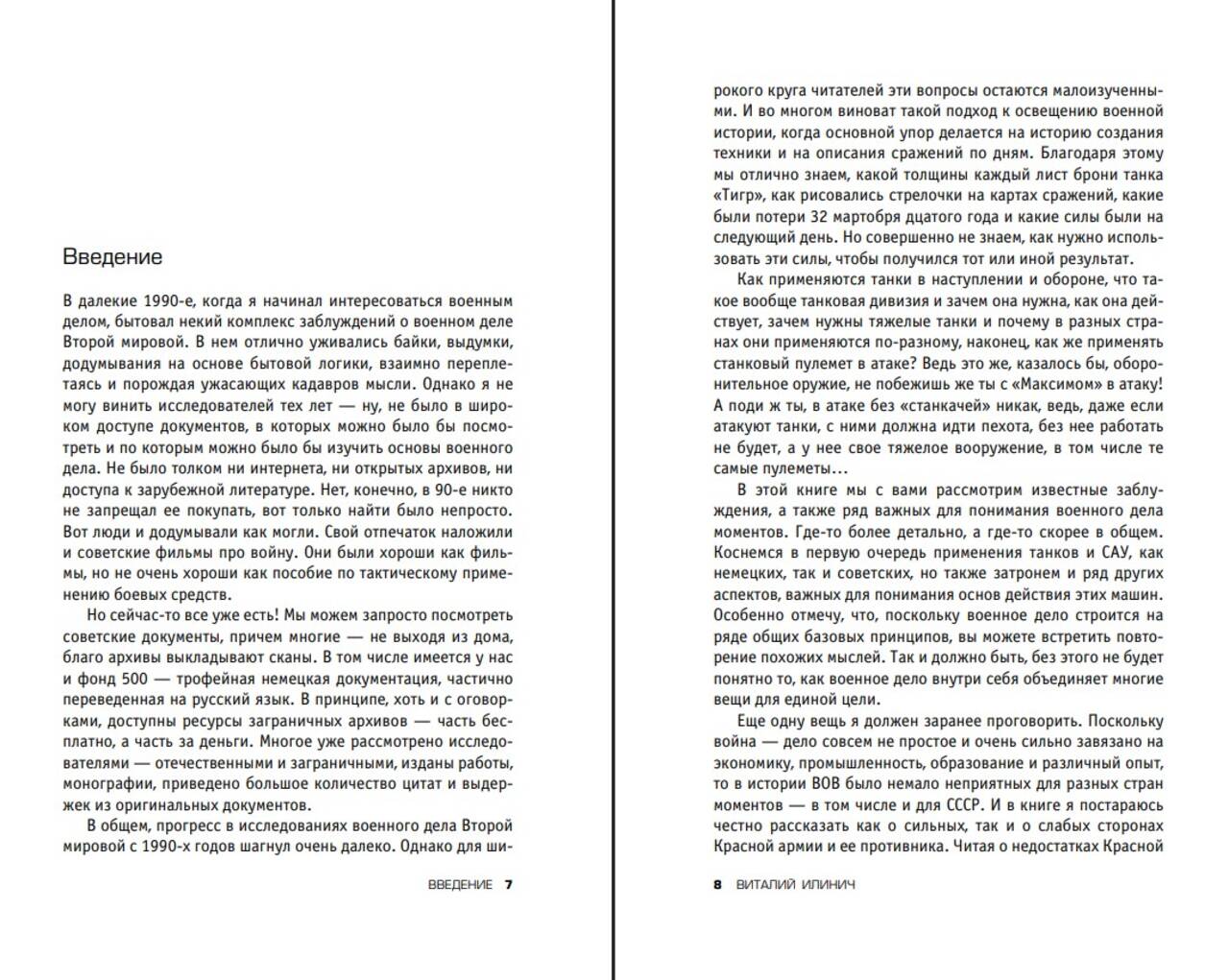
During the German Blitzkrieg—a lightning war—tanks played a decisive role in the speed of advance, giving rise to numerous myths in the postwar years about the use of tanks on the Eastern Front. Vitaly Ilinich's new book debunks various myths about tanks during the Great Patriotic War.
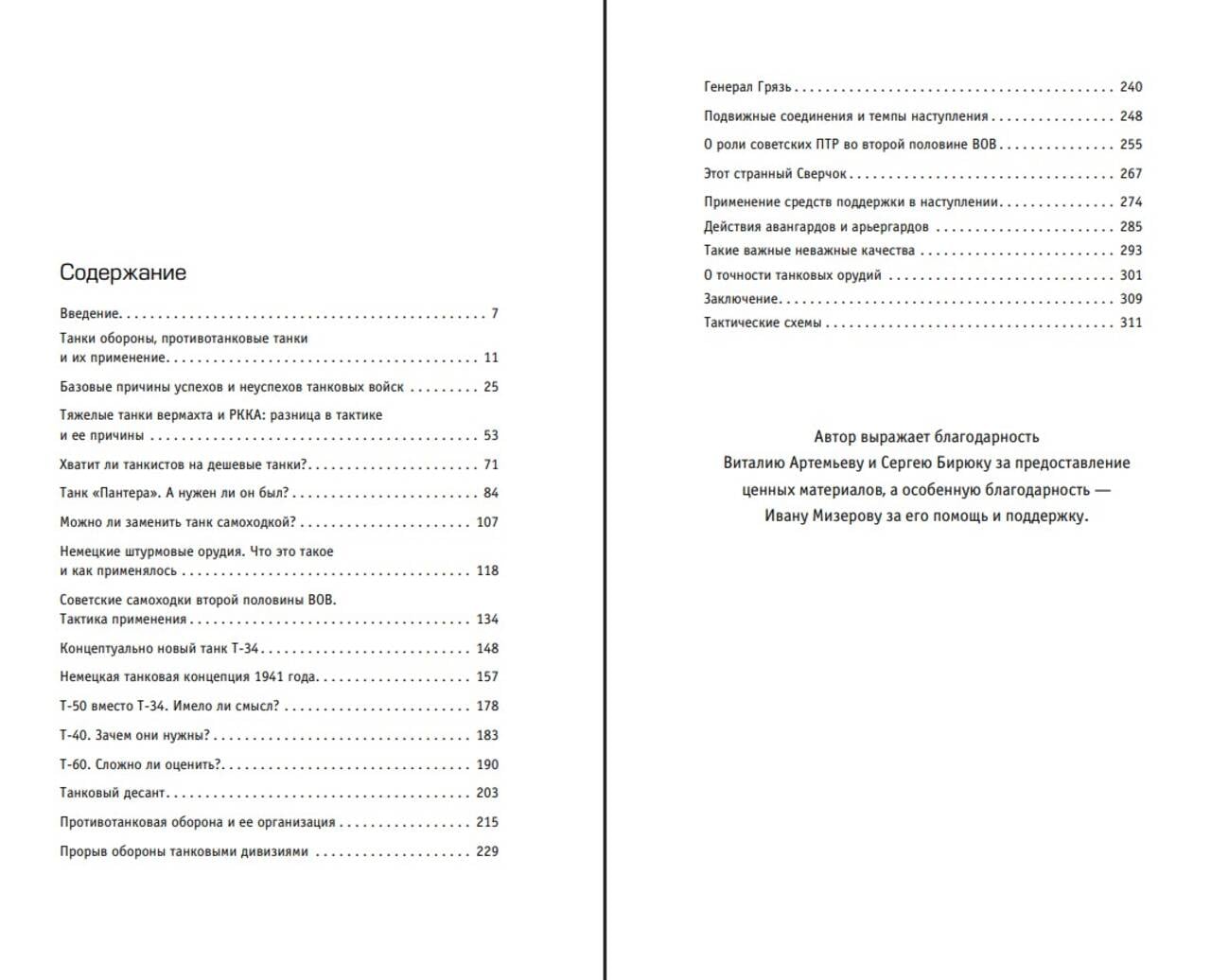
The author explores little-known factors in the use of tanks and assault guns on the Eastern Front. The author demonstrates the differences in the tactics of using heavy tanks in the Wehrmacht and the Red Army, traces the use of tanks in breaking through enemy defenses, the actions of tank formations in the vanguard and rearguard of troops, analyzes the effectiveness of tanks of different models, demonstrates the differences in the armor and armament of domestic and German tanks and, of course, considers the influence of indirect factors on the outcome of battles: the passability of fords, the presence of bridges, the organization of communications and the role of tank landings.
During the German Blitzkrieg—a lightning war—tanks played a decisive role in the speed of advance, giving rise to numerous myths in the postwar years about the use of tanks on the Eastern Front. Vitaly Ilinich's new book debunks various myths about tanks during the Great Patriotic War.
The author explores little-known factors in the use of tanks and assault guns on the Eastern Front. The author demonstrates the differences in the tactics of using heavy tanks in the Wehrmacht and the Red Army, traces the use of tanks in breaking through enemy defenses, the actions of tank formations in the vanguard and rearguard of troops, analyzes the effectiveness of tanks of different models, demonstrates the differences in the armor and armament of domestic and German tanks and, of course, considers the influence of indirect factors on the outcome of battles: the passability of fords, the presence of bridges, the organization of communications and the role of tank landings.
See also:
- All books by the publisher
- All books by the author
- All books in the series Military affairs