


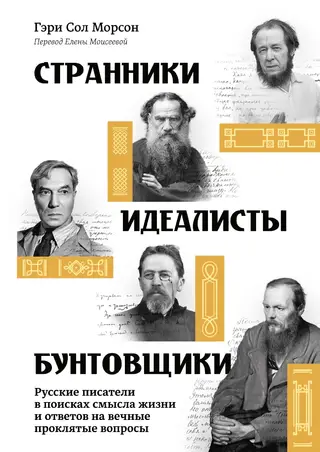
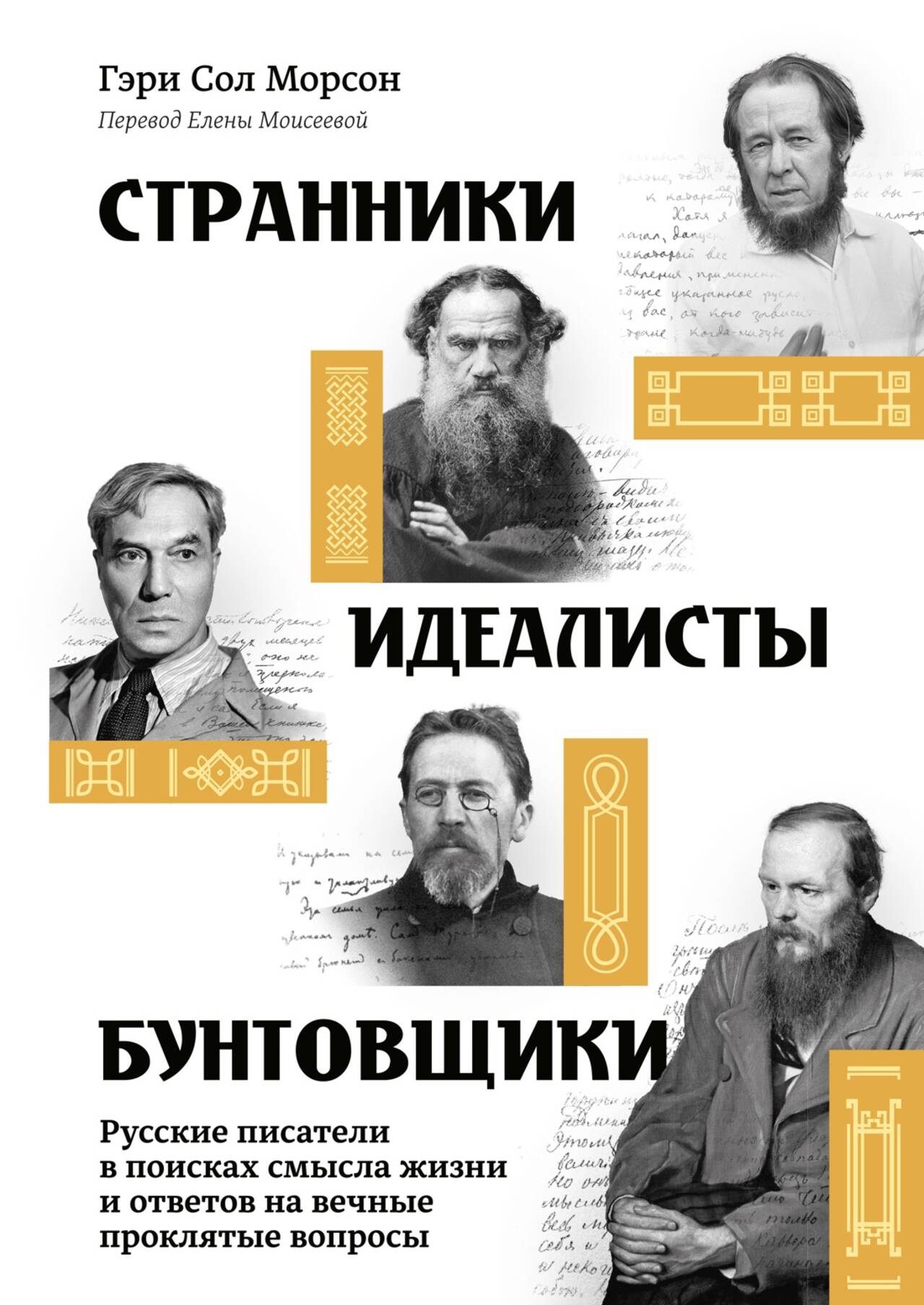
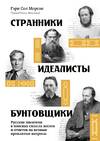
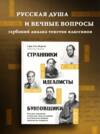

Wanderers, Idealists, Rebels: Russian Writers in Search of the Meaning of Life and Answers to Eternal Cursed Questions – Morson Gary Soule – CoLibri – 2026 – ISBN 978-5-389-29220-8
Wanderers, Idealists, Rebels: Russian Writers in Search of the Meaning of Life and Answers to Eternal Cursed Questions
39.99 €
In stock

Wanderers, Idealists, Rebels: Russian Writers in Search of the Meaning of Life and Answers to Eternal Cursed Questions
39.99 €
Under the skies of Austerlitz, Andrei Bolkonsky realizes something he hadn't realized before. Ivan Turgenev captures idealists in his works—young thinkers, romantics, and Don quixotes. Fyodor Dostoevsky's characters endlessly ponder questions of life and death and search for answers. Yevgeny Zamyatin's novel "We" pioneered the dystopian genre, while memoirs of the horrors of the Gulag or Stalinism, such as "The Steep Route" by Yevgenia Ginzburg or "Memoirs" by Nadezhda Mandelstam, are recognized as masterpieces of world literature.
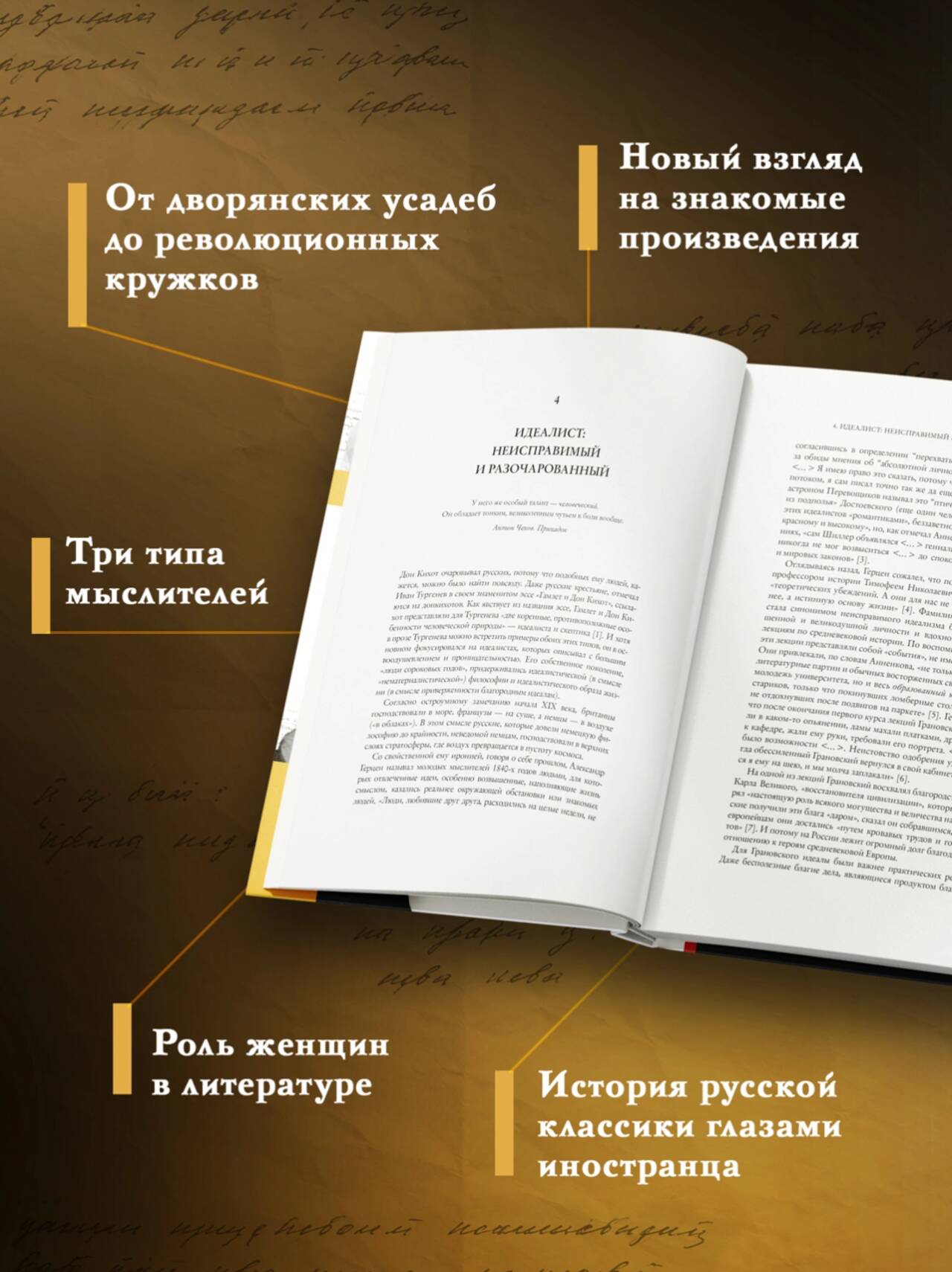
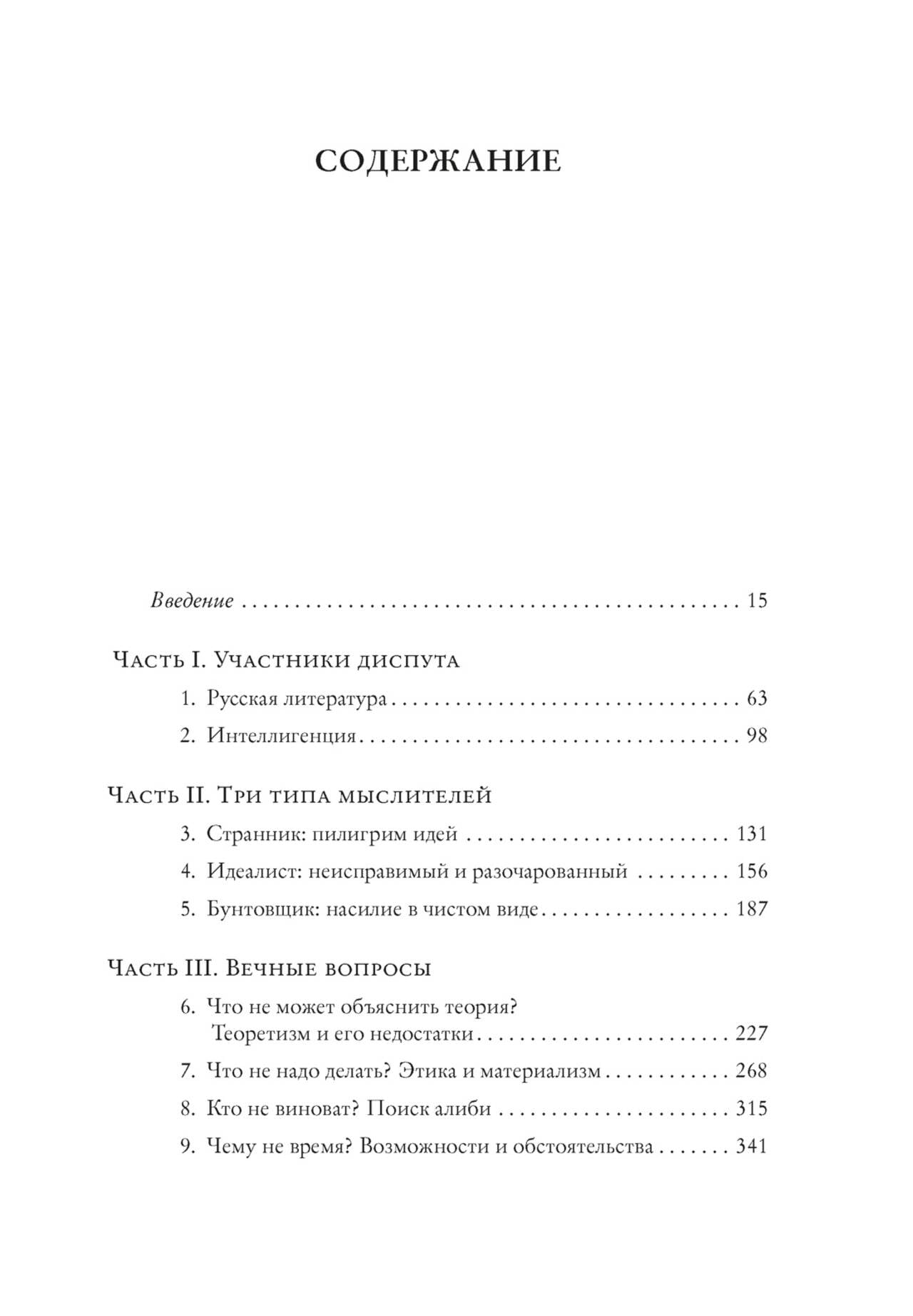
Since the 19th century, Russian classics have asked questions such as: What is good and evil? Does freedom of choice exist? How did an ideology that promised liberation lead to torture and the cellars of the NKVD? Why did innocent people sentenced to the camps continue to believe in the regime that condemned them? Is it possible to maintain faith in progress in the face of repression? Russian literature is full of such conversations and profound reflections. Many moral questions that philosophers have struggled to answer for centuries have been rendered tangible, poignant, and surprisingly complex by Russian writers, turning literature into a rich source of revelation. Book after book, timeless reflections on eternal questions stir readers' minds, touching the deepest chords of the soul and placing the works of the greatest Russian writers at the epicenter of world literature. Renowned literary scholar and Slavic scholar Gary Saul Morson invites readers on a journey through the great literary canon of the past, exploring how ideas about good, evil, freedom, and moral responsibility migrated from noble estates to revolutionary circles and Soviet reality. This book is a profound study and a captivating panorama of Russian thought, centered on the very essence of human nature. "The Russian literary tradition is a dialogue of the dead (and sometimes the living), stretching over centuries" (Gary Saul Morson).
Since the 19th century, Russian classics have asked questions such as: What is good and evil? Does freedom of choice exist? How did an ideology that promised liberation lead to torture and the cellars of the NKVD? Why did innocent people sentenced to the camps continue to believe in the regime that condemned them? Is it possible to maintain faith in progress in the face of repression? Russian literature is full of such conversations and profound reflections. Many moral questions that philosophers have struggled to answer for centuries have been rendered tangible, poignant, and surprisingly complex by Russian writers, turning literature into a rich source of revelation. Book after book, timeless reflections on eternal questions stir readers' minds, touching the deepest chords of the soul and placing the works of the greatest Russian writers at the epicenter of world literature. Renowned literary scholar and Slavic scholar Gary Saul Morson invites readers on a journey through the great literary canon of the past, exploring how ideas about good, evil, freedom, and moral responsibility migrated from noble estates to revolutionary circles and Soviet reality. This book is a profound study and a captivating panorama of Russian thought, centered on the very essence of human nature. "The Russian literary tradition is a dialogue of the dead (and sometimes the living), stretching over centuries" (Gary Saul Morson).
See also:
- All books by the publisher
- All books by the author