


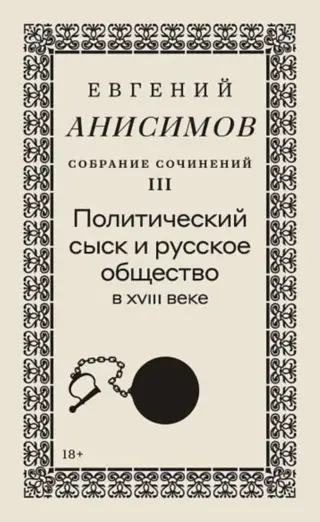
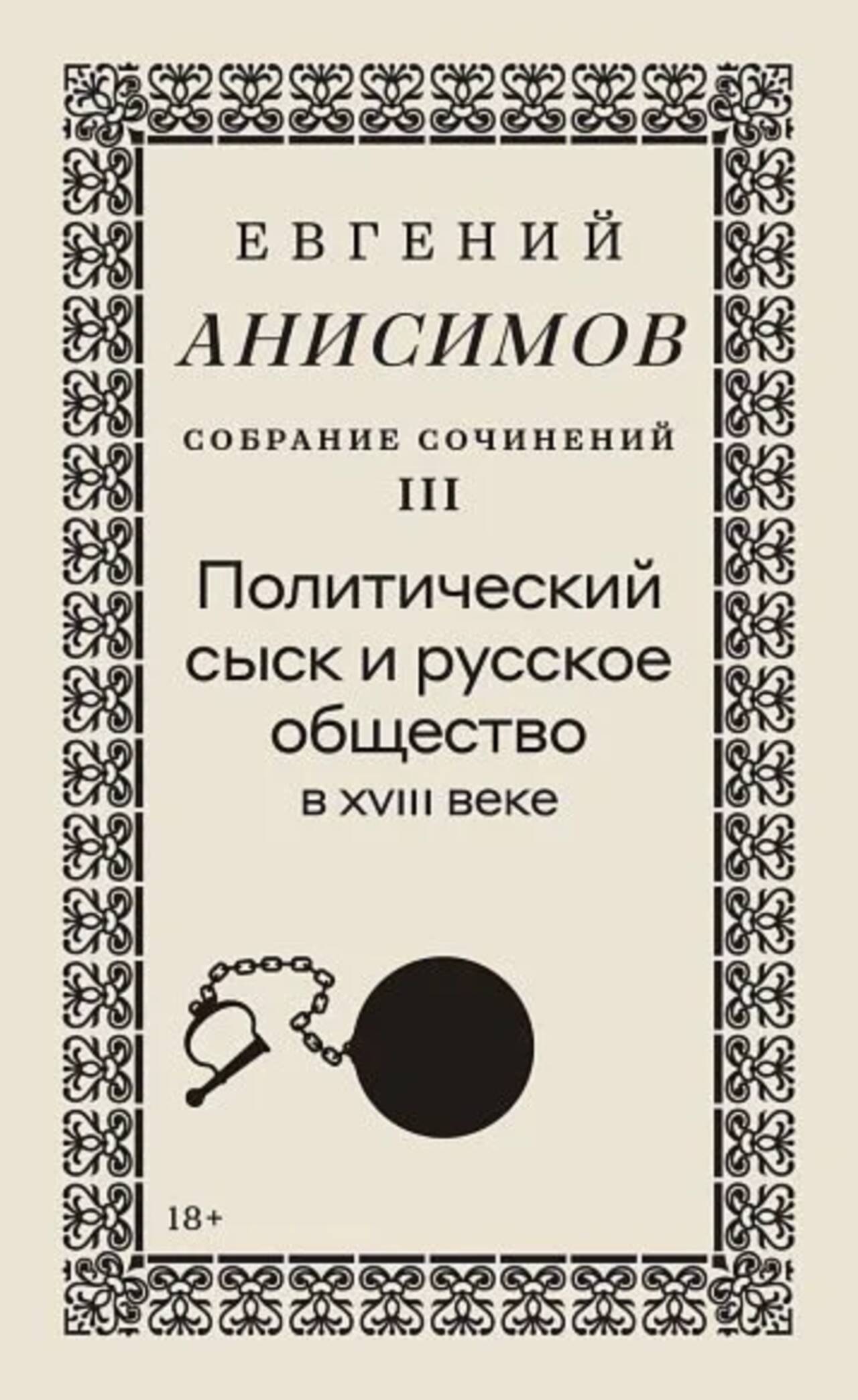
A collection of essays. Volume 3. Political exile and Russian society in the 18th century – Anisimov Evgeny – New Literary Review – 2026 – ISBN 978-5-4448-2779-6
A collection of essays. Volume 3. Political exile and Russian society in the 18th century
19.99 €
In stock

A collection of essays. Volume 3. Political exile and Russian society in the 18th century
19.99 €
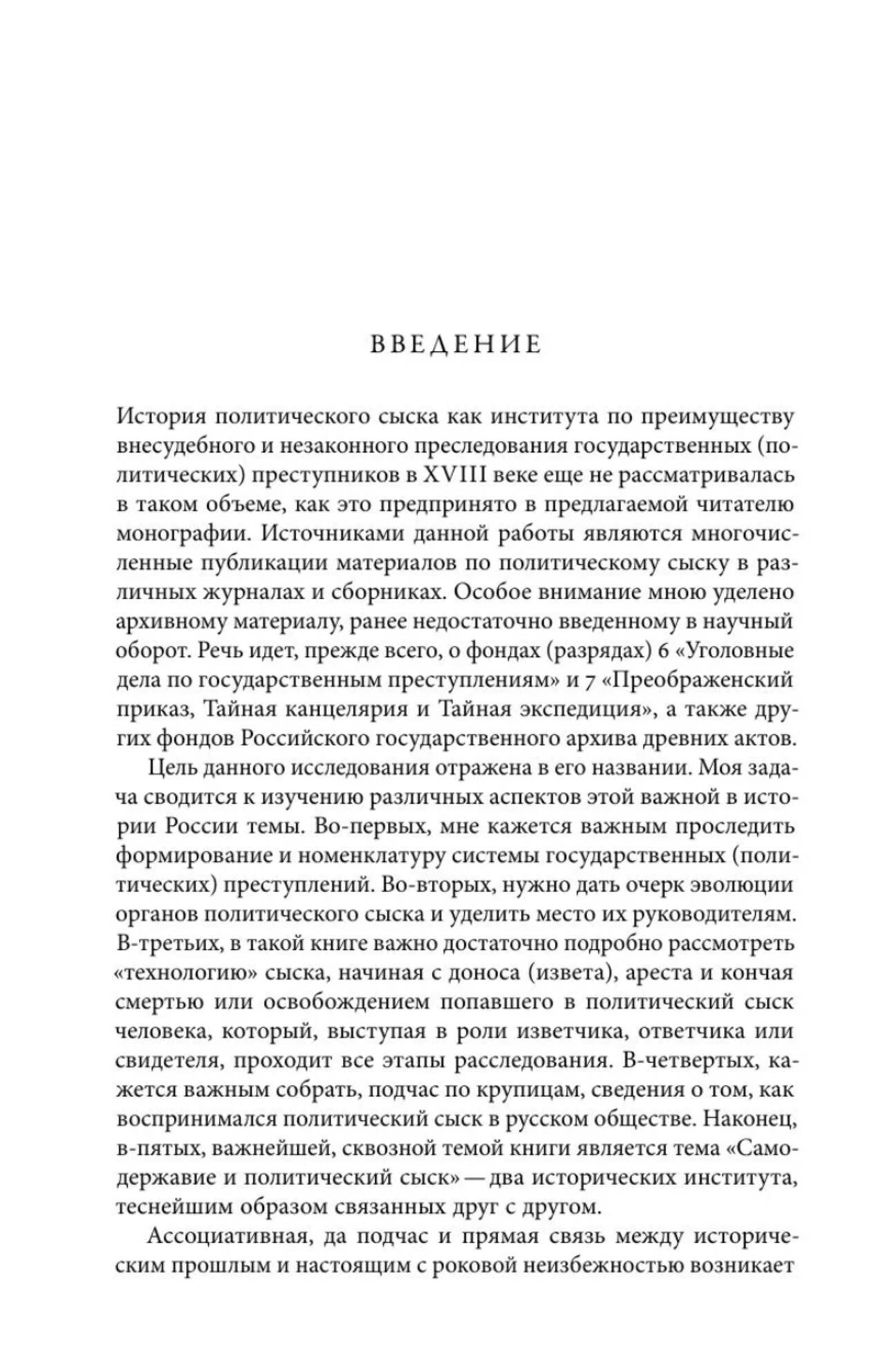
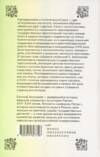
The distinguished historian Evgeny Anisimov, a specialist in Russian history of the 17th and 18th centuries and the author of several hundred scholarly publications, is one of the few scholars to have found a delicate balance between academic research and education. The personality and reforms of Peter the Great, the history of political investigation in Russia, the role of women on the Russian throne, and the fates of Russian political figures—the author examines a multitude of subjects crucial to understanding the tortuous paths of Russian modernization. Each volume of his collected works is a separate monograph devoted to a particular aspect of this complex topic. Drawing on archival sources and the preceding historiographical tradition, Evgeny Anisimov describes the distant past as a living era, closely connected to the present. Autocracy and political investigation are two historical institutions intimately intertwined. The purpose of investigation (a system of extrajudicial and illegal prosecution of state crimes) was, above all, to protect the monarch and suppress not only political opposition but also any doubts among subjects about the legitimacy of the actions of the supreme authority. All the autocrats of the 18th century were involved in political investigation: they opened cases, participated in interrogations, and passed sentences.
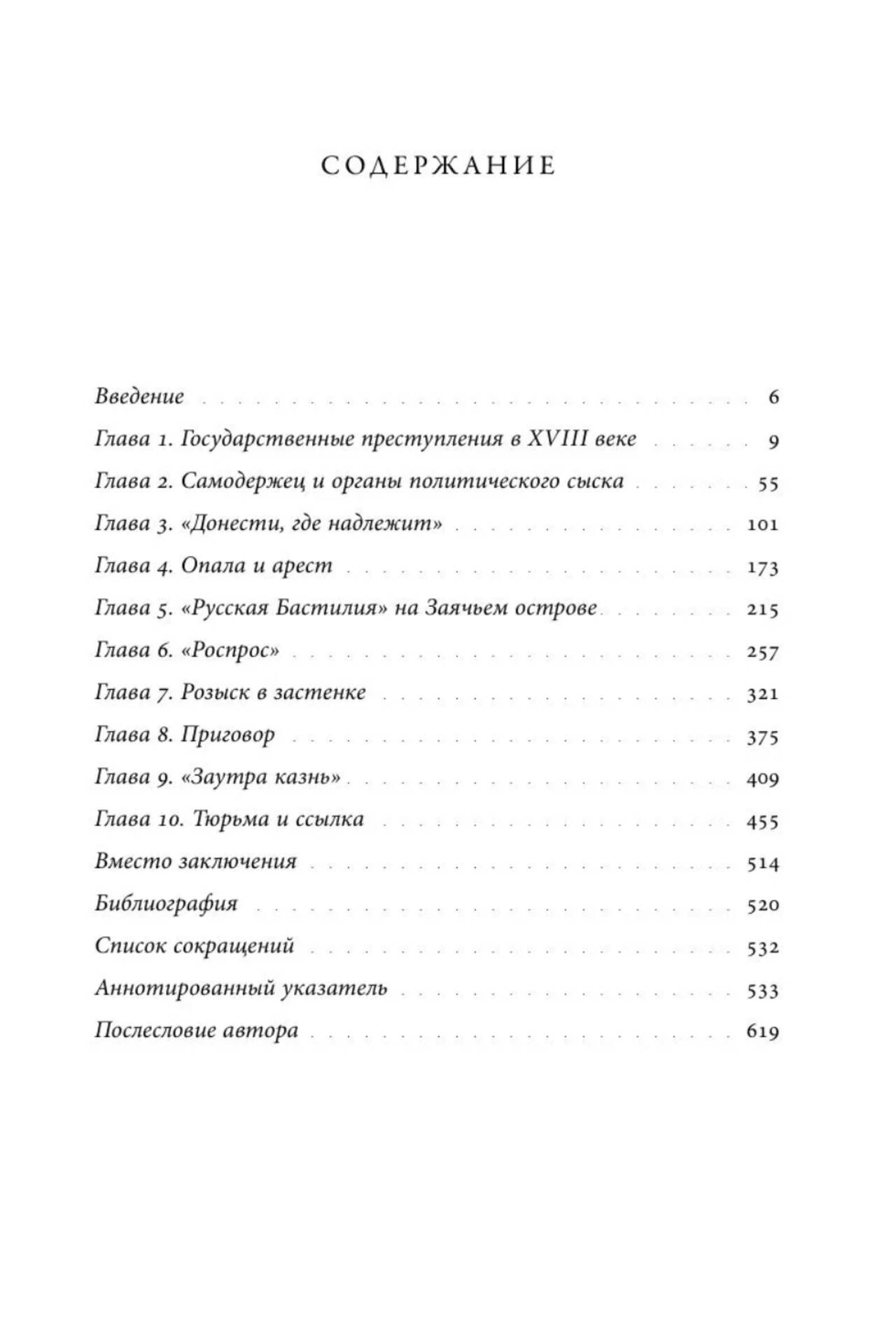
The third volume of E. Anisimov's collected works examines the classification of state crimes, the evolution of political investigation agencies, and investigative practices: denunciation, arrest, interrogation, investigation, torture, sentencing, execution, or exile. By consistently reconstructing all these stages, the historian seeks to show how the roots of the system, revived by the Bolsheviks in the early 20th century and responsible for some of the most horrific chapters of its history, were formed in the 18th century.
The third volume of E. Anisimov's collected works examines the classification of state crimes, the evolution of political investigation agencies, and investigative practices: denunciation, arrest, interrogation, investigation, torture, sentencing, execution, or exile. By consistently reconstructing all these stages, the historian seeks to show how the roots of the system, revived by the Bolsheviks in the early 20th century and responsible for some of the most horrific chapters of its history, were formed in the 18th century.
See also:
- All books by the publisher
- All books by the author