


Plum Love Calendar – Tamenagu Xiongsu – ABC – 2025 – ISBN 978-5-389-28921-5
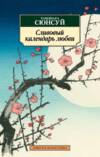
Plum Love Calendar
4.99 €
Out of stock

Plum Love Calendar
4.99 €
To add a product to the waitlist, please sign in:
Log in
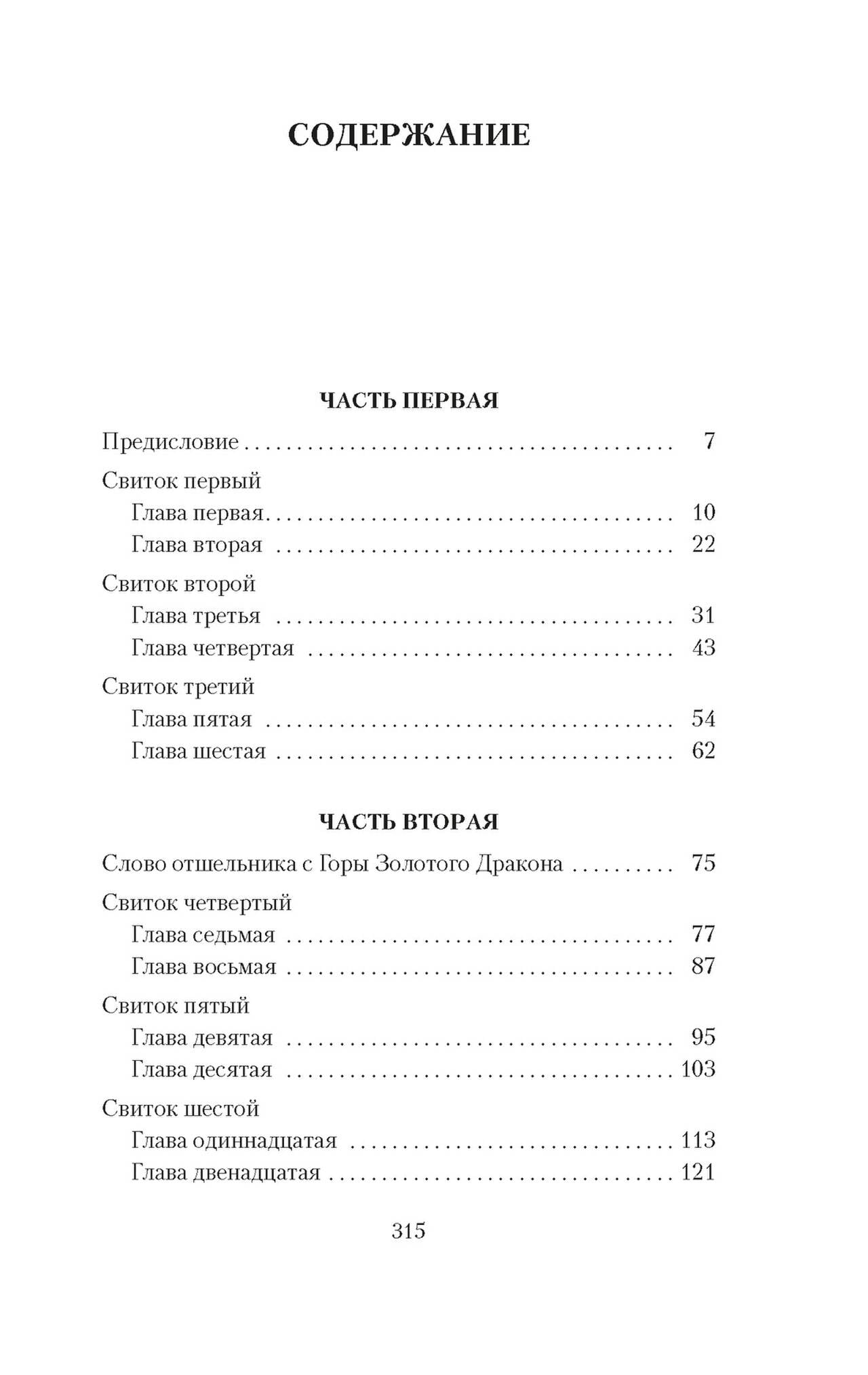
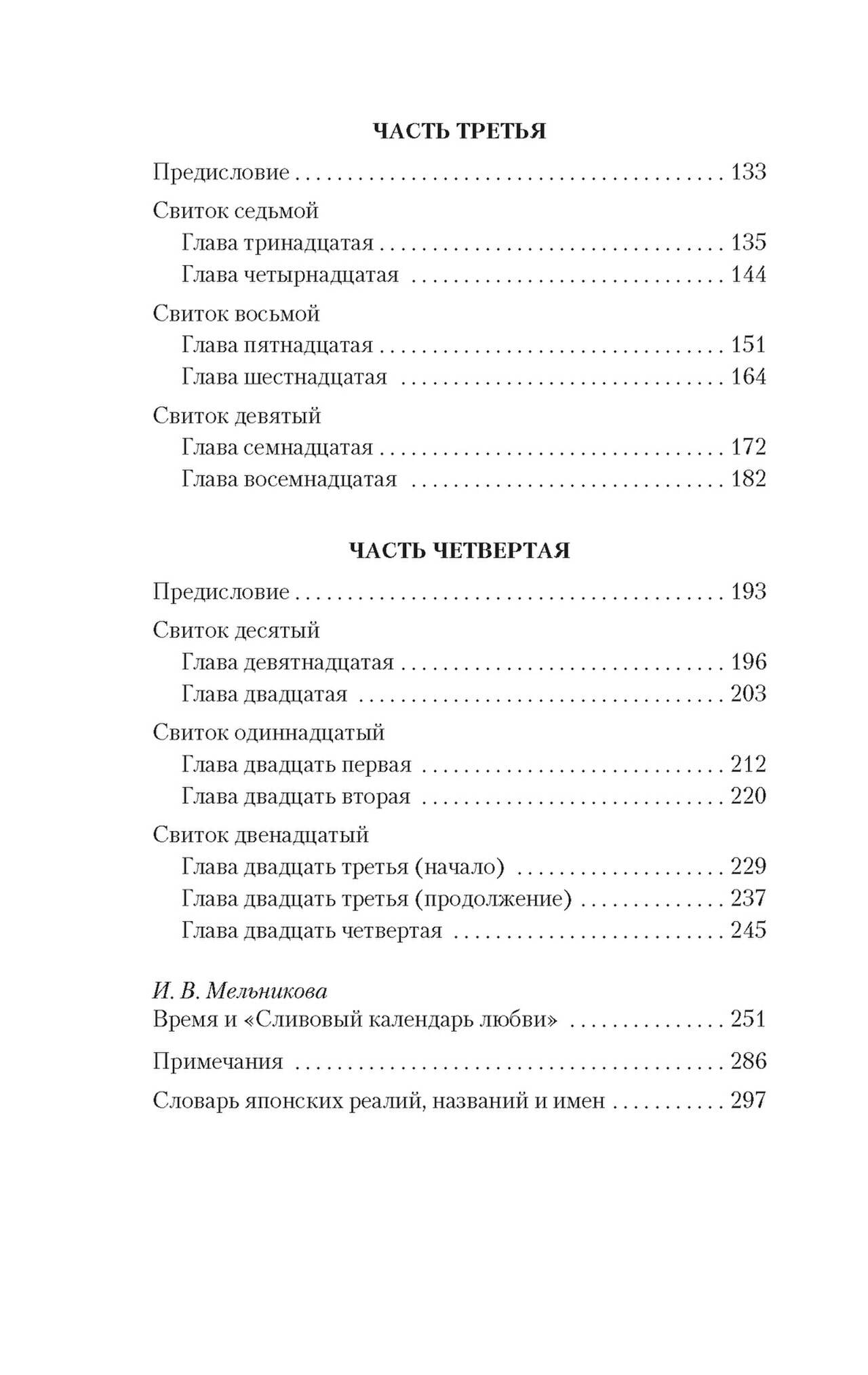
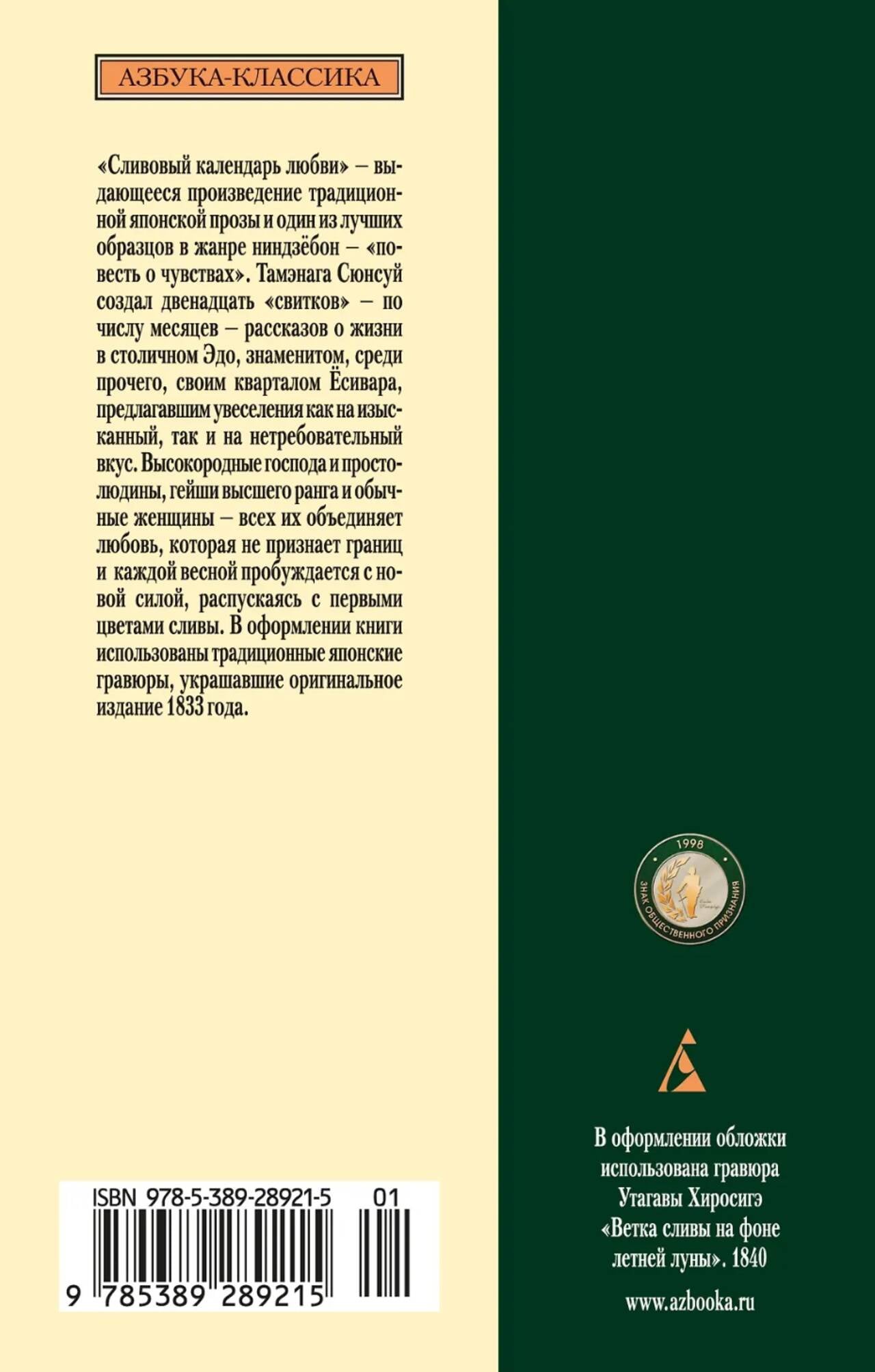
"The Plum Calendar of Love" is a remarkable work of traditional Japanese prose and one of the finest examples of the ninjōbon genre, or "stories of feelings." Tamenaga Shunsui (the pen name of Japanese novelist Sasaki Sadataka) created twelve "scrolls"—one for each month—of stories about life in the capital city of Edo, famous, among other things, for its Yoshiwara district, which offered entertainment for both the sophisticated and the undemanding. Highborn lords and commoners, high-ranking geisha and ordinary women—all are united by a love that knows no bounds and awakens with renewed vigor each spring, blooming with the first plum blossoms.
The success of ninjōbon contributed to the persecution of literature by Japanese authorities, irritated by the popularity of books that lacked a proper message. In 1842, writers, publishers, and artists were even prosecuted and subjected to punishments and fines, while books and printing blocks were burned en masse. Tamenaga Shunsui was among those subjected to particularly brutal repression and died soon after, unable to survive the shock. It was only by mid-century that Japanese writers were able to return to forbidden themes and revive lighter genres, including ninjōbon.
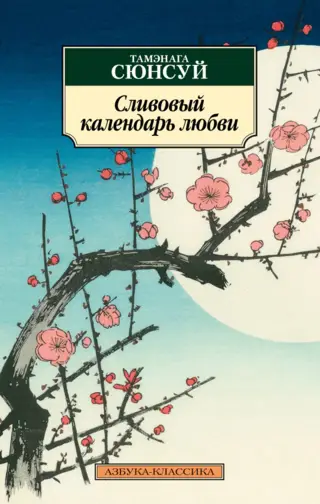
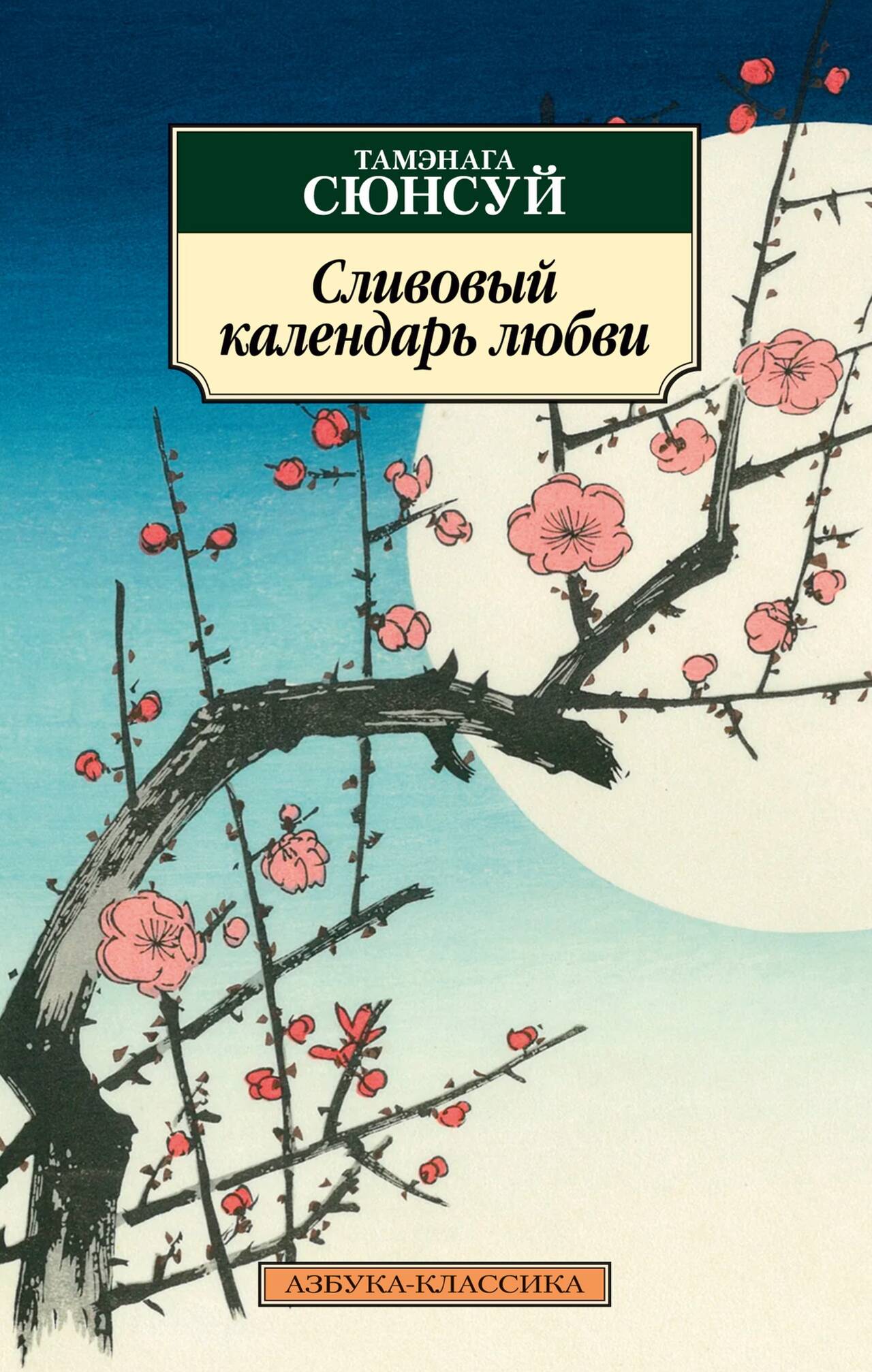
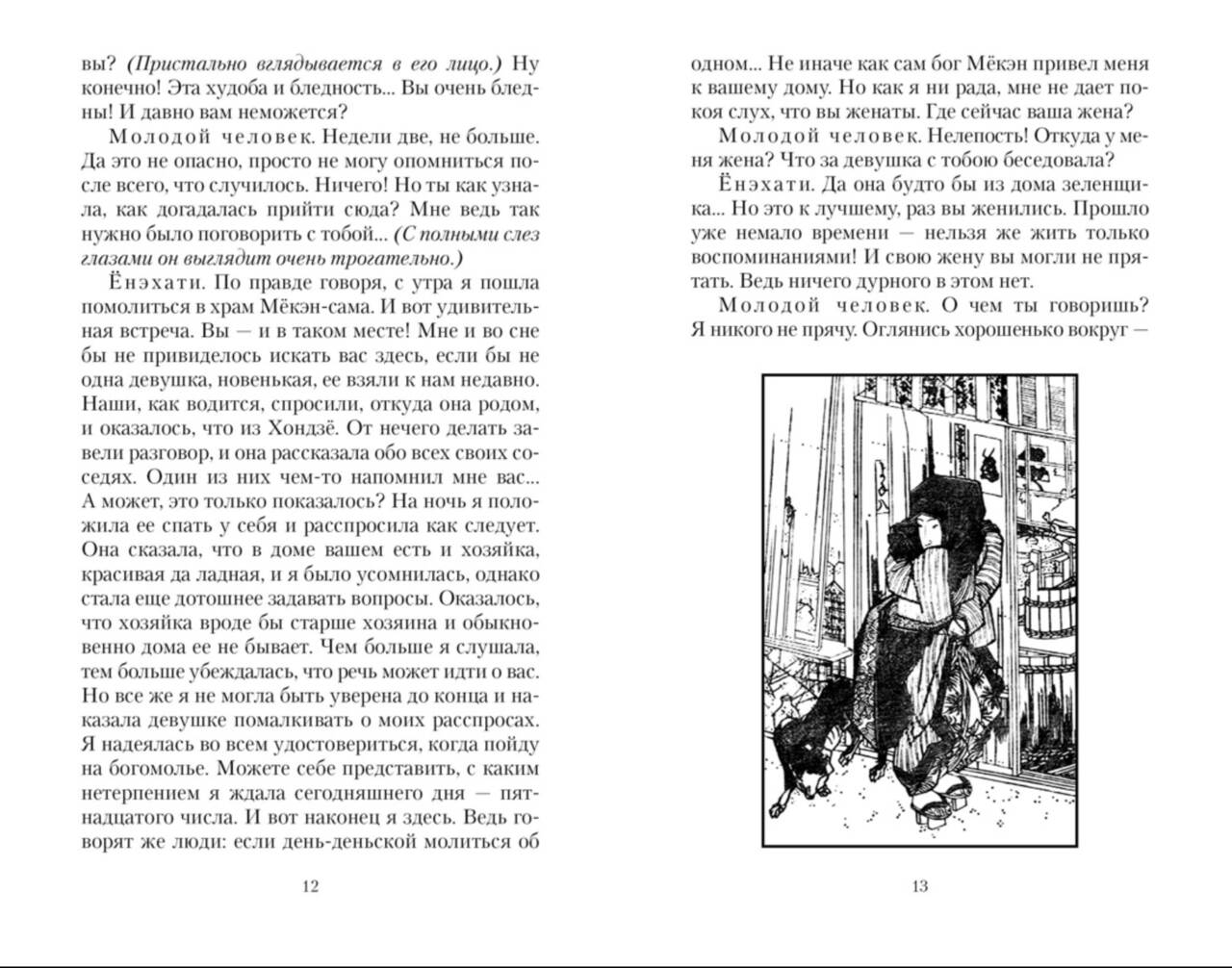
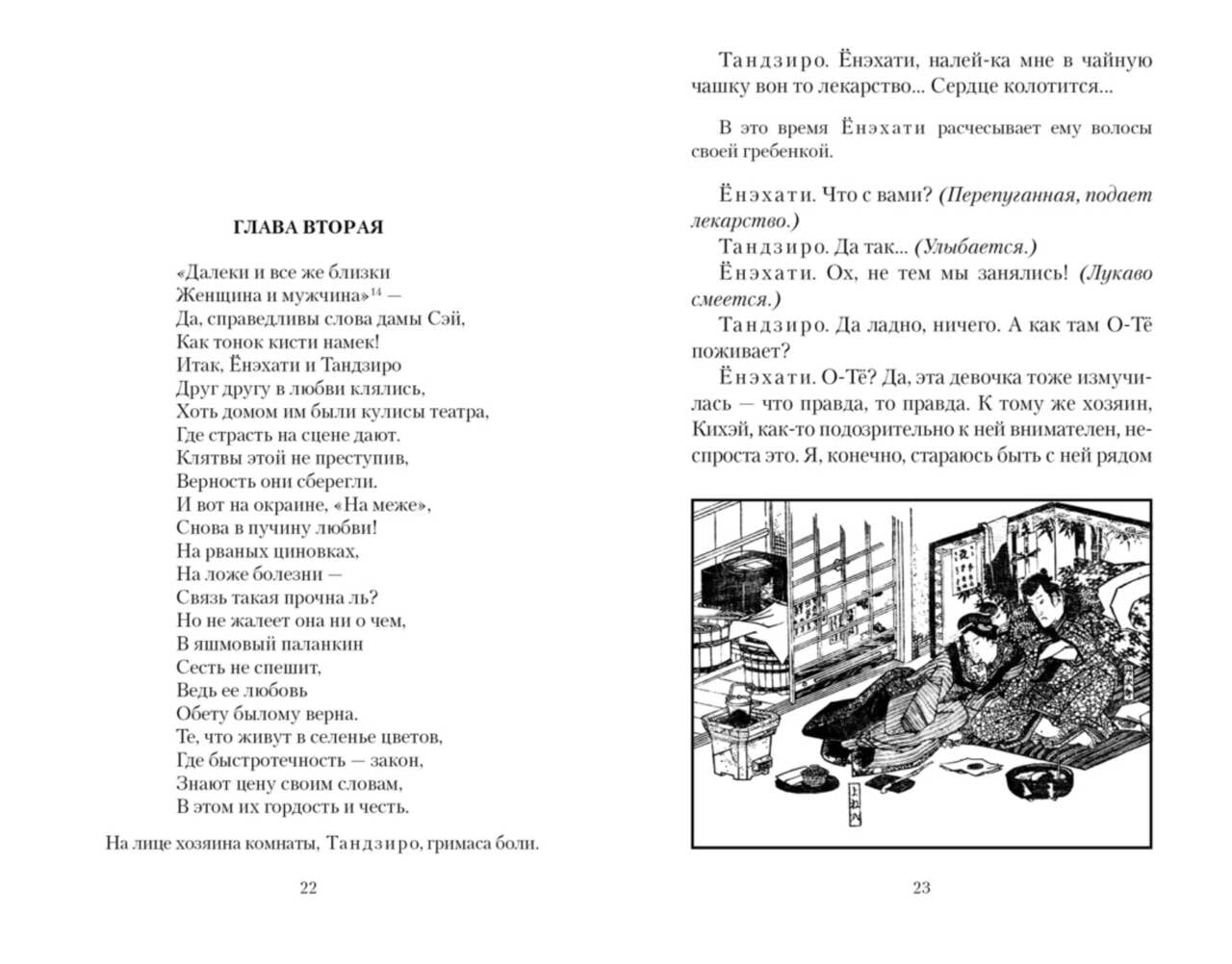
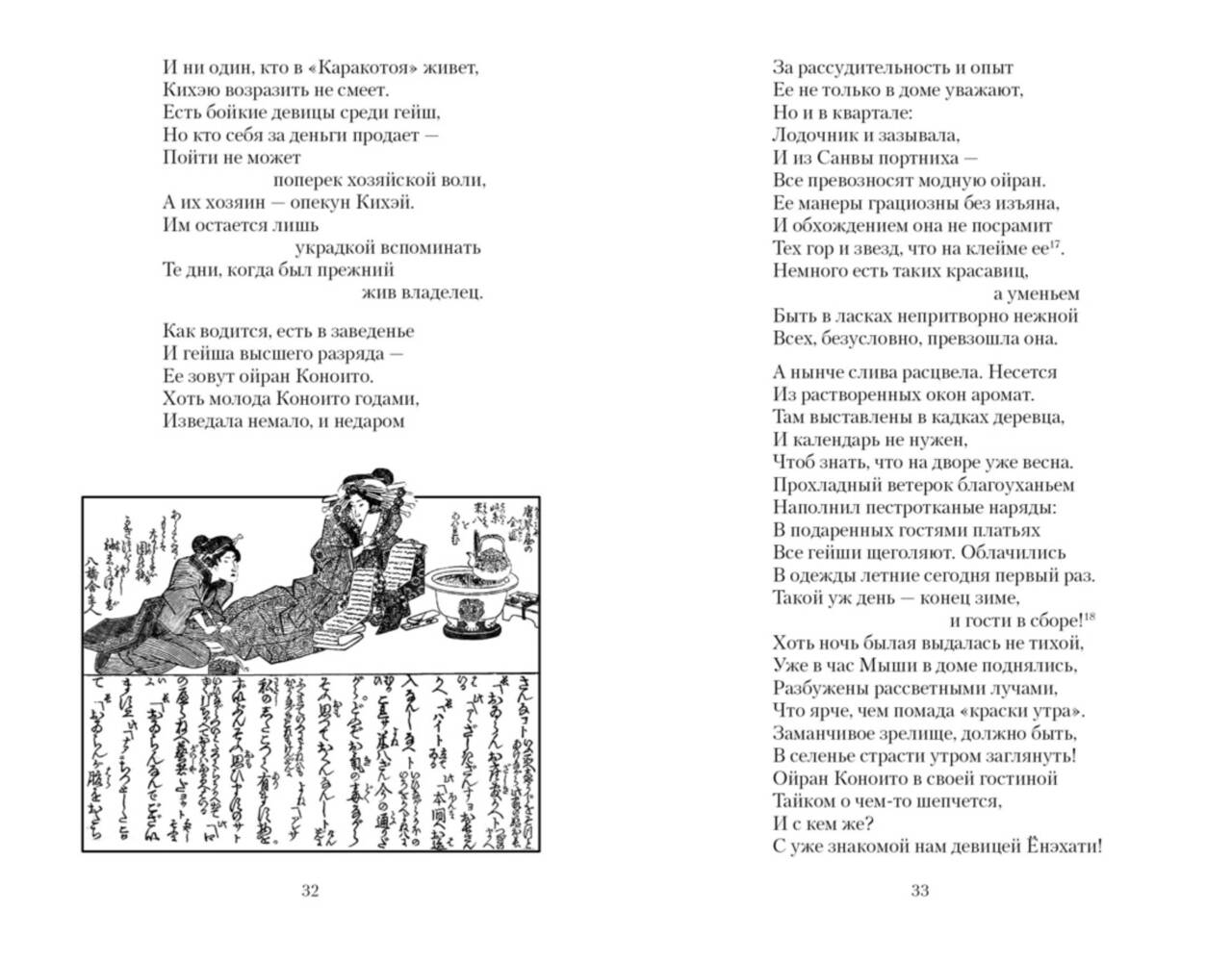
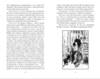
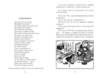
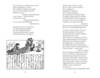
The book's design features traditional Japanese woodblock prints, which adorned the original 1833 edition.
The success of ninjōbon contributed to the persecution of literature by Japanese authorities, irritated by the popularity of books that lacked a proper message. In 1842, writers, publishers, and artists were even prosecuted and subjected to punishments and fines, while books and printing blocks were burned en masse. Tamenaga Shunsui was among those subjected to particularly brutal repression and died soon after, unable to survive the shock. It was only by mid-century that Japanese writers were able to return to forbidden themes and revive lighter genres, including ninjōbon.
The book's design features traditional Japanese woodblock prints, which adorned the original 1833 edition.
See also:
- All books by the publisher
- All books by the author
- All books in the series Azbuka-Classic