


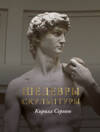
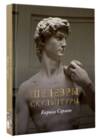
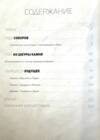
Masterpieces of sculpture – Kirill Sergeev – IS – 2026 – ISBN 978-5-17-165457-3
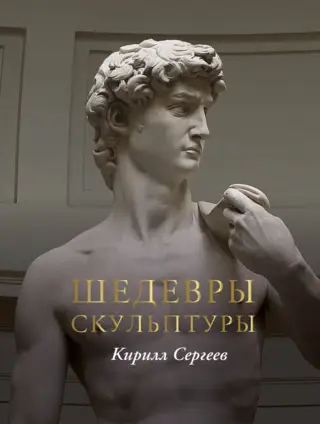
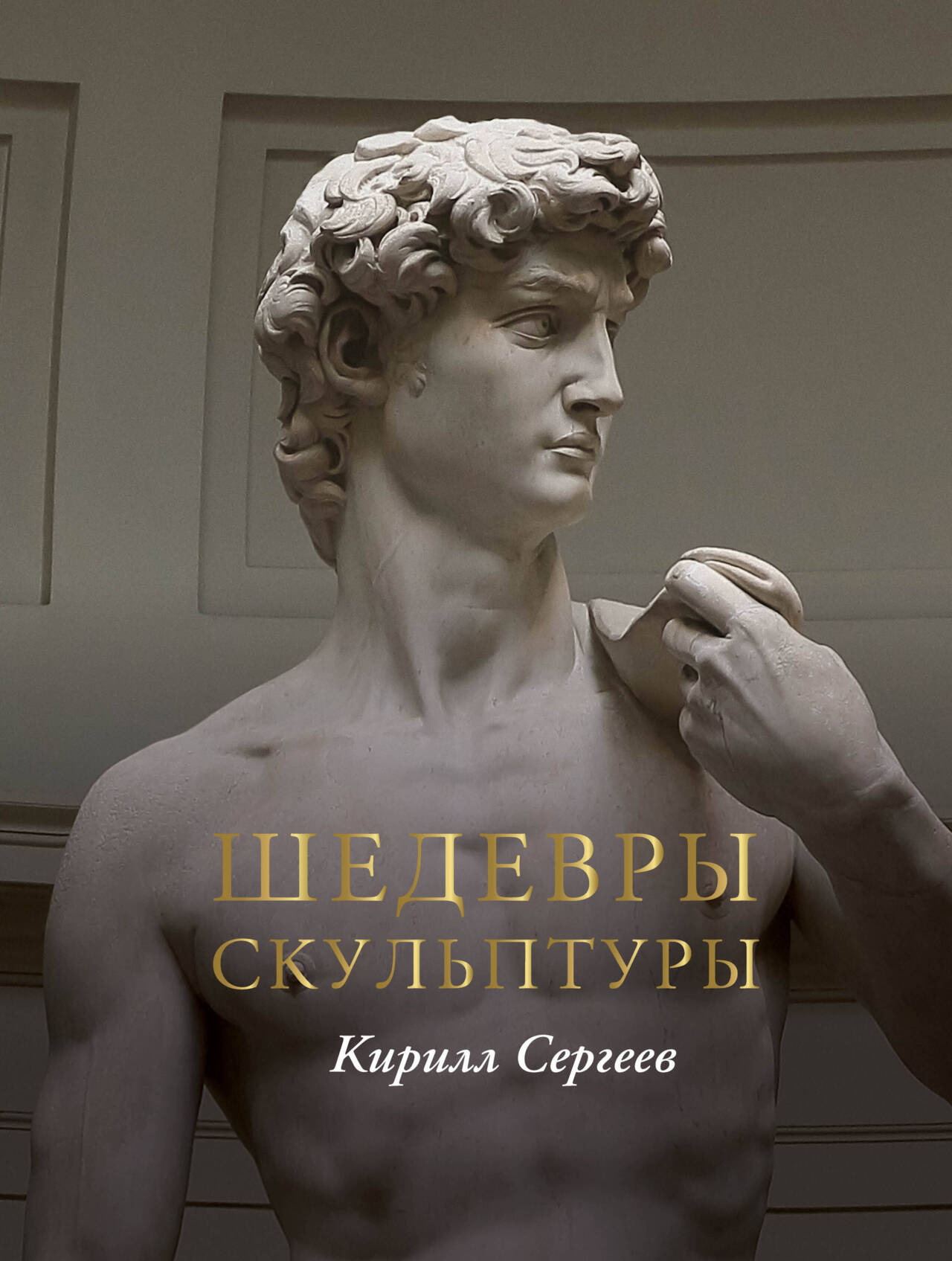
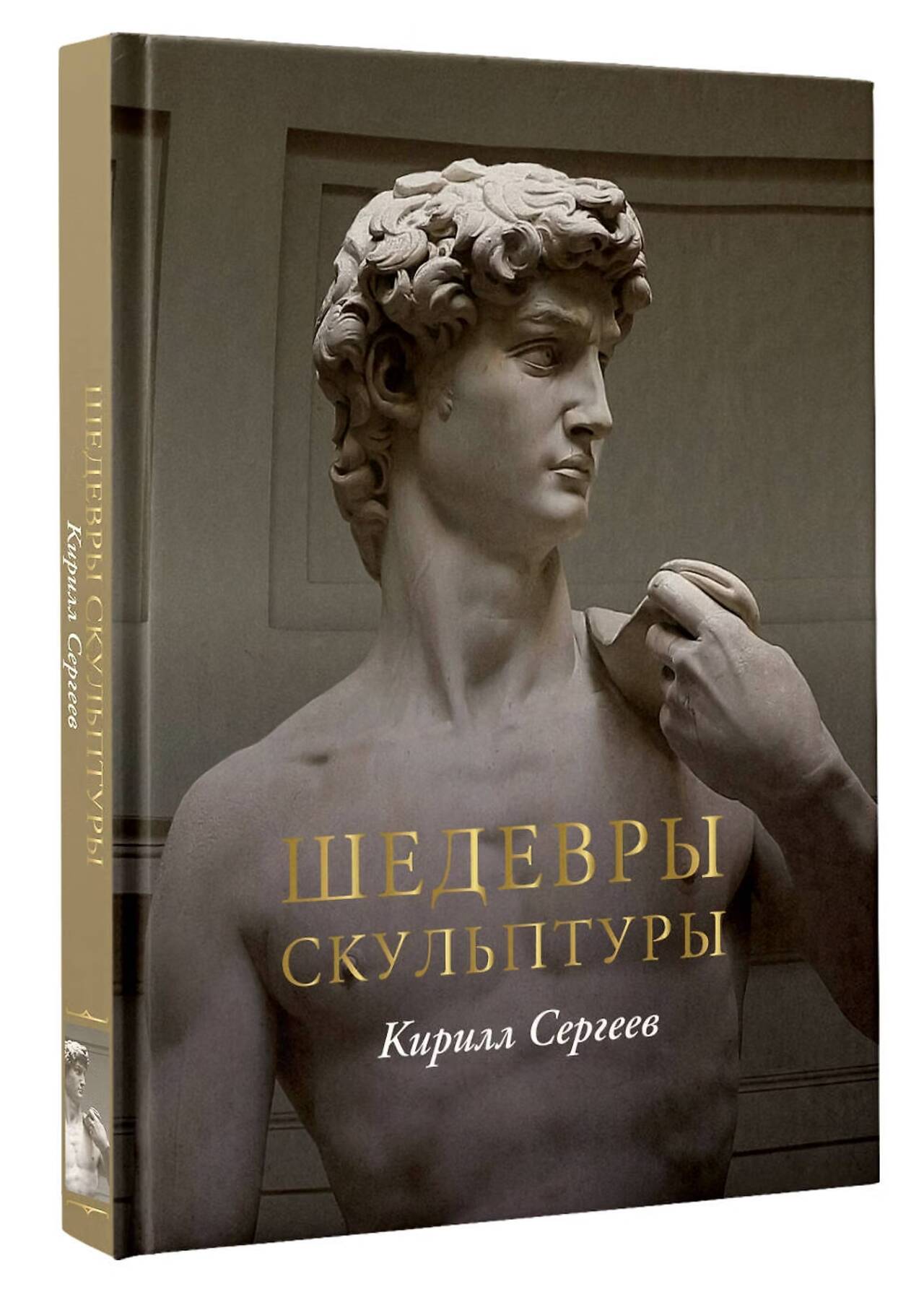
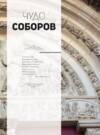
Masterpieces of sculpture
39.99 €
In stock

Masterpieces of sculpture
39.99 €
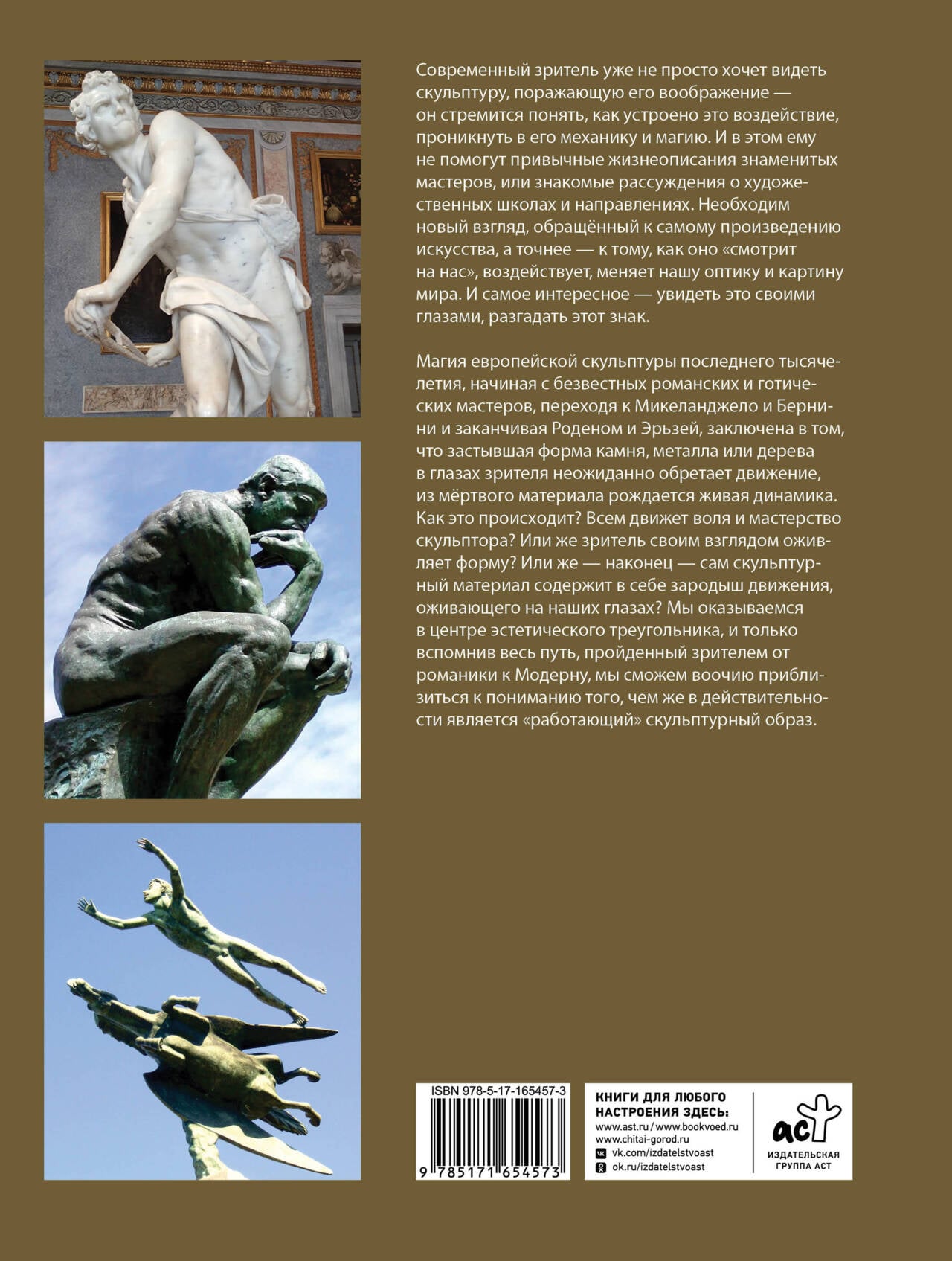
The modern viewer no longer simply wants to see a sculpture that captures their imagination—they strive to understand how this effect works, to penetrate its mechanics and magic. And familiar biographies of famous masters or familiar discussions of artistic schools and movements won't help them achieve this. A new perspective is needed, one that addresses the work of art itself, or more precisely, how it "looks at us," influences us, and changes our perspective and worldview. And the most interesting thing is to see it with your own eyes, to decipher this sign.
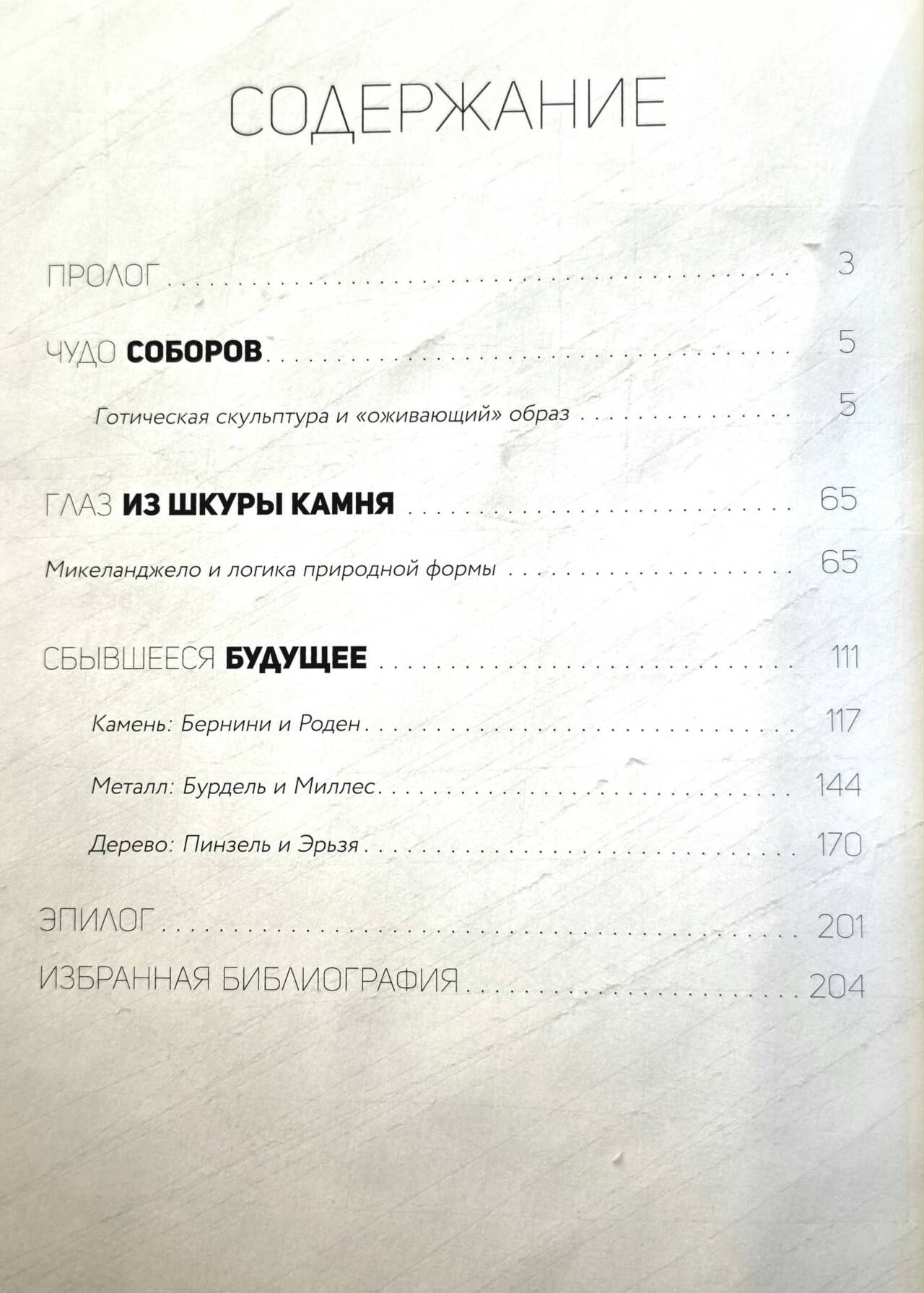
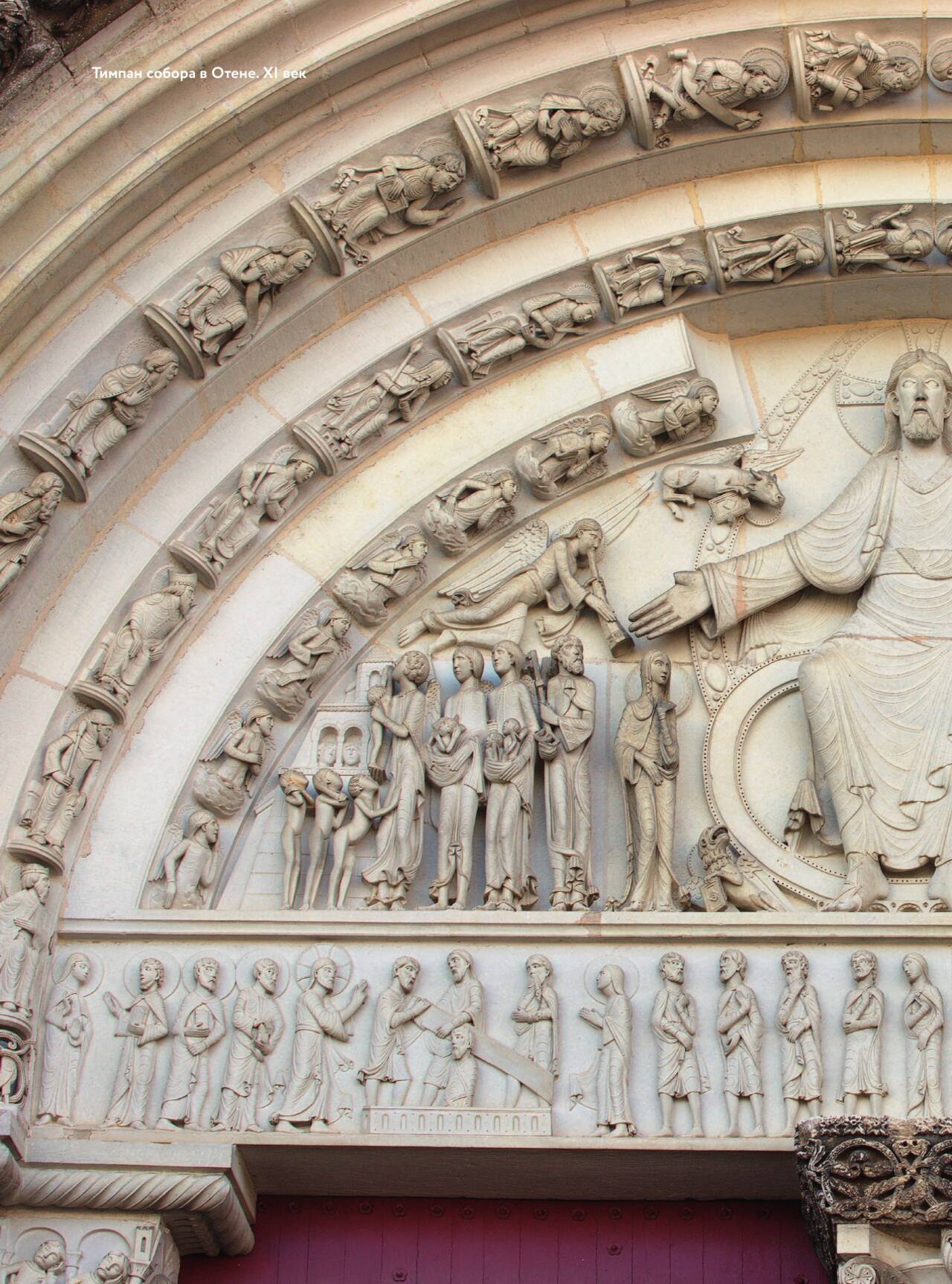
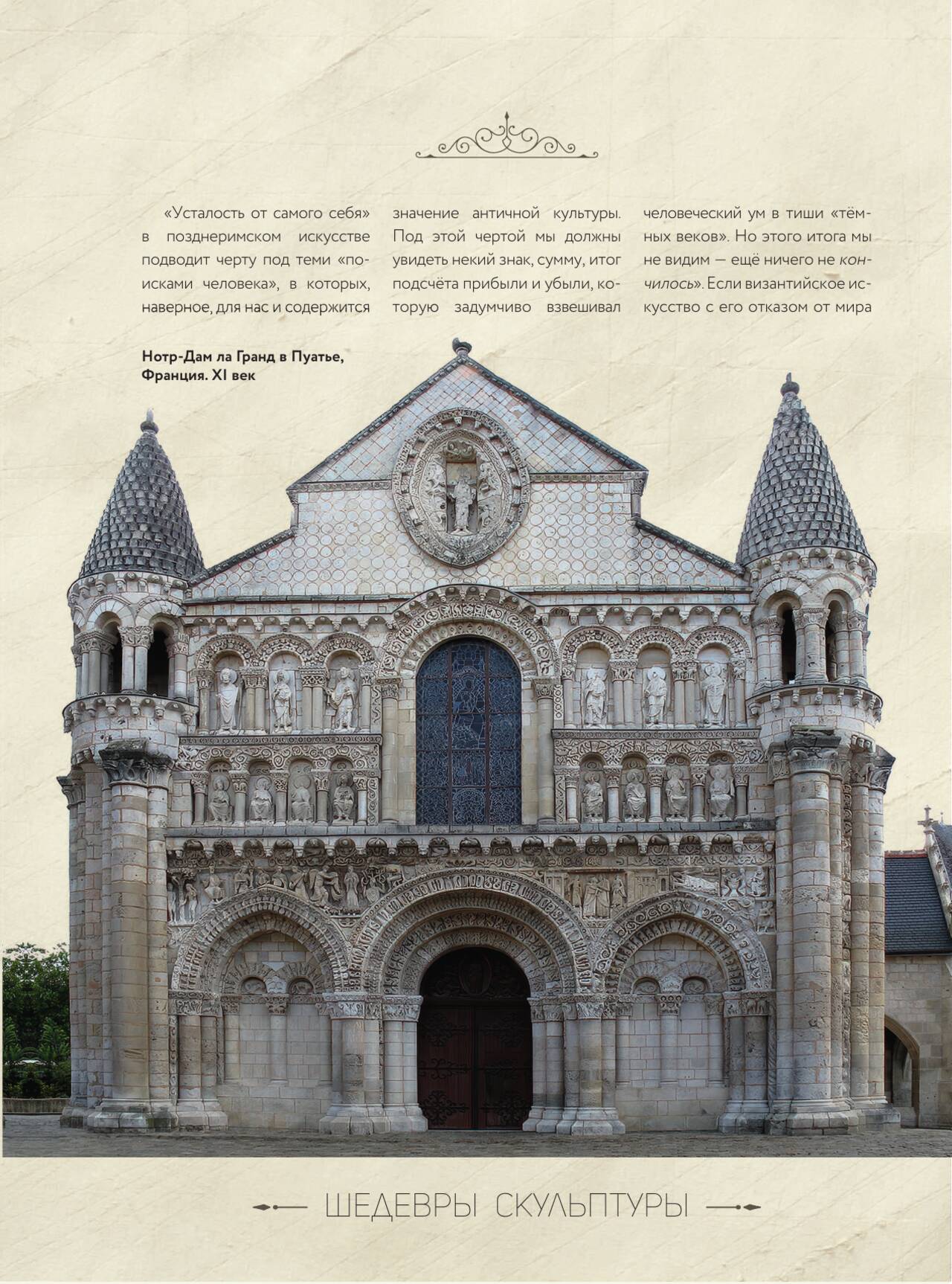
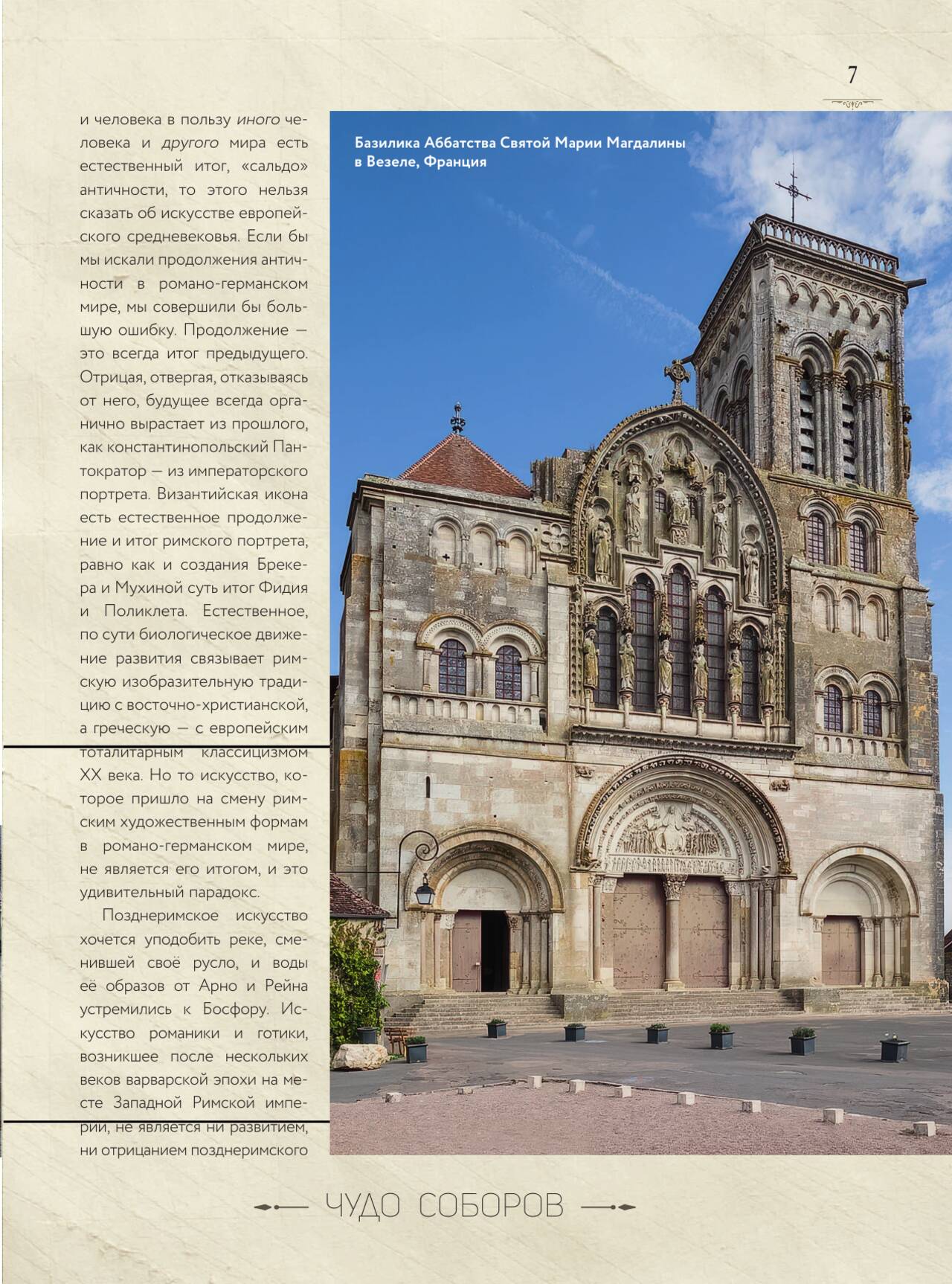
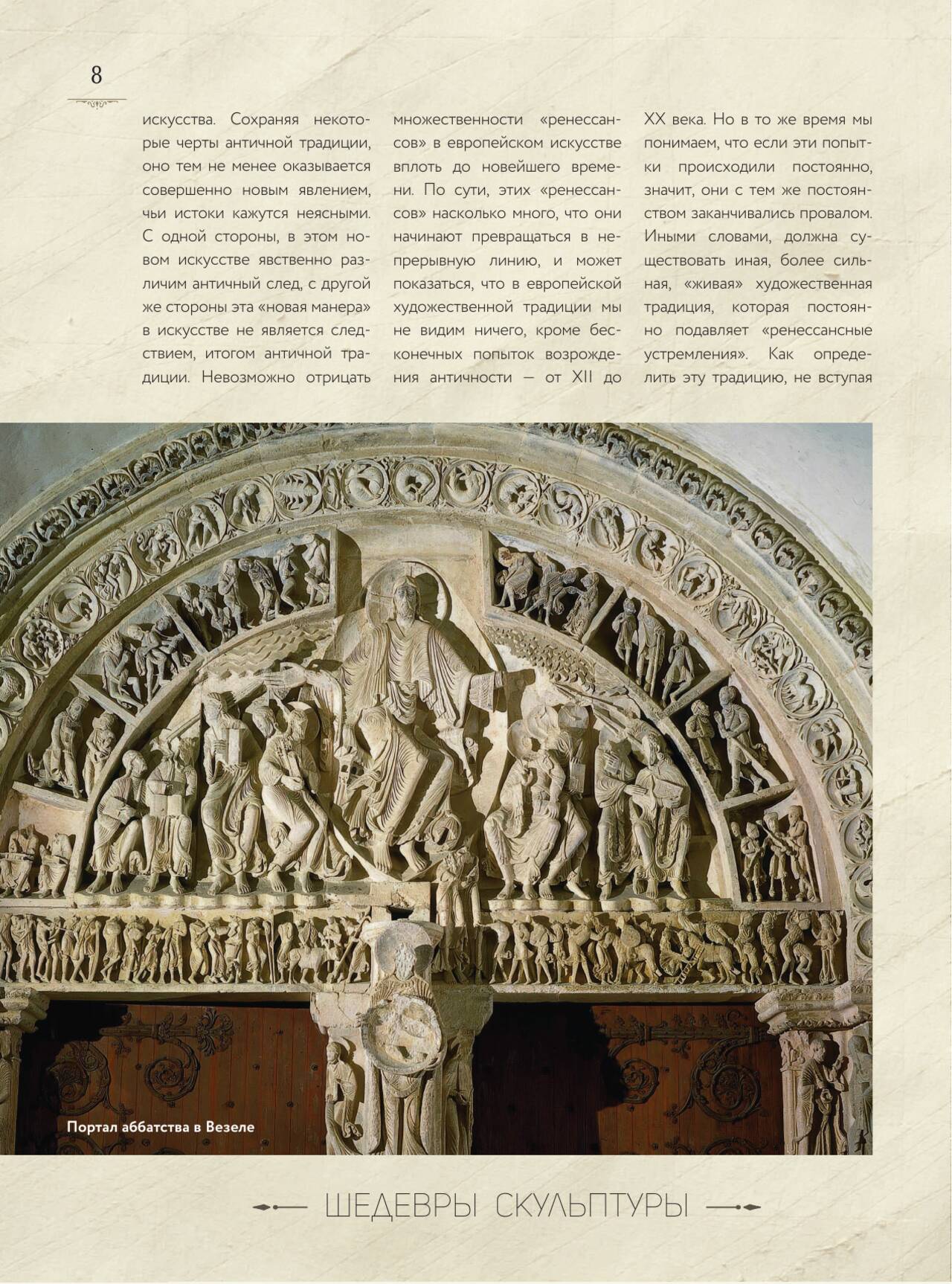
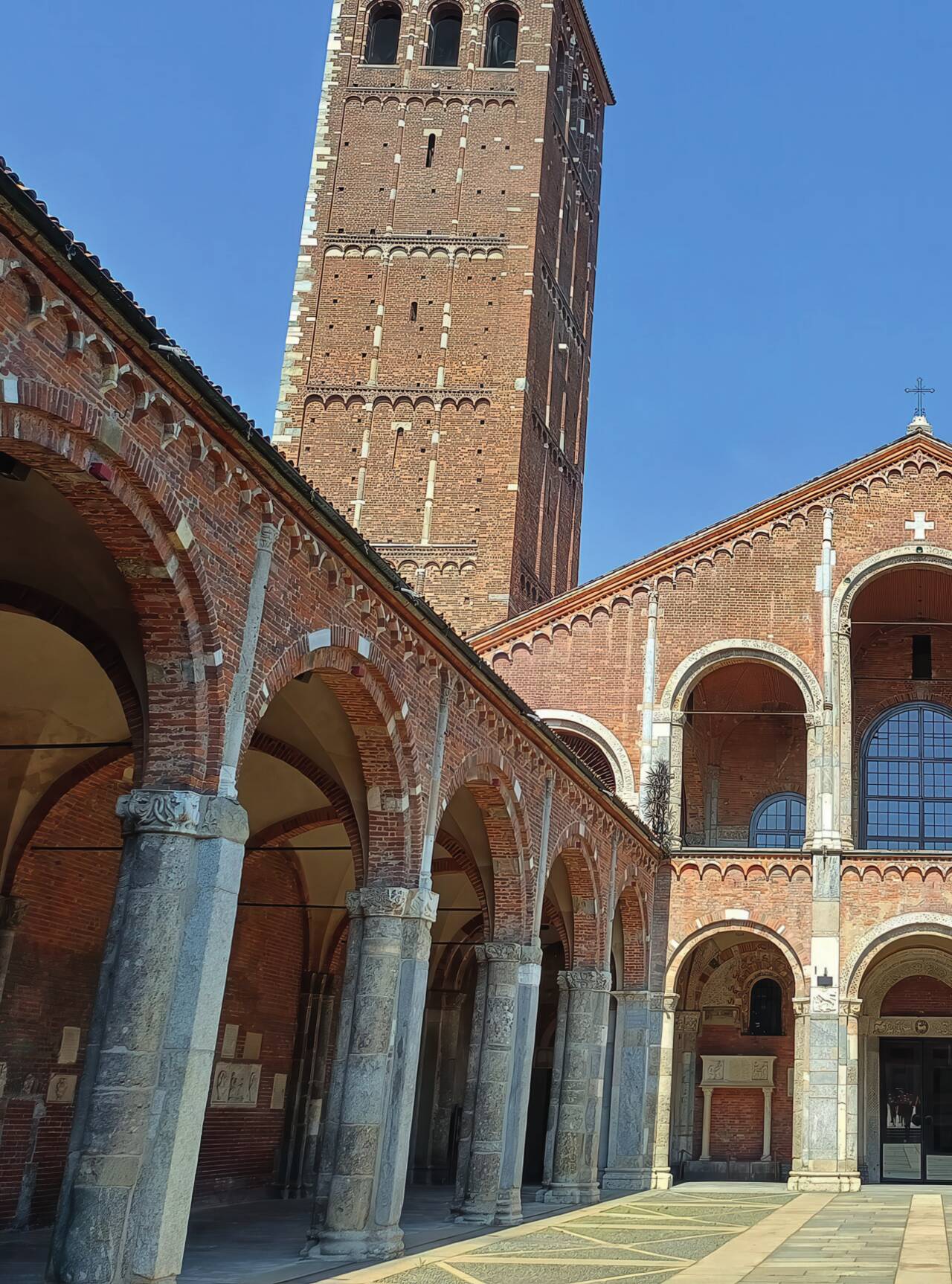
The magic of European sculpture of the last millennium, from obscure Romanesque and Gothic masters to Michelangelo and Bernini to Rodin and Erzia, lies in the fact that the frozen form of stone, metal, or wood suddenly takes on movement before the viewer's eyes, a living dynamic emerging from the dead material.
How does this happen? Is it all driven by the will and skill of the sculptor? Or does the viewer bring form to life with their gaze? Or, finally, does the sculptural material itself contain within itself the germ of movement, coming to life before our eyes? We find ourselves at the center of an aesthetic triangle, and only by recalling the entire path the viewer has traveled from Romanesque to Art Nouveau can we come closer to understanding what a "working" sculptural image truly is.
See also:
- All books by the publisher
- All books by the author