


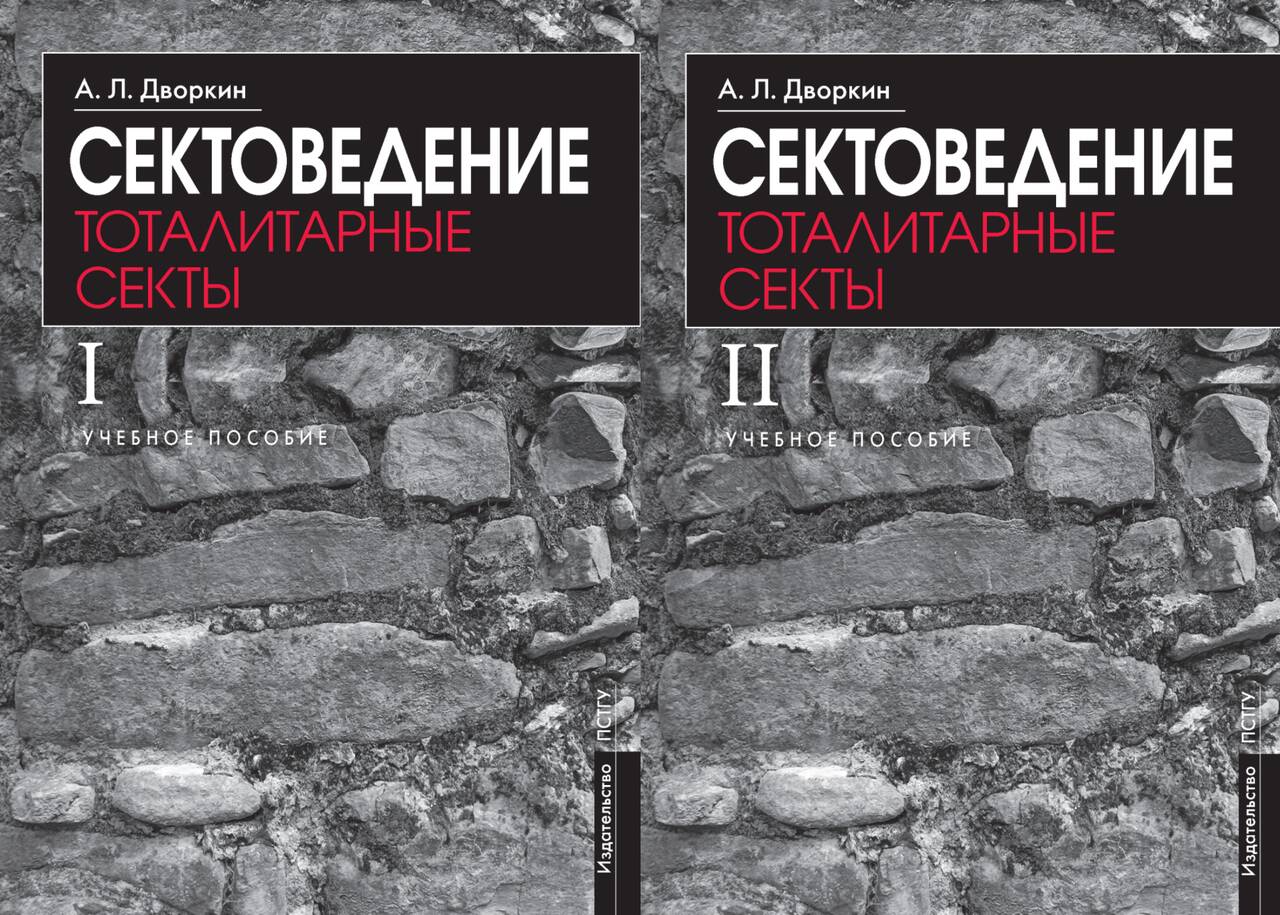
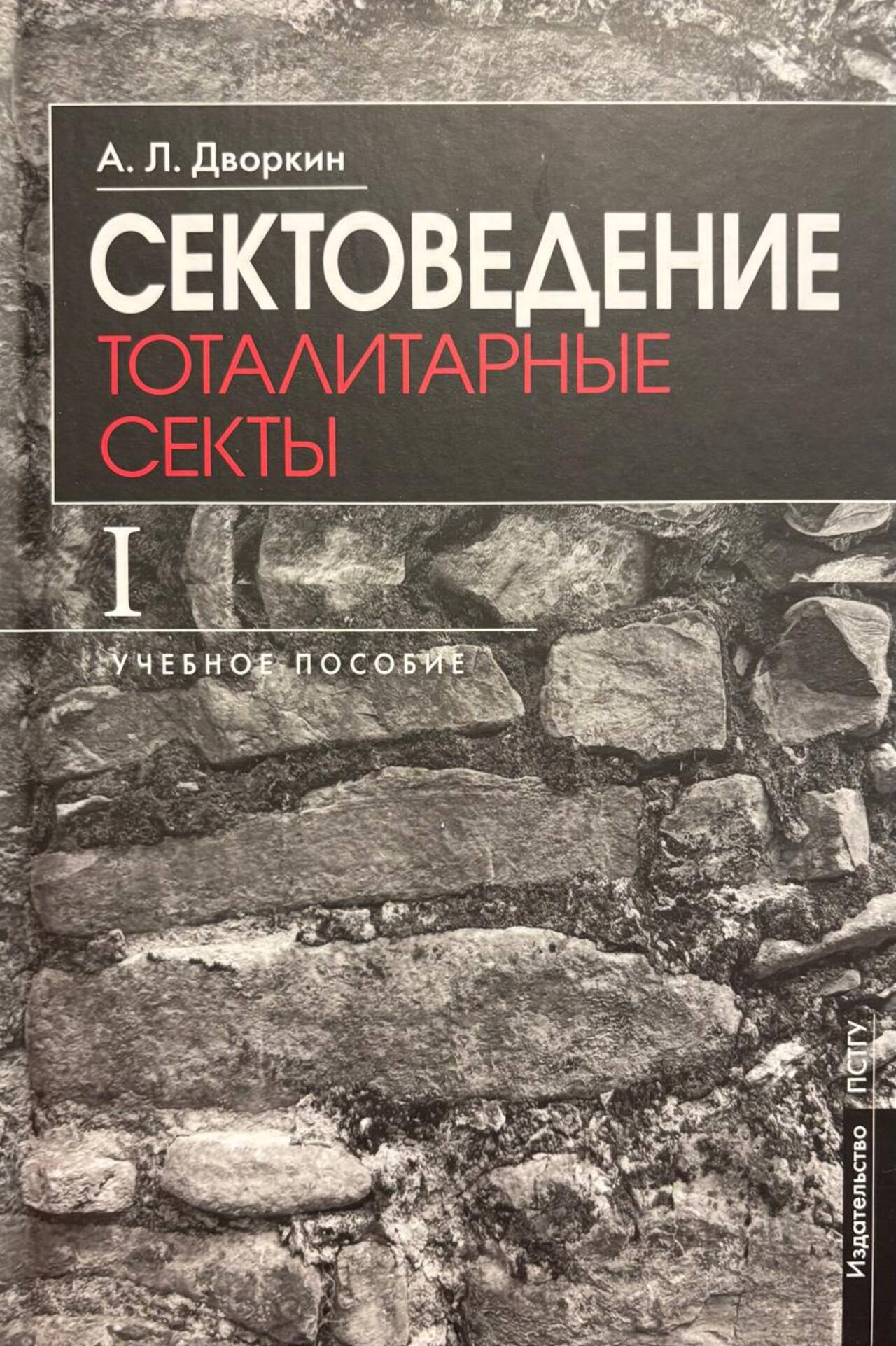
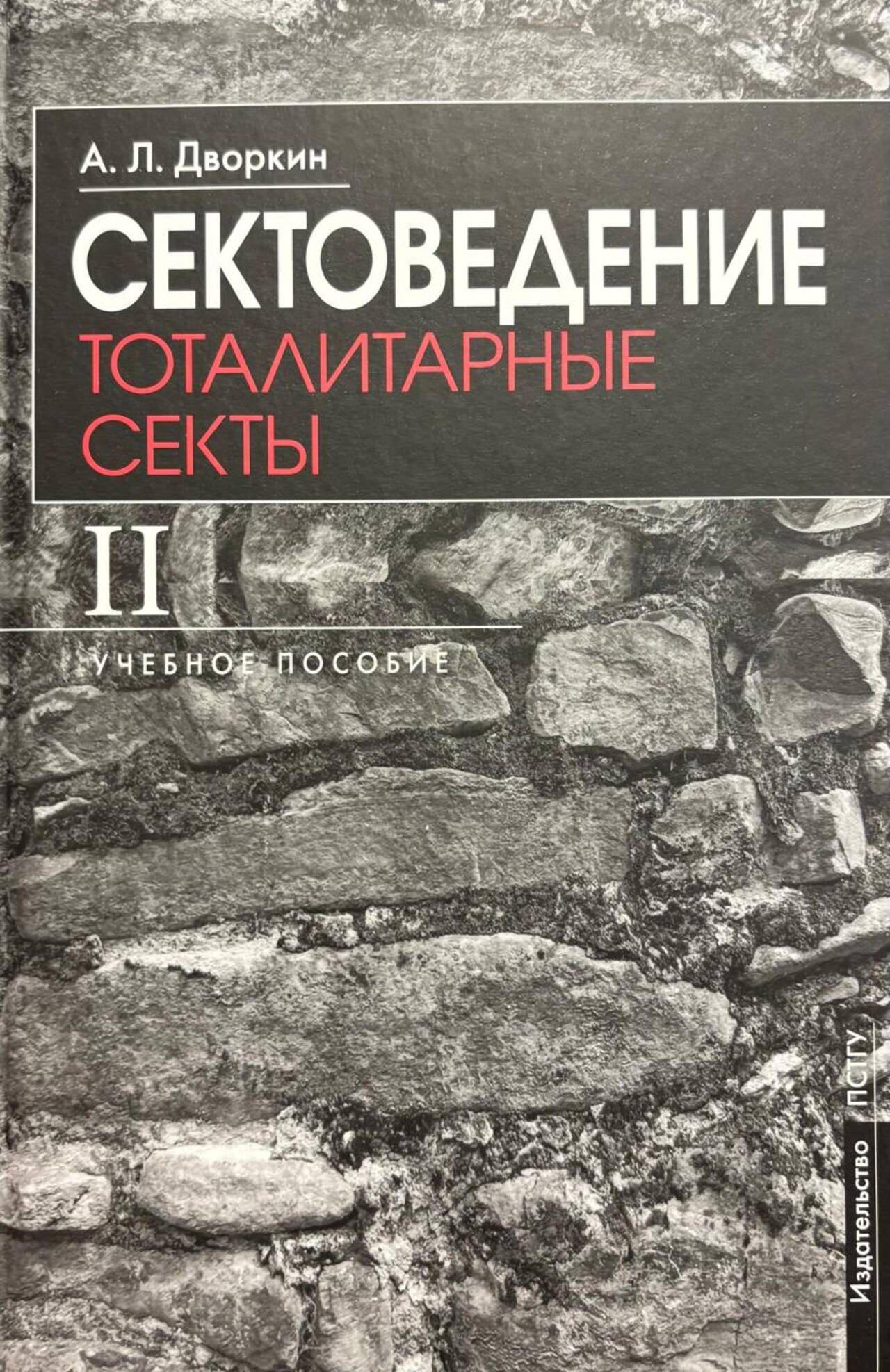
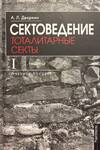
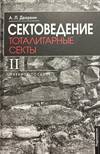
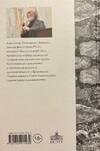
Sectology. Totalitarian Sects. In 2 Books – Alexander Dvorkin – Orthodox St. Tikhon's University for the Humanities – 2024 – ISBN 978-5-7429-1544-7
Sectology. Totalitarian Sects. In 2 Books
99.99 €
79.99 €
Out of stock

Sectology. Totalitarian Sects. In 2 Books
99.99 €
79.99 €
To add a product to the waitlist, please sign in:
Log in
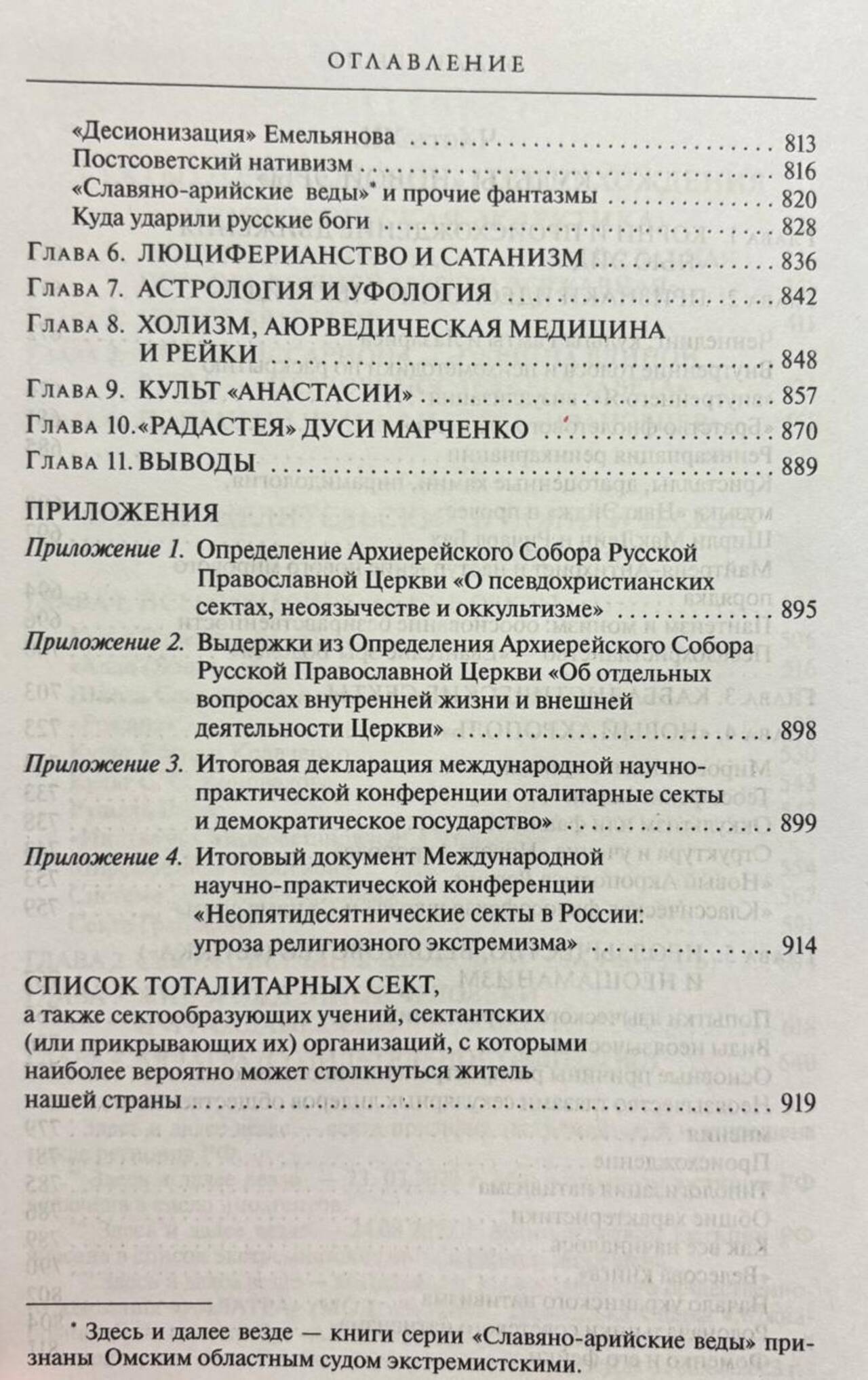
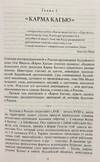
The 4th edition of Alexander Dvorkin's textbook "Sectology" provides the reader with the most comprehensive picture yet of the development and activities of totalitarian sects in Russia during the first thirty years of the post-Soviet era. While the third edition (2002) described sects in the 1990s and the early part of the new millennium, the new edition—revised and expanded—covers the period up to 2023. Readers will not only learn about the origins and activities of various sects in our country and trace their evolution, but also gain all the necessary information about currently active sects and sectarian movements. To write this textbook, the author drew on a wide range of sources in various languages, as well as his many years of personal experience confronting various sects and helping their victims.
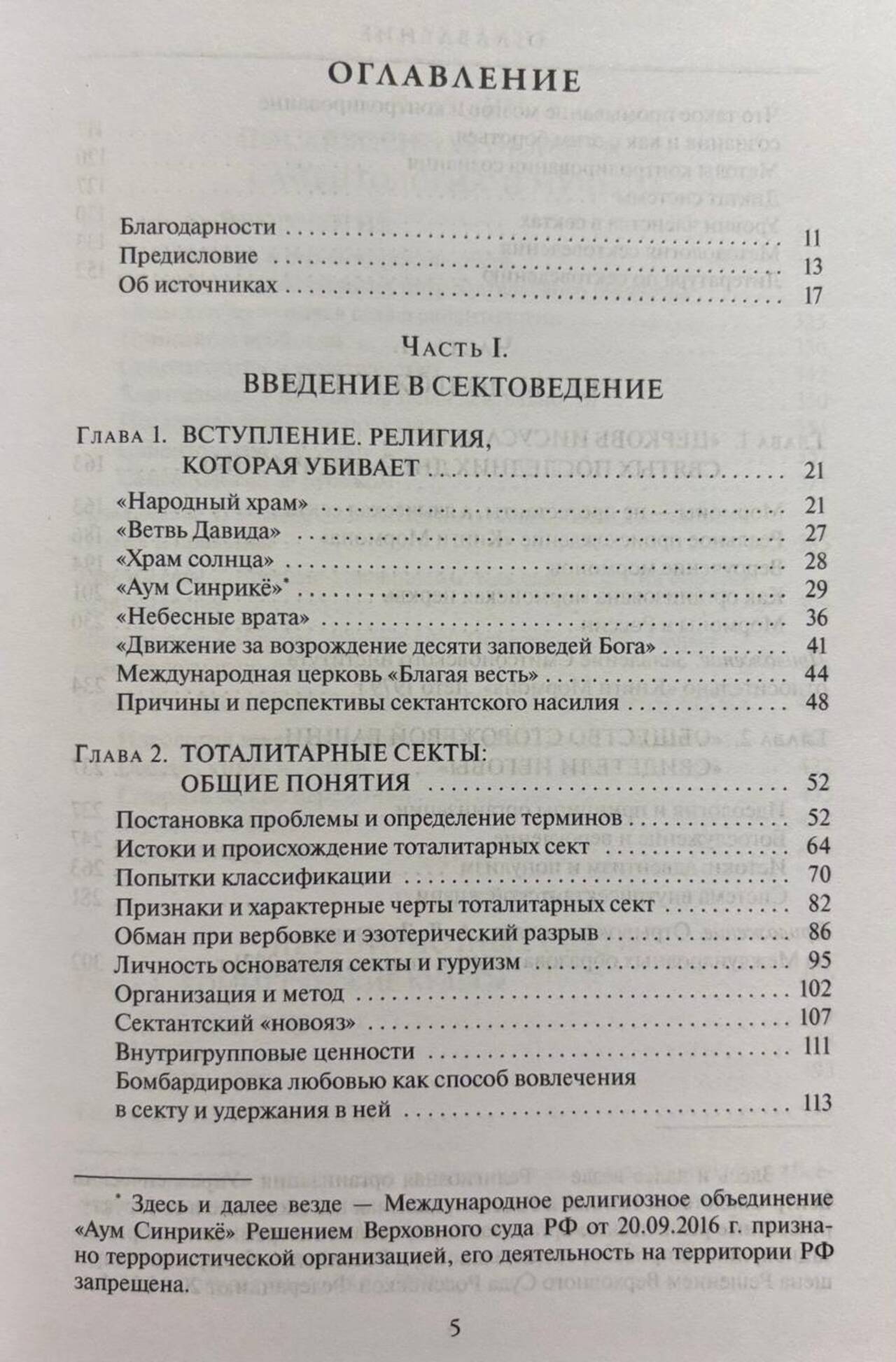
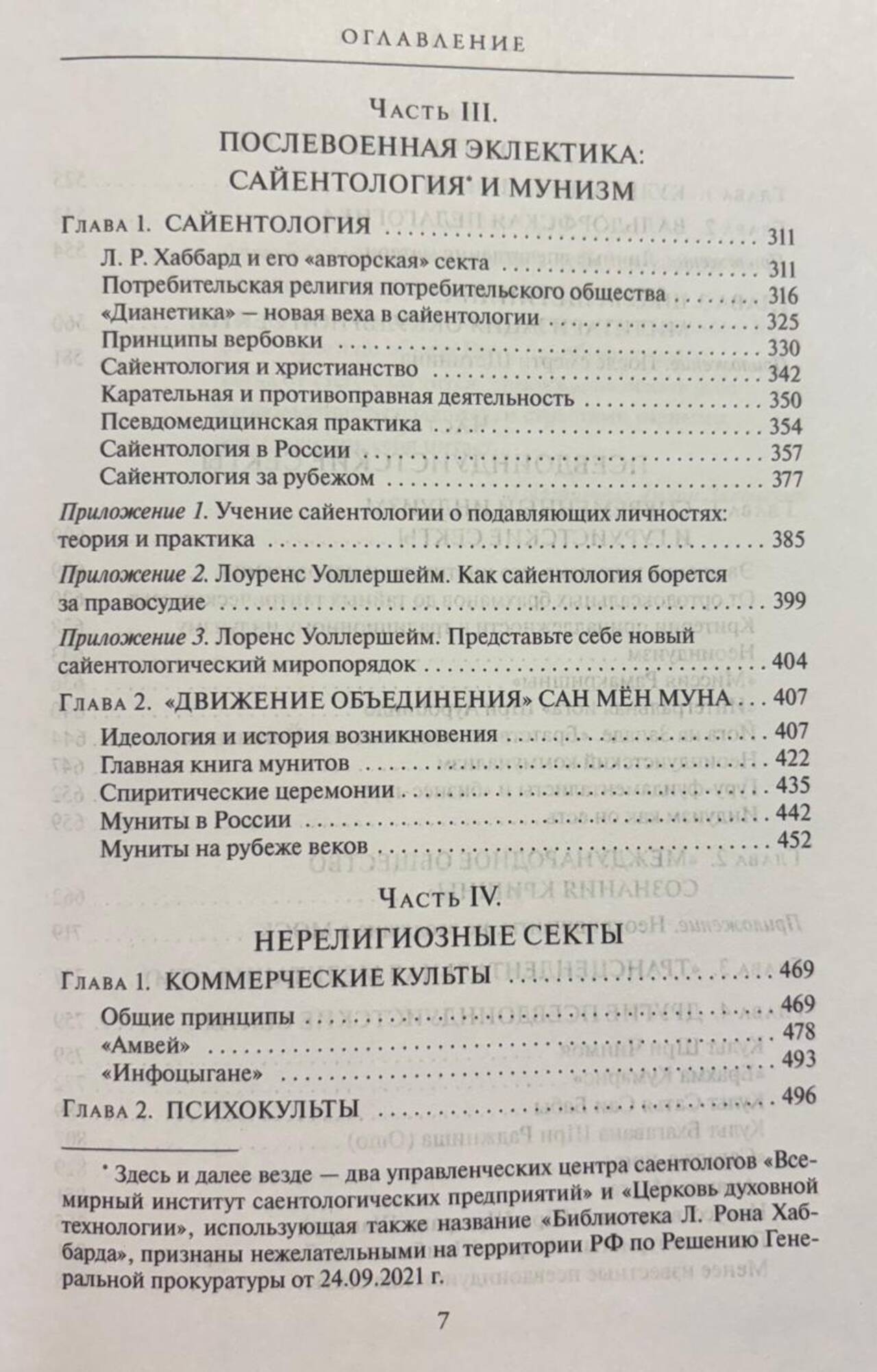
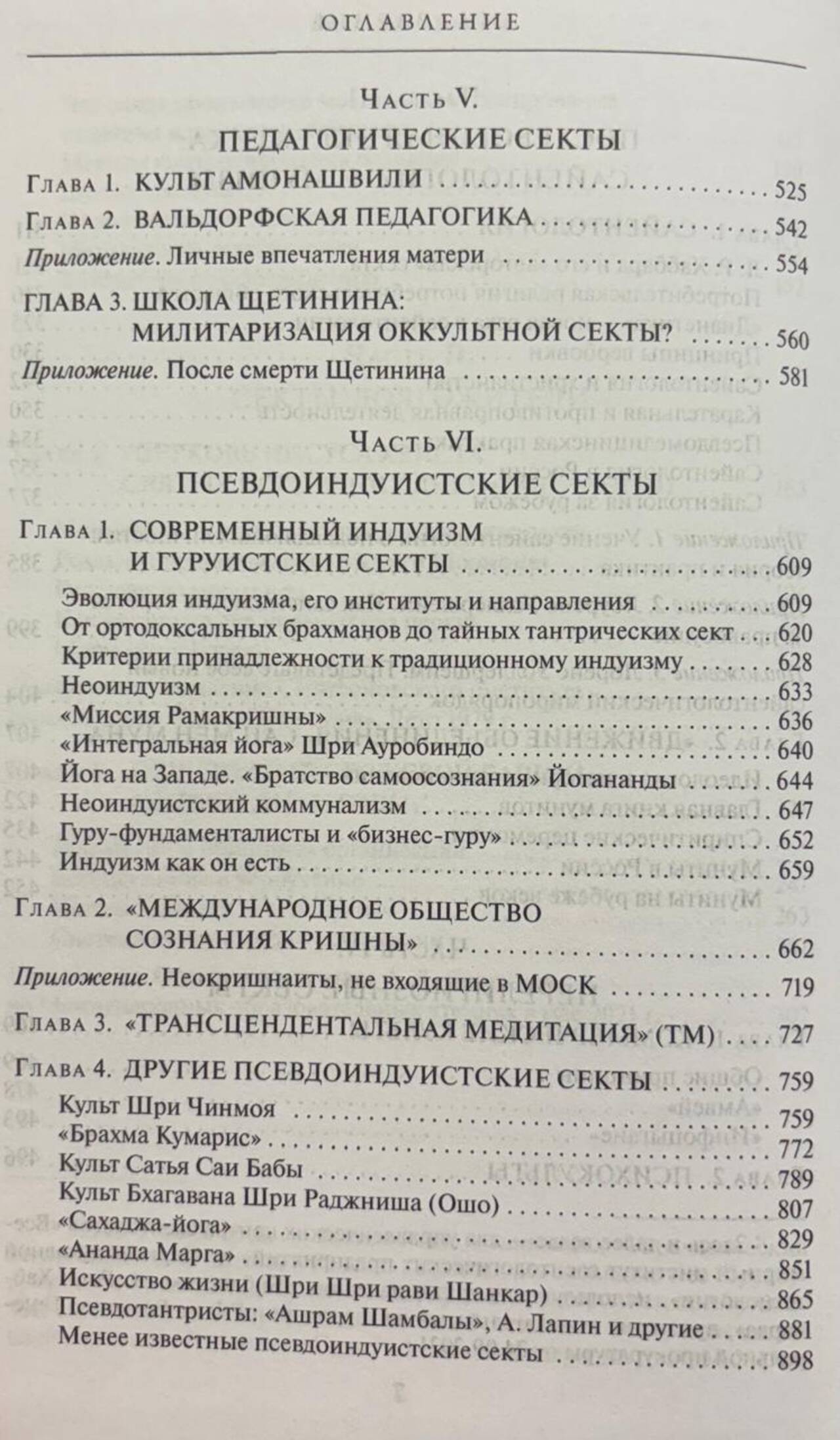
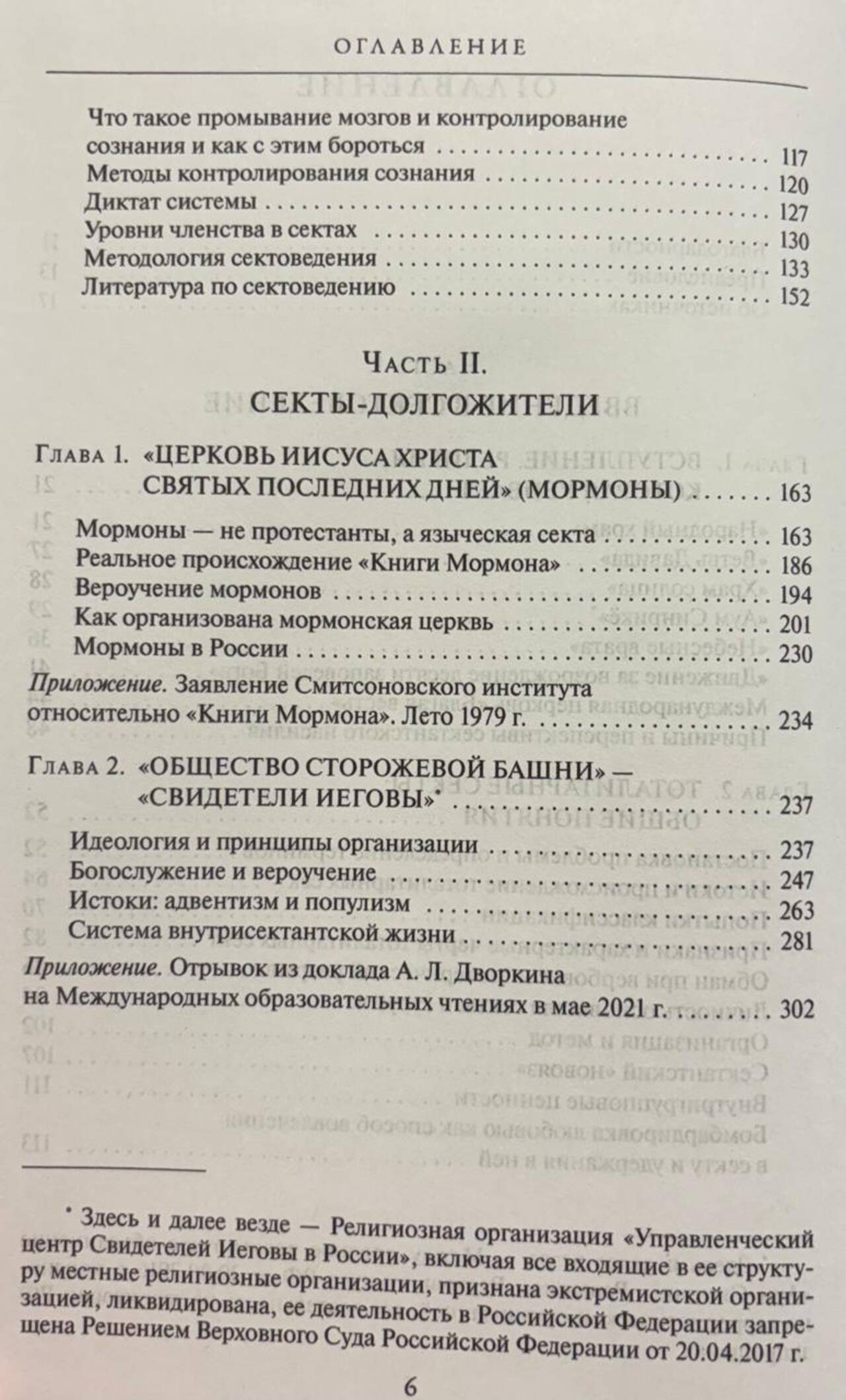
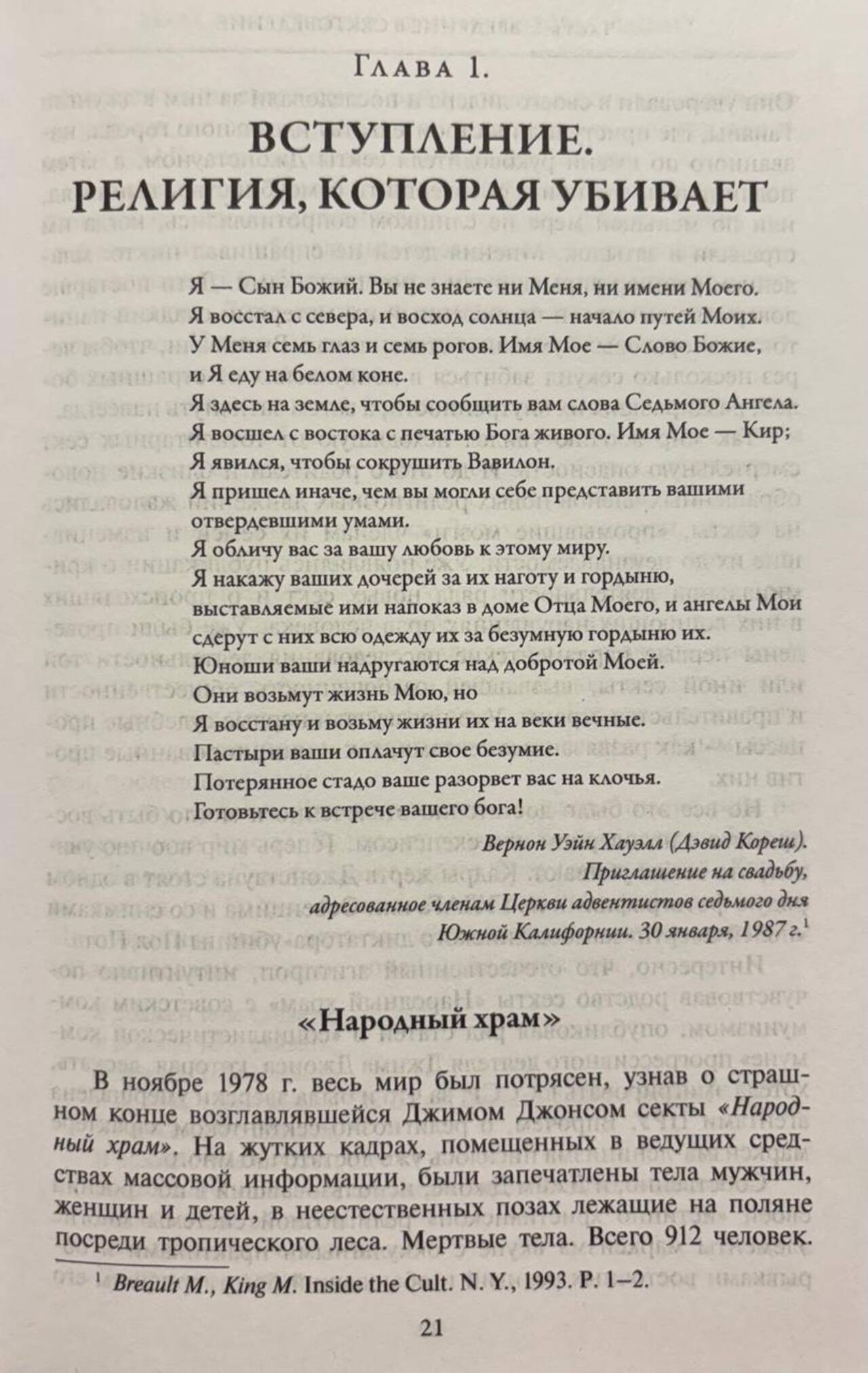
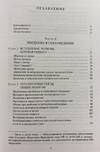
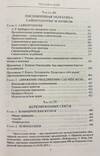
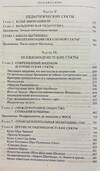
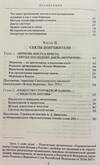
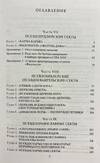
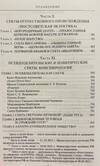
Book I outlines the general principles of cult studies: what cults are, how they can and cannot be studied, their characteristics, whether they can be classified, the different types of cults, how totalitarian cults differ from classical ones, the characteristic features of cults and their recruitment methods, mind control, and how to leave a cult. It then discusses long-lived cults (those that have existed for over 100 years), Mormons and Scientologists, non-religious cults—commercial cults and psychocults—and pedagogical cults. Book I concludes with a discussion of pseudo-Hindu cults.
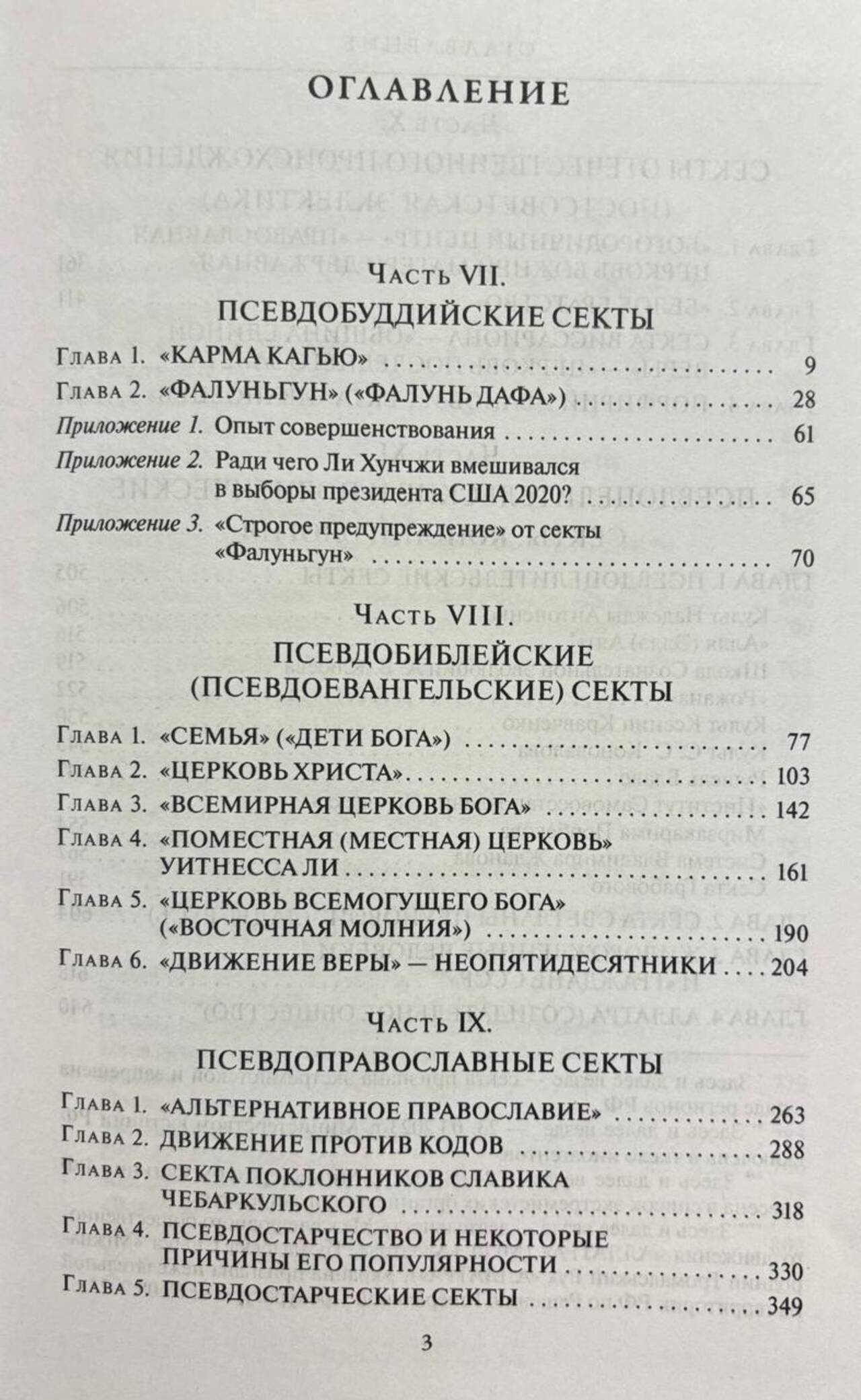
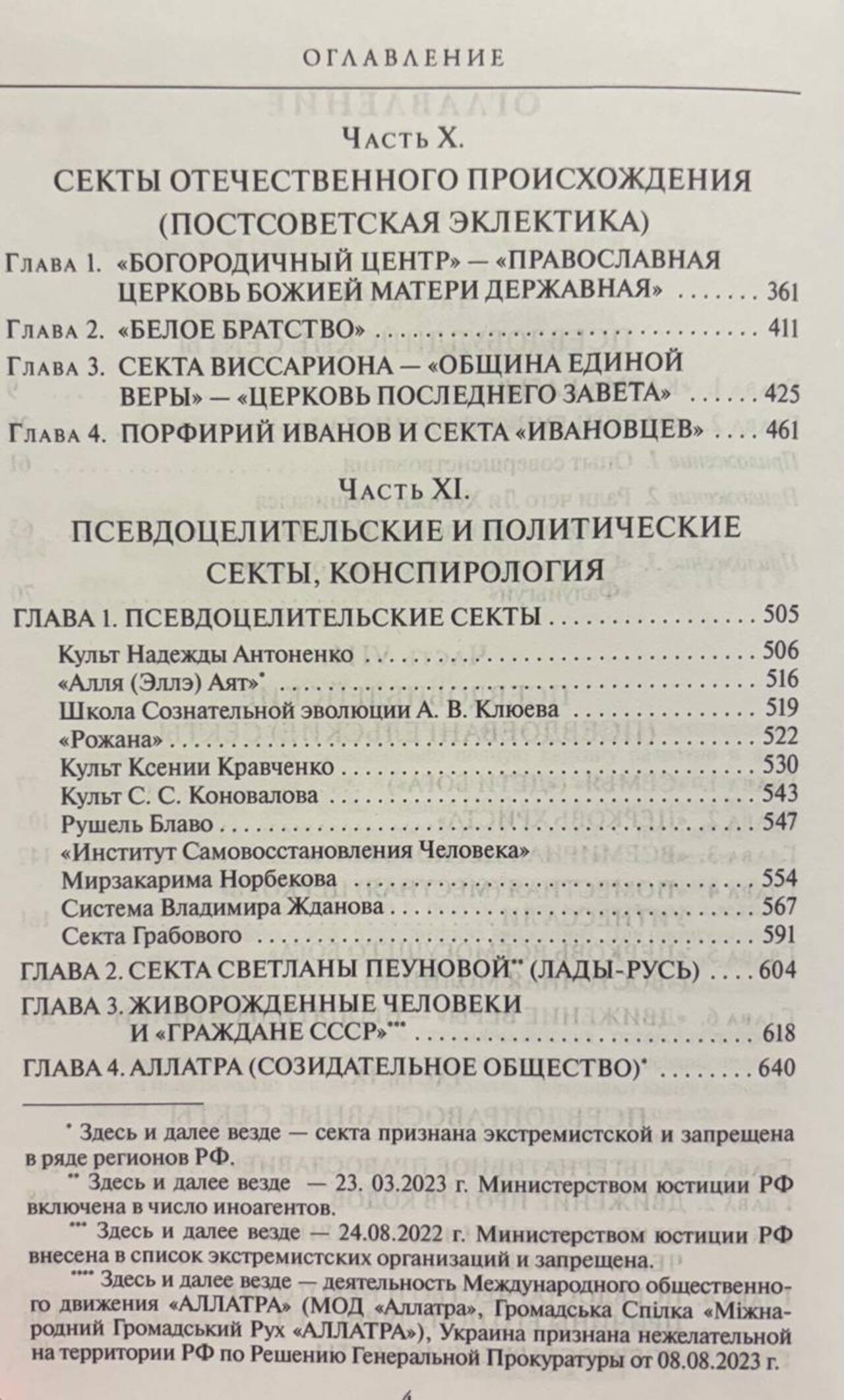
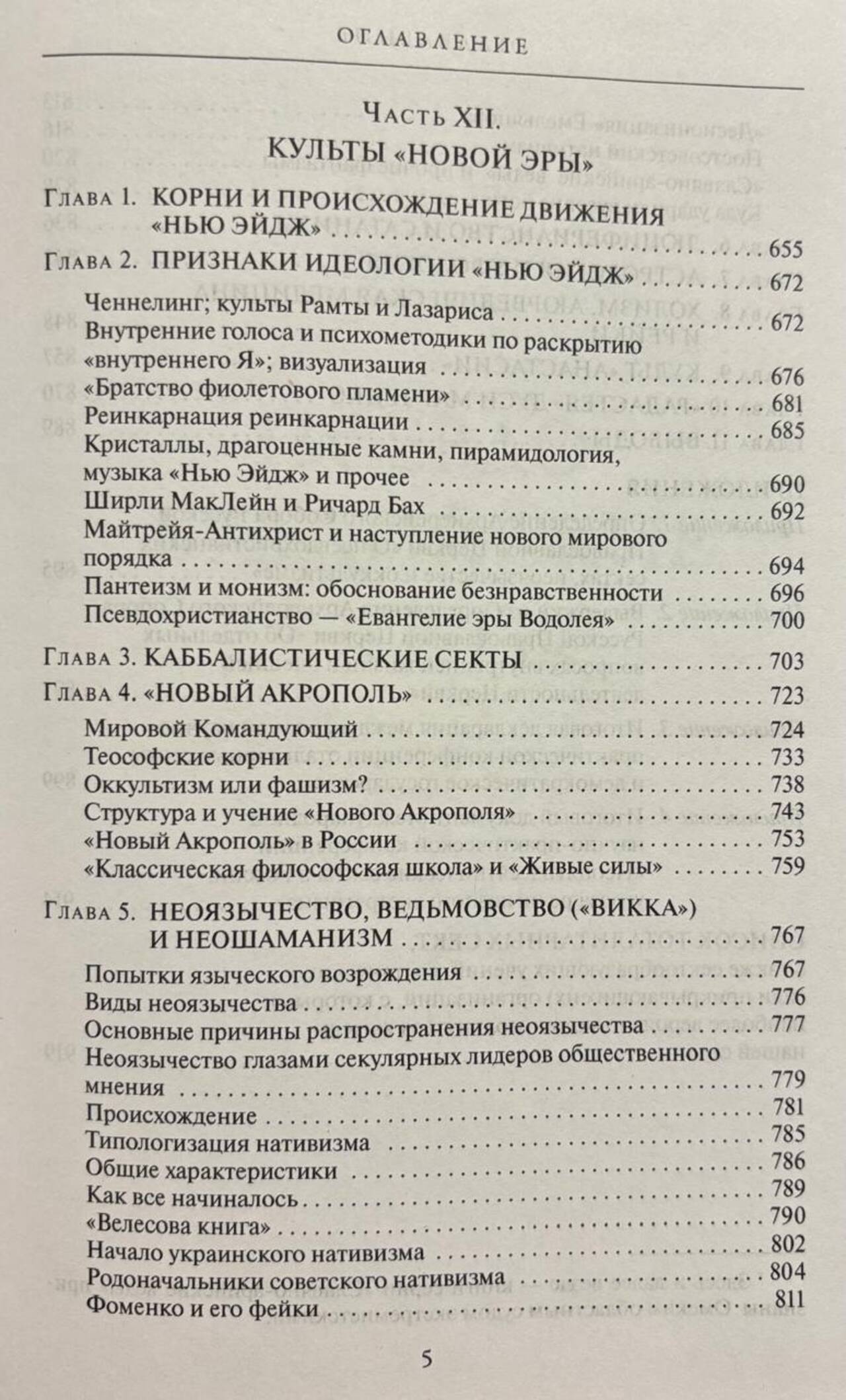
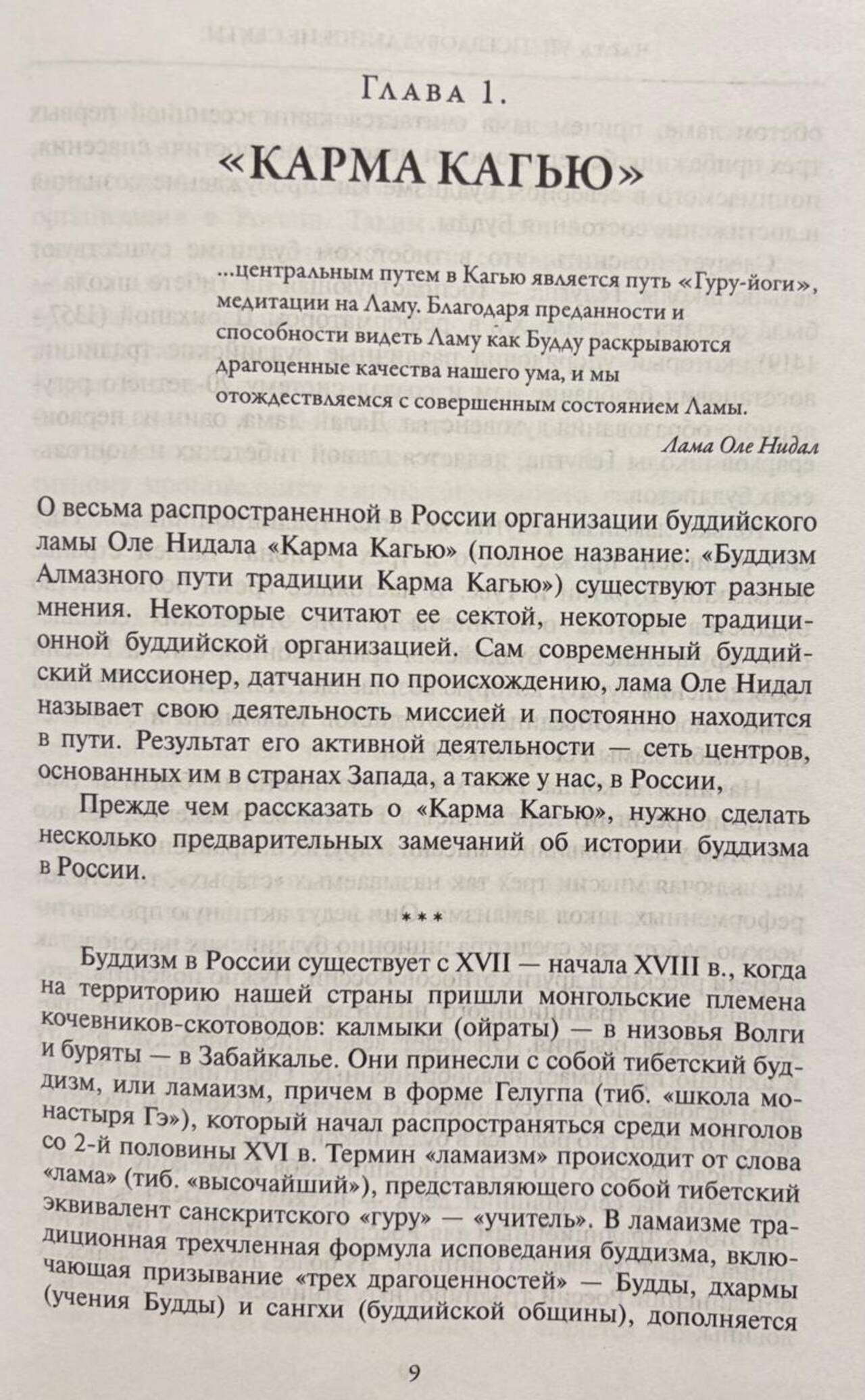
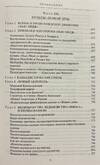
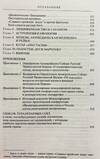
Book II discusses pseudo-Buddhist, pseudo-Biblical, and pseudo-Orthodox cults, post-Soviet cults, pseudo-healing and political cults, and conspiracy theories. The book concludes with a large section on cults and sects that are part of the occult neopagan New Age movement, appendices, and a list of totalitarian sects and sect-forming teachings, sectarian (or cover-up) organizations that a resident of our country is most likely to encounter.
Book I outlines the general principles of cult studies: what cults are, how they can and cannot be studied, their characteristics, whether they can be classified, the different types of cults, how totalitarian cults differ from classical ones, the characteristic features of cults and their recruitment methods, mind control, and how to leave a cult. It then discusses long-lived cults (those that have existed for over 100 years), Mormons and Scientologists, non-religious cults—commercial cults and psychocults—and pedagogical cults. Book I concludes with a discussion of pseudo-Hindu cults.
Book II discusses pseudo-Buddhist, pseudo-Biblical, and pseudo-Orthodox cults, post-Soviet cults, pseudo-healing and political cults, and conspiracy theories. The book concludes with a large section on cults and sects that are part of the occult neopagan New Age movement, appendices, and a list of totalitarian sects and sect-forming teachings, sectarian (or cover-up) organizations that a resident of our country is most likely to encounter.
See also:
- All books by the publisher
- All books by the author