










The Russian Industrial Revolution: Management Lessons from the First Half of the 19th Century – Arkhangelsky Gleb – Alpina Publisher – 2026 – ISBN 978-5-206-00508-0
The Russian Industrial Revolution: Management Lessons from the First Half of the 19th Century
29.99 €
In stock

The Russian Industrial Revolution: Management Lessons from the First Half of the 19th Century
29.99 €
Russia is currently undergoing a period of new industrialization, comparable in scale to the imperial industrialization of the 19th century and the Soviet industrialization of the first half of the 20th century. We can learn many useful management lessons from our great ancestors.
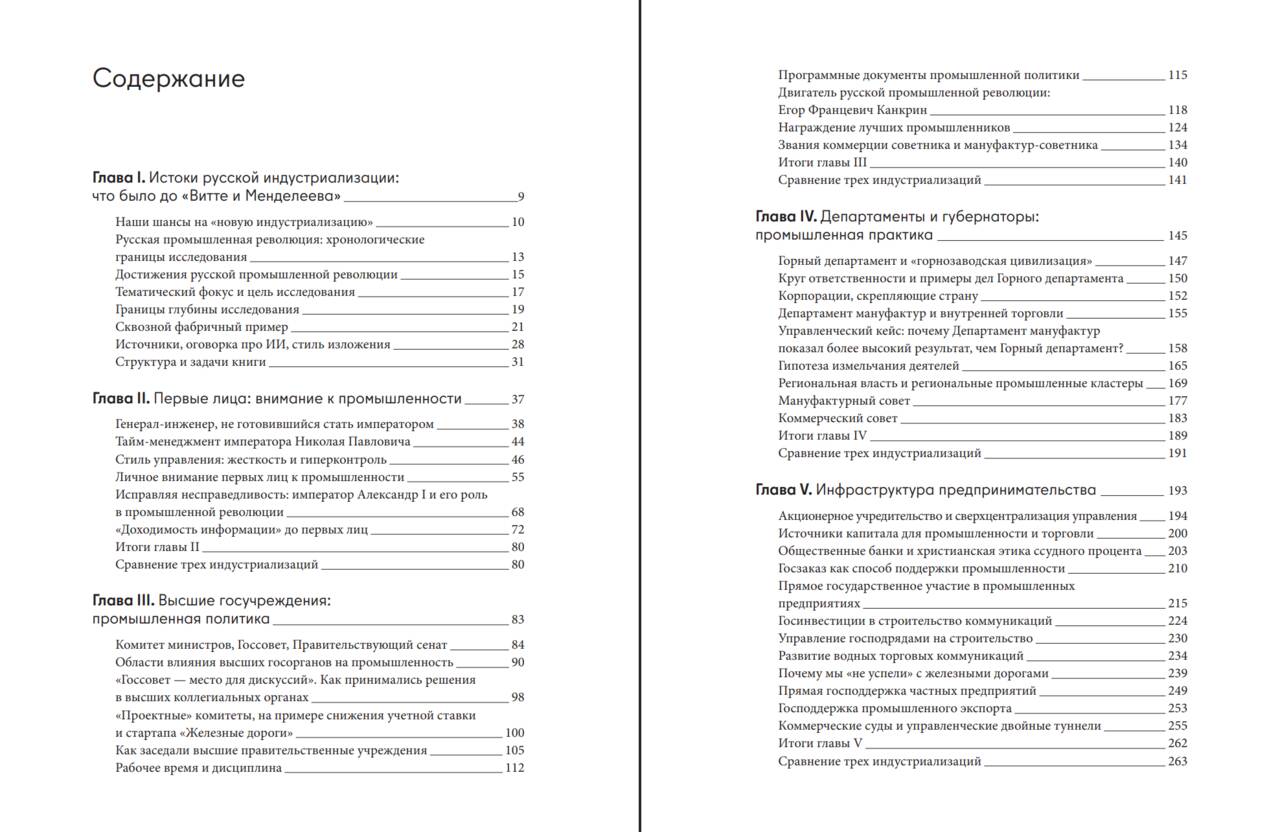
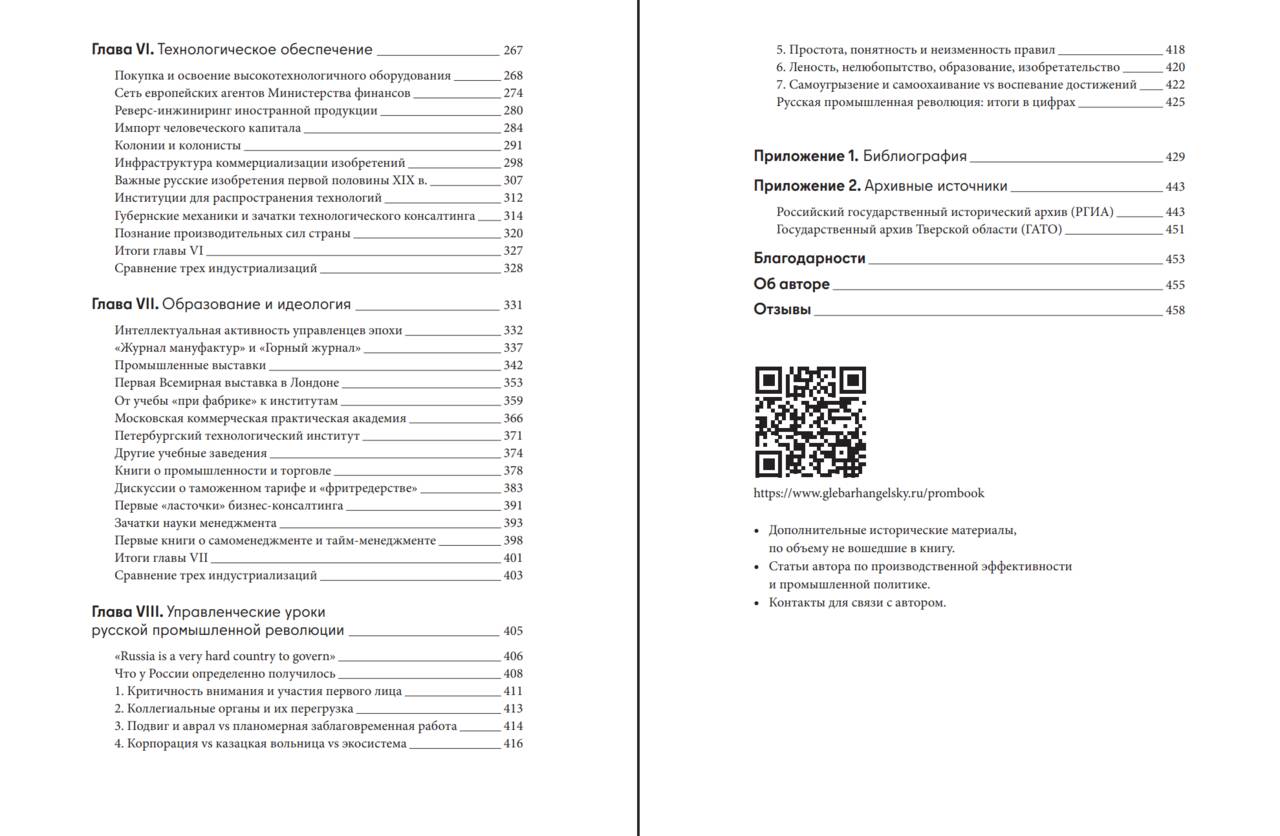
The author examines the first imperial industrialization from a specific perspective: from the perspective of management tools. How did government bodies—the Committee of Ministers, the State Council, the Department of Manufactures, and governors—manage industrial growth? What documents guided the leaders of the Industrial Revolution, how did they record meeting minutes, and how did they monitor the implementation of tasks? Through which manufacturing and commercial councils did they establish interactions with businesses? How were state subsidies and benefits distributed among industrialists?
Each chapter compares the approaches characteristic of the three industrializations, drawing conclusions useful for today's managers. The book draws on a significant number of archival primary sources and is written in an accessible, lively language.
The author examines the first imperial industrialization from a specific perspective: from the perspective of management tools. How did government bodies—the Committee of Ministers, the State Council, the Department of Manufactures, and governors—manage industrial growth? What documents guided the leaders of the Industrial Revolution, how did they record meeting minutes, and how did they monitor the implementation of tasks? Through which manufacturing and commercial councils did they establish interactions with businesses? How were state subsidies and benefits distributed among industrialists?
Each chapter compares the approaches characteristic of the three industrializations, drawing conclusions useful for today's managers. The book draws on a significant number of archival primary sources and is written in an accessible, lively language.
See also:
- All books by the publisher
- All books by the author