







Russian Floriography: An Illustrated Guide to the Noble Language of Flowers – Pink Adriana – Eksmo – 2026 – ISBN 978-5-04-241279-0
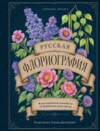
Russian Floriography: An Illustrated Guide to the Noble Language of Flowers
19.99 €
In stock

Russian Floriography: An Illustrated Guide to the Noble Language of Flowers
19.99 €
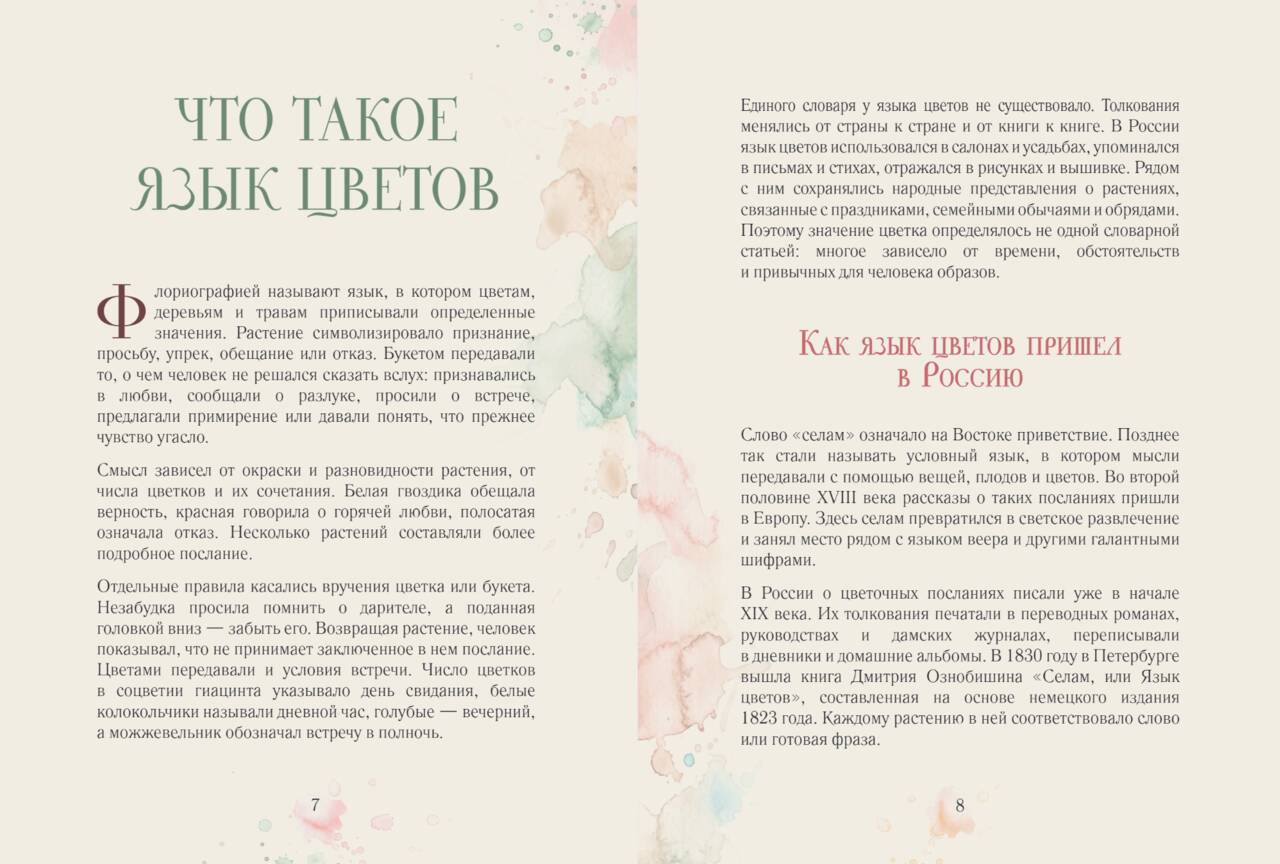
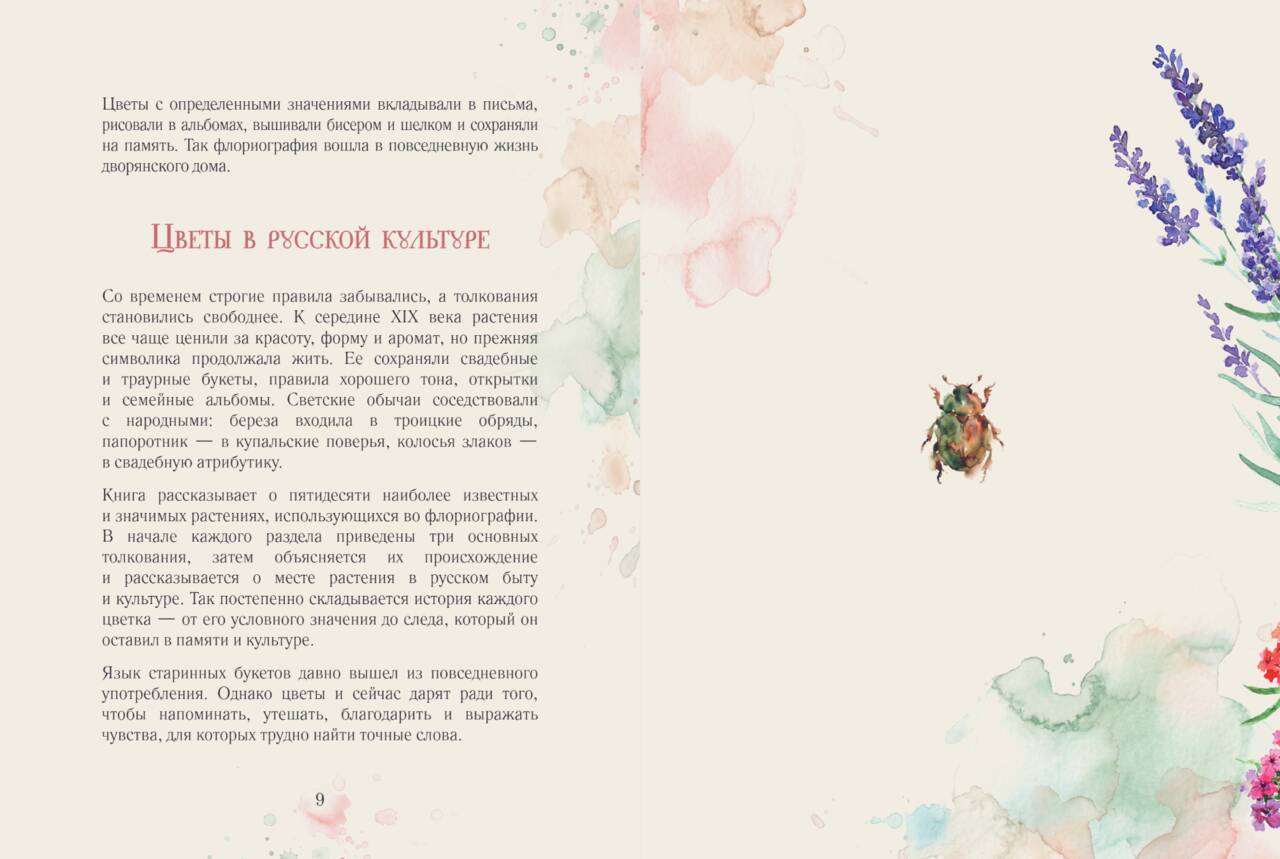
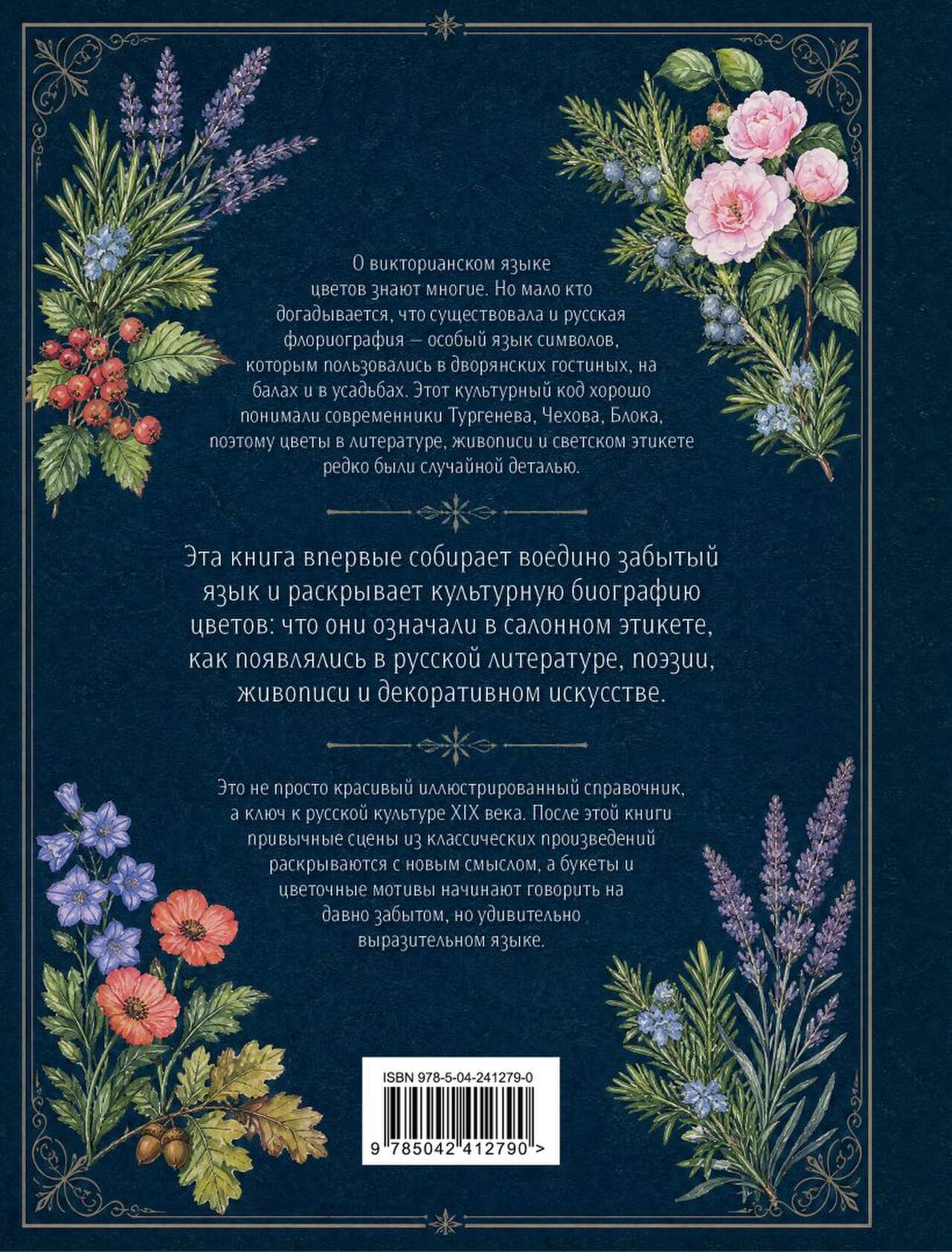
Many know the Victorian language of flowers, but few realize that 19th-century Russia also had its own exquisite "floral alphabet"—practiced in noble drawing rooms, at balls, and in country estates, where a mistake in a bouquet could cost one's reputation.
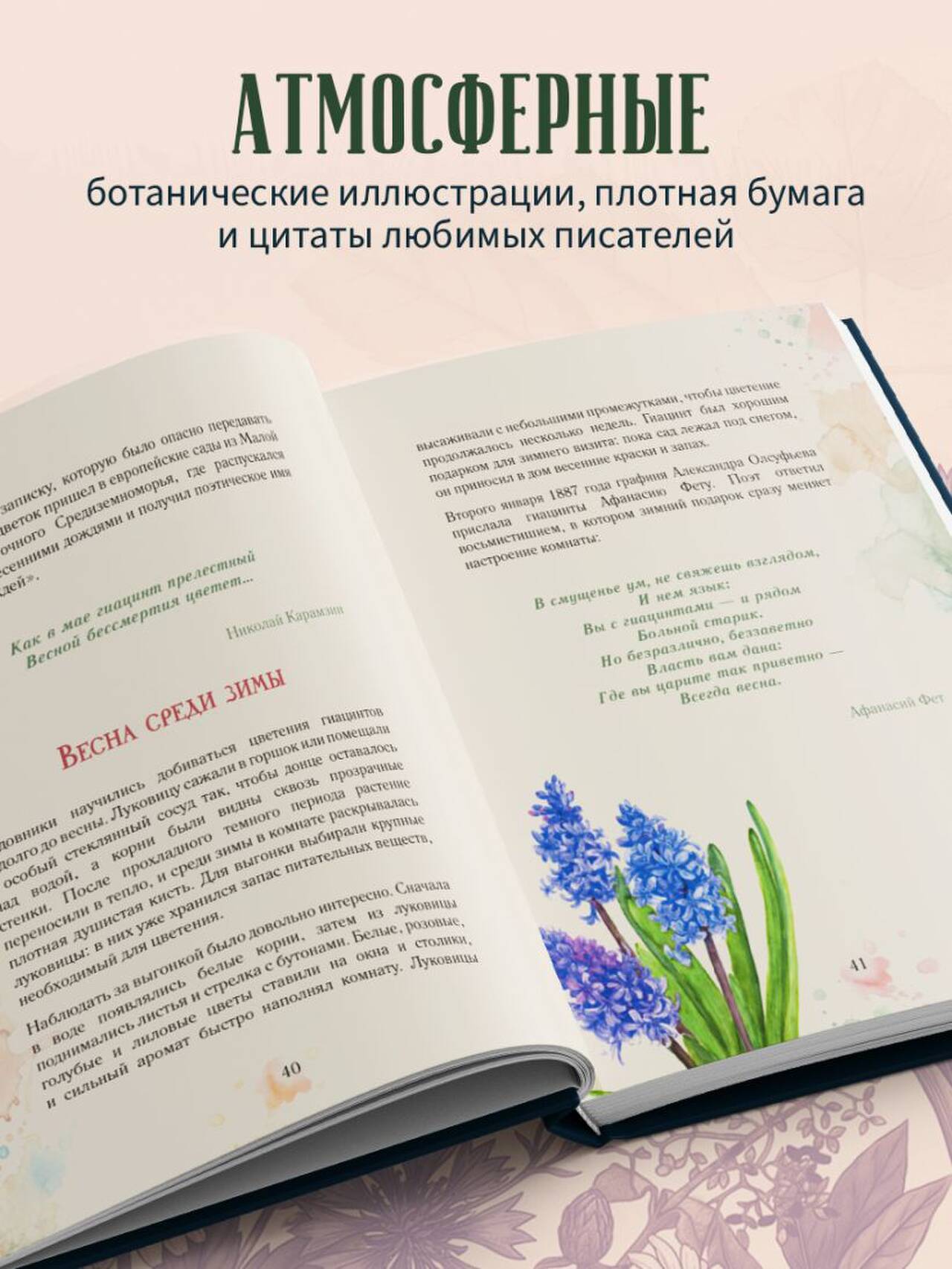
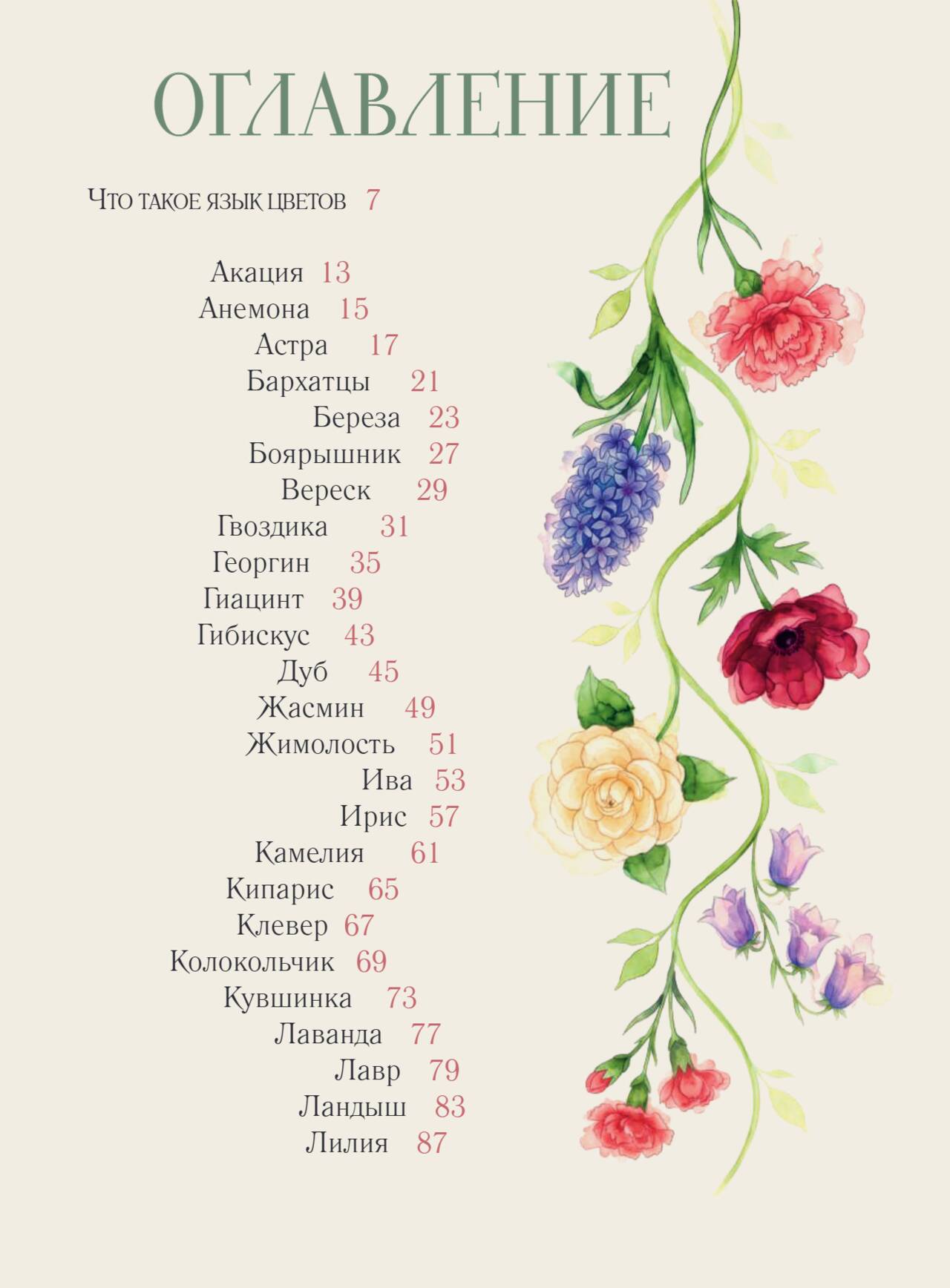
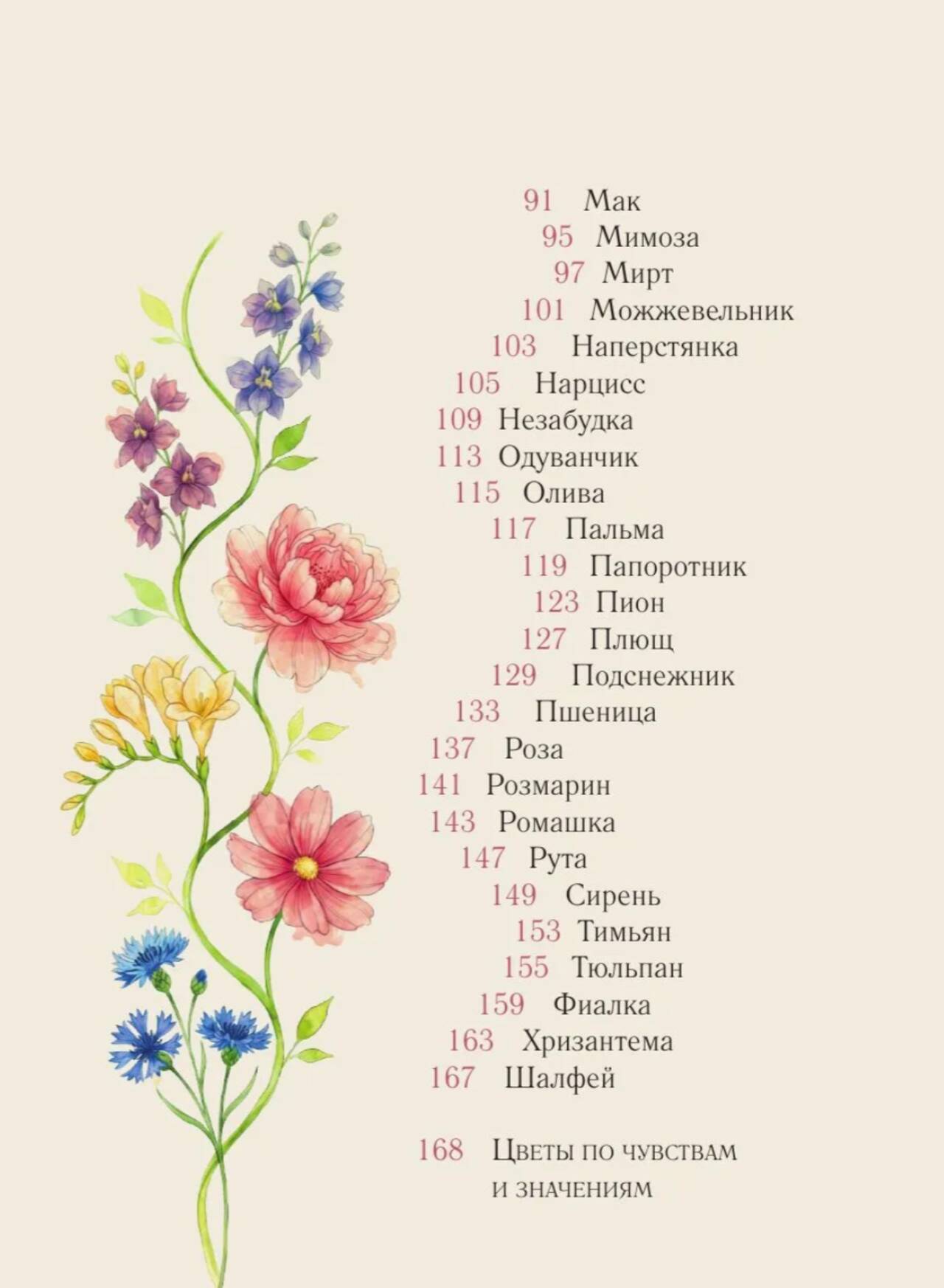
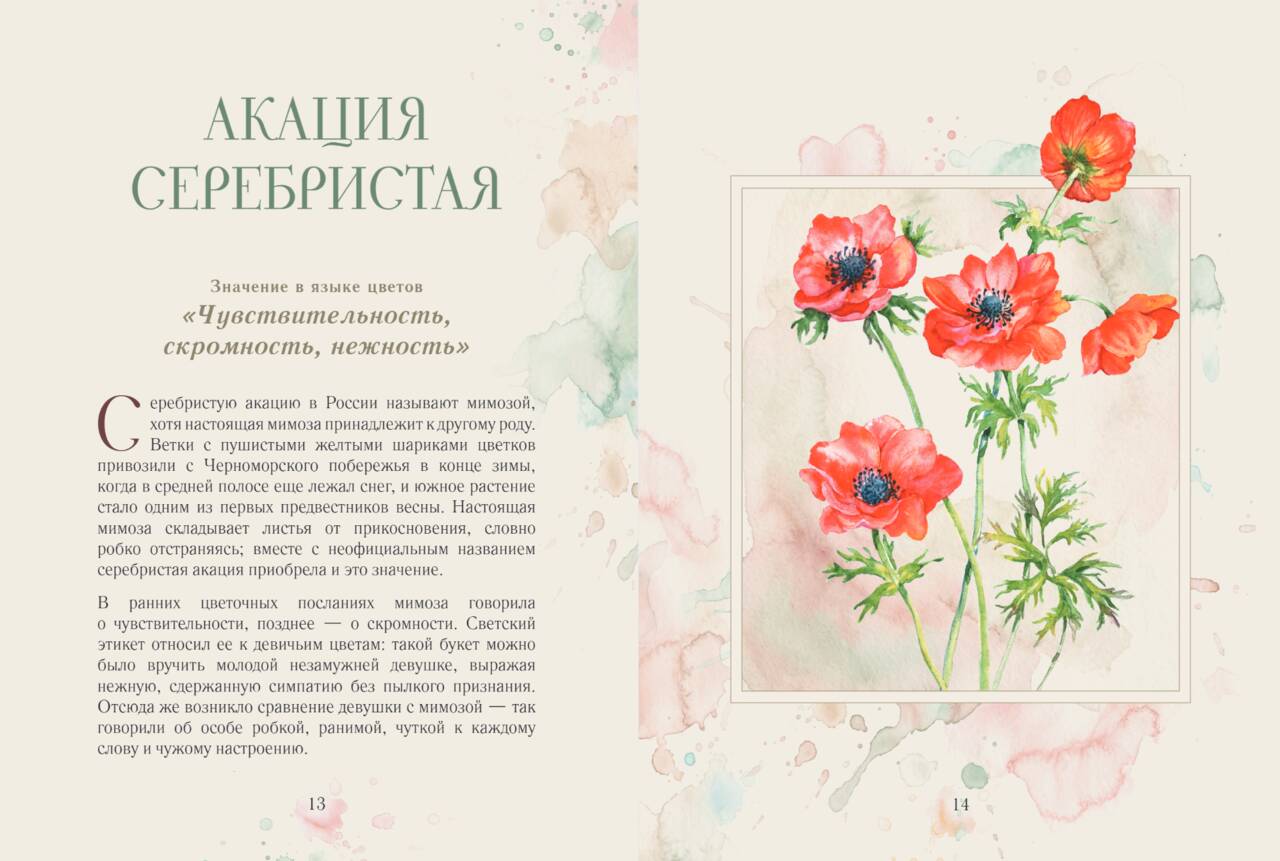
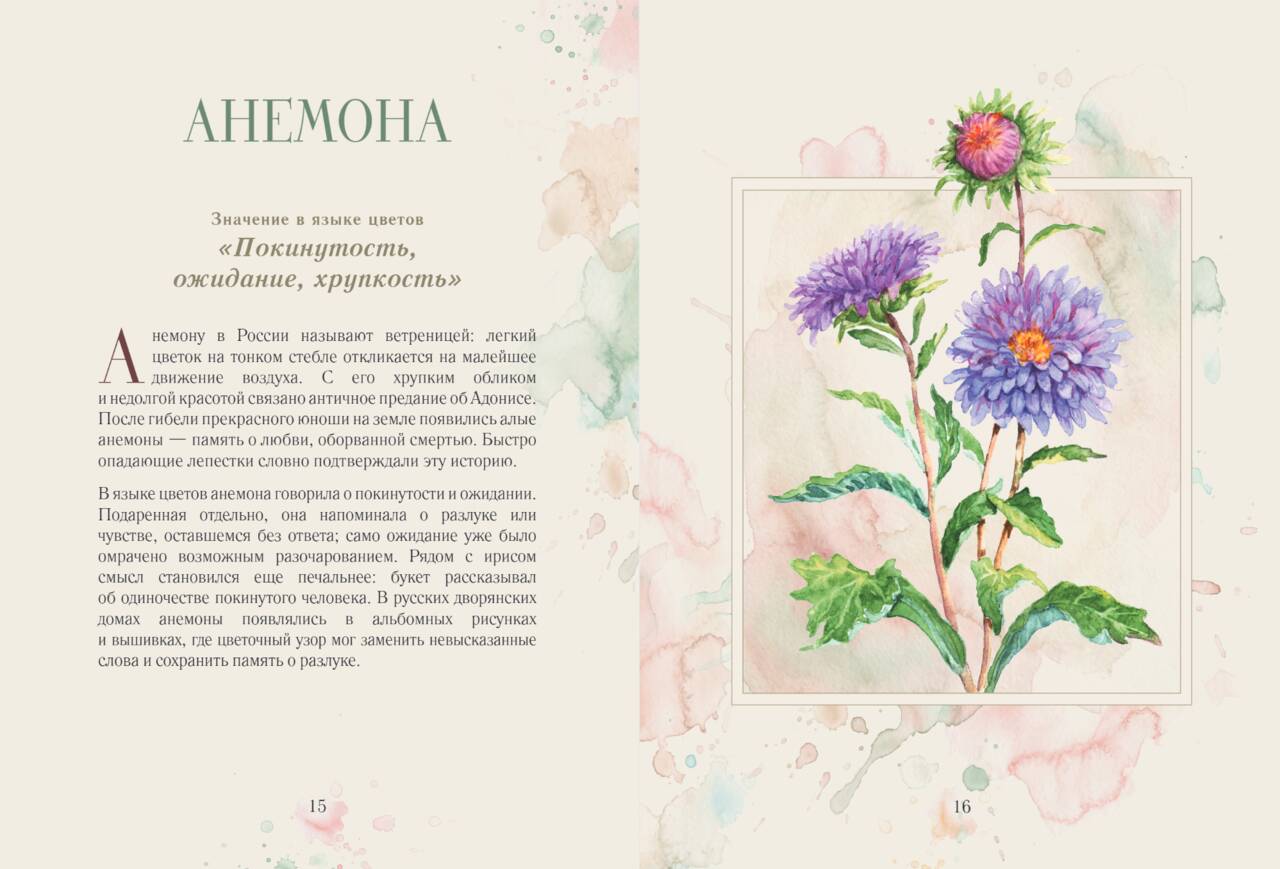
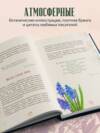
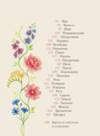
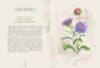
Here is the first guide to the forgotten Russian floriography, understood by the contemporaries of Pushkin, Turgenev, and Blok. It doesn't simply list the meanings of flowers; it reveals their cultural biography. Quotes from classic literature, the history of country estate life, and original illustrations help us see how floral motifs reflected ideas about love, propriety, memory, and reputation.
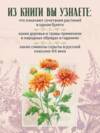
Did you know that:
- A red carnation in an unmarried girl's bouquet was considered bad form?
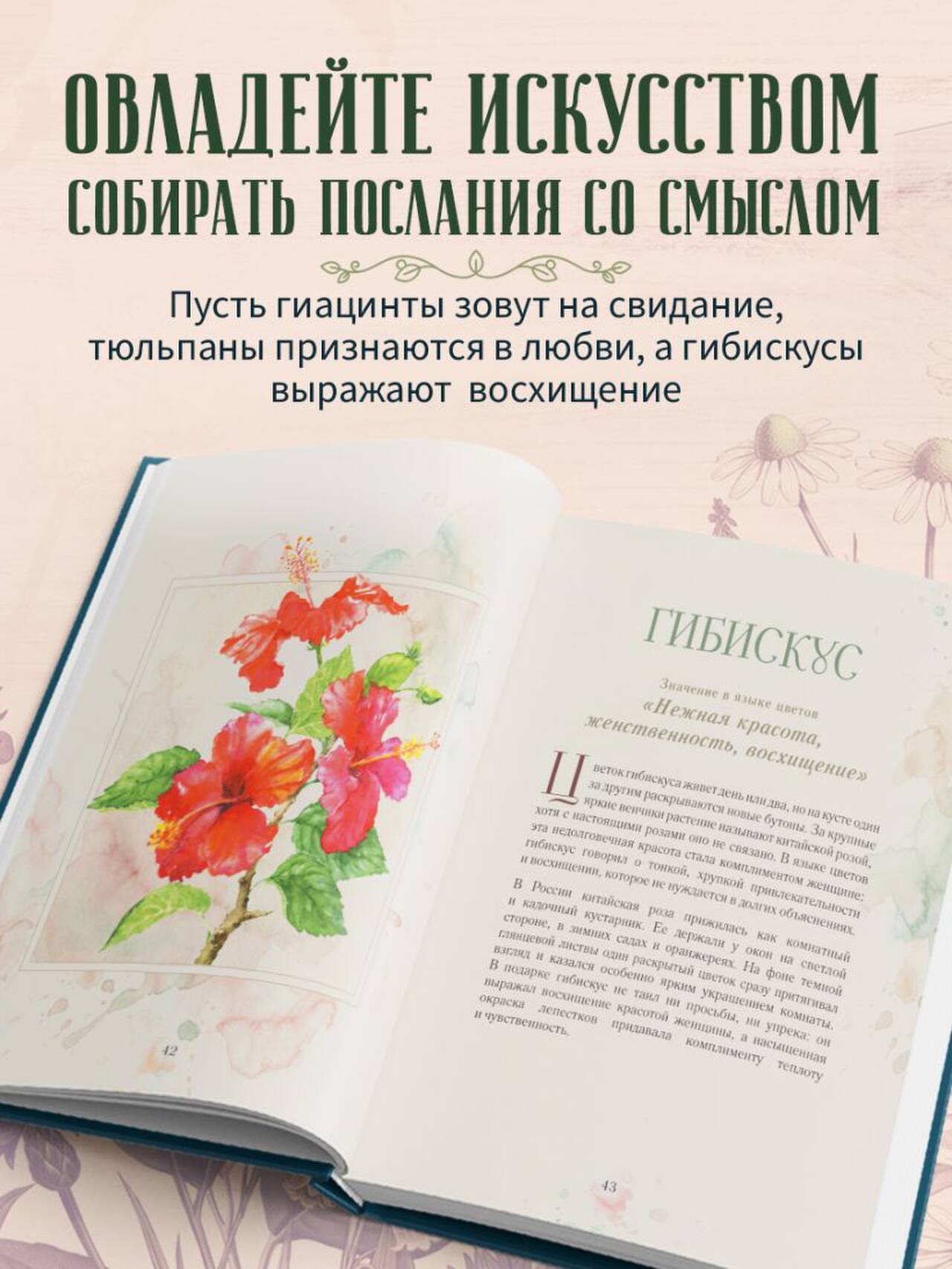
- A hyacinth could be used to arrange a secret rendezvous: this flower designated a specific day of the meeting. Even the birch tree had its own voice: in European dictionaries, it signified meekness, and for Vyazemsky, meeting it in a foreign land was "like a letter from a dear mother."
The book allows one to read Russian classics in a new way and see the expressive code of a bygone era in the bouquets and floral motifs of literature, painting, and everyday life.
See also:
- All books by the publisher
- All books by the author