






Reality at Stake: How Games Explain Human Nature – Clancy Kelly – Alpina Publisher – 2026 – ISBN 978-5-00223-852-1
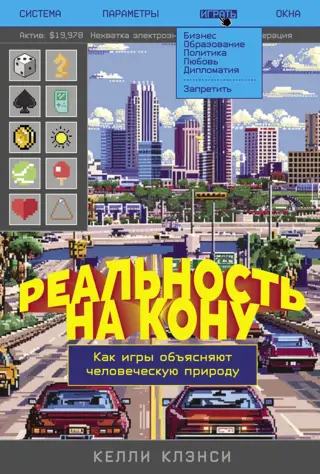
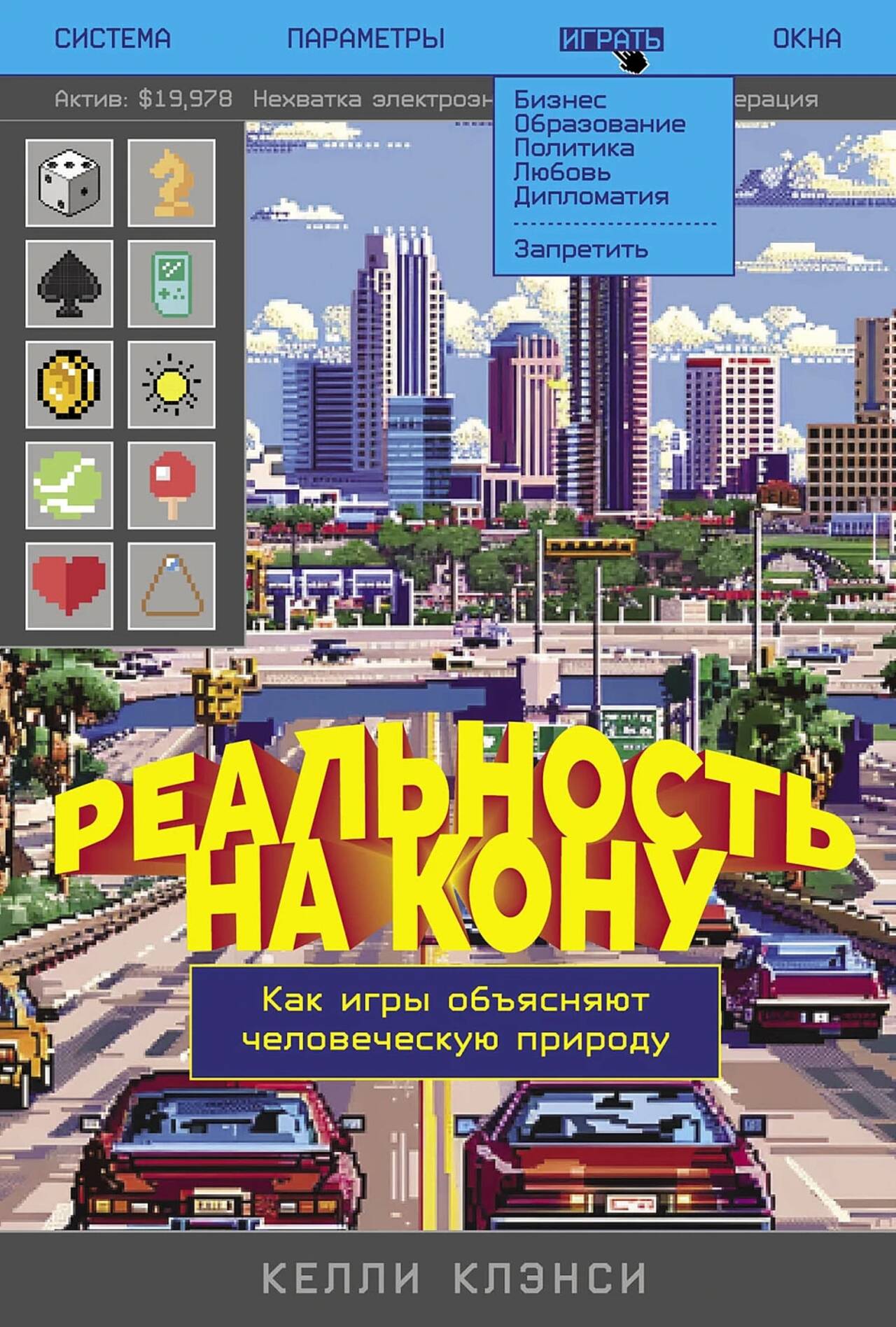
Reality at Stake: How Games Explain Human Nature
9.99 €
The only thing available 2

Reality at Stake: How Games Explain Human Nature
9.99 €
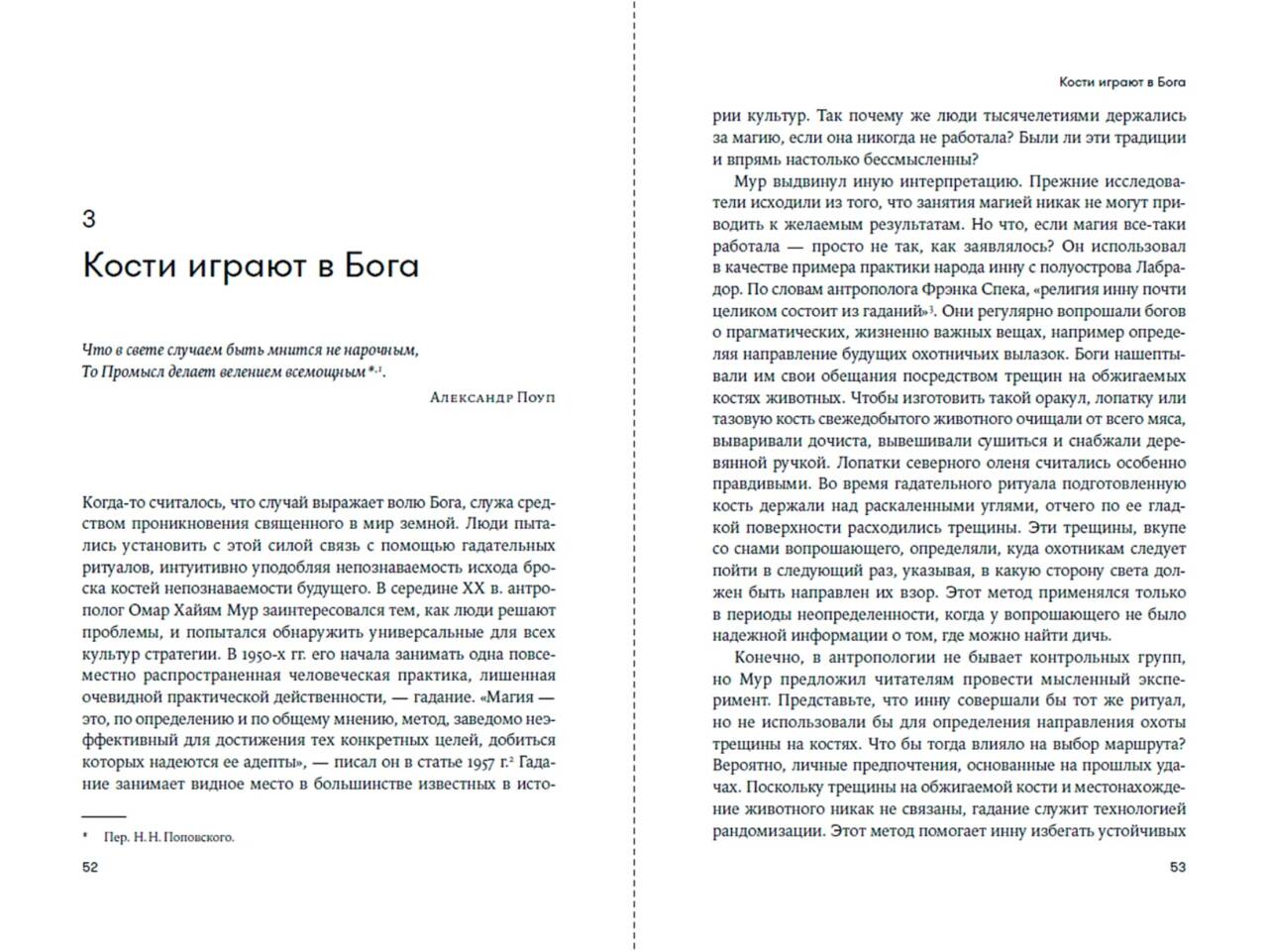
Games are considered older than written language, but in our time they have become the dominant form of cultural entertainment, surpassing film, music, and literature combined in popularity. We have always played games not only for pleasure but also to explore the real world—but what happens when we mistake the game itself for reality?
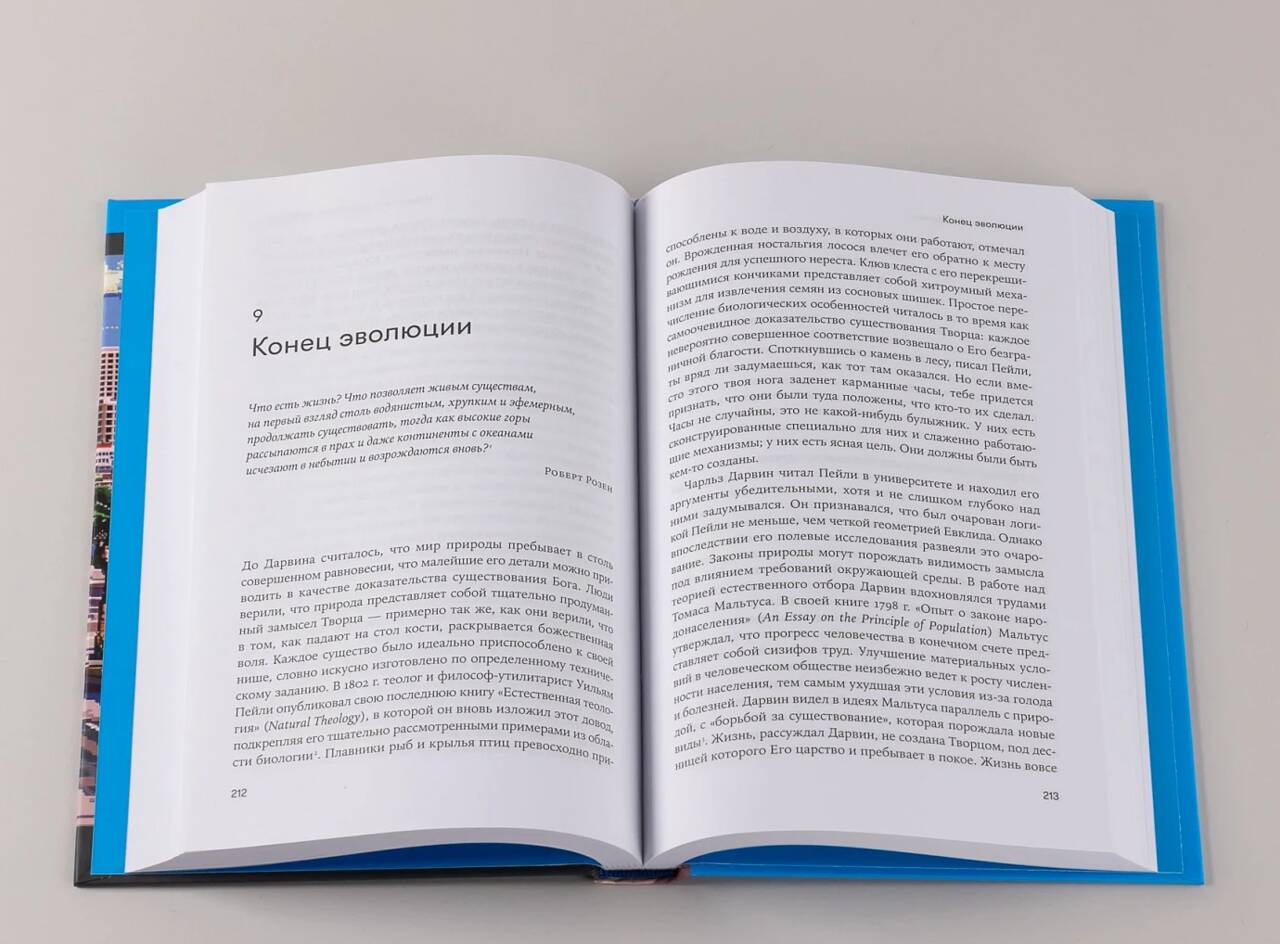
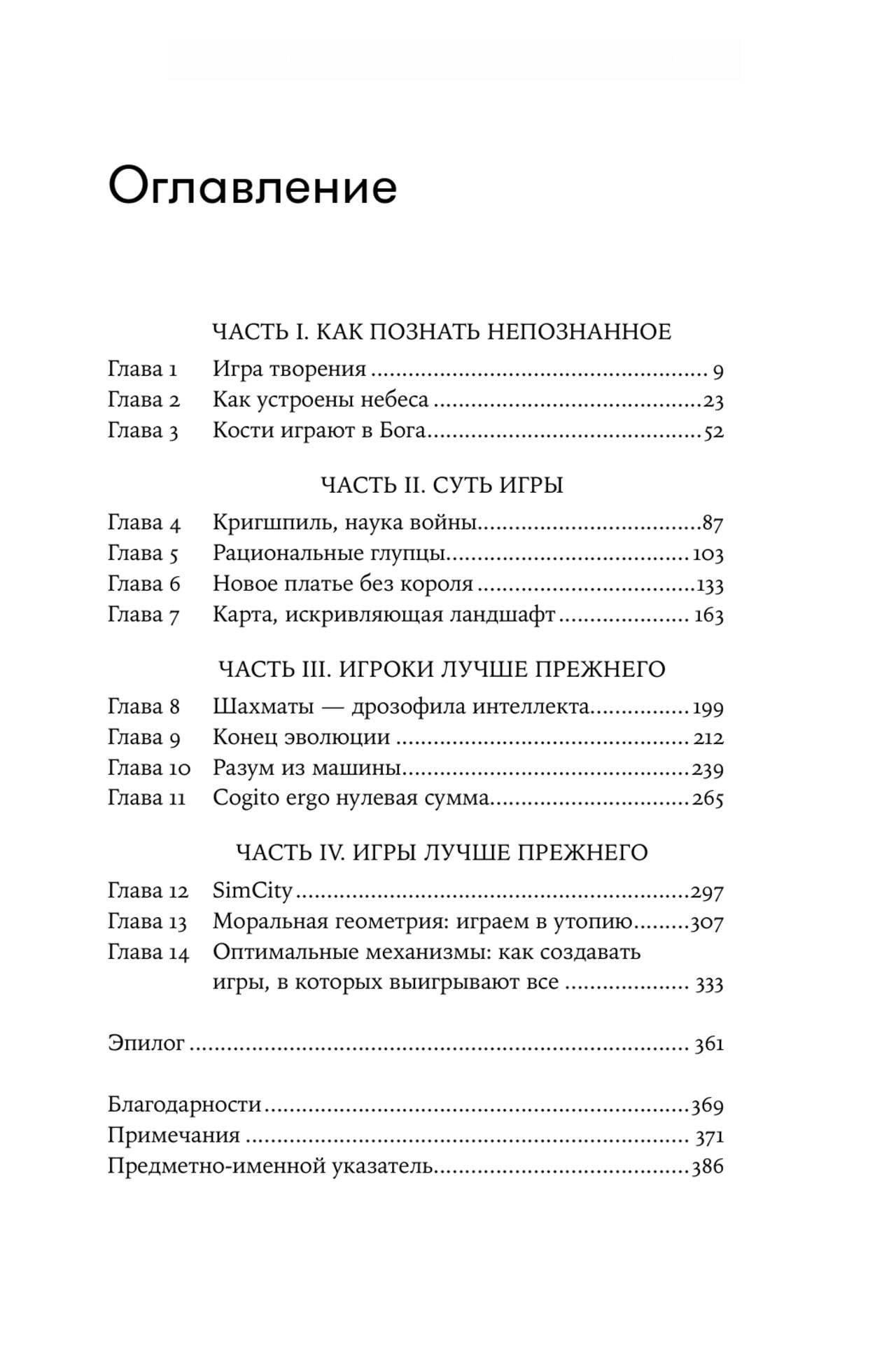
In "Reality at Stake," neuroscientist and physicist Kelly Clancy explores the fascinating history of games from Pythagoras to ChatGPT, touching on unexpected topics along the way, such as military strategy, mammalian zoology, cognitive psychology, higher mathematics, and international relations theory. It turns out that games are inextricably linked to the fate of humanity, and it's time we started taking them much more seriously than we've become accustomed to. Military simulations determined the outcomes of real wars in Europe in the 19th and 20th centuries. Game theory has distorted our understanding of human behavior and brought us to the brink of annihilation—yet it still underpins fundamental ideas about economics, politics, and technology. We used games to teach computers to learn on their own, and now we're creating games that will shape the structure of society and the future of democracy.
This clearly written and thought-provoking book advances the bold thesis that the human passion for play is the key to understanding our nature.
In "Reality at Stake," neuroscientist and physicist Kelly Clancy explores the fascinating history of games from Pythagoras to ChatGPT, touching on unexpected topics along the way, such as military strategy, mammalian zoology, cognitive psychology, higher mathematics, and international relations theory. It turns out that games are inextricably linked to the fate of humanity, and it's time we started taking them much more seriously than we've become accustomed to. Military simulations determined the outcomes of real wars in Europe in the 19th and 20th centuries. Game theory has distorted our understanding of human behavior and brought us to the brink of annihilation—yet it still underpins fundamental ideas about economics, politics, and technology. We used games to teach computers to learn on their own, and now we're creating games that will shape the structure of society and the future of democracy.
This clearly written and thought-provoking book advances the bold thesis that the human passion for play is the key to understanding our nature.
See also:
- All books by the publisher
- All books by the author