


The Divided Temple: The Reformation in Europe – Anna Seregina – Word – 2026 – ISBN 978-5-387-02084-1
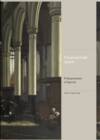
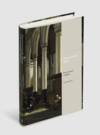
The Divided Temple: The Reformation in Europe
49.99 €
In stock

The Divided Temple: The Reformation in Europe
49.99 €
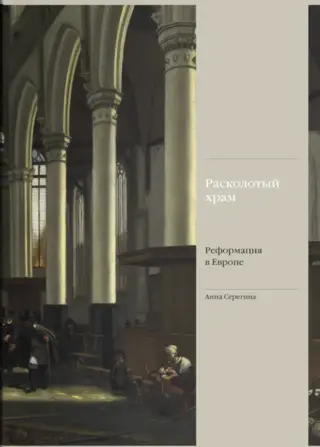
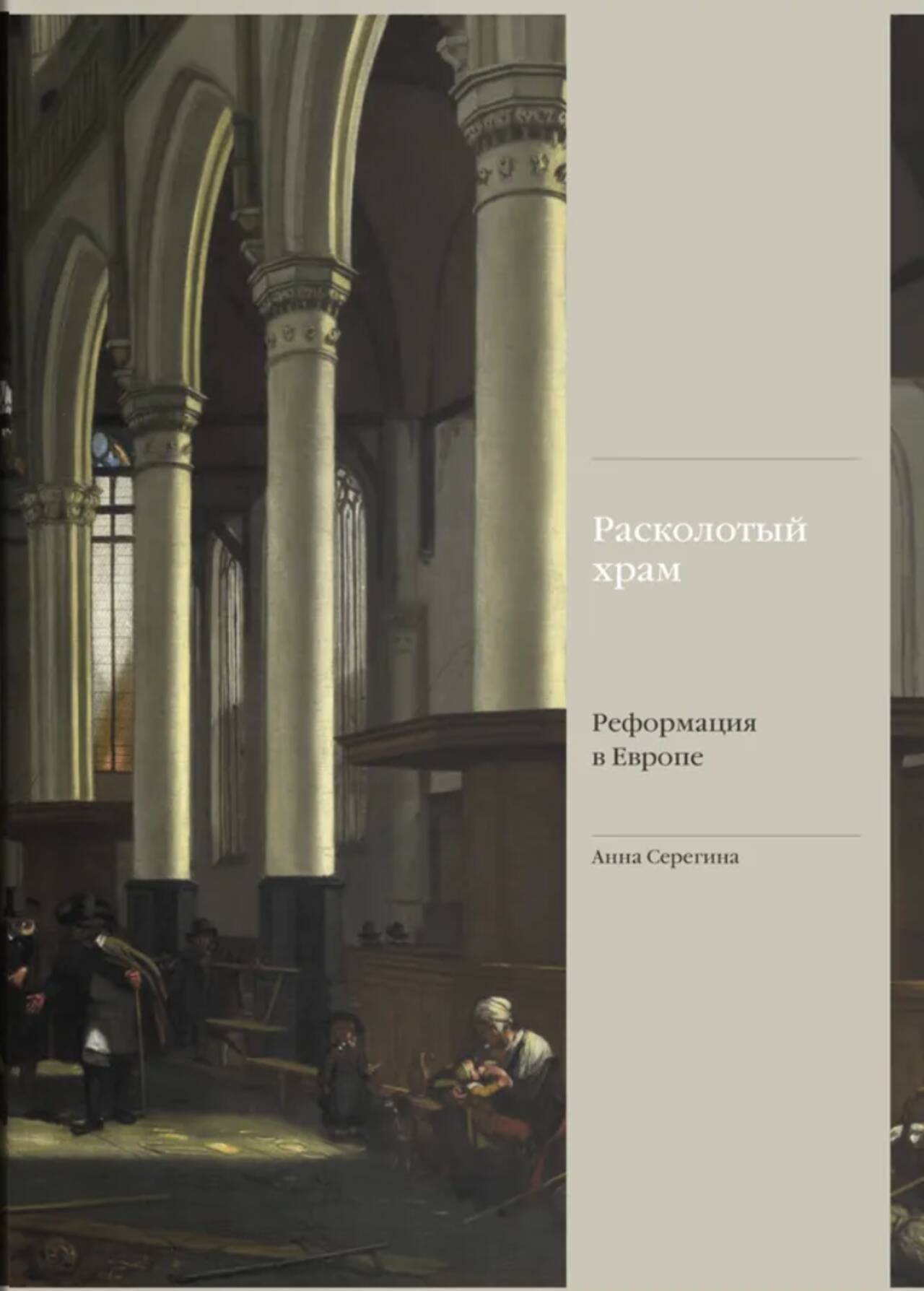
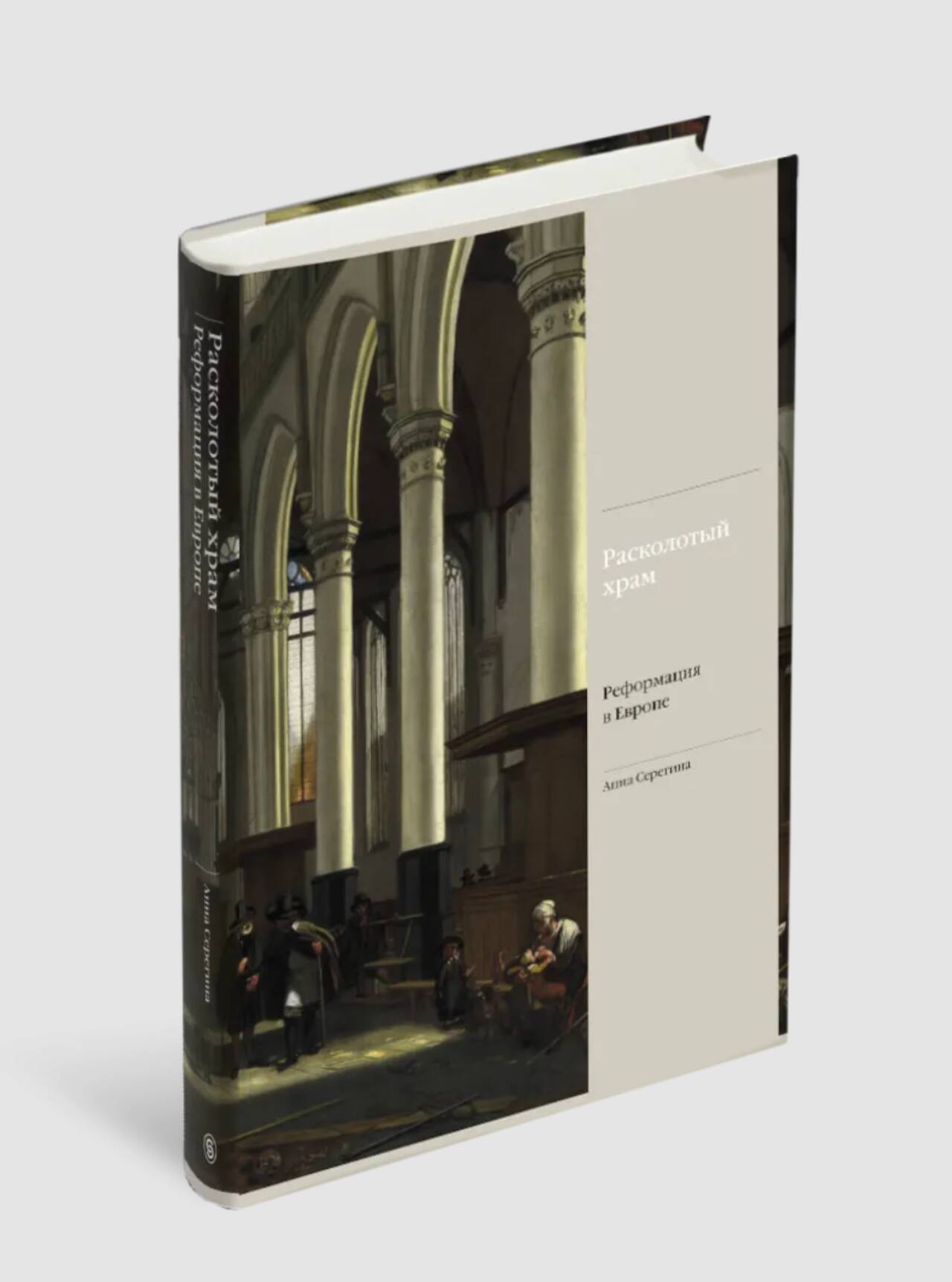
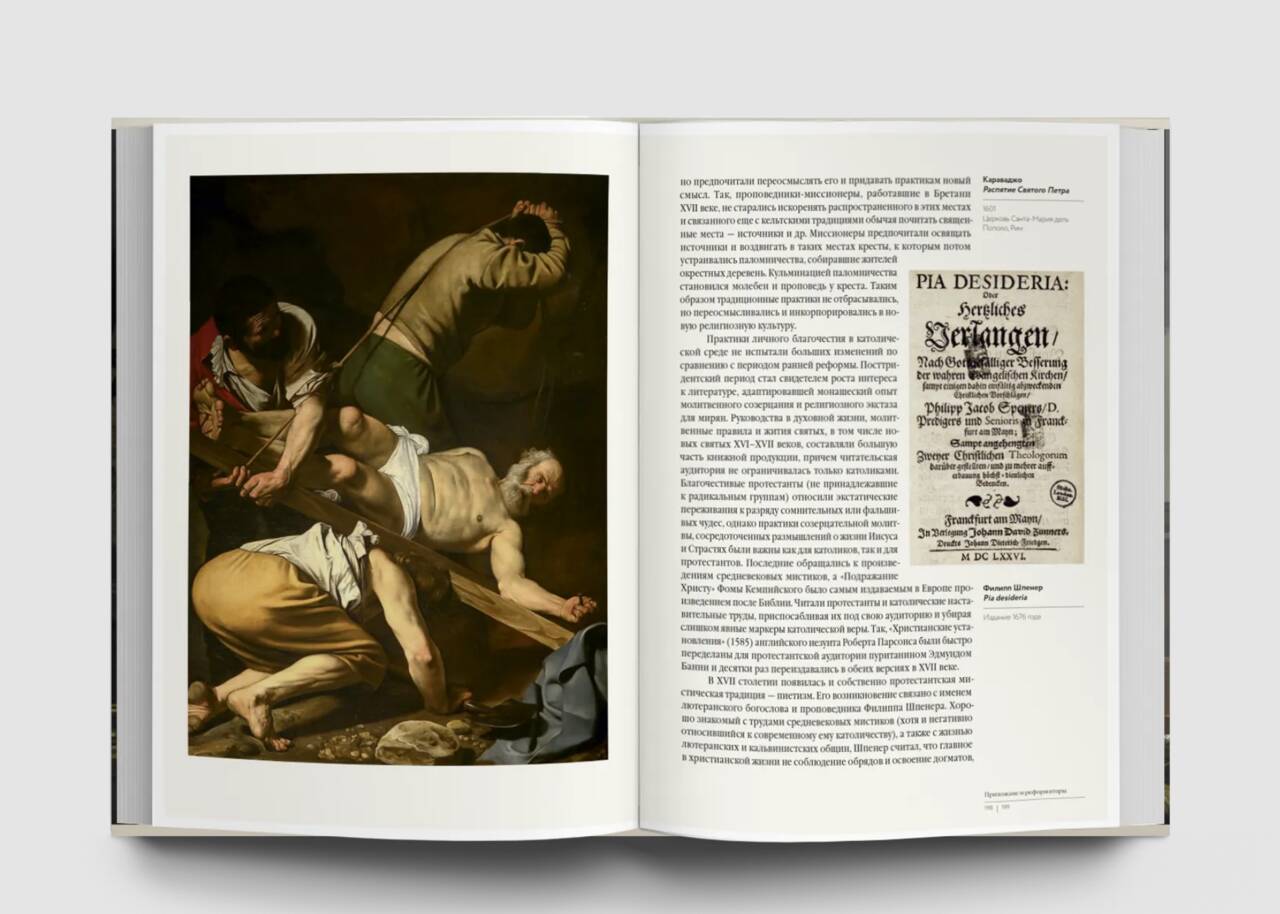
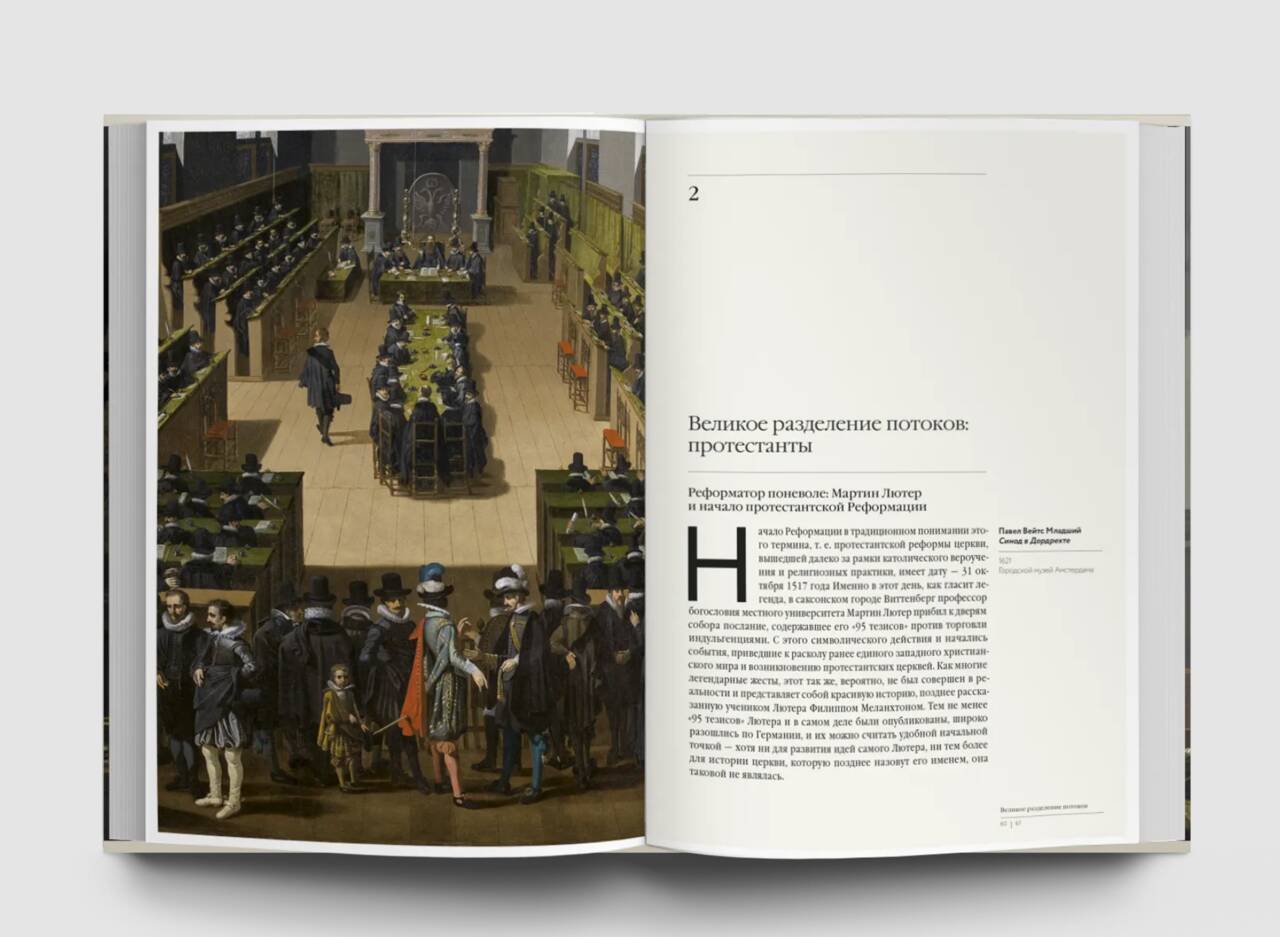
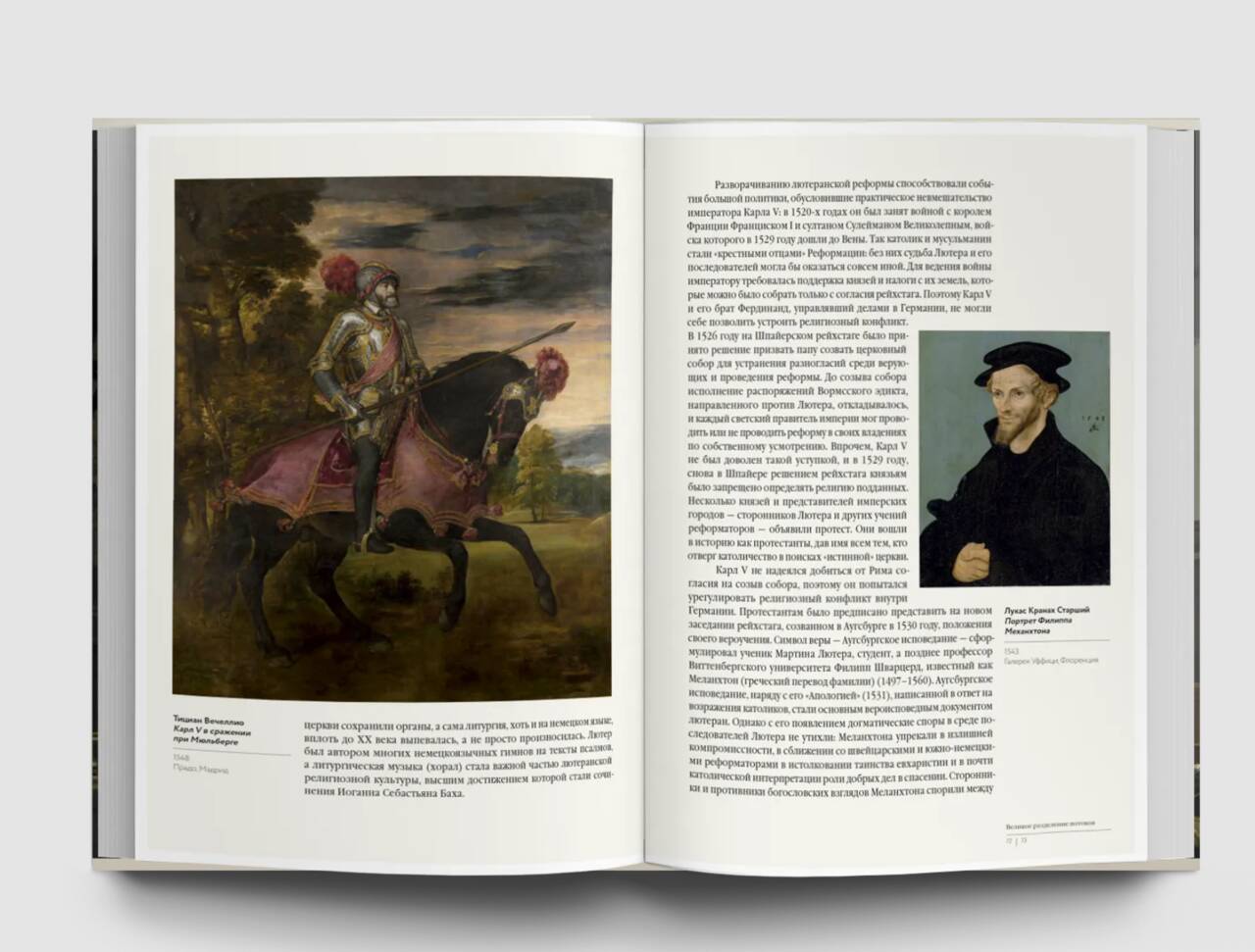
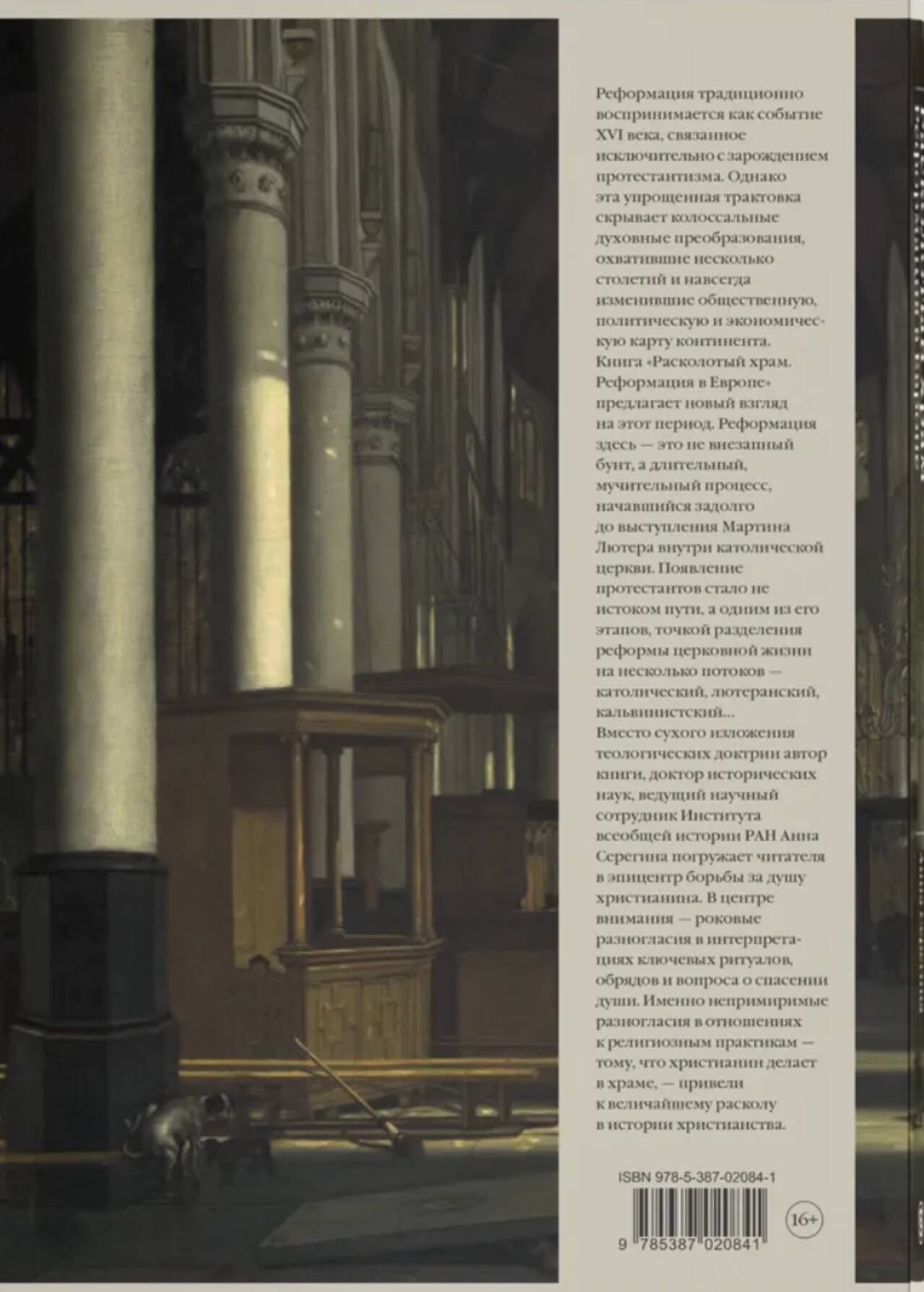
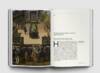
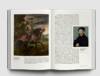
The Reformation is traditionally perceived as a 16th-century event associated solely with the birth of Protestantism. However, this simplified interpretation obscures the colossal spiritual transformations that spanned several centuries and forever altered the social, political, and economic landscape of the continent.
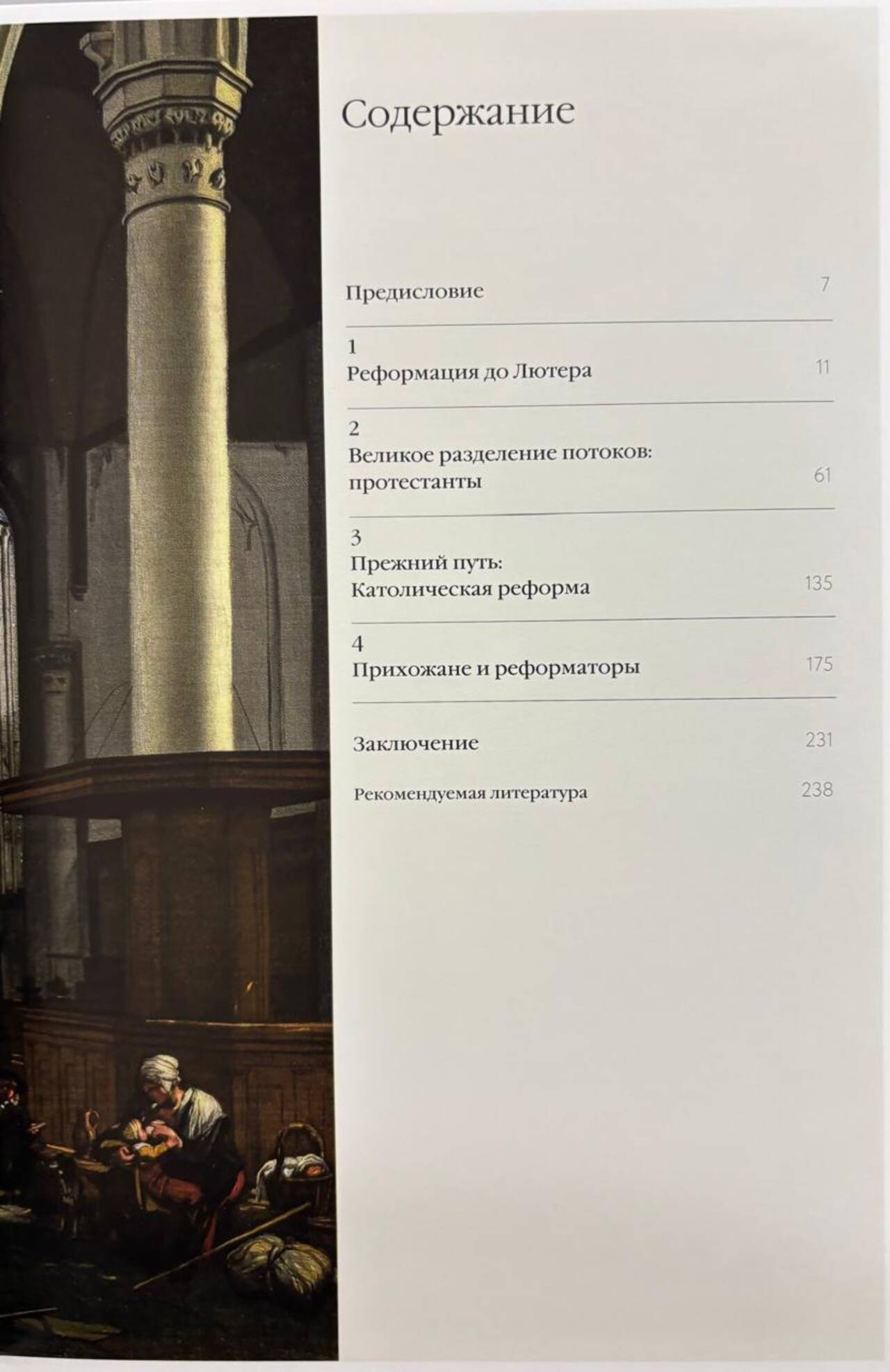
Irreconcilable differences in attitudes toward religious practice—what a Christian does in church—led to the greatest schism in Christian history. The Reformation, according to the author, was not a sudden revolt, but a long, painful process that began long before Martin Luther's rise within the Catholic Church. The emergence of the Protestants was not the beginning of the process, but one of its stages, a dividing point for the reform of church life into several streams—Catholic, Lutheran, Calvinist...
The book's protagonists include not only Luther and the Reformers, but also parishioners, preachers, monks, mystics, artists, and members of religious fraternities—all those who shaped the living fabric of European Christianity. The author presents the Reformation not only as a history of theological controversies and church institutions, but above all as a history of people's religious experience—their everyday practices, rituals, fears, hopes, and ideas about salvation. The focus is on the sacraments, the mass, the cult of saints and the Virgin Mary, purgatory, indulgences, brotherhoods of believers, forms of piety among laypeople and monks, as well as changes in the perception of death and faith.
"The Divided Temple." Reformation in Europe is a book about how religion changes society from within and why conversations about faith, rituals, and identity remain acutely relevant in an era of new cultural and value rifts.
Irreconcilable differences in attitudes toward religious practice—what a Christian does in church—led to the greatest schism in Christian history. The Reformation, according to the author, was not a sudden revolt, but a long, painful process that began long before Martin Luther's rise within the Catholic Church. The emergence of the Protestants was not the beginning of the process, but one of its stages, a dividing point for the reform of church life into several streams—Catholic, Lutheran, Calvinist...
The book's protagonists include not only Luther and the Reformers, but also parishioners, preachers, monks, mystics, artists, and members of religious fraternities—all those who shaped the living fabric of European Christianity. The author presents the Reformation not only as a history of theological controversies and church institutions, but above all as a history of people's religious experience—their everyday practices, rituals, fears, hopes, and ideas about salvation. The focus is on the sacraments, the mass, the cult of saints and the Virgin Mary, purgatory, indulgences, brotherhoods of believers, forms of piety among laypeople and monks, as well as changes in the perception of death and faith.
"The Divided Temple." Reformation in Europe is a book about how religion changes society from within and why conversations about faith, rituals, and identity remain acutely relevant in an era of new cultural and value rifts.
See also:
- All books by the publisher
- All books by the author