


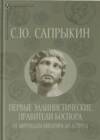

The first Hellenistic rulers of the Bosporus: from Mithridates Eupator to Aspurgus – Saprykin Sergey – Alma Mater – 2026 – ISBN 978-5-00264-054-6
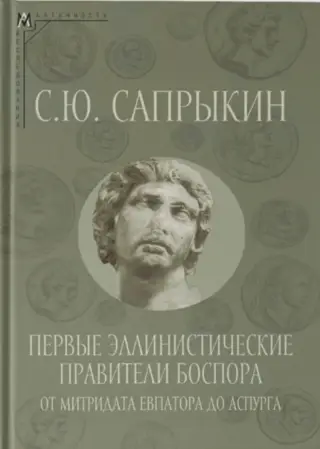
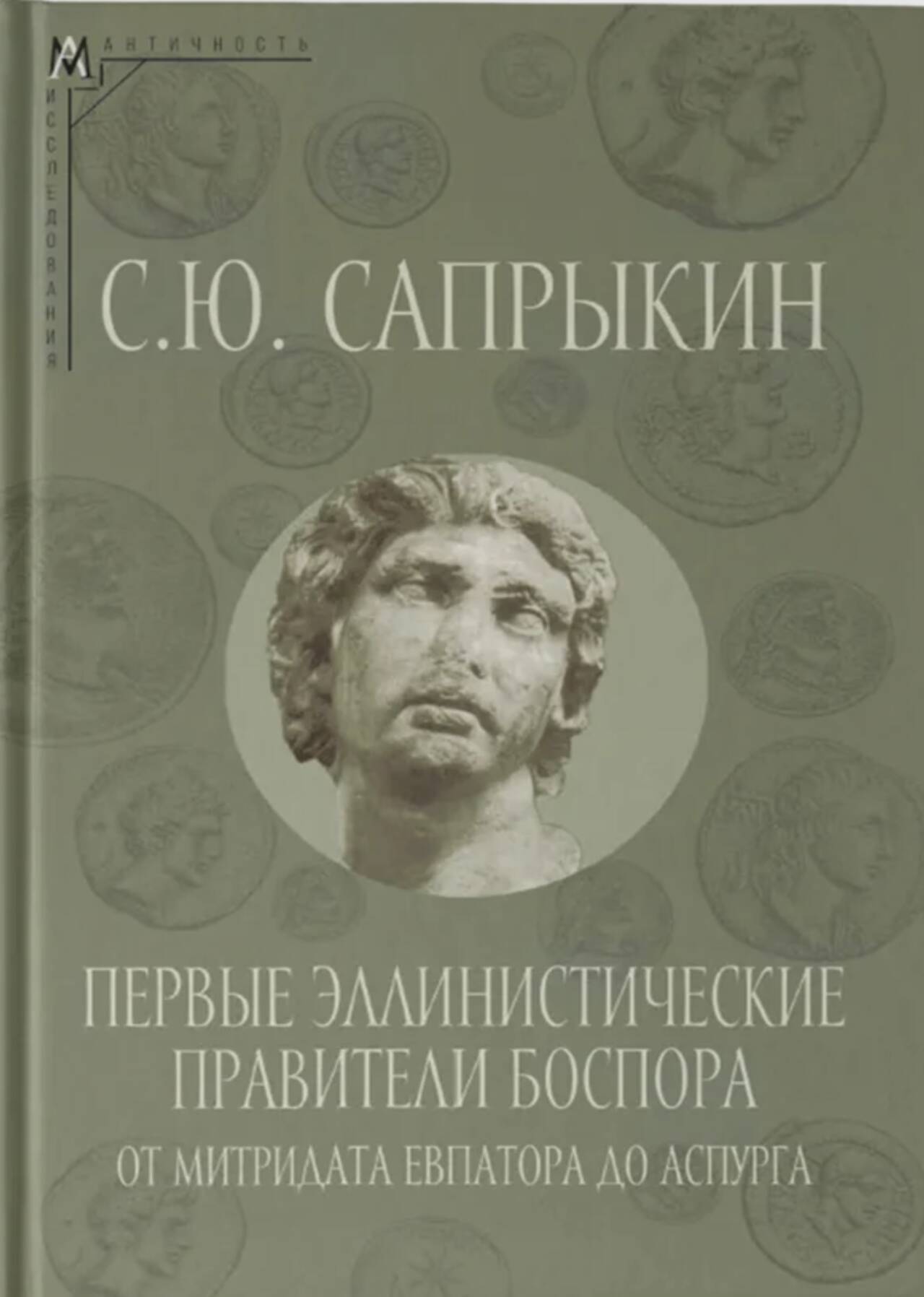
The first Hellenistic rulers of the Bosporus: from Mithridates Eupator to Aspurgus
39.99 €
In stock

The first Hellenistic rulers of the Bosporus: from Mithridates Eupator to Aspurgus
39.99 €
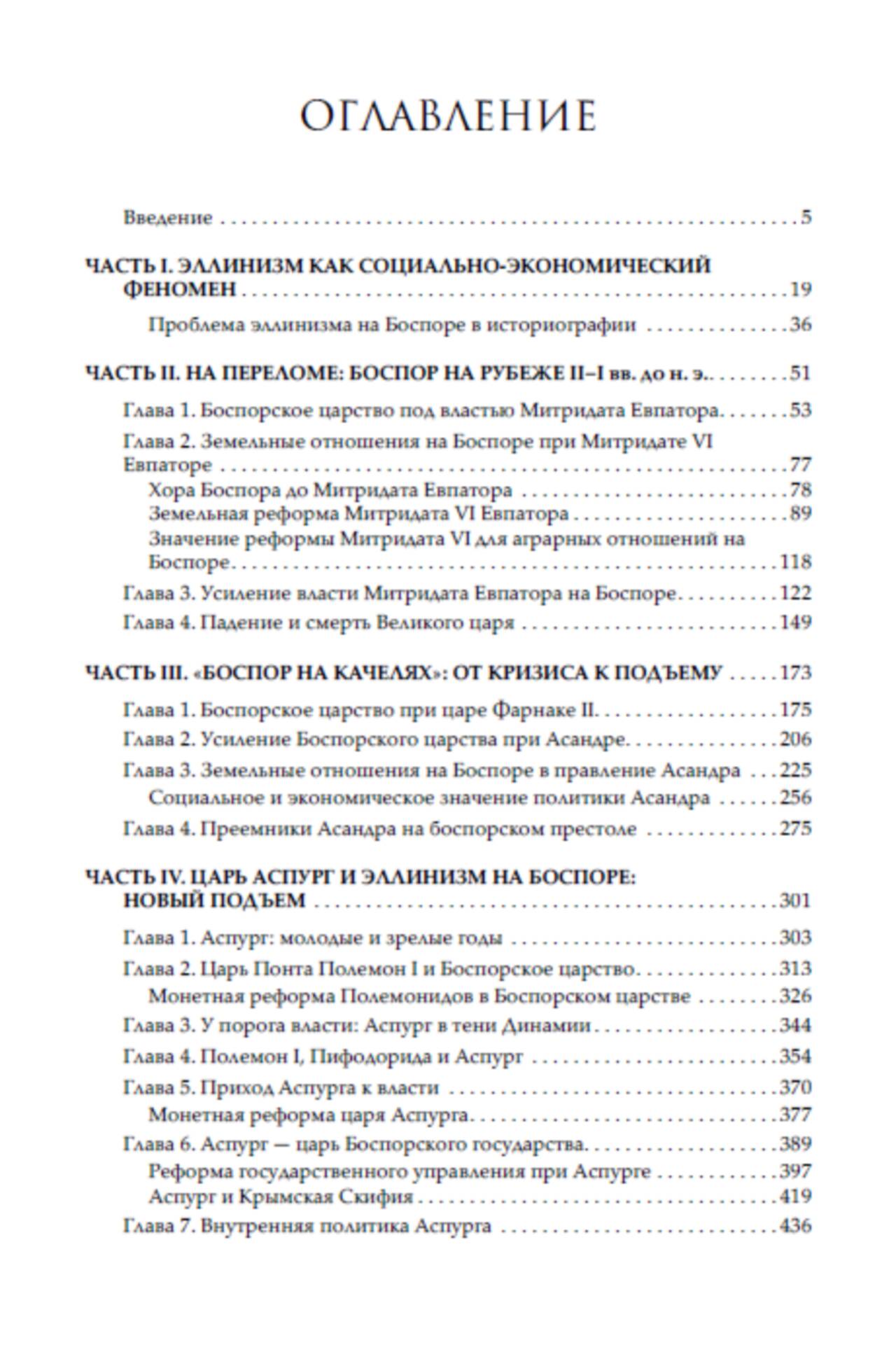
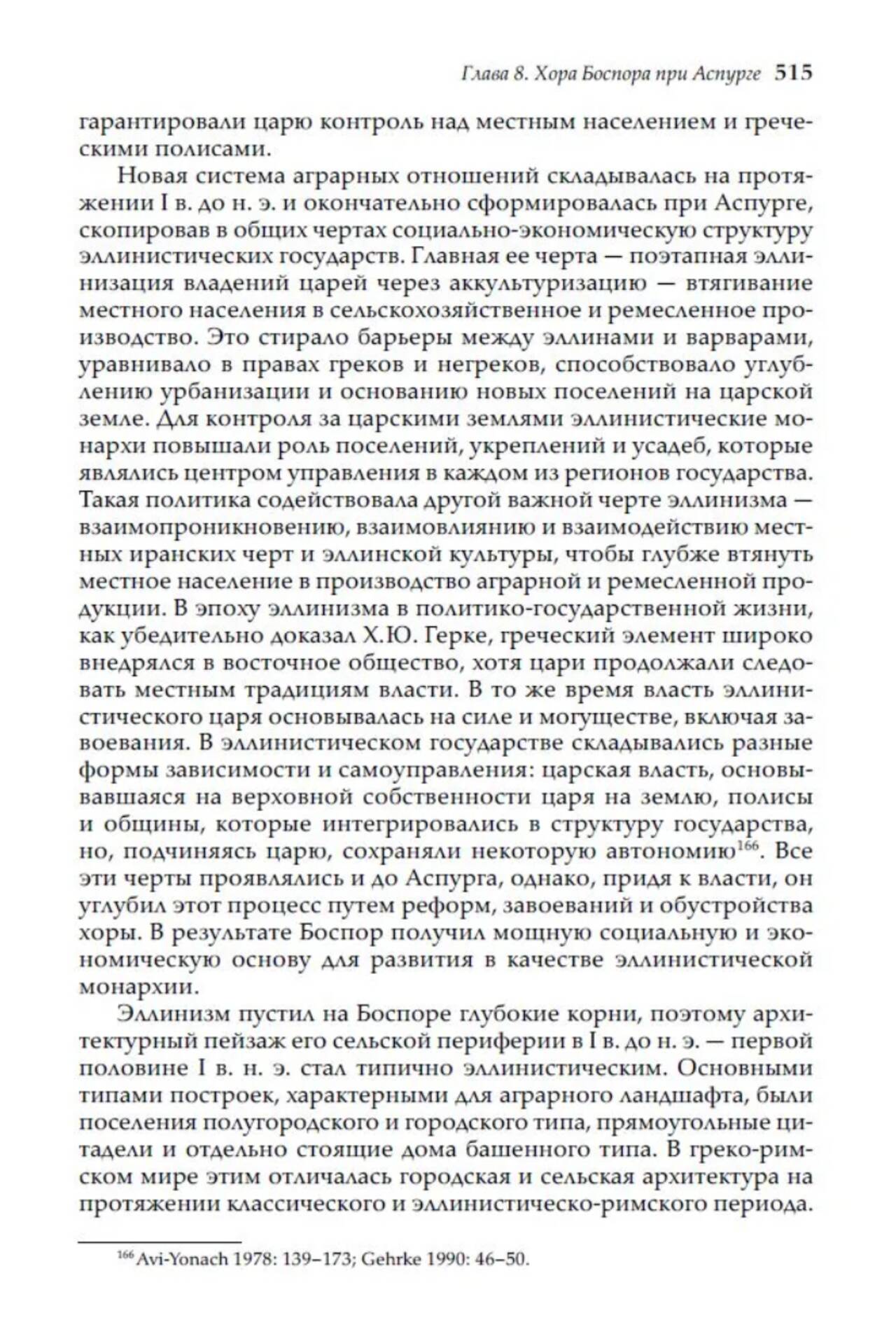
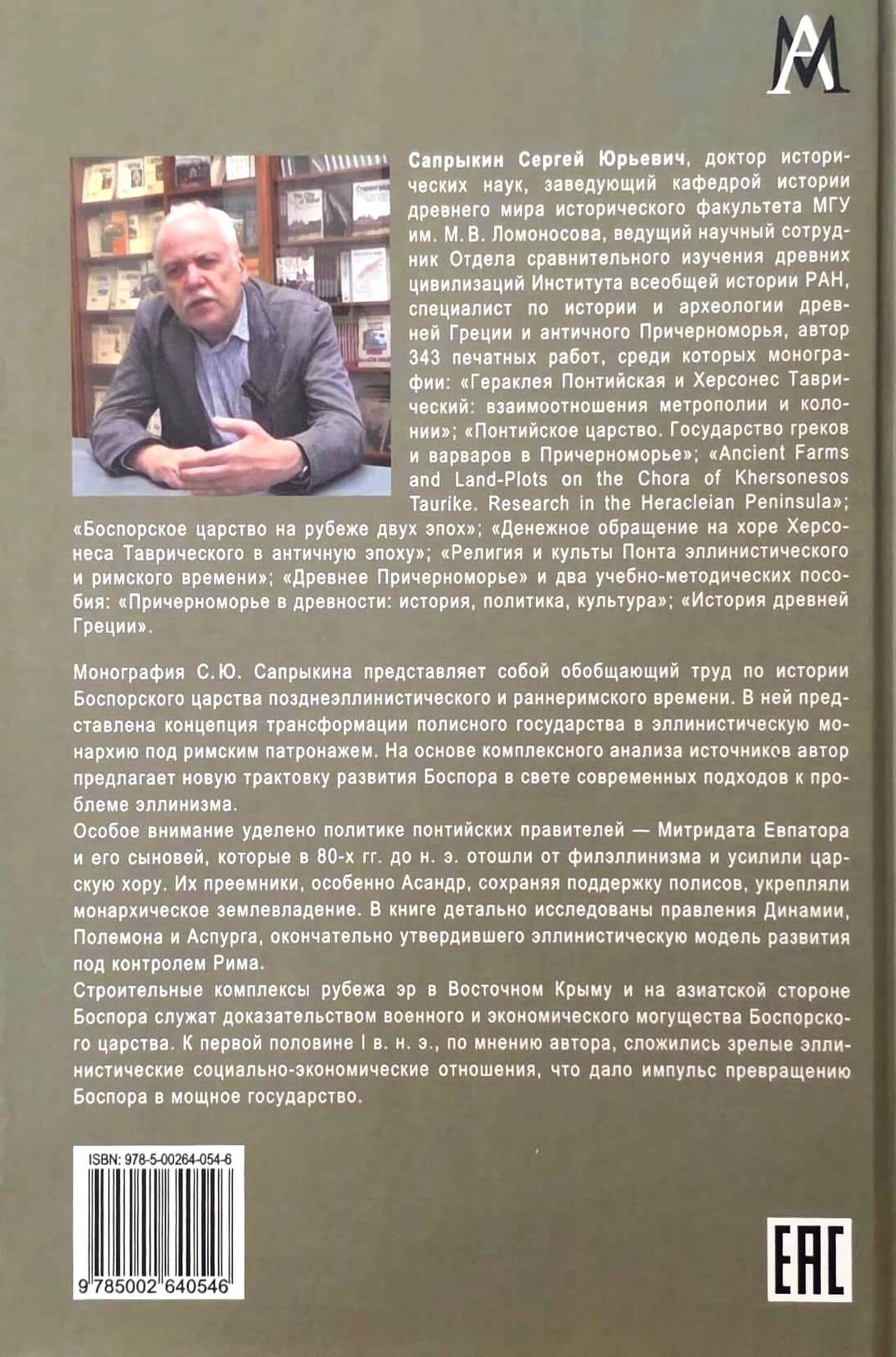
S. Yu. Saprykin's monograph represents the first comprehensive study in a quarter-century on the history of the Bosporan Kingdom in the late Hellenistic and early Roman periods. It presents a concept of the transformation of the polis state into a Hellenistic monarchy under Roman patronage. Based on a comprehensive analysis of sources, the author critically reexamines previous conclusions and offers a new interpretation of the development of the Bosporan Kingdom in light of modern approaches to the study of Hellenism.
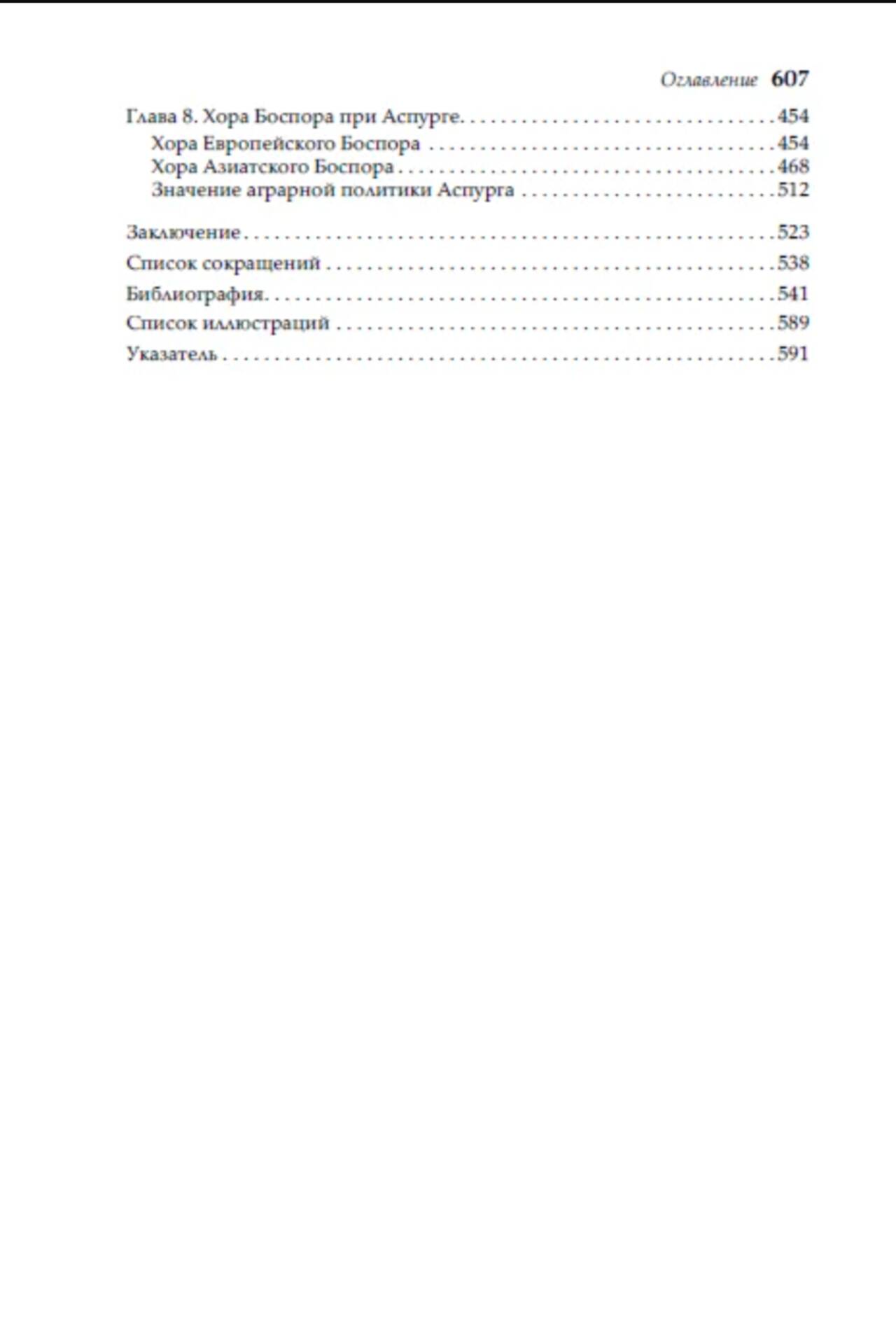
Particular attention is paid to the policies of the Pontic rulers—Mithridates Eupator and his sons, who in the 80s BC abandoned philhellenism and strengthened the royal chora. The successors of the Pontic kings, especially Asander, while maintaining the support of the polises, strengthened monarchical landownership. The book provides a detailed examination of the reigns of Dynamis, Polemon, and Aspurgus. The latter, having returned to a pro-Roman course, took the economy to a new level and finally established the Hellenistic model of development under Roman control.
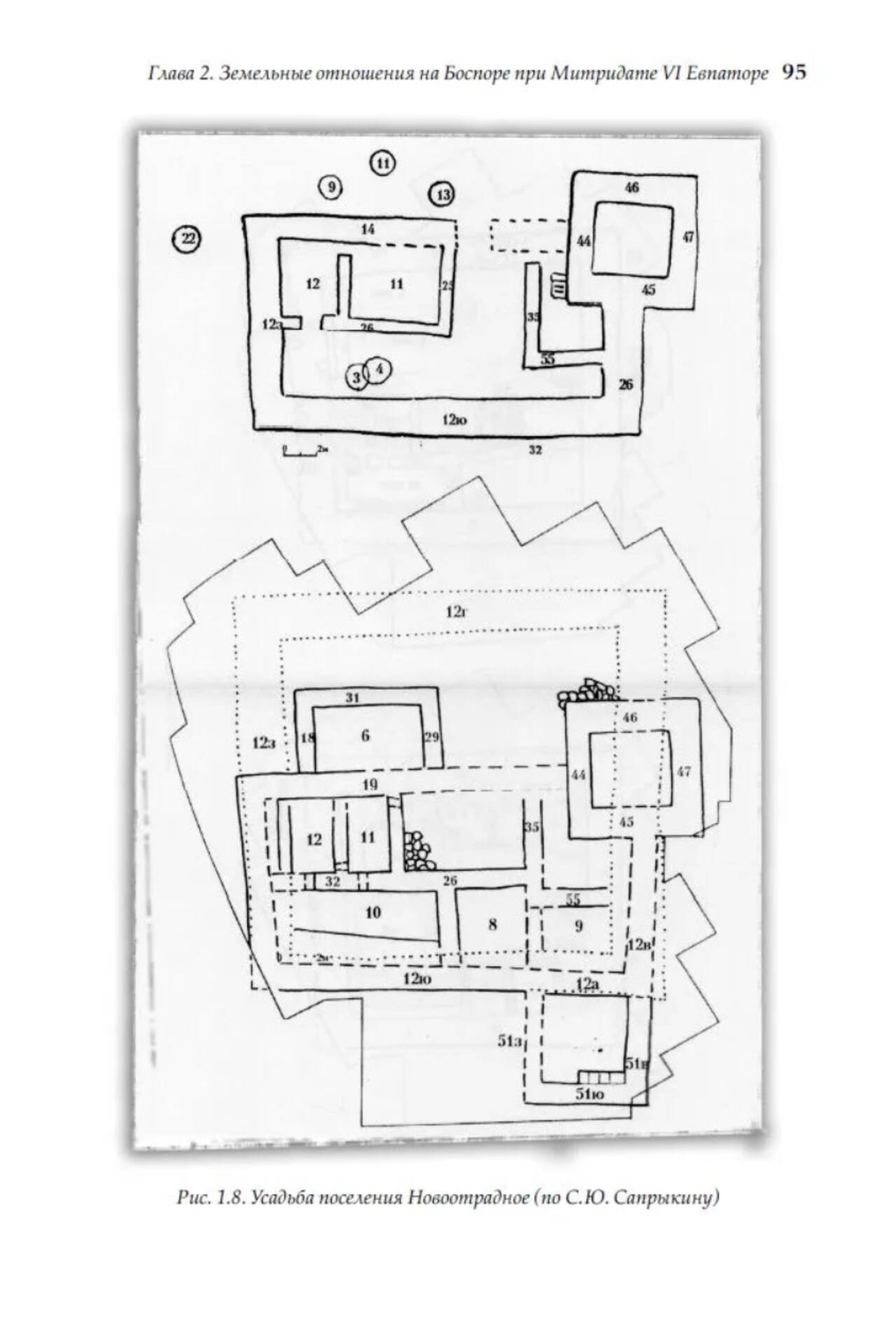
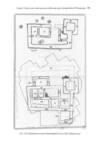
The turn-of-the-era building complexes in Eastern Crimea and on the Asian side of the Bosporan Peninsula serve as evidence of the military and economic might of the Bosporan Kingdom. According to the author, by the first half of the 1st century CE, mature Hellenistic socioeconomic relations had developed, which provided the impetus for the transformation of the Bosporan Kingdom into a powerful state.
The book is addressed to both specialists and the general reader interested in the history and archeology of the ancient Black Sea region.
See also:
- All books by the publisher
- All books by the author
- All books in the series Eras. Antiquity. Research