


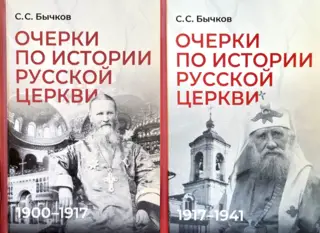
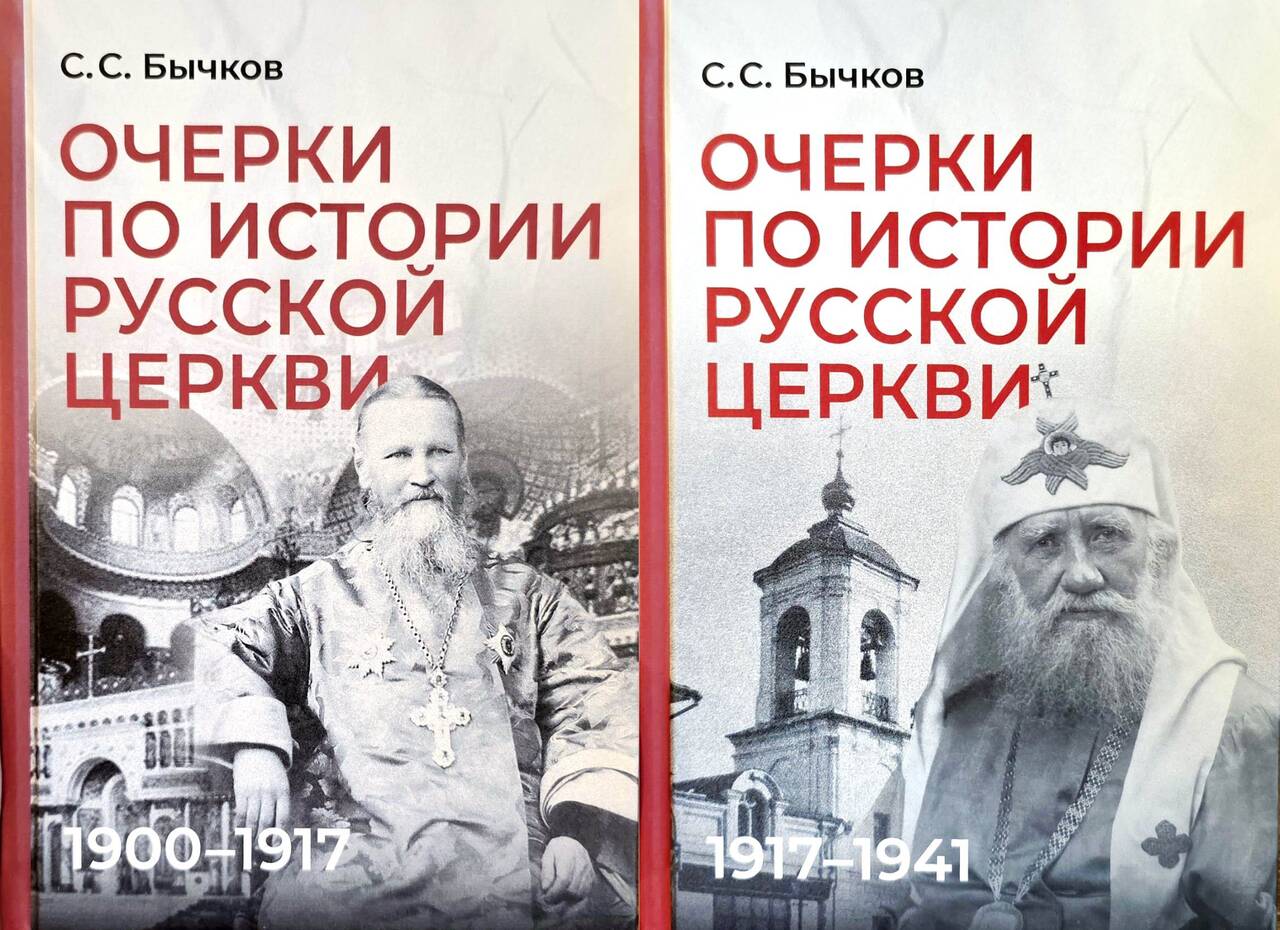
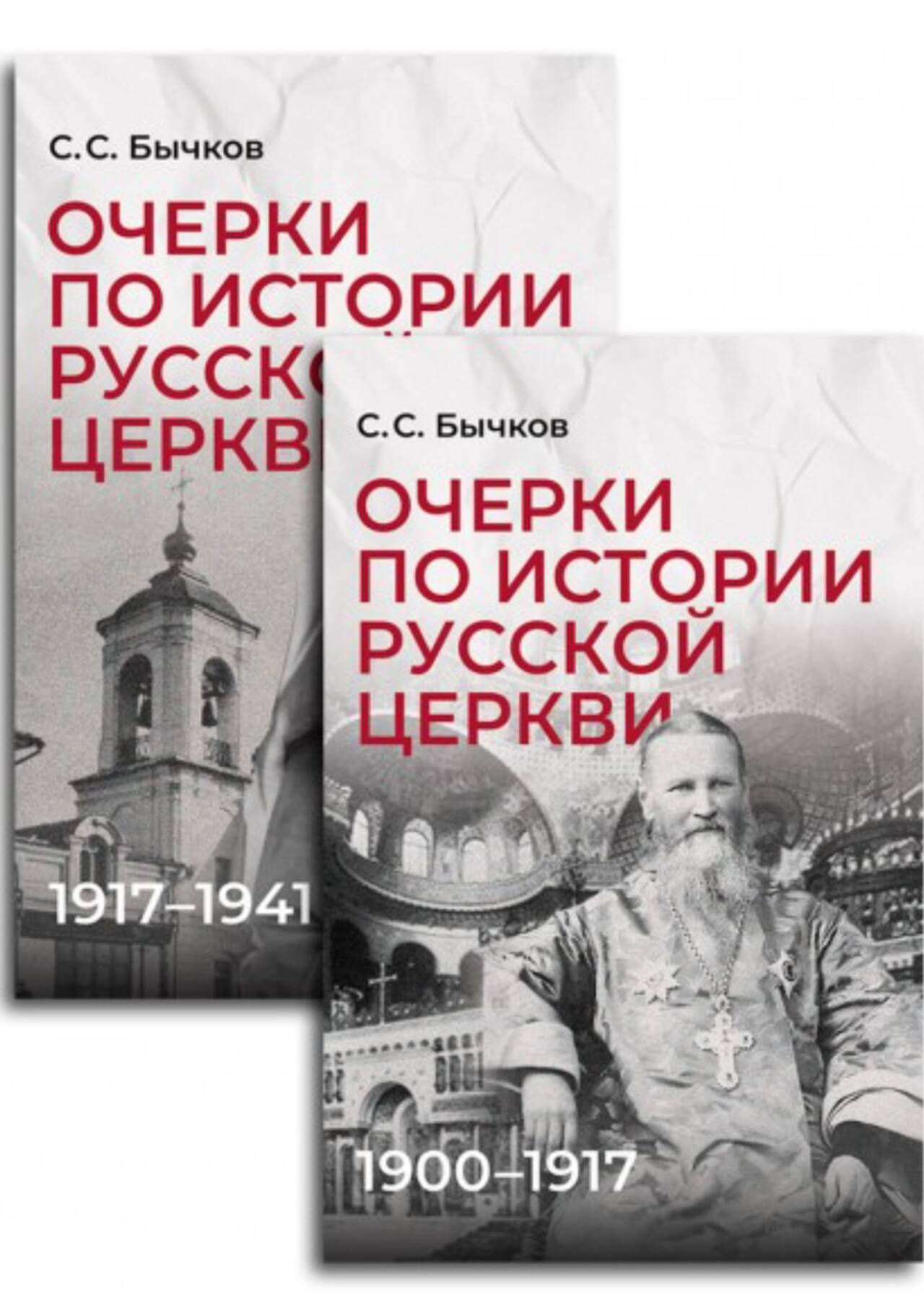
Essays on the History of the Russian Church: 1910-1941. In 2 volumes – Bychkov Sergey – Academic project – 2026 – ISBN 978-5-8291-4575-0
Essays on the History of the Russian Church: 1910-1941. In 2 volumes
39.99 €
The only thing available 2

Essays on the History of the Russian Church: 1910-1941. In 2 volumes
39.99 €
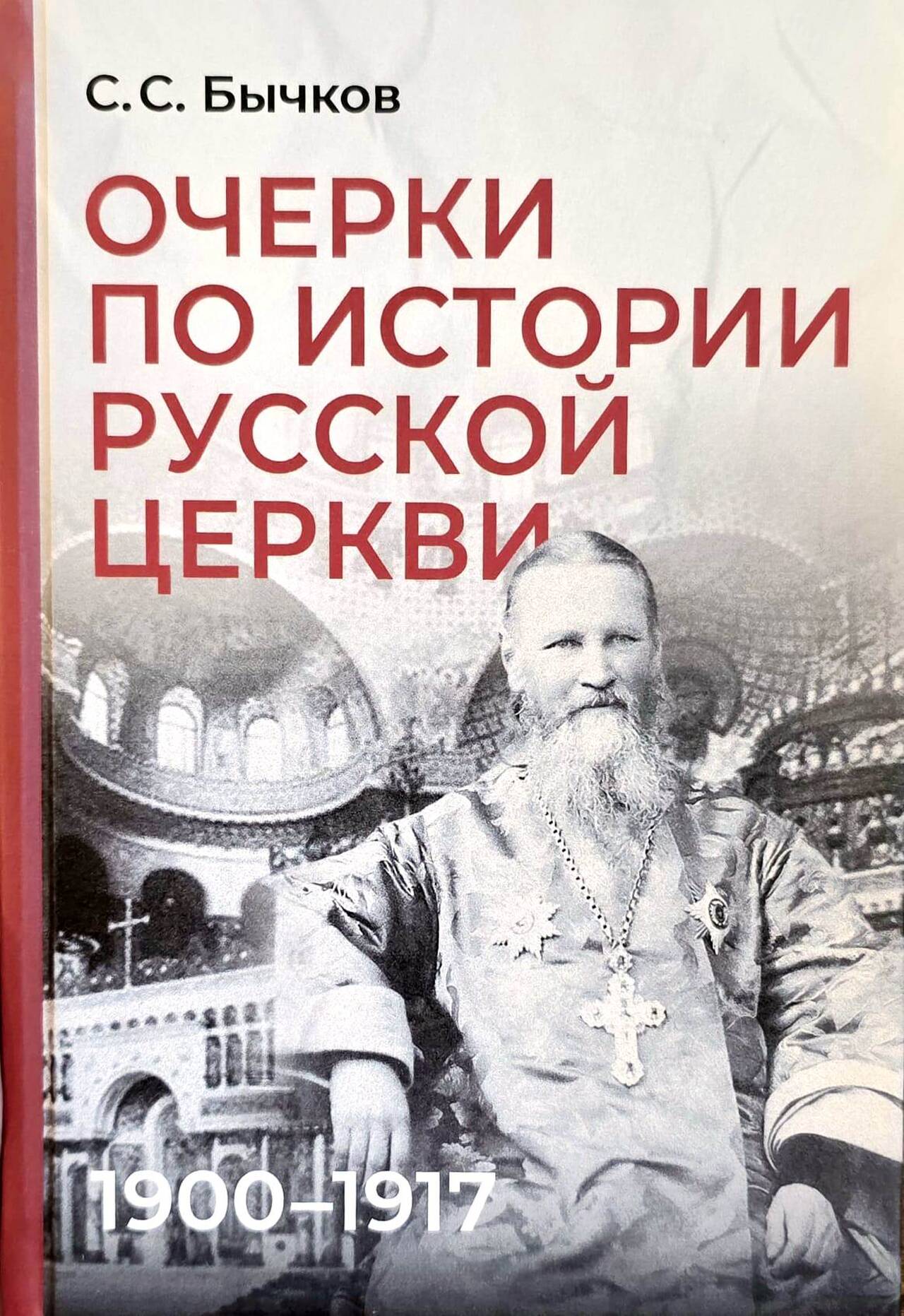
Essays on the History of the Russian Church, 1910-1917
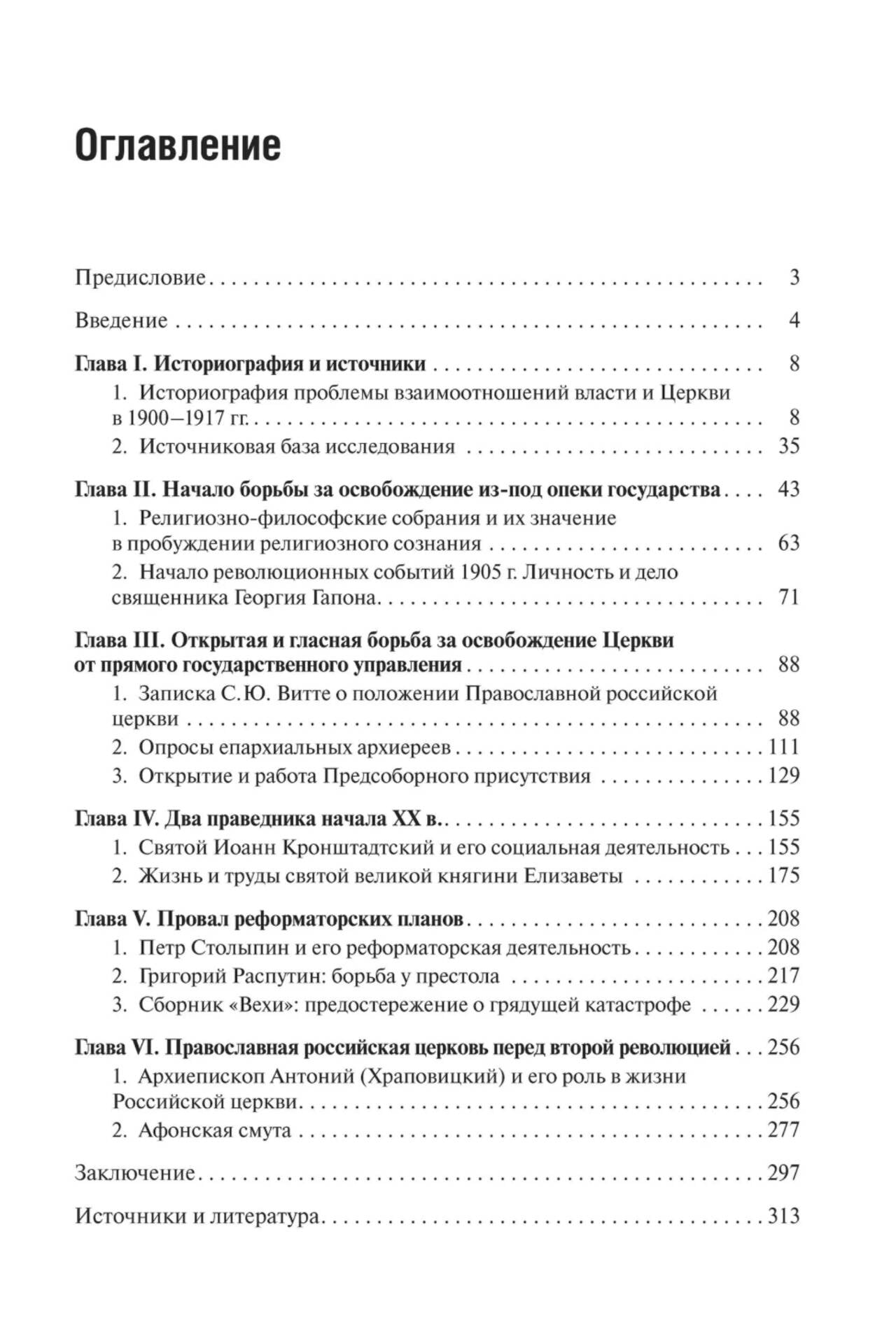
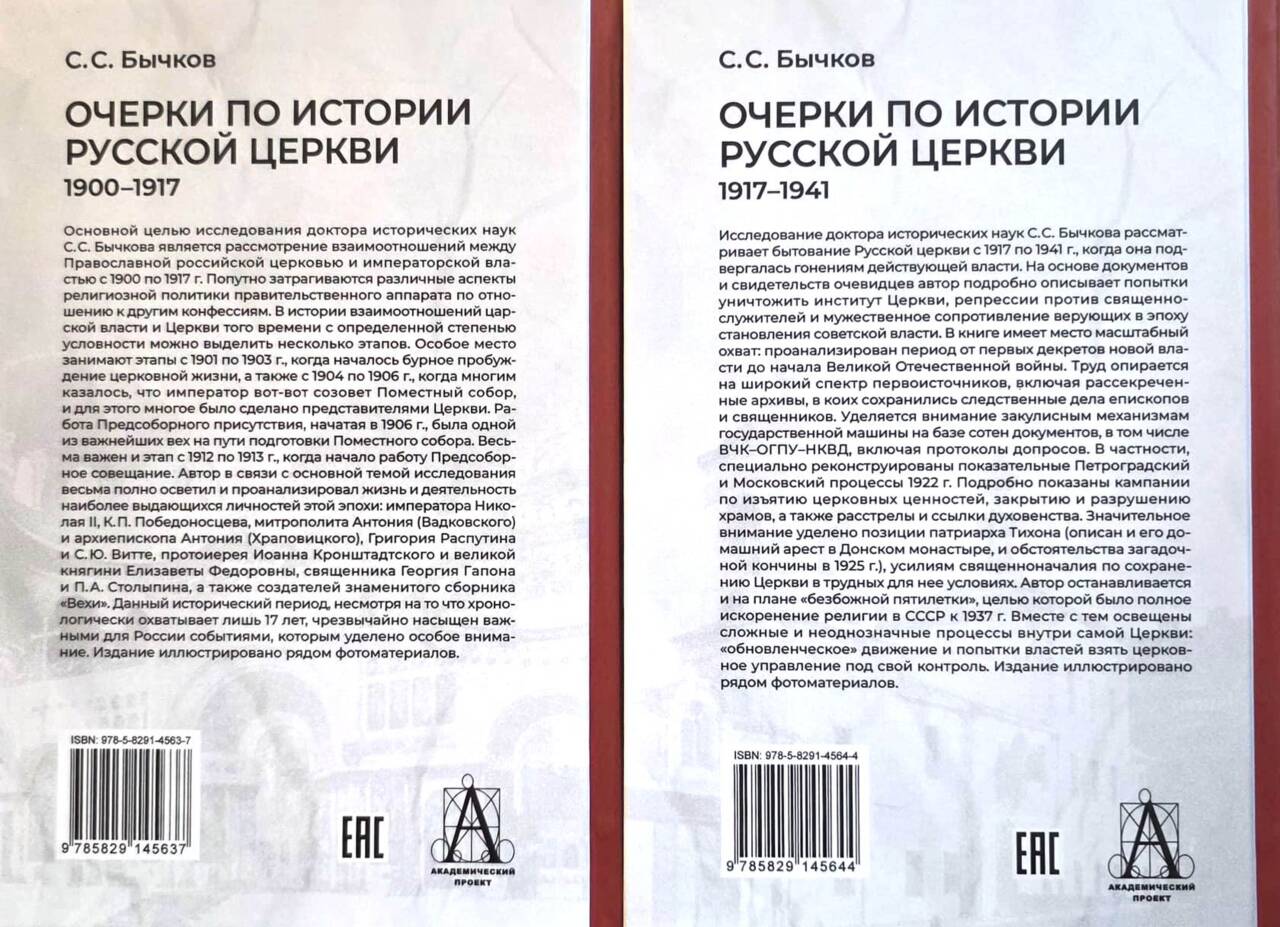
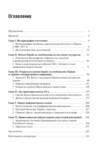
The main objective of this research by Doctor of Historical Sciences S. S. Bychkov is to examine the relationship between the Russian Orthodox Church and the imperial government from 1900 to 1917. Along the way, he touches on various aspects of the government's religious policy toward other faiths. Several stages can be roughly identified in the history of the relationship between the tsarist government and the Church at that time. Particularly significant are the periods from 1901 to 1903, when a vibrant awakening of church life began, and from 1904 to 1906, when many believed the emperor was about to convene a Local Council, and Church representatives made significant efforts to achieve this.
The work of the Pre-Council Presence, which began in 1906, was one of the most important milestones in the preparations for the Local Council. The period from 1912 to 1913, when the Pre-Council Conference began its work, is also extremely important. In connection with the main topic of the study, the author has thoroughly illuminated and analyzed the lives and works of the most prominent figures of this era: Emperor Nicholas II, K. P. Pobedonostsev, Metropolitan Anthony (Vadkovsky) and Archbishop Anthony (Khrapovitsky), Grigory Rasputin and S. Yu. Witte, Archpriest John of Kronstadt and Grand Duchess Elizabeth Feodorovna, Priest Georgy Gapon and P. A. Stolypin, as well as the creators of the famous collection "Milestones." This historical period, although chronologically covering only 17 years, is extremely rich in events of significance for Russia, to which special attention is given.
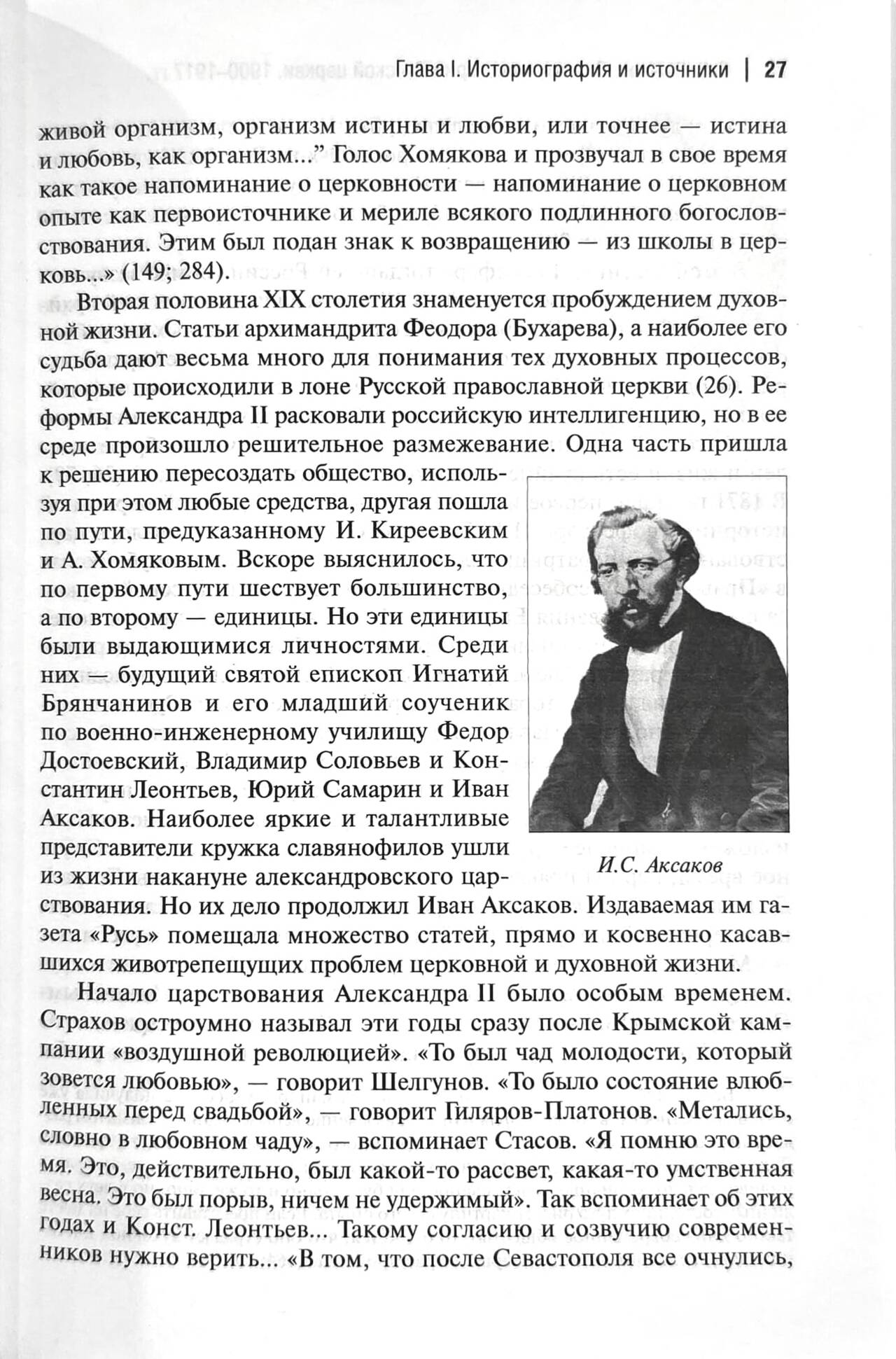
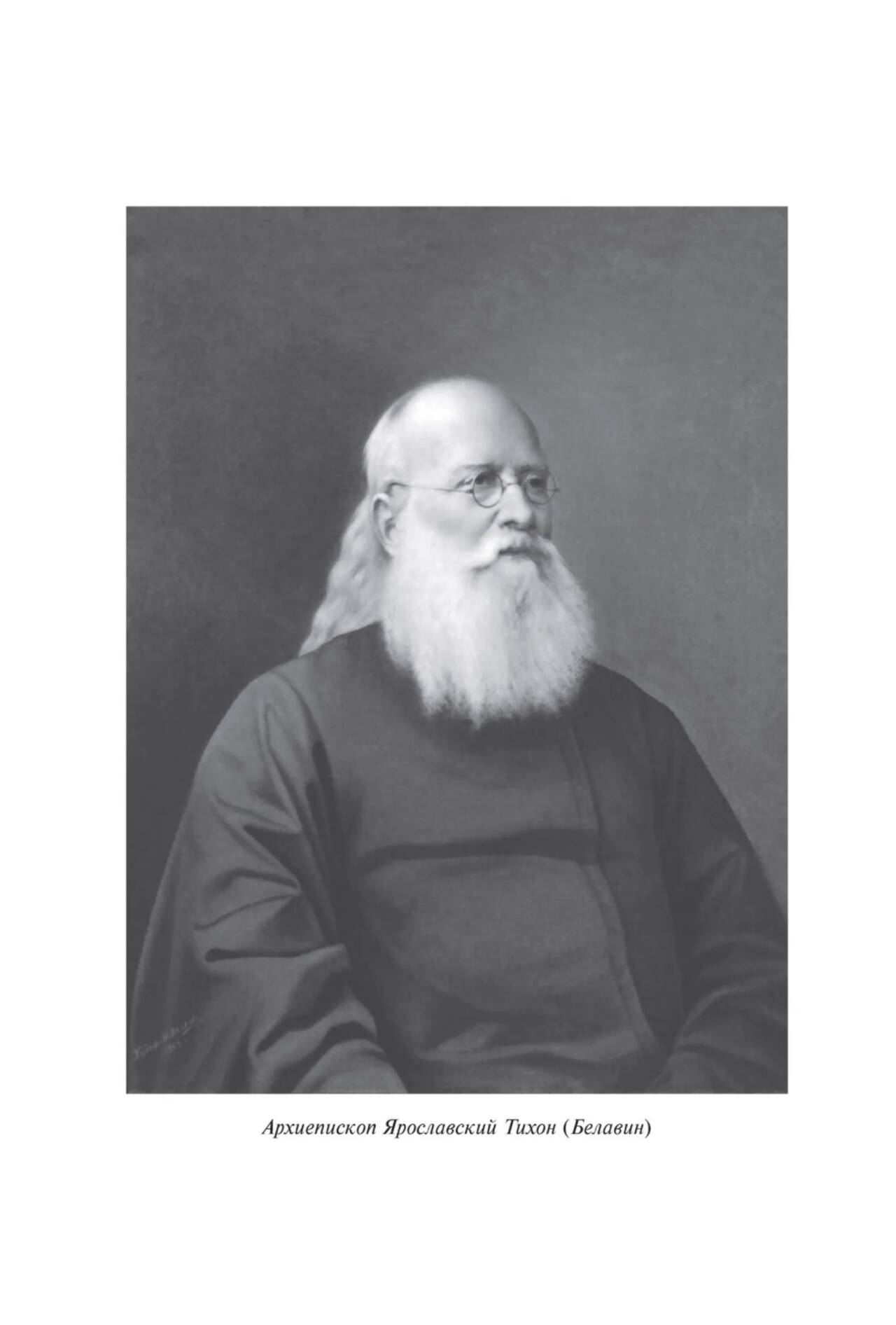
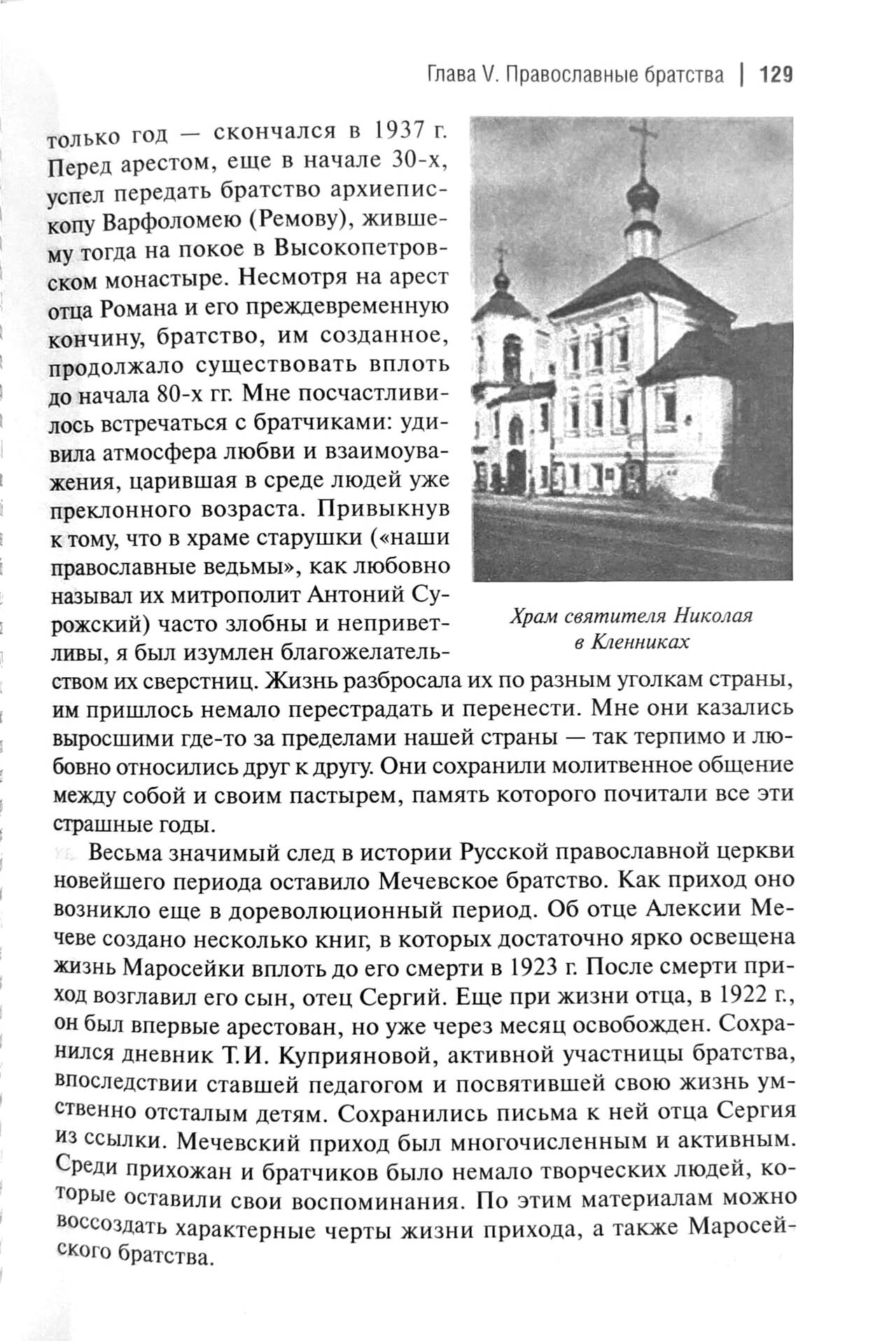
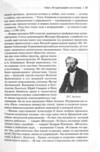
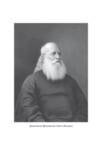
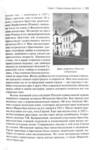
The publication is illustrated with a number of photographs. This book is addressed to historians, religious scholars, theologians, and other interested readers.
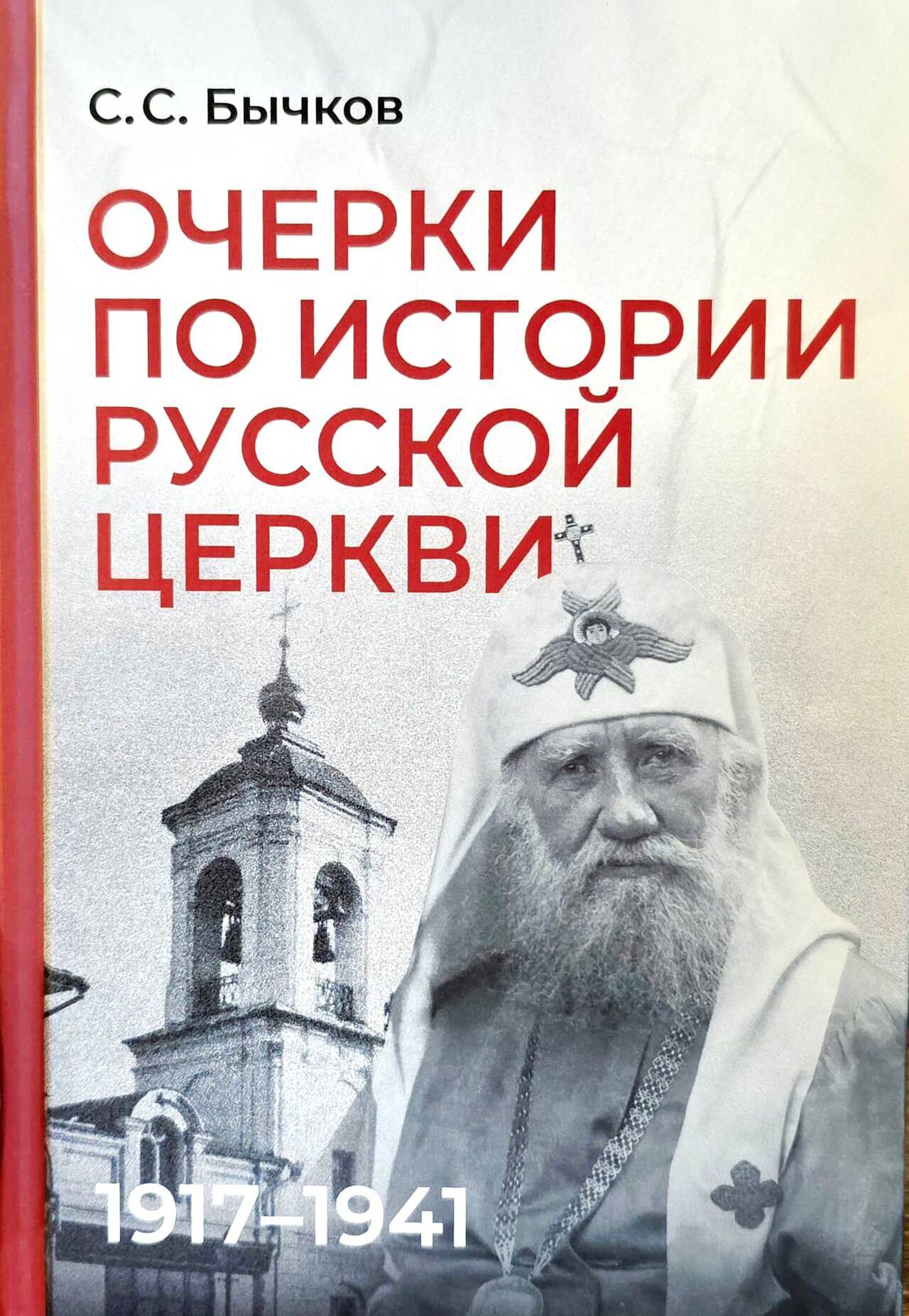
Essays on the History of the Russian Church, 1917-1941
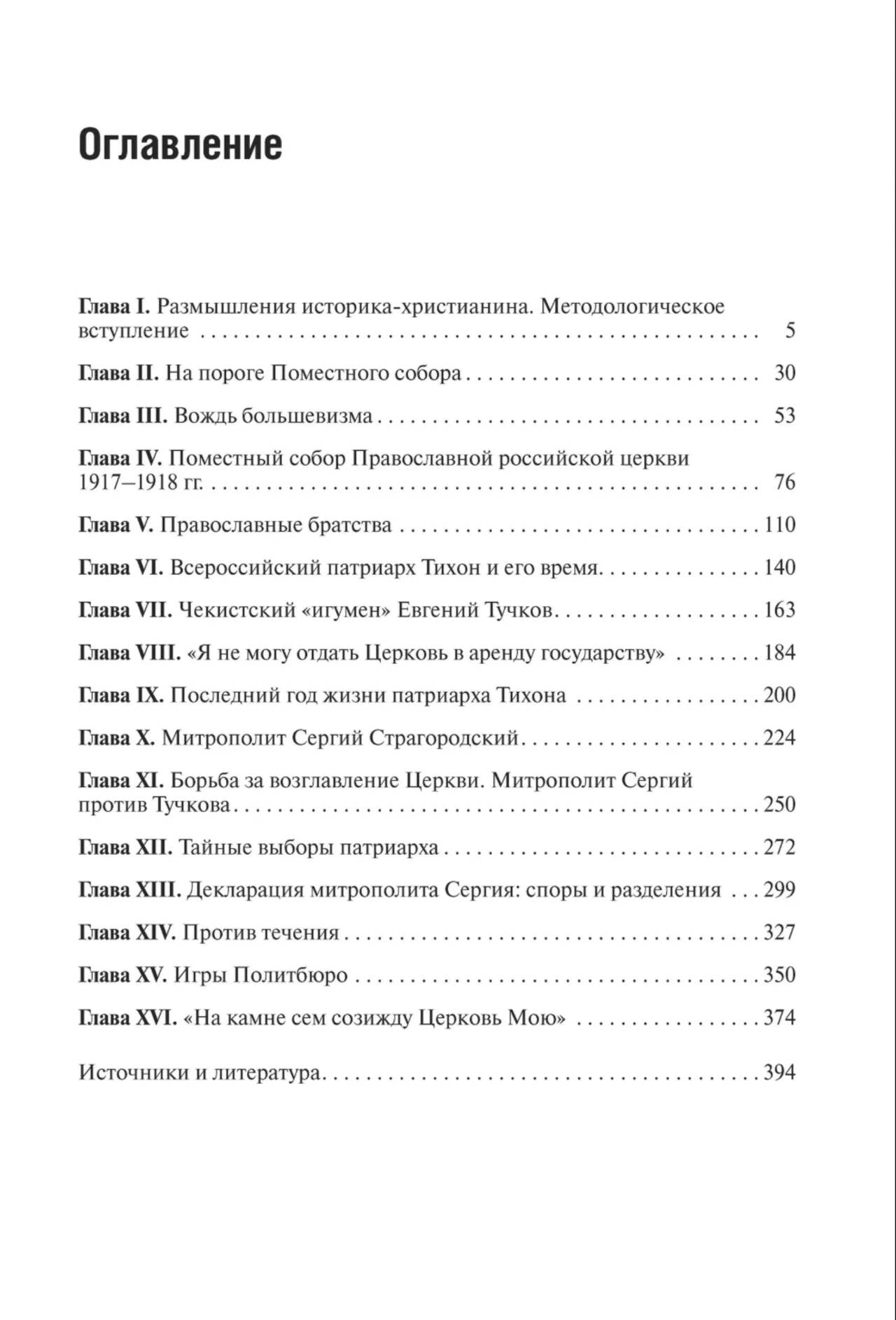
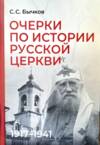
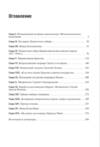
This study by Doctor of Historical Sciences S.S. Bychkov examines the Russian Church from 1917 to 1941, when it was subjected to persecution by the ruling regime. Drawing on documents and eyewitness accounts, the author describes in detail the attempts to destroy the institution of the Church, the repressions against clergy, and the courageous resistance of believers during the rise of Soviet power. The book covers a broad range of topics, analyzing the period from the first decrees of the new government to the beginning of the Great Patriotic War. It draws on a wide range of primary sources, including declassified archives containing the investigative files of bishops and priests. It also examines the behind-the-scenes workings of the state apparatus, drawing on hundreds of documents, including those of the Cheka, OGPU, and NKVD, including interrogation protocols. In particular, the Petrograd and Moscow show trials of 1922 are specifically reconstructed. The campaigns to confiscate church valuables, close and destroy churches, as well as the executions and exile of clergy, are described in detail. Considerable attention is devoted to the position of Patriarch Tikhon (his house arrest in the Donskoy Monastery and the circumstances of his mysterious death in 1925 are described), as well as the efforts of the clergy to preserve the Church under difficult circumstances. The author also discusses the "godless five-year plan," the goal of which was the complete eradication of religion in the USSR by 1937. At the same time, complex and controversial processes within the Church itself are illuminated: the "Renovationist" movement and the authorities' attempts to seize control of church governance.
The publications are illustrated with a number of photographs. The books are addressed to historians, religious scholars, theologians, and a wide range of interested readers.
The main objective of this research by Doctor of Historical Sciences S. S. Bychkov is to examine the relationship between the Russian Orthodox Church and the imperial government from 1900 to 1917. Along the way, he touches on various aspects of the government's religious policy toward other faiths. Several stages can be roughly identified in the history of the relationship between the tsarist government and the Church at that time. Particularly significant are the periods from 1901 to 1903, when a vibrant awakening of church life began, and from 1904 to 1906, when many believed the emperor was about to convene a Local Council, and Church representatives made significant efforts to achieve this.
The work of the Pre-Council Presence, which began in 1906, was one of the most important milestones in the preparations for the Local Council. The period from 1912 to 1913, when the Pre-Council Conference began its work, is also extremely important. In connection with the main topic of the study, the author has thoroughly illuminated and analyzed the lives and works of the most prominent figures of this era: Emperor Nicholas II, K. P. Pobedonostsev, Metropolitan Anthony (Vadkovsky) and Archbishop Anthony (Khrapovitsky), Grigory Rasputin and S. Yu. Witte, Archpriest John of Kronstadt and Grand Duchess Elizabeth Feodorovna, Priest Georgy Gapon and P. A. Stolypin, as well as the creators of the famous collection "Milestones." This historical period, although chronologically covering only 17 years, is extremely rich in events of significance for Russia, to which special attention is given.
The publication is illustrated with a number of photographs. This book is addressed to historians, religious scholars, theologians, and other interested readers.
Essays on the History of the Russian Church, 1917-1941
This study by Doctor of Historical Sciences S.S. Bychkov examines the Russian Church from 1917 to 1941, when it was subjected to persecution by the ruling regime. Drawing on documents and eyewitness accounts, the author describes in detail the attempts to destroy the institution of the Church, the repressions against clergy, and the courageous resistance of believers during the rise of Soviet power. The book covers a broad range of topics, analyzing the period from the first decrees of the new government to the beginning of the Great Patriotic War. It draws on a wide range of primary sources, including declassified archives containing the investigative files of bishops and priests. It also examines the behind-the-scenes workings of the state apparatus, drawing on hundreds of documents, including those of the Cheka, OGPU, and NKVD, including interrogation protocols. In particular, the Petrograd and Moscow show trials of 1922 are specifically reconstructed. The campaigns to confiscate church valuables, close and destroy churches, as well as the executions and exile of clergy, are described in detail. Considerable attention is devoted to the position of Patriarch Tikhon (his house arrest in the Donskoy Monastery and the circumstances of his mysterious death in 1925 are described), as well as the efforts of the clergy to preserve the Church under difficult circumstances. The author also discusses the "godless five-year plan," the goal of which was the complete eradication of religion in the USSR by 1937. At the same time, complex and controversial processes within the Church itself are illuminated: the "Renovationist" movement and the authorities' attempts to seize control of church governance.
The publications are illustrated with a number of photographs. The books are addressed to historians, religious scholars, theologians, and a wide range of interested readers.
See also:
- All books by the publisher
- All books by the author