


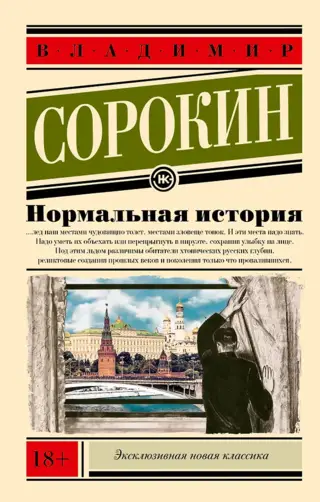
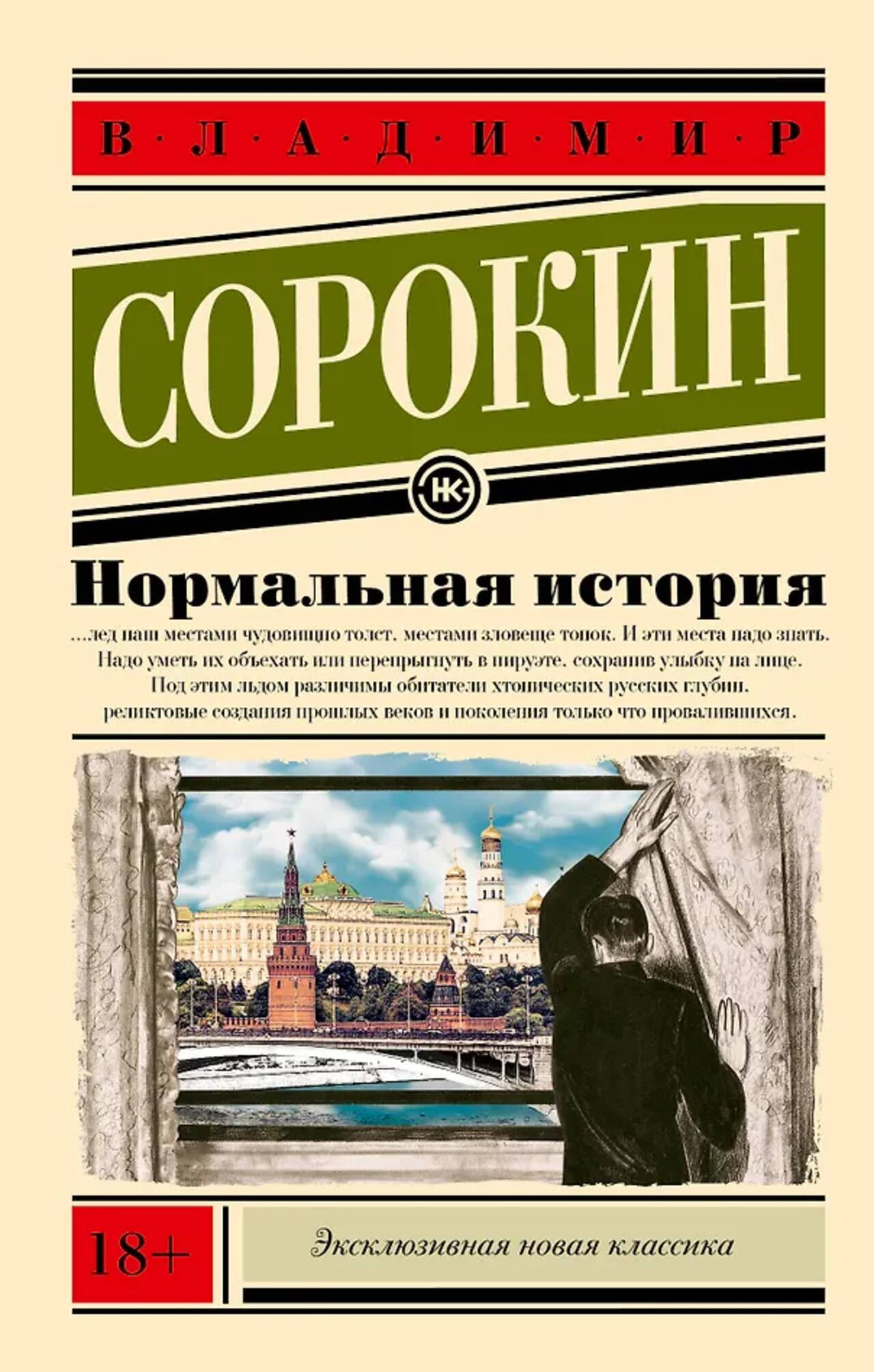
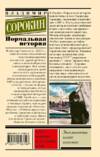
Normal story – Vladimir Sorokin – IS – 2025 – ISBN 978-5-17-172874-8
Normal story
6.99 €
Out of stock

Normal story
6.99 €
To add a product to the waitlist, please sign in:
Log in
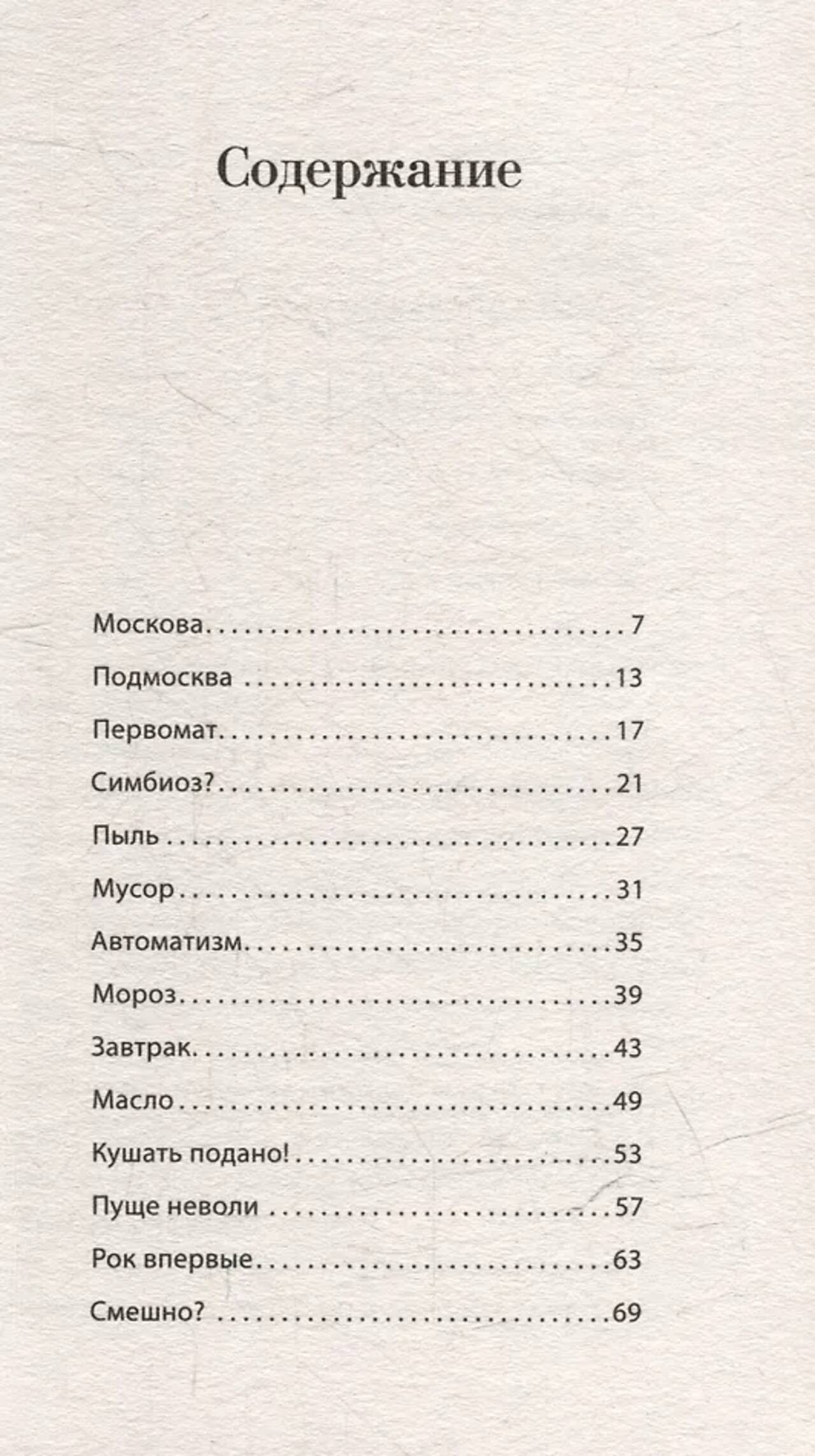
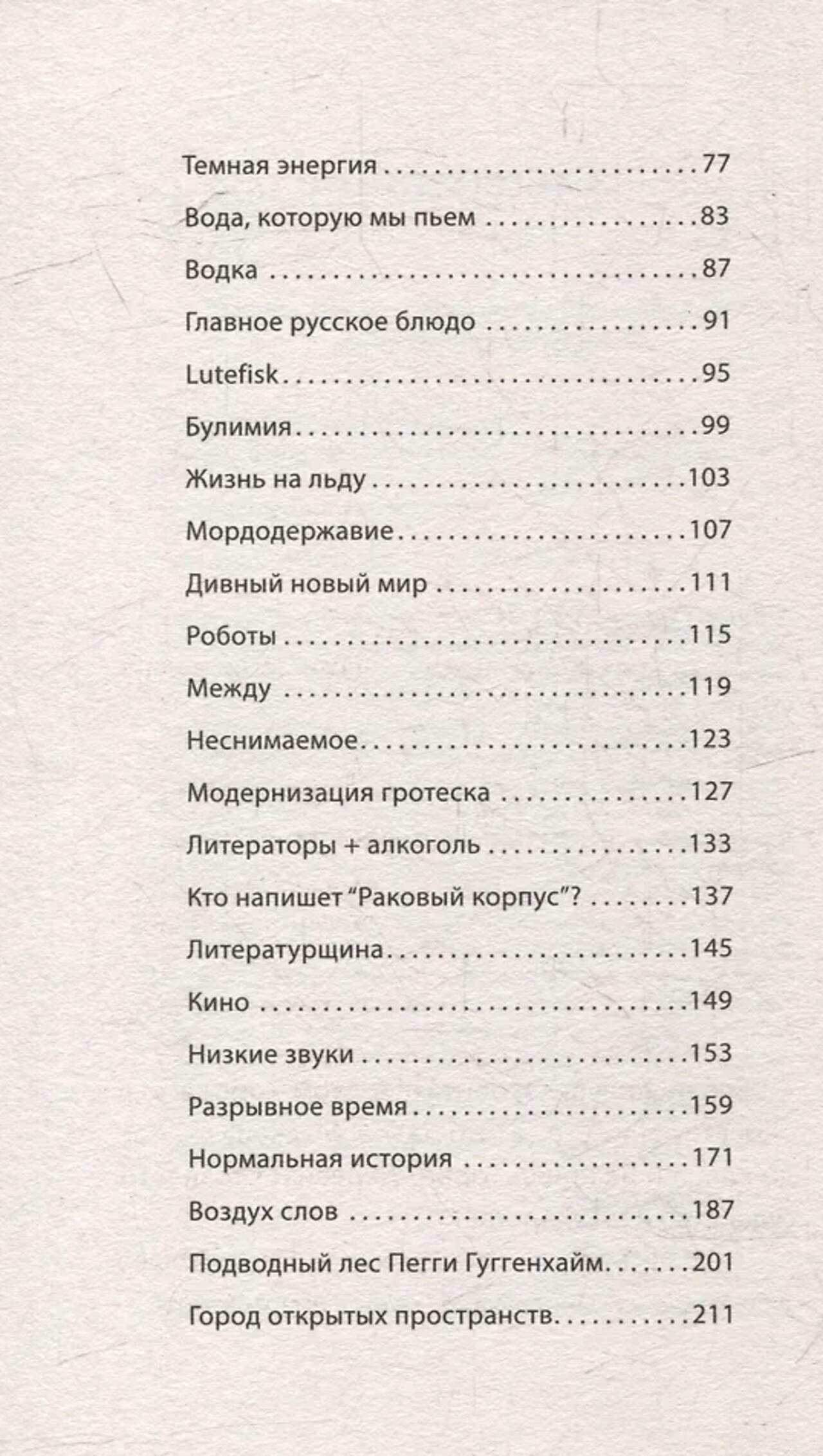
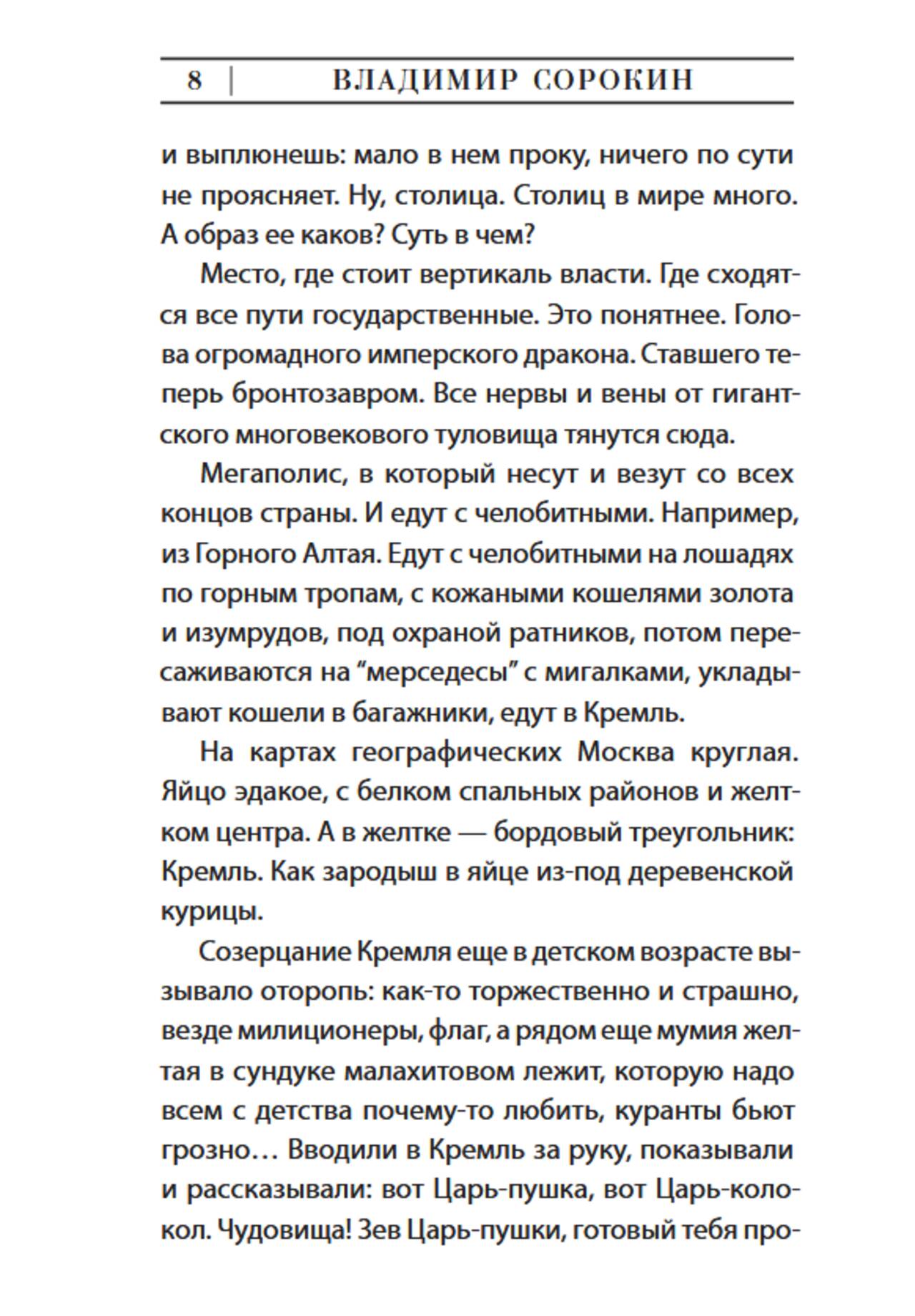
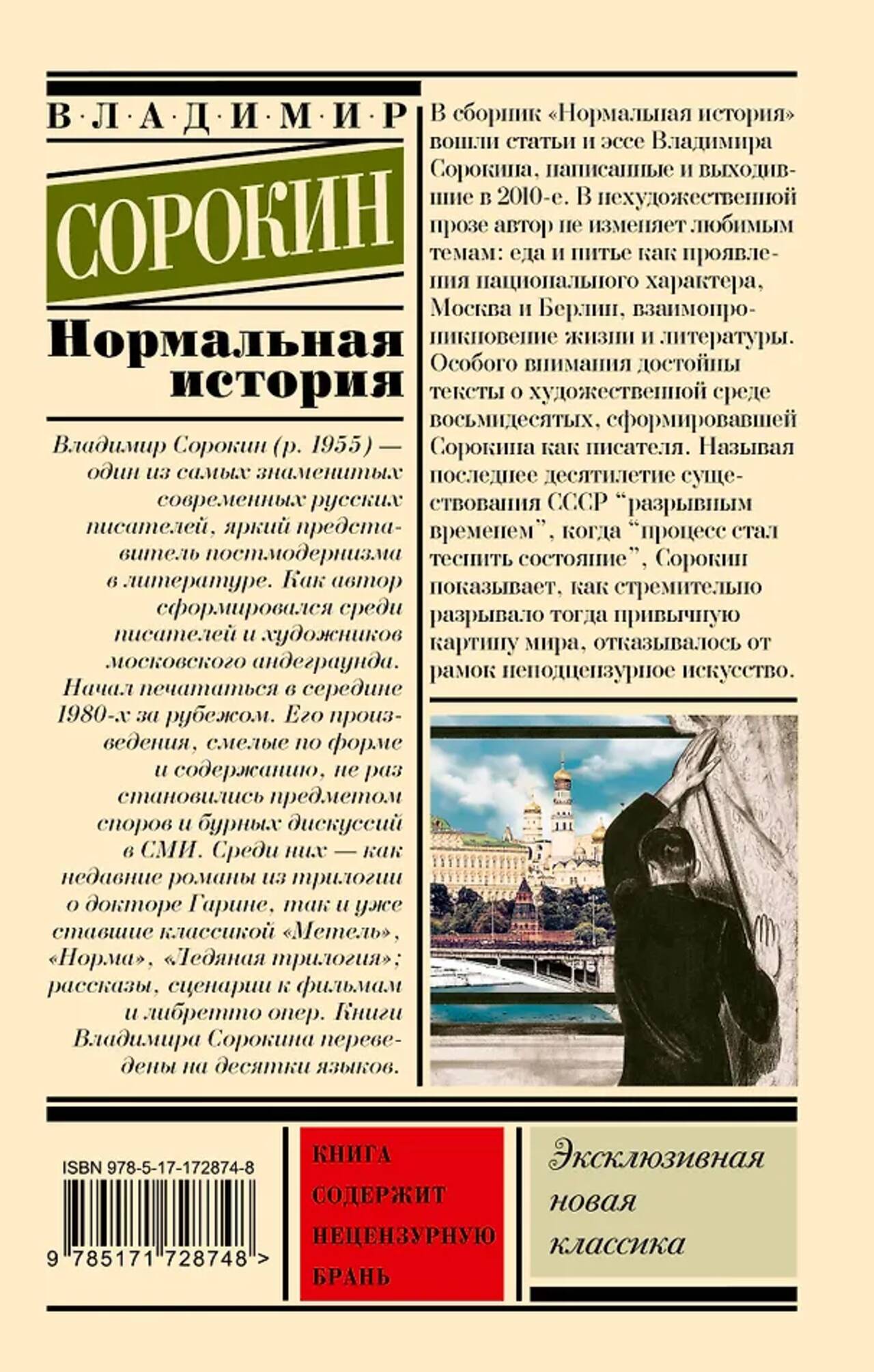
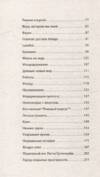
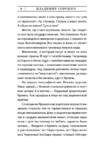
The collection "Normal History" includes articles and essays by Vladimir Sorokin, written and published in the 2010s.
In his non-fiction, the author remains true to his favorite themes: food and drink as expressions of national character, Moscow and Berlin, and the interpenetration of life and literature. These short notes, woven from details of style and everyday life, create a precise portrait of the 2000s, inexorably becoming a bygone era. Particularly noteworthy are the texts on the artistic milieu of the 1980s, which shaped Sorokin as a writer.
Calling the final decade of the USSR a "time of rupture," when "process began to overwhelm the state," Sorokin demonstrates how rapidly the familiar worldview was being torn apart and uncensored art was defying its boundaries. This testimony from a participant in the "trial" is valuable not only for art historians but also for the average person, for whom the 1980s are associated with either an endless queue, the heroine and plot of Sorokin's first novel, or a party sanatorium. It's also valuable for a contemporary who, during those times of imperial collapse, hadn't heard of Prigov, Kabakov, and the Moscow underground.
In his non-fiction, the author remains true to his favorite themes: food and drink as expressions of national character, Moscow and Berlin, and the interpenetration of life and literature. These short notes, woven from details of style and everyday life, create a precise portrait of the 2000s, inexorably becoming a bygone era. Particularly noteworthy are the texts on the artistic milieu of the 1980s, which shaped Sorokin as a writer.
Calling the final decade of the USSR a "time of rupture," when "process began to overwhelm the state," Sorokin demonstrates how rapidly the familiar worldview was being torn apart and uncensored art was defying its boundaries. This testimony from a participant in the "trial" is valuable not only for art historians but also for the average person, for whom the 1980s are associated with either an endless queue, the heroine and plot of Sorokin's first novel, or a party sanatorium. It's also valuable for a contemporary who, during those times of imperial collapse, hadn't heard of Prigov, Kabakov, and the Moscow underground.
See also:
- All books by the publisher
- All books by the author
- All books in the series Exclusive new classic