


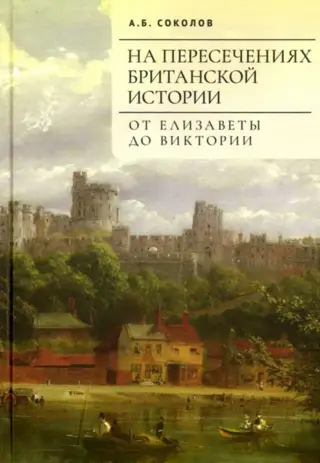
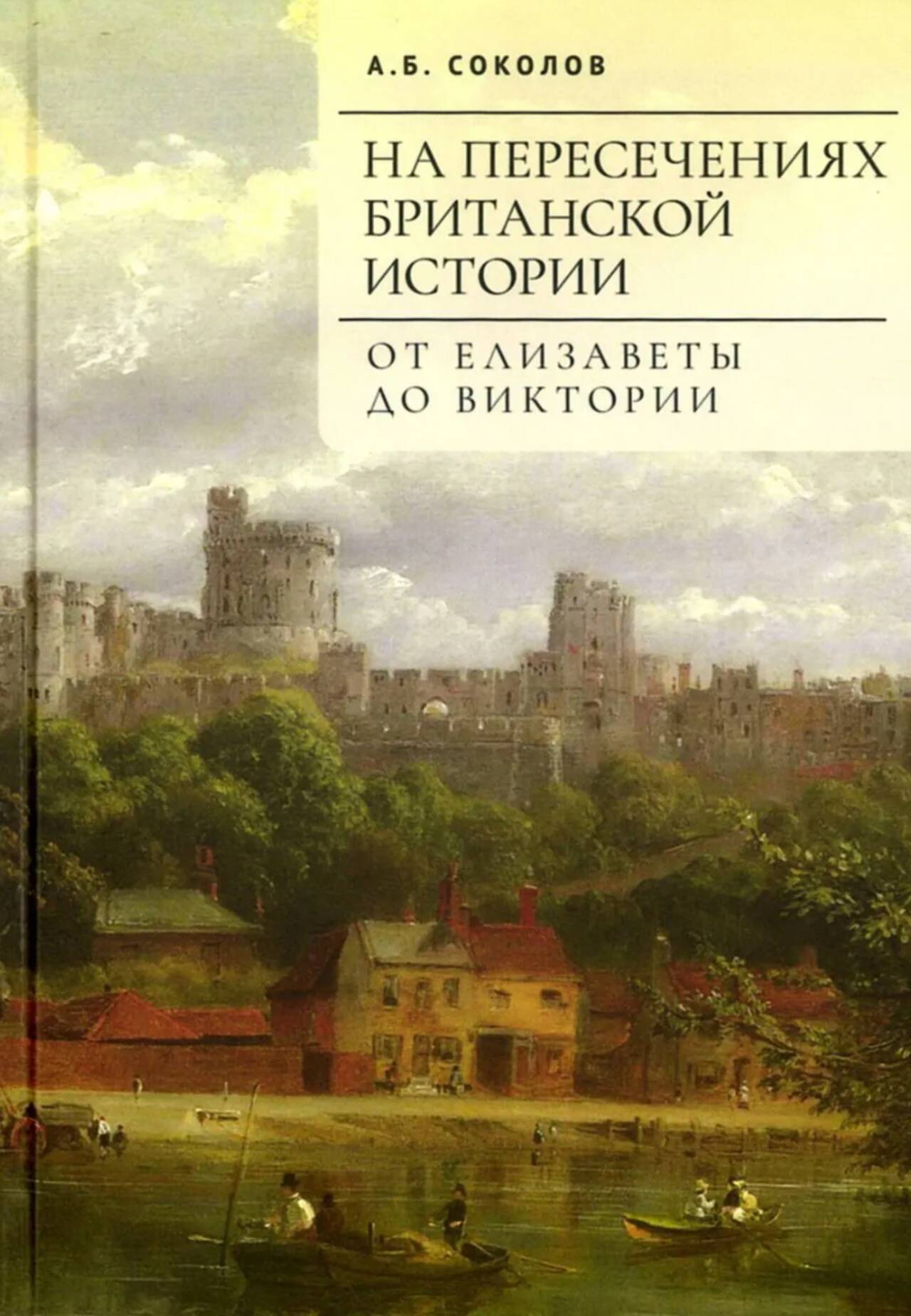
At the Crossroads of British History: From Elizabeth to Victoria – Sokolov Arseniy – Aleteia – 2026 – ISBN 978-5-00267-178-6
At the Crossroads of British History: From Elizabeth to Victoria
39.99 €
The only thing available 3

At the Crossroads of British History: From Elizabeth to Victoria
39.99 €
The collection includes articles by Doctor of Historical Sciences A. B. Sokolov from 1984–2026.
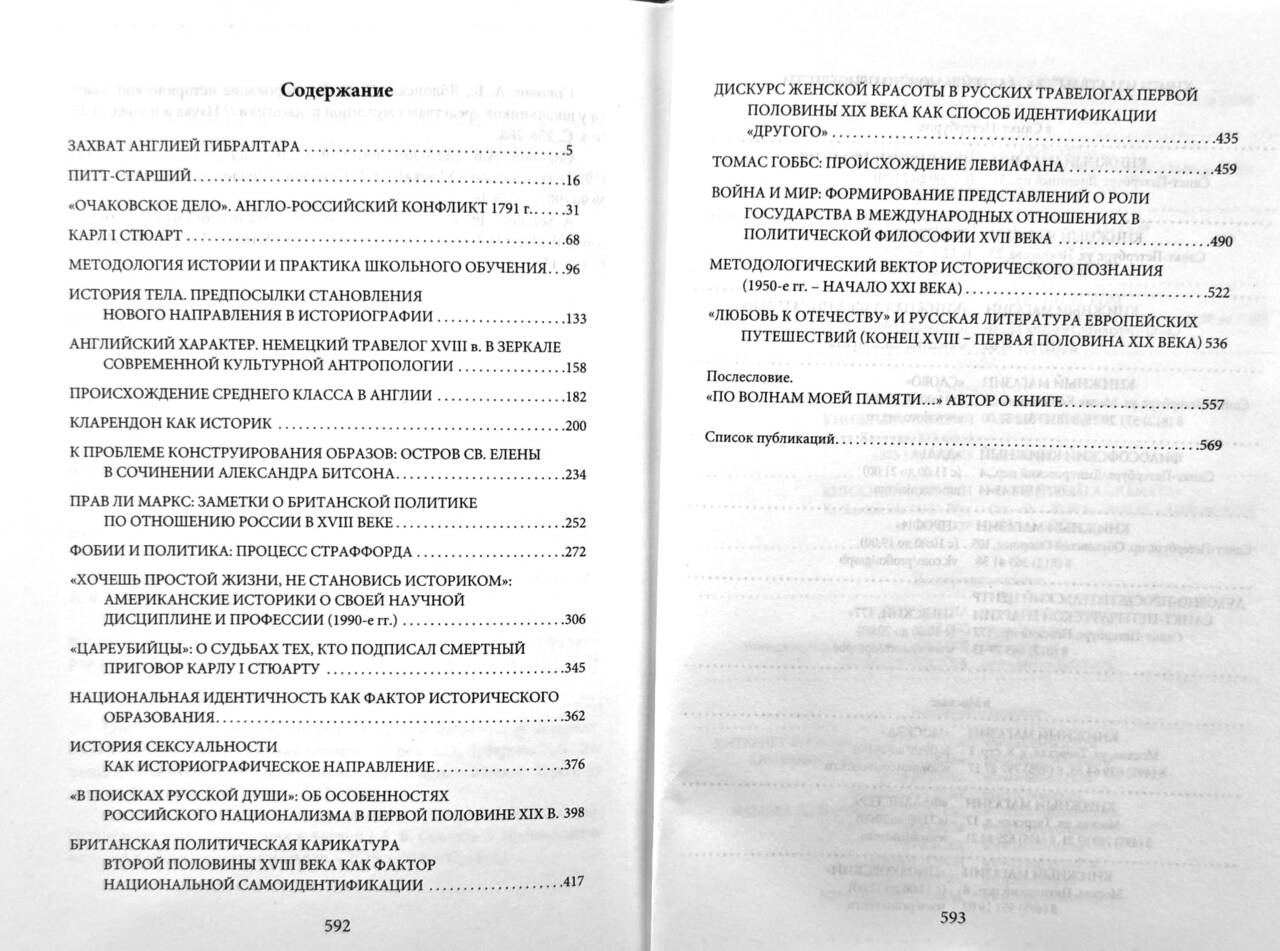
Articles on Great Britain from the 17th to 19th centuries cover its foreign policy, intellectual, and cultural history. The articles focus on Charles I Stuart, Earl of Strafford, the "Great Commoner" Pitt the Elder, Lord Clarendon, the first historian of the English Revolution, and Hobbes, the theorist of state power. How did the English regicides end their lives? Was Marx right in believing that only through the connivance of English ministers did Russia become a great power? Could the Ochakov crisis have led to war? How did English caricature express the concept of nations? What is the national character of the English, and what are the characteristics of English humor? When did the middle class emerge in England? What factors shaped the image of St. Helena after Napoleon's defeat?
The "corporeal" and "visual" turns, the "history of sexuality" as a trend in historiography, and the theoretical and professional views of historians in the United States in the 1990s are examined, revealing the methodological vector of historical development in the second half of the 20th century. Does historical methodology influence school history? How is education responding to the challenge of multiculturalism? A new article examines Russian travel literature at the beginning of the era of nationalism.
This book will be useful to historians, teachers, and students of the humanities.
Articles on Great Britain from the 17th to 19th centuries cover its foreign policy, intellectual, and cultural history. The articles focus on Charles I Stuart, Earl of Strafford, the "Great Commoner" Pitt the Elder, Lord Clarendon, the first historian of the English Revolution, and Hobbes, the theorist of state power. How did the English regicides end their lives? Was Marx right in believing that only through the connivance of English ministers did Russia become a great power? Could the Ochakov crisis have led to war? How did English caricature express the concept of nations? What is the national character of the English, and what are the characteristics of English humor? When did the middle class emerge in England? What factors shaped the image of St. Helena after Napoleon's defeat?
The "corporeal" and "visual" turns, the "history of sexuality" as a trend in historiography, and the theoretical and professional views of historians in the United States in the 1990s are examined, revealing the methodological vector of historical development in the second half of the 20th century. Does historical methodology influence school history? How is education responding to the challenge of multiculturalism? A new article examines Russian travel literature at the beginning of the era of nationalism.
This book will be useful to historians, teachers, and students of the humanities.
See also:
- All books by the publisher
- All books by the author