


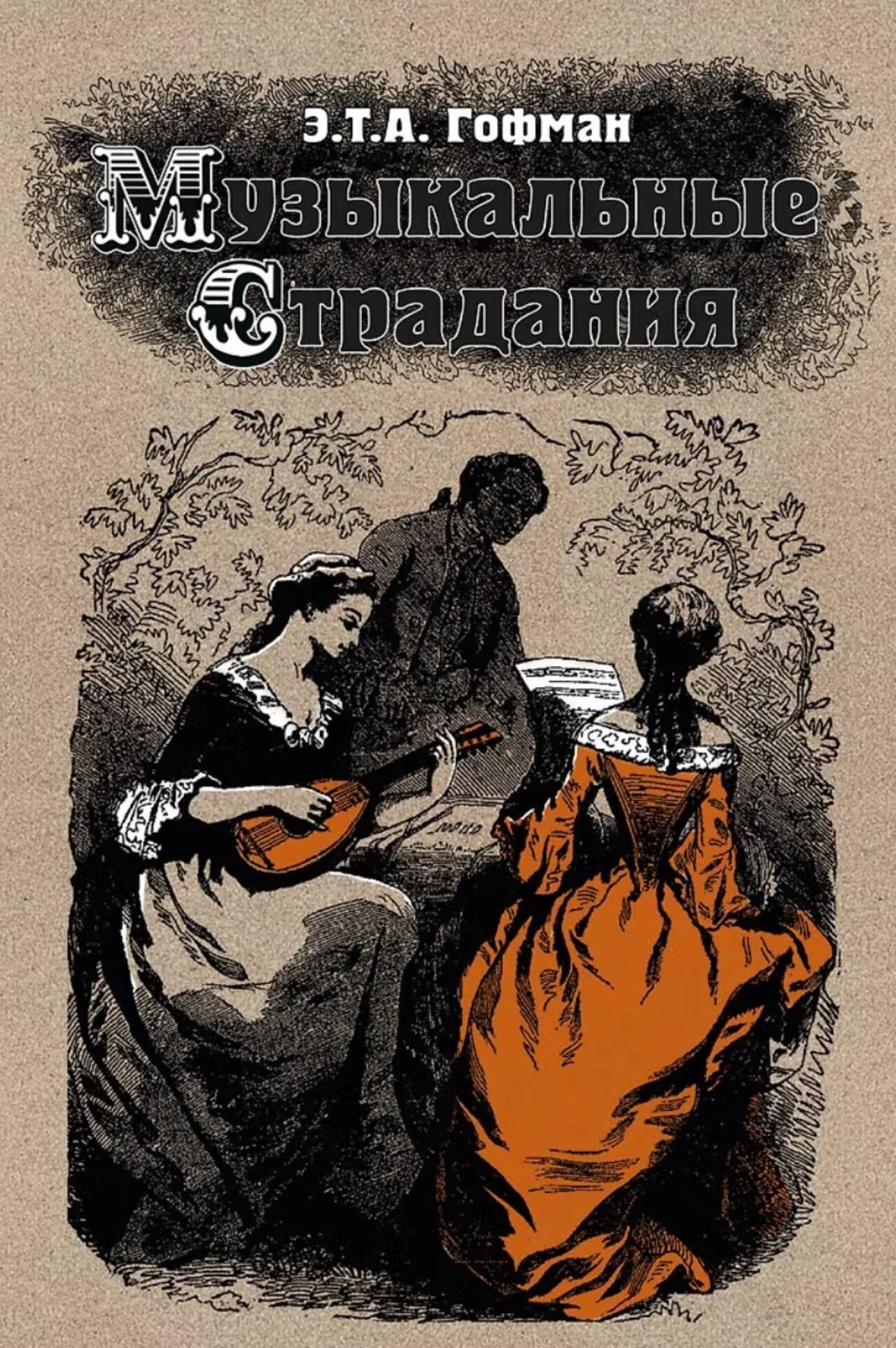
Musical suffering – Hoffmann Ernst Theodor Amadeus – Gorodets – 2026 – ISBN 978-5-908133-26-5
Musical suffering
19.99 €
The only thing available 1

Musical suffering
19.99 €
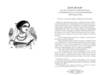
Ernst Theodor Amadeus Hoffmann (1776–1822) was a distinguished German writer, one of the most enigmatic and incomprehensible writers in the history of world literature. He was a storyteller, a representative of German Romanticism in 19th-century literature, a composer, conductor, music critic, artist, decorator, graphic artist, and lawyer. The scope of his talents ranks among the titans of the Renaissance. It is no coincidence that in the "Deutsches Schriftstellerlexikon," his descendants have called him a "universal figure in art."
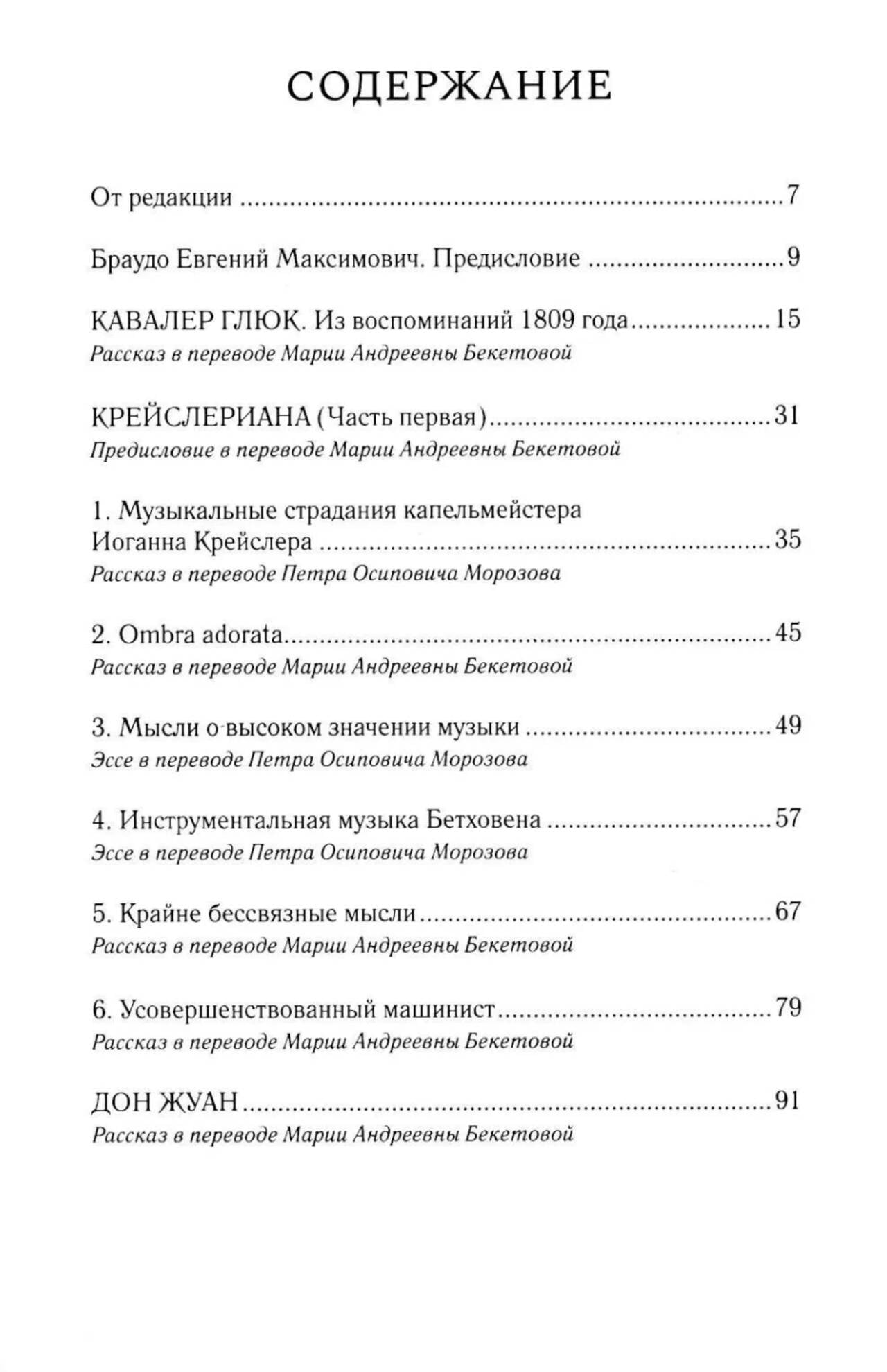
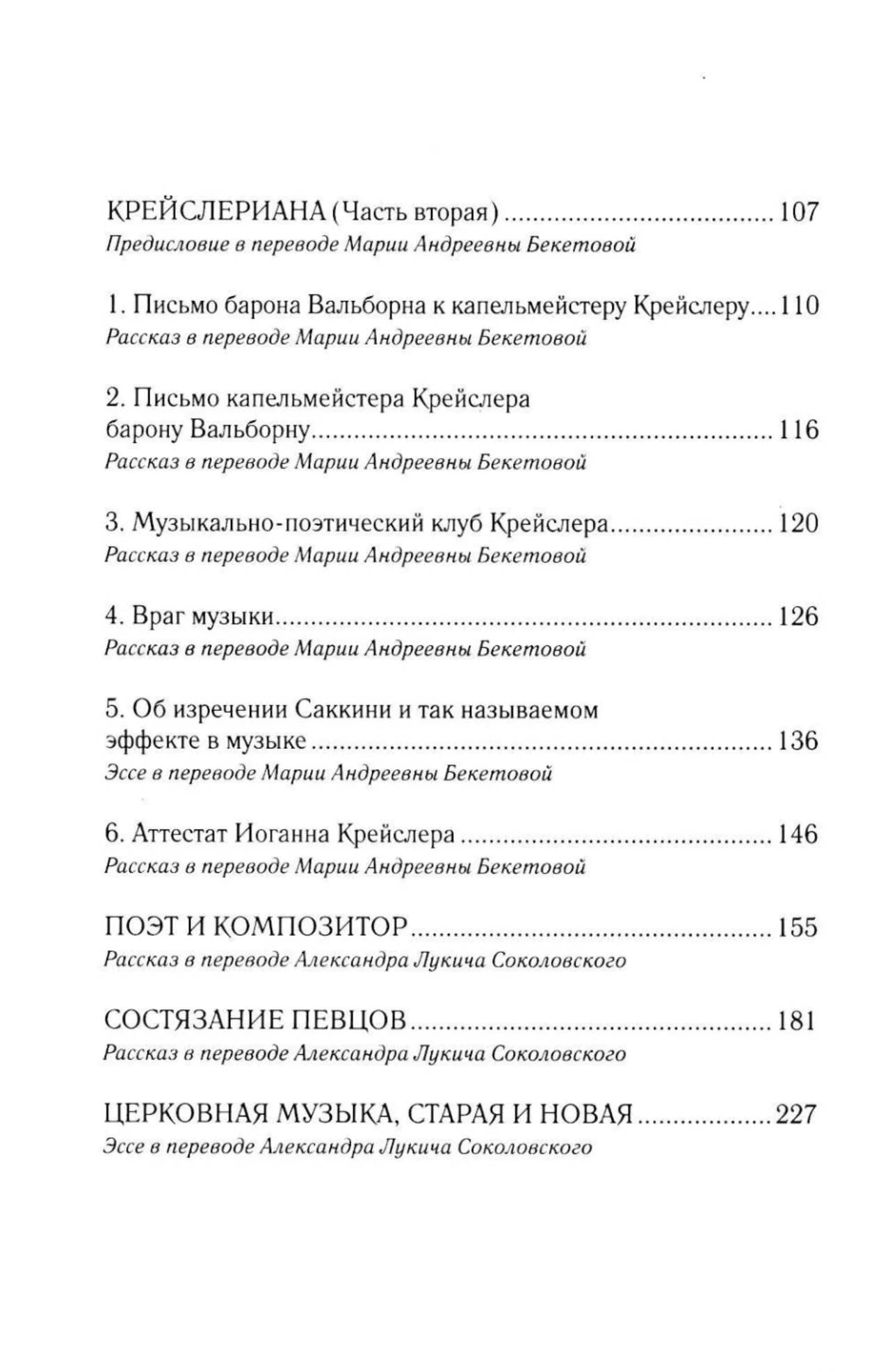
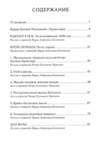
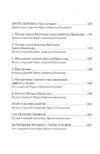
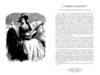
Hoffmann's book "Musical Sorrows" includes Hoffmann's works on music and musicians, the relationship between the artist and society, and the musician's position within that society; "musical sufferings and joys" is one of its main themes. Following the Romantic tradition, he envisioned music as a special world ("an unknown realm") capable of revealing to man the meaning of his feelings and passions, the nature of the mysterious and inexpressible. All the stories and essays included in this collection combine artistic and aesthetic-philosophical components: they can easily be viewed as a musician's manifesto, as a clearly formulated position of a music critic, and as brilliant romantic fiction, in which the real is intertwined with the fantastic and mystical in such a way that it is sometimes impossible to distinguish one from the other.
Hoffmann's book "Musical Sorrows" includes Hoffmann's works on music and musicians, the relationship between the artist and society, and the musician's position within that society; "musical sufferings and joys" is one of its main themes. Following the Romantic tradition, he envisioned music as a special world ("an unknown realm") capable of revealing to man the meaning of his feelings and passions, the nature of the mysterious and inexpressible. All the stories and essays included in this collection combine artistic and aesthetic-philosophical components: they can easily be viewed as a musician's manifesto, as a clearly formulated position of a music critic, and as brilliant romantic fiction, in which the real is intertwined with the fantastic and mystical in such a way that it is sometimes impossible to distinguish one from the other.
See also:
- All books by the publisher
- All books by the author