


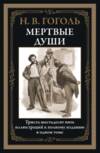
Dead Souls – Nikolai Gogol – NWCEO – 2026 – ISBN 978-5-9603-0585-3
Dead Souls
14.99 €
In stock

Dead Souls
14.99 €
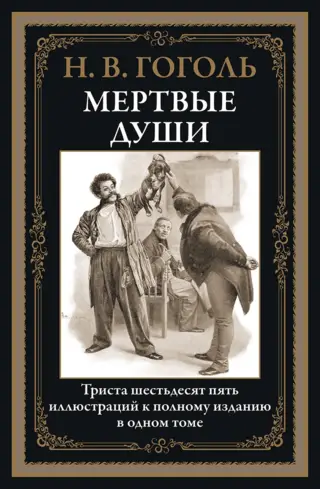
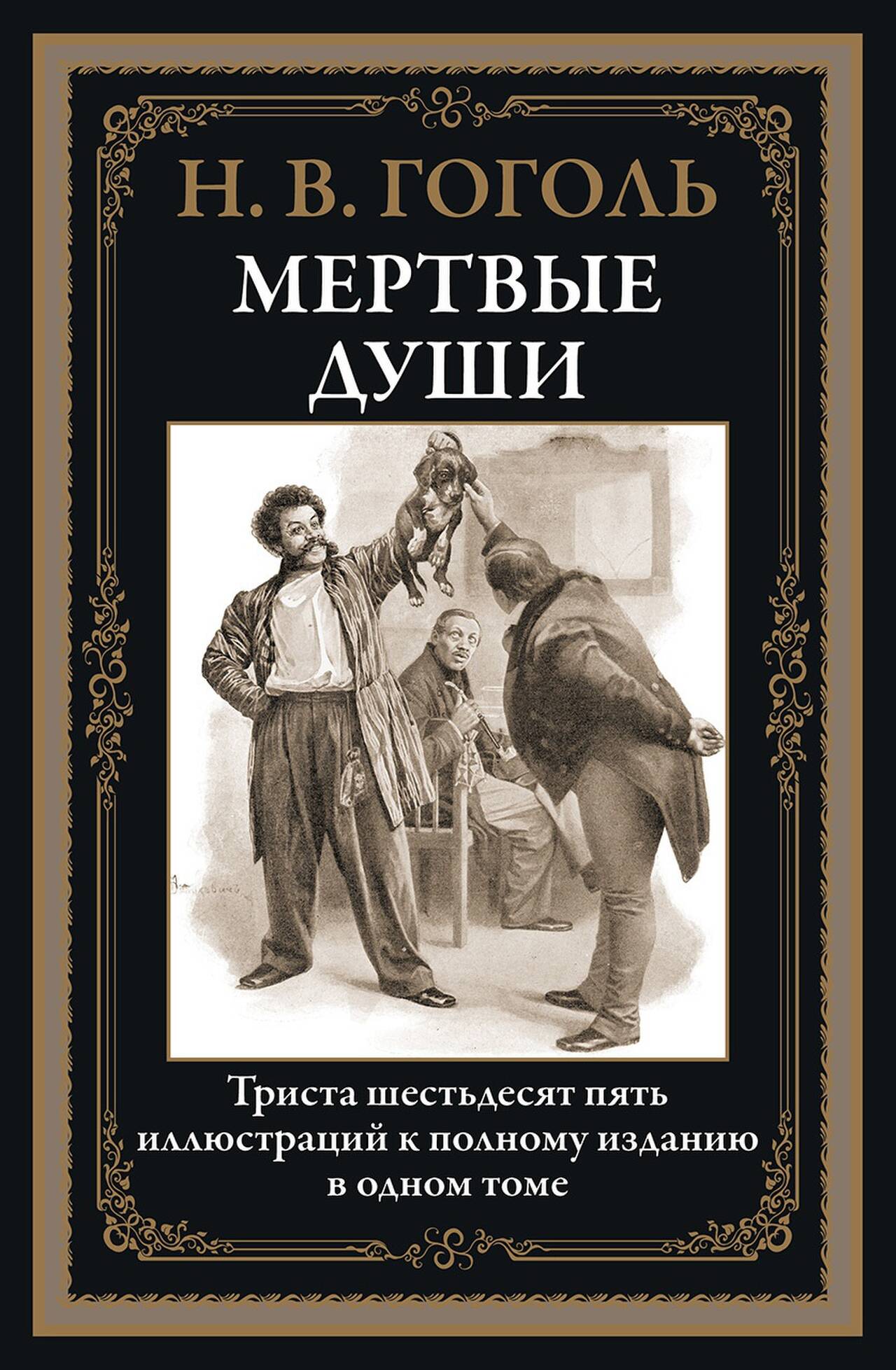
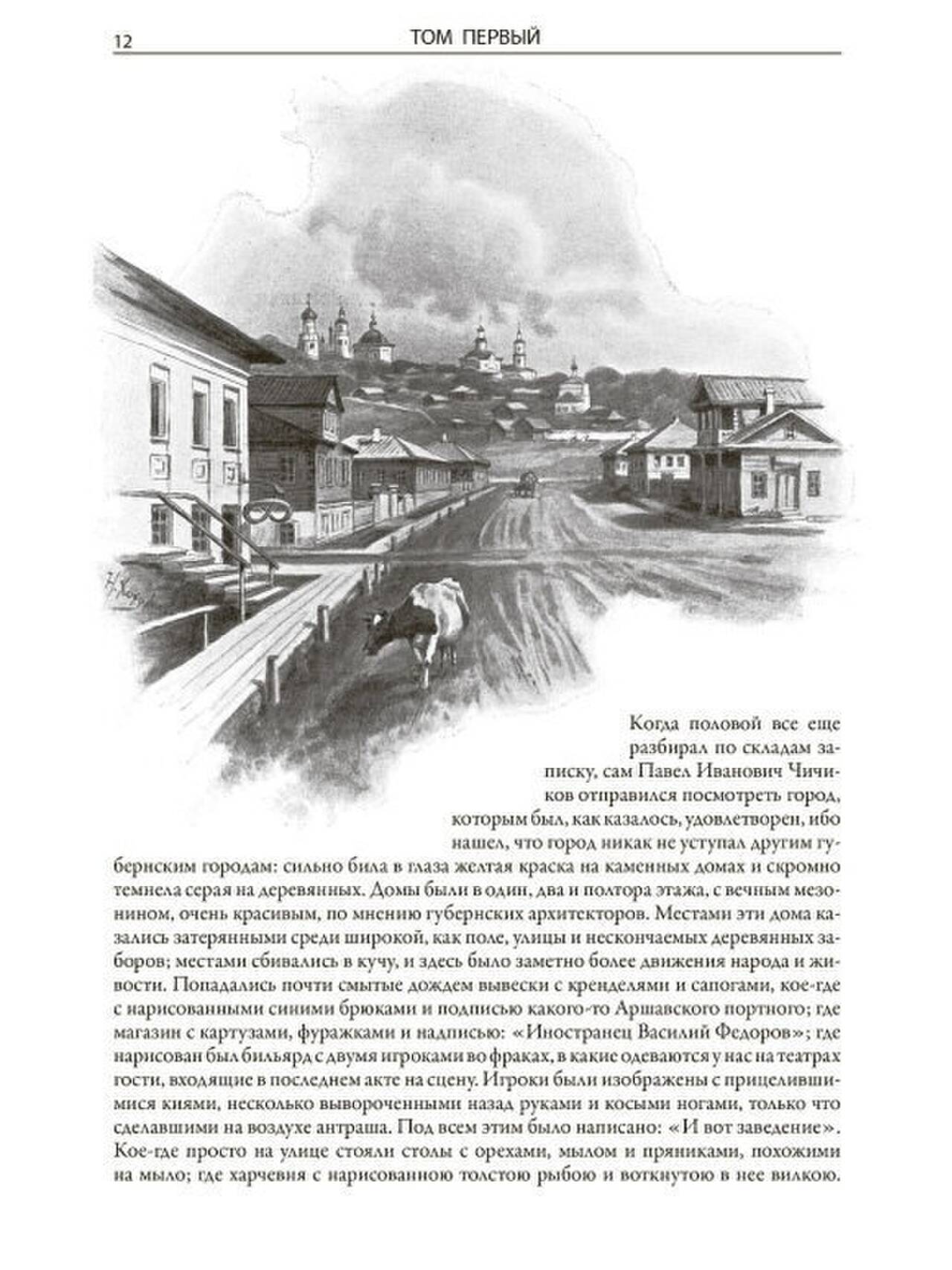
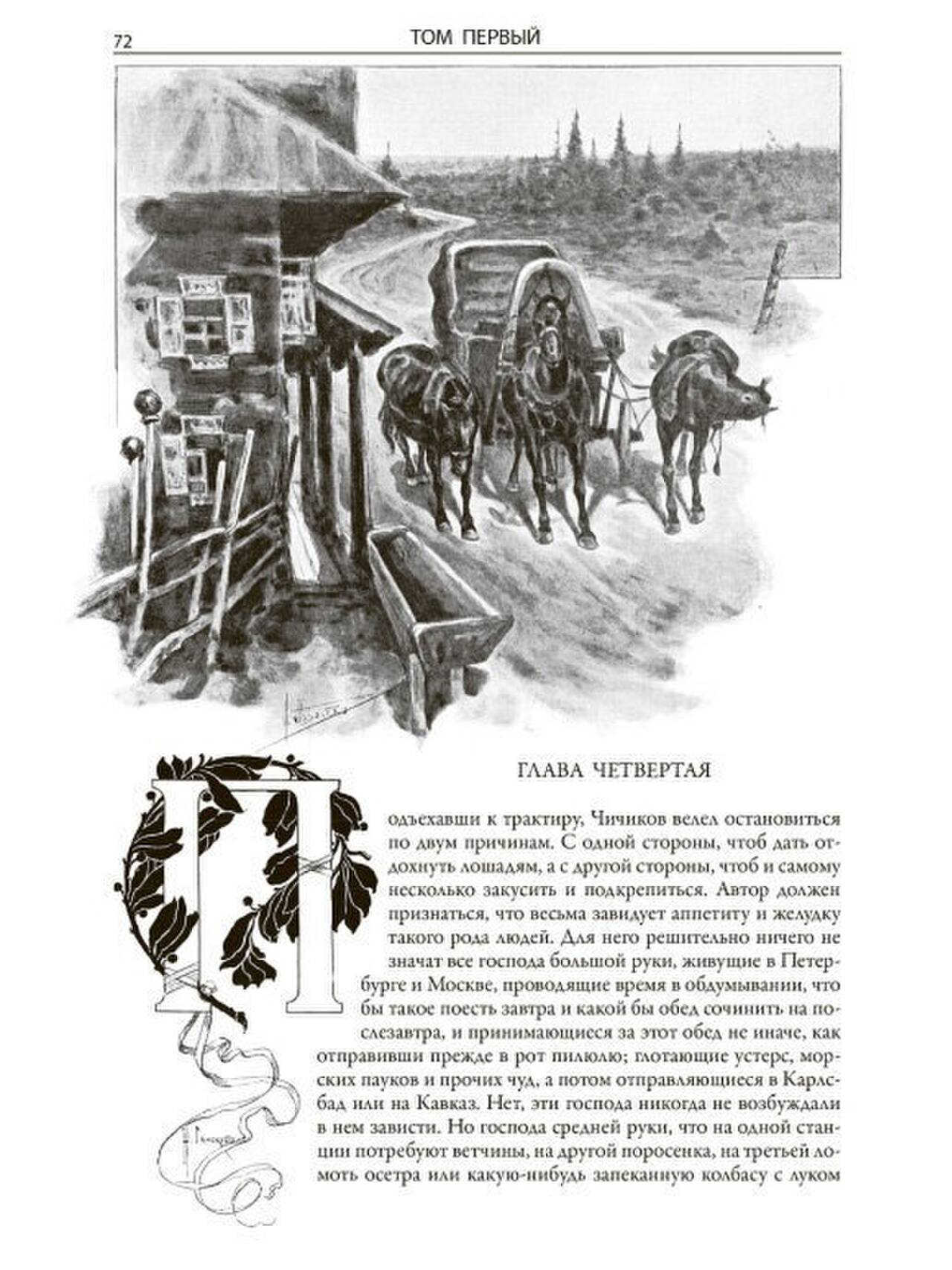
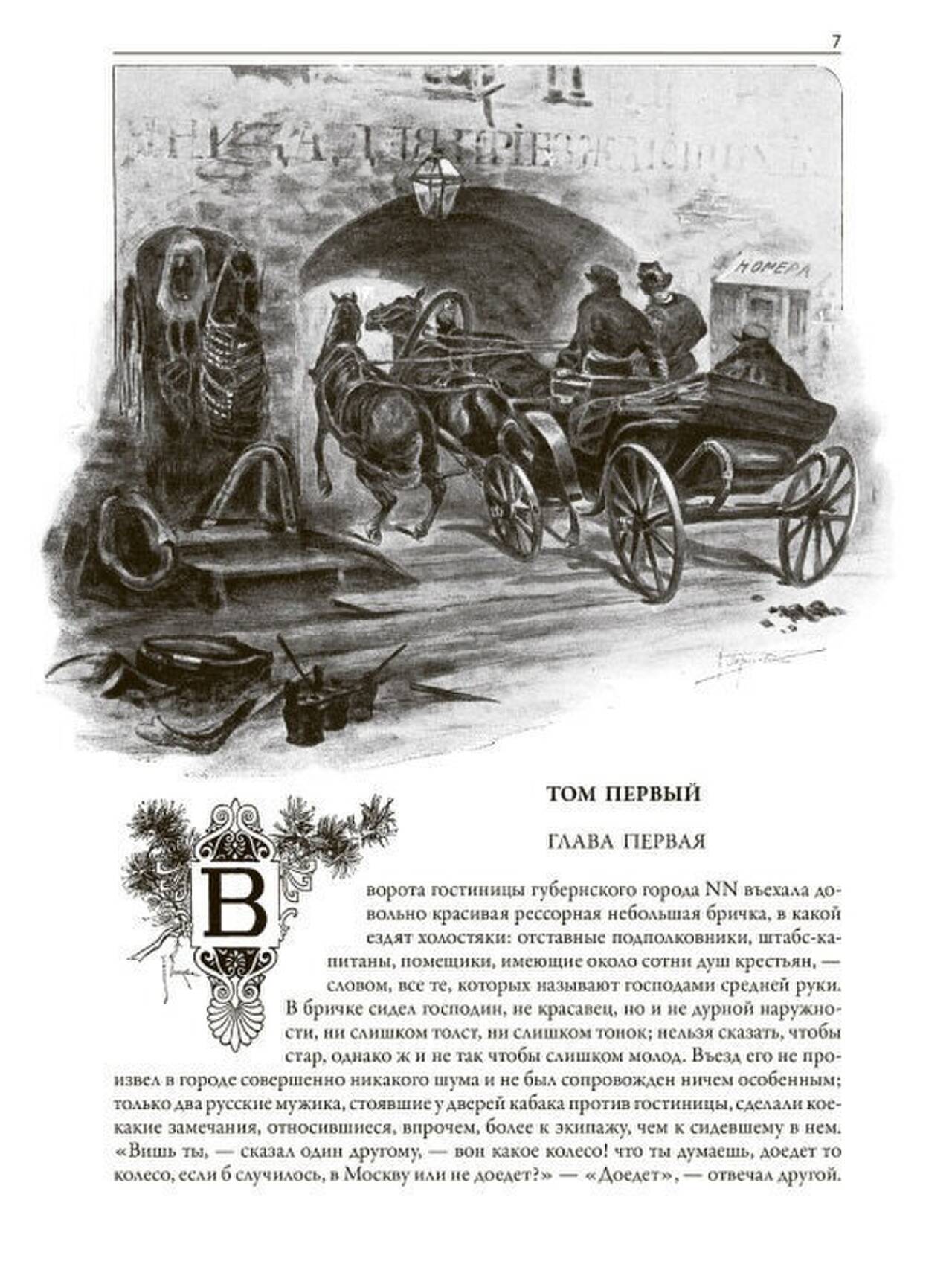
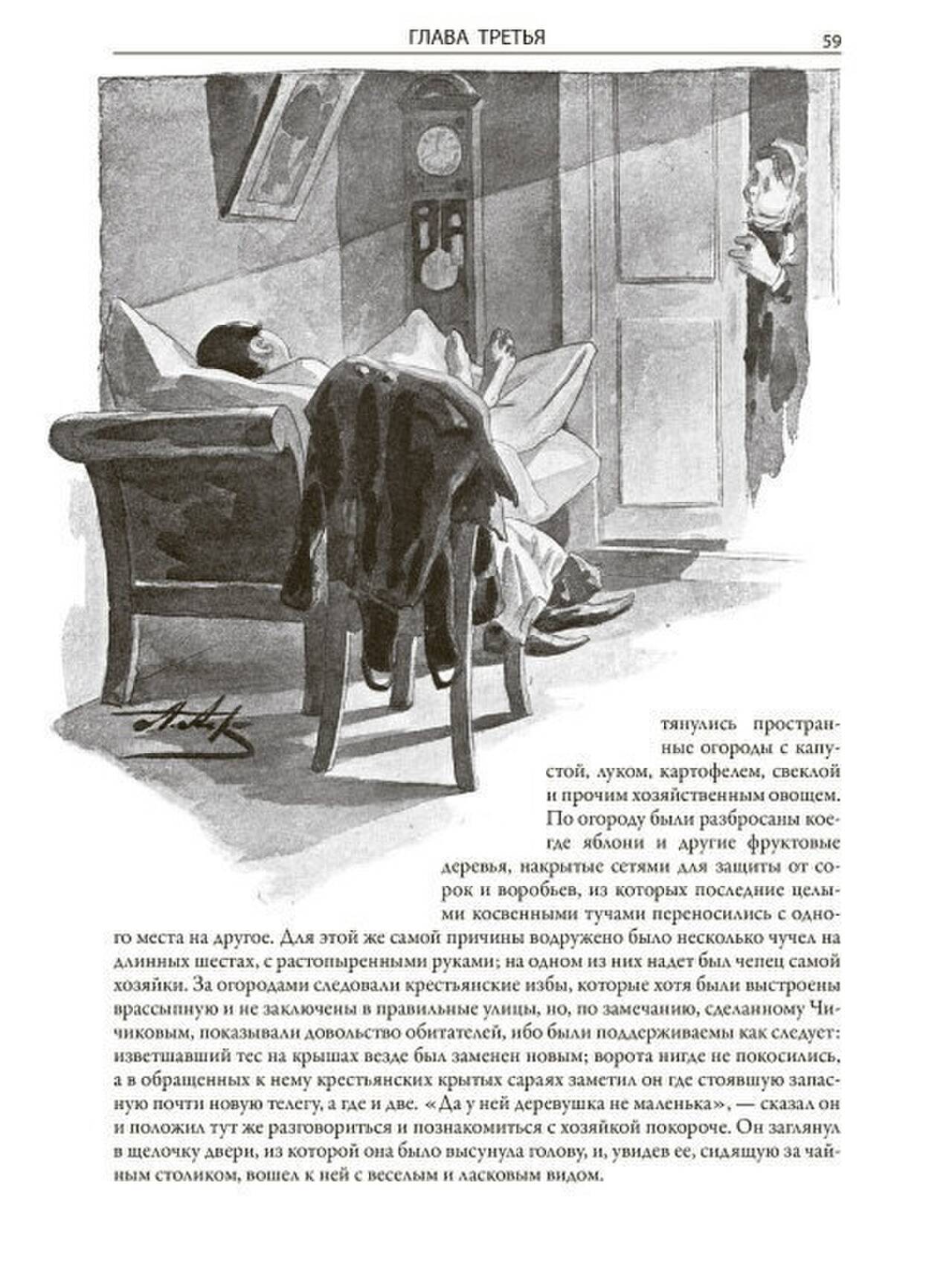
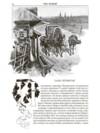
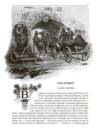
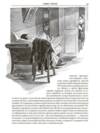
The poem "Dead Souls" by Nikolai Vasilyevich Gogol (1809–1852) is one of the most significant works of Russian and world literature. The author originally planned to create a three-volume set, but the nearly completed second volume was lost; only a few chapters survive in draft form, and the third volume was never written. This edition includes the full text of the first volume, a chapter from the appendices to the first volume, and a later edition of the unfinished second volume. "Dead Souls," a work by Nikolai Vasilyevich Gogol (1809–1852), which the author himself described as a "poem," is one of the most ambitious and significant works of Russian literature. The expression "dead souls" first appeared in Gogol's papers on October 7, 1835: in a letter to Alexander Pushkin, he informed the poet that he had followed his advice to write a novel about a buyer of deceased peasants. Work on the first volume lasted from mid-1835 until the fall of 1841, and by December the manuscript had already been submitted to the censorship committee. With a revised "Tale of Captain Kopeikin" and a changed title, "The Adventures of Chichikov, or Dead Souls," it was first published on May 21, 1842. The public's reaction to this new work was mixed. Many Gogol admirers considered the picture of reality he had created too bleak, but most immediately embraced the poem with enthusiasm. Why is "Dead Souls" a poem? It's not just the poetic perfection of Gogol's text. Initially, Nikolai Vasilyevich planned to create a three-volume set in which the adventures of Chichikov, an outwardly well-intentioned and ordinary gentleman of average means, would serve merely as a connecting thread between the epic narratives of life in Russia in the author's time. The writer himself noted in a letter to V. A. Zhukovsky dated June 26, 1842, that the published part of the poem "...seems to me like a porch hastily added by a provincial architect to a palace, which was planned to be built on colossal scale..." The grandiose plan was never fully realized: the practically completed second volume was lost, only a few chapters in drafts survive, and the third volume was never written. The current edition includes the complete text of the first volume of Dead Souls, a chapter from the appendices to the first volume, and a later edition of the unfinished second volume. The illustrations used in the design are also of considerable interest. In 1901, the St. Petersburg publisher Adolf Fedorovich Marx produced a luxurious illustrated edition of the poem. A large group of talented artists, working from a single concept, was involved in the work; The creative team was led by art critic Pyotr Petrovich Gnedich and painter Mechislav Mikhailovich Dalkevich. The artists made 365 wonderful illustrations: V. A. Andreev, A. F. Afanasyev, V. I. Bystrenin, M. M. Dalkevich, F. S. Kozachinsky, I. K. Mankovsky, N. V. Pirogov and E. P. Samokish-Sudkovskaya reproduced everyday scenes of the work, N. N. Bazhin and N. N. Khokhryakhov performed landscapes, and N. S. Samokish - initial letters and vignettes.
See also:
- All books by the publisher
- All books by the author
- All books in the series Library of World Literature