




Magic of the Peoples of the World – Eksmo – 2025 – ISBN 978-5-04-196756-7
Magic of the Peoples of the World
9.99 €
The only thing available 1

Magic of the Peoples of the World
9.99 €
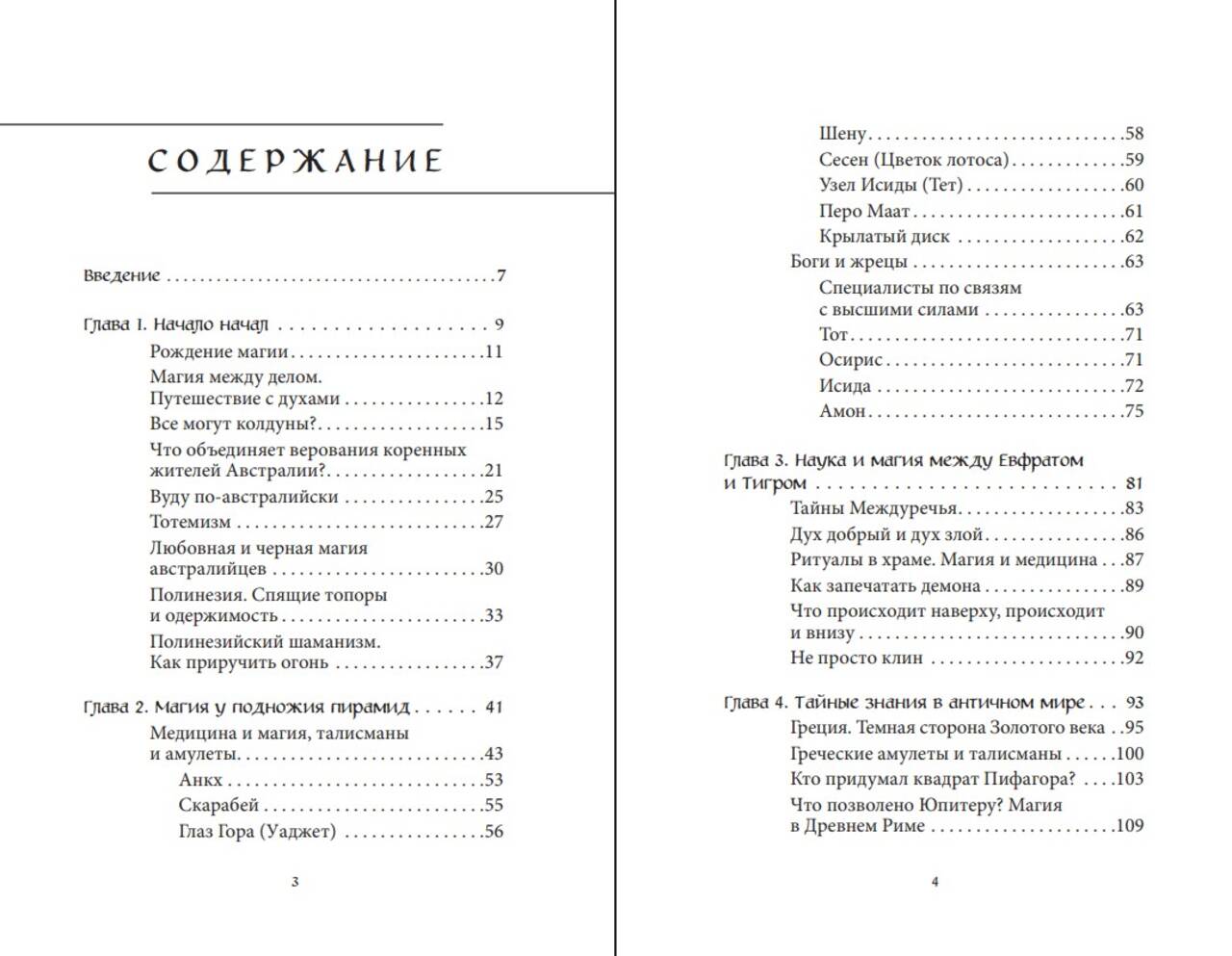
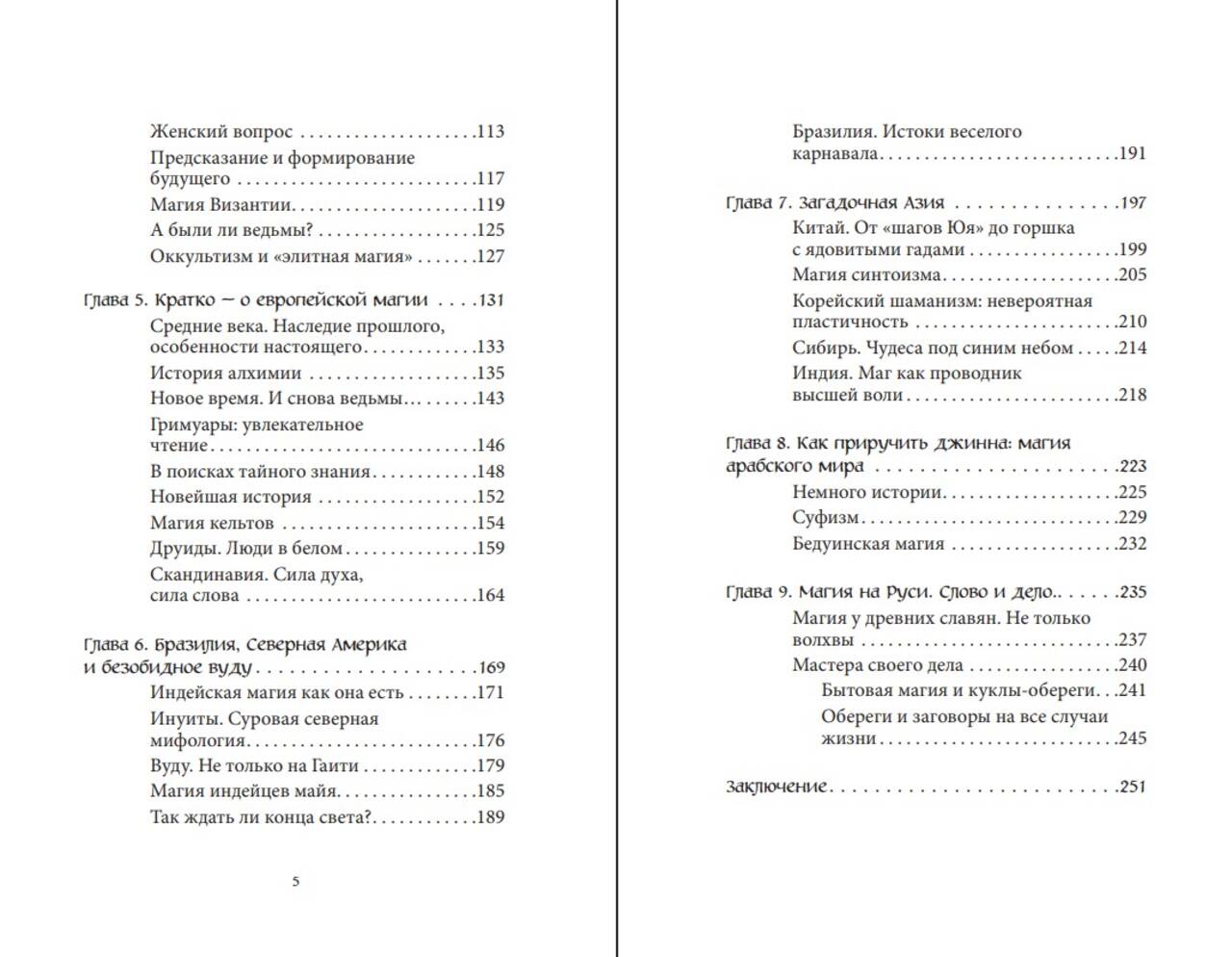
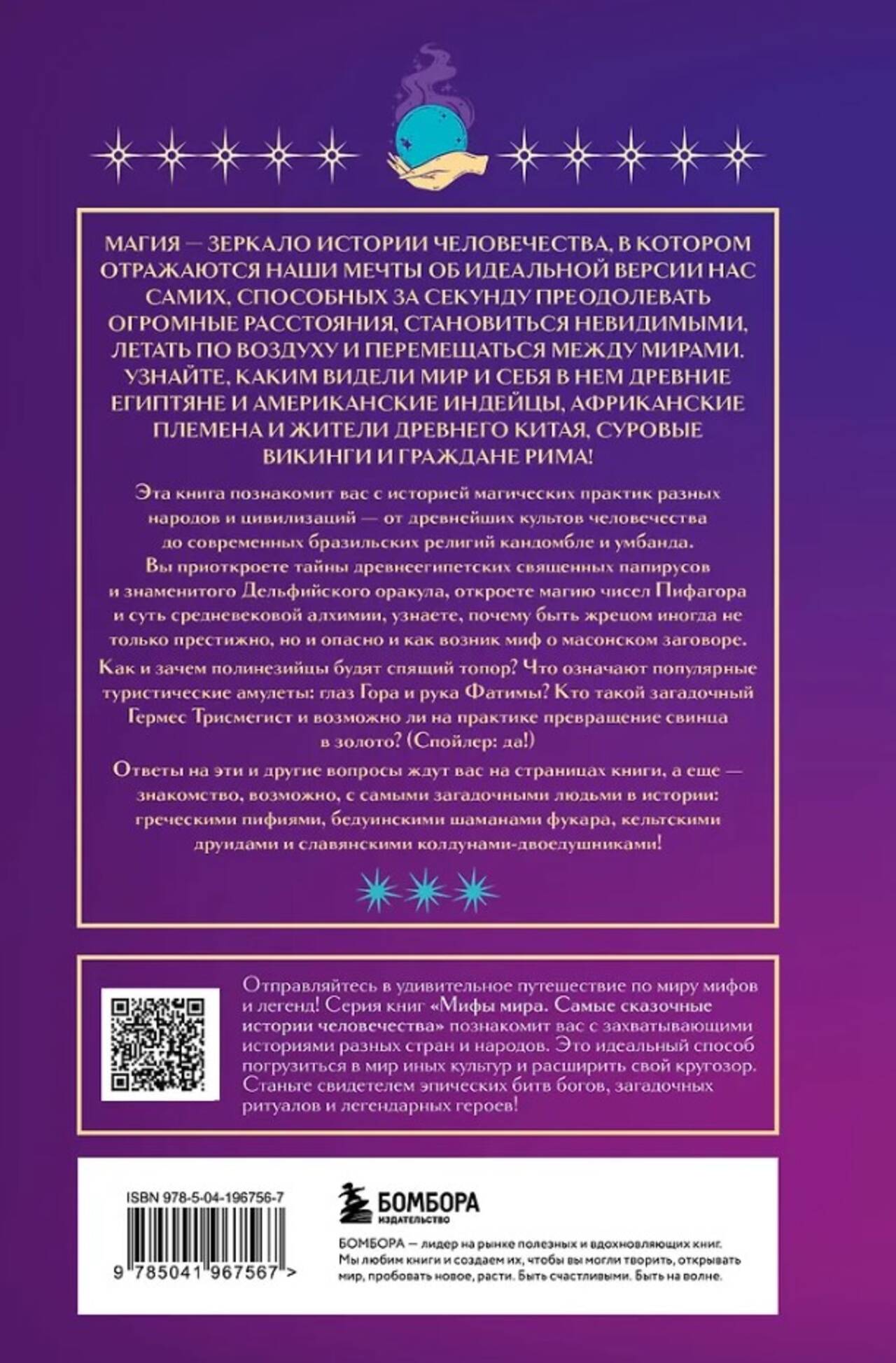
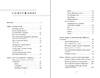
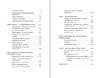
Long before the theory of relativity and the discovery of the cellular structure of organisms (and still today), magic reflected humanity's desire to understand the incomprehensible universe and its place in it. Armed with science and a few pinches of magic, embark on a fascinating journey through space and time and discover the magical practices of various peoples, cultures, and civilizations around the world. Stops include Ancient Egypt and Mesopotamia, Rome and Byzantium, the Middle East and distant Asia, medieval Europe, and modern Latin America.
In this magical guide, you'll learn what a 7th-century BCE Assyrian textbook on magic can teach you, how Byzantine emperors combated witchcraft, whether it's possible to turn lead into gold (spoiler: yes!), and what role voodoo magic played in colonial history.
Why was Pythagoras considered a magician, and why is the "music of the celestial spheres" a perfectly scientific concept? How, according to Celtic custom, can one make a utility knife that will never get lost or injure its owner? What did the Rosicrucians do, and how did the myth of a Masonic conspiracy arise? Why is it important to pay stove-makers and blacksmiths promptly?
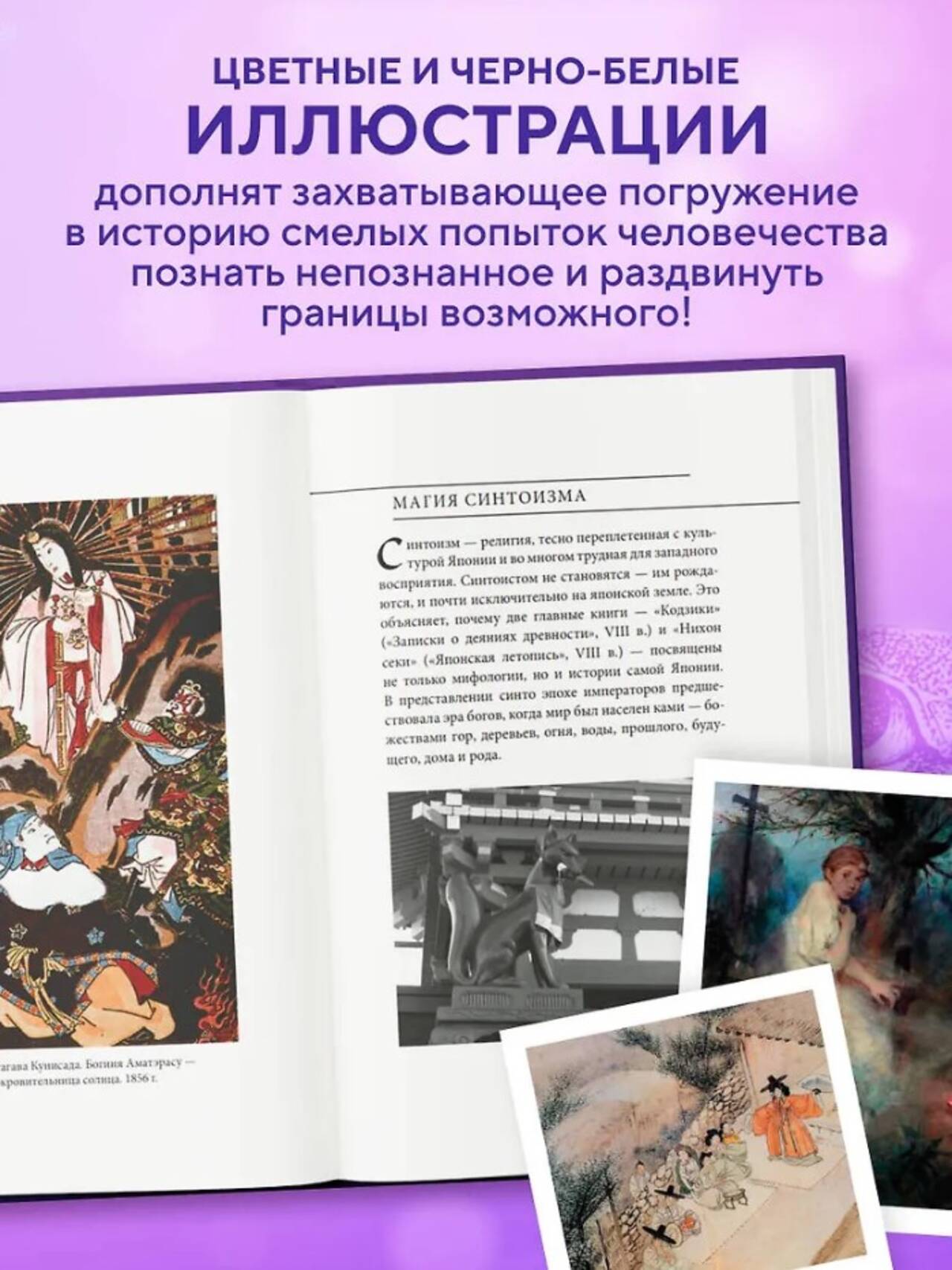
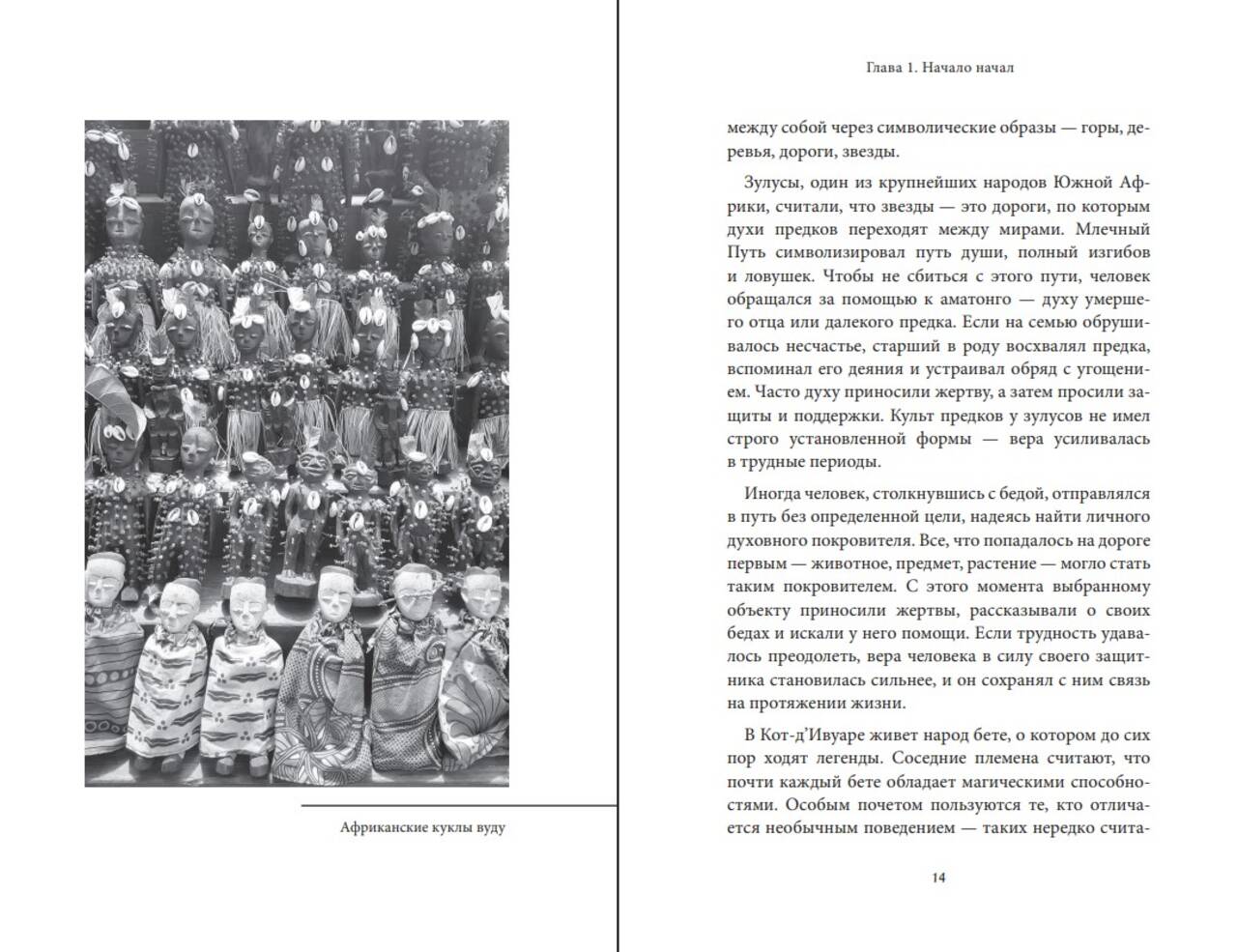
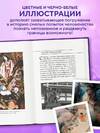
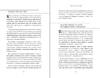
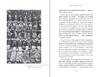
You'll learn this and much more in this book, and you'll also understand the various magical systems: from the magic of Pythagoras's numbers and the theory of "animal magnetism" to the Chinese black magic of gu and the Japanese practice of onmyodo—and you'll understand what it takes to be a priest or a wizard! Color and black-and-white illustrations complement this captivating immersion in the history of humanity's bold attempts to understand the unknown and push the boundaries of what's possible.
In this magical guide, you'll learn what a 7th-century BCE Assyrian textbook on magic can teach you, how Byzantine emperors combated witchcraft, whether it's possible to turn lead into gold (spoiler: yes!), and what role voodoo magic played in colonial history.
Why was Pythagoras considered a magician, and why is the "music of the celestial spheres" a perfectly scientific concept? How, according to Celtic custom, can one make a utility knife that will never get lost or injure its owner? What did the Rosicrucians do, and how did the myth of a Masonic conspiracy arise? Why is it important to pay stove-makers and blacksmiths promptly?
You'll learn this and much more in this book, and you'll also understand the various magical systems: from the magic of Pythagoras's numbers and the theory of "animal magnetism" to the Chinese black magic of gu and the Japanese practice of onmyodo—and you'll understand what it takes to be a priest or a wizard! Color and black-and-white illustrations complement this captivating immersion in the history of humanity's bold attempts to understand the unknown and push the boundaries of what's possible.
See also:
- All books by the publisher
- All books in the series Myths of the World: The Most Fabulous Stories of Humanity