


Madonna of the Orient Express – Decobra Maurice – Ladomir – 2026 – ISBN 978-5-86218-710-6
Madonna of the Orient Express
99.99 €
79.99 €
In stock

Madonna of the Orient Express
99.99 €
79.99 €
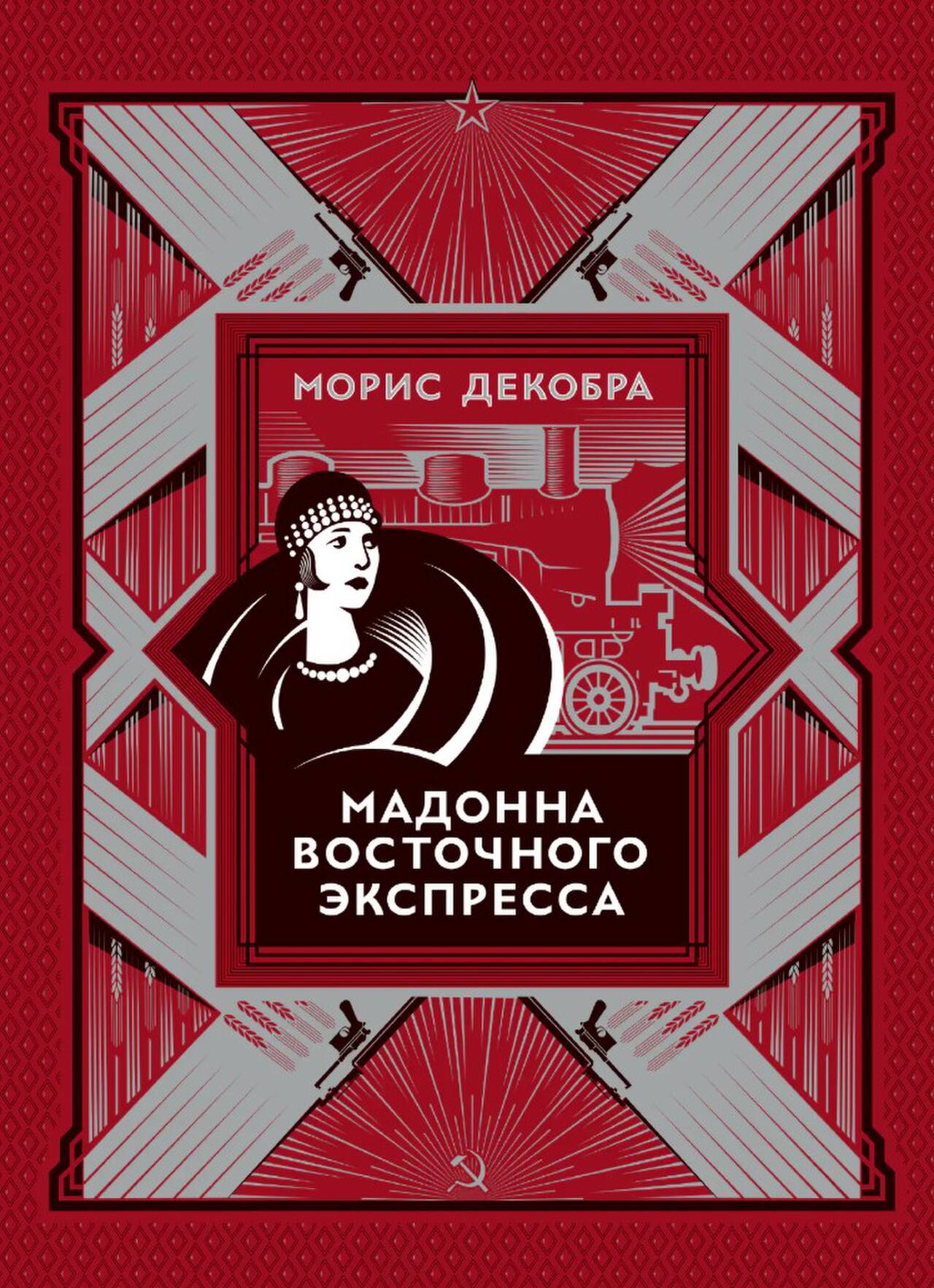
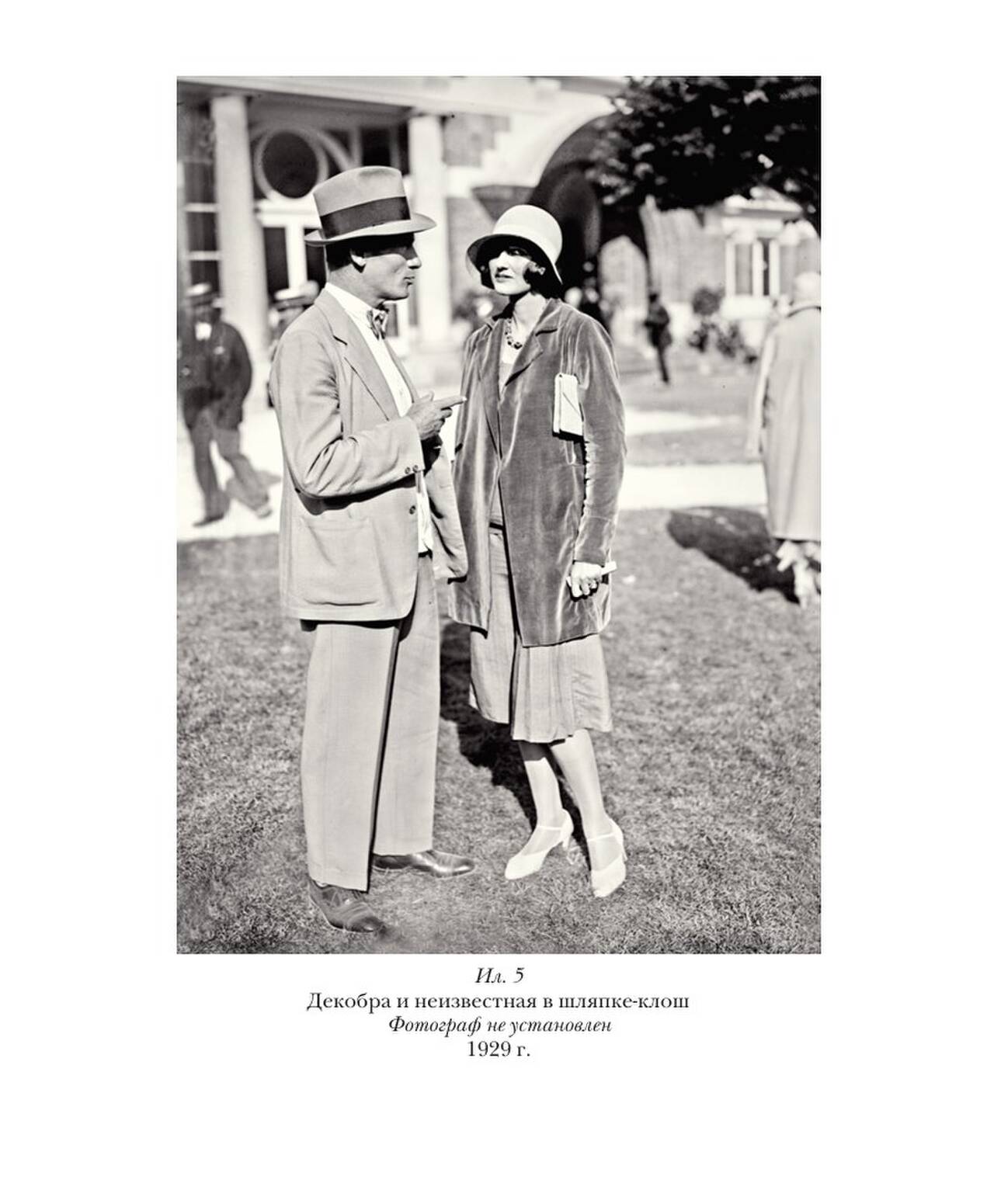
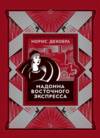
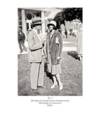
Maurice Decobra's novel Madonna of the Orient Express (1925) is a cultural phenomenon virtually unparalleled in world book history. It brought its author pan-European fame, making him one of the central figures of the "Jazz Age," a time of "vitality cult," a "libidinous, carefree life," and embodying the myth of the search for the "perfect party." A nominee for the prestigious Prix Goncourt, the author, sensitive to the trends of the times, deliberately chose to create "mass literature"—and hit the nerve of an era exhausted by war and expecting not clever rhetoric, but a vibrant aesthetic experience. The book shot out into the world, in the words of its publisher, J. Bodinier, "like an arrow released from the bowstring," and was instantly translated into dozens of languages, including Russian a year after its publication—and this despite the writer's books being banned in the USSR! The novel's characters captivated readers worldwide, their adventures becoming the subject of conversation and gossip, and the main character, Lady Diana, nicknamed the "Madonna of the Orient Express" for her passion for constant travel on luxurious European trains, was recognized as an icon of cosmopolitanism, the epitome of a modern emancipated aristocrat, and the "quintessential Anglo-Saxon woman."
The novel is not only captivating and full of constant movement, but also extraordinarily vivid. The author, having traveled to numerous cities and countries, recreates them as they truly are, not as if they were read from books but as if they were witnessed firsthand. London and Berlin, Monaco and Batumi, Constantinople and Vienna appear before the reader, along with vast seas, theaters and boudoirs, bustling dance halls, and remote Georgian towns. The world of the novel is an adventure world, where expensive hotels are always juxtaposed with the dungeons of a Cheka prison, beneath whose windows the mournful strains of "Dubinushka" can be heard. After all, "Madonna of the Orient Express" is also one of the first works to give rise to the myth of Bloody Russia, of the "Red Terror," which flourishes in Western culture to this day.
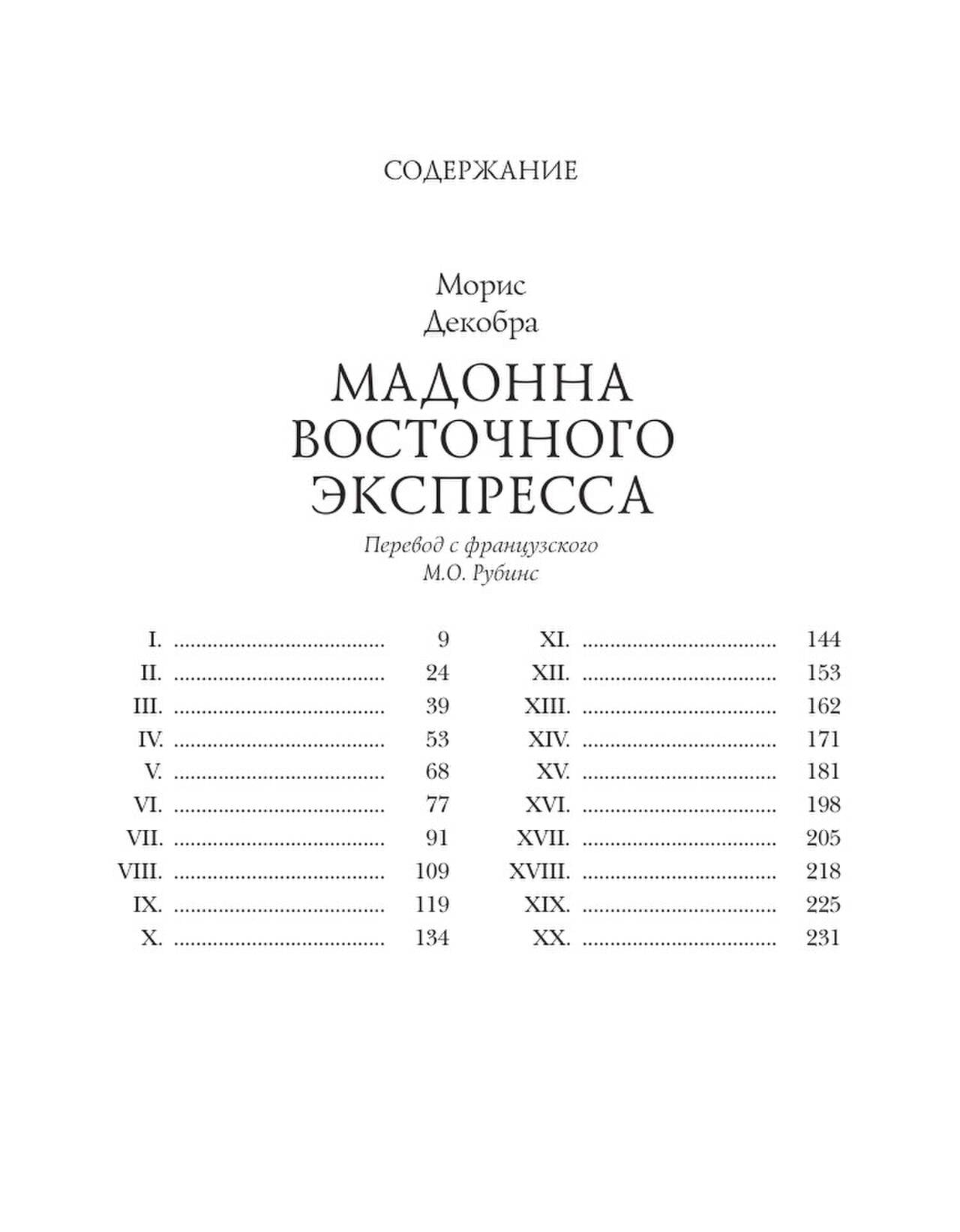
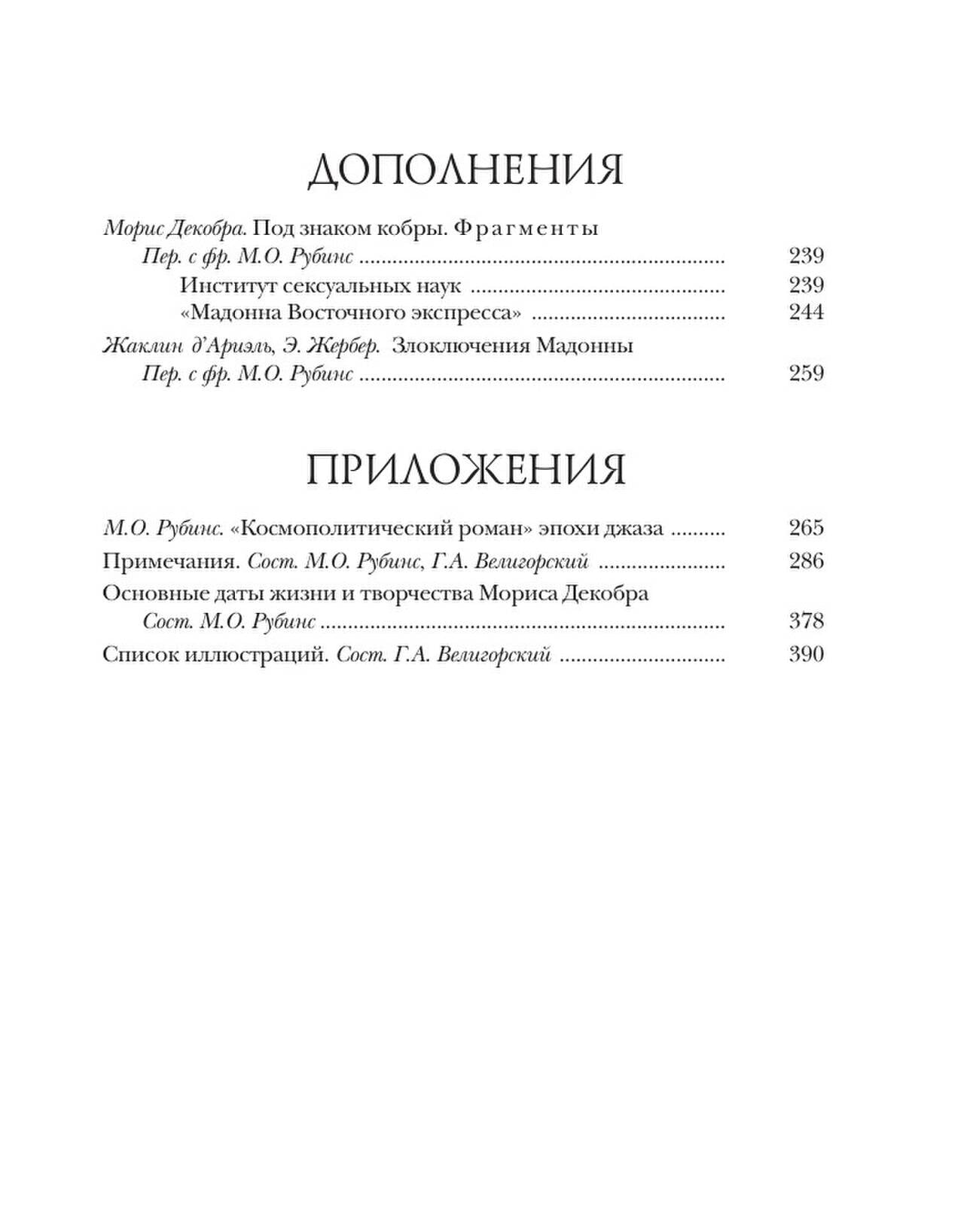
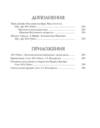
The "Additions" section contains chapters from the author's autobiography, recalling the conflicts—sometimes funny, sometimes sad, sometimes downright absurd—that accompanied the publication of his most famous novel. The article "The Misadventures of Madonna" deserves special attention, offering another series of stories related to the book's release, including a scandal in English high society when one of Lady Diana's lovers was "identified" as a high-born aristocrat.
The "Appendices" section contains an article by M.O. Rubins, who reveals Dekobra's place and role in the culture of the "Jazz Age," as well as detailed notes, not only reveal the author's considerable eruditeness, but also reveal the sources—including Russian-language ones—on which the French writer relied, creating his amazingly colorful world, full of stormy energy, constantly rushing towards new emotions.
See also:
- All books by the publisher
- All books by the author
- All books in the series Monuments of world literature