


Japanese battleships (1908-1945). Battleships of the Kawachi, Fuso, and Ise classes – Rubanov Oleg – Sea book – 2025 – ISBN 979-5-903020-74-3
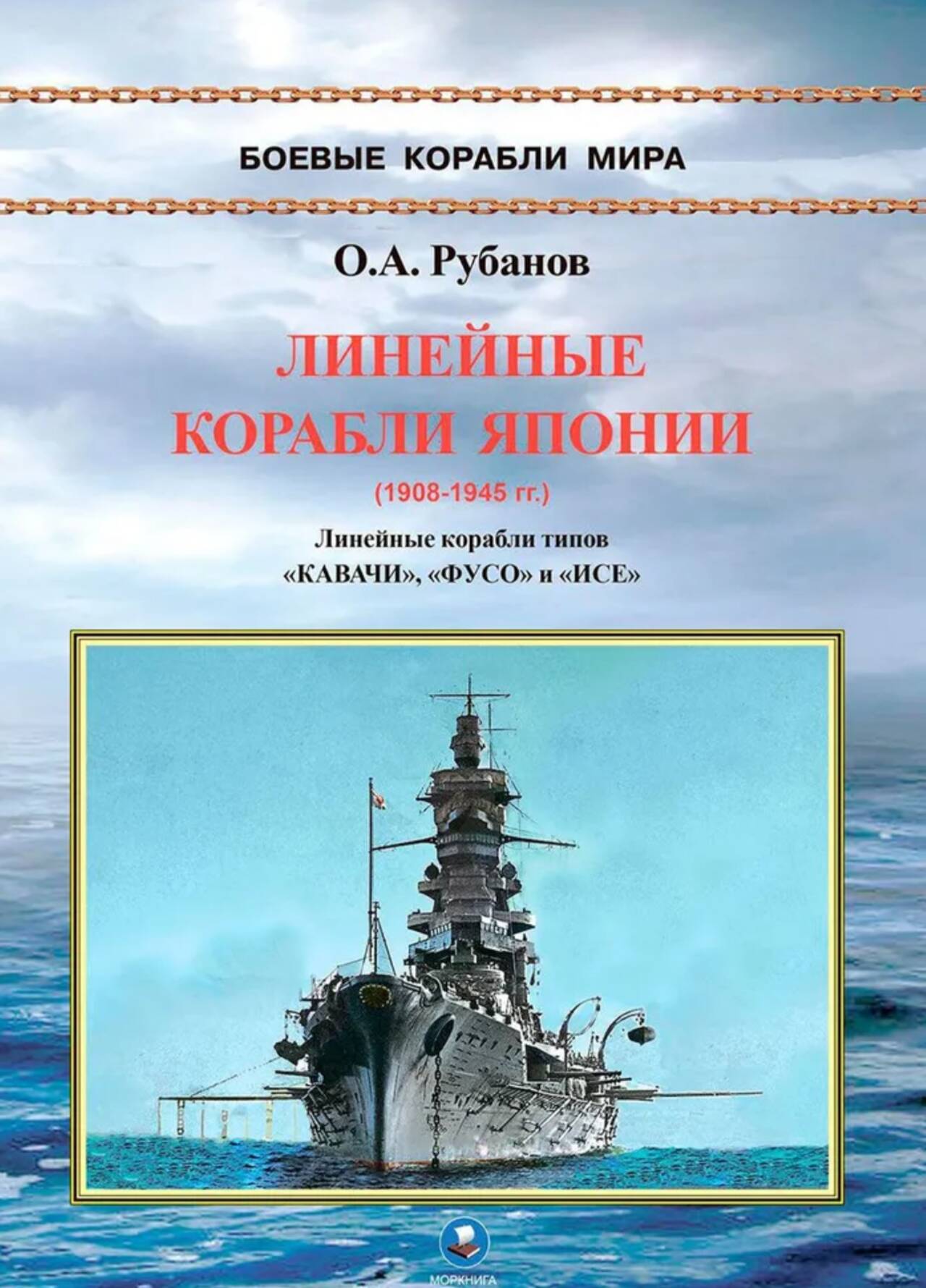
Japanese battleships (1908-1945). Battleships of the Kawachi, Fuso, and Ise classes
29.99 €
Out of stock

Japanese battleships (1908-1945). Battleships of the Kawachi, Fuso, and Ise classes
29.99 €
To add a product to the waitlist, please sign in:
Log in
With the appearance of the Dreadnought in the British fleet, the arms race at sea began "from scratch" for all other countries. But Japan was unable to immediately begin building new-type battleships. The war with Russia had seriously damaged the financial system of the island empire. In addition, it was necessary to complete the battleships and armored cruisers of the previous programs, and only then begin building dreadnoughts.
The keel of the first Japanese dreadnought was laid in 1909, although the preliminary design was developed back in 1903 (displacement of 17,000 tons, armament of 8 305-mm guns).
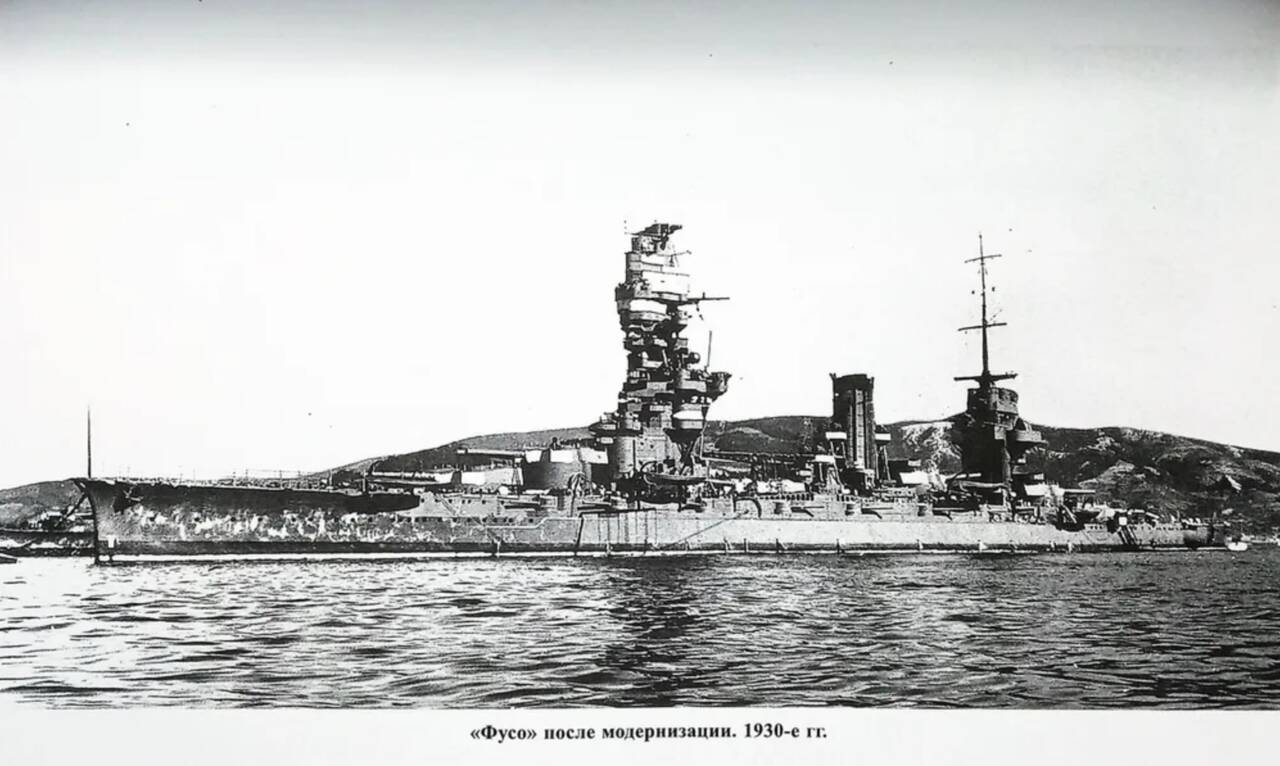
The first real dreadnoughts were the Kawachi and Setsu, followed by a series of Kongo-type battlecruisers, the lead of which was built in England, the rest in Japan. These battlecruisers required the construction of corresponding battleships, which became the Fuso-class ships, followed by the Ise-class battleships. During this period, a national type of battleship began to take shape.
Despite almost unlimited access to British technology, there was no blind copying. Original ships were built. Thus, the first step was taken on the long road to the Yamato-class super battleships.
The keel of the first Japanese dreadnought was laid in 1909, although the preliminary design was developed back in 1903 (displacement of 17,000 tons, armament of 8 305-mm guns).
The first real dreadnoughts were the Kawachi and Setsu, followed by a series of Kongo-type battlecruisers, the lead of which was built in England, the rest in Japan. These battlecruisers required the construction of corresponding battleships, which became the Fuso-class ships, followed by the Ise-class battleships. During this period, a national type of battleship began to take shape.
Despite almost unlimited access to British technology, there was no blind copying. Original ships were built. Thus, the first step was taken on the long road to the Yamato-class super battleships.
See also:
- All books by the publisher
- All books by the author
- All books in the series Warships of the World