



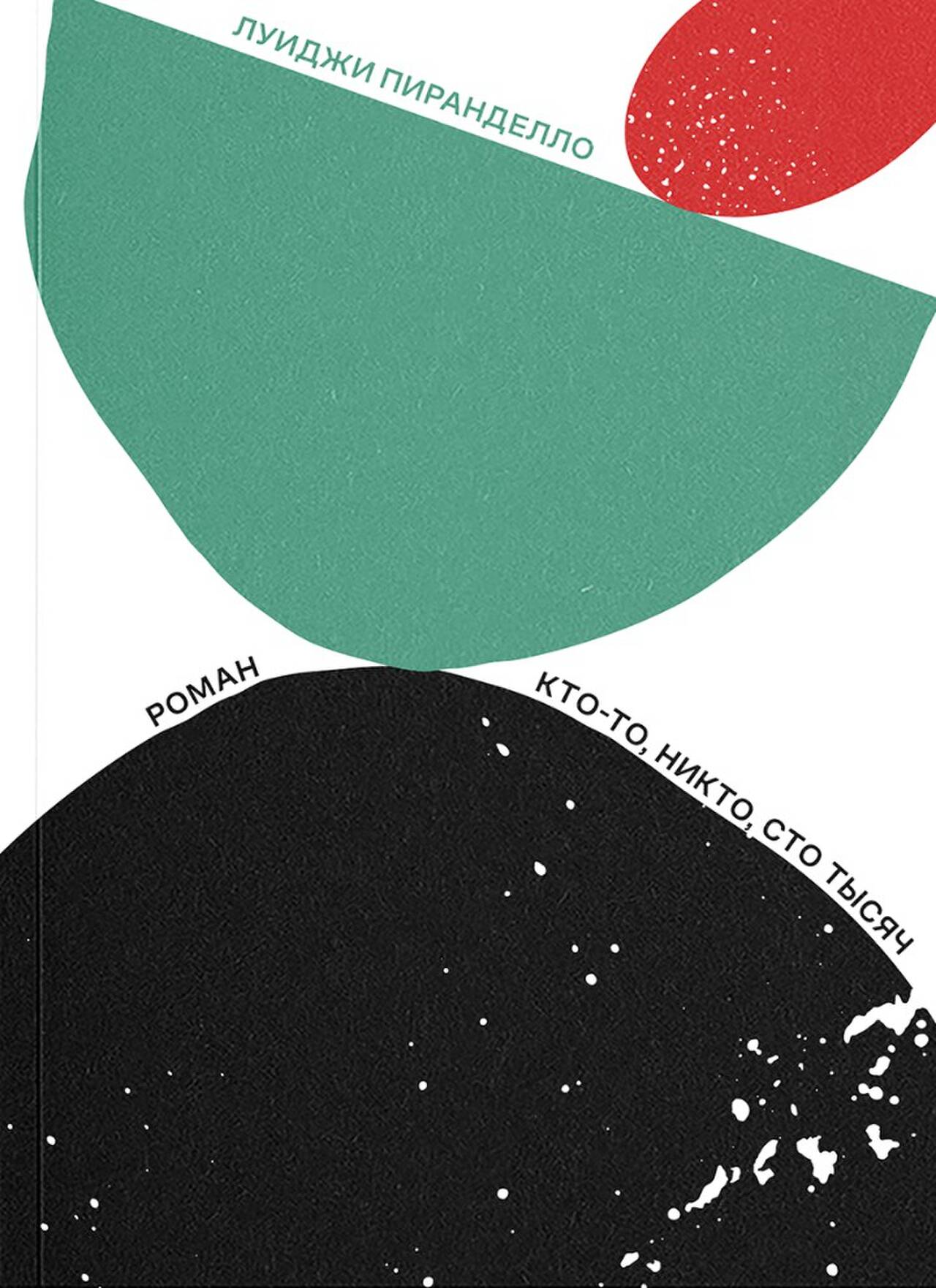


Someone, nobody, a hundred thousand – Pirandello Luigi – Hell Marginem – 2026 – ISBN 978-5-908105-31-6
Someone, nobody, a hundred thousand
9.99 €
In stock

Someone, nobody, a hundred thousand
9.99 €
Someone, Nobody, One Hundred Thousand (1926) is the final novel by Italian writer Luigi Pirandello (1867–1936) and one of the most radical books of European modernism. The author writes about a person confronted with a multitude of self-images, about freedom, the power of others' gazes, and a life that refuses to take a definitive form.
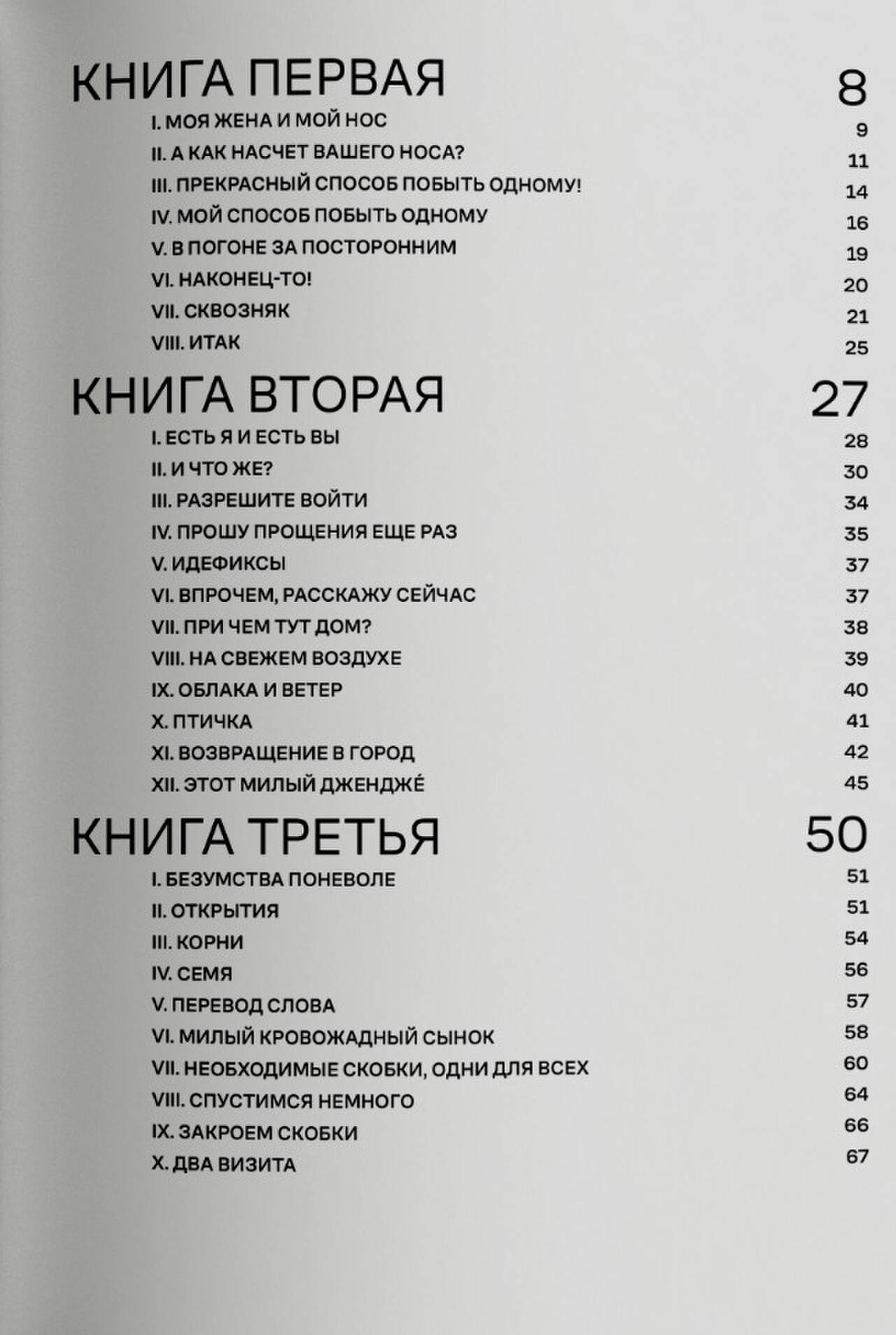
One day, twenty-eight-year-old Vitangelo Moscarda learns from his wife that his nose is slightly crooked to the right. Until that moment, he had never noticed it. This insignificant detail leads Moscarda to a terrifying discovery: the person his wife sees is not at all the person he usually thinks he is. If others see him differently, it means that each of them has their own Moscarda. Instead of a single, coherent "I," he discovers tens, hundreds, "one hundred thousand" versions of himself—and he is unable to fully control any of them. Moscarda begins to experiment with his own life, attempting to dismantle the ideas that have become ingrained in him. But each new action merely creates another image in the eyes of others. Gradually, a personal crisis turns into a radical experiment in the very idea of identity: is it even possible to be "yourself" if any self-image exists only in relation to the gaze of others?
One day, twenty-eight-year-old Vitangelo Moscarda learns from his wife that his nose is slightly crooked to the right. Until that moment, he had never noticed it. This insignificant detail leads Moscarda to a terrifying discovery: the person his wife sees is not at all the person he usually thinks he is. If others see him differently, it means that each of them has their own Moscarda. Instead of a single, coherent "I," he discovers tens, hundreds, "one hundred thousand" versions of himself—and he is unable to fully control any of them. Moscarda begins to experiment with his own life, attempting to dismantle the ideas that have become ingrained in him. But each new action merely creates another image in the eyes of others. Gradually, a personal crisis turns into a radical experiment in the very idea of identity: is it even possible to be "yourself" if any self-image exists only in relation to the gaze of others?
See also:
- All books by the publisher
- All books by the author