


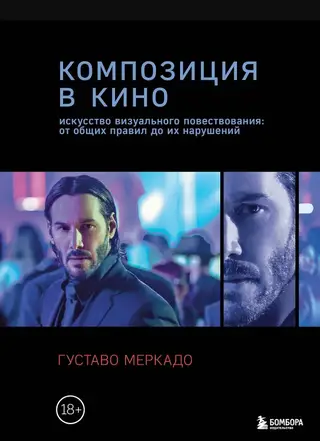
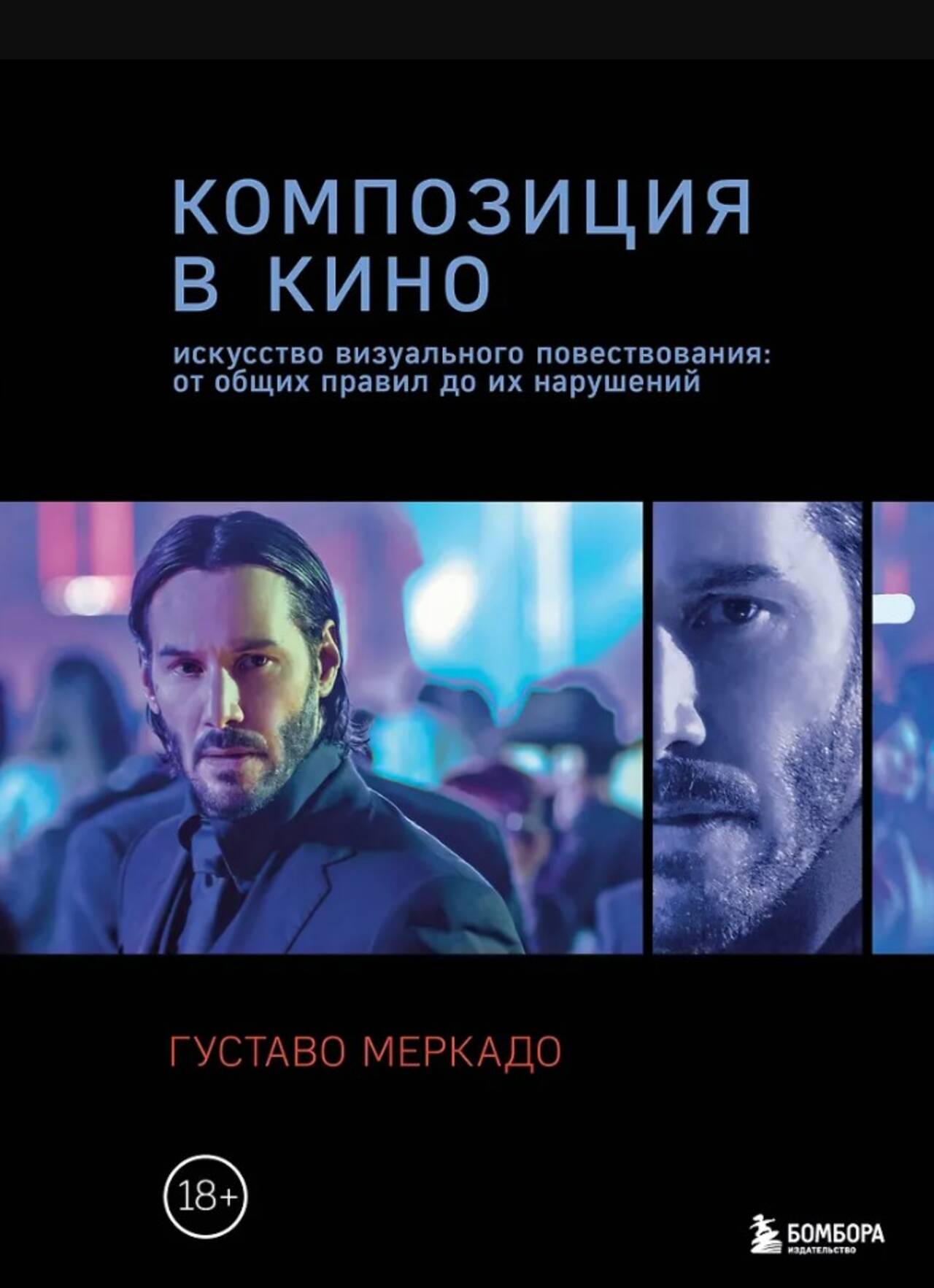




Composition in Film: The Art of Visual Storytelling: From General Rules to Their Breakdowns – Mercado Gustavo – Eksmo – 2025 – ISBN 978-5-04-208259-7
Composition in Film: The Art of Visual Storytelling: From General Rules to Their Breakdowns
29.99 €
Out of stock

Composition in Film: The Art of Visual Storytelling: From General Rules to Their Breakdowns
29.99 €
To add a product to the waitlist, please sign in:
Log in
Whether you're using a camera, stills, or any other tool to compose a shot, remember that good composition is created not only by what's in the frame but also by what's outside it.
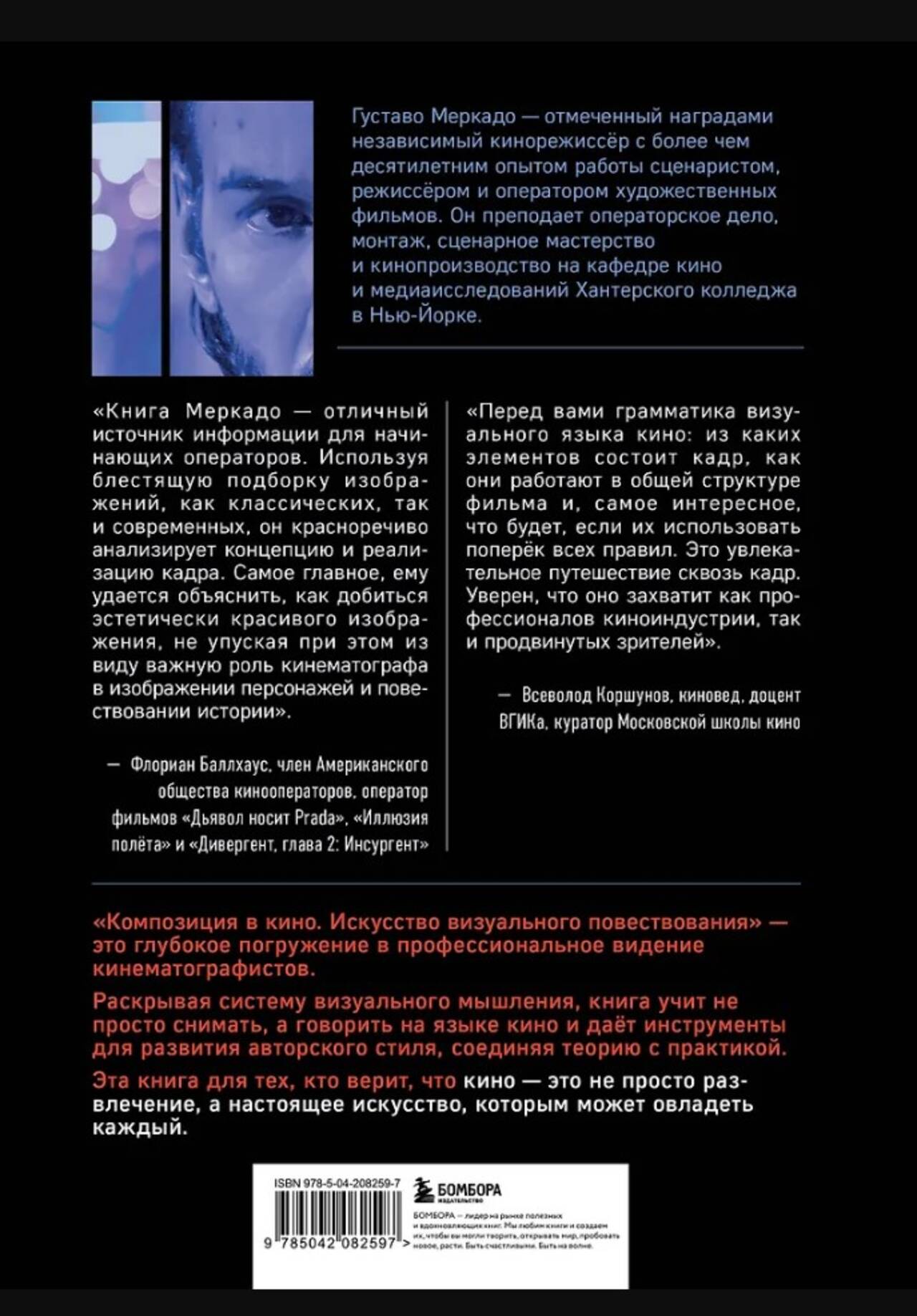
"Composition in Film: The Art of Visual Storytelling: From General Rules to Their Breakdowns" by Gustavo Mercado will not only explain why the most iconic scenes in cinema are the way they are, but also why they couldn't be any other way.
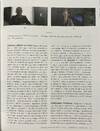
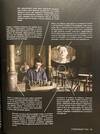
- How are characters revealed through close-ups in "Pulp Fiction"?
- Why does the "eight shot" work so well in "The Shawshank Redemption"?
- How does "The Avengers" achieve such a dramatic shift in character through a reversed shot?
- Does the "Dutch angle" enhance the dramatic moment in "Die Hard"?
- Why does Wes Anderson often choose a medium shot?
- How does the system of images create meaning in "Oldboy"? - What is the "Hitchcock Rule" and how often is it used?
- How do lenses change perspective in "The Hurt Locker"?
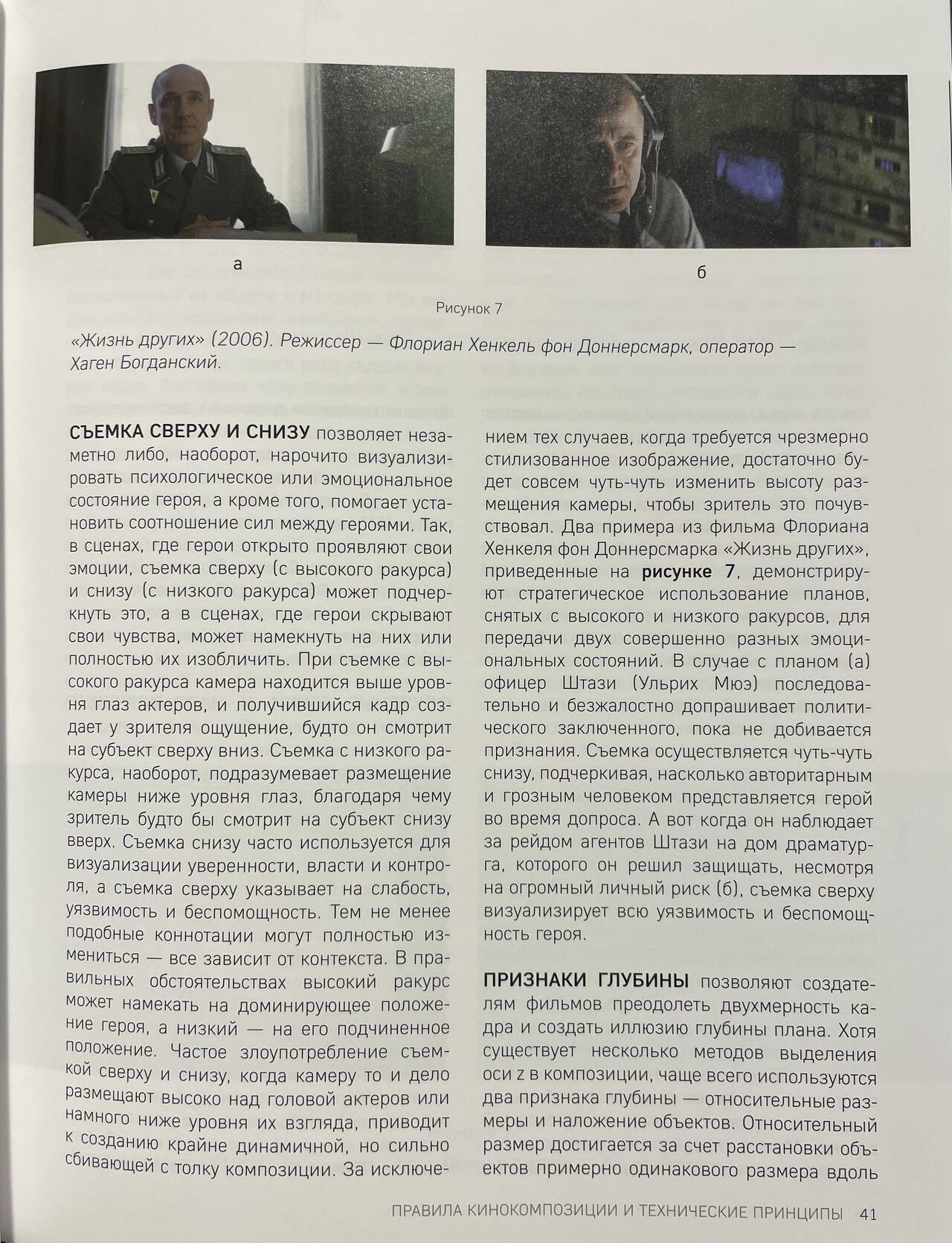
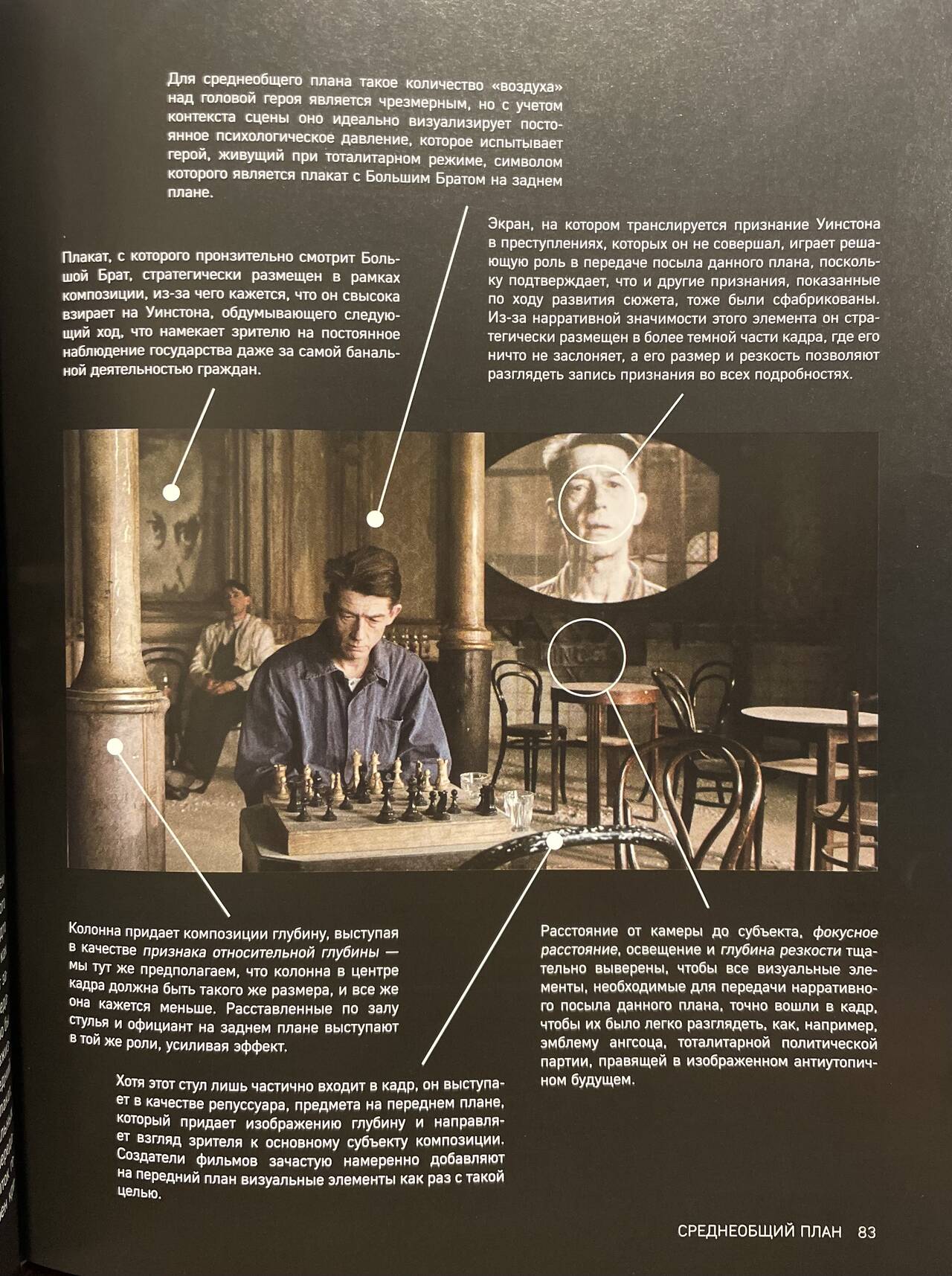
Learn the basic rules of composition and how they work. While this may seem obvious at first glance, the key is not only knowing the rules but also understanding how and why they work. Only by understanding the concept behind a rule can you apply it.
Learn to break the rules.
Every rule was created by people who didn't follow it; someone once decided to position the camera very close to the subject—and that's how the close-up was born.
"Composition in Film: The Art of Visual Storytelling: From General Rules to Their Breakdowns" by Gustavo Mercado will not only explain why the most iconic scenes in cinema are the way they are, but also why they couldn't be any other way.
- How are characters revealed through close-ups in "Pulp Fiction"?
- Why does the "eight shot" work so well in "The Shawshank Redemption"?
- How does "The Avengers" achieve such a dramatic shift in character through a reversed shot?
- Does the "Dutch angle" enhance the dramatic moment in "Die Hard"?
- Why does Wes Anderson often choose a medium shot?
- How does the system of images create meaning in "Oldboy"? - What is the "Hitchcock Rule" and how often is it used?
- How do lenses change perspective in "The Hurt Locker"?
Learn the basic rules of composition and how they work. While this may seem obvious at first glance, the key is not only knowing the rules but also understanding how and why they work. Only by understanding the concept behind a rule can you apply it.
Learn to break the rules.
Every rule was created by people who didn't follow it; someone once decided to position the camera very close to the subject—and that's how the close-up was born.
See also:
- All books by the publisher
- All books by the author
- All books in the series Film Workshop: Secrets of the Film Industry