


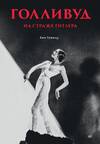
Hollywood on guard for Hitler – Urvand Ben – Peter – 2026 – ISBN 978-5-4461-4333-7
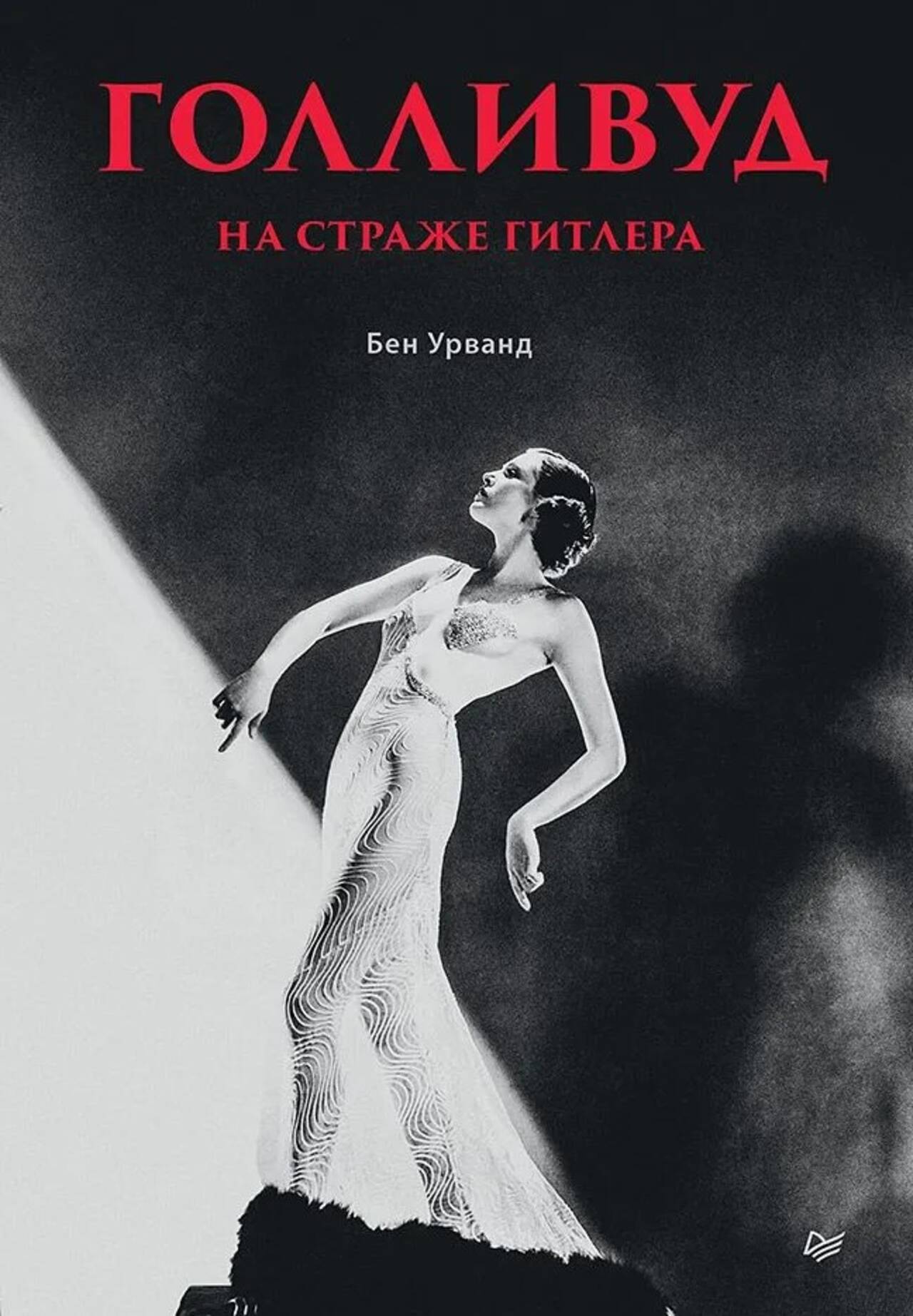
Hollywood on guard for Hitler
24.99 €
The only thing available 1

Hollywood on guard for Hitler
24.99 €
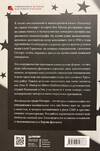
To continue doing business in Germany after Hitler's rise to power, Hollywood studios agreed not to make films attacking the Nazis or condemning the persecution of Jews in Germany. Ben Urwand reveals for the first time this deal—a "collaboration" (Zusammenarbeit)—that involved a diverse range of characters, from infamous German political leaders like Goebbels to Hollywood icons like Louis B. Mayer.
At the center of Urwand's story is Hitler himself, who was obsessed with cinema and recognized its power to shape public opinion. In December 1930, his party rebelled against the screening of All Quiet on the Western Front in Berlin, leading to a series of unfortunate events and decisions. Fearing loss of access to the German market, all Hollywood studios began making concessions to the German government, and when Hitler came to power in January 1933, the studios, many of which were headed by Jews, began communicating directly with his representatives.
Urwand shows that this arrangement persisted throughout the 1930s, as Hollywood studios met regularly with the German consul in Los Angeles and changed or cancelled films according to his wishes. Paramount and Fox invested profits from the German market in German newsreels, and MGM financed the production of German weapons. By painstakingly collecting previously unexplored archival evidence, the author lifts the curtain on a hidden episode in the history of Hollywood and America.
At the center of Urwand's story is Hitler himself, who was obsessed with cinema and recognized its power to shape public opinion. In December 1930, his party rebelled against the screening of All Quiet on the Western Front in Berlin, leading to a series of unfortunate events and decisions. Fearing loss of access to the German market, all Hollywood studios began making concessions to the German government, and when Hitler came to power in January 1933, the studios, many of which were headed by Jews, began communicating directly with his representatives.
Urwand shows that this arrangement persisted throughout the 1930s, as Hollywood studios met regularly with the German consul in Los Angeles and changed or cancelled films according to his wishes. Paramount and Fox invested profits from the German market in German newsreels, and MGM financed the production of German weapons. By painstakingly collecting previously unexplored archival evidence, the author lifts the curtain on a hidden episode in the history of Hollywood and America.
See also:
- All books by the publisher
- All books by the author
- All books in the series Modern history of mass violence