










The Attack on Titan anime phenomenon: the history, references, and hidden meanings of the iconic universe – Drapeau Clement – Eksmo – 2025 – ISBN 978-5-04-218407-9
The Attack on Titan anime phenomenon: the history, references, and hidden meanings of the iconic universe
19.99 €
Out of stock

The Attack on Titan anime phenomenon: the history, references, and hidden meanings of the iconic universe
19.99 €
To add a product to the waitlist, please sign in:
Log in
"Humans are obsessed with the idea that walls can protect them forever. Even if those walls have remained intact for the past hundred years, there's no guarantee they won't fall today." — Levi Ackerman
More than 10 years ago, we first learned of Paradis Island, surrounded by Walls protecting people from the Titans. All these years, anime fans have been holding their breath following the adventures of the fearless Eren Yeager and his friends.
Who among us hasn't sympathized with Levi's difficult fate, been angry at Reiner's betrayal, shed a tear over Hange's death, or, ultimately, debated the finale of this grand epic?
Gradually, Attack on Titan became not just a manga about a post-apocalyptic world surviving under the onslaught of man-eating humanoid Titans, but also a pillar of Japanese and global pop culture. The heated debates sparked by certain chapters and the enthusiasm for the animated adaptation are clear evidence of this.
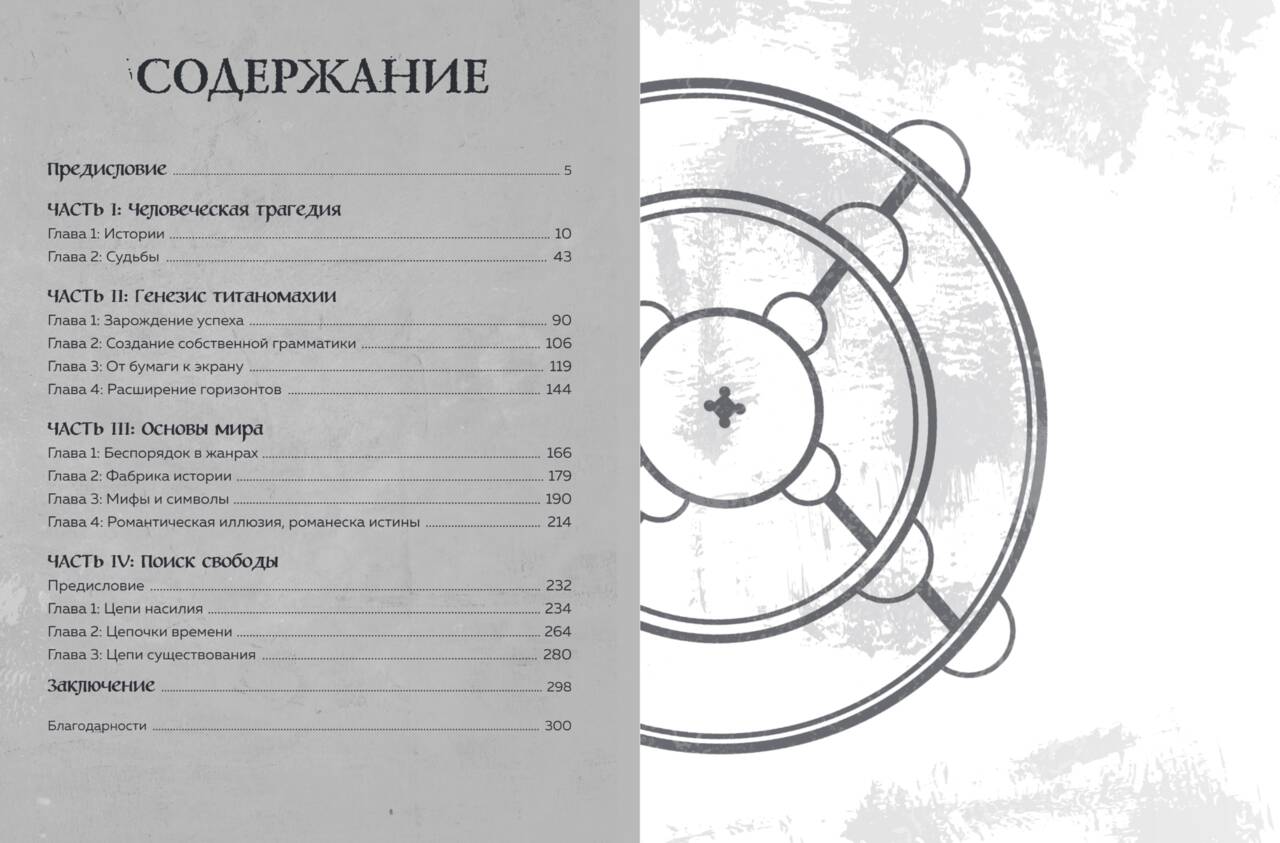
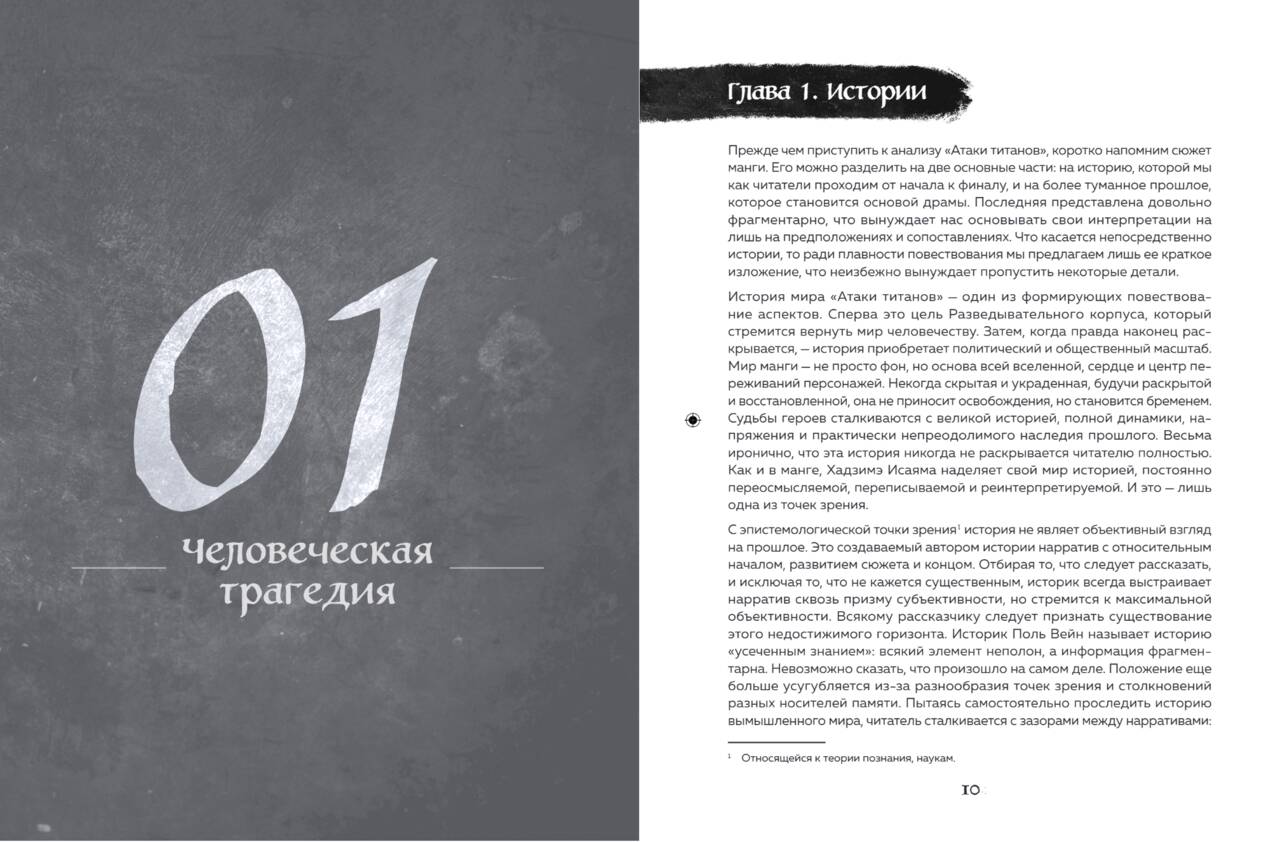
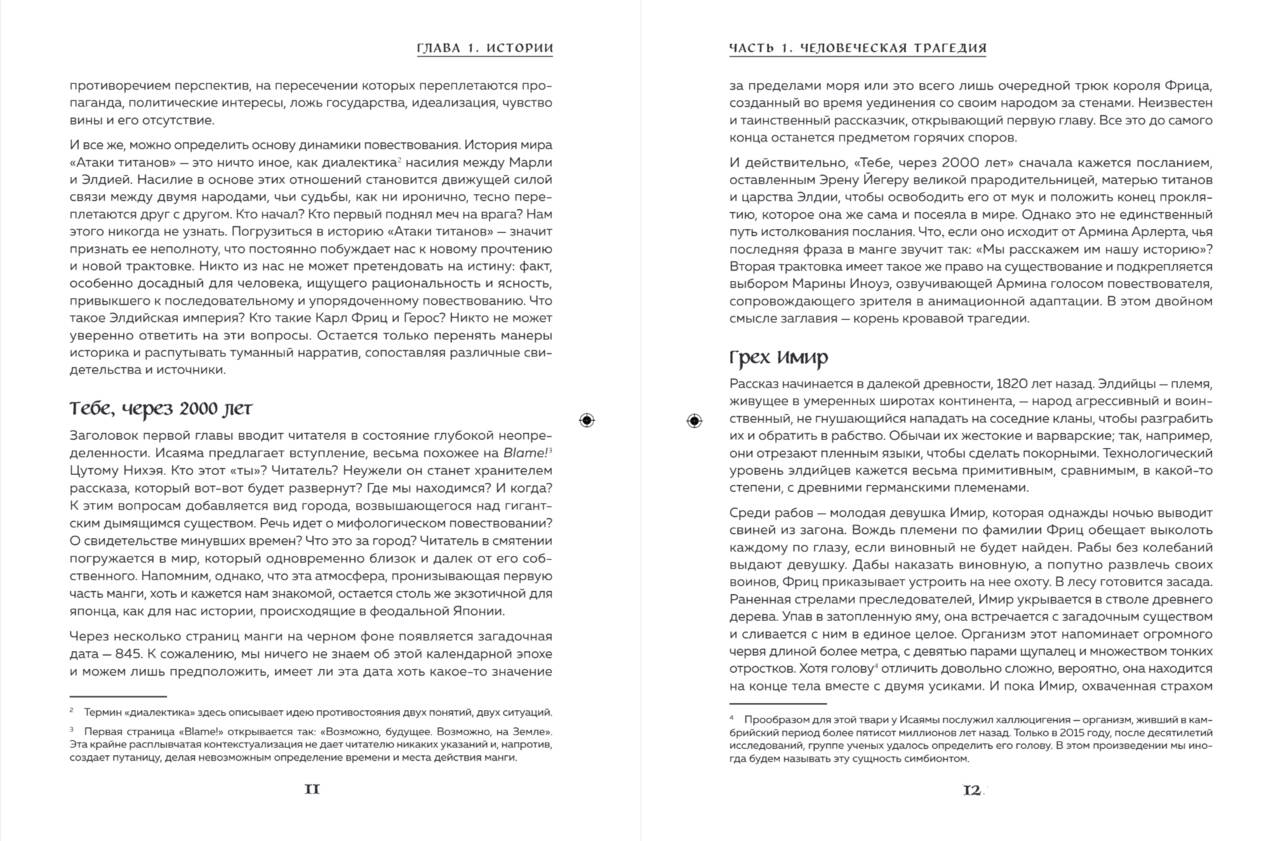
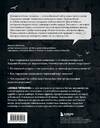
Clément Drapeau, a professional historian and a great admirer of Isayama's work, invites us to re-immerse ourselves in the history of the iconic universe with his book "The Phenomenon of Attack on Titan: History, References, and Hidden Meanings of an Iconic Universe" and discover:
- What lies behind Jean's uncertainty, Sasha's simplicity, and Historia's gentleness?
- Why is the world of the Walls a distorted mirror of our reality?
- How did the idea of the iconic universe originate?
- Why did the Titans become humanity's enemies?
- What works inspired Isayama while working on the manga?
And, most importantly, why do we see ourselves in the story of the young people whose world was destroyed by the onslaught of the manga-eating Titans?
More than 10 years ago, we first learned of Paradis Island, surrounded by Walls protecting people from the Titans. All these years, anime fans have been holding their breath following the adventures of the fearless Eren Yeager and his friends.
Who among us hasn't sympathized with Levi's difficult fate, been angry at Reiner's betrayal, shed a tear over Hange's death, or, ultimately, debated the finale of this grand epic?
Gradually, Attack on Titan became not just a manga about a post-apocalyptic world surviving under the onslaught of man-eating humanoid Titans, but also a pillar of Japanese and global pop culture. The heated debates sparked by certain chapters and the enthusiasm for the animated adaptation are clear evidence of this.
Clément Drapeau, a professional historian and a great admirer of Isayama's work, invites us to re-immerse ourselves in the history of the iconic universe with his book "The Phenomenon of Attack on Titan: History, References, and Hidden Meanings of an Iconic Universe" and discover:
- What lies behind Jean's uncertainty, Sasha's simplicity, and Historia's gentleness?
- Why is the world of the Walls a distorted mirror of our reality?
- How did the idea of the iconic universe originate?
- Why did the Titans become humanity's enemies?
- What works inspired Isayama while working on the manga?
And, most importantly, why do we see ourselves in the story of the young people whose world was destroyed by the onslaught of the manga-eating Titans?
See also:
- All books by the publisher
- All books by the author