


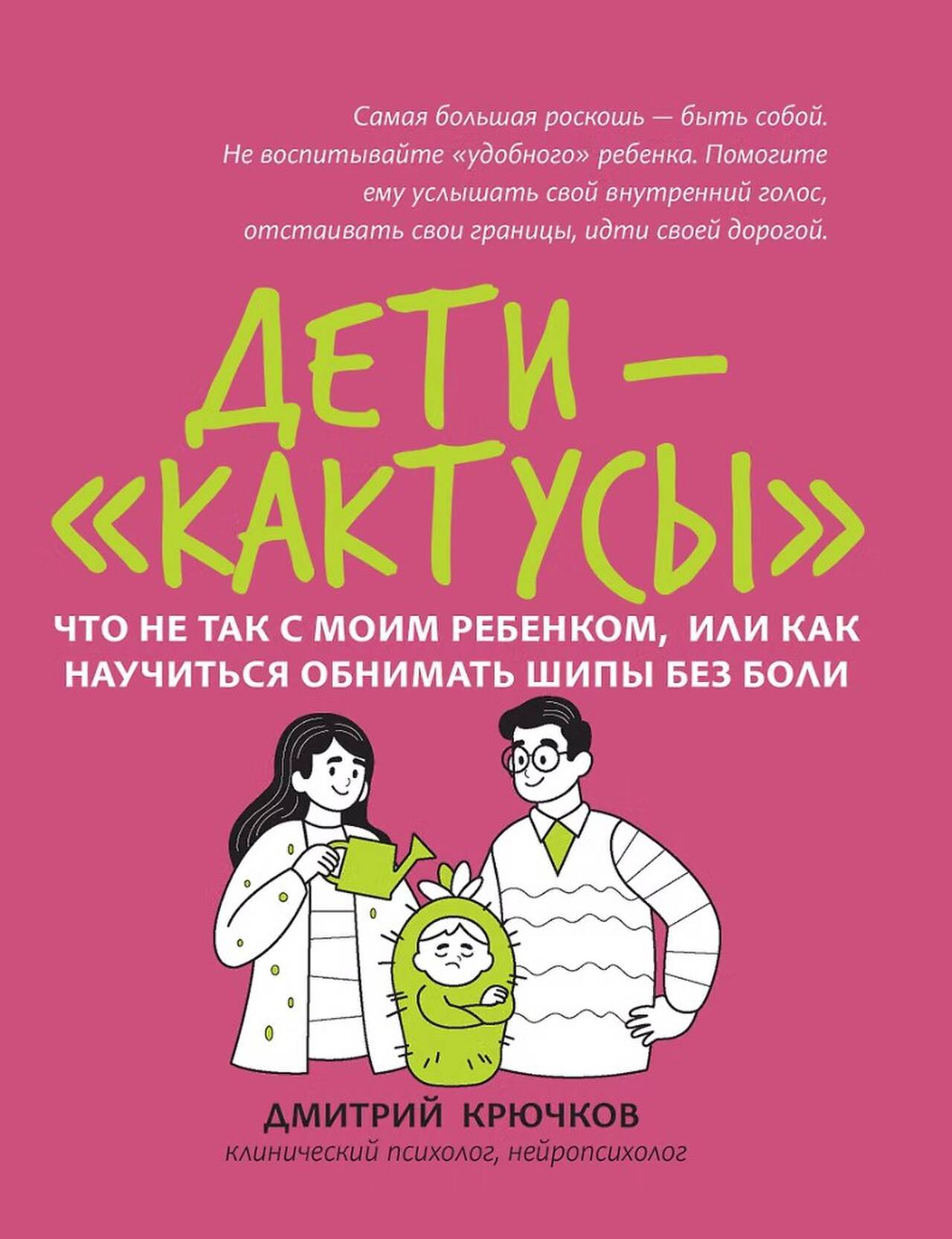


Cactus Children: What's Wrong with My Child, or How to Learn to Hug Thorns Without Pain – Dmitry Kryuchkov – Phoenix – 2026 – ISBN 978-5-222-46547-9
Cactus Children: What's Wrong with My Child, or How to Learn to Hug Thorns Without Pain
9.99 €
In stock

Cactus Children: What's Wrong with My Child, or How to Learn to Hug Thorns Without Pain
9.99 €
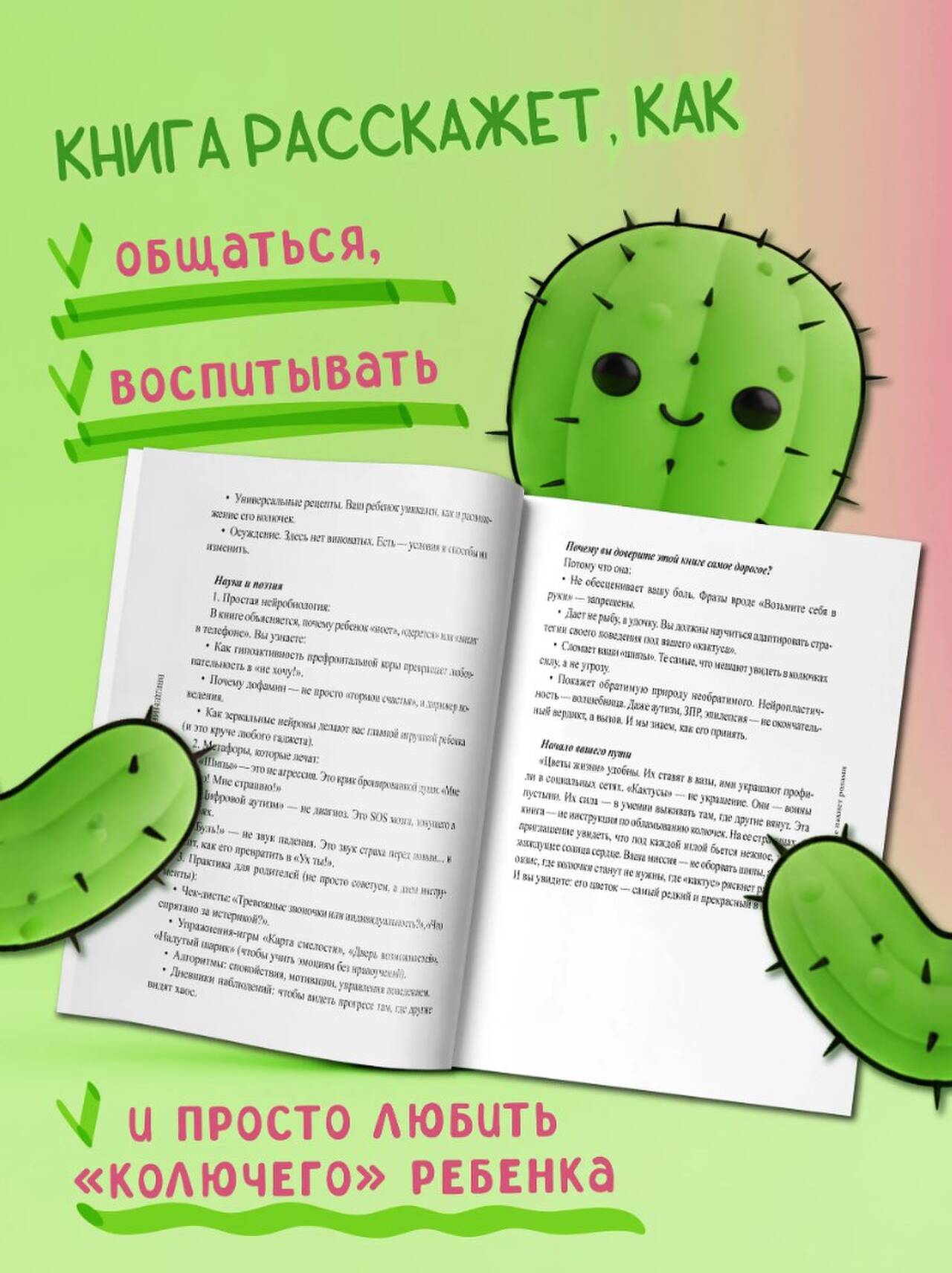
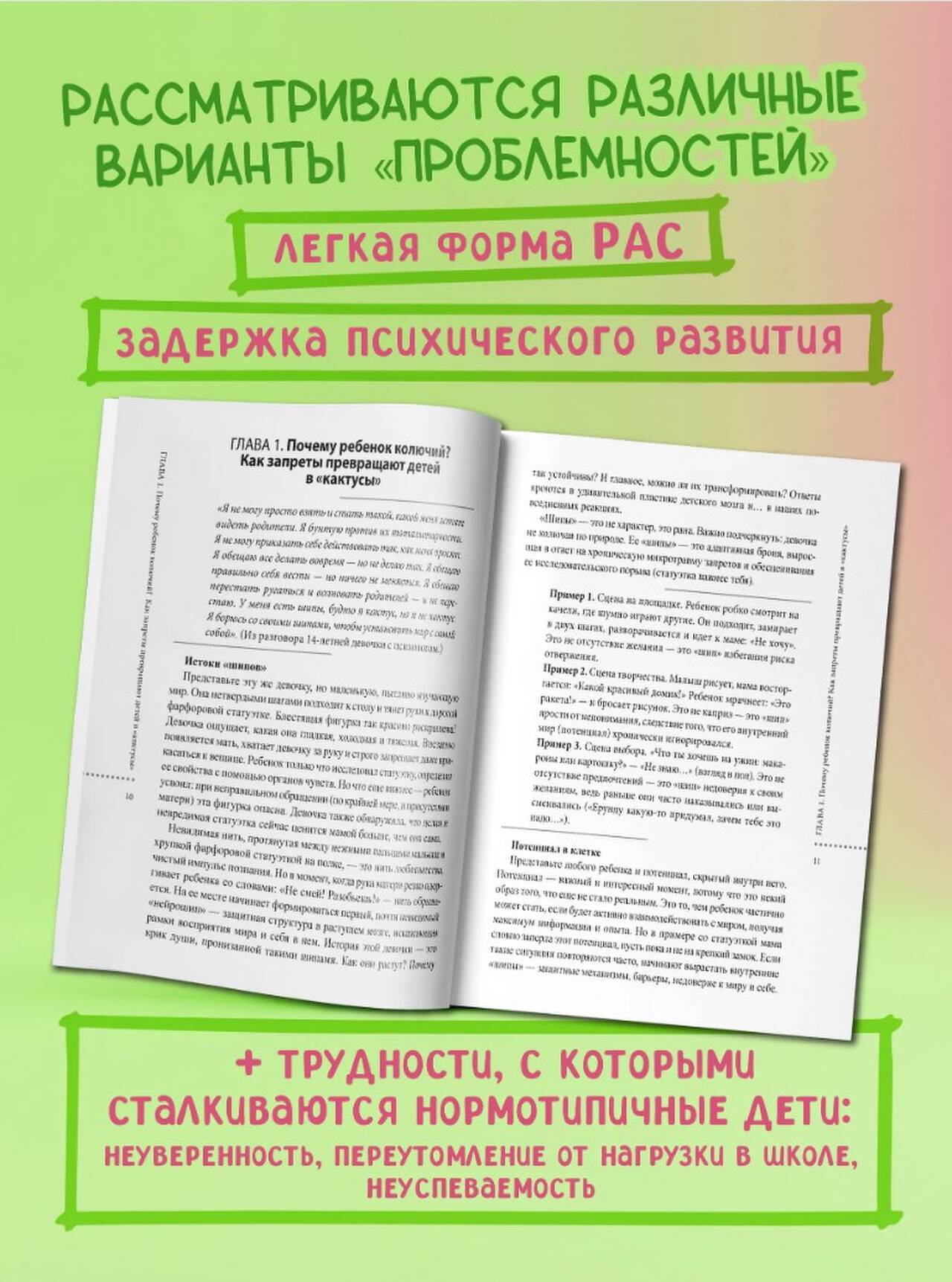
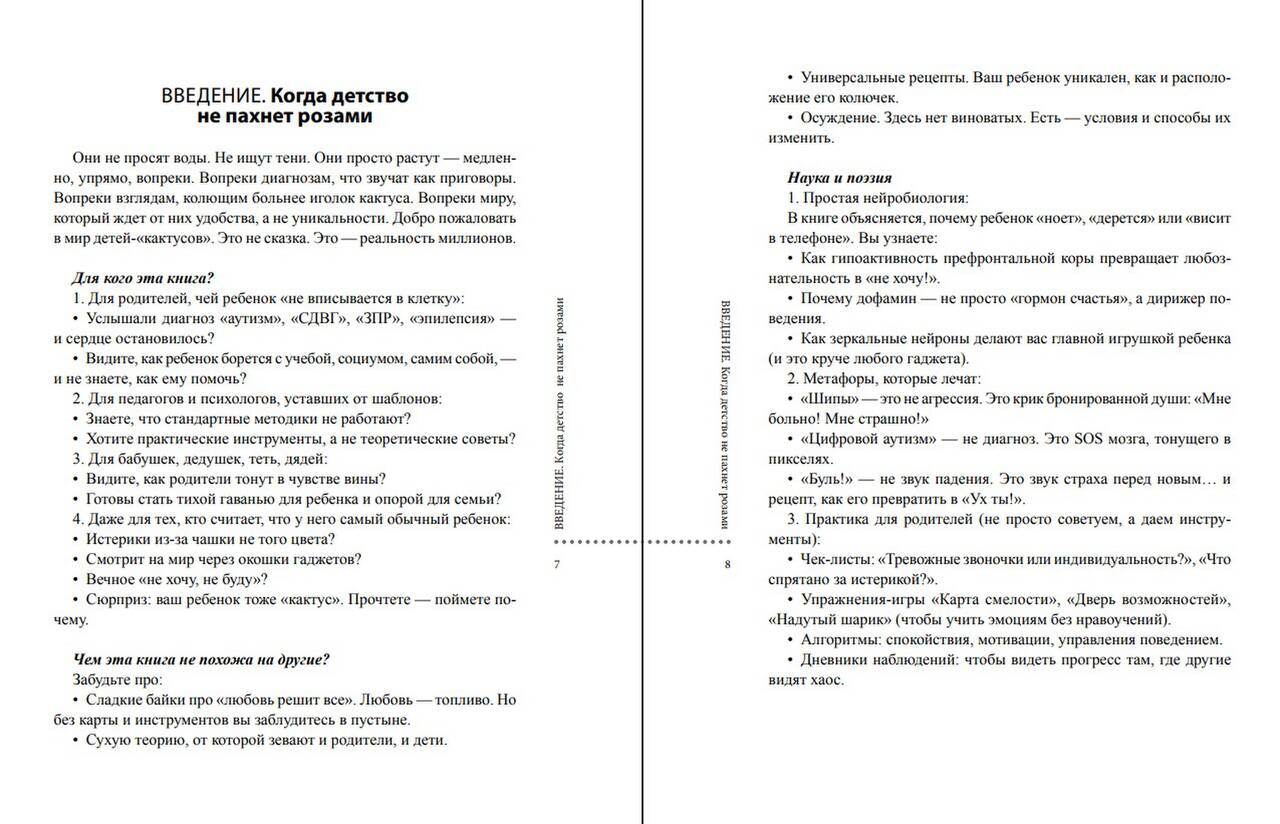
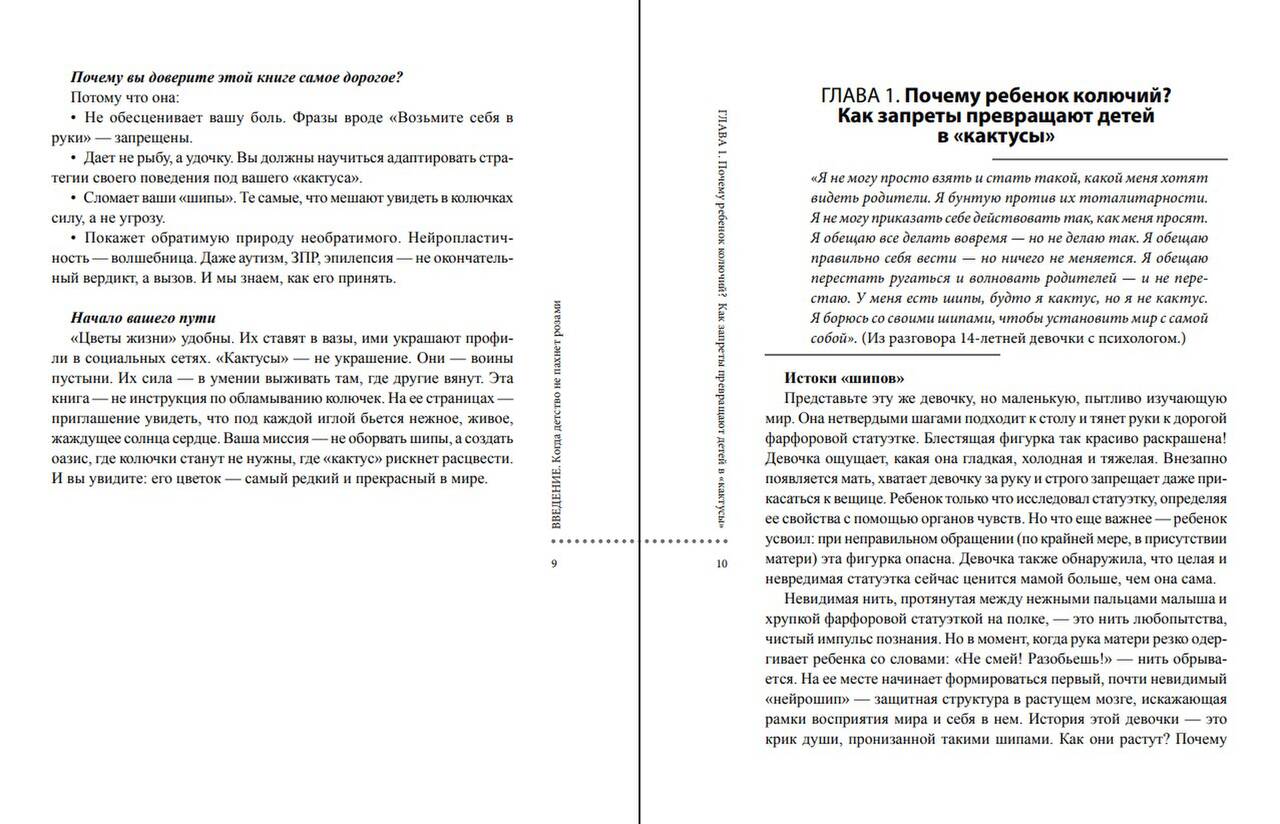
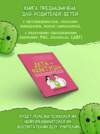
"Cactus Children: What's Wrong with My Child, or How to Learn to Embrace Thorns Without Pain" is a book about challenging child behavior, childhood pain, and the search for caring connection within the family. Dmitry Olegovich Kryuchkov writes about situations familiar to many parents: a child becomes withdrawn, argues, fights, lies, refuses to listen to adults, or is absorbed in their phone. Instead of the usual labels, this book offers a different perspective: behind "prickliness" are often fear, tension, vulnerability, and an attempt to protect oneself. This approach helps to more accurately see what is happening in the adult-child relationship.
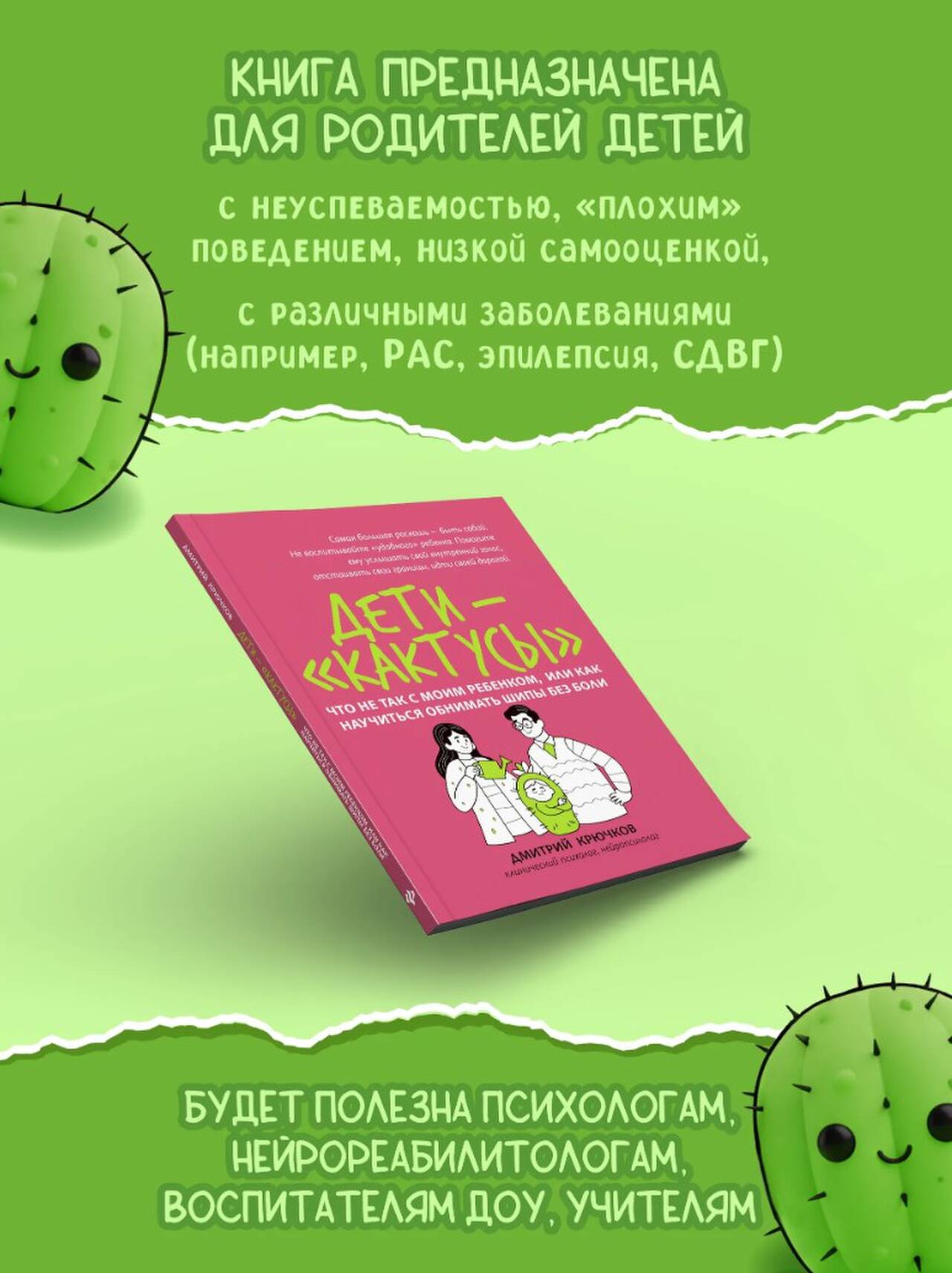
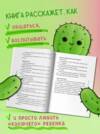
This book on parenting psychology and raising children is dedicated to "prickly" children, whom adults perceive as uncontrollable, aggressive, or too difficult. The author attributes this behavior not to a "bad character," but to emotional issues, brain function, and cumulative stress. The image of a cactus child is important here as a way to explain that "thorns" can be a defensive response to pain, fear, and constant internal overload.
The book touches on more than just domestic conflicts. It also discusses school difficulties, insecurity, overwork, declining academic performance, and situations where a child has developmental disabilities. This makes the conversation about parenting more concrete and relevant to everyday family life.
See also:
- All books by the publisher
- All books by the author