


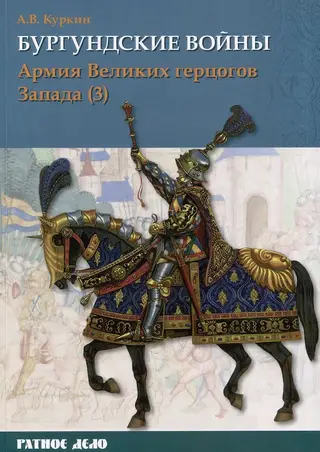
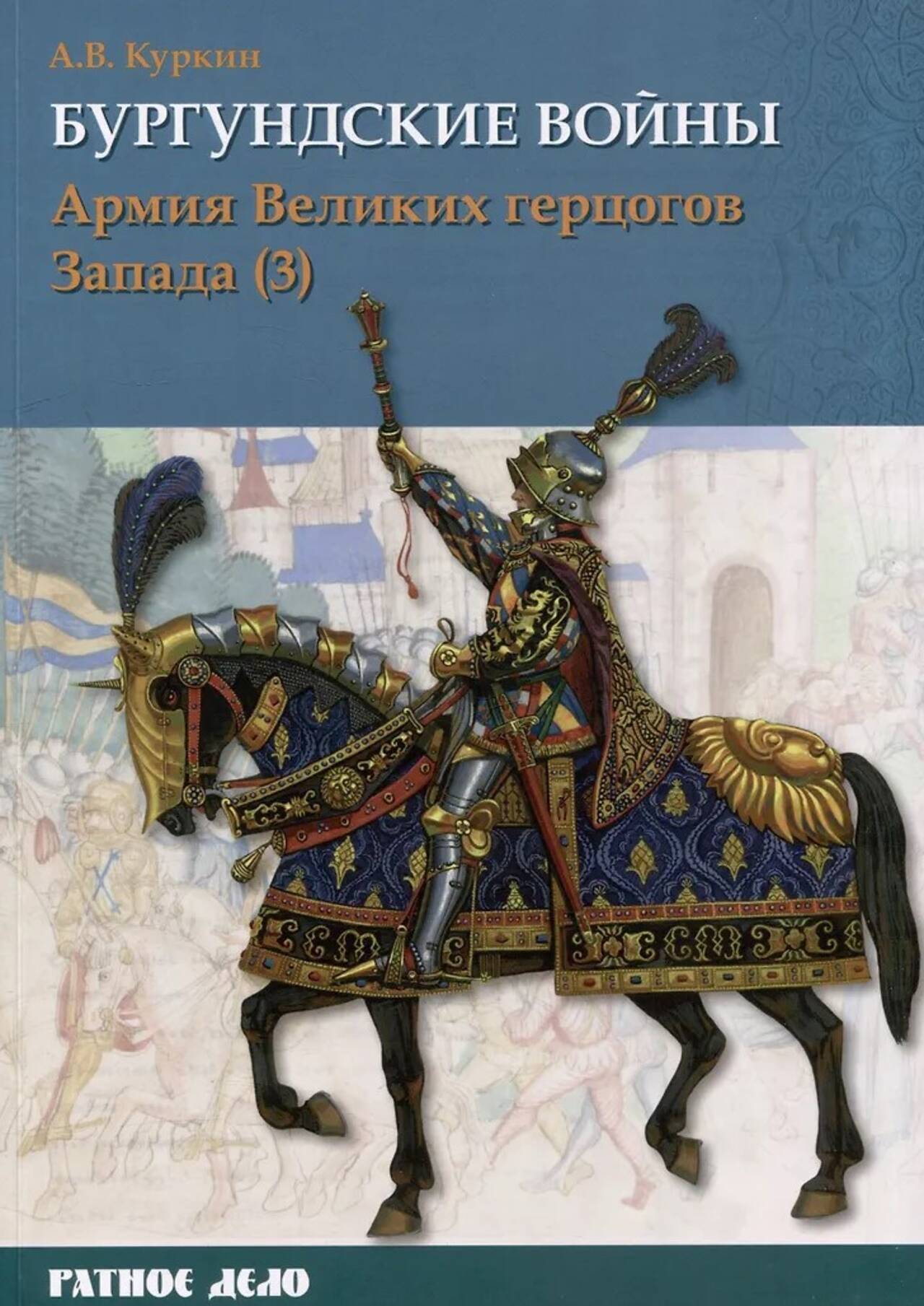
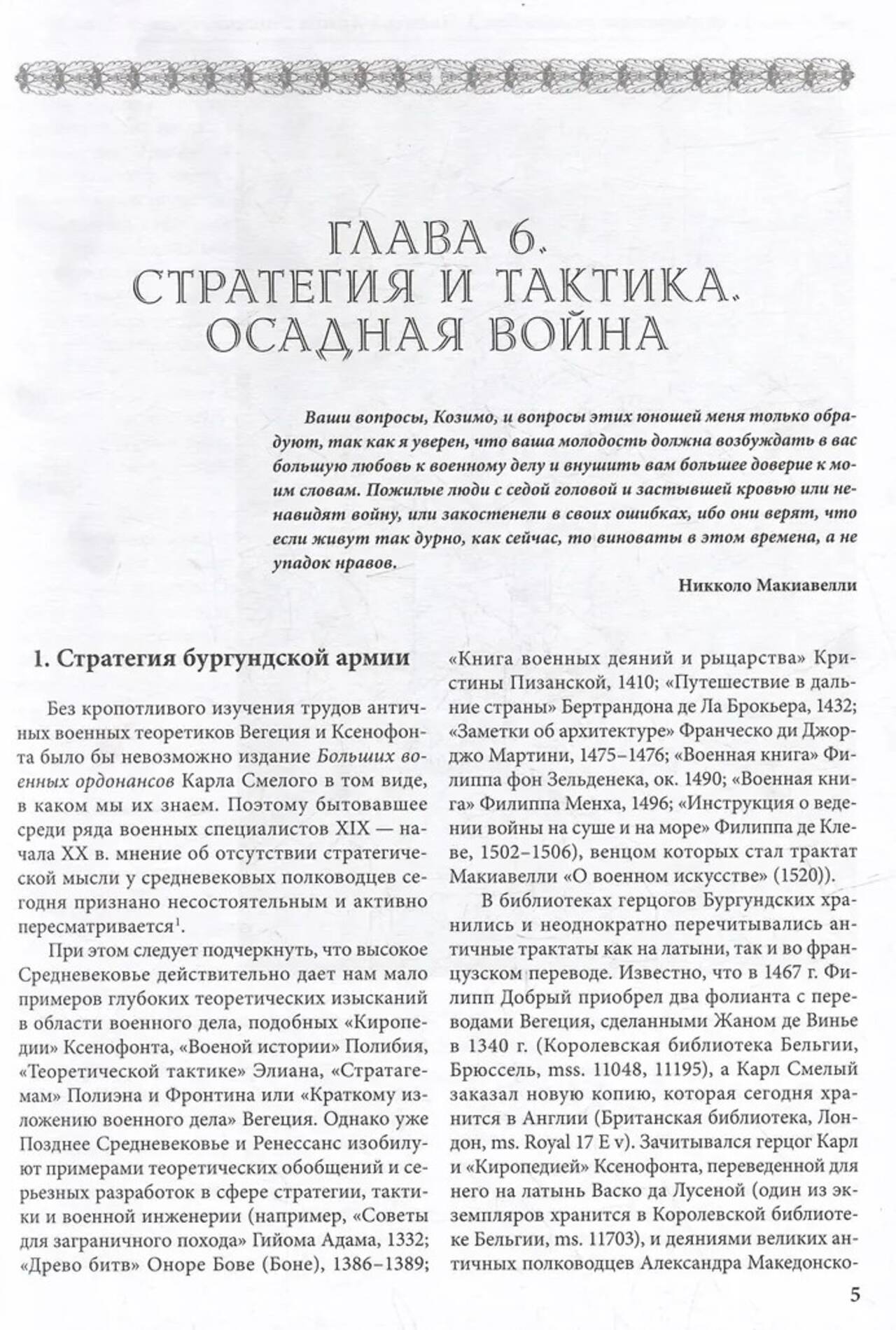
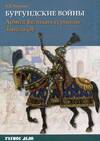
The Burgundian Wars. Volume 3. Part 3. The Army of the Grand Dukes of the West – Andrey Kurkin – Russian Knights Foundation – 2023 – ISBN 978-5-907245-89-1
The Burgundian Wars. Volume 3. Part 3. The Army of the Grand Dukes of the West
39.99 €
In stock

The Burgundian Wars. Volume 3. Part 3. The Army of the Grand Dukes of the West
39.99 €
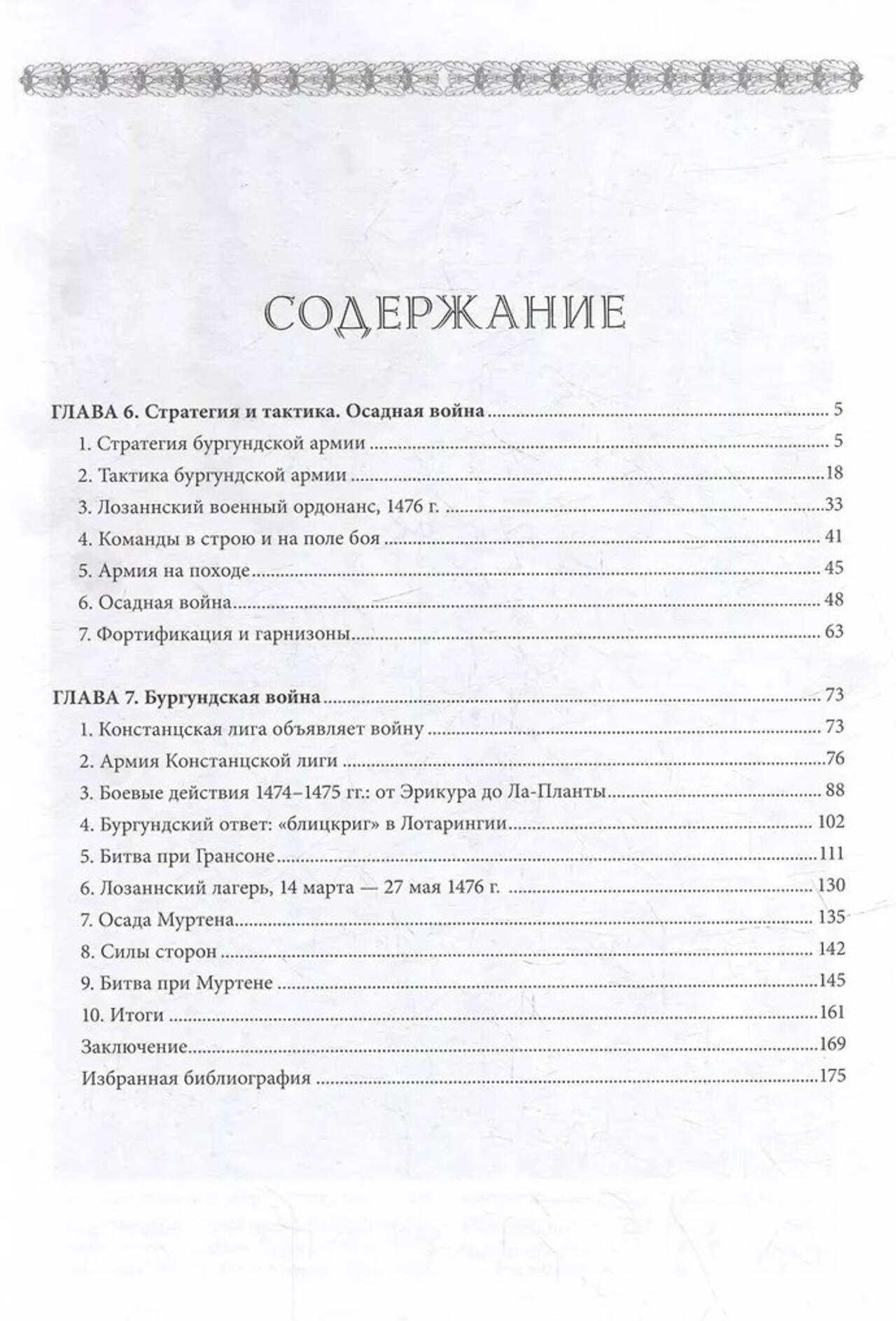
This book concludes the story of the army of the Dukes of Burgundy and concludes the "Burgundian Wars" series in the "Military Affairs" series. The author introduces the reader to the strategic planning of the Burgundian headquarters, including the analysis of forces and resources, reconnaissance, and the consideration of geographic space. It offers a retrospective of the military thought of practitioners and theorists of the Late Middle Ages, whose treatises served as the foundation for the revolutionary upheaval in military affairs during the Renaissance.
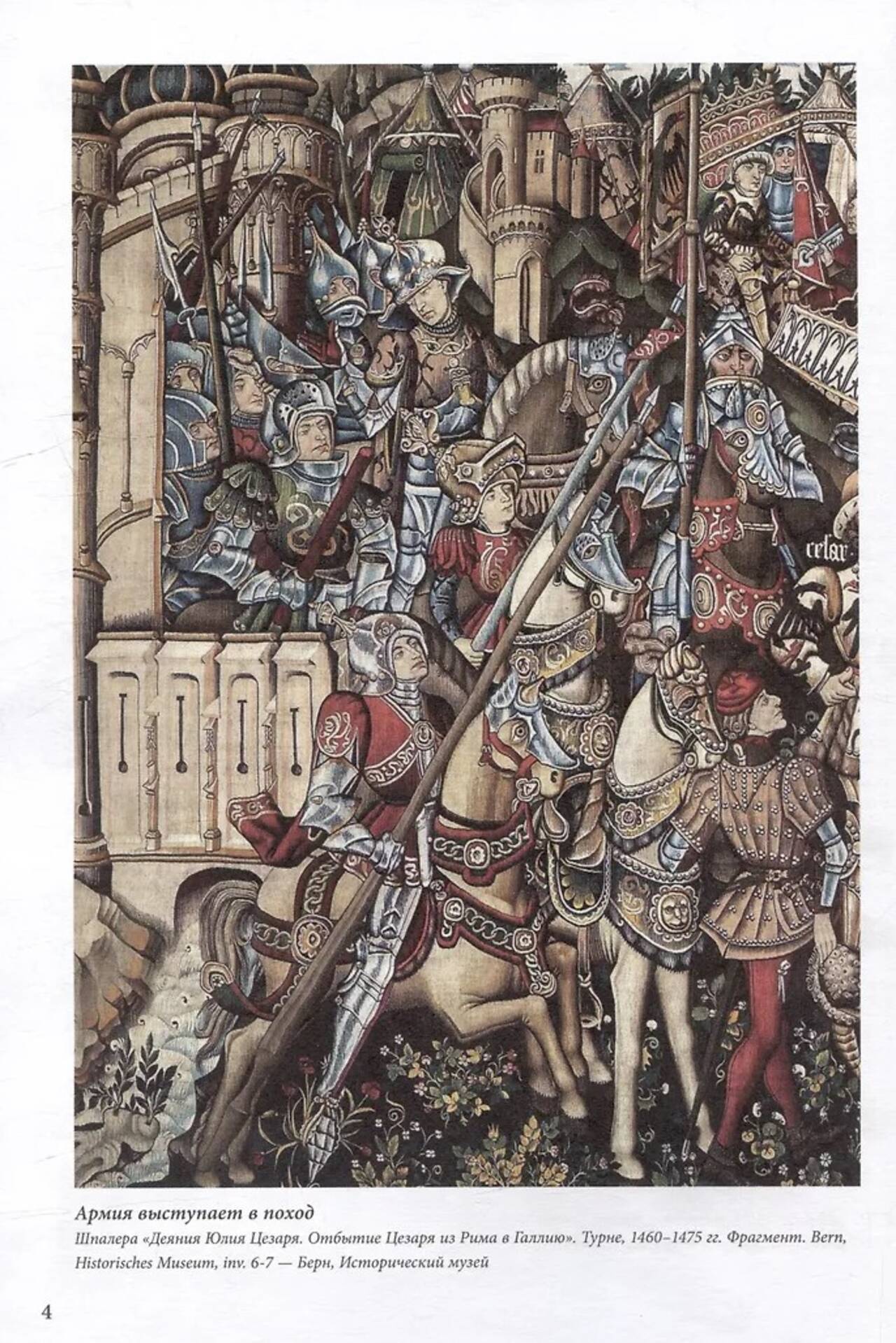
The section devoted to the tactical schemes used by medieval commanders on the battlefield examines the evolution of Burgundian dispositions. Influenced by the English tactical model, which had proven itself brilliantly during the Hundred Years' War, and under the pressure of the infantry masses of urban militias, Burgundian commanders were forced to reconsider traditional knightly battle plans. Combat missions began to be distributed more efficiently: cavalry, archers, and infantry operated in increasingly close coordination and under the cover of artillery fire. Of course, artillery had not yet become the "god of war," and infantry the "queen of the field," but their combined actions began to decide not only the fate of field battles in the "autumn of the Middle Ages" but also the fate of the defenders of besieged fortresses. Siege warfare, the development of fortifications, and the size of garrisons are also given considerable attention in the book. Moreover, the author draws on a large body of sources unknown to Russian-speaking readers.
The section devoted to the tactical schemes used by medieval commanders on the battlefield examines the evolution of Burgundian dispositions. Influenced by the English tactical model, which had proven itself brilliantly during the Hundred Years' War, and under the pressure of the infantry masses of urban militias, Burgundian commanders were forced to reconsider traditional knightly battle plans. Combat missions began to be distributed more efficiently: cavalry, archers, and infantry operated in increasingly close coordination and under the cover of artillery fire. Of course, artillery had not yet become the "god of war," and infantry the "queen of the field," but their combined actions began to decide not only the fate of field battles in the "autumn of the Middle Ages" but also the fate of the defenders of besieged fortresses. Siege warfare, the development of fortifications, and the size of garrisons are also given considerable attention in the book. Moreover, the author draws on a large body of sources unknown to Russian-speaking readers.
See also:
- All books by the publisher
- All books by the author
- All books in the series Military affairs