


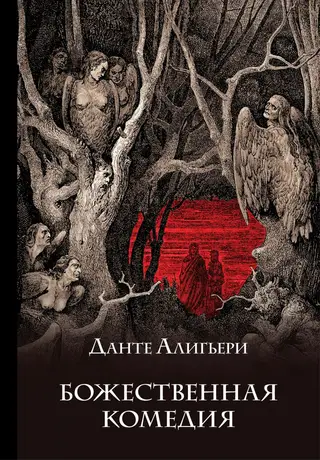
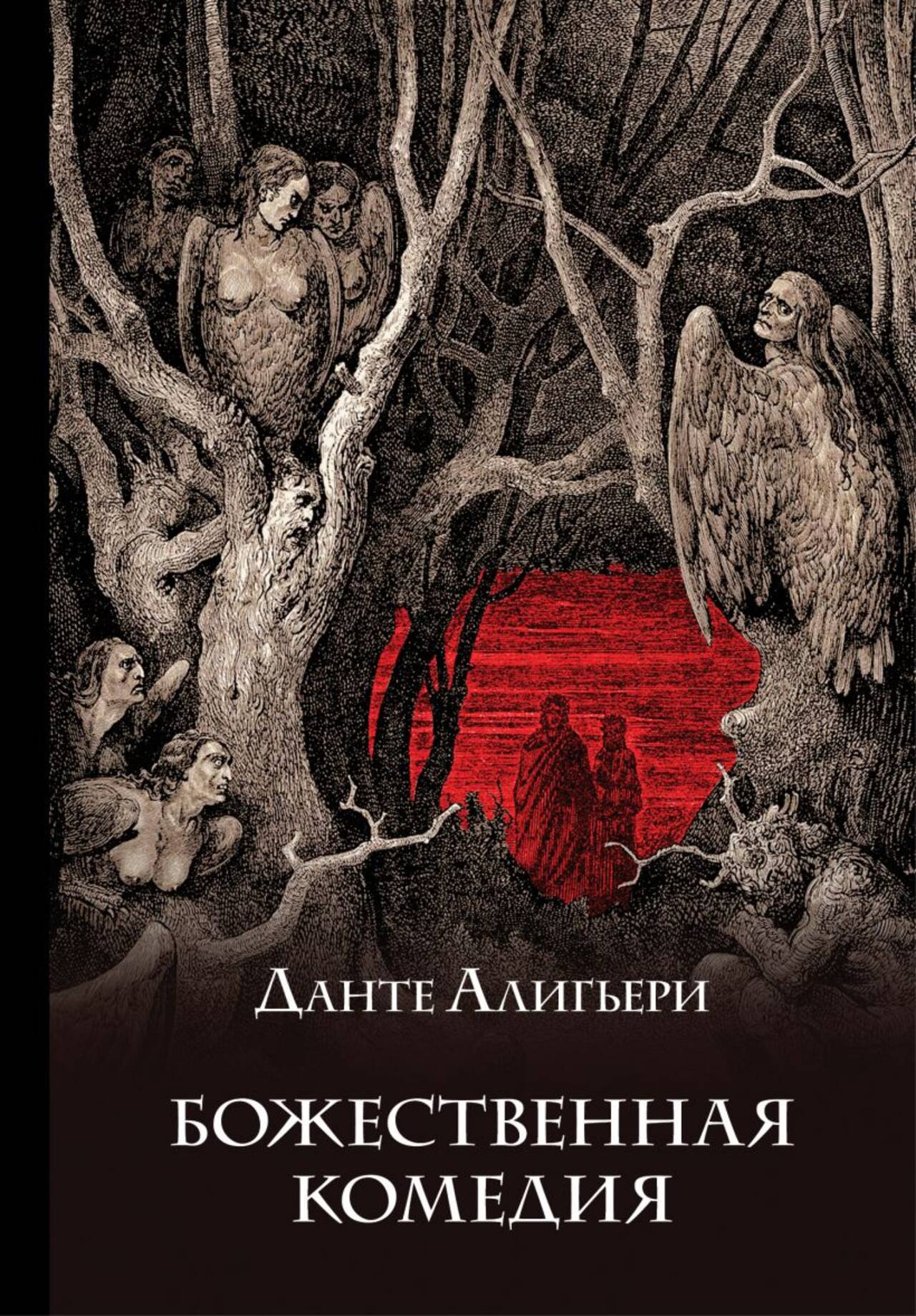
The Divine Comedy – Dante Alighieri – Eksmo – 2026 – ISBN 978-5-04-159208-0
The Divine Comedy
29.99 €
The only thing available 2

The Divine Comedy
29.99 €
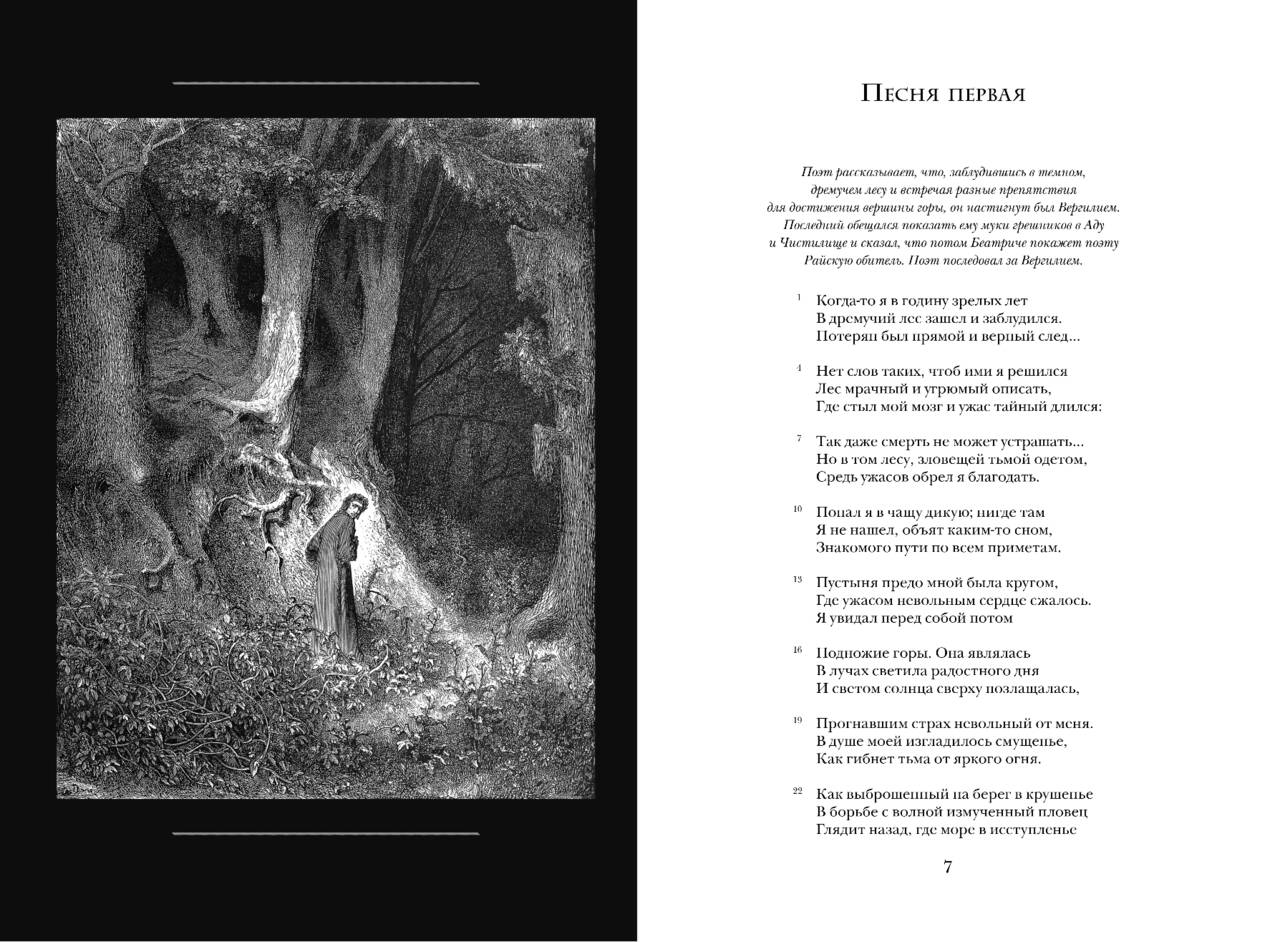
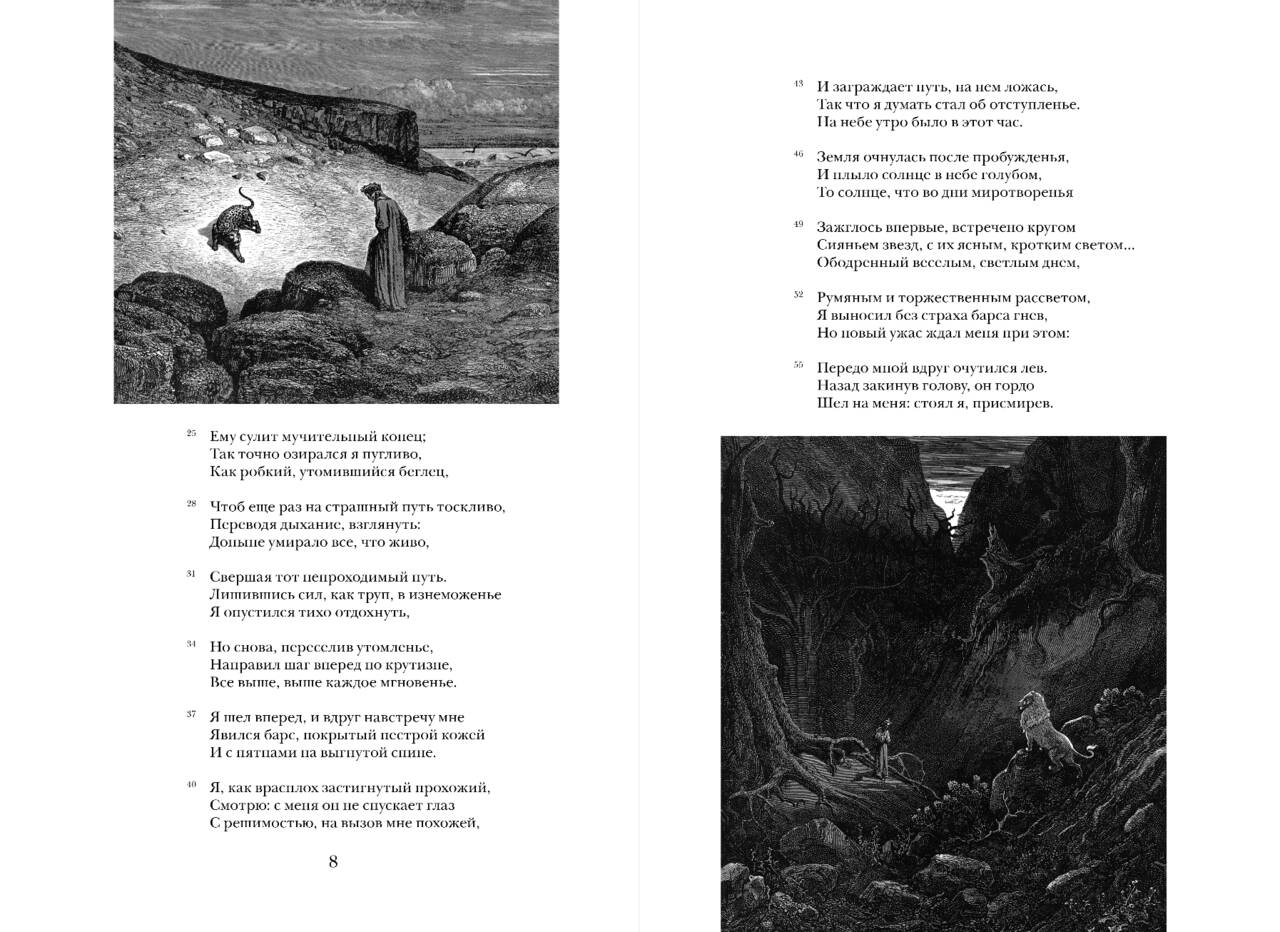
The Divine Comedy is a monumental monument to poetic culture and a veritable encyclopedia of medieval worldview. In it, the poet journeys through the three realms of the afterlife, and with astonishing clarity and vividness of depiction, he paints a vivid, memorable picture of what transpires there.
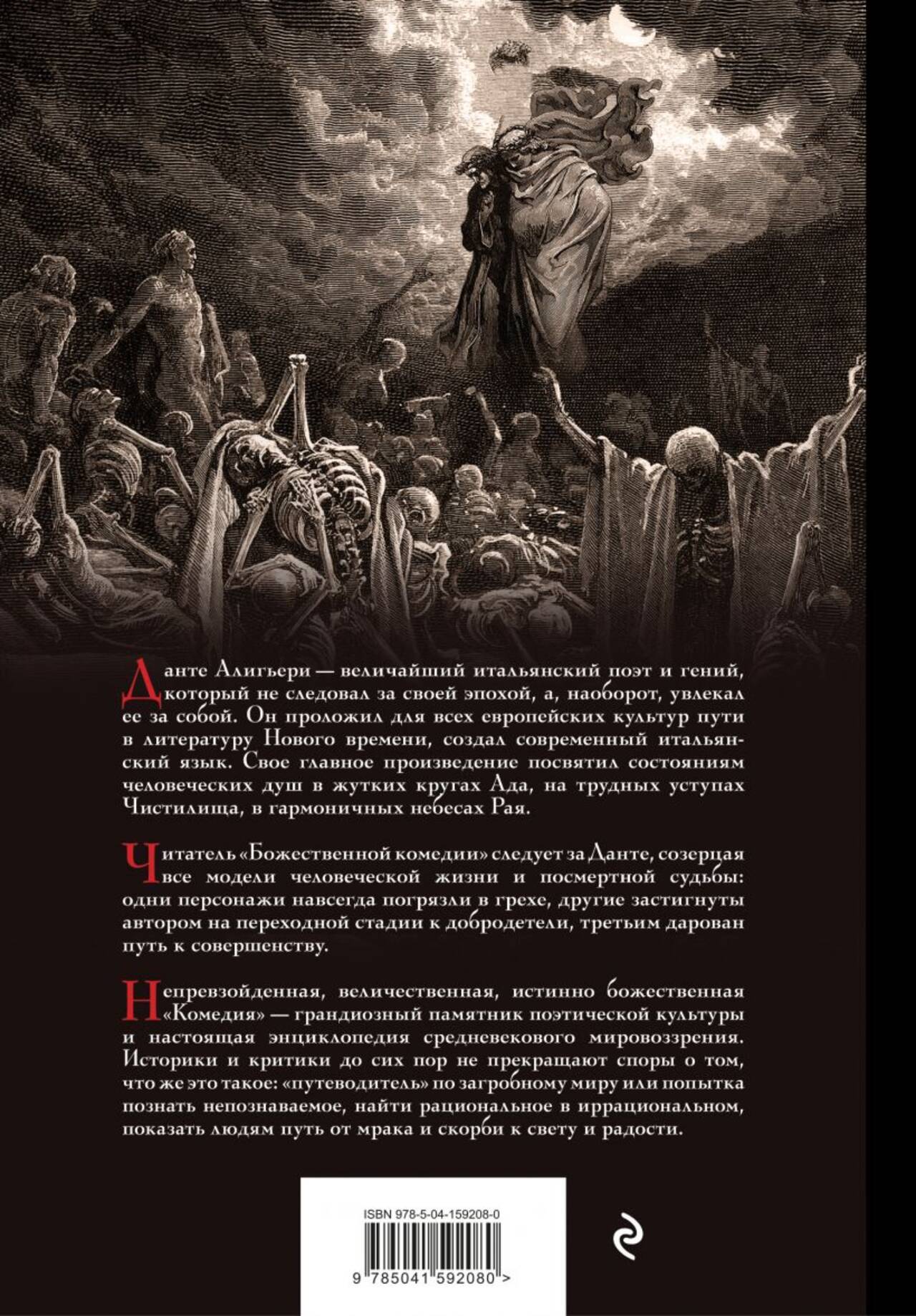
The reader follows Dante, contemplating all the models of human life and the afterlife: some characters are forever mired in sin, others are caught by the author in the transitional stage to virtue, and still others are granted the path to perfection. The ingenious structure of the Divine Comedy corresponds to the ethereal spheres of the Rose of Paradise, where the poet is destined to meet his idol, Beatrice.
The common people took Dante's poem literally. Boccaccio told of two Veronese women who, upon seeing Dante passing by, exchanged meaningful remarks. "Look," said one, "here is he who descends into Hell and, returning whenever he wishes, brings news of the sinners there." Another replied, "You must be right: look how curly his beard is, and his face is blackened by the smoke and soot of hellfire." Even today, historians and critics continue to debate the nature of this great work: a "guide" to the afterlife or an attempt to understand the unknowable, to find the rational in the irrational, to show people the path from darkness and sorrow to light and joy.
The reader follows Dante, contemplating all the models of human life and the afterlife: some characters are forever mired in sin, others are caught by the author in the transitional stage to virtue, and still others are granted the path to perfection. The ingenious structure of the Divine Comedy corresponds to the ethereal spheres of the Rose of Paradise, where the poet is destined to meet his idol, Beatrice.
The common people took Dante's poem literally. Boccaccio told of two Veronese women who, upon seeing Dante passing by, exchanged meaningful remarks. "Look," said one, "here is he who descends into Hell and, returning whenever he wishes, brings news of the sinners there." Another replied, "You must be right: look how curly his beard is, and his face is blackened by the smoke and soot of hellfire." Even today, historians and critics continue to debate the nature of this great work: a "guide" to the afterlife or an attempt to understand the unknowable, to find the rational in the irrational, to show people the path from darkness and sorrow to light and joy.
See also:
- All books by the publisher
- All books by the author
- All books in the series A gift edition of the famous classic with illustrations.