
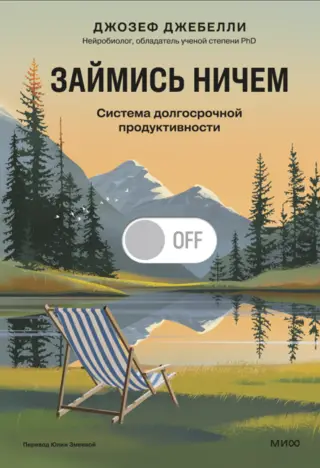
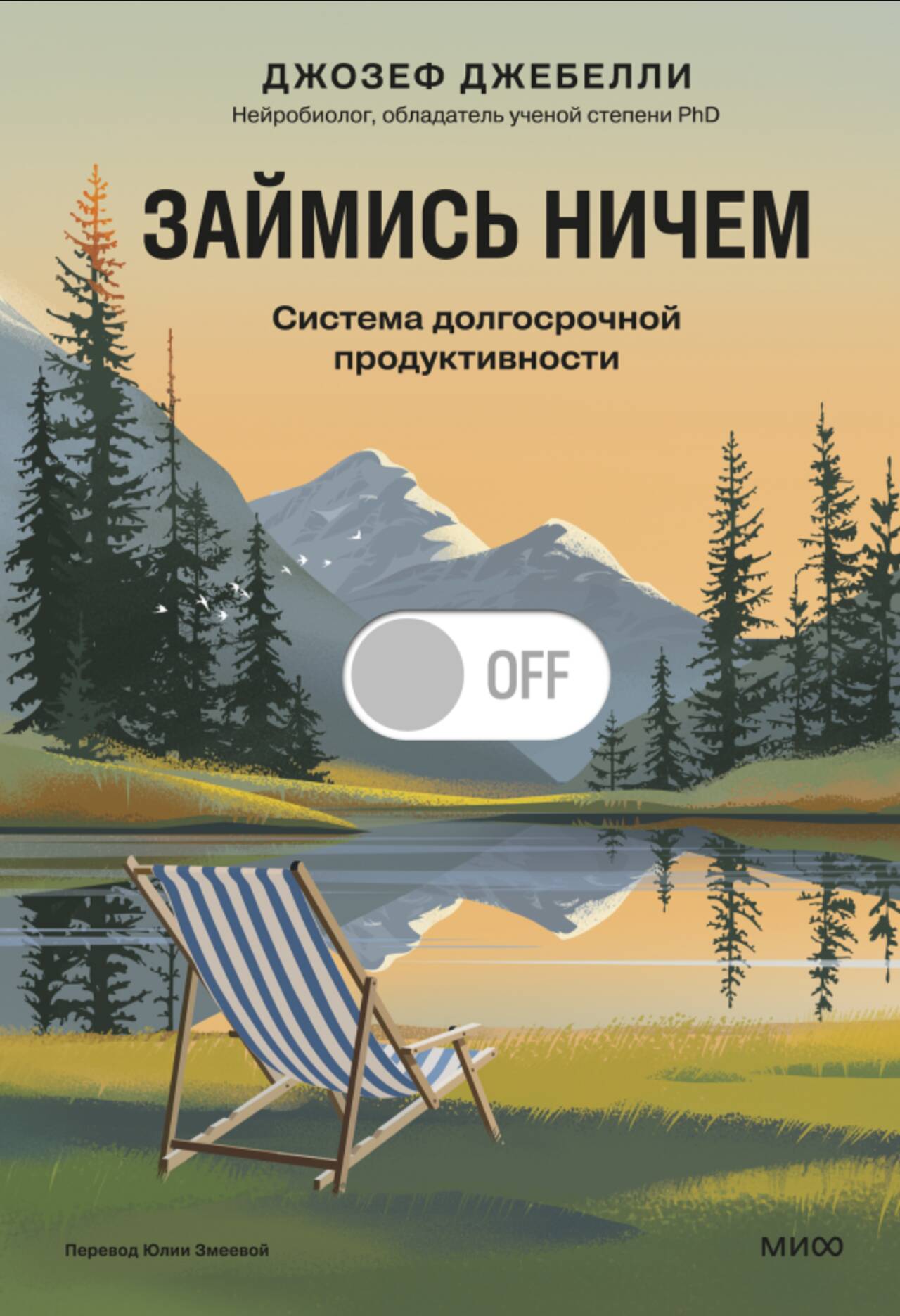
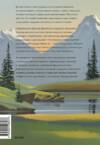
Do Nothing: A System for Long-Term Productivity – Jebelli Joseph – Mann, Ivanov, and Ferber – 2026 – ISBN 978-5-00250-803-7
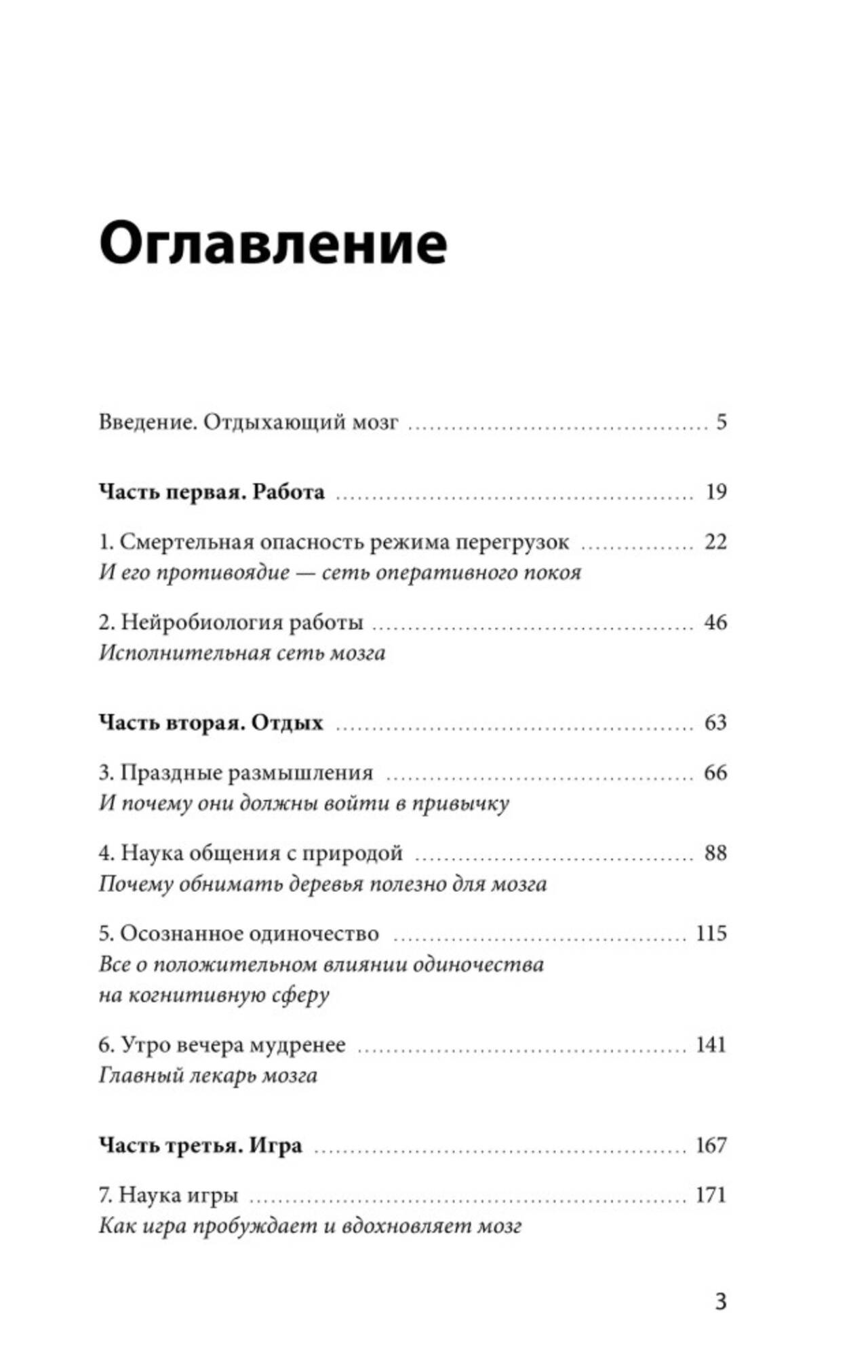
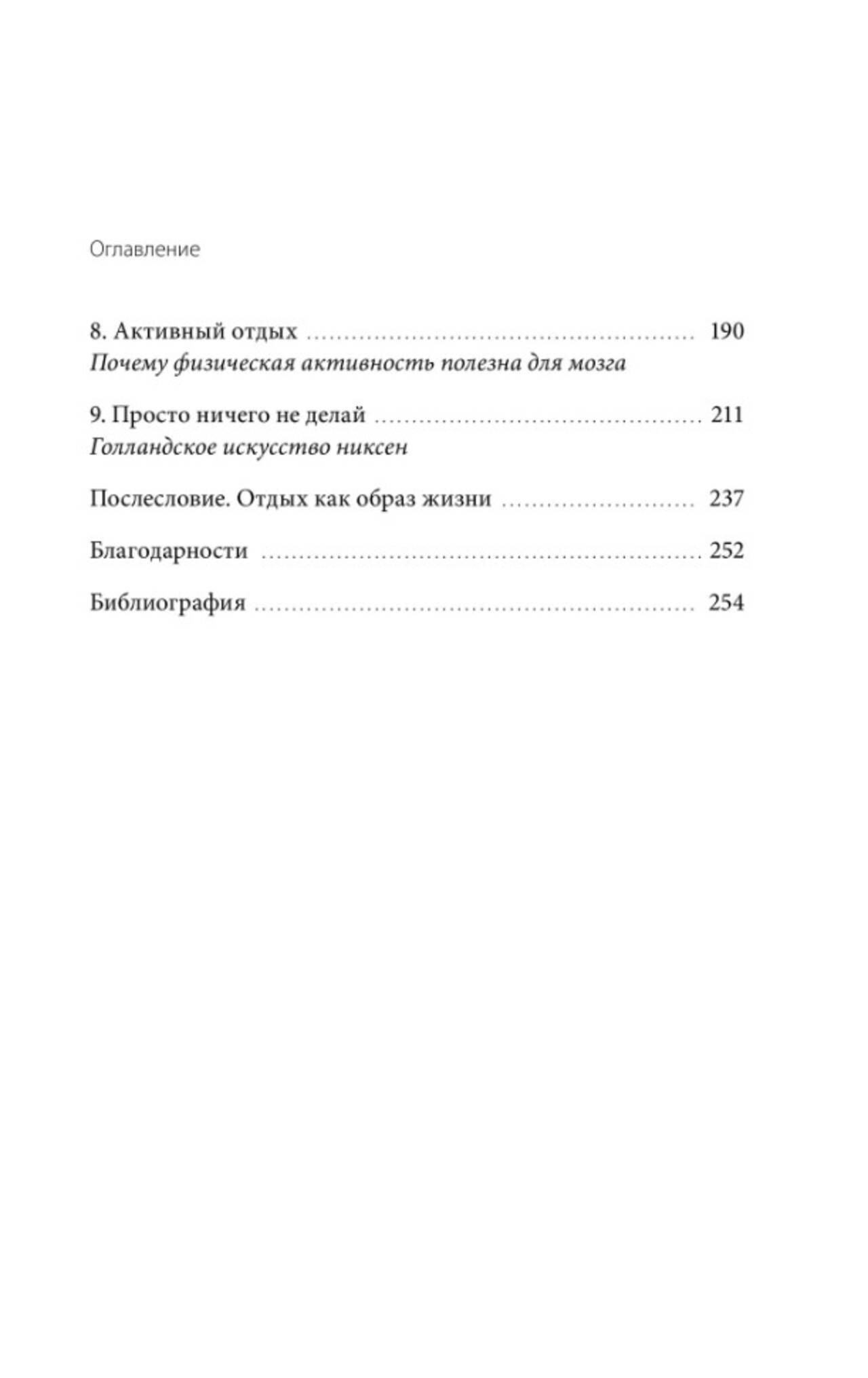
Do Nothing: A System for Long-Term Productivity
14.99 €
In stock

Do Nothing: A System for Long-Term Productivity
14.99 €
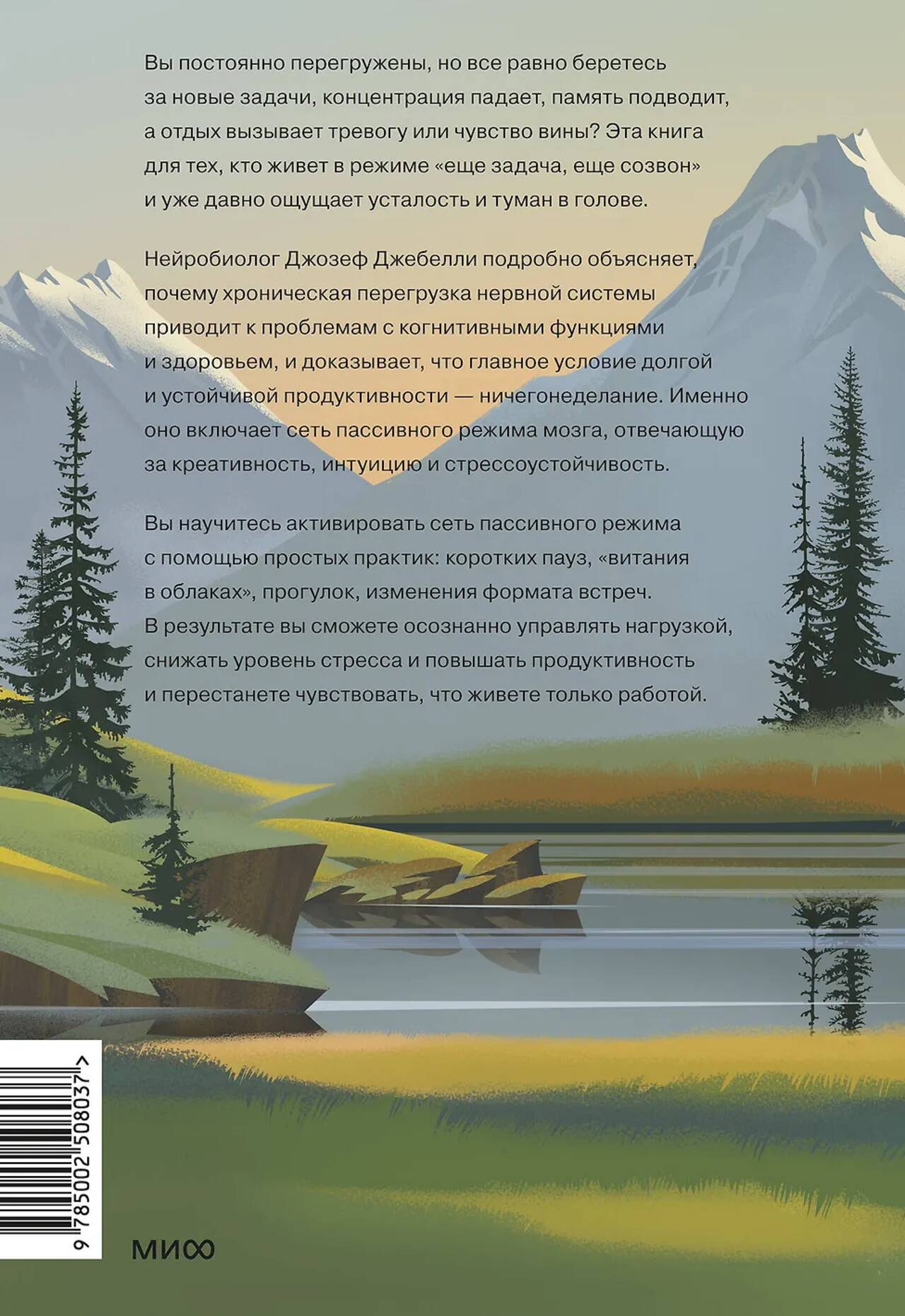
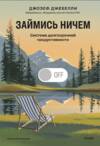
When was the last time you truly allowed yourself to do nothing—no phone, no errands, no to-do lists? We tend to consider rest a weakness, and constant busyness a sign of success. But neuroscience tells us otherwise: the brain needs breaks. Neuroscientist Joseph Gebelli, himself a former workaholic, proves that walking, meditation, and daydreaming aren't luxuries, but rather prerequisites for a happy and productive life. The book contains research, real-life stories, and practical advice.
Charles Darwin went fishing and rested a lot. Maya Angelou promoted the idea of a "rest day" dedicated to baths, walks, and resting on park benches. Poincaré spent hours aimlessly riding buses. The contemplative genius Leonardo da Vinci spent hours staring at The Last Supper, adding a single brushstroke, and leaving.
We've been told our whole lives that inactivity is self-indulgence, lack of principles, and even irresponsibility. And it's always the opposite of success. But what if people often succeed not despite their inactivity, but because of it? When we allow ourselves to do nothing—without a phone, tasks, or external stimuli—the DMN, the default mode network responsible for insight, creativity, decision-making, and stress resilience, is activated.
The author explores how overload affects cognitive function and health—and why trying to "just get it together" often only makes matters worse. This book is for those tired of chasing results and seeking a more sustainable, healthy, and intelligent way to work and live. It is read in the USA, Canada, Spain, Greece, China, Germany, Italy, and the Netherlands.
Charles Darwin went fishing and rested a lot. Maya Angelou promoted the idea of a "rest day" dedicated to baths, walks, and resting on park benches. Poincaré spent hours aimlessly riding buses. The contemplative genius Leonardo da Vinci spent hours staring at The Last Supper, adding a single brushstroke, and leaving.
We've been told our whole lives that inactivity is self-indulgence, lack of principles, and even irresponsibility. And it's always the opposite of success. But what if people often succeed not despite their inactivity, but because of it? When we allow ourselves to do nothing—without a phone, tasks, or external stimuli—the DMN, the default mode network responsible for insight, creativity, decision-making, and stress resilience, is activated.
The author explores how overload affects cognitive function and health—and why trying to "just get it together" often only makes matters worse. This book is for those tired of chasing results and seeking a more sustainable, healthy, and intelligent way to work and live. It is read in the USA, Canada, Spain, Greece, China, Germany, Italy, and the Netherlands.
See also:
- All books by the publisher
- All books by the author
- All books in the series An idea that changes lives