


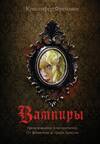
Vampires: Origins and Resurrection: From Folklore to Count Dracula – Frayling Christopher – Eksmo – 2024 – ISBN 978-5-04-165850-2
Vampires: Origins and Resurrection: From Folklore to Count Dracula
29.99 €
Out of stock

Vampires: Origins and Resurrection: From Folklore to Count Dracula
29.99 €
To add a product to the waitlist, please sign in:
Log in
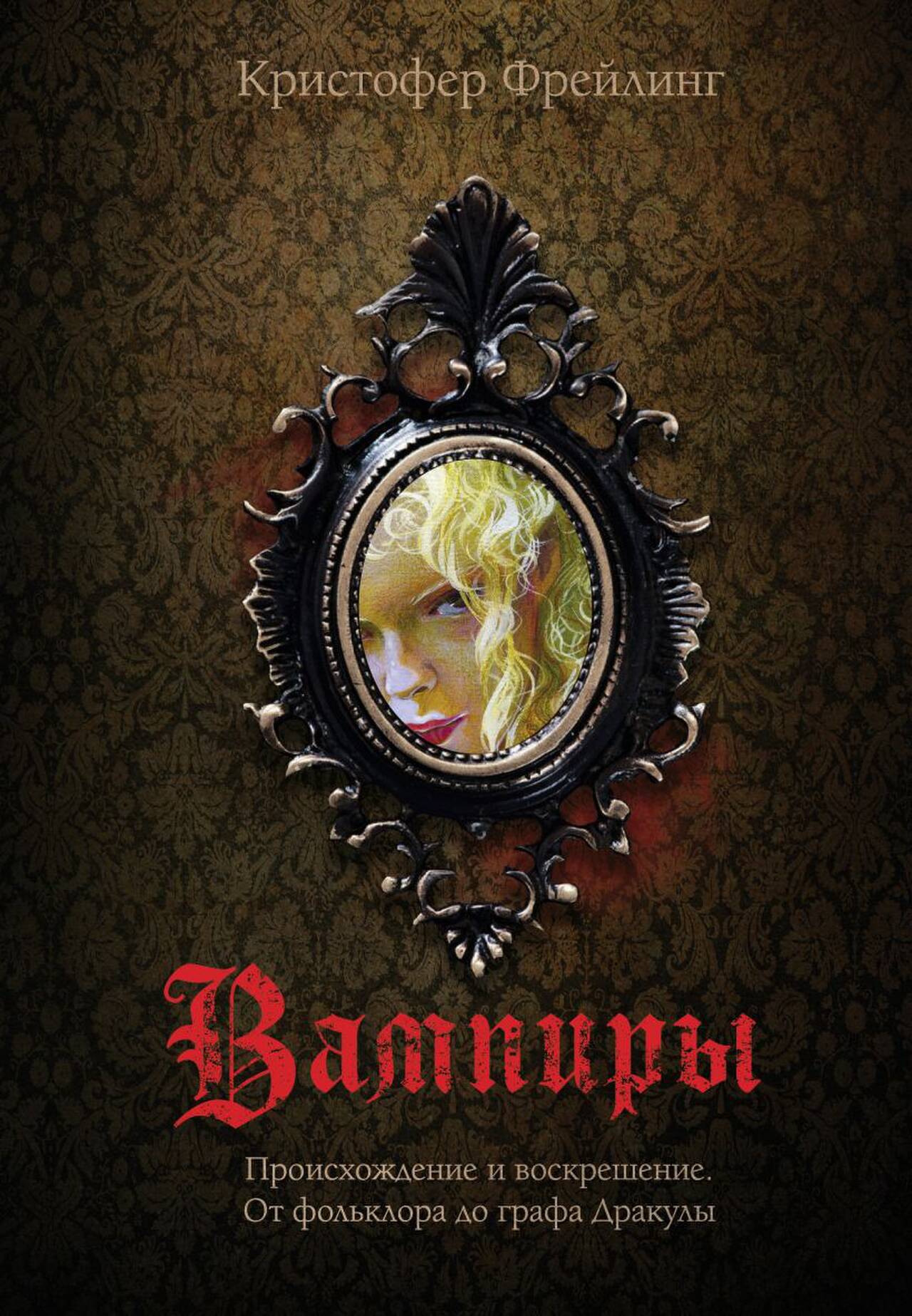
The history of vampires goes back to the Eastern European villages of the 18th century, when rumors of bodies rising from the dead swept across Europe and caused mass hysteria.
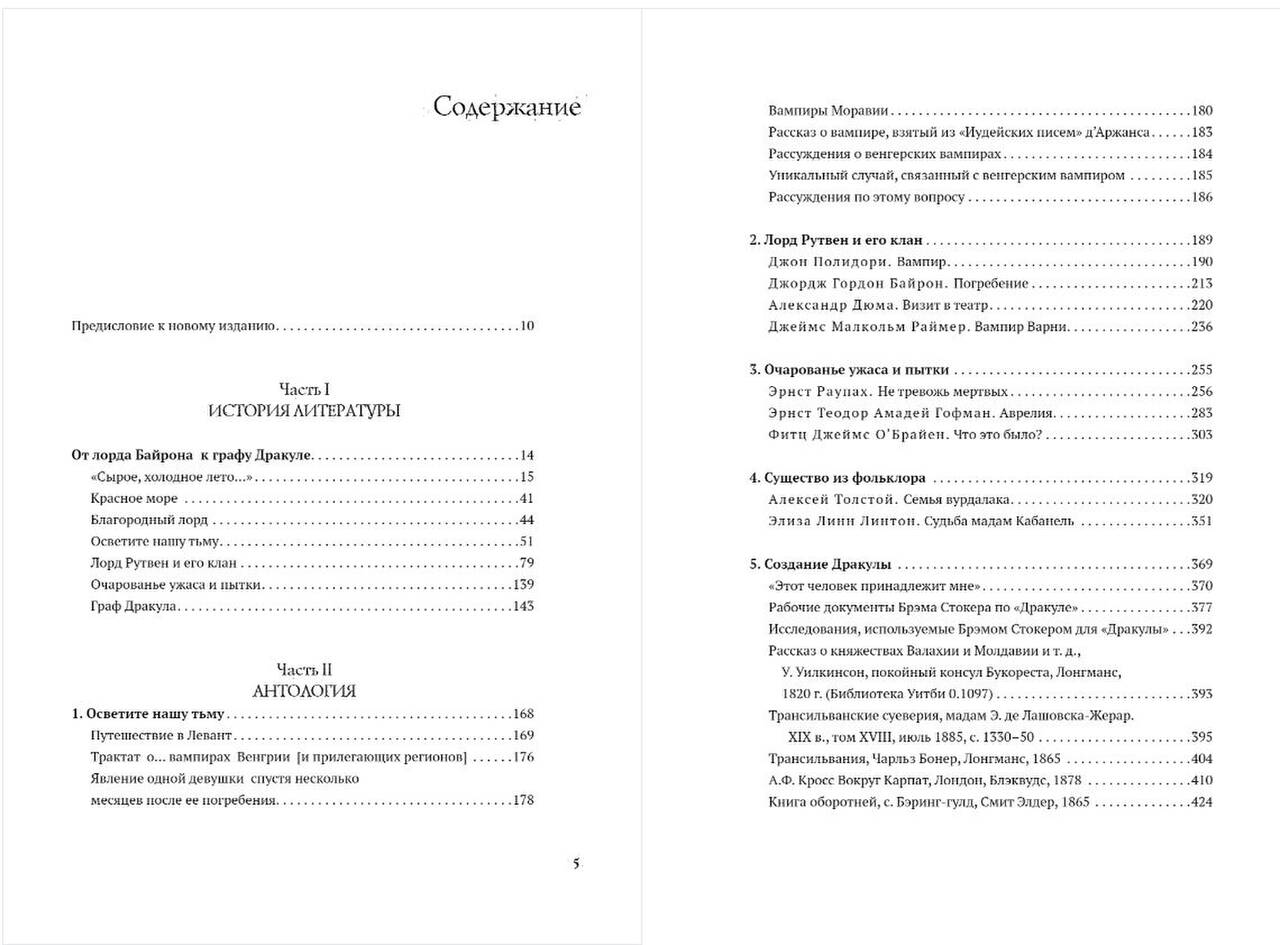
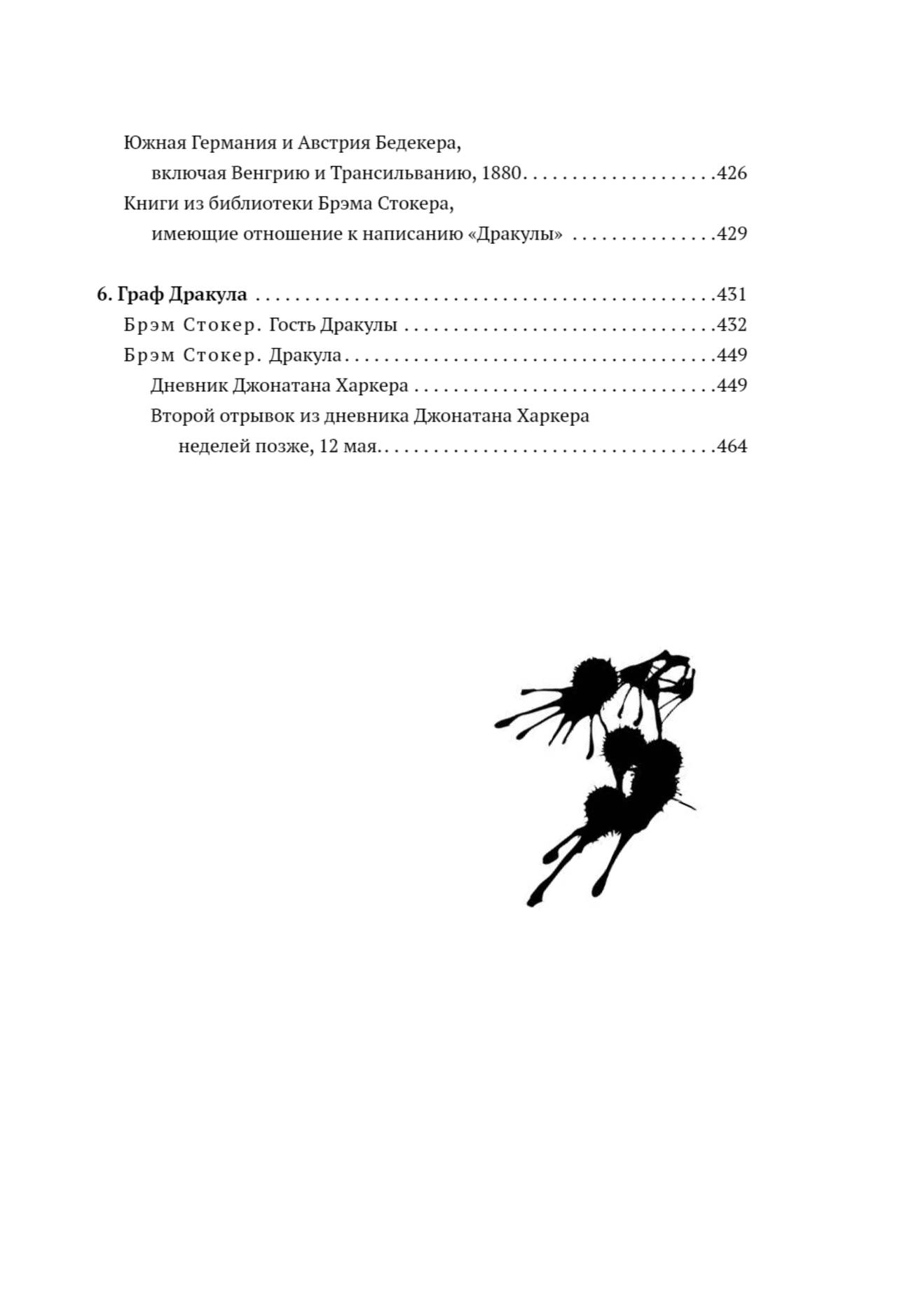
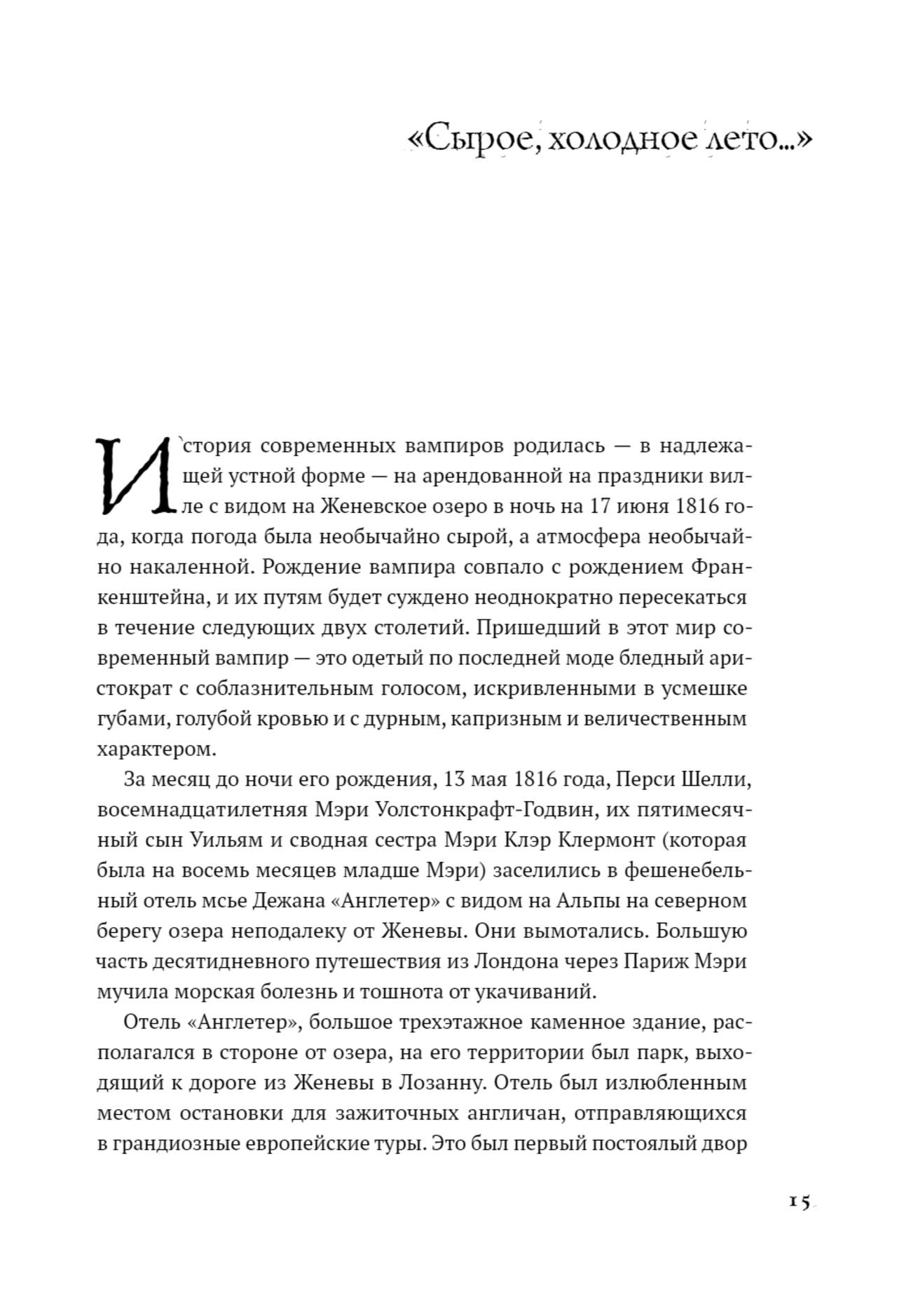
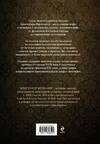
From the first stories of vampirism, Christopher Frayling explores how and why vampires became one of the most enduring figures in the history of popular culture. How the peasant vampires of Joseph Pitton de Tournefort and Dom Augustin Calmet – folkloric vampires who attacked sheep and cows – became the aristocratic hero-villains of the Romantics. He traces the lineage of the literary vampire back to 1816: the story of the modern vampire was born – in proper oral form – in a rented holiday villa overlooking Lake Geneva on the night of June 17, 1816, when the weather was unusually damp and the atmosphere unusually tense. That day at the Villa Diodati, Lord Byron, John Polidori, Percy Shelley, Mary Shelley gathered to tell fictional ghost stories, but the result that evening was a literary vampire and Frankenstein. The author then talks about the fiction that was written between Polidori's "The Vampyre" (1819) and perhaps the most famous vampire of all time, "Dracula" by B. Stoker (1897).
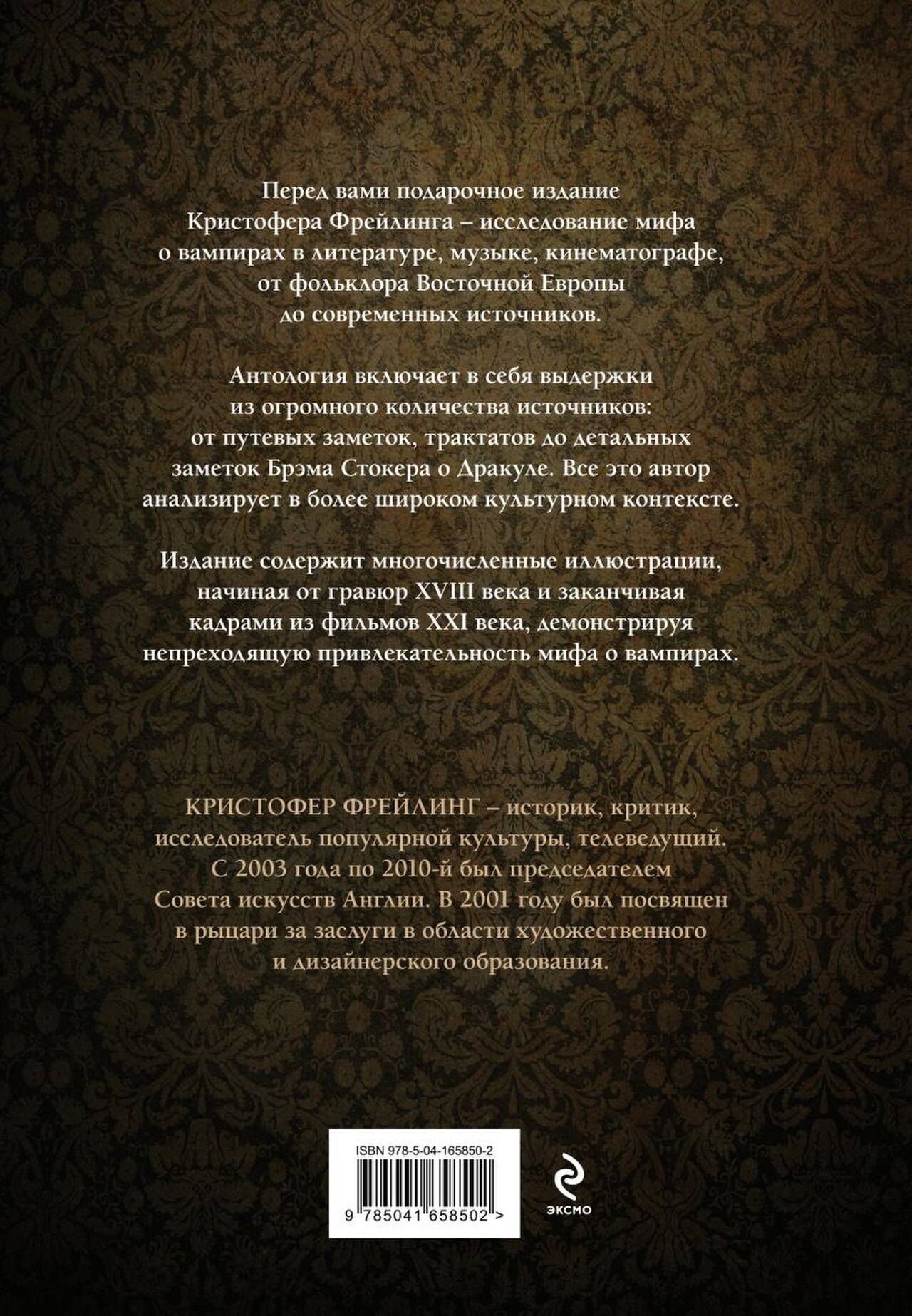
The author of the book, Sir Christopher Frayling, is a cultural historian who has published extensively on topics ranging from Sinophobia to Westerns. He was also the Rector of the Royal College of Art in London from 1996 to 2009, where he remains an Emeritus Professor of Cultural History to this day.
From the first stories of vampirism, Christopher Frayling explores how and why vampires became one of the most enduring figures in the history of popular culture. How the peasant vampires of Joseph Pitton de Tournefort and Dom Augustin Calmet – folkloric vampires who attacked sheep and cows – became the aristocratic hero-villains of the Romantics. He traces the lineage of the literary vampire back to 1816: the story of the modern vampire was born – in proper oral form – in a rented holiday villa overlooking Lake Geneva on the night of June 17, 1816, when the weather was unusually damp and the atmosphere unusually tense. That day at the Villa Diodati, Lord Byron, John Polidori, Percy Shelley, Mary Shelley gathered to tell fictional ghost stories, but the result that evening was a literary vampire and Frankenstein. The author then talks about the fiction that was written between Polidori's "The Vampyre" (1819) and perhaps the most famous vampire of all time, "Dracula" by B. Stoker (1897).
The author of the book, Sir Christopher Frayling, is a cultural historian who has published extensively on topics ranging from Sinophobia to Westerns. He was also the Rector of the Royal College of Art in London from 1996 to 2009, where he remains an Emeritus Professor of Cultural History to this day.
See also:
- All books by the publisher
- All books by the author
- All books in the series Famous classics with illustrations