


Murder in the Dollhouse – Goldfarb Bruce – Mann, Ivanov, and Ferber – 2022 – ISBN 978-5-00169-933-0
Murder in the Dollhouse
14.99 €
Out of stock

Murder in the Dollhouse
14.99 €
To add a product to the waitlist, please sign in:
Log in
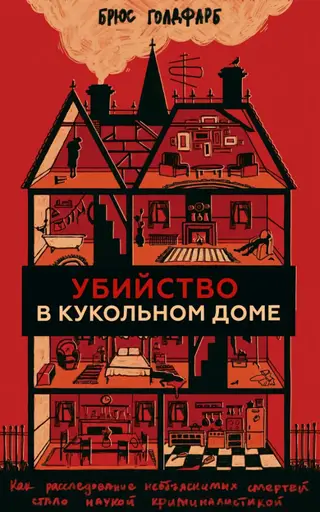
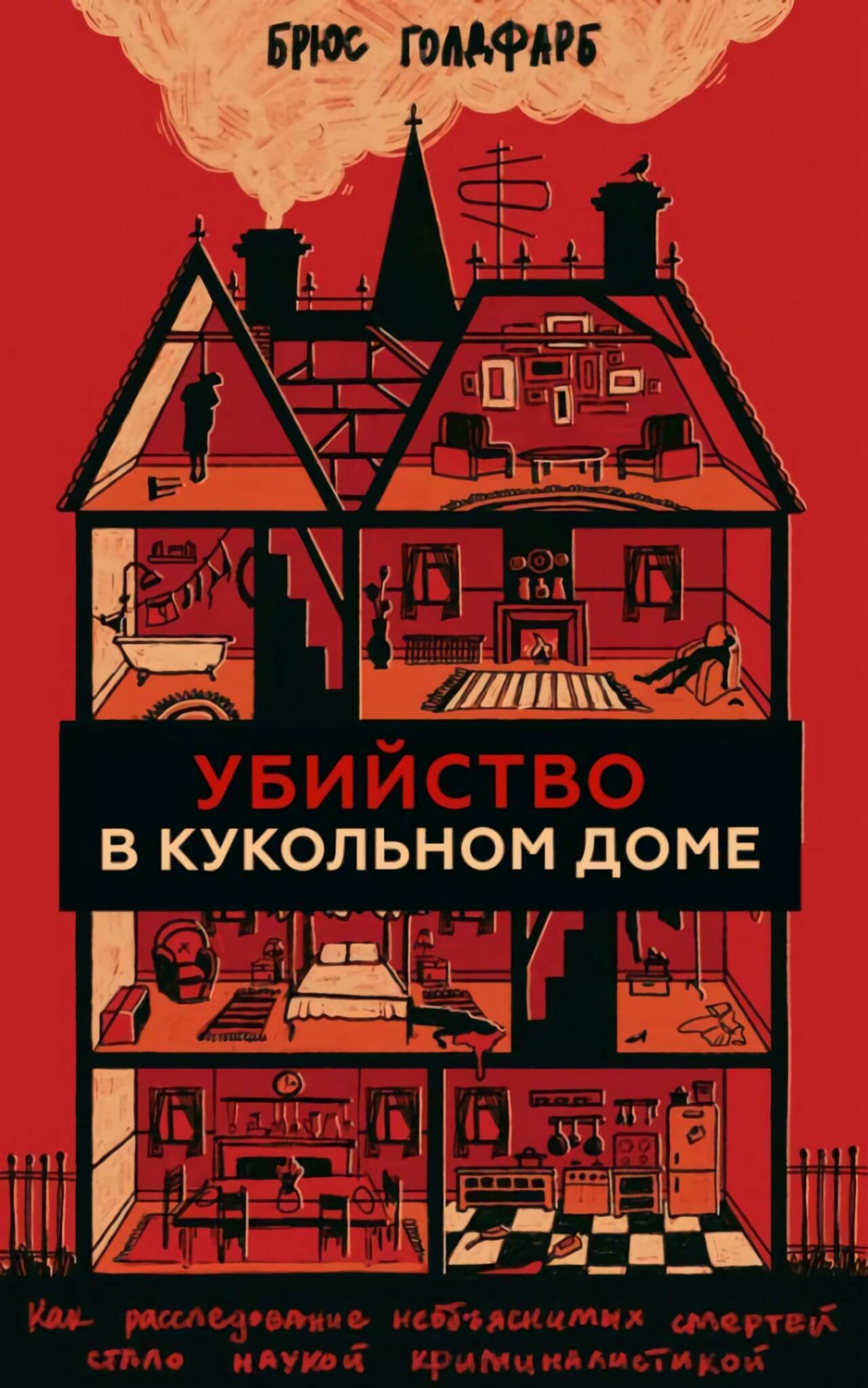
The amazing story of Frances Glessner Lee-the mother of modern forensic science-and a fascinating account of how forensic science was born. For most of human history, suspicious deaths were virtually uninvestigated. Murders were overwhelmingly gotten away with by criminals. Frances Glessner Lee, a socialite from a wealthy and influential Chicago family, by virtue of her status was not going to pursue any career at all, let alone get bogged down in crime investigations. Went not too remarkable years and decades of her life, until Frances suddenly had an unusual hobby. She met forensic scientist George Magrath, who told her about cases from his practice and eventually began letting her into the autopsy room to observe the process. There was time to talk about poisons, trauma, and patterns of injury. Frances became an insatiable reader, poring over crime books and eventually building the most extensive library of legal medicine in the country. All of this led her to create a methodology for researching crime: through a series of dollhouse-sized dioramas detailing real-life crime scenes, the Etudes on Unexplained Death. They were first used as a teaching aid in homicide seminars as part of the first legal medicine program at Harvard Medical School in the 1930s, and then used in homicide seminars for police detectives from 1945. Frances' dollhouses are still studied today and are considered forensic classics. Lee has been the inspiration for a documentary, a book of photographs, at least two collections of poetry, and even the plot of a popular television series about forensic science. In this book, Bruce Goldfarb tells the extraordinary story of Frances Glessner Lee, weaving it into the history of modern forensic science.
See also:
- All books by the publisher
- All books by the author
- All books in the series Larger than life