


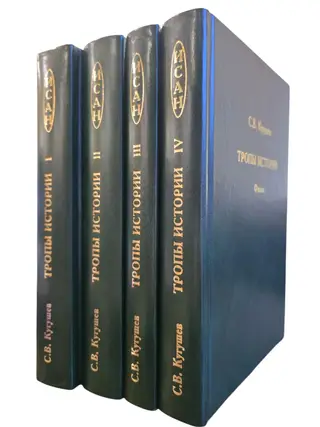
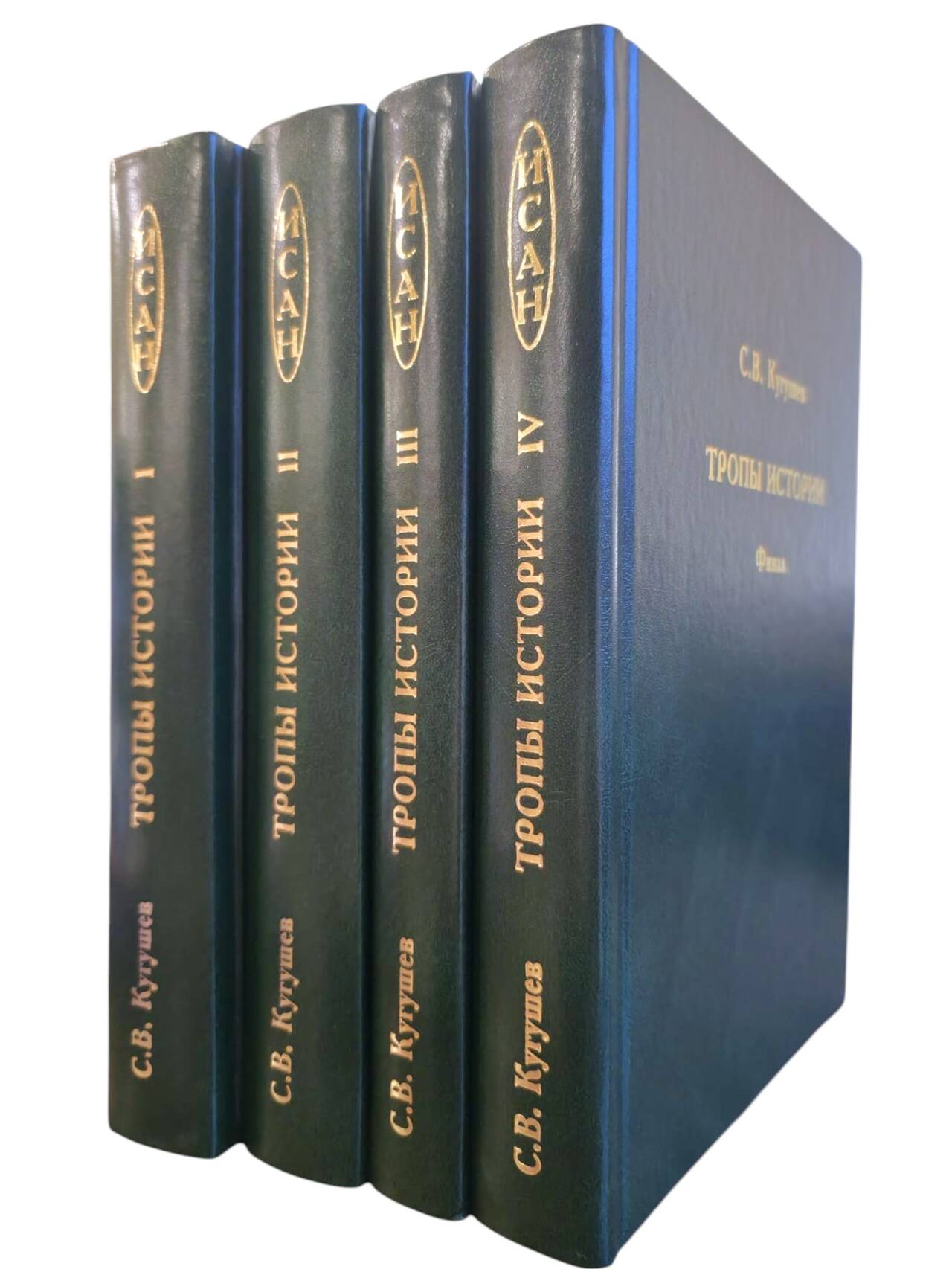
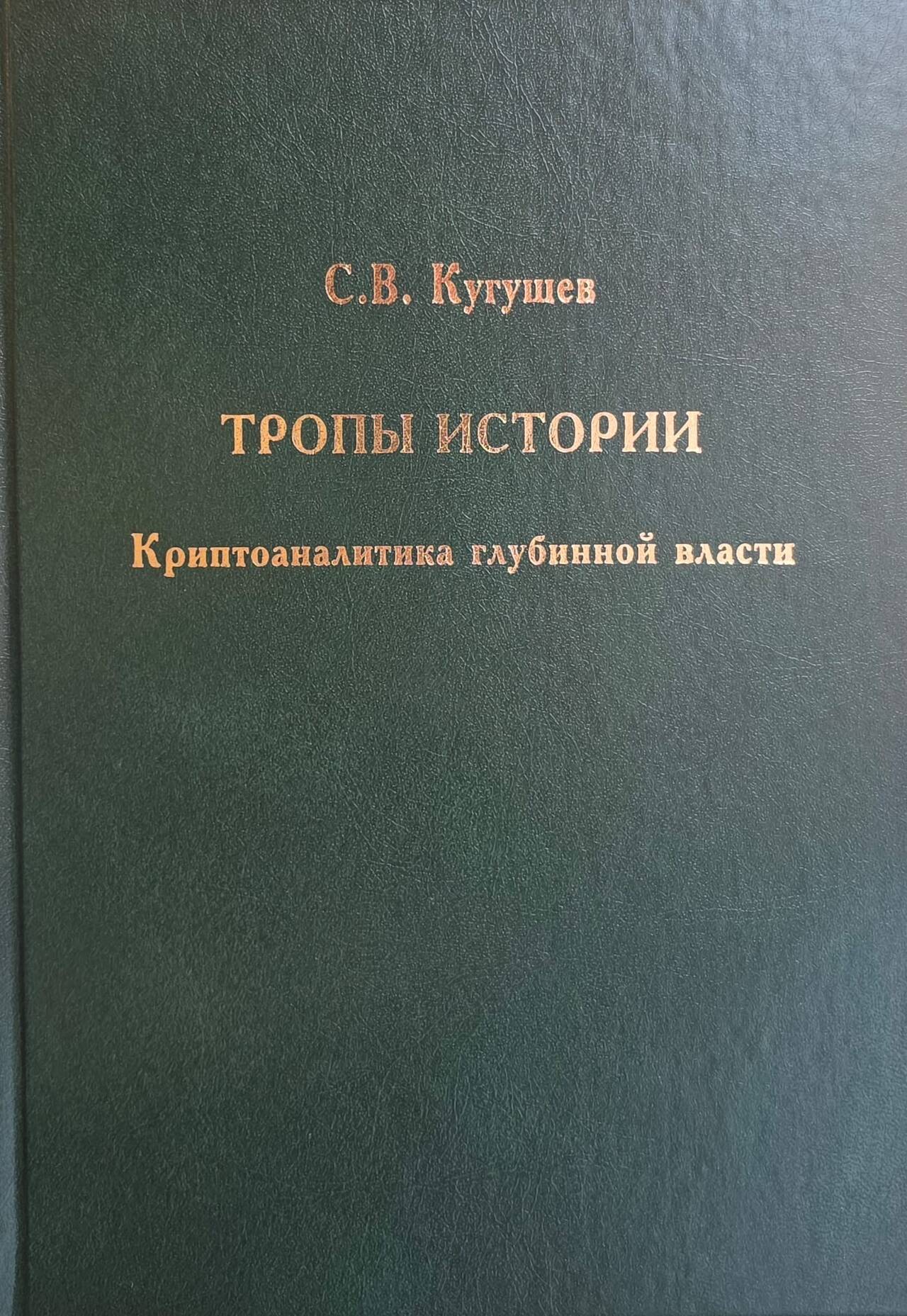
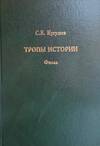
Paths of History. In 4 volumes – Sergey Kugushev – KMC – 2026 – ISBN 978-5-908015-59-2
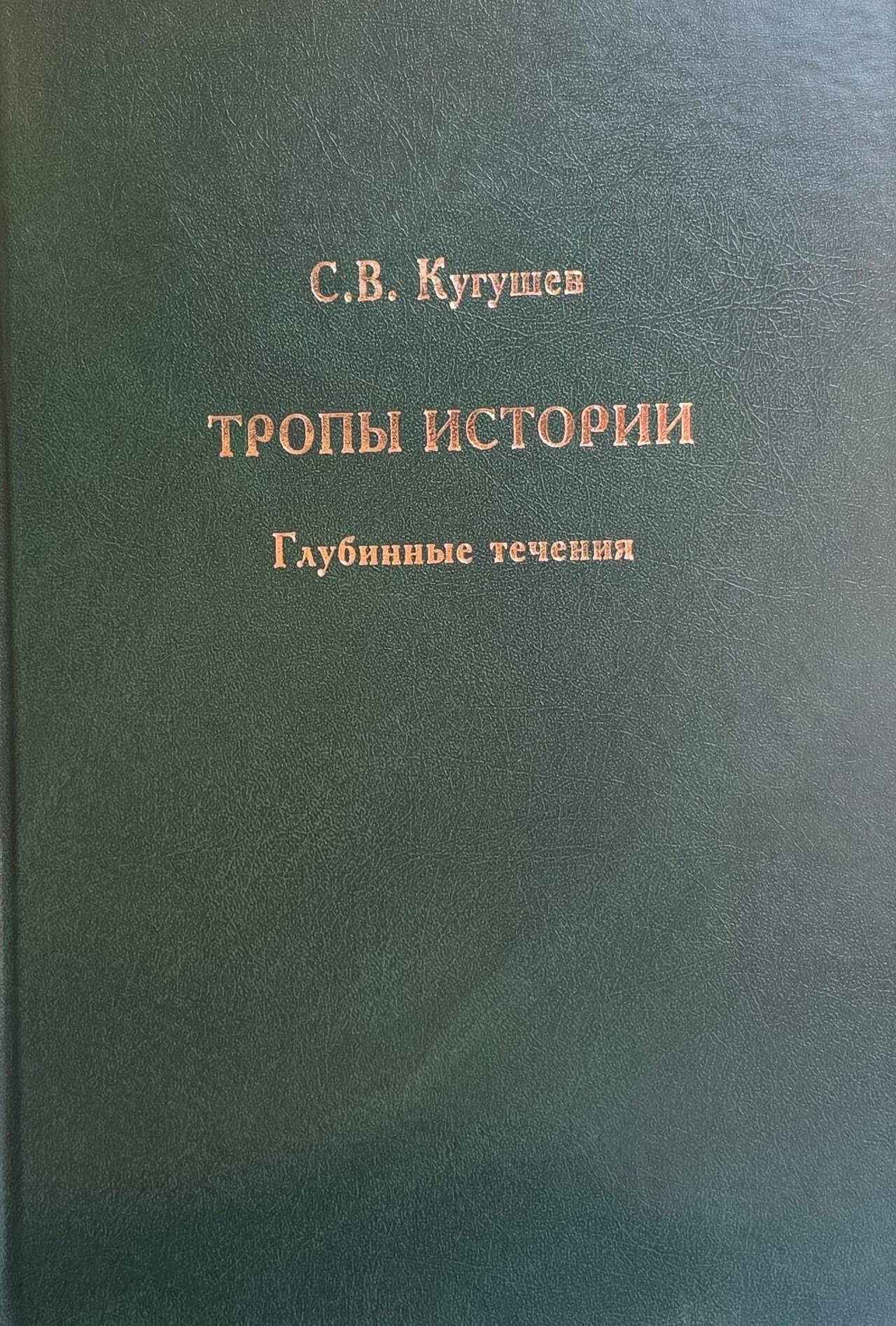
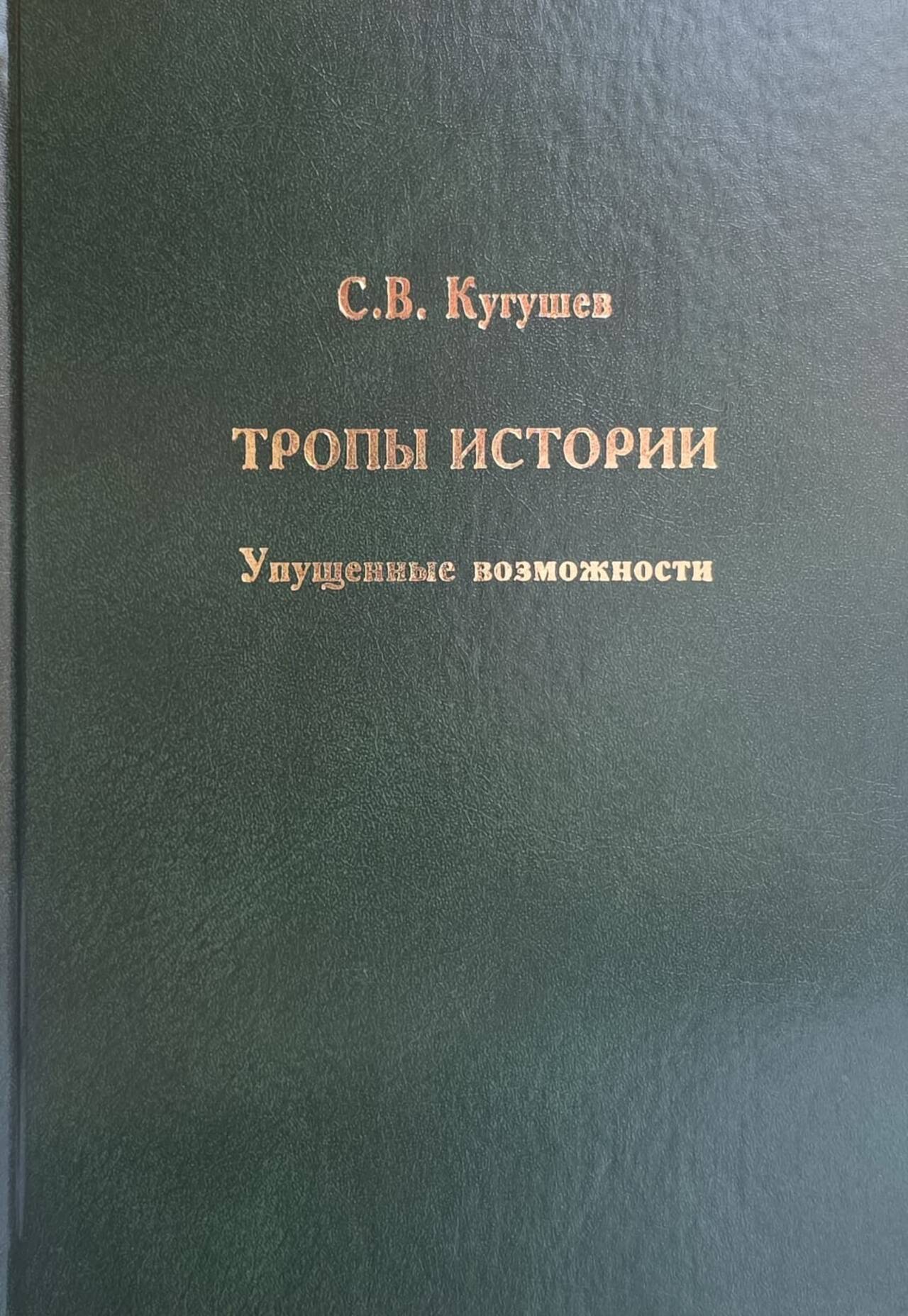
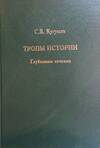
Paths of History. In 4 volumes
199.99 €
Out of stock

Paths of History. In 4 volumes
199.99 €
To add a product to the waitlist, please sign in:
Log in
Published as part of the publishing program of the Institute for Systemic and Strategic Studies (directed by A.I. Fursov).
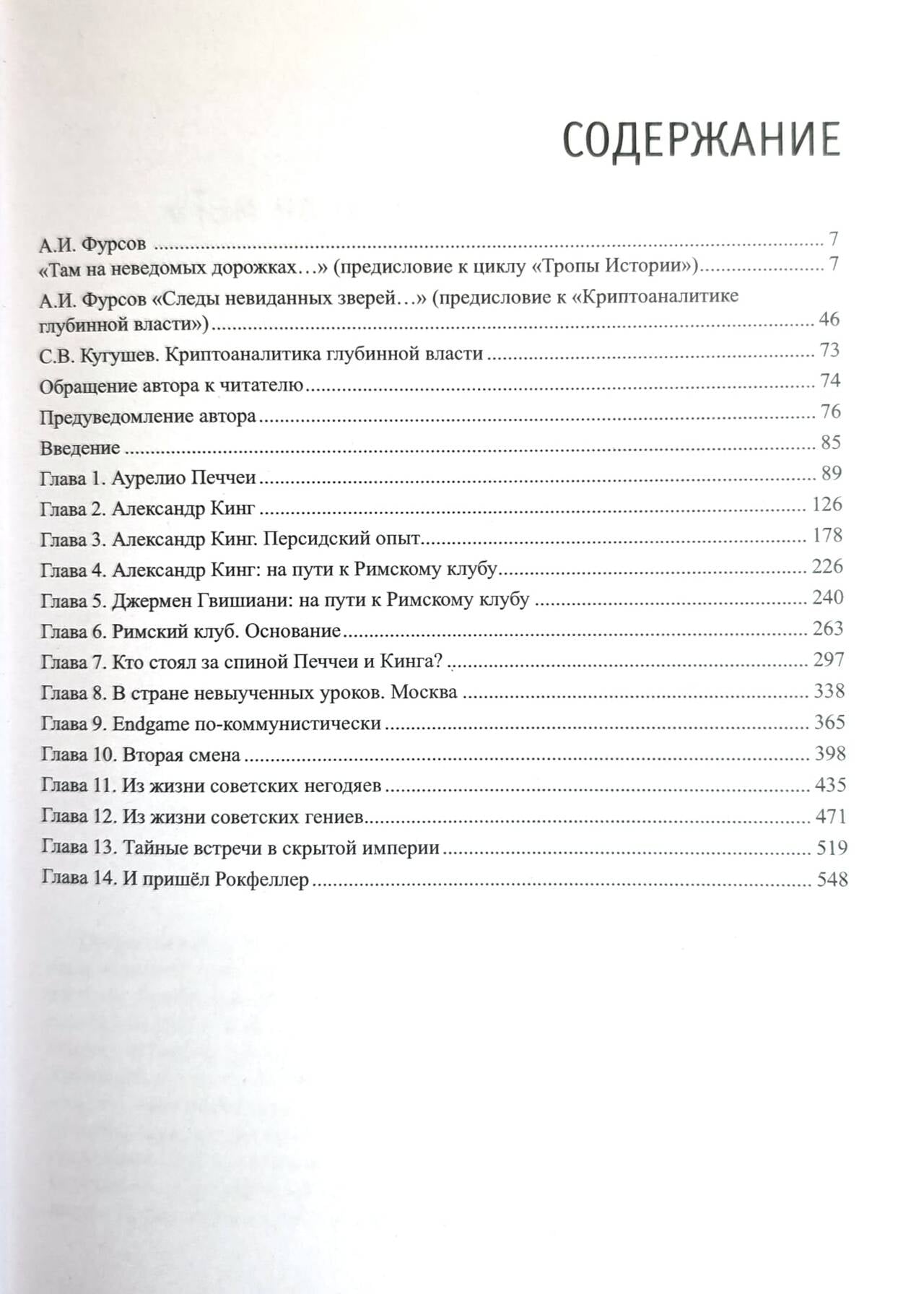
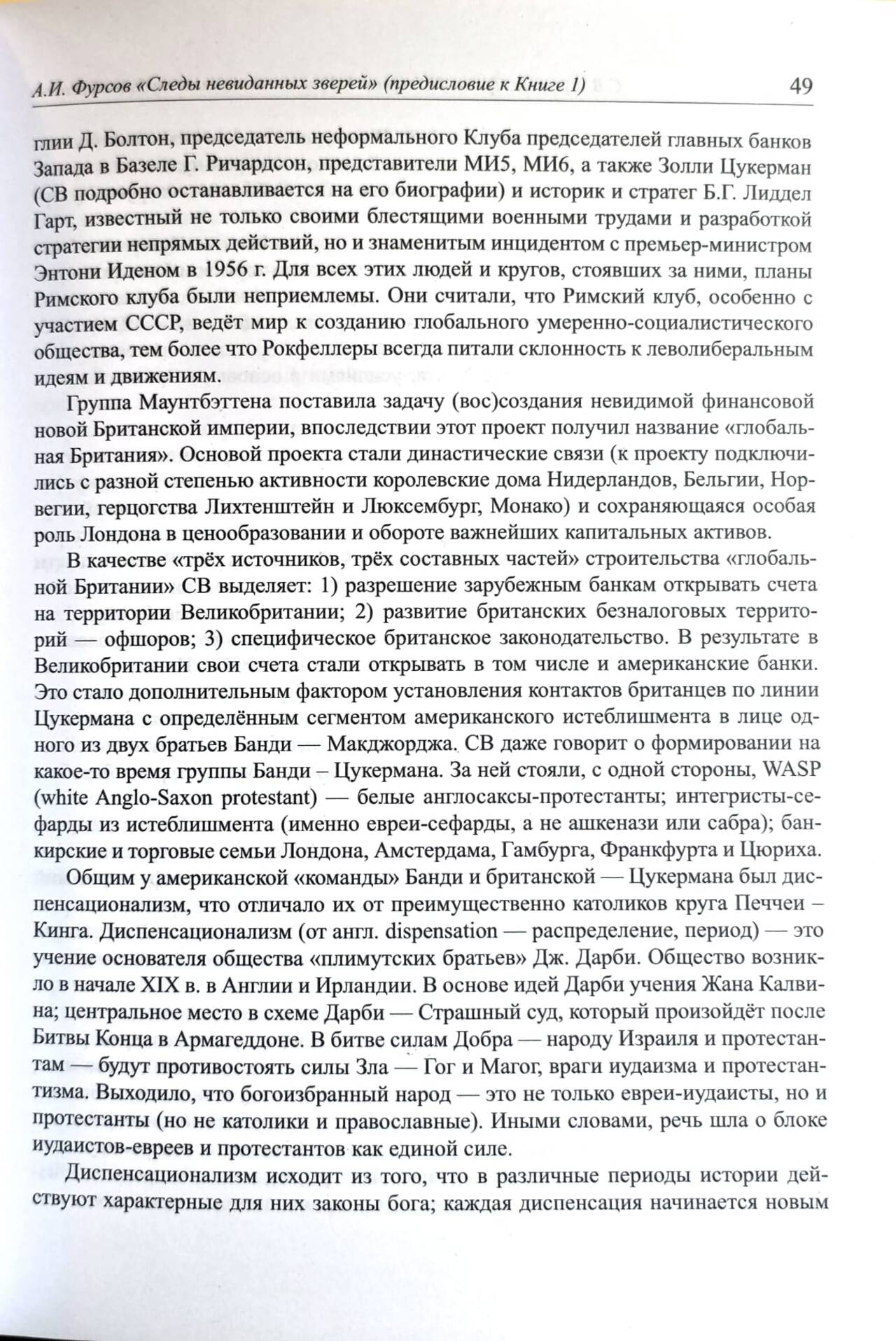
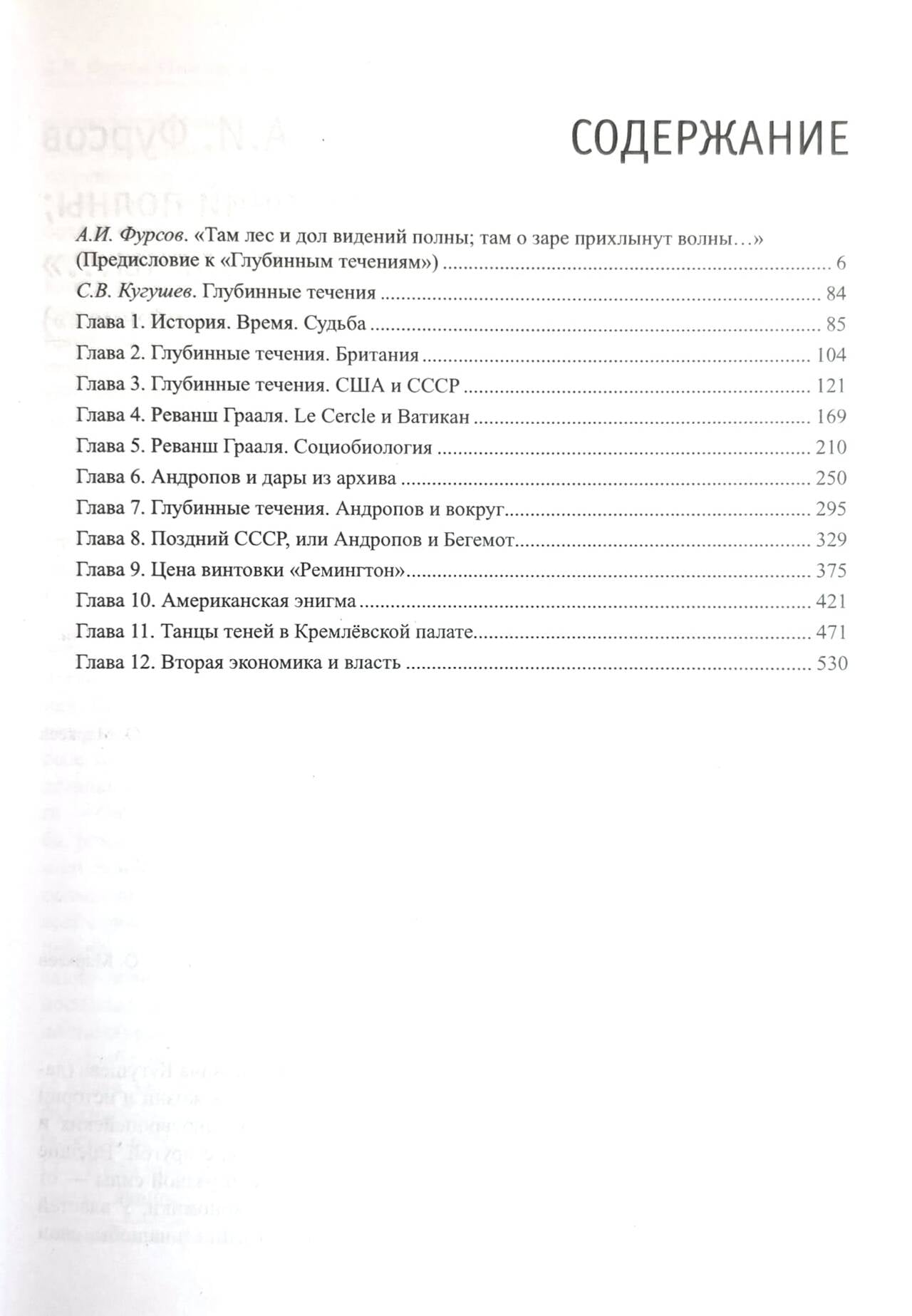
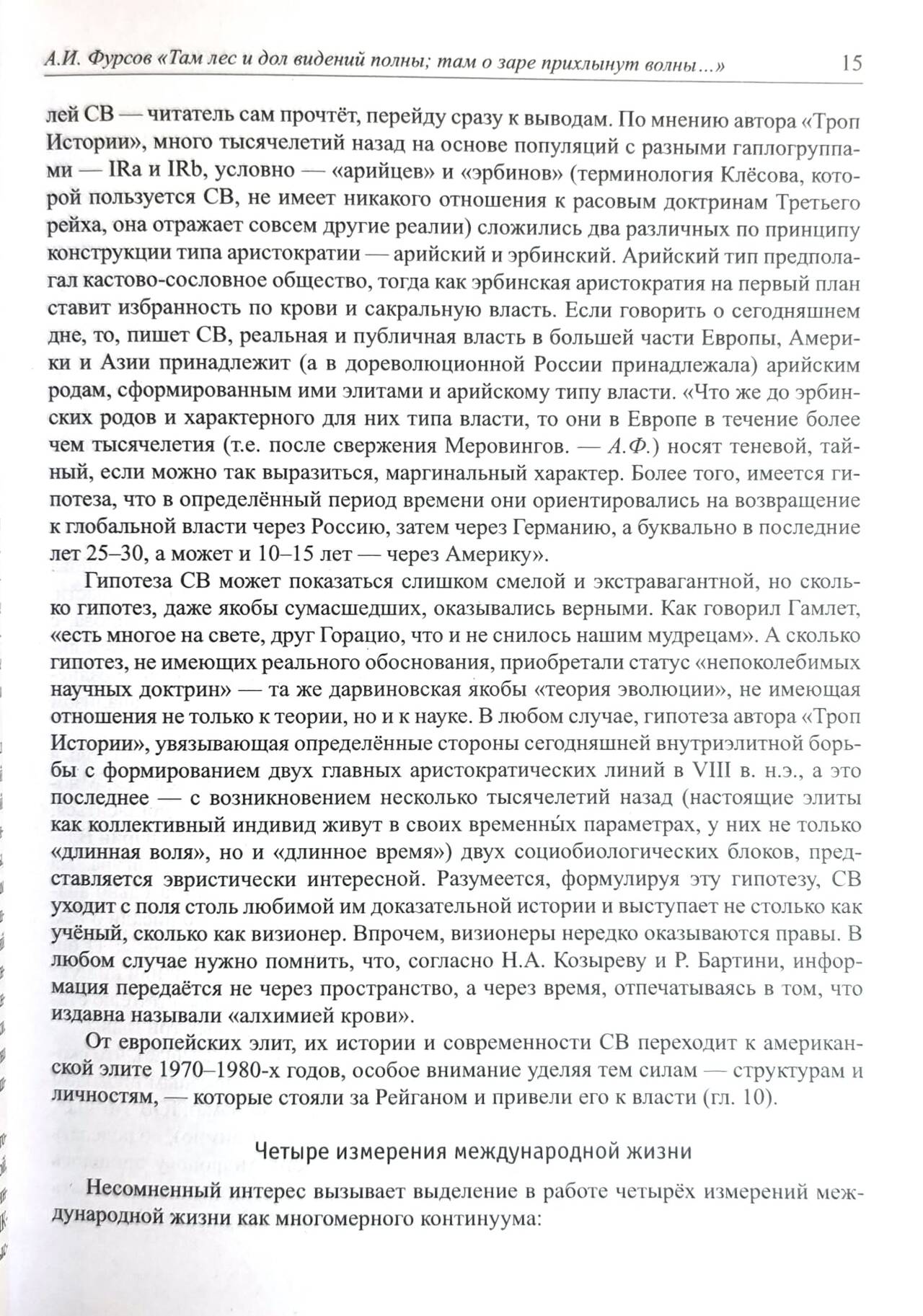
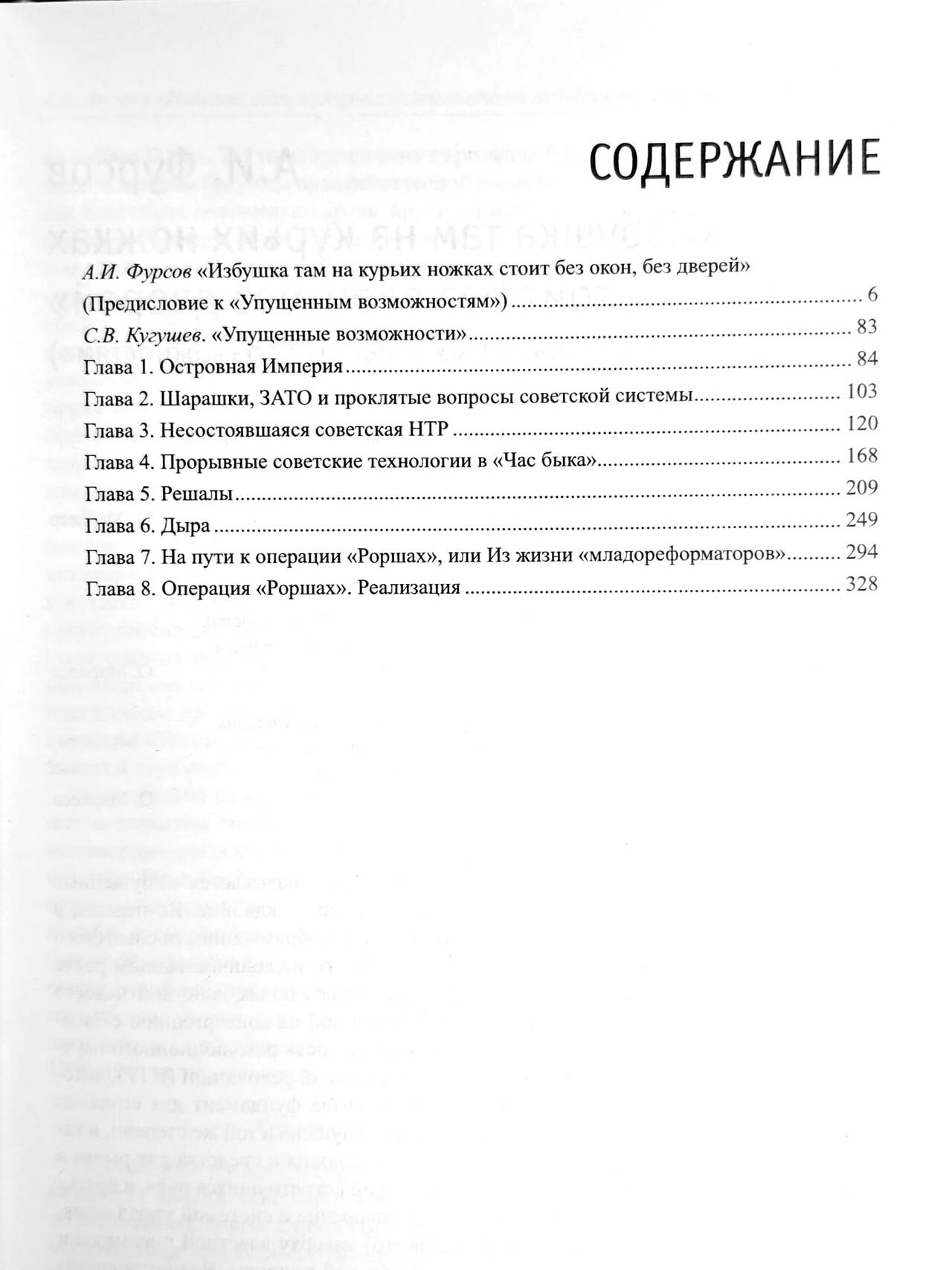
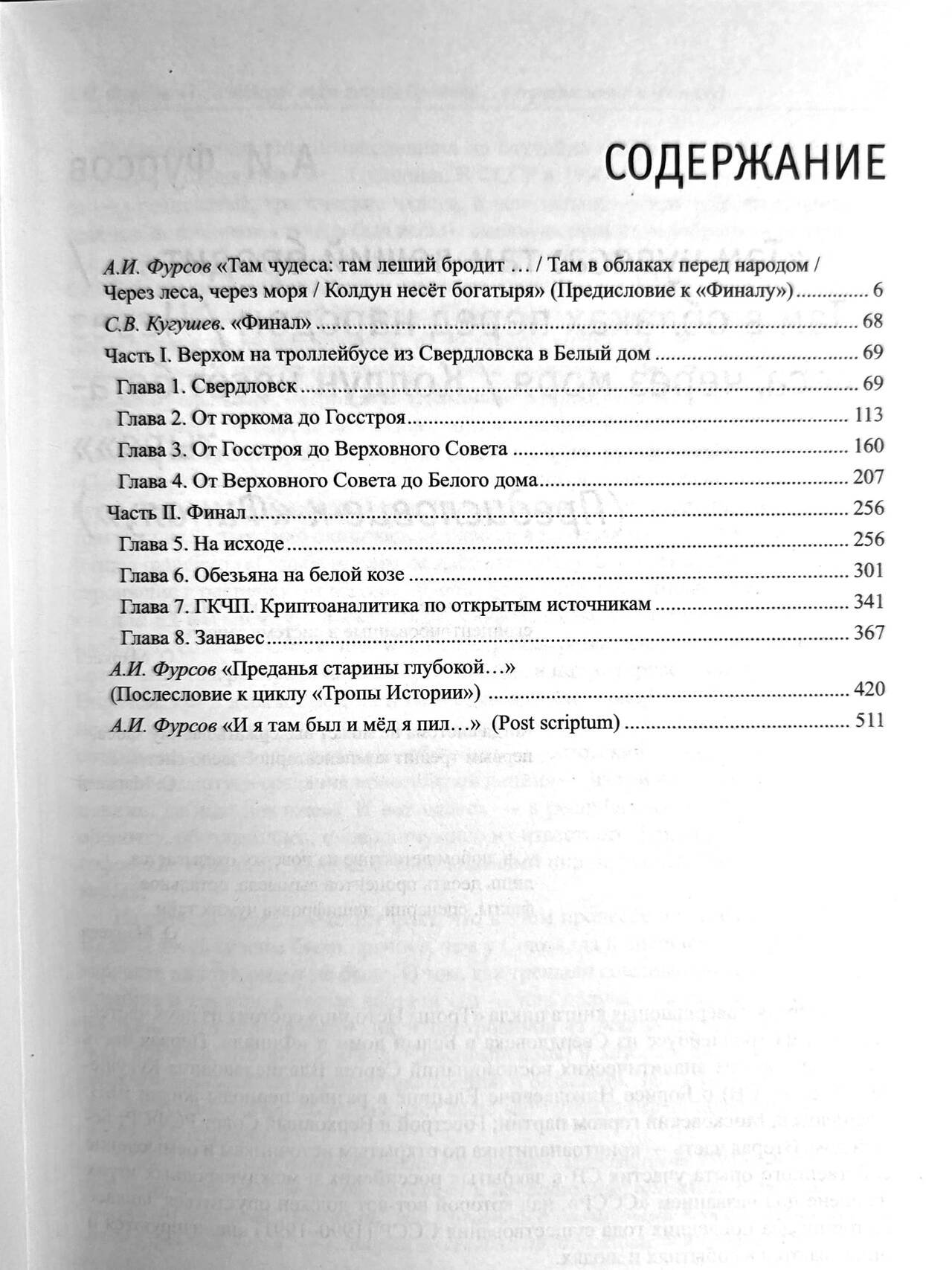
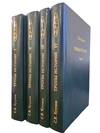
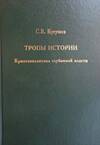
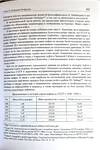
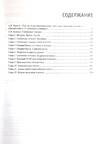
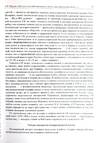
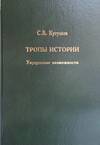
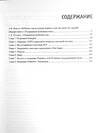
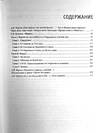
The first book addresses three key questions: what, when, and why went wrong? What were the reasons and circumstances that led to the progressive dynamics of social development being replaced by a destructive trajectory at the turn of the 1960s and 1970s? Based on a cross-analysis of hard-to-access Western and Russian archival sources, memoirs, and his own recollections, the author offers his version of the underlying processes of the last quarter of the 20th century that ultimately led to the looming systemic, political, economic, cultural, environmental, and technological crises.
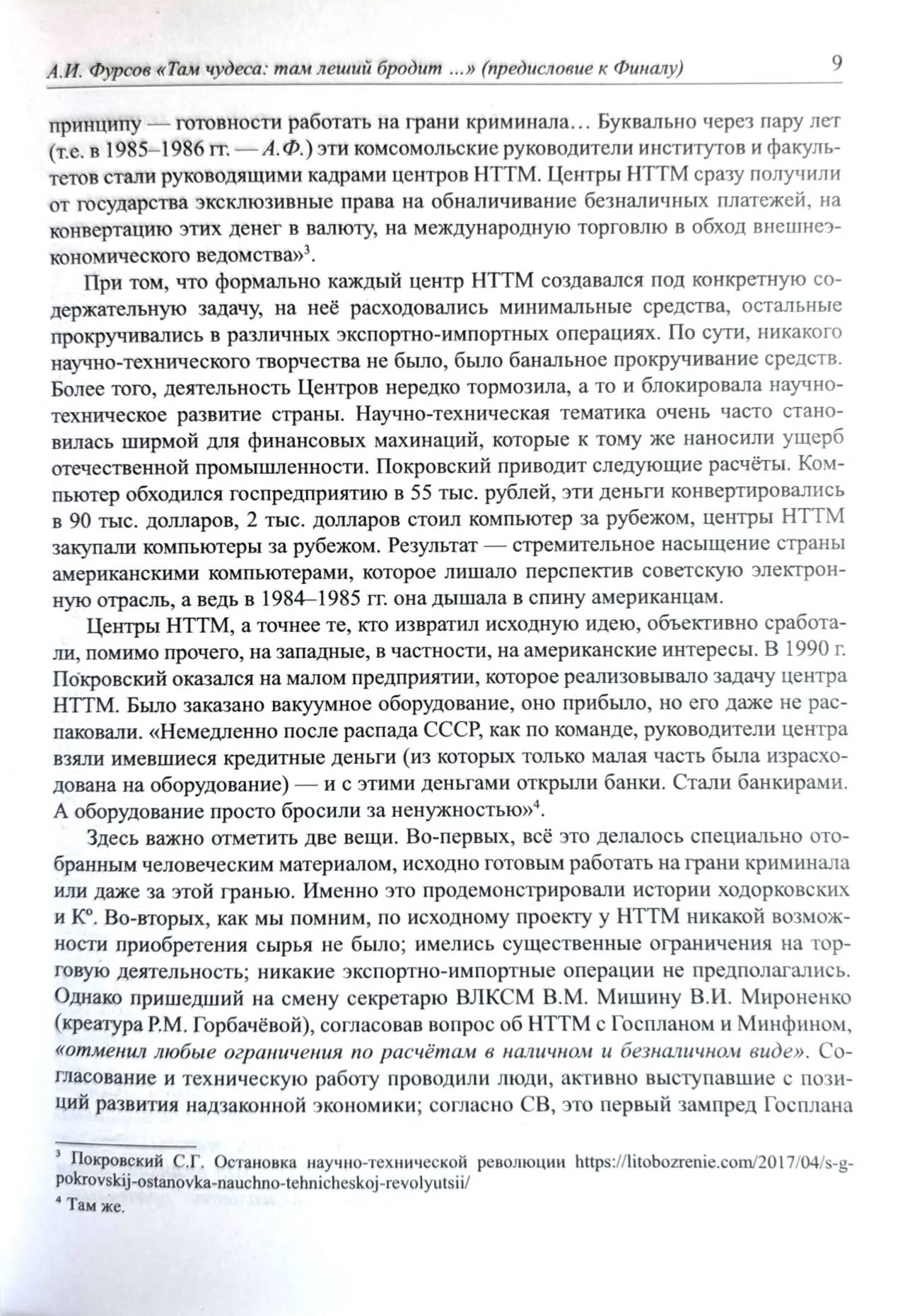
The second book examines the history of Western European ruling elites and their closed structures, primarily the "Circle" (Le Cercle). It analyzes the characteristics of the social forces that brought the Reagan team to power. At the same time, the logic of the development of the late Soviet Union is revealed through the lens of the Andropov phenomenon. Particular attention is paid to the role of the "second" (shadow) economy in the life of the USSR in the 1970s and 1980s.
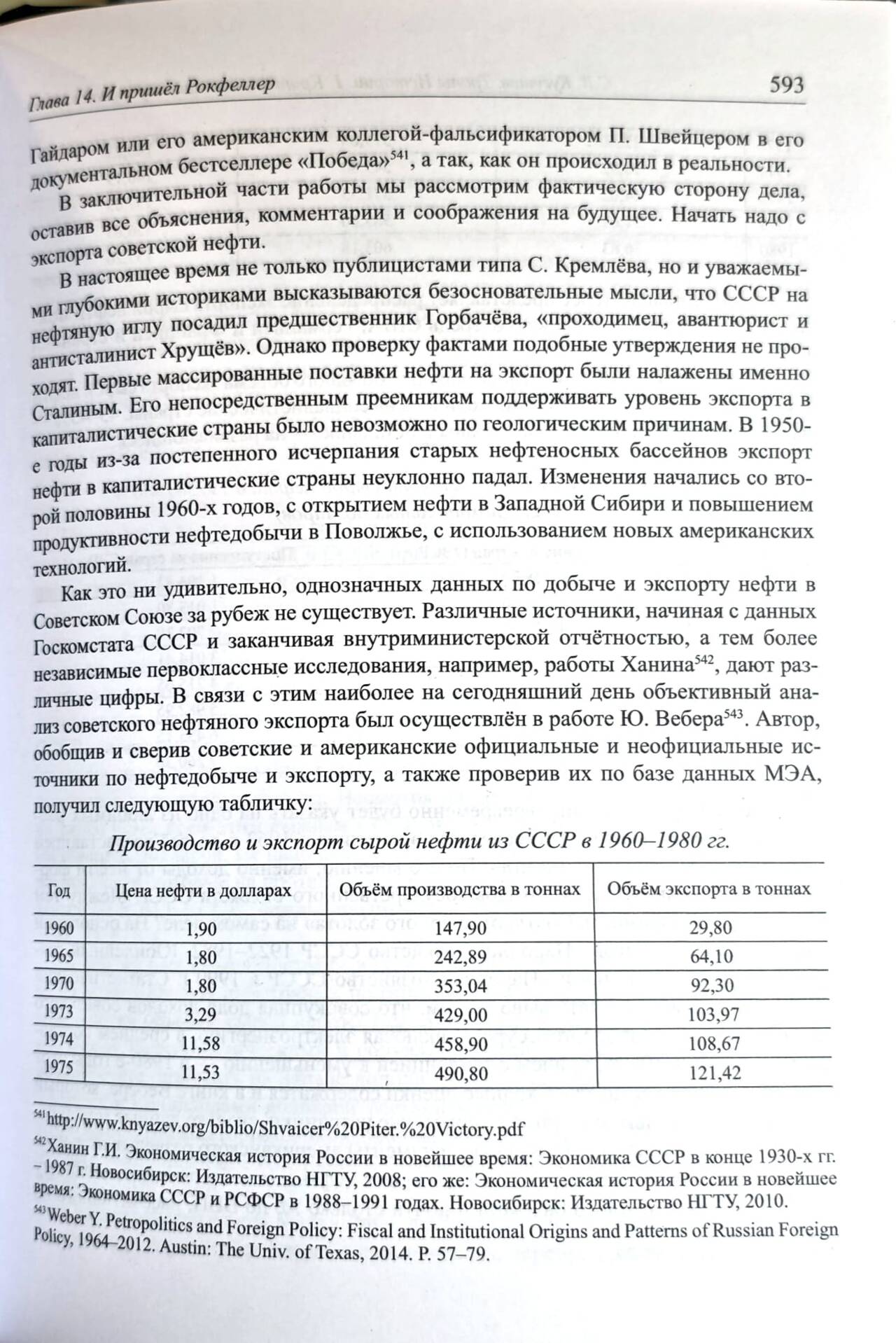
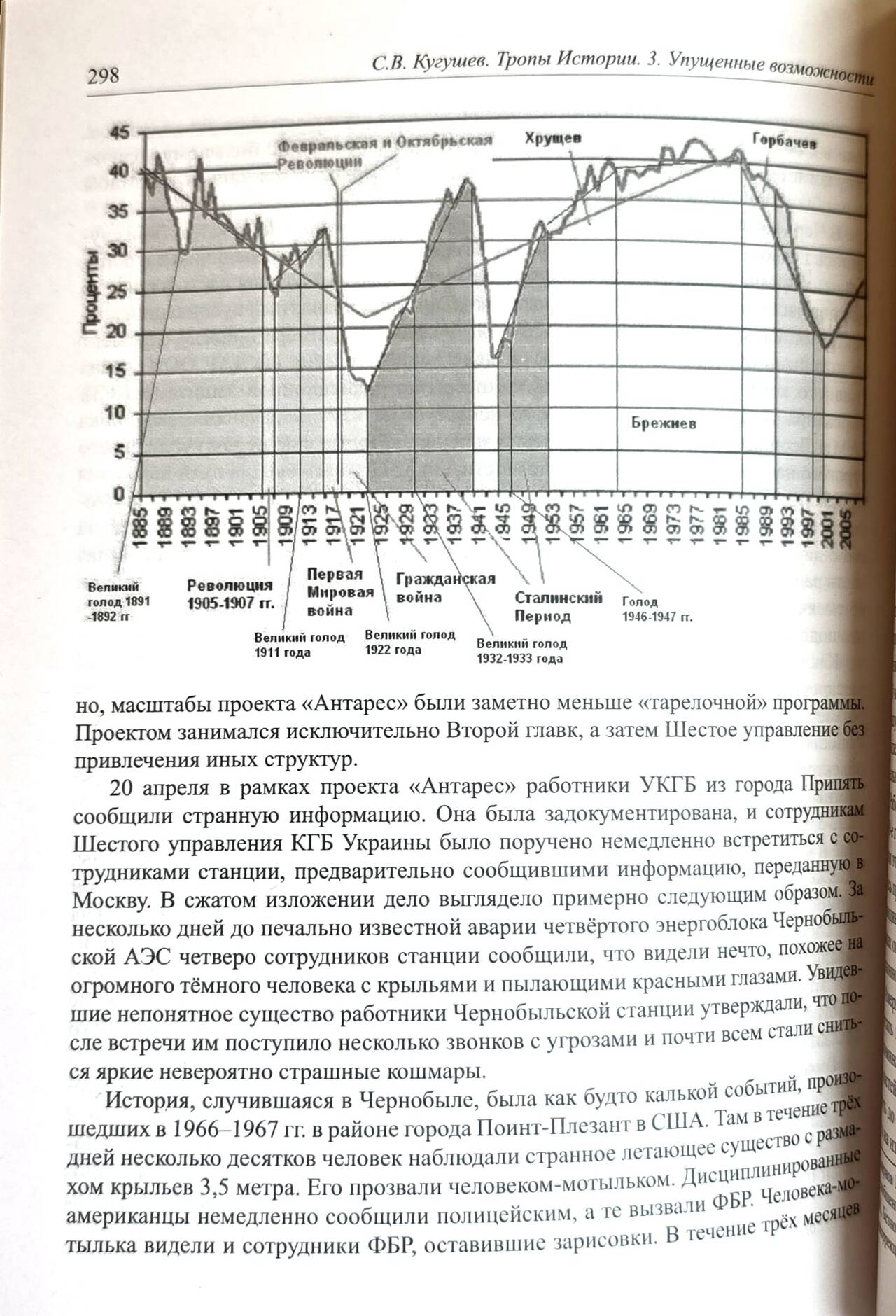
The third book analyzes the role of the military-industrial complex in the historical fate of the USSR and answers the question: why did the Soviet scientific and technological revolution, which could have made the USSR a world leader, fail to materialize? A significant portion of the study is devoted to the games played by the Soviet and British intelligence services around the formation of groups of future "young reformers." A separate chapter is devoted to the Chernobyl disaster and its impact on the events and development trends of the USSR in the second half of the 1980s (the transition from "acceleration" to "perestroika").
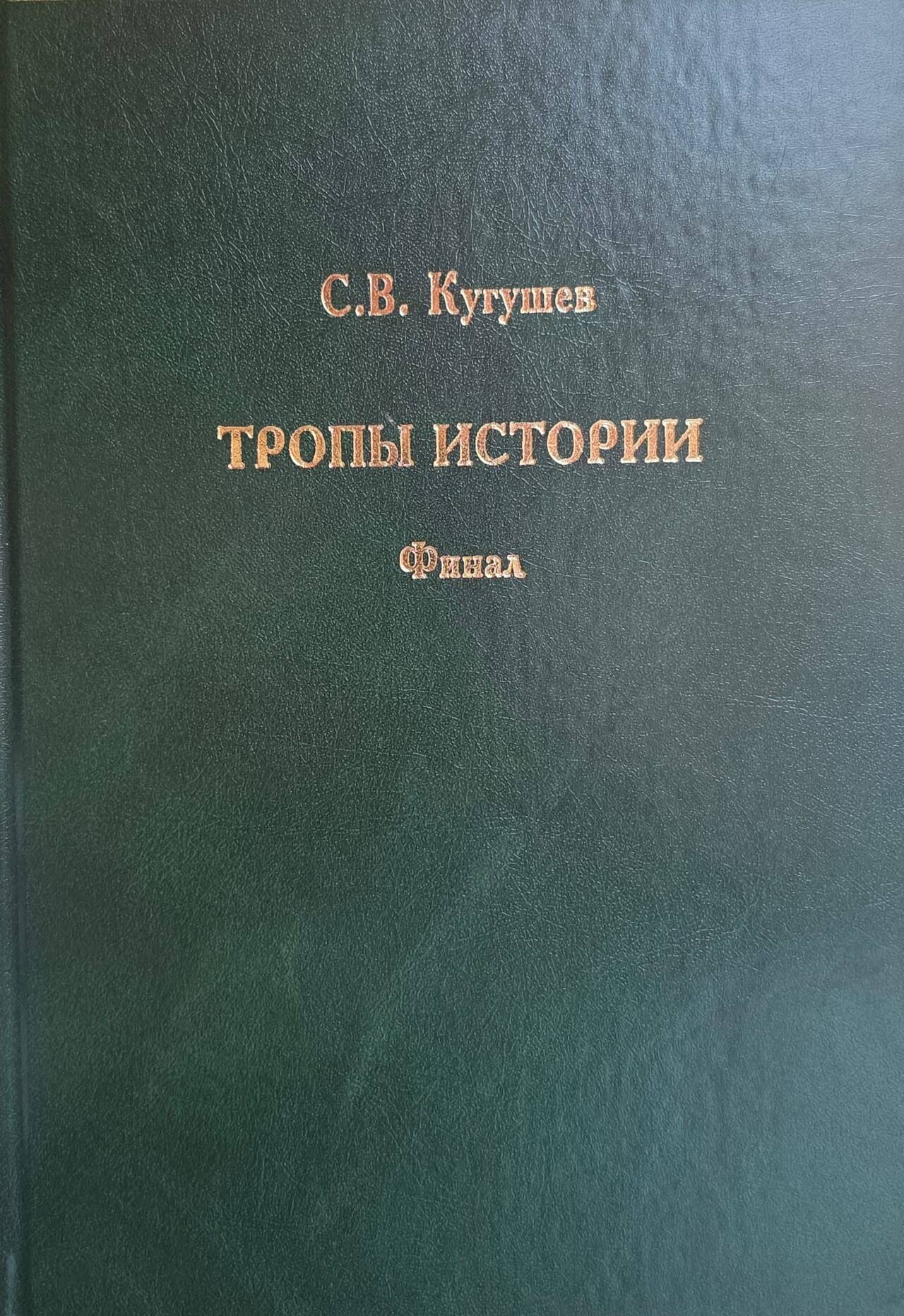
The fourth book consists of two parts. The first, through the lens of the biography of B.N. Yeltsin, whom the author knew personally and who, from a certain point, considered the author his enemy, presents the history of the USSR from 1985 to 1991. The second part analyzes the events of the last two years of the USSR's existence: the games of the special services, officials, and, in the end, the State Emergency Committee.
The first book addresses three key questions: what, when, and why went wrong? What were the reasons and circumstances that led to the progressive dynamics of social development being replaced by a destructive trajectory at the turn of the 1960s and 1970s? Based on a cross-analysis of hard-to-access Western and Russian archival sources, memoirs, and his own recollections, the author offers his version of the underlying processes of the last quarter of the 20th century that ultimately led to the looming systemic, political, economic, cultural, environmental, and technological crises.
The second book examines the history of Western European ruling elites and their closed structures, primarily the "Circle" (Le Cercle). It analyzes the characteristics of the social forces that brought the Reagan team to power. At the same time, the logic of the development of the late Soviet Union is revealed through the lens of the Andropov phenomenon. Particular attention is paid to the role of the "second" (shadow) economy in the life of the USSR in the 1970s and 1980s.
The third book analyzes the role of the military-industrial complex in the historical fate of the USSR and answers the question: why did the Soviet scientific and technological revolution, which could have made the USSR a world leader, fail to materialize? A significant portion of the study is devoted to the games played by the Soviet and British intelligence services around the formation of groups of future "young reformers." A separate chapter is devoted to the Chernobyl disaster and its impact on the events and development trends of the USSR in the second half of the 1980s (the transition from "acceleration" to "perestroika").
The fourth book consists of two parts. The first, through the lens of the biography of B.N. Yeltsin, whom the author knew personally and who, from a certain point, considered the author his enemy, presents the history of the USSR from 1985 to 1991. The second part analyzes the events of the last two years of the USSR's existence: the games of the special services, officials, and, in the end, the State Emergency Committee.
See also:
- All books by the publisher
- All books by the author