


One Thousand and One Nights: Arabian Nights – NWCEO – 2026 – ISBN 978-5-9603-1333-9
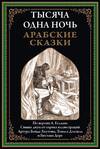
One Thousand and One Nights: Arabian Nights
29.99 €
Out of stock

One Thousand and One Nights: Arabian Nights
29.99 €
To add a product to the waitlist, please sign in:
Log in
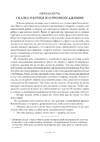
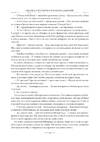
The enchanting tales of "One Thousand and One Nights" captured the hearts of European readers three centuries ago. In the early 18th century, the French orientalist, translator, and collector of rarities, Antoine Galland (1646–1715), first introduced the public to these wondrous tales of the wonders of the distant and mysterious East. Galland was an active and respected man. For several years, he served as secretary to the ambassador in Constantinople, which allowed him to travel to Greece, Syria, Palestine, and Lebanon, mastering several languages. Returning to Paris, he received a position as antiquary at the court of King Louis XIV; his duties included managing cultural treasures from the royal collection. In 1701, Galland became a member of the Académie des Inscriptions et Médailles, which studied historical monuments, and in 1709, he was appointed to the Department of Arabic Studies at the Collège de France, one of the oldest research institutions in France. He also studied literature. He contributed to the publication of the multi-volume "Oriental Library" and translated ancient manuscripts and the Quran. Around 1702, Galland began a project that would later bring him worldwide fame: the translation of the Arabian Nights tales from Arabic into French. The tales were published in twelve volumes from 1704 to 1717. Galland not only translated them but also edited them literary according to the standards of the French court to ensure their success. The final volume was published after the translator's death; as a result, Galland's translation did not encompass the entire cycle of original texts. However, the published tales were sufficient to spark readers' interest in a previously unknown culture. Galland's contemporaries were deeply impressed by these Eastern tales. These original, colorful, and intriguing stories about wealthy sultans, evil sorceresses, and all-powerful genies soon became beloved not only in France but also in other European countries. Following Galland's lead, other writers began translating them, writers were inspired by the picturesque images, and artists captured the medieval East in vibrant illustrations. Thus, the "Arabian Nights" cycle of tales gained worldwide fame.
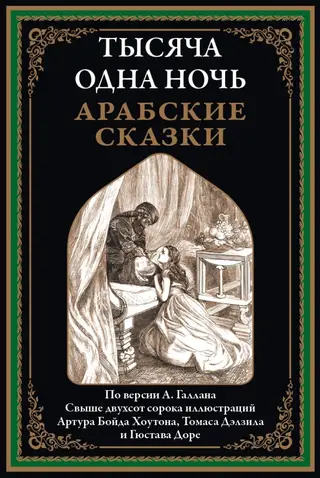
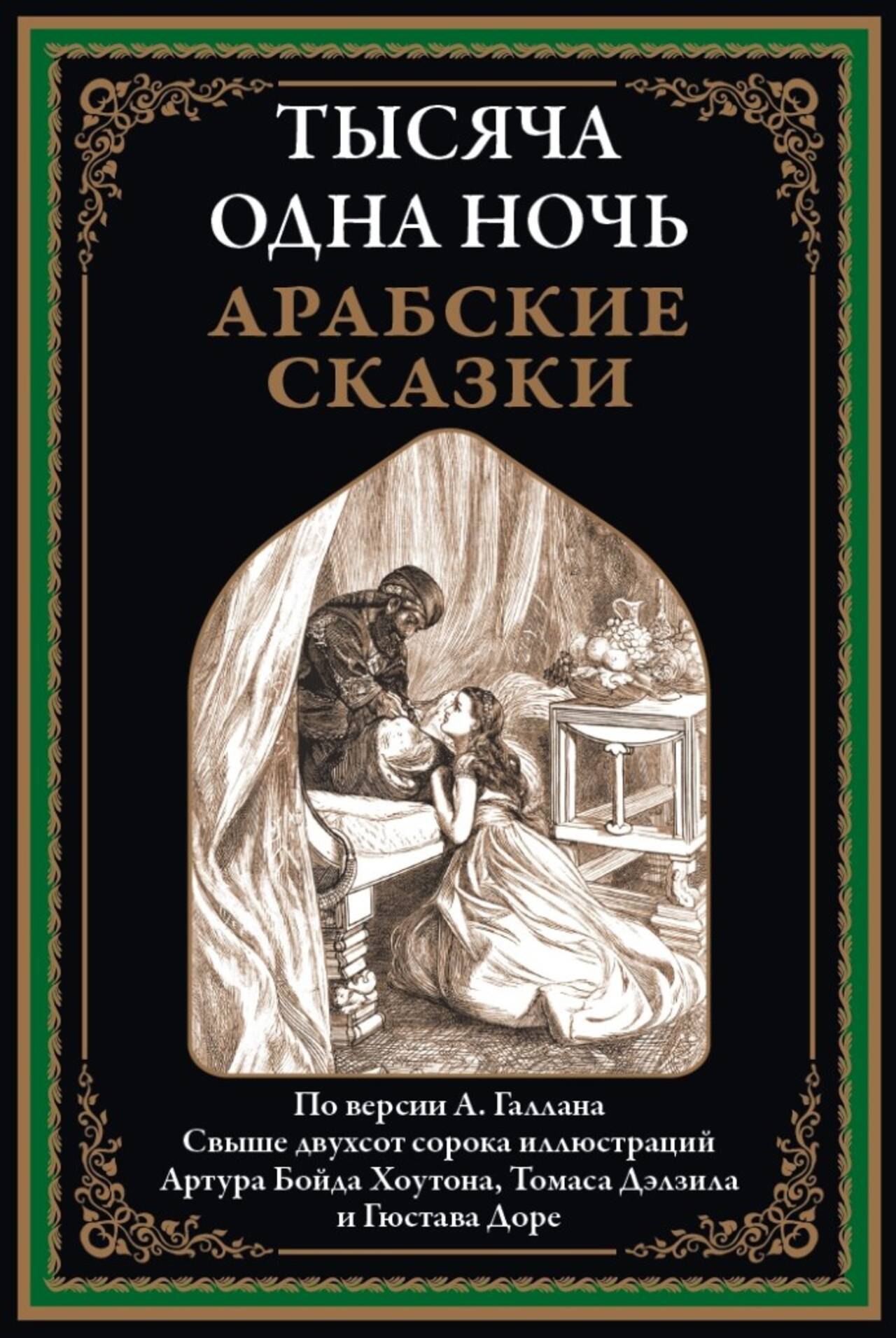
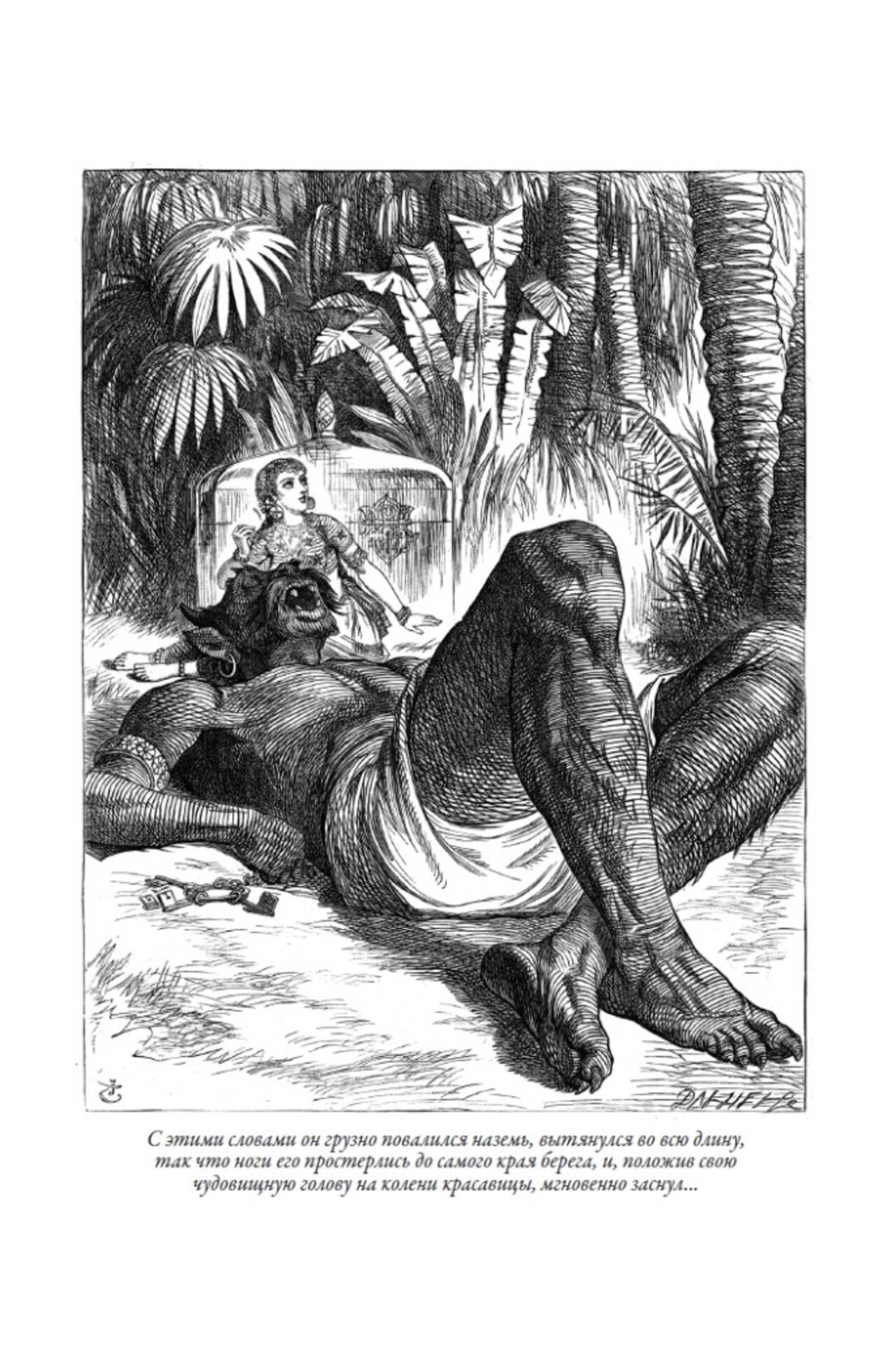
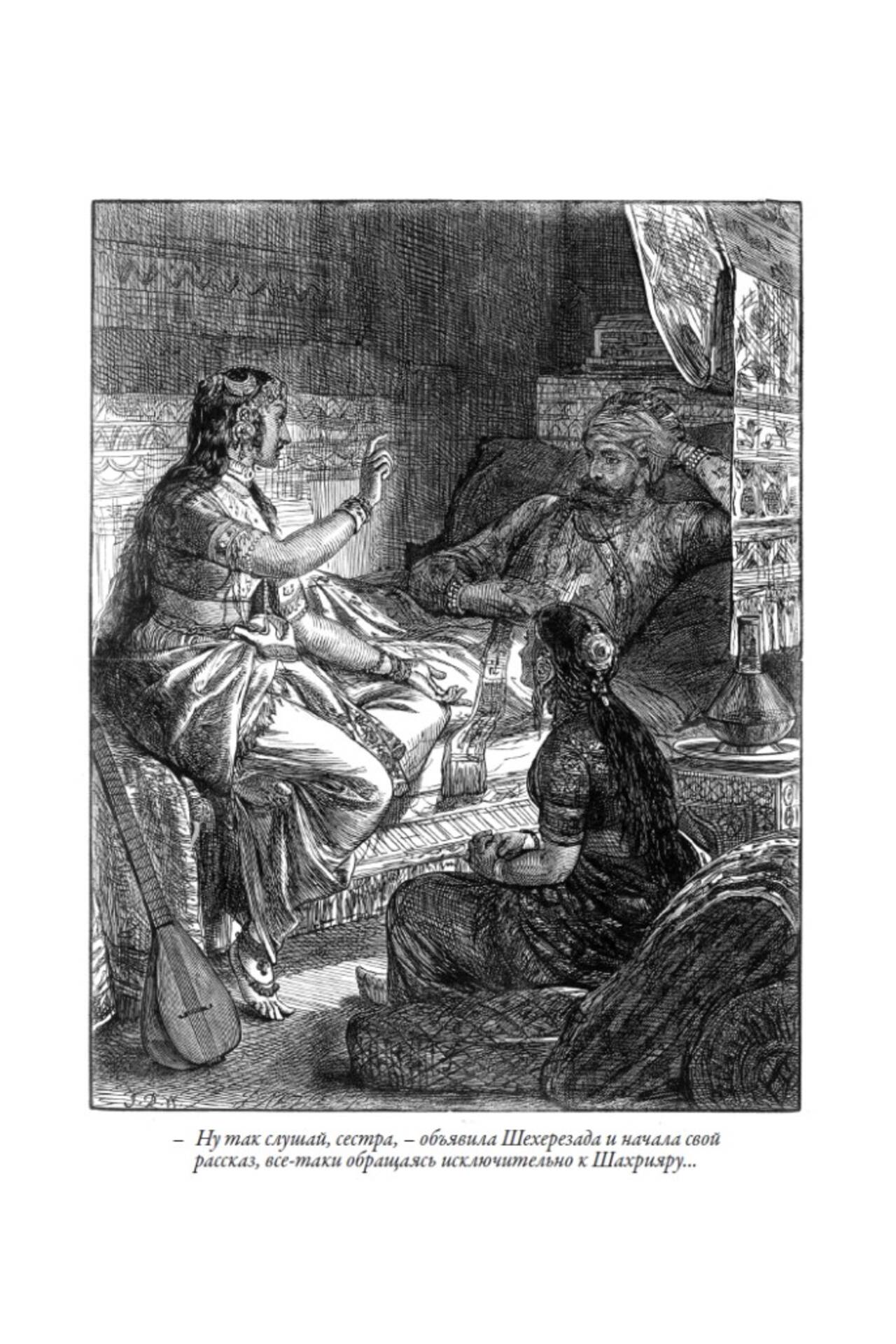
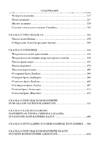
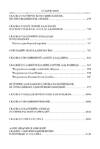
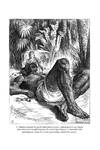
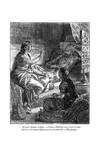
This edition presents Antoine Galland's adaptations of the "Arabian Nights" tales in the Russian translation by the writer Julia Vasilyevna Doppelmayer (1848–1907). The book is decorated with illustrations by three artists: the British painter Arthur Boyd Houghton (1836–1875), the British engraver Thomas Dalziel (1823–1906) and the French graphic artist Gustave Doré (1832–1883).
This edition presents Antoine Galland's adaptations of the "Arabian Nights" tales in the Russian translation by the writer Julia Vasilyevna Doppelmayer (1848–1907). The book is decorated with illustrations by three artists: the British painter Arthur Boyd Houghton (1836–1875), the British engraver Thomas Dalziel (1823–1906) and the French graphic artist Gustave Doré (1832–1883).
See also:
- All books by the publisher
- All books in the series Library of World Literature