


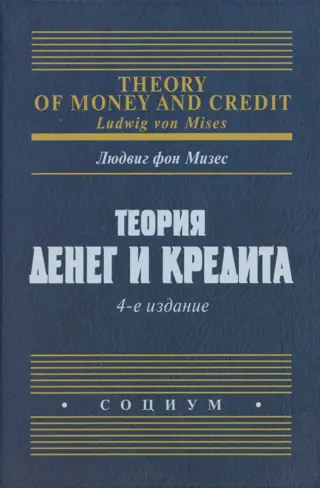
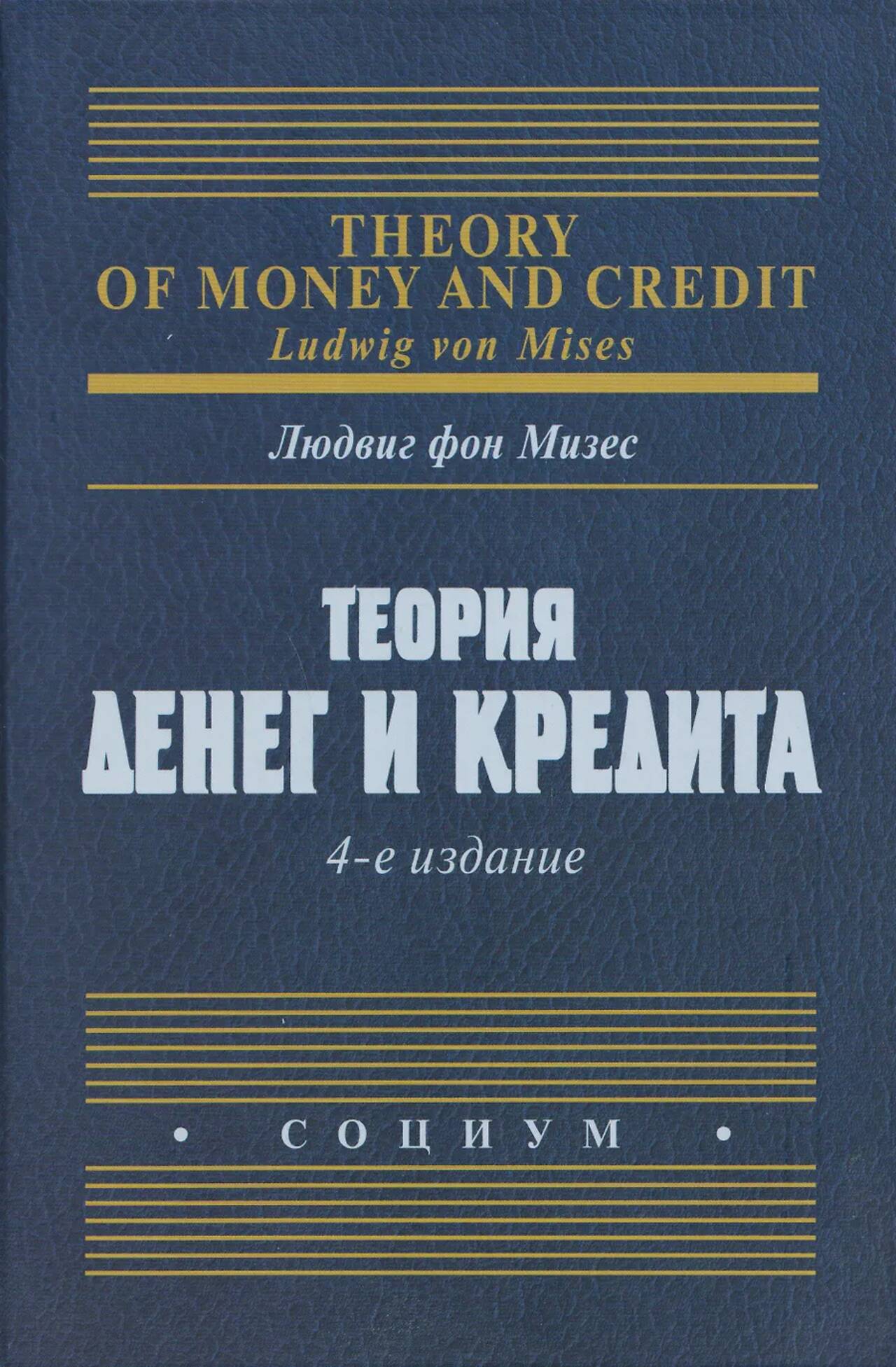
Theory of money and credit – Mises Ludwig von – Society – 2026 – ISBN 978-5-91603-230-7
Theory of money and credit
29.99 €
Out of stock

Theory of money and credit
29.99 €
To add a product to the waitlist, please sign in:
Log in
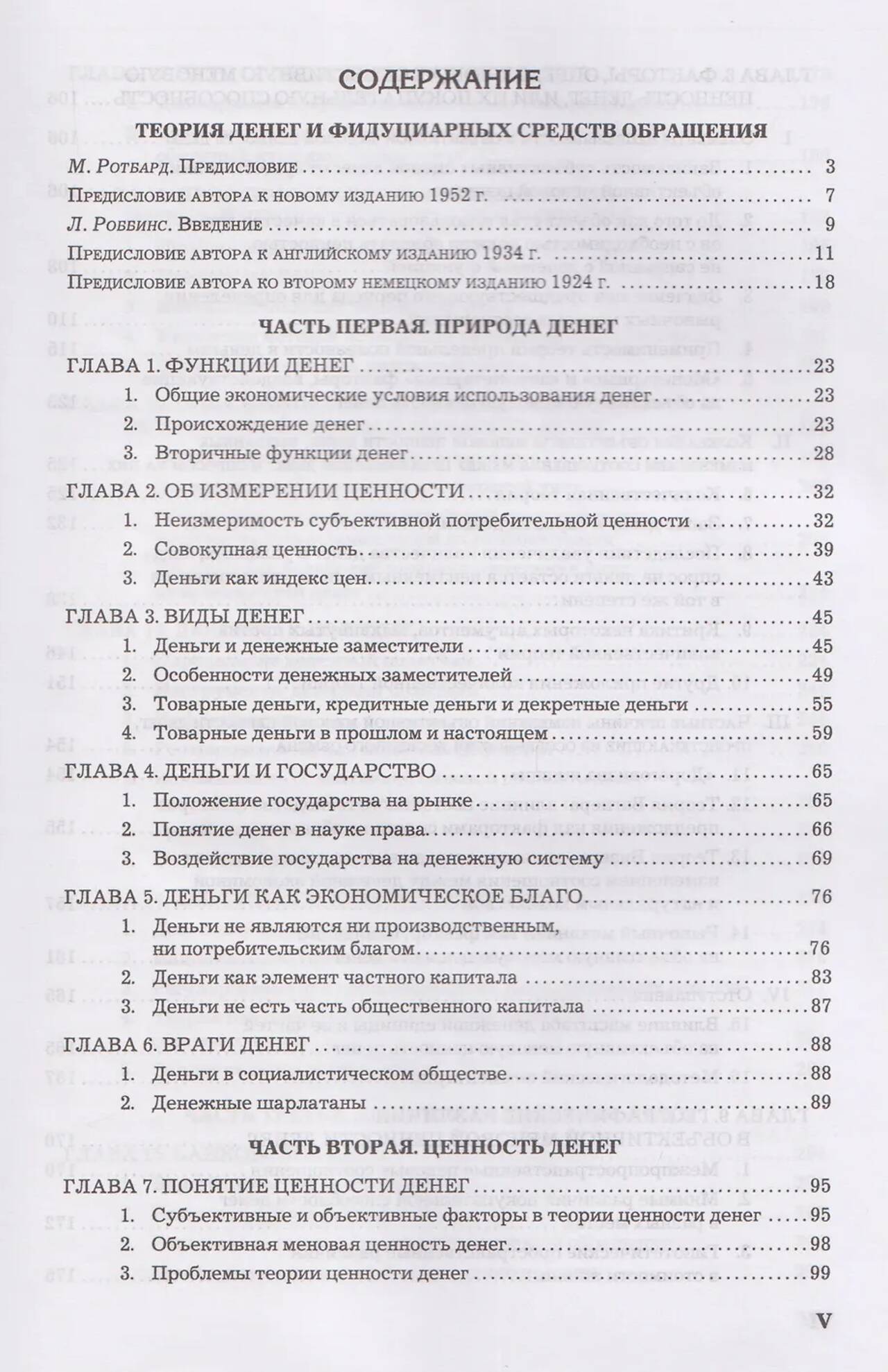
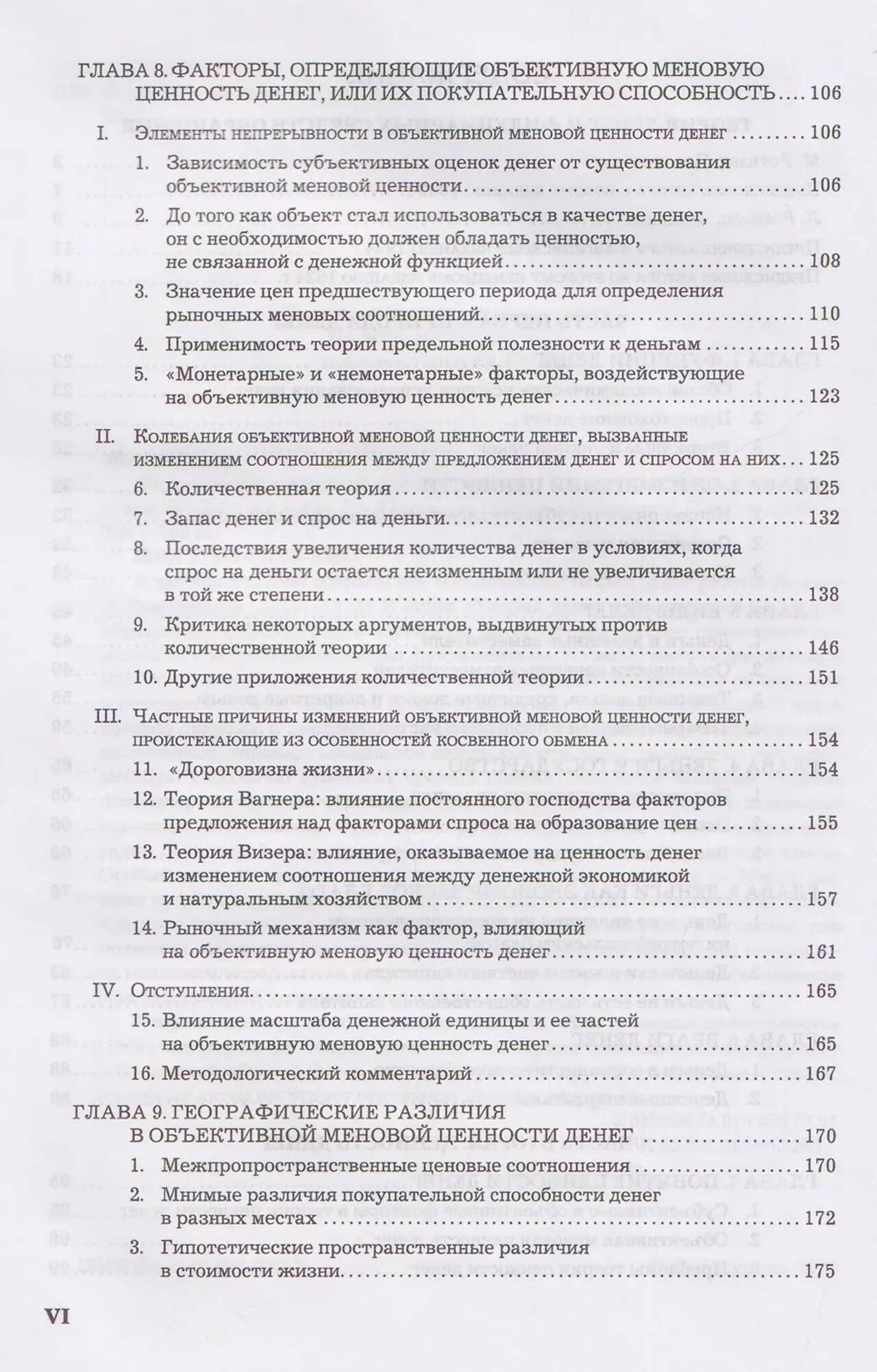
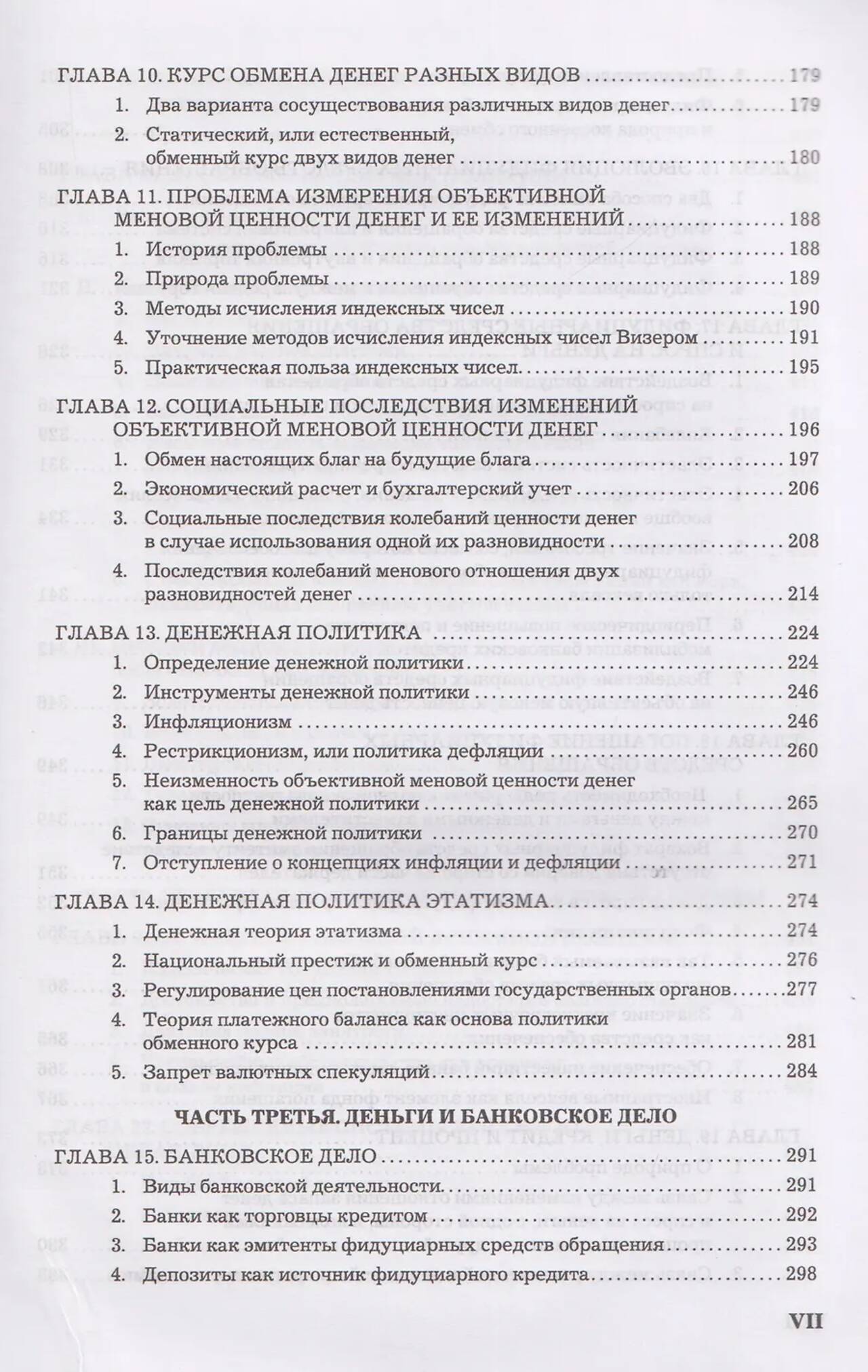
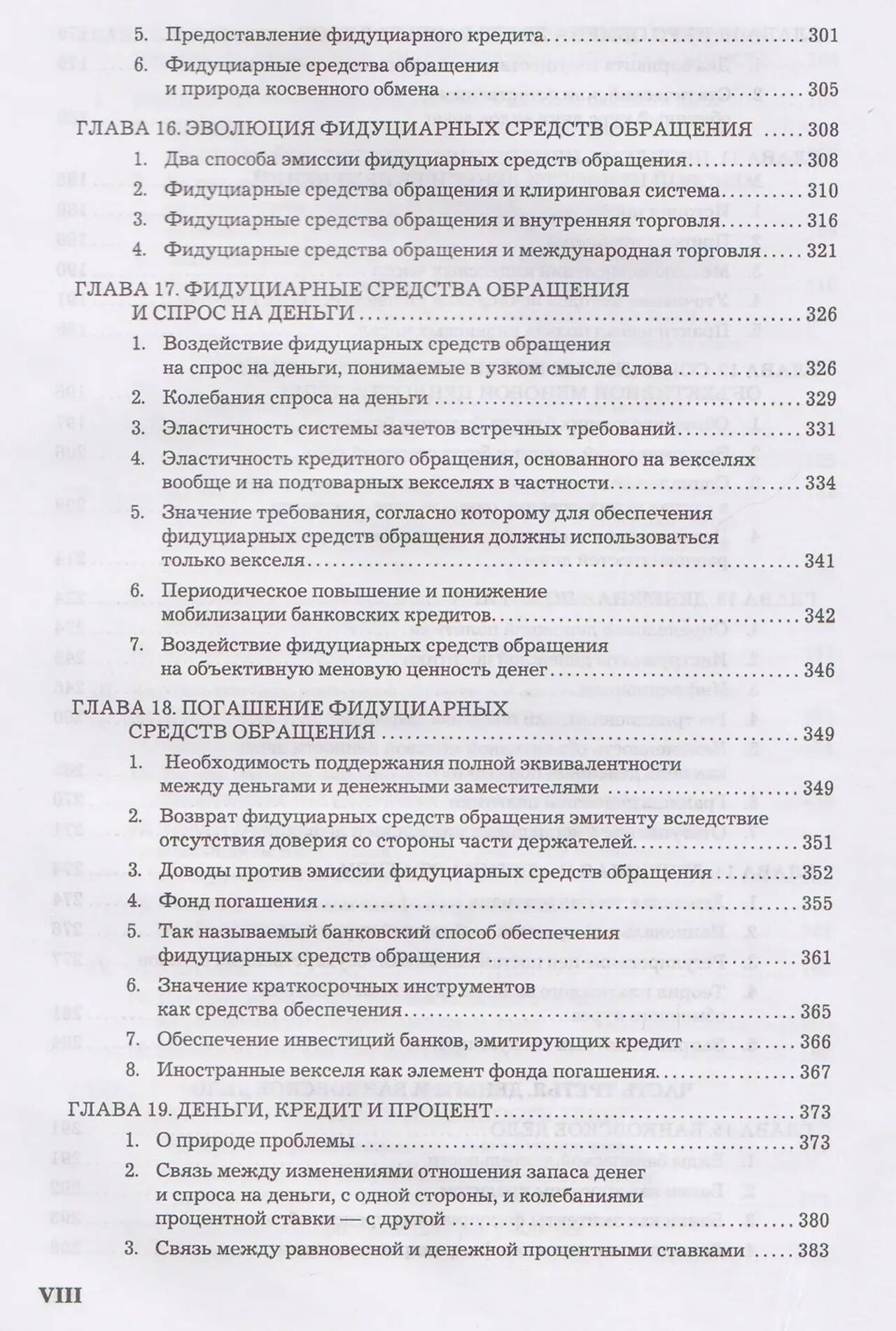
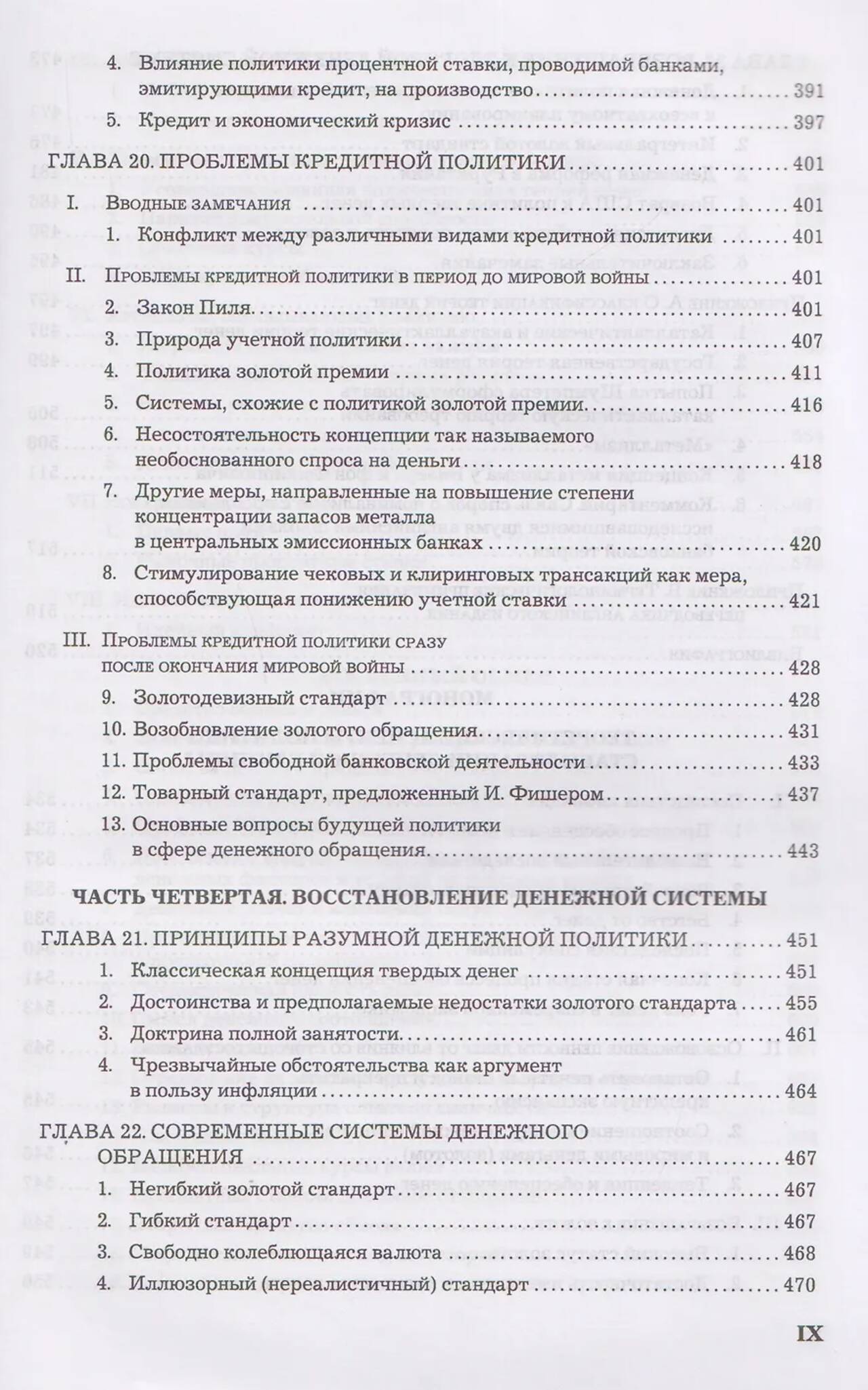
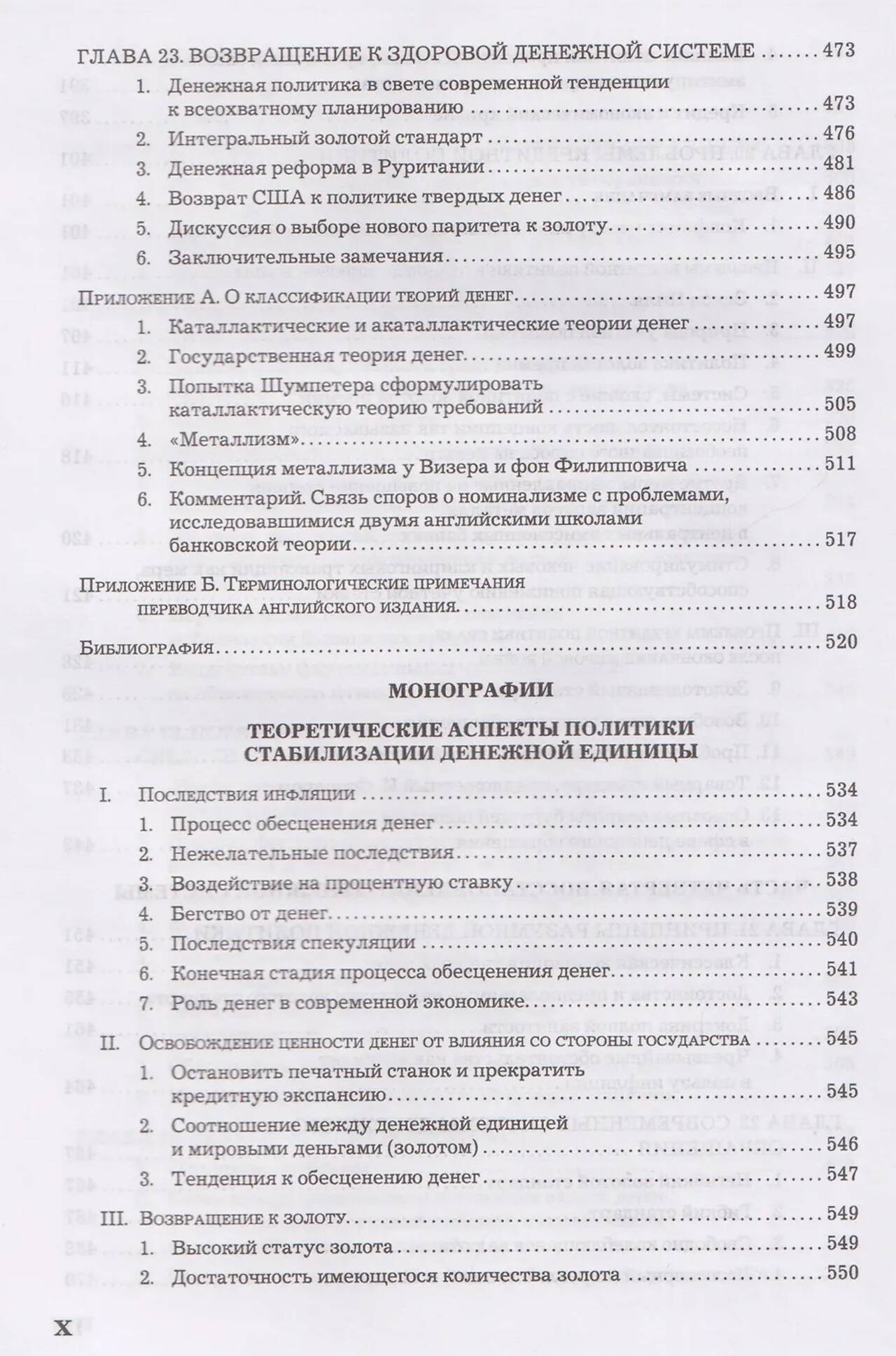
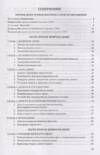
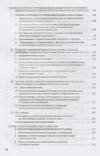
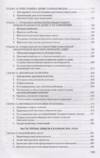
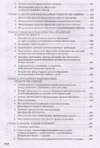
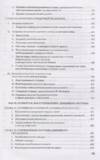
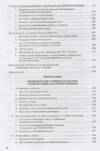
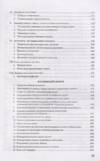
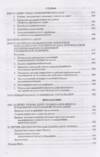
This volume contains all of Ludwig von Mises's (1881–1973) works on monetary theory.
In his book "The Theory of Money and Fiduciary Media" (1912), the author, among other things, integrated marginal utility theory and monetary theory, solving a fundamental economic-theoretical problem previously considered insoluble. He based this solution on a theory of the value of money, treating it as an independent class of goods (alongside consumer goods and industrial goods), refuted the concept of money neutrality, and developed a comprehensive typology of monetary media of exchange.
Mises's introduction of the concept of fiduciary media (a specific type of money substitute) allowed him to provide a correct economic-theoretical description of banking and advance a theory of the business cycle.
Of particular interest is the analysis of the consequences of inflation: Mises identified its role in the redistribution of wealth from one economic group to another, examined its impact on deferred payments, and explained how inflationary policies—primarily in the form of credit expansion—generate a mechanism of alternating artificial booms and destructive crises (the so-called business cycle).
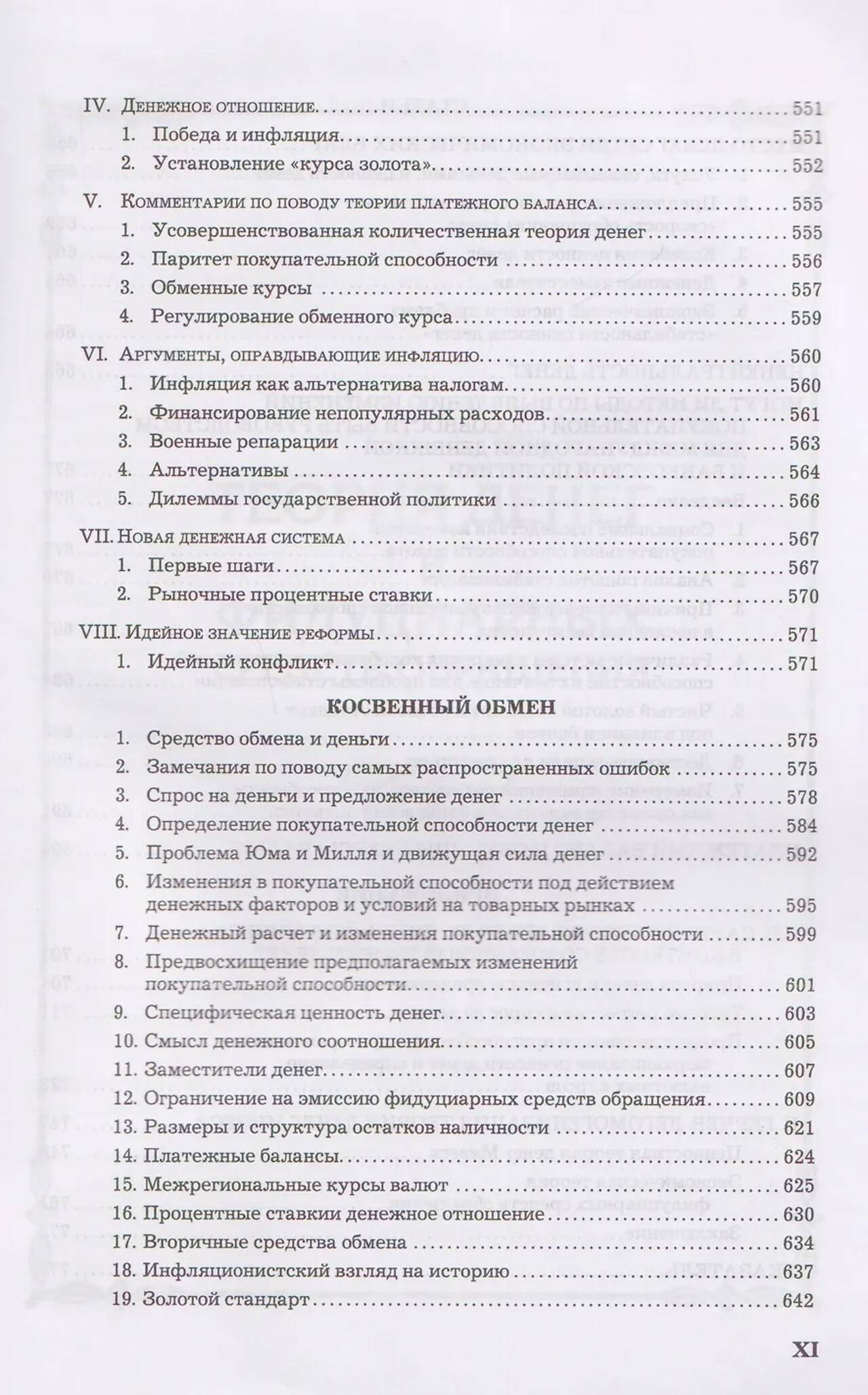
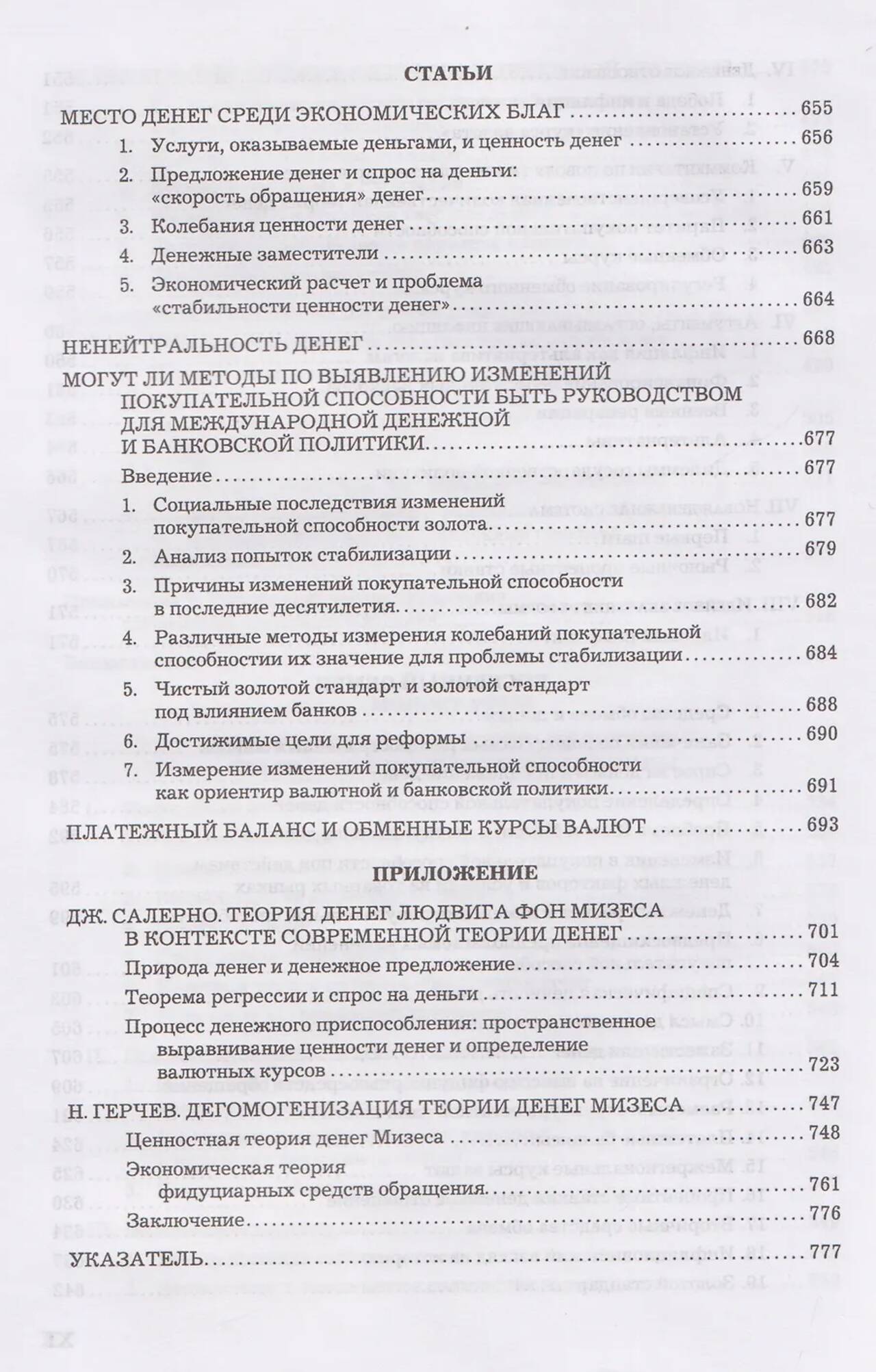
This volume includes a chapter from Human Action (1949), in which Mises's theory of money reached its final form ("Indirect Exchange"). Other monographs and articles in which the author explores individual aspects of monetary theory are also published here.
In his book "The Theory of Money and Fiduciary Media" (1912), the author, among other things, integrated marginal utility theory and monetary theory, solving a fundamental economic-theoretical problem previously considered insoluble. He based this solution on a theory of the value of money, treating it as an independent class of goods (alongside consumer goods and industrial goods), refuted the concept of money neutrality, and developed a comprehensive typology of monetary media of exchange.
Mises's introduction of the concept of fiduciary media (a specific type of money substitute) allowed him to provide a correct economic-theoretical description of banking and advance a theory of the business cycle.
Of particular interest is the analysis of the consequences of inflation: Mises identified its role in the redistribution of wealth from one economic group to another, examined its impact on deferred payments, and explained how inflationary policies—primarily in the form of credit expansion—generate a mechanism of alternating artificial booms and destructive crises (the so-called business cycle).
This volume includes a chapter from Human Action (1949), in which Mises's theory of money reached its final form ("Indirect Exchange"). Other monographs and articles in which the author explores individual aspects of monetary theory are also published here.
See also:
- All books by the publisher
- All books by the author